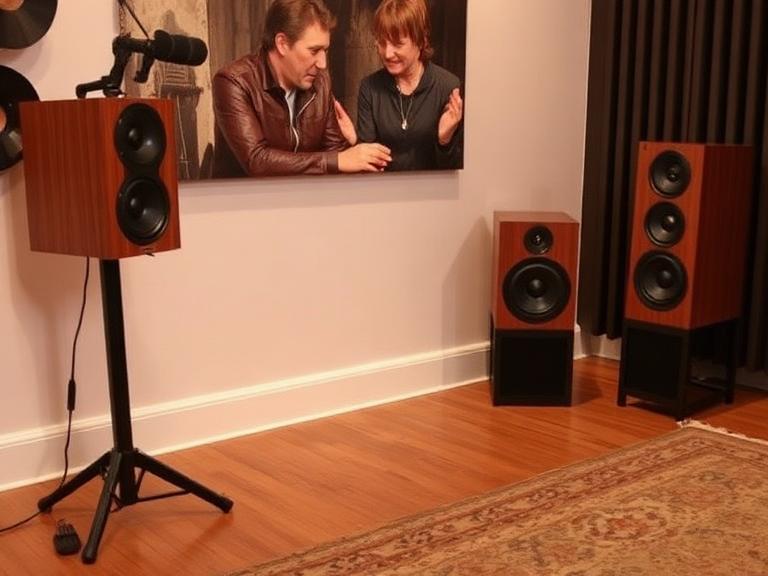
As senior acousticians and master craftsmen at Cosmos Handpan, we have dedicated our professional lives to the science of sound and the art of musical expression. Every day, aspiring musicians and seasoned professionals ask us a fundamental question: how do I begin? The decision to choose a musical instrument is deeply personal, impacting your creative output, your daily routine, and your overall mental well-being. It is not merely a purchase; it is the adoption of a new voice. When you choose a musical instrument, you are committing to a journey of discipline, resonance, and emotional exploration.

Cosmos Handpan is a leading brand committed to creating high-quality handpans for professional and beginner musicians. From our experience, many individuals abandon their musical pursuits simply because they did not know how to correctly choose a musical instrument that aligned with their physical capabilities, acoustic preferences, and lifestyle constraints. In 2026, the market is flooded with options ranging from digital synthesizers to acoustic percussive masterpieces. To help you navigate this complex landscape, we have compiled an authoritative guide. We recommend reading through these ten expert tips carefully to ensure that when you finally choose a musical instrument, it brings you a lifetime of joy and harmonic fulfillment.
Table of Contents
- Summary Table: 10 Expert Tips Overview
- Tip 1: Assess Your Acoustic Tastes and Sonic Goals
- Tip 2: Evaluate the Initial Learning Curve
- Tip 3: Analyze Ergonomics and Physical Requirements
- Tip 4: Determine the True Lifetime Budget
- Tip 5: Consider Spatial and Volume Constraints
- Tip 6: Prioritize Superior Sound Quality and Craftsmanship
- Tip 7: Decide Between Solo Introspection or Group Play
- Tip 8: Look for Scalability in Your Chosen Discipline
- Tip 9: Factor in Maintenance and Climate Sensitivity
- Tip 10: Seek Expert Guidance and Reputable Manufacturers
- Cosmos Handpan Product Showcase
- Frequently Asked Questions (FAQs)
- Industry References
Summary Table: 10 Expert Tips Overview
To provide a quick, scannable reference for our readers, we have summarized the core methodologies used by professionals when they choose a musical instrument. Bookmark this table for your future acoustic evaluations.
| Expert Tip | Primary Consideration | Professional Recommendation |
|---|---|---|
| 1. Acoustic Tastes | Aligning with preferred music genres | Listen to isolated instrument tracks before deciding. |
| 2. Learning Curve | Time required to produce a pleasant tone | Select intuitive instruments if you lack formal music theory. |
| 3. Ergonomics | Physical comfort and posture during play | Test the weight and finger-stretch requirements. |
| 4. True Budget | Upfront cost vs. ongoing maintenance | Look for brands offering a balance of affordability and artisanal quality. |
| 5. Volume Constraints | Living situation and acoustic projection | Consider instruments with controllable dynamics. |
| 6. Sound Quality | Resonance, tuning stability, and overtones | Ensure the manufacturer utilizes rigorous inspection processes. |
| 7. Solo vs. Group | Harmonic role (melody, harmony, rhythm) | Choose polyphonic instruments for robust solo performances. |
| 8. Scalability | Room for advanced compositional growth | Select instruments with varying scale ranges (e.g., 9 to 17 notes). |
| 9. Maintenance | Tuning, oiling, and climate control | Understand the specific metal or wood care requirements. |
| 10. Expert Guidance | Manufacturer reputation and support | Buy directly from specialized, dedicated artisans. |
Tip 1: Assess Your Acoustic Tastes and Sonic Goals

The fundamental first step when you choose a musical instrument is identifying the timbres that naturally soothe or energize you. Do you prefer the sharp attack of a snare drum, the sustained bowed string of a cello, or the ethereal, lingering resonance of a handpan? From our experience, beginners who select an instrument based purely on aesthetic appeal rather than sonic preference often lose motivation quickly. We recommend immersing yourself in pure solo recordings of various instruments to identify which frequencies resonate with your personal acoustic tastes.
Tip 2: Evaluate the Initial Learning Curve
Frustration is the enemy of musical progress. When you choose a musical instrument, you must be honest about how much time you can dedicate to overcoming the initial mechanical hurdles. Instruments like the violin require months of practice just to produce a sound that isn't grating. Conversely, if you want immediate melodic satisfaction when you choose a musical instrument, percussive-melodic options are superior. For example, a Handpan for Beginners is specially tuned for ease of play and rapid learning. Because the notes are pre-selected in a harmonious scale, there are no wrong notes, drastically reducing the learning curve.
Tip 3: Analyze Ergonomics and Physical Requirements
Physical discomfort will severely limit your practice sessions. To intelligently choose a musical instrument, you must consider your body mechanics. Does the instrument require immense lung capacity? Does it demand wide finger stretches that your hands cannot accommodate? We recommend testing the resting posture required to play. Instruments that sit comfortably on the lap and promote an upright spinal posture are generally better for long-term musculoskeletal health.
Tip 4: Determine the True Lifetime Budget
When you choose a musical instrument, the price tag on the item is rarely the final cost. Woodwind players must continuously buy reeds; string players must replace strings and re-hair bows. Fortunately, some instruments require zero recurring component replacements. At Cosmos Handpan, our 2026 lineup offers a perfect balance of affordability and artisanal quality, ensuring that the decent handpan cost remains accessible without compromising on the cosmic resonance the brand is known for. You make a single investment in a lifetime piece of metallic art.
Tip 5: Consider Spatial and Volume Constraints
Your living environment dictates what you can reasonably play. A full acoustic drum kit is a poor choice for a top-floor apartment. When you choose a musical instrument, evaluate its decibel output and whether it can be muted. Acoustic instruments that naturally produce mid-range, soothing frequencies are far less likely to disturb neighbors or sleeping family members, allowing for late-night practice sessions.
Tip 6: Prioritize Superior Sound Quality and Craftsmanship
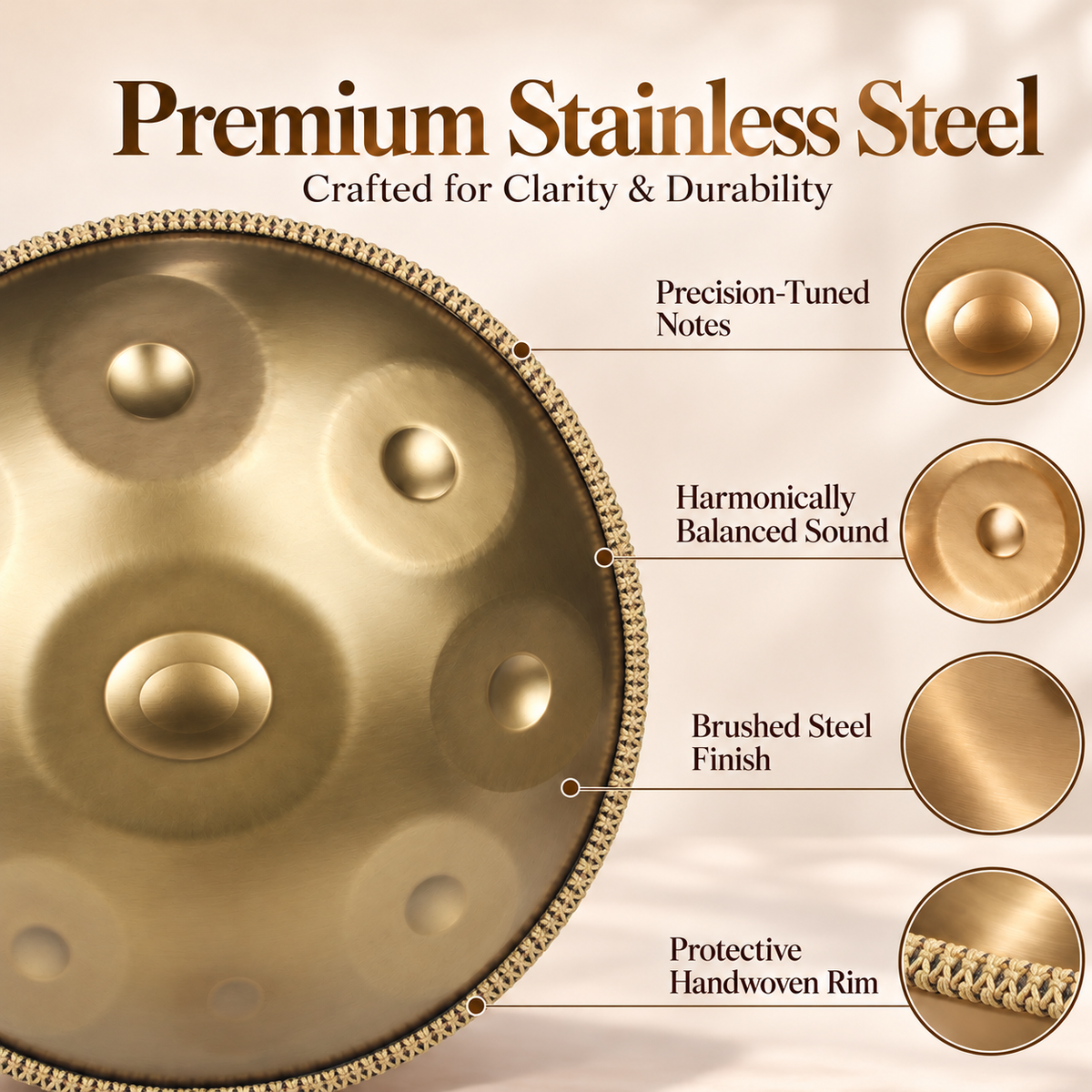
A poorly manufactured instrument will hinder your ear training. If an instrument cannot hold its tuning, you will subconsciously learn incorrect pitches. When you choose a musical instrument, insist on structural integrity and precise intonation. Every instrument at Cosmos Handpan undergoes rigorous inspection to guarantee superior sound and playability. The harmonic overtones must align perfectly with the fundamental note, a standard of craftsmanship that separates professional instruments from mere toys.
Tip 7: Decide Between Solo Introspection or Group Play
Do you envision yourself playing in a vibrant band, or are you seeking a meditative, solitary practice? Monophonic instruments like the flute are brilliant for orchestral settings but can feel limiting alone. Polyphonic instruments allow you to play rhythm, bass, and melody simultaneously. When you choose a musical instrument for personal meditation and solo performance, options that offer a full soundscape without the need for accompaniment are vastly superior.
Tip 8: Look for Scalability in Your Chosen Discipline
A brilliant way to choose a musical instrument is to look at the manufacturer's product range to ensure there is room for you to grow. You do not want to outgrow your instrument's capabilities within a year. A robust product ecosystem allows a player to upgrade their complexity while retaining the same physical playing techniques. This scalability is a core philosophy in our manufacturing process.
Tip 9: Factor in Maintenance and Climate Sensitivity
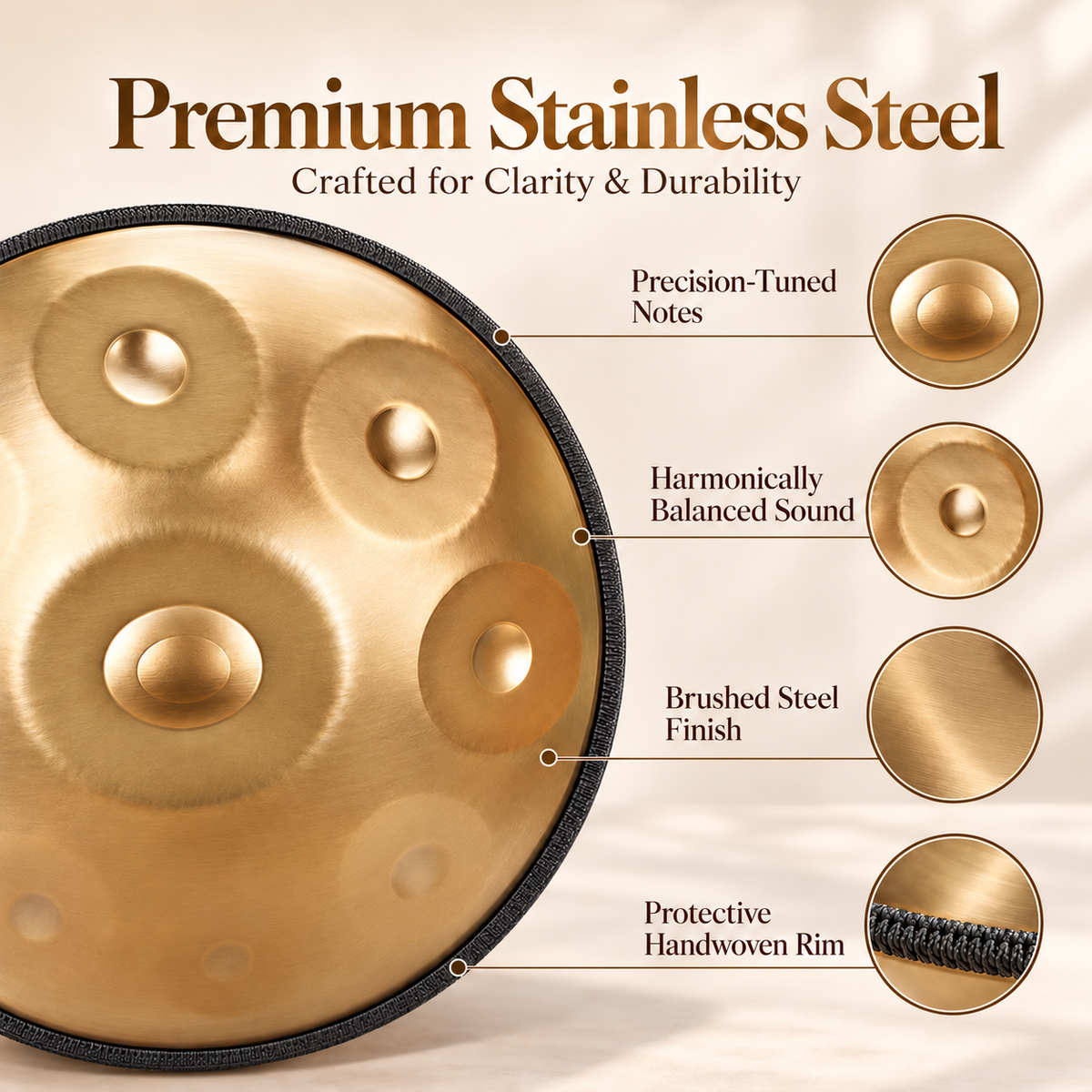
Wood swells in humidity and cracks in dry heat. Brass tarnishes. When you choose a musical instrument, you are also choosing its maintenance routine. From our experience, if you live in an environment with extreme temperature fluctuations, you must select an instrument built to withstand those changes, or be prepared to invest in humidors and climate-controlled cases. Nitrided steel instruments offer incredible resistance to the elements, requiring only occasional oiling to maintain their pristine condition.
Tip 10: Seek Expert Guidance and Reputable Manufacturers
Finally, never choose a musical instrument in a vacuum. The mass-produced, factory-line instruments found in generic big-box stores lack the soul and precision of artisanal creations. We recommend speaking directly with the makers. A reputable manufacturer will answer questions about steel thickness, scale selection, and tuning techniques. Trust brands that focus deeply on a specific niche rather than those producing hundreds of unrelated product categories.
Cosmos Handpan Product Showcase: Scaling Your Musical Journey

To illustrate how to properly choose a musical instrument based on skill level and compositional needs, we have detailed our precise 2026 lineup. Whether you are seeking a Handpan Drum Instrument as a general-purpose high-quality option for various music styles, or a highly specific tuning, our collection provides the perfect match.
The 9 Notes Handpan
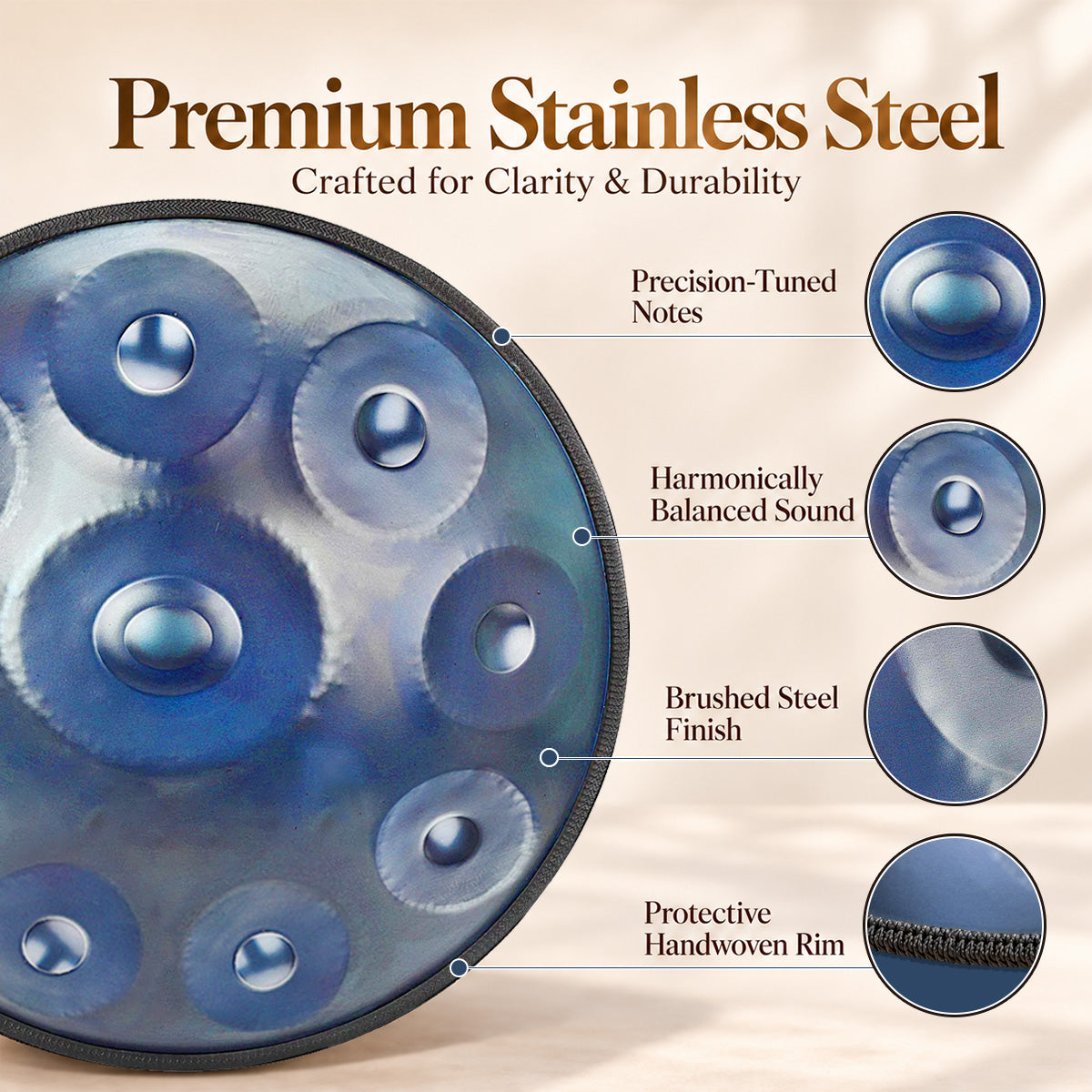
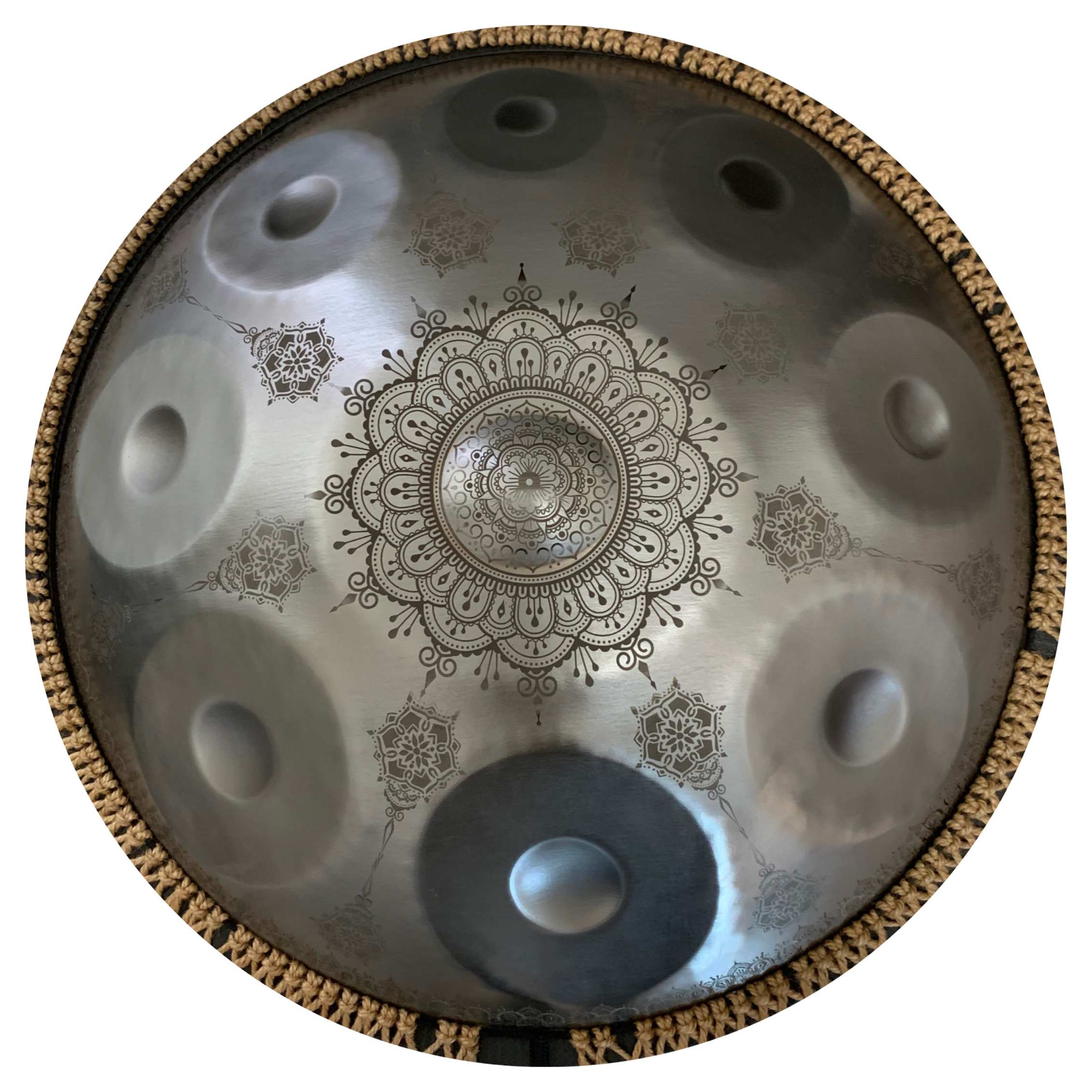
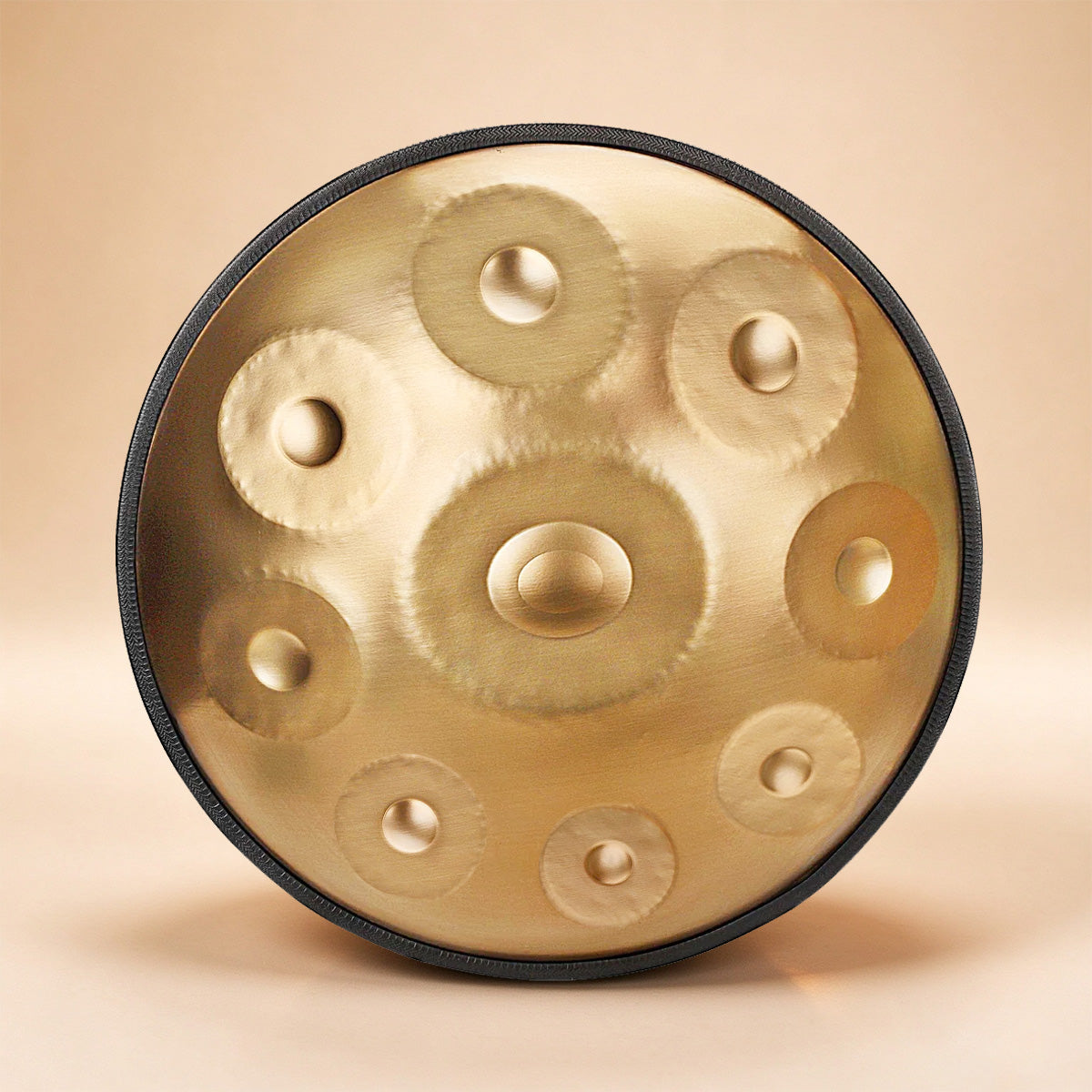
If you are looking to choose a musical instrument that offers immediate accessibility without overwhelming complexity, this is the starting point. The 9 Notes Handpan is perfect for focused, melodic exploration and beginner-friendly performance. The layout is incredibly intuitive, allowing new players to build muscle memory effortlessly while enjoying rich, sustained resonance.
The 10 Notes Handpan
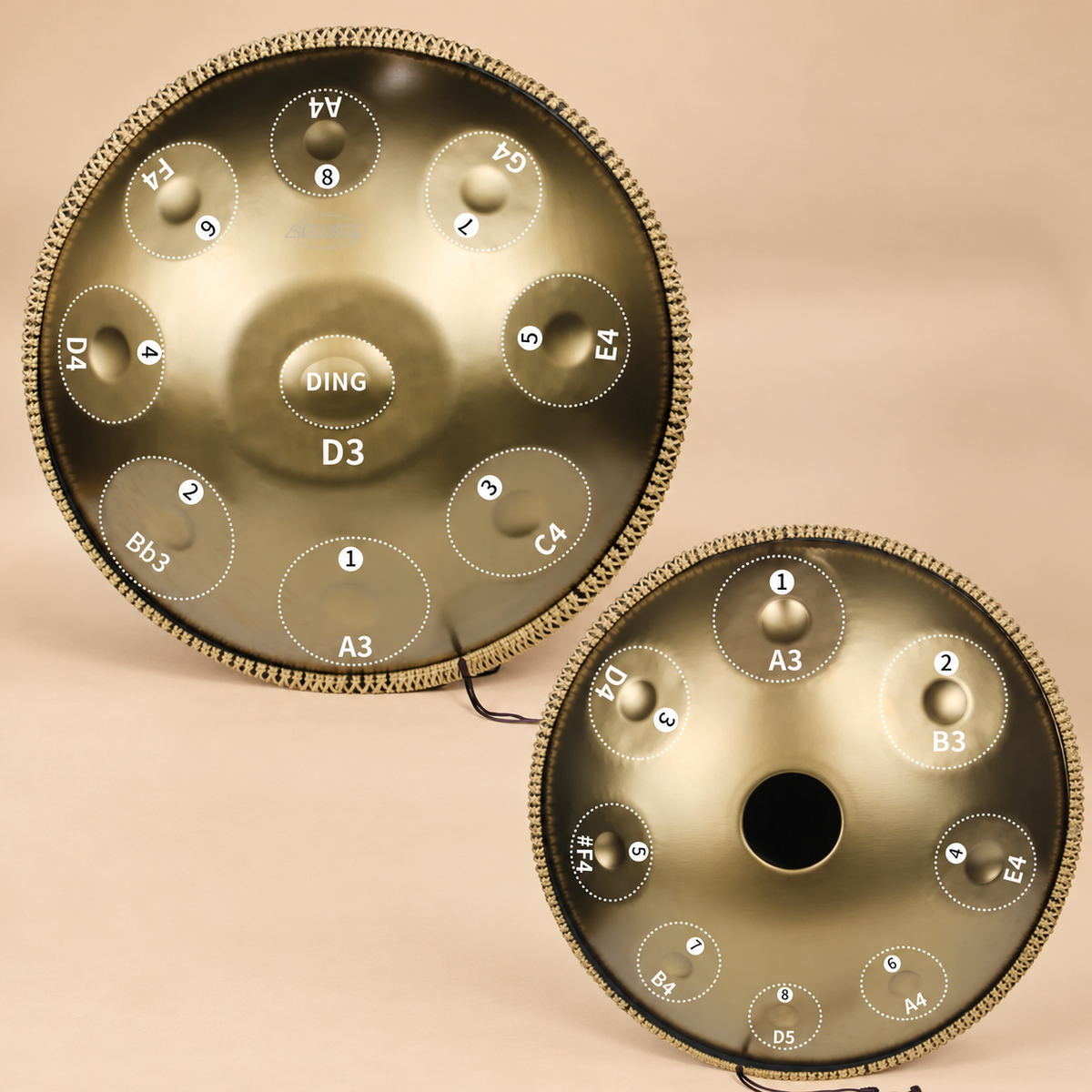
For those who have a basic understanding of rhythm and want slightly more harmonic variety, we recommend stepping up. The 10 Notes Handpan is the balanced standard for modern players seeking a versatile instrument. The addition of the extra note provides pivotal minor/major shifts, granting the player a wider emotional vocabulary during improvisation.
The 12 Notes Handpan
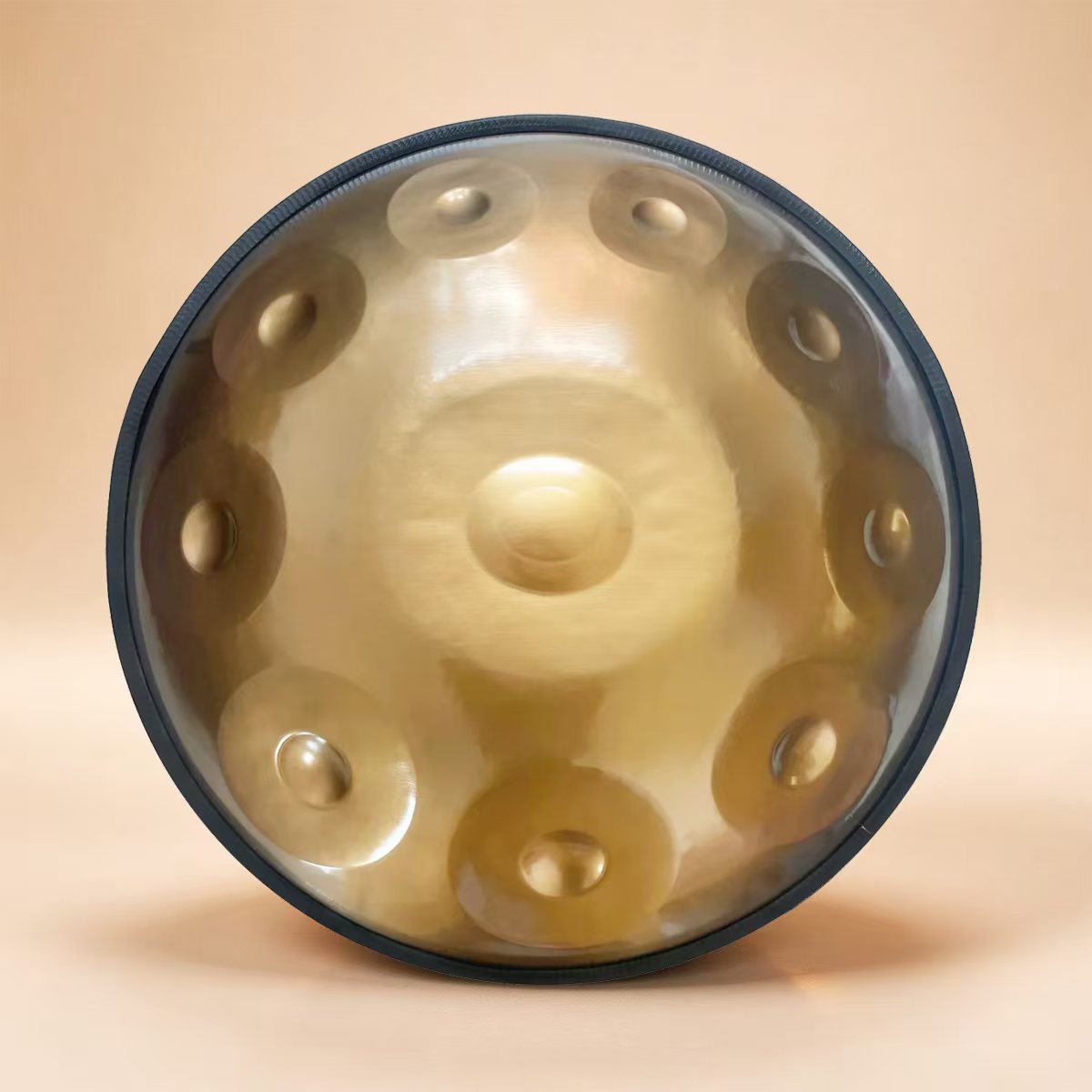
When intermediate players choose a musical instrument, they often look for extended capabilities. The 12 Notes Handpan offers an expanded range for complex compositions and intermediate musicians. The integration of bottom notes challenges the player to develop advanced hand independence and creates a massive, immersive wall of sound.
The 17 Notes Handpan
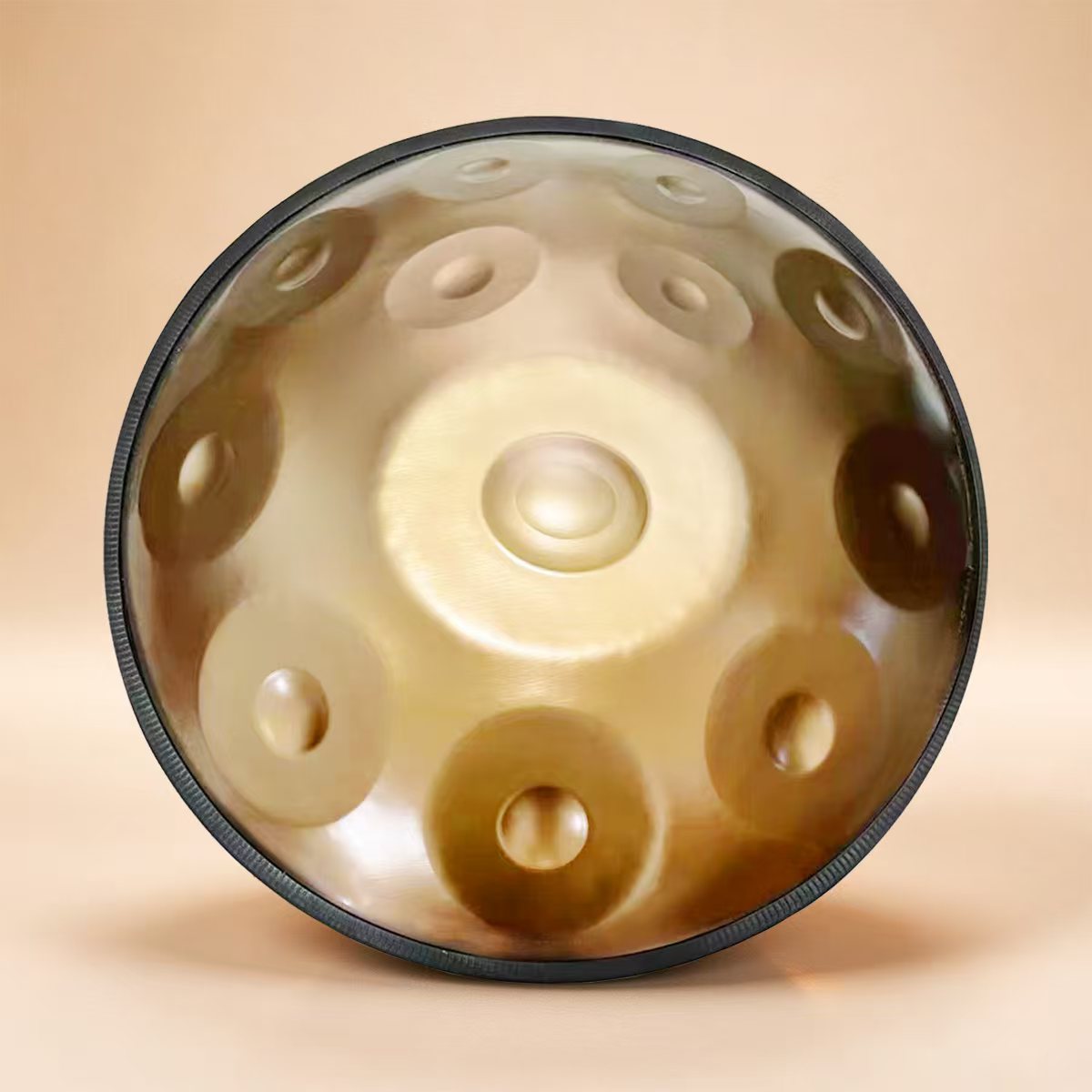
For the uncompromising professional, limitations are unacceptable. The 17 Notes Handpan is the ultimate professional instrument with an extended scale for advanced compositions. To choose a musical instrument of this caliber is to command an entire orchestra of percussive melody. It requires immense skill to navigate but rewards the player with infinite compositional possibilities.
Frequently Asked Questions (FAQs)
The scale determines the emotional tone of the instrument. Major scales sound uplifting and happy, while minor or exotic scales sound introspective, mysterious, or melancholic. From our experience, choosing a scale that reflects your inner emotional state is the most critical factor in ensuring long-term dedication to the instrument.
Unlike stringed instruments that require calluses, or brass instruments that require intense lip embouchure, the handpan requires very little physical force. We recommend it highly for people of all ages. The technique relies on a quick, light bounce of the finger rather than heavy striking, making it incredibly ergonomic and accessible.
Not necessarily. When you choose a musical instrument, more notes mean more complexity and less space between tone fields, which can lead to accidental strikes for beginners. A 9 Notes Handpan is objectively perfect for focused melodic exploration, whereas a 17 Notes Handpan is suited for advanced players. More notes simply mean a different set of acoustic tools, not inherently superior quality.
A decent handpan cost reflects the hours of manual hammering, tuning, and rigorous inspection required to build it. While ultra-cheap, mass-produced stamped metal drums exist, they cannot hold a tune and produce dissonant overtones. Cosmos Handpan bridges this gap, offering a perfect balance of affordability and artisanal quality so you do not have to sacrifice acoustic integrity for price.
Industry References and Acoustic Standards
- The International Society of Percussive Arts: Ergonomics in Hand-Played Idiophones.
- Journal of Psychoacoustics: The Impact of Intuitive Scale Instruments on Adult Learning Curves.
- Acoustic Resonance Standards: Maintaining Tuning Stability in Nitrided Steel Instruments.