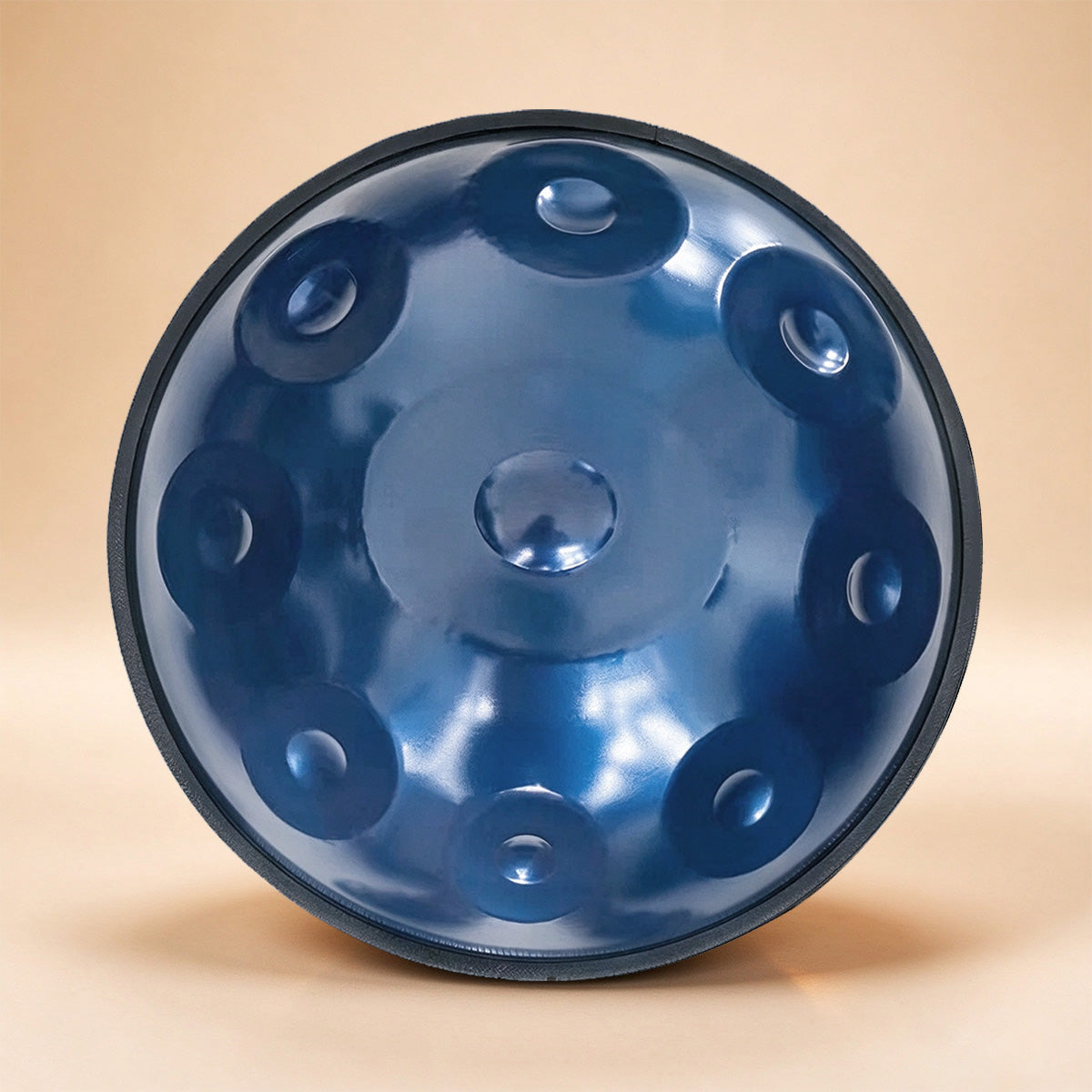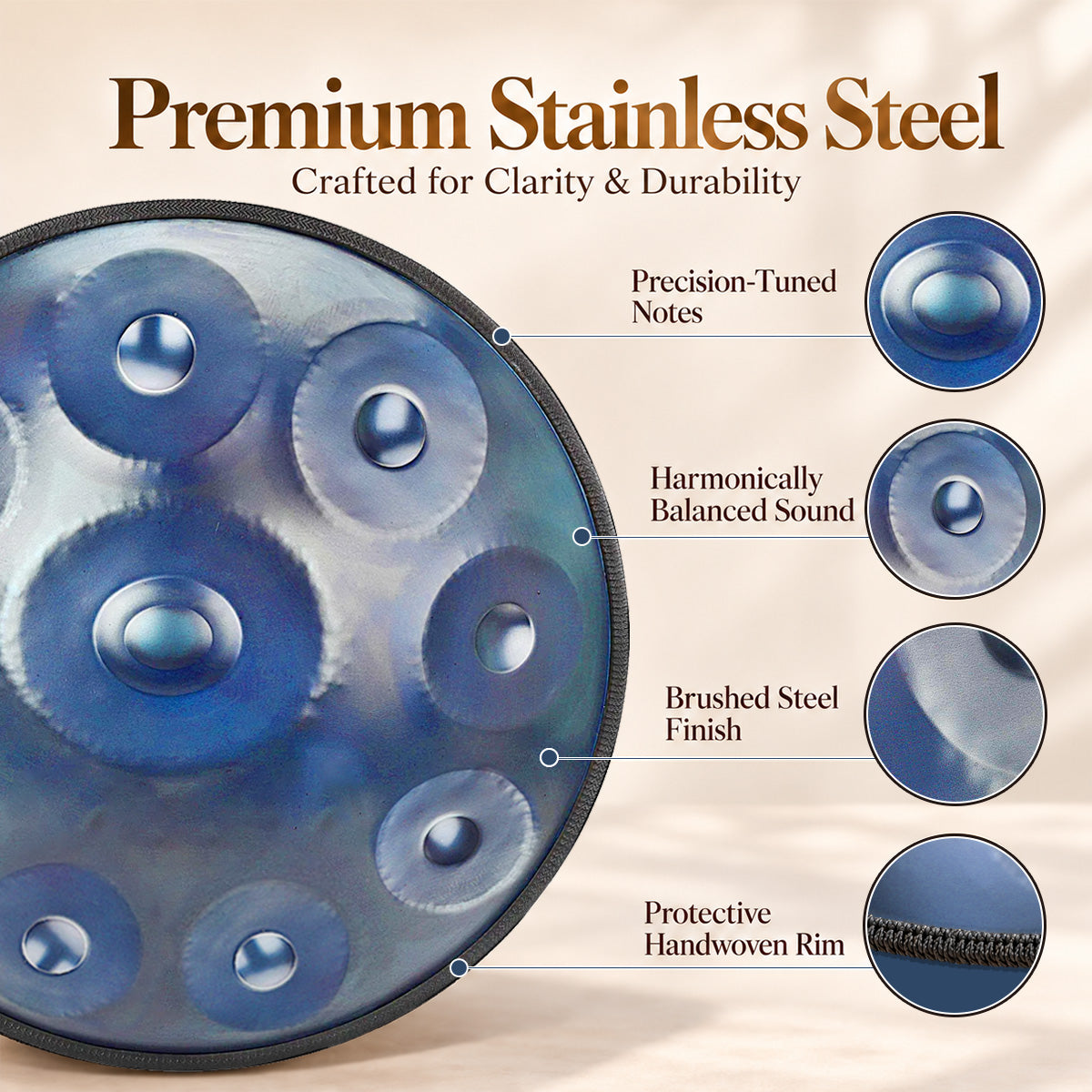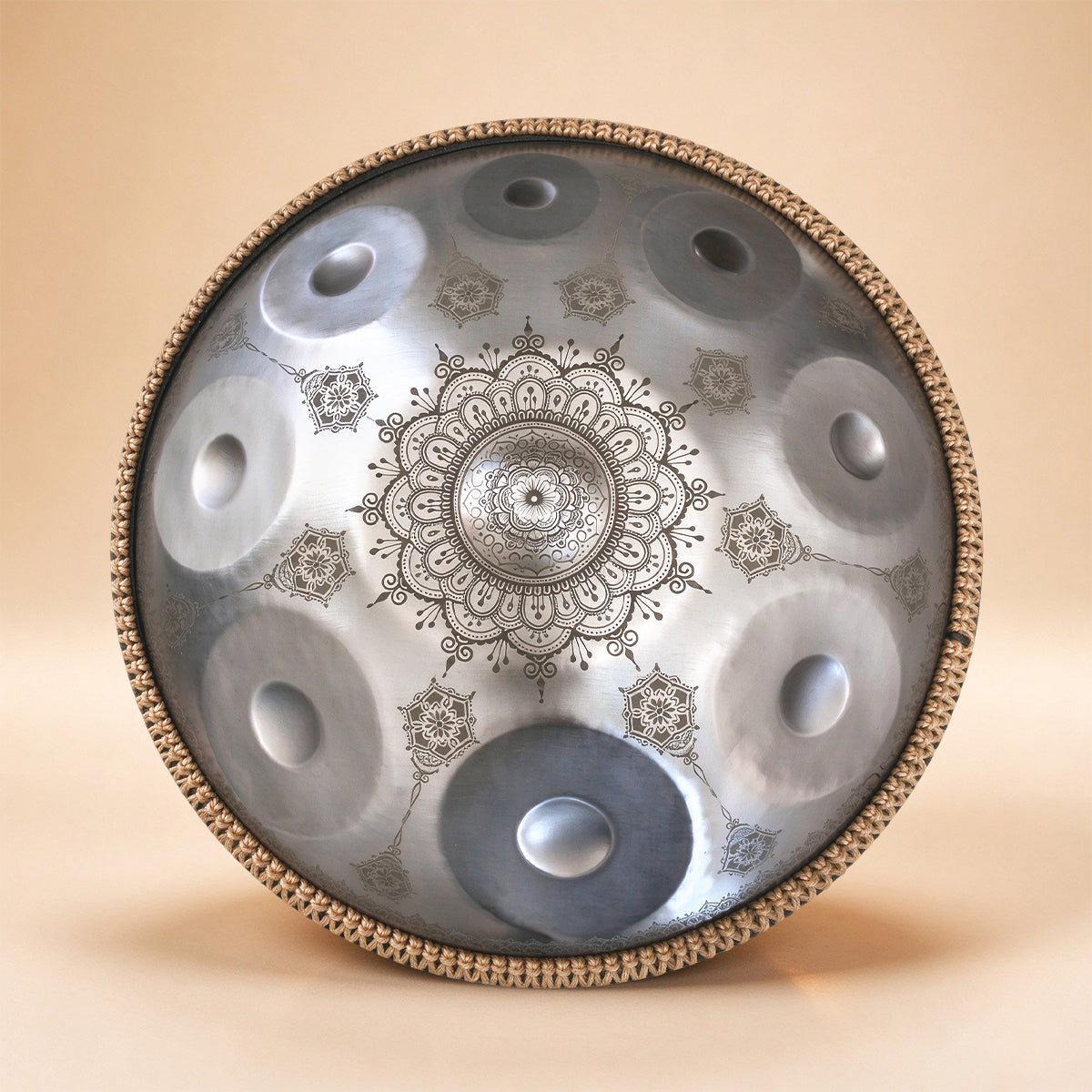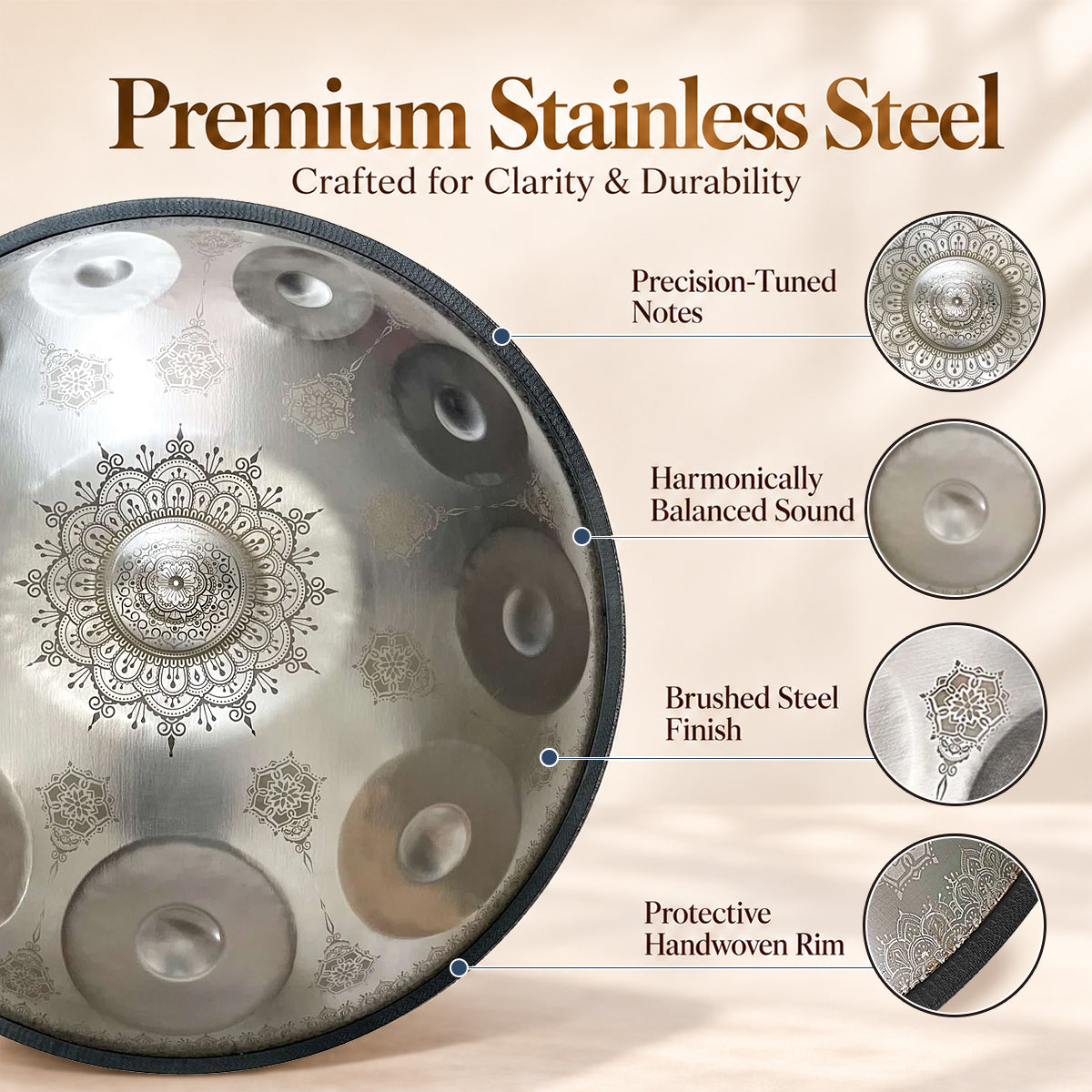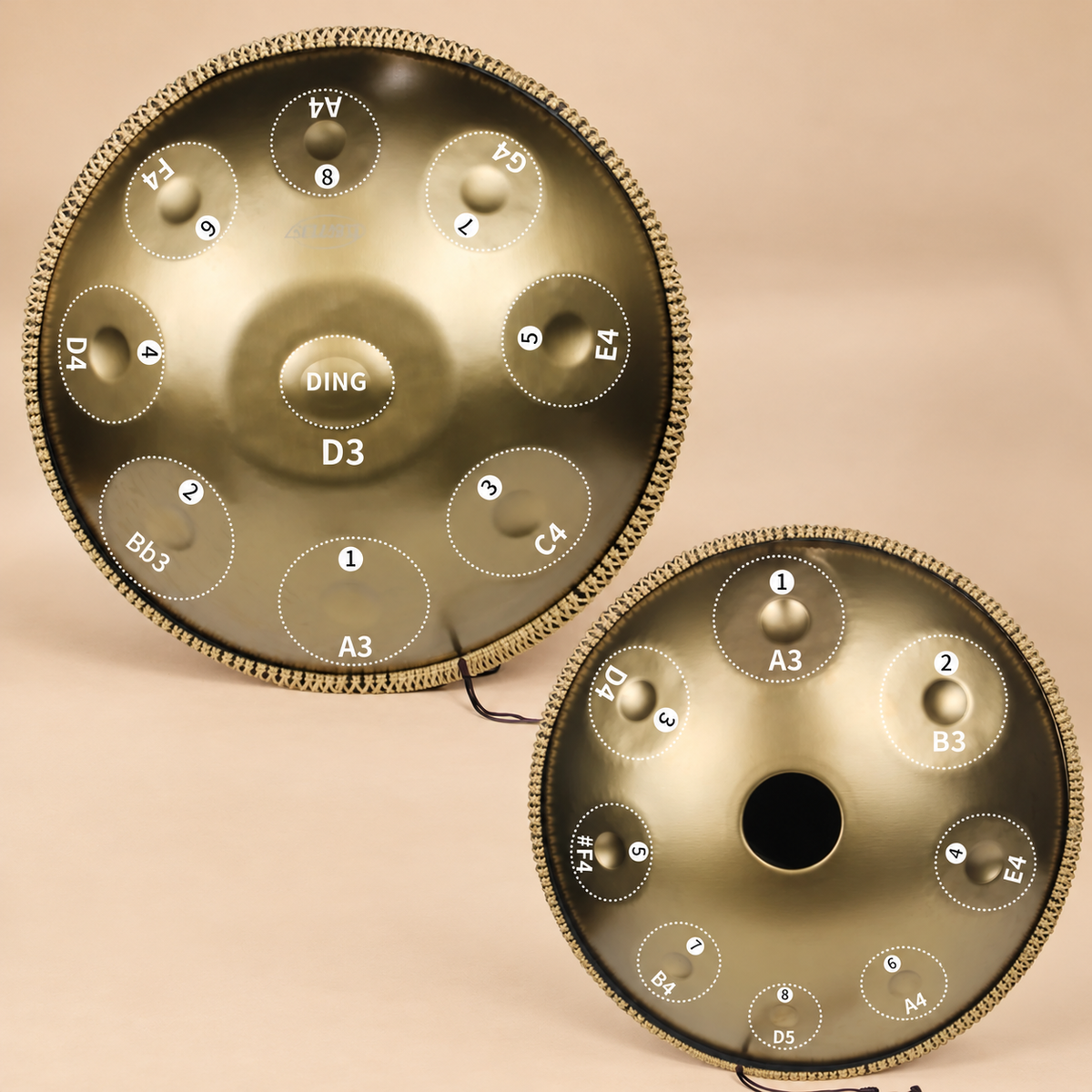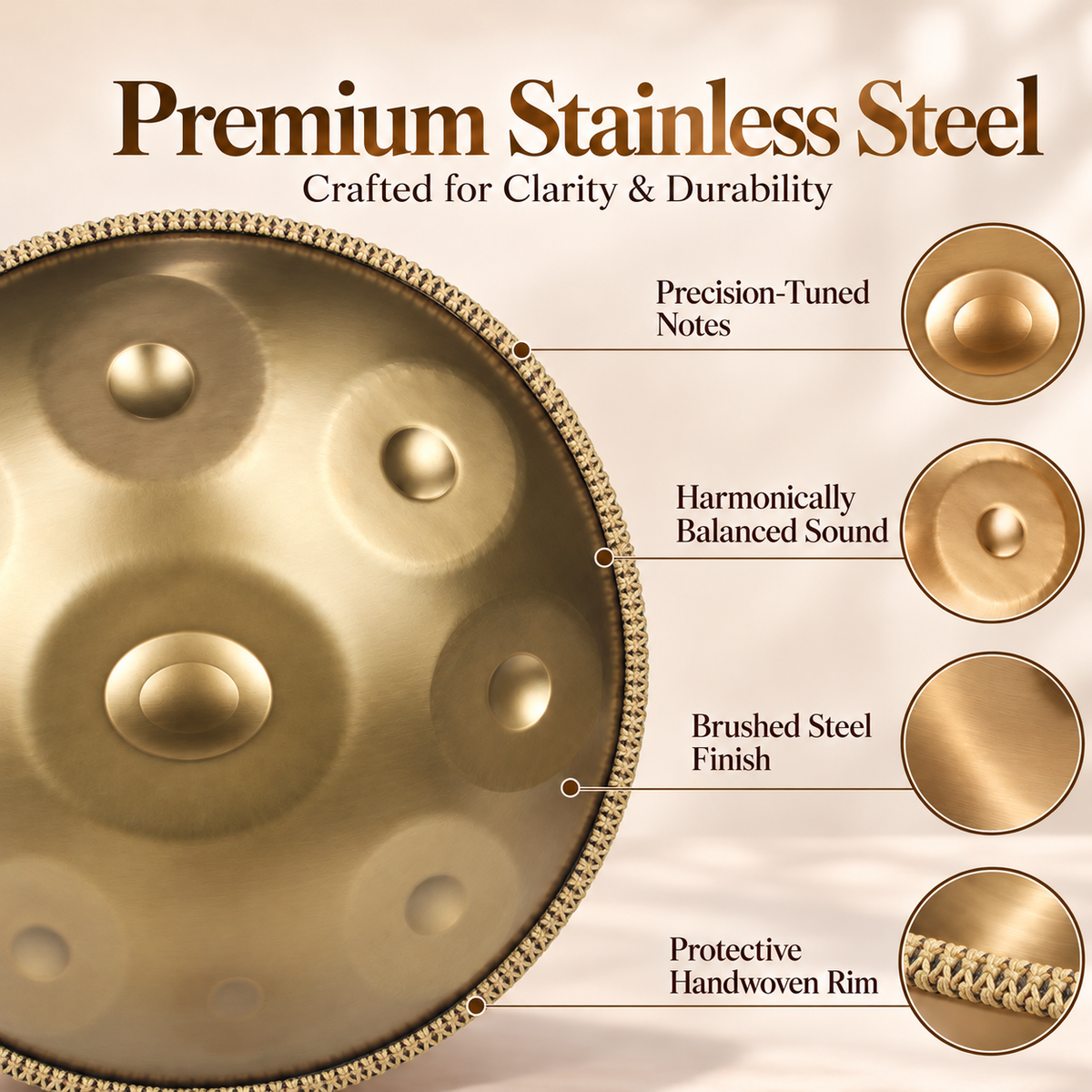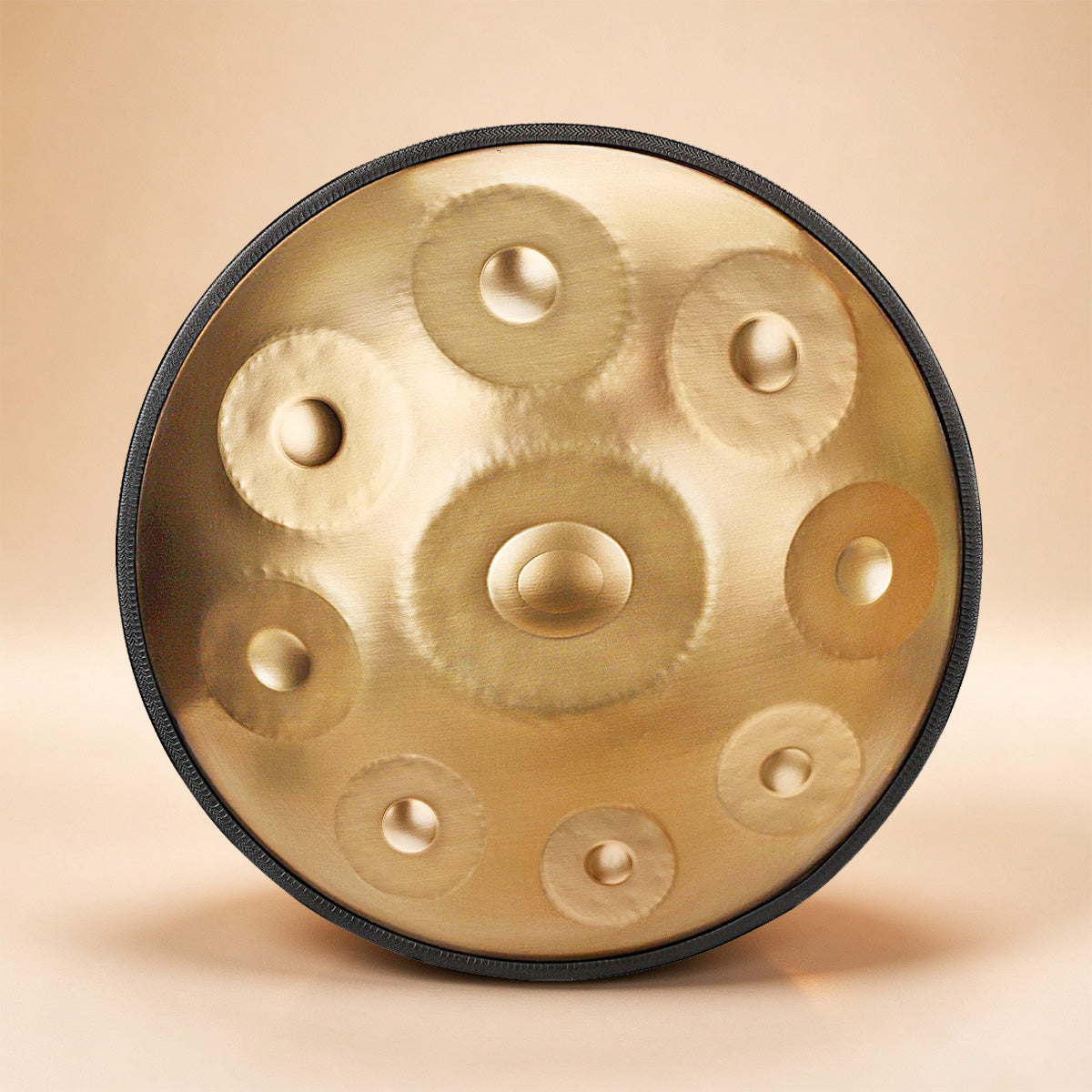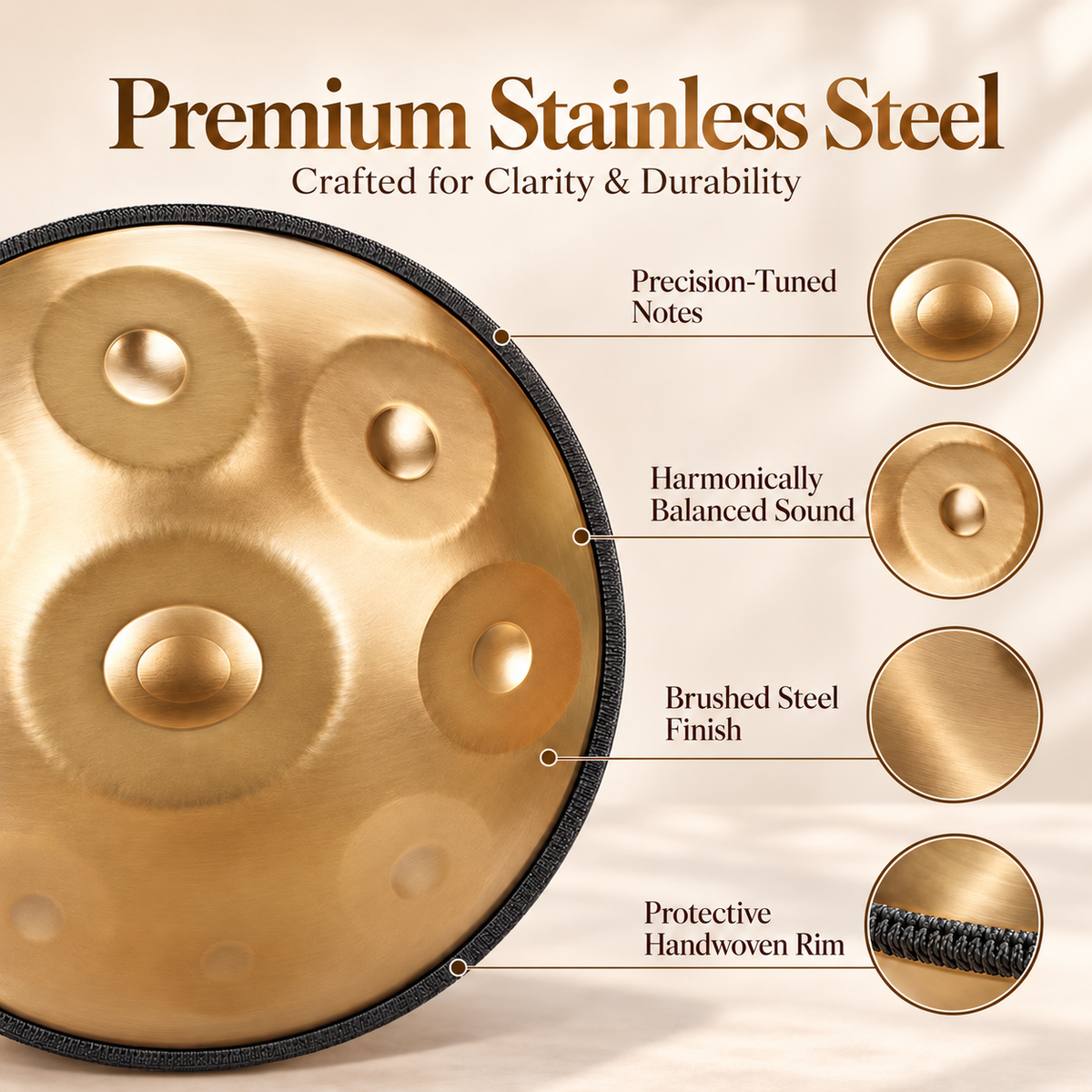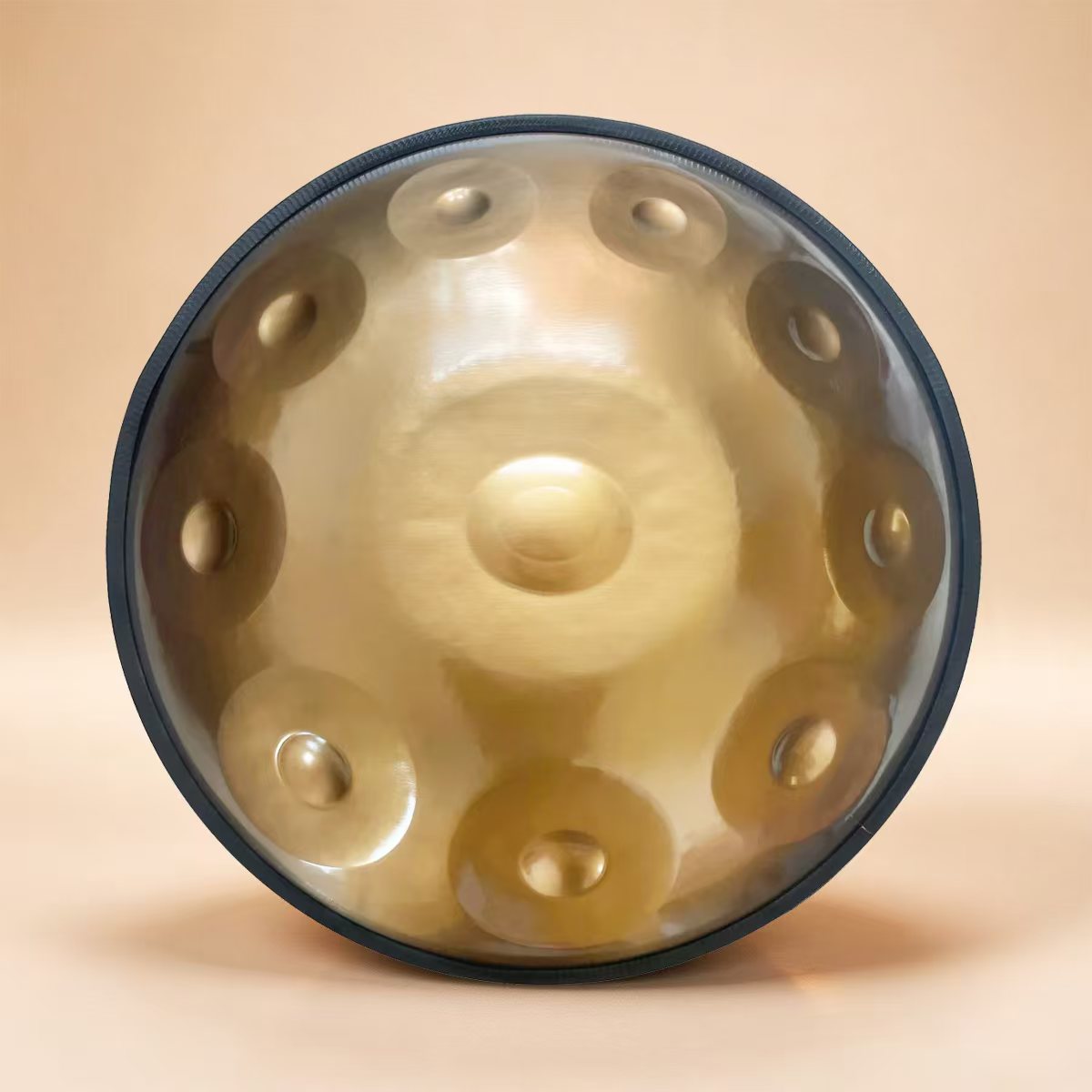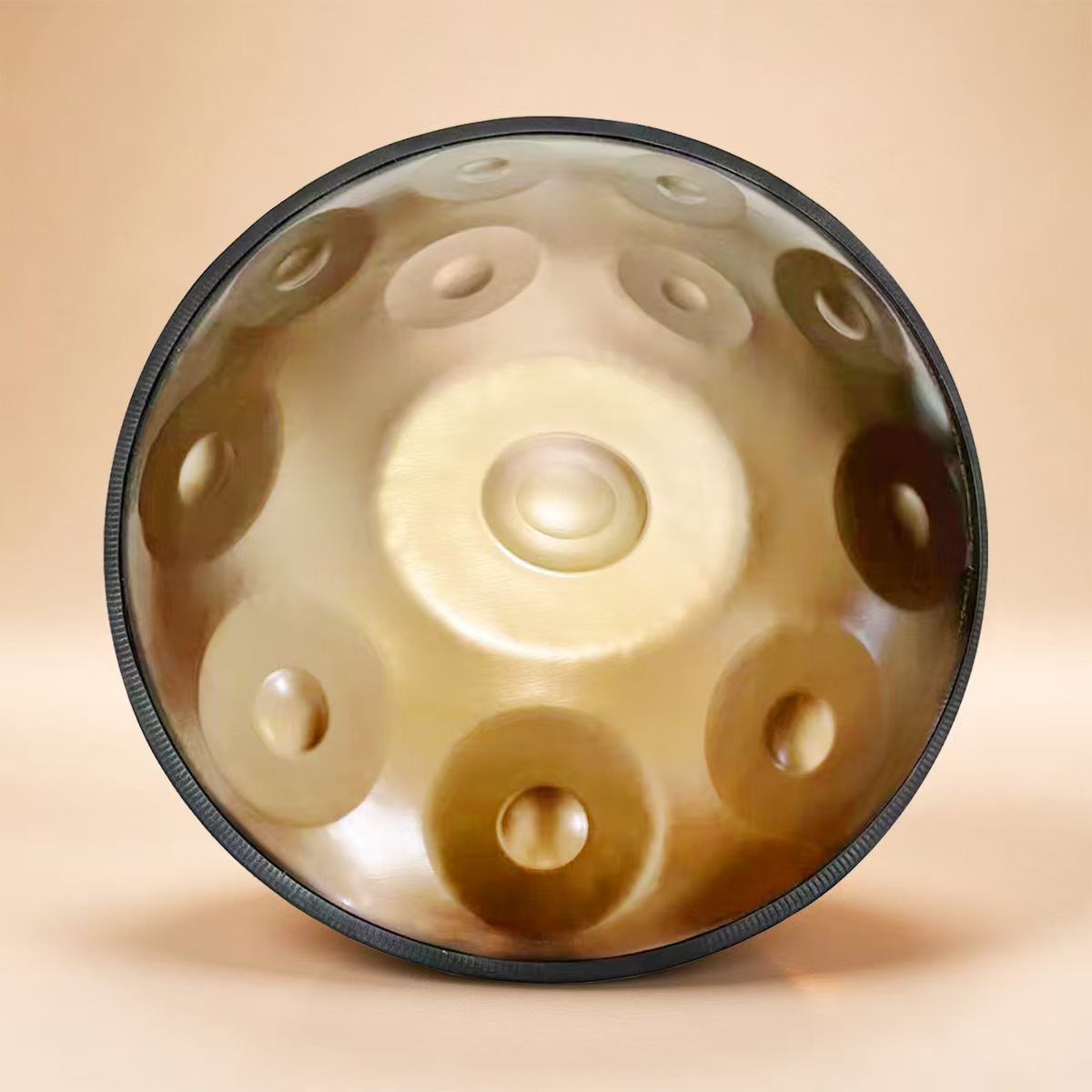
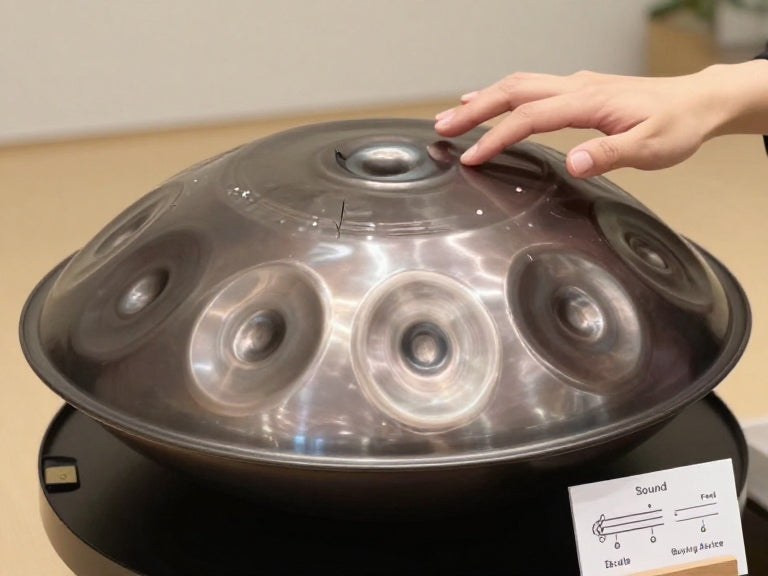
A B Celtic Minor Handpan is worth considering if you want a minor-key instrument with a distinctive tonal center, an expressive range for melodic improvisation, and a sound that can move between reflective playing and rhythmic exploration. But the scale name alone does not tell you whether an instrument will suit your hands, musical experience, or preferred style. You need to understand its note layout, intervals, resonance, tuning, and practical playability before buying.

A B Celtic Minor Handpan is centered on B and uses a minor-oriented note arrangement commonly associated with Celtic-style handpan playing. Its five practical characteristics are its B tonal center, atmospheric minor-key color, improvisation-friendly note relationships, expressive resonance, and dependence on accurate tuning and thoughtful note layout. Exact notes and scale variants differ between makers, so always check the instrument's published note chart rather than assuming every B Celtic Minor model is identical.
From our perspective at Cosmos Handpan, choosing a handpan should start with the music you want to make, not simply the scale name printed on a product page. A B Celtic Minor instrument can be an appealing choice for players who enjoy spacious melodies, gentle rhythmic patterns, and a slightly introspective musical character. However, it is not automatically the best first handpan for everyone.
In this guide, we explain five characteristics that matter when evaluating a B Celtic Minor Handpan, how to assess its sound and construction, and when a different scale or note count may be a better investment.
Table of Contents
- Quick Summary: B Celtic Minor Handpan at a Glance
- What Is a B Celtic Minor Handpan?
- Five Key Characteristics
- How the Scale Works in Practice
- B Celtic Minor vs Other Handpan Choices
- Pros and Cons
- Who Should Choose This Scale?
- What to Check Before Buying
- Common Buying and Playing Mistakes
- A Beginner-Friendly Alternative from Cosmos Handpan
- Our Expert Recommendation
- Frequently Asked Questions
- References
Quick Summary: B Celtic Minor Handpan at a Glance
Use this table as a starting point. The exact notes, octave placement, and available extensions depend on the maker's chosen layout. Ask for the complete note chart before purchasing.
| Characteristic | What It Means | Why It Matters |
|---|---|---|
| Tonal center | B is the central tonal reference | Determines the musical home point and how melodies resolve |
| Musical character | Minor-oriented, atmospheric and expressive | Useful for reflective melodies and exploratory improvisation |
| Note relationships | A selected group of notes designed to work together | Can make spontaneous playing more approachable |
| Sound and sustain | Depends on steel, shaping, tuning and instrument construction | Influences clarity, warmth, resonance and note separation |
| Playing experience | Depends on note count, spacing and layout | Affects accessibility for beginners and flexibility for experienced players |
| Best buying approach | Evaluate the actual note chart and audio sample | Prevents choosing an instrument based on its scale name alone |
What Is a B Celtic Minor Handpan?
A B Celtic Minor Handpan is a steel percussion instrument tuned around B, with a collection of notes arranged to create a minor-key musical environment. Like other handpans, it is played by striking carefully shaped tone fields with the fingertips and hands. Each tone field is designed to produce a defined pitch, while the central note and surrounding fields create the instrument's melodic vocabulary.
The words B and Celtic Minor describe different aspects of the instrument. B identifies its tonal center. Celtic Minor describes a scale family or commercial scale designation used by handpan makers. The label is useful, but it should not be treated as a guarantee that every manufacturer's version contains exactly the same pitches.
This distinction matters when comparing instruments online. Two products carrying a similar scale name may have different note counts, octave arrangements, or additional notes. One may be designed for compact melodic playing, while another may provide a broader range for more developed compositions.
What does the B tonal center mean?
The tonal center is the note that feels like the musical point of rest. When a melody returns to B, the phrase may sound resolved or grounded, depending on the surrounding notes and musical context. This gives the player a consistent reference when creating patterns and improvising.
What does Celtic Minor mean?
Celtic Minor is a scale label associated with a particular minor-oriented musical color. It is commonly used in the handpan market to describe an instrument intended for atmospheric, melodic playing. However, commercial naming conventions are not always perfectly standardized. The most reliable way to identify a specific instrument is to inspect its full tuning chart.
If you are still learning how pitches are arranged on a handpan, our guide to understanding handpan notes explains how note positions and pitch relationships influence playing.
Five Key Characteristics of a B Celtic Minor Handpan
1. A B Tonal Center Gives the Instrument a Clear Musical Home
The first defining characteristic is its B tonal center. This is more than a technical detail: it influences how the instrument feels when you build melodies, repeat phrases, or create a musical ending. A consistent tonal center gives improvisation a reference point, especially when you are learning to move between notes without reading traditional sheet music.
For beginners, having a clear tonal home can make early experimentation less intimidating. You can start with a few notes, listen to how they relate to one another, and gradually develop short musical phrases. Experienced players can use the same tonal center to create recurring motifs, layered rhythms, and more deliberate compositions.
Our practical advice: Do not choose a B instrument simply because B is a familiar letter or because a seller describes it as popular. Listen to the actual instrument and decide whether its pitch range feels comfortable to you. A handpan's overall register can affect your playing experience just as much as its scale name.
2. Its Minor-Key Character Supports Atmospheric Melodies
The second characteristic is its minor-oriented musical color. Minor scales are often associated with reflective, mysterious, spacious, or emotionally nuanced melodies. That does not mean every piece played on a B Celtic Minor Handpan must sound sad. Rhythm, tempo, articulation, dynamics, and note choice can make the same instrument sound gentle, playful, meditative, or energetic.
In most practical situations, the appeal of a minor handpan is its ability to support expressive phrases without requiring complicated arrangements. A player can repeat a simple rhythmic pattern, vary the melody, and create a musical atmosphere through timing and touch.
For meditation sessions or quiet personal practice, this character can be particularly appealing. For upbeat ensemble music, it can still work, but you should consider whether the scale's mood and pitch range fit the other instruments you plan to play with.
3. The Note Relationships Can Make Improvisation More Accessible
The third characteristic is the way the notes are selected and arranged to support melodic exploration. Handpans are often designed so that many neighboring notes create musically compatible combinations. This can make spontaneous playing easier than starting with an unfamiliar chromatic instrument.
However, no scale makes every combination sound automatically good. A player still needs to develop timing, touch, dynamics, and an understanding of musical phrasing. Notes can sound crowded when struck too forcefully or too frequently, even when they belong to the same scale.
For beginners, we recommend starting with a small number of notes and building short patterns. Try alternating the central note with two surrounding notes, then change the rhythm without changing the pitch sequence. This develops control while helping you understand the instrument's natural musical vocabulary.
Before choosing a model, compare its note layout with our handpan notes chart. Understanding the actual notes is more useful than relying on a product title alone.
4. Resonance and Note Separation Matter as Much as the Scale
The fourth characteristic is the instrument's sound behavior. A well-made handpan should produce clear, stable notes with a controlled sustain. The sound should have enough resonance to feel expressive, but individual pitches should remain distinguishable when you play a sequence.
It is important to separate the qualities of a scale from the qualities of an instrument. The B Celtic Minor designation does not guarantee a particular level of sustain, volume, tuning stability, or tonal clarity. These depend on the instrument's steel, forming process, heat treatment where applicable, tuning work, and overall construction.
From our experience with handpan buyers, online descriptions often focus heavily on scale names and attractive finishes. Those details may help you shortlist instruments, but they cannot replace a clear audio or video demonstration.
When listening to a sample, pay attention to:
- Pitch clarity: Each note should sound defined rather than unstable or noticeably wavering.
- Note separation: A short melodic phrase should not become an indistinct wash of overlapping tones.
- Sustain: Notes should ring naturally without becoming excessively muddy.
- Dynamic response: Gentle and moderate strikes should produce controlled changes in volume.
- Consistency: Notes across the instrument should sound balanced rather than having one unusually loud or weak field.
5. The Note Count and Layout Determine Long-Term Flexibility
The fifth characteristic is the relationship between note count, physical layout, and musical flexibility. A B Celtic Minor Handpan may be offered in different configurations, depending on the maker. More notes can extend the instrument's range and create additional melodic options, but a higher note count is not automatically better.
A compact layout can be easier to learn and may provide everything a player needs for simple improvisation. A larger layout can be valuable for experienced players who want wider melodic possibilities, but it can also require more coordination and familiarity with the instrument.
For a first purchase, we recommend choosing a note layout that you can understand and comfortably reach. If you already play handpan and regularly compose longer melodies, a larger configuration may justify the additional cost. Our guide on how many notes a handpan should have explains the trade-offs in more detail.
How Does a B Celtic Minor Handpan Work?
A handpan produces sound through vibration. Each tuned tone field is a shaped area of the steel shell. When you strike it with a controlled fingertip movement, the metal vibrates at a designed pitch. The instrument's body also resonates, contributing to the overall sound.
The player creates music by combining individual notes, rhythmic patterns, accents, and pauses. Unlike a keyboard, the handpan does not require you to press a key to sustain a note. Each strike initiates a natural decay, so timing and spacing are central to the playing technique.
How to start playing one
- Find the central note. Identify the B tonal center using the manufacturer's note chart or a demonstration.
- Play gently. Use relaxed fingertip strikes rather than hitting the steel with force.
- Build a simple pattern. Alternate the central note with two nearby notes.
- Control the spaces. Let notes ring and avoid filling every moment with another strike.
- Experiment with rhythm. Keep the same notes but change the timing, accents, and repetition.
A common misconception is that a handpan needs to be played loudly to sound impressive. In reality, excessive force can make the instrument sound harsh and may reduce control. A relaxed touch is usually a better starting point for both sound quality and technique.
B Celtic Minor vs Other Handpan Choices
When comparing scales, focus on the music you want to play and the notes you can comfortably use. A scale that sounds beautiful in a demonstration may not be the best choice for your own musical goals.
| Handpan Choice | General Musical Direction | Potential Advantage | What to Check |
|---|---|---|---|
| B Celtic Minor | Minor-oriented, atmospheric and expressive | Suitable for reflective improvisation and melodic exploration | Exact note chart, register and scale variant |
| D Minor | Minor-key sound with a familiar handpan market presence | Many buyers can find beginner-oriented examples and learning material | Actual tuning, note layout and instrument quality |
| Other minor scales | Different minor-key colors and pitch relationships | More choice when matching a particular musical mood | Whether the scale supports the melodies you want to create |
| Major-oriented scales | Often perceived as brighter or more uplifting | Useful for players who prefer a more open, light musical character | Whether the sound fits your preferred repertoire |
| Tongue drum | Melodic percussion with a different playing feel | Can be approachable for casual rhythm and melody practice | Material, tuning, note layout and playing response |
There is no universal winner in this comparison. A B Celtic Minor instrument is a strong candidate when you specifically like its tonal character and the available note layout supports your playing goals. If you are still deciding between steel percussion instruments, explore the Cosmos Handpan tongue drum collection as a separate option rather than assuming a tongue drum and handpan provide the same playing experience.
Pros and Cons of a B Celtic Minor Handpan
A B Celtic Minor Handpan can be a rewarding instrument, but buyers should understand both its musical strengths and its practical limitations.
| Pros | Cons |
|---|---|
| Minor-oriented sound can support atmospheric and expressive melodies. | The scale may not suit players who strongly prefer bright, major-key musical colors. |
| A defined tonal center gives improvisation a musical reference point. | Players need to learn the actual note layout rather than relying on the scale name. |
| Selected note relationships can make spontaneous playing approachable. | Compatible notes do not remove the need for rhythm and touch control. |
| Can work for solo practice, relaxation sessions and selected performances. | Ensemble compatibility depends on the other instruments and their tuning. |
| Different note configurations may support different experience levels. | More notes can increase cost and may make the layout harder for a beginner to navigate. |
Our judgment: The advantages are meaningful when the scale genuinely matches your musical taste. The main disadvantage is not a flaw in the B Celtic Minor concept; it is the risk of buying an instrument based on its label without checking the tuning, sound, and physical layout.
Who Should Choose a B Celtic Minor Handpan?
Good fit: players who enjoy expressive minor-key music
If you naturally gravitate toward atmospheric melodies, spacious musical phrases, and exploratory improvisation, a B Celtic Minor Handpan may fit your preferences. It can be used for personal practice, creative sessions, and selected performance settings.
Good fit: existing handpan players expanding their musical range
Experienced players may choose a B Celtic Minor instrument to explore a different tonal center or add another musical color to their collection. Before buying, compare its note chart with your existing handpans. This is especially important if you want to move between instruments during a performance.
Possible fit: beginners who have already listened to the scale
Beginners do not need to avoid a B Celtic Minor scale. The important question is whether the sound appeals to them and whether the instrument's note count and layout are manageable. If you have never played handpan, compare a compact configuration with a larger one before committing.
Who may not need it?
- Players who strongly prefer bright major-key melodies may want to compare major-oriented scales first.
- Buyers who have not checked the actual note chart may not be ready to choose a specific scale.
- Musicians who need to play with an existing ensemble should confirm compatibility before purchasing.
- People who only want a casual, compact percussion instrument may find a tongue drum more practical.
What to Check Before Buying a B Celtic Minor Handpan
The best buying decision comes from evaluating the instrument as a complete product. Scale, tuning accuracy, construction, sound, accessories, and seller support all affect long-term value.
1. Request the complete note chart
Do not rely on a product title or a short scale description. Ask the seller for the exact notes, octave positions, and total number of tone fields. If the seller cannot provide a clear chart, treat that as a reason to pause.
2. Listen to an unedited sound demonstration
Look for a demonstration that plays every note individually, followed by a short musical passage. Ideally, the recording should allow you to hear the instrument without heavy background music or obvious sound processing. You need to judge note clarity and balance, not just the mood of a finished performance.
3. Confirm the tuning reference
Check the stated tuning reference and ask whether the instrument is supplied at the frequency you require. A tuning reference such as 440 Hz or 432 Hz is not, by itself, proof of better sound quality. It is a reference that matters when coordinating with other instruments or following a particular musical preference.
For a more detailed explanation, read our 432 Hz handpan guide. Make the decision based on your intended use rather than assuming one reference is universally superior.
4. Evaluate construction and tuning quality
Ask about the steel material, manufacturing process, tuning inspection, and quality-control procedure. A reliable seller should be able to explain how the instrument is checked before dispatch. Look for clear product specifications and realistic sound demonstrations instead of vague claims such as perfect sound or professional quality.
5. Check the physical size and playing comfort
Handpan dimensions affect portability, playing position, and the distance between tone fields. If possible, compare the product's measurements with a handpan you have already played. If you are buying your first instrument, review our guide to standard handpan size before selecting a model.
6. Compare the full package, not just the instrument price
A lower initial price may not represent the best value if you still need to buy a protective bag, stand, or basic maintenance accessories. Compare what is included, the quality of those accessories, delivery arrangements, warranty terms, and the seller's response process if a tuning or product issue appears.
7. Consider after-sales support
A handpan is a precision-tuned instrument. It should be protected from impacts, careless handling, and unsuitable storage conditions. Before purchasing, understand the seller's guidance on cleaning, transport, maintenance, and what to do if the instrument is damaged or becomes noticeably out of tune.
| Buying Factor | What to Ask | Why It Matters |
|---|---|---|
| Scale and notes | Can you provide the exact note chart? | Confirms the instrument's actual musical layout |
| Sound sample | Can I hear every note played individually? | Helps assess clarity, balance and sustain |
| Tuning | What reference frequency is supplied? | Important for matching your musical requirements |
| Construction | What material and quality checks are used? | Provides insight into manufacturing standards |
| Accessories | What is included in the package? | Helps calculate the real purchase cost |
| Support | What warranty and after-sales assistance are available? | Reduces uncertainty after delivery |
Common Mistakes When Buying or Playing a B Celtic Minor Handpan
Mistake 1: Assuming every Celtic Minor handpan has identical notes
Scale names are useful product descriptions, but handpan makers may use different note configurations. Always check the actual note chart. This is particularly important when comparing instruments from different manufacturers.
Mistake 2: Choosing based only on a beautiful recording
A polished video can make almost any instrument sound appealing. Look for close-up demonstrations, individual note samples, and recordings that reveal the instrument's natural response. Do not let background music or visual presentation replace sound evaluation.
Mistake 3: Buying the highest note count available
More notes can increase musical options, but they can also make the instrument more demanding to navigate. A beginner may gain more from a clear, comfortable layout than from extra notes that remain unused.
Mistake 4: Striking too hard
Handpans respond to controlled touch. Heavy strikes can create an unpleasant attack and make it harder to control dynamics. Start gently and focus on consistent contact rather than volume.
Mistake 5: Treating 432 Hz as automatically better than 440 Hz
These are different tuning references, not a simple quality ranking. The correct choice depends on your preferences and whether you need to play with other instruments. Confirm the supplied tuning before ordering.
Mistake 6: Ignoring protection and maintenance
Leaving a handpan exposed to impacts or unsuitable storage conditions is an avoidable risk. Use a suitable protective bag, handle the instrument carefully, and follow the maker's cleaning instructions. Do not apply unapproved chemicals or abrasive materials to the surface.
A Beginner-Friendly Alternative from Cosmos Handpan
If you are interested in the expressive character of minor-key handpan music but are not certain that B Celtic Minor is the right first instrument, consider starting with a scale you can listen to and evaluate easily. Cosmos Handpan offers the Golden Elegance 9 Notes D Minor Gift Set as a beginner-oriented option.

Cosmos Handpan Golden Elegance - 9 Notes D Minor Gift Set
A compact, beginner-friendly D Minor handpan designed for first-time buyers, personal practice, meditation, relaxation, and small performances.
- Scale: D Minor, 9-note layout
- Tuning options: 432 Hz or 440 Hz
- Sound: Clear sustain with a smooth, calming tone
- Included: Protective carry bag, handpan stand, pair of mallets, and cleaning cloth
This product is not a B Celtic Minor instrument, and we would not present it as one. Its value is that it gives a new player a straightforward way to explore a minor-key handpan with a compact note layout and a practical accessory package.
For beginners, a 9-note configuration can be a sensible starting point when the goal is to learn basic patterns, explore melody, and develop a comfortable playing technique. You can compare it with other options in our beginner handpan collection. If you later want a wider range, explore the mid-level handpan collection or the quality handpan collection to compare different configurations.
From a cost-benefit perspective, an included bag and stand can reduce the need for separate purchases. Still, compare the actual package contents, product specifications, and after-sales terms before ordering. The best value is the instrument that matches your musical needs and can be used comfortably for years.
Our Expert Recommendation: Is a B Celtic Minor Handpan Worth Buying?
Our recommendation is straightforward: choose a B Celtic Minor Handpan when you genuinely like its tonal character, have reviewed its exact note chart, and can confirm that the instrument's sound and layout meet your expectations. Do not buy it simply because the scale name sounds distinctive or because a product page calls it suitable for every player.
For beginners, prioritize a manageable note layout, clear note separation, a reliable tuning demonstration, and a seller who can answer practical questions. You do not need the largest or most expensive instrument to develop good technique.
For experienced players, the decision should be more specific. Consider the B tonal center, octave range, note relationships, and how the instrument fits with your existing collection or performance setup. If you intend to play with other musicians, confirm tuning compatibility before purchase.
For commercial users, teachers, studios, and wellness practitioners, consistency and support matter as much as the initial sound. Ask for clear specifications, quality-control details, suitable protection, and a documented process for handling delivery or tuning issues.
Cosmos Handpan's approach is to help buyers match an instrument to their actual playing goals. If you are unsure which scale or configuration is appropriate, contact Cosmos Handpan with your experience level, preferred musical style, and intended use. A useful recommendation should begin with those details, not with a sales pitch.
You can also learn more about the company through the Cosmos Handpan story. If you are a creator or industry partner, visit the Cosmos Handpan affiliate program for partnership information.
Frequently Asked Questions About B Celtic Minor Handpans
1. What is a B Celtic Minor Handpan?
A B Celtic Minor Handpan is a tuned steel percussion instrument centered on B and arranged around a minor-oriented scale commonly described as Celtic Minor. Its exact notes and layout depend on the maker, so buyers should review the instrument's complete note chart.
2. Is a B Celtic Minor Handpan good for beginners?
It can be suitable for beginners who enjoy its musical character and choose a manageable note layout. The scale name alone does not determine difficulty. Beginners should prioritize comfortable note spacing, clear tuning demonstrations, and a seller who provides reliable playing guidance.
3. Does every B Celtic Minor Handpan have the same notes?
No. Different manufacturers may offer different note configurations, octave arrangements, and variations under similar scale names. Always request the exact note chart and confirm the pitches before purchasing.
4. What does B mean in a B Celtic Minor Handpan?
B identifies the instrument's tonal center. It is the central pitch around which the scale is organized and often functions as a musical point of rest when creating melodies.
5. Is a B Celtic Minor Handpan better than a D Minor handpan?
Neither is automatically better. They offer different tonal centers and may have different note layouts. Choose based on the sound you prefer, the notes available, your playing goals, and whether you need to coordinate with other instruments.
6. Should I choose a 432 Hz or 440 Hz handpan?
Choose the tuning reference that matches your preference and intended musical setup. Neither frequency is universally superior. If you plan to play with other instruments, confirm their tuning reference and compatibility before ordering.
7. How many notes should my first handpan have?
A compact layout can be a practical starting point because it gives beginners fewer notes to navigate while they develop timing and touch. More notes may be worthwhile for players who already have experience and want a wider melodic range. Compare the actual layout rather than choosing by note count alone.
8. What should I listen for in a B Celtic Minor handpan sound sample?
Listen for clear pitch, balanced volume across the tone fields, controlled sustain, and consistent response to gentle strikes. Ideally, the seller should demonstrate each note individually as well as a short melody.
9. Can I use a B Celtic Minor Handpan for meditation?
Yes. Its minor-oriented musical character can work well for quiet practice, reflective playing, and meditation sessions. The result depends on the player's tempo, dynamics, phrasing, and the listener's personal preferences.
10. How should I care for a handpan?
Protect it from impacts, store it in a suitable protective bag, and follow the manufacturer's cleaning instructions. Avoid abrasive cleaners and unapproved chemicals. If you notice a significant change in tuning or sound, contact the maker or a qualified handpan technician rather than attempting an adjustment yourself.
References
These resources provide additional background on musical tuning, instrument acoustics, and the care of musical instruments. They should be read alongside the specific specifications and note chart supplied by the handpan manufacturer.
- National Institute of Standards and Technology (NIST): Frequency and SI Units — background on frequency as a measurable physical quantity.
- Encyclopaedia Britannica: Musical Scale — an introduction to the organization of pitches in musical scales.
- UNSW Music Acoustics — educational material on sound, vibration, musical instruments, and acoustics.