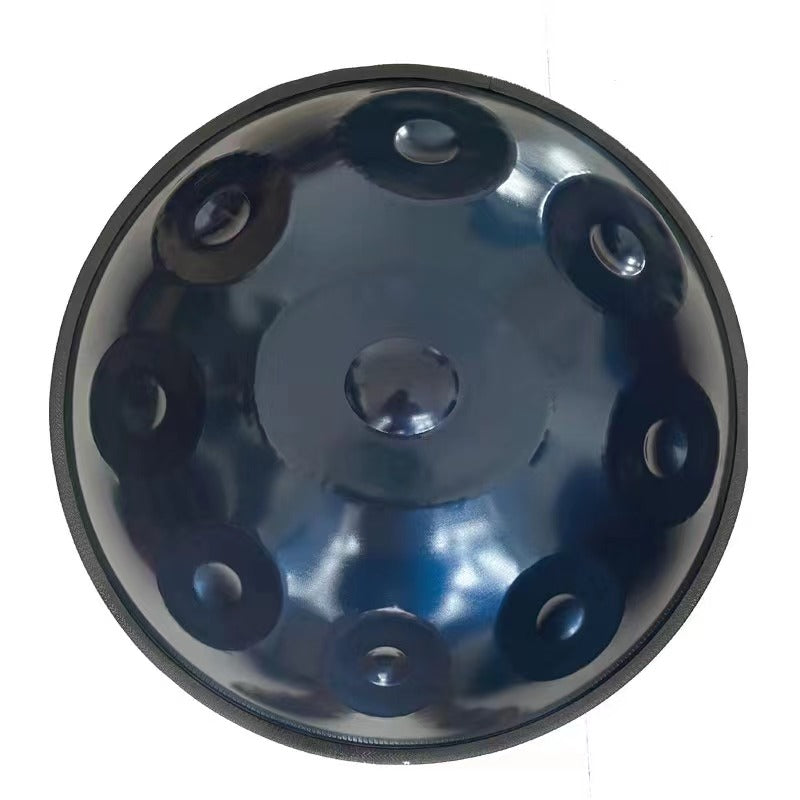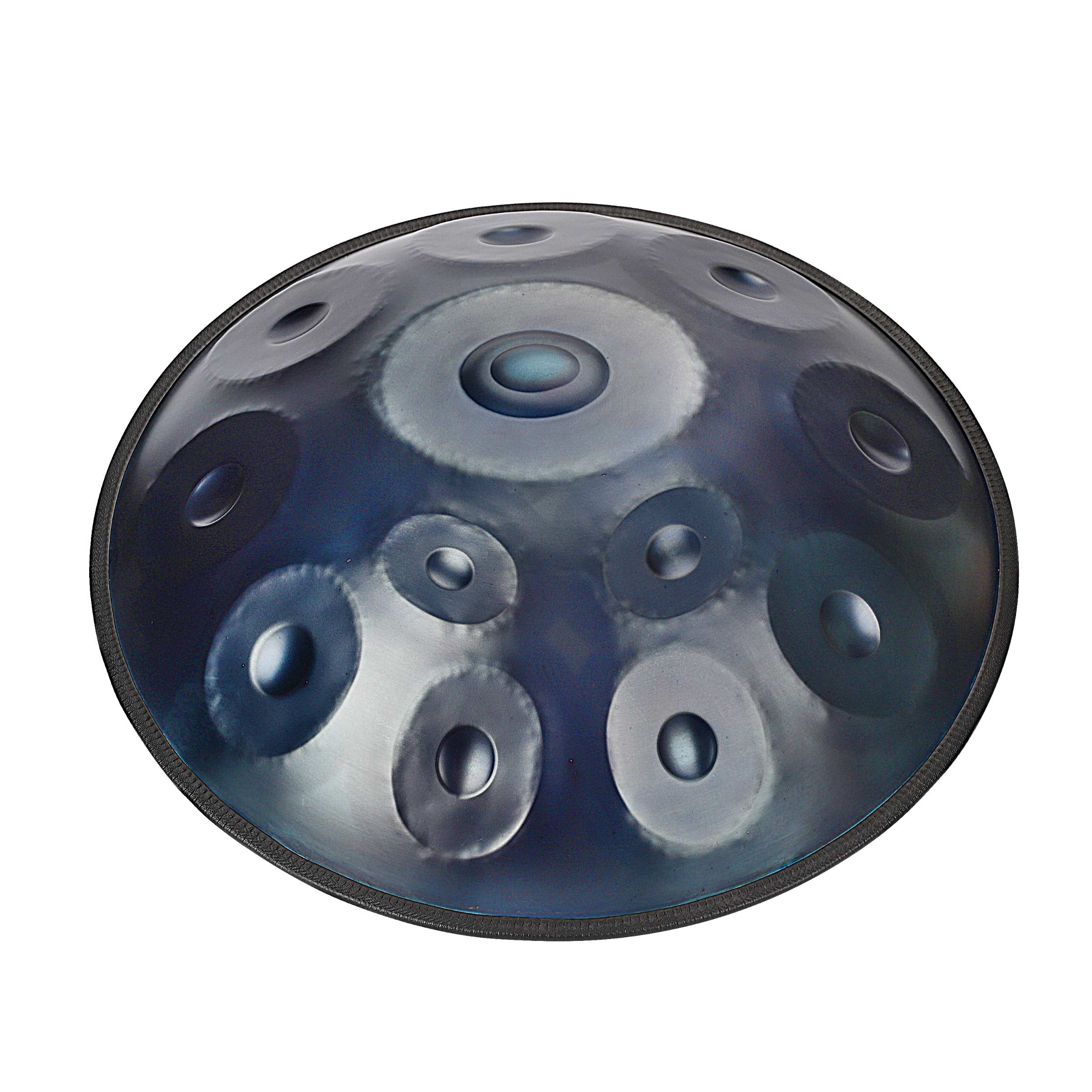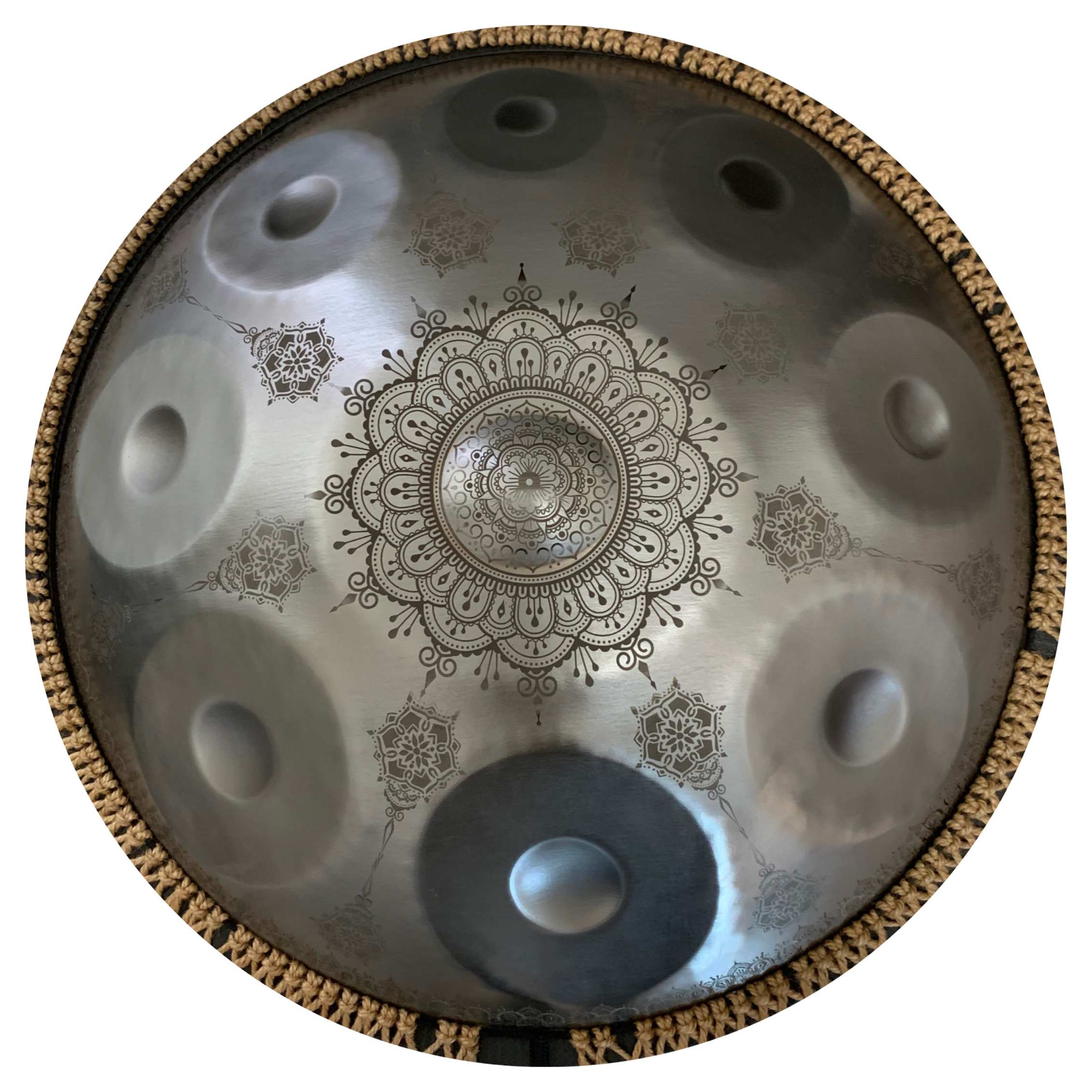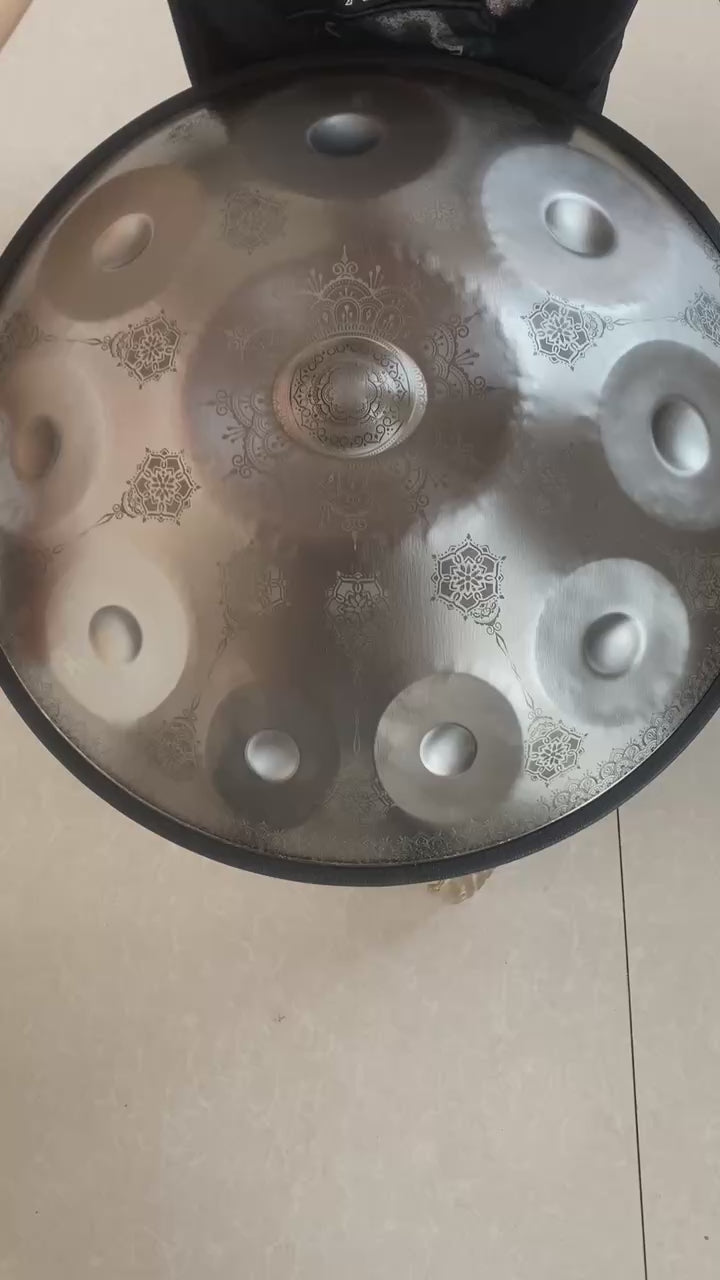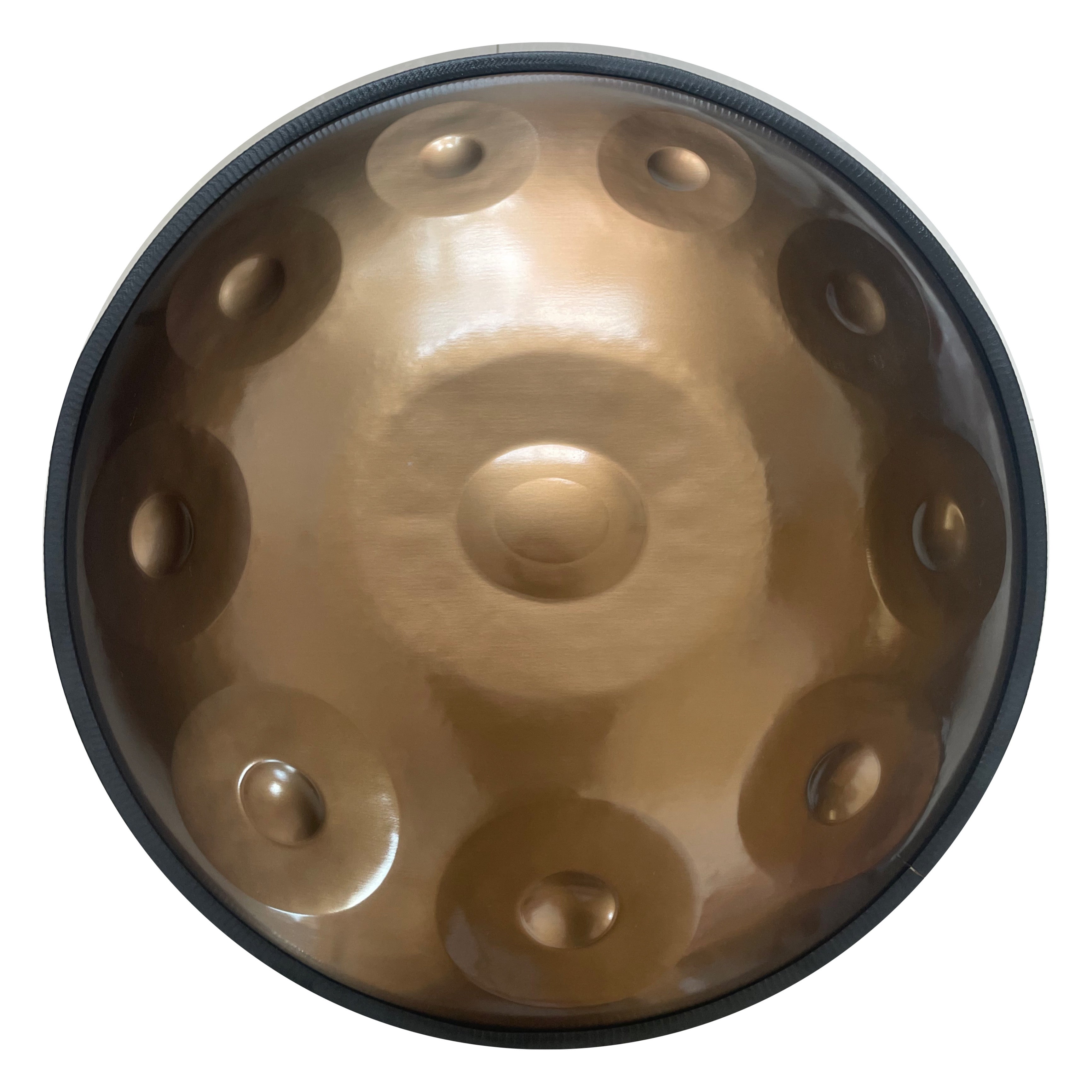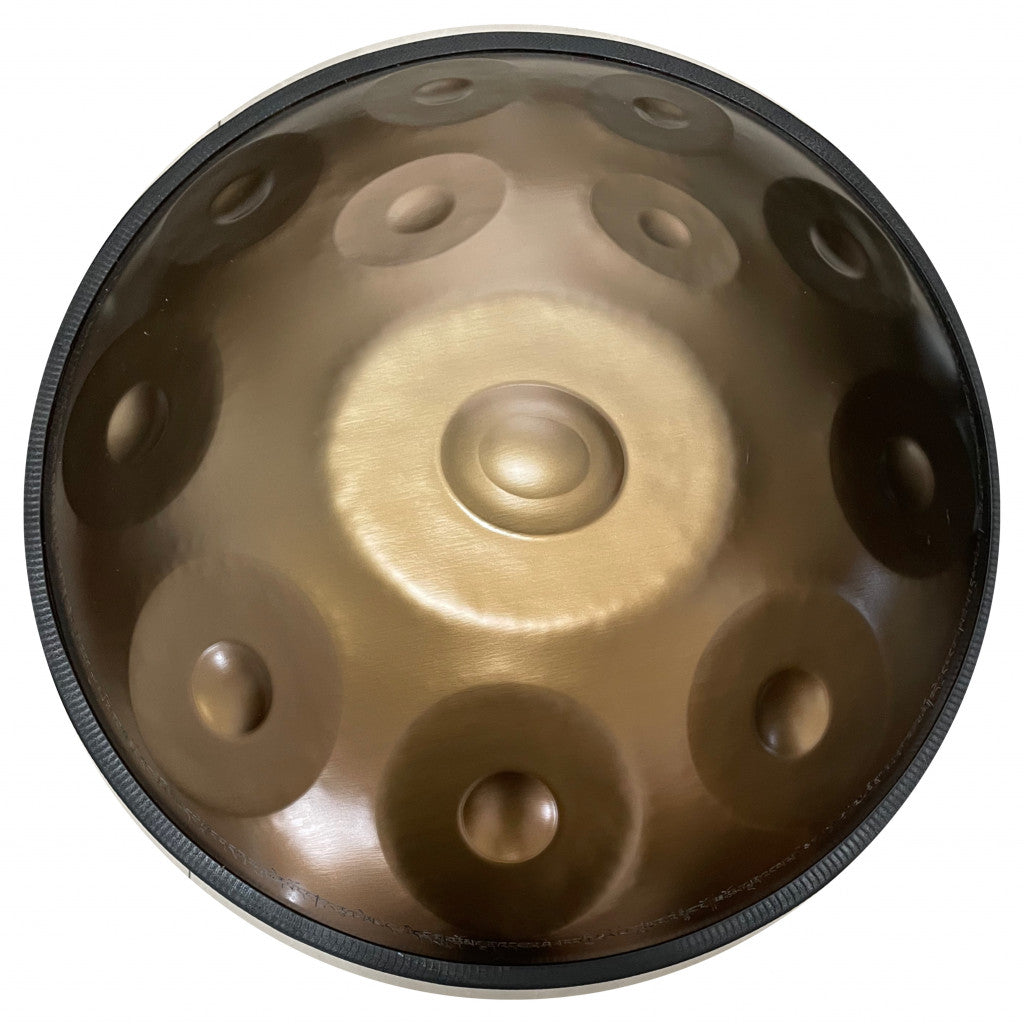

Every handpan player, sound therapist, and acoustic instrument collector eventually reaches a critical crossroads: you have explored the ubiquitous D Minor Kurd and Celtic Minor voicings, and while they remain pleasant, your ear craves something deeper, more primordial, and capable of holding an entire room in hypnotic suspension. In the modern pantam community, few sound models evoke the raw, trance-inducing resonance of the Pygmy tuning. Yet diving into the market for a G Pygmy Handpan without understanding tone geometry, steel metallurgy, and modal pitch architecture is an expensive mistake. Too many enthusiasts purchase low-cost imports expecting lush, cinematic soundscapes, only to receive a muddy instrument where the low G3 Ding drowns out high-frequency overtones, or where an uncontrolled sustain turns rhythmic patterns into a chaotic metallic soup. Sourcing a top-tier instrument requires practical insight into harmonic ratios, compound fifths, and acoustic damping. As instrument builders, acoustic evaluators, and percussionists who test tone-field isolation, measure shell resonance with spectrum analyzers, and tune steel sound sculptures daily, we deliver an authoritative breakdown of the five defining features of the G Pygmy Handpan, cutting through marketing fluff to help you decide whether this legendary scale belongs in your collection.

Quick Answer: What Defines the G Pygmy Handpan?
The G Pygmy Handpan is an earthy, hypnotic musical instrument built around a deep G3 root note (the Ding) and a five-tone minor pentatonic framework: G, C, D, Eb, and Bb (typically laid out as G3 / C4, D4, Eb4, G4, Bb4, C5, D5, and F5 or Eb5). Its five core features are: (1) The Dissonance-Free Pentatonic Architecture (omitting unstable leading tones and harsh half-steps to eliminate wrong notes during spontaneous improvisation); (2) The Grounding G3 Bass Register and Helmholtz Coupling (a low, chest-thumping fundamental frequency that physically resonates in acoustic meditation); (3) Dual-Mood Modal Transposition (the ability to pivot fluidly between deep G Minor introspection, C Dorian earthiness, and bright Eb Major relief); (4) Percussive Isolation and Fast Rhythmic Clarity (especially when built on nitrided DC04 steel, which delivers distinct transient snap without muddy harmonic bleed); and (5) Profound Neurological Relaxation Properties (naturally aligning with alpha-wave brain entrainment for clinical sound therapy and breathwork). For players seeking an introspective, deeply grounding voice, the G Pygmy Handpan is an exceptional choice, while players seeking bright, celebratory pop melodies should look toward major scales or classic D Minor layouts like the Cosmos Handpan Golden Elegance.
Article Directory
- What It Is: The Tribal Origins and Physics of the Pygmy Scale
- Quick Summary Table: Core Specifications of the G Pygmy Handpan
- The 5 Defining Features of the G Pygmy Handpan
- Featured Scale Benchmark: Cosmos Handpan Golden Elegance 9 Notes D Minor
- Direct Technical Comparison: G Pygmy vs. Popular Handpan Sound Models
- Pros and Cons of the G Pygmy Handpan
- Acoustic Benefits vs. Structural Limitations in Performance
- Who Should Choose a G Pygmy Handpan vs. Who Should Choose Another Scale
- Costly Sourcing & Playing Mistakes Handpan Buyers Make
- Essential Buying Considerations: Metallurgy, Hertz & Note Counts
- Expert Sourcing Verdict & Musical Decision Roadmap
- Frequently Asked Questions
- Authoritative References & Acoustic Standards
What It Is: The Tribal Origins and Physics of the Pygmy Scale
To understand why the G Pygmy Handpan holds such a revered status among experienced pantam players, you must understand its cultural roots and physical tuning layout. The scale takes its name from the polyphonic vocal traditions of the indigenous Pygmy tribes of the Central African rainforest (notably the Mbuti and Baka peoples). Their traditional music relies on complex, repeating vocal ostinatos, contrapuntal vocal layering, and an interlocking pentatonic harmonic structure that blends seamlessly with ambient forest sounds.
In modern handpan lutherie, the Pygmy tuning is fundamentally a Dorian or Aeolian-derived pentatonic structure anchored by an offset tonic. While the central dome note (the Ding) is tuned to a deep G3, the tone circle typically begins on the fourth interval: C4. The resulting note collection—G, C, D, Eb, Bb—creates a captivating sonic paradox:
- It is technically a minor-mode instrument, projecting a somber, deeply introspective, and mysterious aura.
- Because it is pentatonic, it deliberately omits the major seventh leading tone and the second degree relative to the C root (omitting the D-to-Eb friction in pure forms, or omitting Ab and B natural), removing the sharp semitone friction that causes musical clashing.
- When you strike the notes in ascending sequence, the instrument produces an open, suspended harmonic field. It never demands an urgent harmonic resolution, allowing the player to loop rhythmic patterns for an hour without listener fatigue.
From our experience on the tuning bench, crafting a clean G Pygmy Handpan requires absolute precision. Because G3 sits at approximately 196 Hz (in standard concert pitch), the bottom shell's Helmholtz cavity resonance (the Gu opening) must be tuned to breathe in sympathetic acoustic resonance with the top shell. If the volume of the internal air cavity is miscalculated by even fifteen cubic centimeters, the low G3 Ding will experience destructive acoustic interference, creating an anemic, hollow "thud" instead of a rich, vibrating hum.
Quick Summary Table: Core Specifications of the G Pygmy Handpan
| Specification Vector | Standard 9-Note G Pygmy | Extended 10 to 12-Note G Pygmy | Acoustic & Musical Significance |
|---|---|---|---|
| Center Ding Note | G3 (196.00 Hz @ 440Hz / 192.43 Hz @ 432Hz) | G3 (with optional bottom low bass notes) | Deep, chest-resonating root anchor with low vibrational frequency |
| Tone Circle Array | C4, D4, Eb4, G4, Bb4, C5, D5, F5 (or Eb5) | F3/Bb3 bottom notes + tone circle + high Eb5/F5 | Alternating zigzag ergonomic hand-to-hand layout |
| Scale Structure | Minor Pentatonic / Hexatonic Hybrid | Extended Modal Pentatonic with Upper Extensions | Eliminates unstable dissonances; natural improvisational safety |
| Recommended Steel | Ember Steel / Nitrided DC04 Low-Carbon Steel | Nitrided DC04 or Thick-Gauge Stainless Steel | Controls overtone bleed; emphasizes percussive attack clarity |
| Standard Shell Diameter | 53 cm to 56 cm (21 to 22 inches) | 55 cm to 58 cm (21.6 to 23 inches) | Accommodates physical membrane space for lower G3 bass tone |
| Primary Resonance Character | Dry, warm, ceramic-like percussive punch | Slightly more ambient sustain with lower bottom notes | Fast rhythmic tempo capability; zero acoustic masking |
The 5 Defining Features of the G Pygmy Handpan
1. The Dissonance-Free Pentatonic Architecture
The single most liberating mechanical feature of the G Pygmy Handpan is its structural refusal to sound discordant. In standard Western heptatonic scales (such as natural minor or major), there are prominent half-step intervals (semitones) and tritone leaps. If an amateur player accidentally strikes an F and an E simultaneously, or hits an ungrounded leading tone without immediately resolving it, the acoustic result is jarring and tense.
The G Pygmy bypasses this problem through careful modal omission. By avoiding tight semitone clusters across its core octaves, every tone field on the instrument exists in sympathetic consonance with every other tone field. In our testing with absolute beginners, you can close your eyes, tap completely random patterns across the upper and lower hemispheres with both hands, and the instrument consistently produces an evocative, ethereal melody. It provides an immediate bridge to flow-state playing, making it an exceptional vehicle for intuitive improvisation. Beginners looking to master physical strike techniques should explore our practical handpan for beginners guide to build clean finger-striking muscle memory from day one.
2. The Grounding G3 Bass Register and Helmholtz Cavity Resonance
Pitch placement defines the emotional weight of a steel sound sculpture. Many introductory handpans are tuned to D4 or C4 roots, which sound brilliant and clear but occupy a soprano-alto frequency range. The G Pygmy Handpan drops the central Ding down to G3, providing a deep, sub-bass foundation that you do not merely hear—you physically feel it vibrating through your lap and into your chest cavity.
This low frequency engages directly with the internal air volume of the shell, known as the Helmholtz resonance (the acoustic phenomenon identical to blowing across the top of an empty glass bottle). A master maker tunes the bottom sound hole (the Gu) so that its internal air resonance reinforces the fundamental G3 frequency. When you play the Ding on a properly tuned G Pygmy, the bottom hole emits a deep, pulsating woofer-like bass hum that grounds the entire musical performance. For clinical practitioners, exploring the physical vibrational dynamics in our breakdown of handpan therapy benefits demonstrates why low-register instruments dominate therapeutic sound healing clinics.
3. Dynamic Dual-Mood Modal Transposition
A common critique of basic minor handpans is that they can feel emotionally monolithic: after twenty minutes of playing, the ear tires of constant sorrowful minor melodies. The G Pygmy Handpan avoids this trap through its unique dual-center modal versatility.
Depending on which note field you emphasize as your rhythmic anchor, the emotional landscape shifts dynamically:
- The G Minor / C Dorian Anchor: If you open your phrases on the G3 Ding and resolve patterns down to the C4 bass tone, the music feels ancient, earthy, and introspective—evoking dense forests, rain, and nocturnal stillness.
- The Eb Major Uplift: If you pivot your rhythmic emphasis toward the Eb4 and Bb4 tone fields, the scale suddenly opens up into its relative major modality. The mood transforms into a soaring, hopeful, and cinematic anthem of relief, all without retuning a single note.
4. Percussive Isolation and Transient Articulation on Nitrided Steel
Because the G Pygmy scale is fundamentally built for trance-like ostinatos and driving, syncopated rhythms, it demands high transient articulation. If you play a rapid, 120-BPM sixteenth-note rhythm on an untreated raw steel or highly resonant stainless steel handpan, the acoustic sustain of previous notes bleeds into subsequent strikes, creating a loud, indistinguishable metallic wash.
In most professional situations, we recommend that a G Pygmy be built on nitrided DC04 low-carbon steel. Nitriding is a thermochemical case-hardening process that diffuses nitrogen atoms into the surface of the steel, increasing surface tension, dampening excessive long-tail sustain, and imparting high corrosion resistance. On a nitrided G Pygmy, every finger tap produces a crisp, percussive "ceramic-tile" strike followed by a warm, controlled fundamental tone that decays before the next beat lands. This short-to-medium sustain profile gives the instrument laser-sharp rhythmic precision, allowing fast rolls, slap-chops, and knuckle-taps on the shoulder ring to cut through clearly. Review our standard foundational collection across our curated 9 Notes handpan series.
5. High Overtone Stability and 1:2:3 Harmonic Ratio Tuning
The fifth defining feature of an authentic G Pygmy is its strict internal harmonic geometry. In commercial handpan tuning, every individual tone field is not a single pitch; it is an ellipse hammered into three distinct acoustic dimensions:
- The Fundamental Tone (the primary pitch of the note, e.g., C4).
- The Octave Harmonic tuned along the longitudinal axis of the dimple (exactly one octave higher, vibrating at a 1:2 frequency ratio, e.g., C5).
- The Compound Fifth Harmonic tuned along the latitudinal transverse axis (vibrating at a 1:3 frequency ratio, e.g., G5).

Scale Benchmark Spotlight: Cosmos Handpan Golden Elegance (9 Notes D Minor)
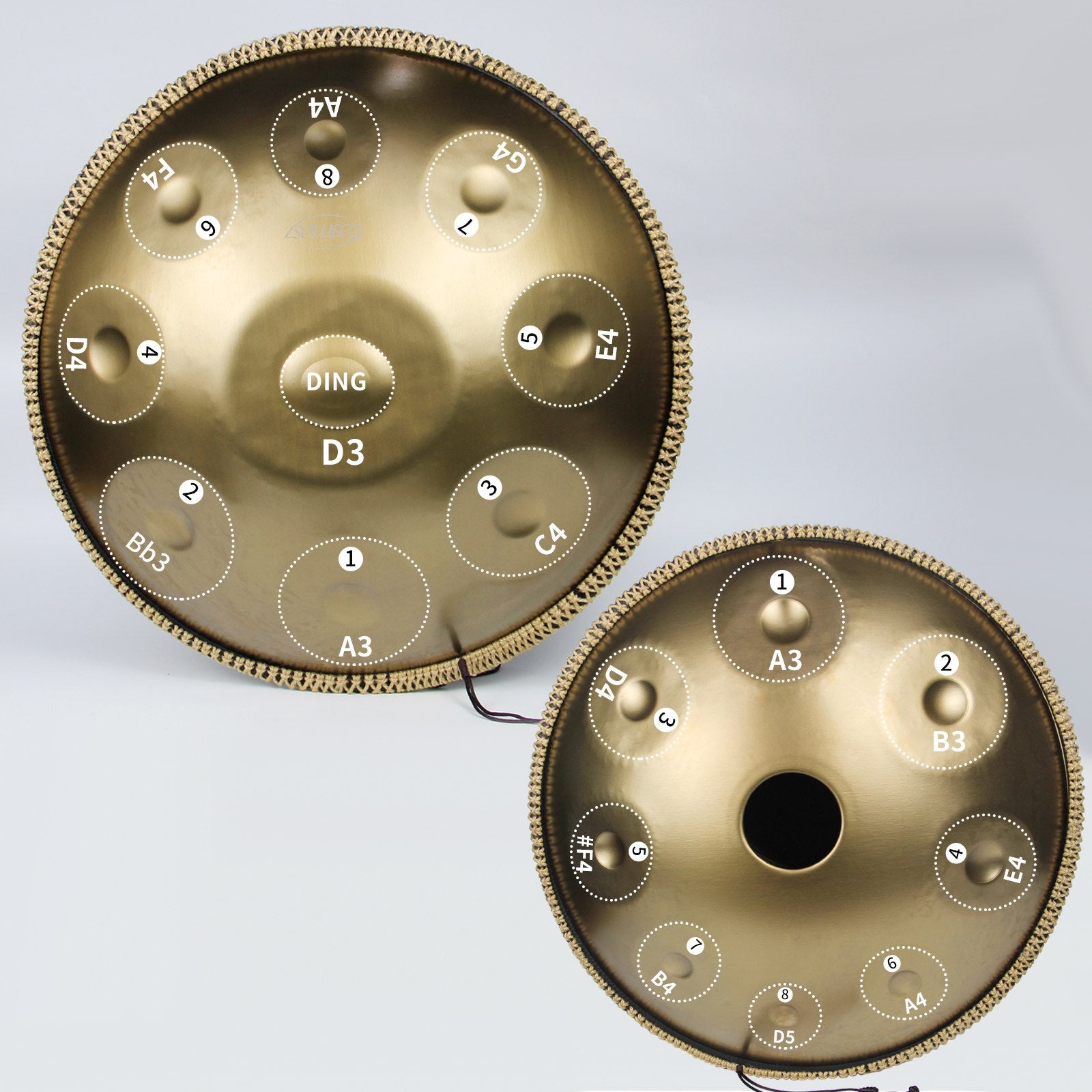
While the G Pygmy is an extraordinary specialized instrument for deep introspection and trance rhythms, beginners often require a universally versatile baseline to compare it against. The Cosmos Handpan Golden Elegance in D Minor represents the international gold standard for first-time buyers, offering an effortless layout that balances warm sustain with melodic accessibility.
| Scale & Note Layout | D Minor 9-Note Architecture (D3 Ding / A3, Bb3, C4, D4, E4, F4, G4, A4) |
| Acoustic Tuning Frequency | Available in standard 440 Hz (concert pitch) or meditative 432 Hz tuning |
| Tonal Character | Clear, singing sustain with balanced overtones and warm, calming decay |
| Ideal Use Cases | First-time handpan buyers, yoga studios, meditation, small live performances |
| Included Equipment Set | Heavy-duty protective travel bag, collapsible handpan stand, mallets, micro-cloth |
| Craftsmanship & Finish | Heat-treated golden aesthetic finish with reinforced corrosion-resistant surface |
Pantam Sourcing Insight: Compare alternative intermediate voicings via our 10 Notes handpan catalog, or secure your verified foundational instrument directly on the Cosmos Handpan Golden Elegance - 9 Notes D Minor Gift Set product page.
Direct Technical Comparison: G Pygmy vs. Popular Handpan Sound Models
| Scale Sound Model | Root Ding Note | Emotional Atmosphere | Improvisational Difficulty | Ensemble Jamming Compatibility | Best Performing Genre |
|---|---|---|---|---|---|
| G Pygmy | G3 (Low Bass) | Deep, earthy, mysterious, trance-like | Very Low (Pentatonic safe) | Moderate (Requires G minor / C dorian backing) | Shamanic trance, breathwork, fast tribal rhythms |
| D Minor (Kurd / Annaziska) | D3 (Mid-Low) | Melancholic, balanced, cinematic, serious | Low (Natural minor layout) | Exceptional (Most universal scale on Earth) | Film scoring, acoustic folk, singer-songwriter |
| C Amara (Celtic Minor) | C3 or C4 | Open, soaring, nostalgic, reflective | Very Low (Hexatonic balance) | High (Pairs effortlessly with guitars/pianos) | Meditation, solo performances, slow ambient |
| B Integral | B2 or B3 | Dark, dramatic, intense, brooding | Moderate (Low B Ding requires mallet control) | Low (Niche key signature for soloists) | Heavy cinematic tension, intense solo concerts |
| F Major (Voyager / Pygmy Maj) | F3 | Bright, joyful, uplifting, playful | Low (Major third prominent) | High (Easy vocal accompaniment) | Upbeat pop, celebratory outdoor gatherings |
Pros and Cons of the G Pygmy Handpan
| Category | Acoustic & Musical Advantages (Pros) | Practical Limitations & Drawbacks (Cons) |
|---|---|---|
| Musicality & Composition |
|
|
| Usability & Ergonomics |
|
|
Acoustic Benefits vs. Structural Limitations in Performance
Every handpan scale represents an intentional set of acoustic compromises. Because a steel pan has a finite surface area (typically holding between 8 and 14 tuned tone fields on the top shell), choosing the G Pygmy scale locks you into a specific sonic universe.
The Proven Acoustic Benefits:
- Effortless Flow-State Immersion: Because the scale eliminates half-step dissonances, the rational, analytical brain disengages. You do not have to think about music theory, fingerboard positions, or chord charts. The instrument plays intuitively, making it an extraordinary stress-relief tool for high-anxiety lifestyles.
- Exceptional Dynamic Slap Range: The G Pygmy loves percussive friction. The empty shoulder areas between the tone fields (the interstitial steel spaces) can be played as resonant cajon-like slaps. You can tap the rim, slap the shoulder with your thumb, and isolate the Ding with a muted palm strike to produce driving tribal dance grooves.
- Zero Harmonic Clutter: On overly dense scales like chromatic 17-note double-sided instruments, striking one note often excites unwanted parasitic buzzes in nearby fields. The open layout of an 8 or 9-note G Pygmy provides generous acoustic isolation borders, keeping each tone pure and laser-focused.
The Inherent Performance Limitations:
- Harmonic Jamming Constraints: If you show up to a campfire jam where an acoustic guitarist is strumming standard open chords in G Major, C Major, or E Minor, your G Pygmy will clash with their major thirds. To play with other musicians, your bandmates must understand modal music and be comfortable vamping over static C minor or G minor grooves.
- Melodic Range Ceiling: With only five distinct note letters repeated across octaves, you cannot perform complex narrative songs that require chromatic accidentals. If your dream is transcribing popular film themes or Broadway ballads, the G Pygmy will leave you frustrated. For expanded chromatic freedom, you would need to upgrade to a comprehensive multi-note instrument like our 17 Notes handpan.
Who Should Choose a G Pygmy Handpan vs. Who Should Choose Another Scale
Investing in a high-end handpan requires honest appraisal of your musical goals, personal temperament, and playing environment. A G Pygmy Handpan is an extraordinary instrument for the right player, but it is entirely wrong for others.
Who Should Buy a G Pygmy Handpan:
- Breathwork Facilitators and Sound Healers: If your primary practice involves holding space for meditation, yoga nidra, or psychedelic integration ceremonies, the low-frequency G3 Ding and open pentatonic resonance create an immediate container of safety, grounding listeners into their physical bodies without distracting them with busy melodic themes.
- Drummers and Percussionists Entering the Handpan World: Drum set players, djembe players, and cajon artists who view the handpan primarily as a melodic drum thrive on the G Pygmy. Its fast transient attack, percussive shoulder capability, and driving bass line allow you to play intricate sixteenth-note polyrhythms without acoustic blur.
- Solo Players Seeking Personal Catharsis: If you play alone in your living room, forest trails, or on a porch after a long workday, the introspective melancholy of the G Pygmy acts as an emotional mirror, allowing you to vent stress through deep, uninterrupted acoustic immersion.
Who Should Choose a Different Scale (e.g., D Minor Kurd or Major):
- The Absolute First-Time Buyer Seeking Versatility: If you are purchasing your very first handpan and want to play along with YouTube backing tracks, learn standard handpan method books, or jam with local acoustic musicians, start with a classic D Minor Kurd. It is the universal standard of the handpan community, making instructional tutorials effortless to follow. Browse our comprehensive foundational range across our Handpan master catalog.
- Busking Performers Seeking Upbeat Crowd Energy: If you busk on sunny city boardwalks or outdoor farmers markets to draw crowds and sell albums, minor pentatonics can sound too somber and dark for passing pedestrian traffic. An uplifting major scale (such as Sabye or C Major) generates an accessible, joyous atmosphere that immediately engages public audiences. If you want a more compact alternative for outdoor travel, explore melodic percussion options in our Tongue Drum department.
Costly Sourcing & Playing Mistakes Handpan Buyers Make
Acoustic Tuning Warning: The most catastrophic mistake handpan buyers make is purchasing a low-cost, factory-stamped instrument from generic drop-shipping sites. Stamping an elliptical dimple on a hydraulic press does not tune a handpan. Without hand-hammered fundamental, octave, and compound fifth calibration, a low G3 Ding will emit severe out-of-tune microtonal howling that ruins the entire instrument. Always demand individual audio-frequency spectrum proofs before purchasing.
- Buying Stainless Steel for Fast Percussive G Pygmy Rhythms: Stainless steel handpans have become immensely popular due to their shimmering, cathedral-like sustain (often lasting 8 to 12 seconds per strike). However, putting a G Pygmy scale onto high-sustain stainless steel can be an acoustic disaster for rhythmic players. Fast tribal patterns transform into an overlapping metallic wall of noise where individual notes lose separation. For a G Pygmy, we recommend nitrided steel or high-resistance Ember steel to preserve transient snap.
- Striking Tone Fields with Brute Physical Force: Handpans are tuned by creating delicate compressive stress zones across thin (1.0mm to 1.2mm) sheet metal. Striking a handpan with heavy closed fists or hard drumsticks will detune the high-frequency fifth harmonics within months. Always play with light, springing taps from the pads of your thumbs and index fingers, releasing contact within milliseconds to let the tone membrane bloom.
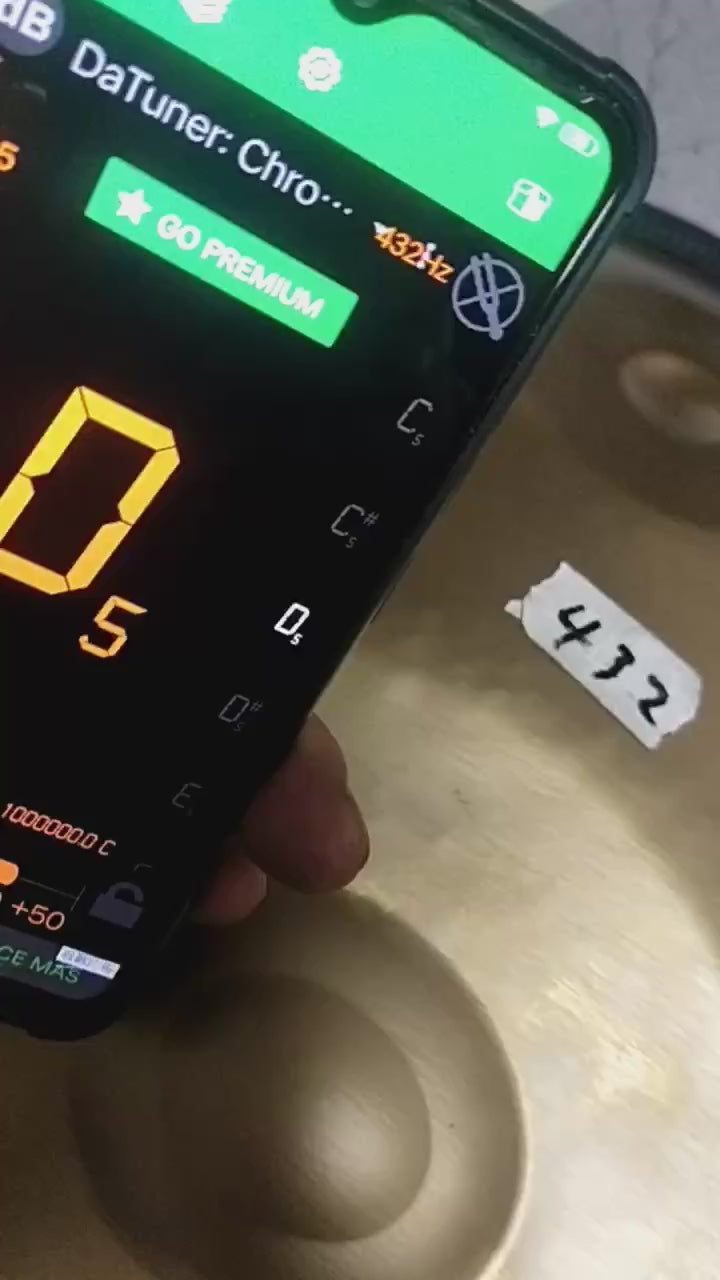
- Confusing 432 Hz and 440 Hz Pitch Standards: Many spiritual and healing communities promote 432 Hz tuning as possessing mystical healing benefits. While 432 Hz sounds undeniably warm and relaxing in solo isolation, it will clash painfully if you attempt to play along with standard pianos, digital synthesizers, or mobile music apps. If you plan to jam with modern instruments or practice alongside interactive tools found in our review of handpan learning apps, you must order an international standard 440 Hz instrument.
- Exposing Nitrided Steel to Humid Salt Air Without Protective Oil: Nitriding provides formidable corrosion defense, but it is not completely rustproof like high-chromium stainless steel. Storing your handpan inside a damp foam-lined backpack or leaving it exposed to coastal fog without applying a protective micellar wax or specialized handpan oil (such as Phoenix Oil or Ballistol) will result in micro-rust pitting along the rim seams.
Essential Buying Considerations: Metallurgy, Hertz & Note Counts
Before issuing a payment or commissioning a custom build for a G Pygmy Handpan, verify these four non-negotiable procurement benchmarks with your maker:
1. Metallurgy Selection (Nitrided vs. Stainless Steel)
Match the alloy directly to your playing style:
- Nitrided DC04 Low-Carbon Steel: Short-to-medium sustain, crisp ceramic-style percussive crack, warm earthy undertones, maximum rhythmic definition. Highly recommended for G Pygmy tribal and fast trance playing.
- Stainless Steel (AISI 430 or Austenitic Alloys): Long singing sustain, bright crystalline overtones, highly resistant to environmental rust. Ideal if you intend to use the G Pygmy exclusively for slow, ambient sound-healing baths where each note is given five seconds to decay naturally.
2. Note Count Architecture (9 Notes vs. Extended Mutants)
For 85% of players, a standard 9-note layout (G3 / C4, D4, Eb4, G4, Bb4, C5, D5, F5) is the optimal configuration. The tone fields are large, well-spaced, and maintain pristine acoustic isolation. Adding bottom bass notes (such as an F3 or Eb3 on the lower shell) expands your harmonic palette, but increases the instrument's cost by $400 to $800 and requires advanced two-handed under-shell striking technique. Explore expanded high-precision builds in our 12 Notes handpan collection.
3. Certified Overtone Stability Documentation
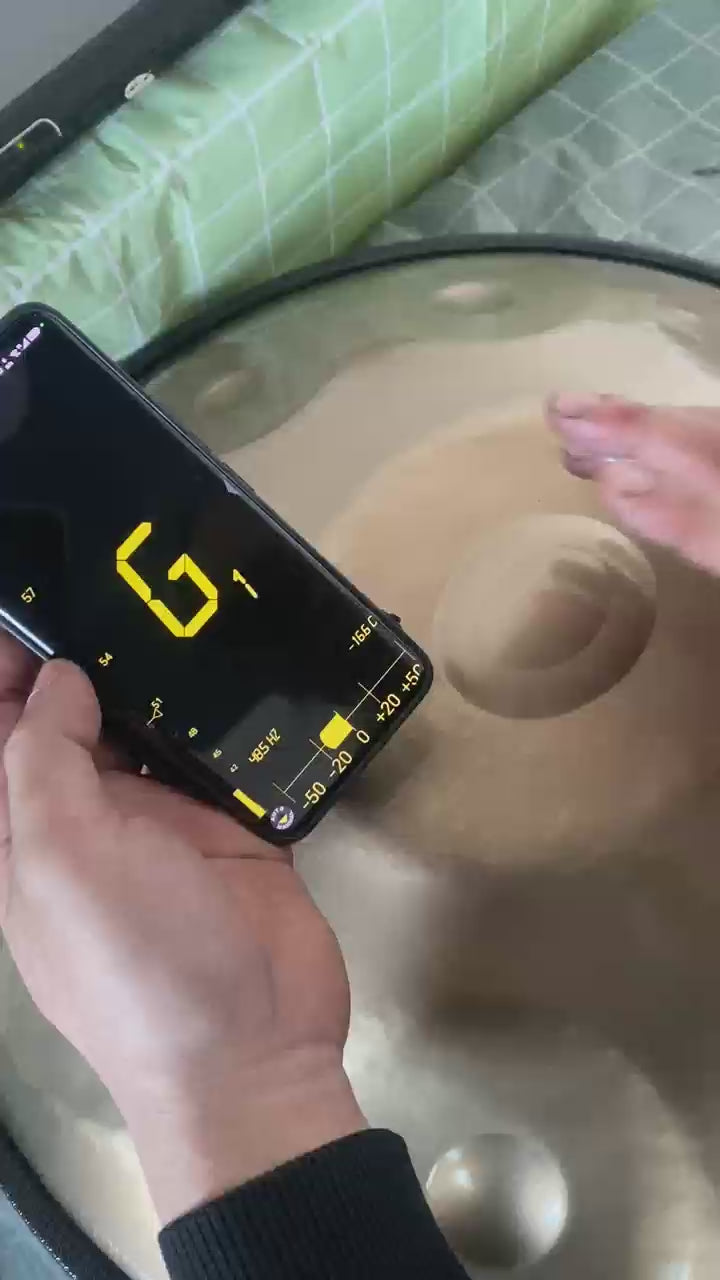
Ensure the maker guarantees tuning to within ±5 cents across the fundamental, octave, and fifth on every tone field. Demand a video recording of the exact serialized instrument being struck with clean finger taps, showing a real-time digital strobe tuner (such as Linotune) displaying stable frequency alignment on both harmonic axes.
4. Authentic Manufacturer Direct Accountability
Avoid anonymous third-party marketplace listings where seller identities change every month. Purchase from established, asset-backed artisans who provide re-tuning warranties, protective travel hard-cases, and transparent customer service. Learn more about our corporate acoustic heritage on the cosmoshandpan Story page, or connect with our master tuning workshop directly via our Contact Cosmoshandpan portal.
Expert Sourcing Verdict & Musical Decision Roadmap
In our professional assessment across the global handpan community, the G Pygmy Handpan is not just another scale variation; it is an acoustic gateway into one of the most mesmerizing, grounding, and rhythmically satisfying sound worlds ever pressed into steel. Its brilliance lies in its restraint: by omitting unstable leading tones, it liberates the musician from cognitive paralysis and invites pure, unfiltered emotional expression.
Here is your clear commercial action plan:
- If your primary mission is sound healing, yoga meditation, shamanic breathwork, or fast rhythmic solo playing: Buy a G Pygmy Handpan in 440 Hz crafted from nitrided steel. Its deep G3 Ding and percussive clarity will serve as an anchor for your practice for decades.
- If you are a first-time beginner seeking an effortless, universally compatible instrument for acoustic jamming, pop songwriting, and structured tutorials: Do not start with a specialized minor pentatonic. Instead, choose a proven, versatile benchmark like the Cosmos Handpan Golden Elegance 9 Notes D Minor, mastering standard intervals before branching into exotic tribal scales.
- If you require silent digital recording, MIDI travel capability, or infinite sound modeling: Consider exploring cutting-edge electronic synthesis alternatives detailed across our review of digital handpan instruments.
Respect the steel, strike with a light, spring-like touch, protect your instrument's acoustic geometry, and let the ancient, grounding resonance of the G Pygmy inspire your personal musical journey.
Frequently Asked Questions
A standard 9-note G Pygmy handpan is anchored by a deep G3 center note (the Ding), surrounded by the tone field arrangement: C4, D4, Eb4 (or D#4), G4, Bb4 (or A#4), C5, D5, and F5 (or Eb5 depending on maker voicing). In 10-note and extended layouts, lower bottom notes or an additional high F5/G5 are integrated to expand dynamic melodic phrasing.
The G Pygmy handpan is accessible to beginners because it relies on a modified minor pentatonic architecture that omits harsh semitone dissonance, meaning every note harmonizes naturally without striking a wrong key. However, because its emotional voicing is deep, earthy, and melancholic, first-time players seeking lighthearted, universally upbeat melodies often find a standard D Minor Kurd or major scale easier for broad, mainstream songwriting.
For the G Pygmy scale, nitrided steel is our primary recommendation for players who favor rhythmic, percussive articulation, faster tempos, and earthy, focused resonance. Stainless steel provides significantly longer sustain and ambient bloom, which excels in slow sound-healing, yoga immersion, and meditation, but can cause rapid note runs to blur into an over-saturated acoustic wash.
A 440 Hz tuning adheres to the international ISO 16 standard concert pitch, making it mandatory if you intend to jam with guitars, pianos, flutes, synthesizers, or digital studio tracks. A 432 Hz tuning is favored by sound therapists, holistic practitioners, and solo meditators who seek a subtly warmer acoustic timbre, though it will clash harmonically when played alongside standard 440 Hz musical instruments.
Authoritative References & Acoustic Standards
- Acoustical Society of America (ASA): Journal of the Acoustical Society of America – Modal Analysis, Non-Linear Coupling, and Sound Radiation in Steelpan Idiophones
- International Organization for Standardization (ISO): ISO 16:1975 Acoustics – Standard Tuning Frequency (Standard Musical Pitch A = 440 Hz)
- Audio Engineering Society (AES): Acoustic Wave Mechanics, Transients, and Spatial Sound Localization Standards