When people search for a musical instrument helps with anxiety, they are usually not looking for theory. They are looking for something they can actually pick up, play, and feel better with in real life. Research from NCCIH says music-based interventions may help with anxiety, and a recent systematic review in PubMed suggests music therapy can be an effective and flexible approach, especially when methods are chosen well. AMTA also points to anxiety as one of the strongest areas of evidence for music therapy. The important part is this: not every instrument is equally useful for that job.

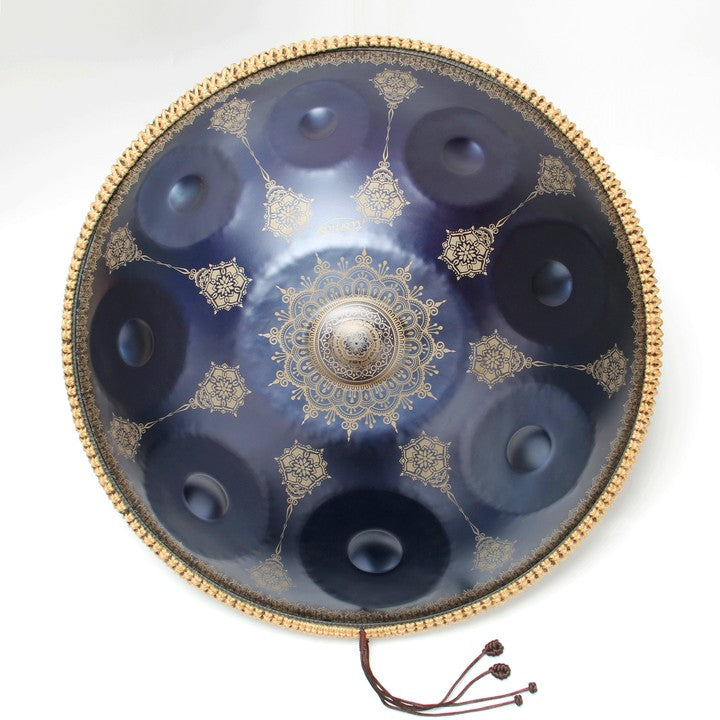
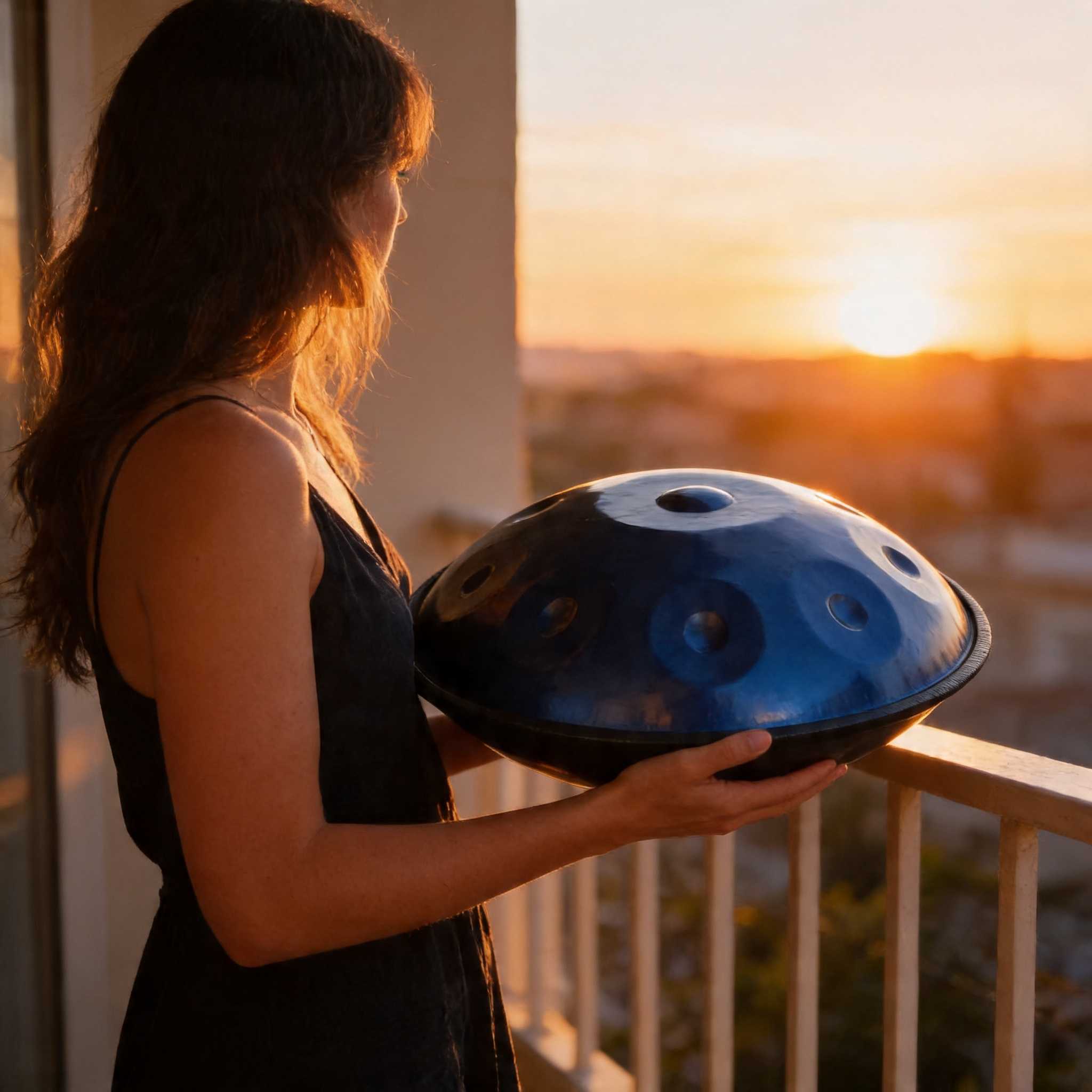
For most people, the best musical instrument helps with anxiety is the handpan. It gives an immediate calming sound, does not punish beginners, and feels more like a stress-release tool than a technical challenge. The tongue drum is the easiest budget alternative, the kalimba is the best portable option, the keyboard is the best for people who already know music, the ukulele is the best for an active mood shift, and the acoustic guitar is best for emotional self-expression. In our testing and product guidance, the winning instrument is the one you will actually play when you are stressed, not the one that looks best in a room.
Direct answer: which instrument helps with anxiety best?
If the goal is to reduce tension, slow the mind, and create a repeatable calming ritual, the handpan is the strongest overall choice. From our experience, it is the best balance of instant sound, tactile satisfaction, and low learning friction. A tongue drum is the safer buy if the budget is tight. A kalimba is the smartest choice for portability. A piano or keyboard works well if you already know basic harmony. A ukulele and acoustic guitar are better when you want to sing or turn the session into active emotional release.
The reason this works is simple. Music-based interventions can help anxiety, but the instrument has to be easy enough to use under stress. NCCIH says research suggests music-based interventions may be helpful for anxiety, and AMTA highlights anxiety as one of the strongest evidence areas for music therapy. That does not mean every instrument is equal. It means the best instrument is the one that lowers friction and gets you into a calm, repeatable state fast.
Table of contents
Quick Summary Table
| Instrument | Best for | Learning curve | Worth buying? |
|---|---|---|---|
| Handpan | Immediate calming sound, meditative playing, premium feel | Low to medium | Yes, if you want the strongest all-around anxiety tool |
| Tongue drum | Beginners, kids, quiet home practice, easy stress relief | Very low | Yes, if you want the simplest starting point |
| Kalimba | Desk practice, portability, quiet breaks | Low | Yes, if space and budget matter |
| Keyboard / piano | Structured expression, chord movement, familiar musical language | Medium to high | Yes, if you already play or want a deeper learning path |
| Ukulele | Lift mood, sing along, easy rhythm-based release | Low to medium | Yes, if you want a social, upbeat option |
| Acoustic guitar | Emotional expression, songwriting, self-soothing through chords | Medium | Yes, if you want a versatile long-term instrument |
What makes an instrument help with anxiety

A musical instrument helps with anxiety when it is easy to start, easy to repeat, and rewarding before you feel “good” at it. That is the commercial truth most buyers miss. If the first 30 seconds of playing feel awkward, the instrument will not become part of your stress routine. If the first sound is rich, sustained, and forgiving, you are more likely to return to it when your nervous system is already overloaded.
NCCIH says music-based interventions may help anxiety, depressive symptoms, and pain, and that the evidence is promising but still developing. That is the right mindset for buyers: think in terms of support and consistency, not miracle claims. AMTA’s evidence summary also points to anxiety as one of the clearest benefit areas for music therapy. So the practical question is not whether music can help. The practical question is which instrument gives you the easiest path into that effect.
For this article, the six instruments are ranked by four things: how quickly they create a calming result, how easy they are for beginners, how portable they are, and how likely you are to keep using them. That is a better buying framework than chasing novelty. For readers who are still new to this space, our handpan for beginners guide is a smart place to start, because it shows what a low-friction instrument looks like in real life.
Comparison Table: the 6 best instruments for anxiety
| Instrument | Why it helps | Best use case | Our take |
|---|---|---|---|
| Handpan | Sustained tones, tactile play, immediate musical payoff | Deep relaxation, meditation, after-work reset | The best overall choice for most adults. |
| Tongue drum | Easy striking, soft resonance, almost no learning barrier | Beginners, children, quiet bedrooms | The easiest “first calming instrument” to own. |
| Kalimba | Gentle plucked notes and portable practice | Desk breaks, travel, low-noise use | Excellent when portability matters. |
| Keyboard / piano | Clear harmony and structured emotional release | People who already play or want to learn properly | Best for musical depth, not immediate ease. |
| Ukulele | Simple chords and upbeat rhythm | Singing, mood shifting, casual home practice | Strong buy if you want active positivity. |
| Acoustic guitar | Expressive chords and songwriting potential | Self-expression, evening unwind, long-term hobby | Worth it if you will stick with the learning curve. |
The 6 best instruments that help with anxiety
1. Handpan

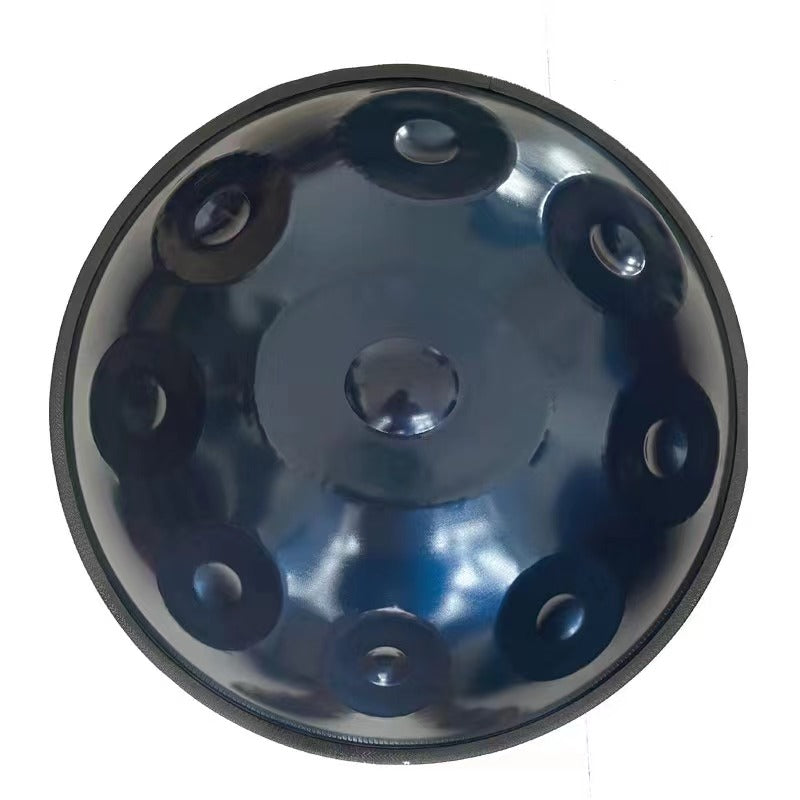
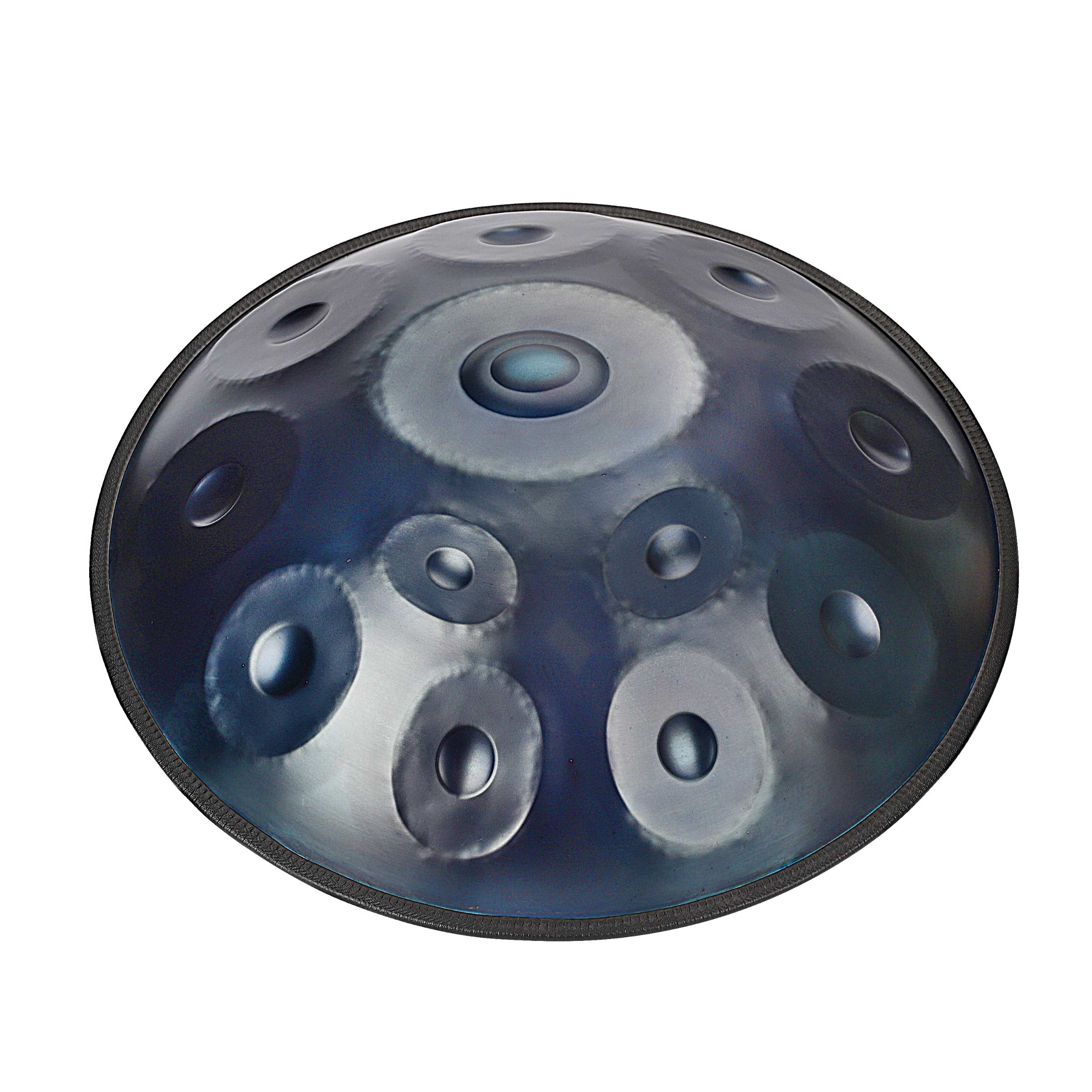
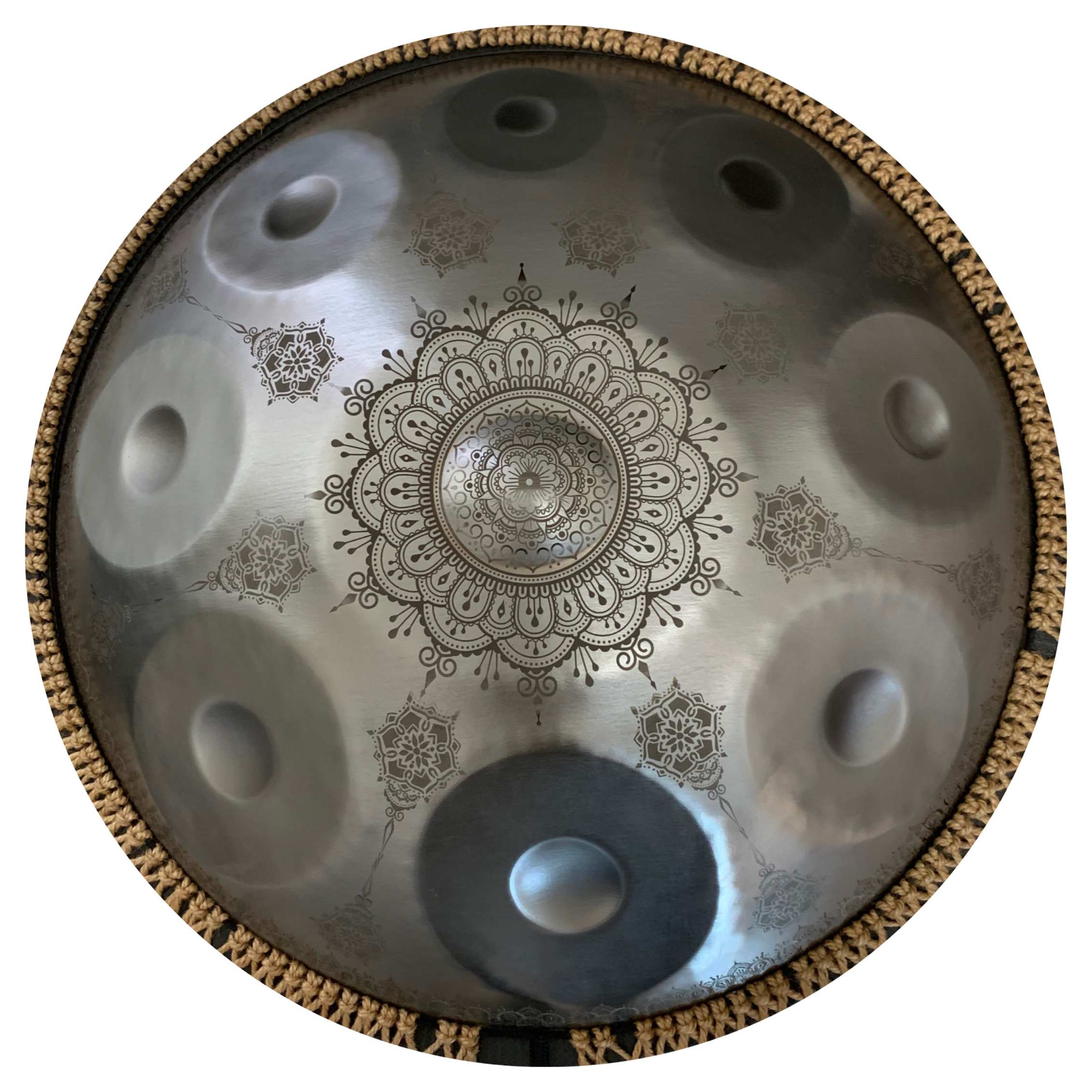
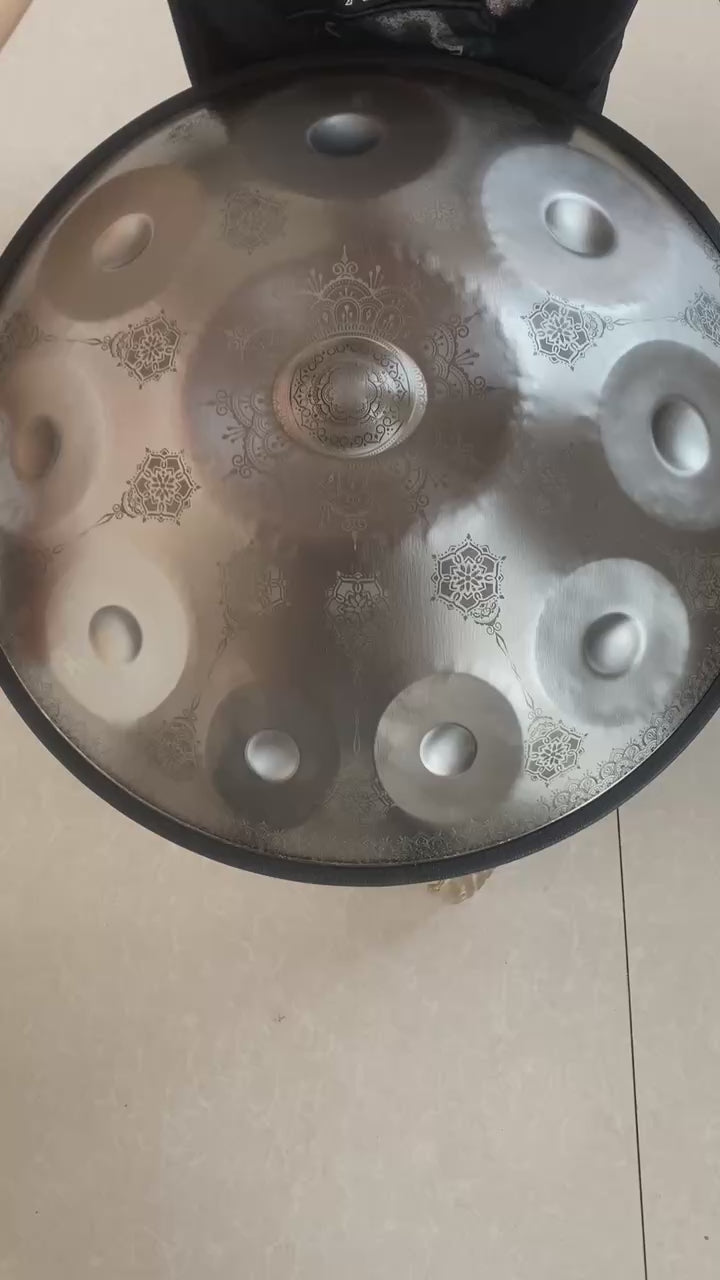
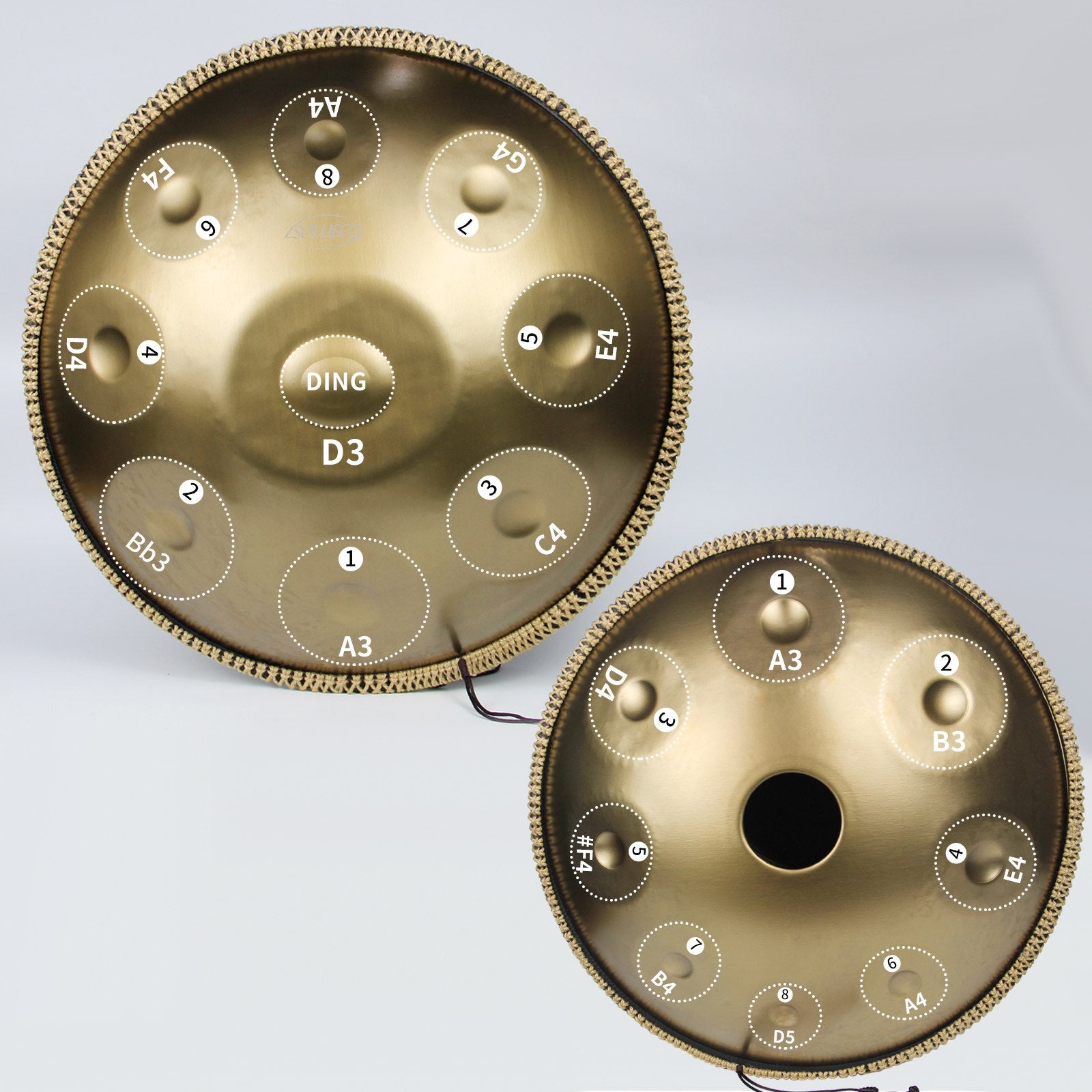
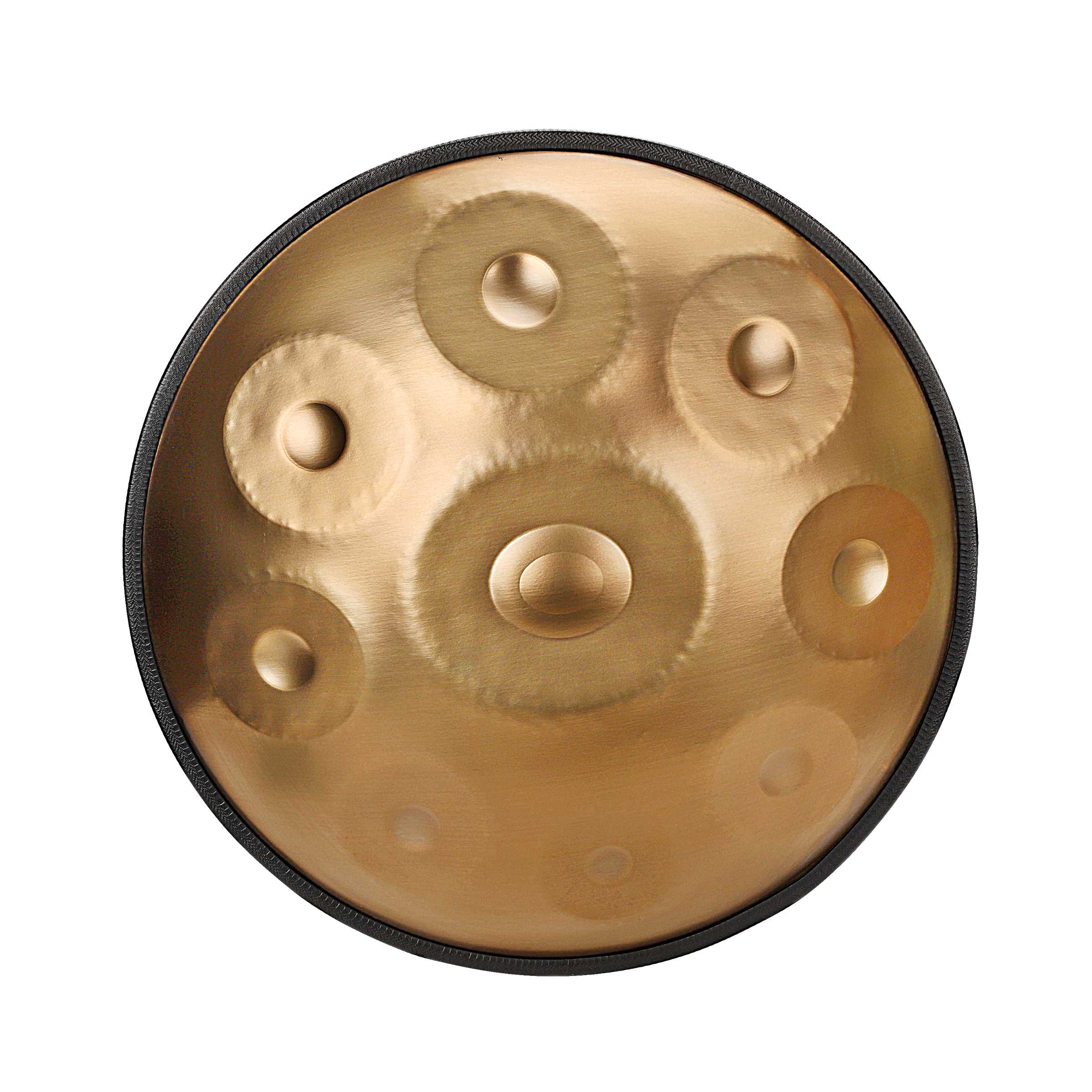
The handpan is the best overall answer if the goal is immediate calm. It is hard to beat because it sounds beautiful quickly, even for beginners. The tone is sustained, the layout is intuitive, and the instrument feels meditative without forcing you to study music theory first. That is why Cosmos Handpans focuses so heavily on handpans and tongue drums: these are the instruments most likely to become part of a real anxiety routine instead of sitting in the corner as decor.
If you are comparing handpans, do not overcomplicate the buying decision. Start with tone layout, note count, and size. Our guides on handpan notes chart, understanding handpan notes, and how many notes should a handpan have will help you choose a configuration that is actually playable. If the shell is awkward for your hands or your practice space, even a beautiful instrument will get used less.
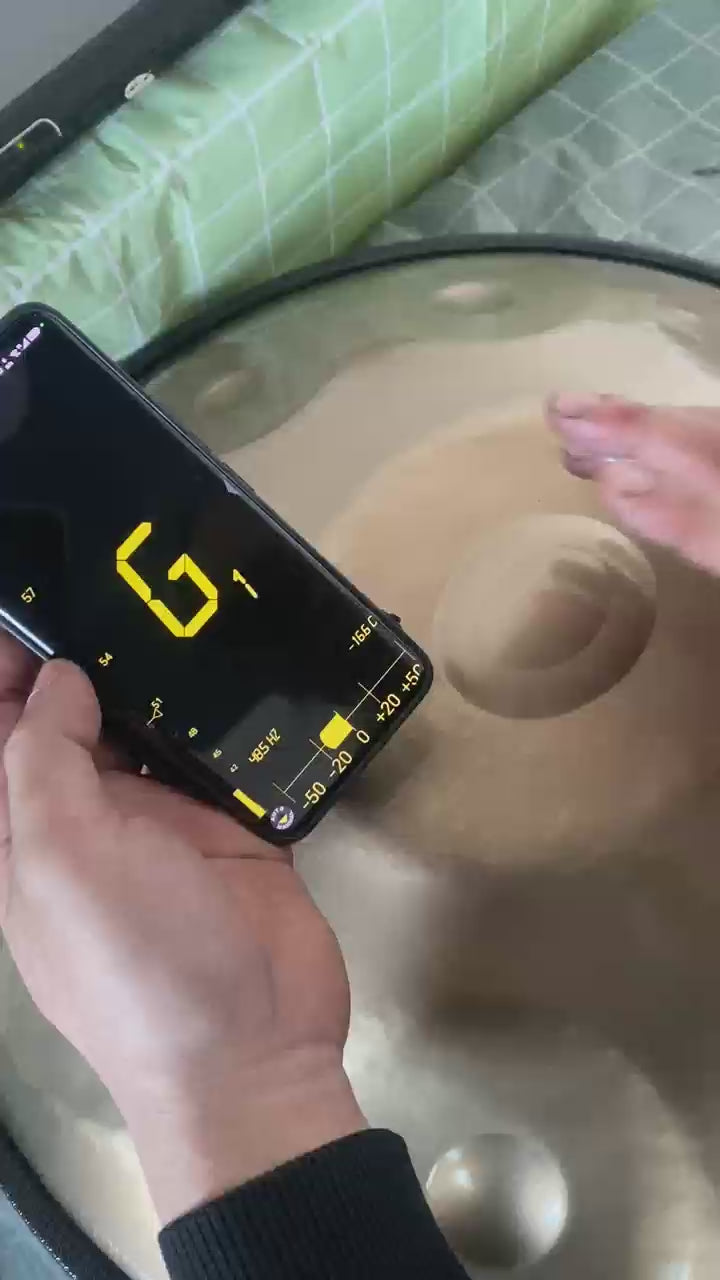
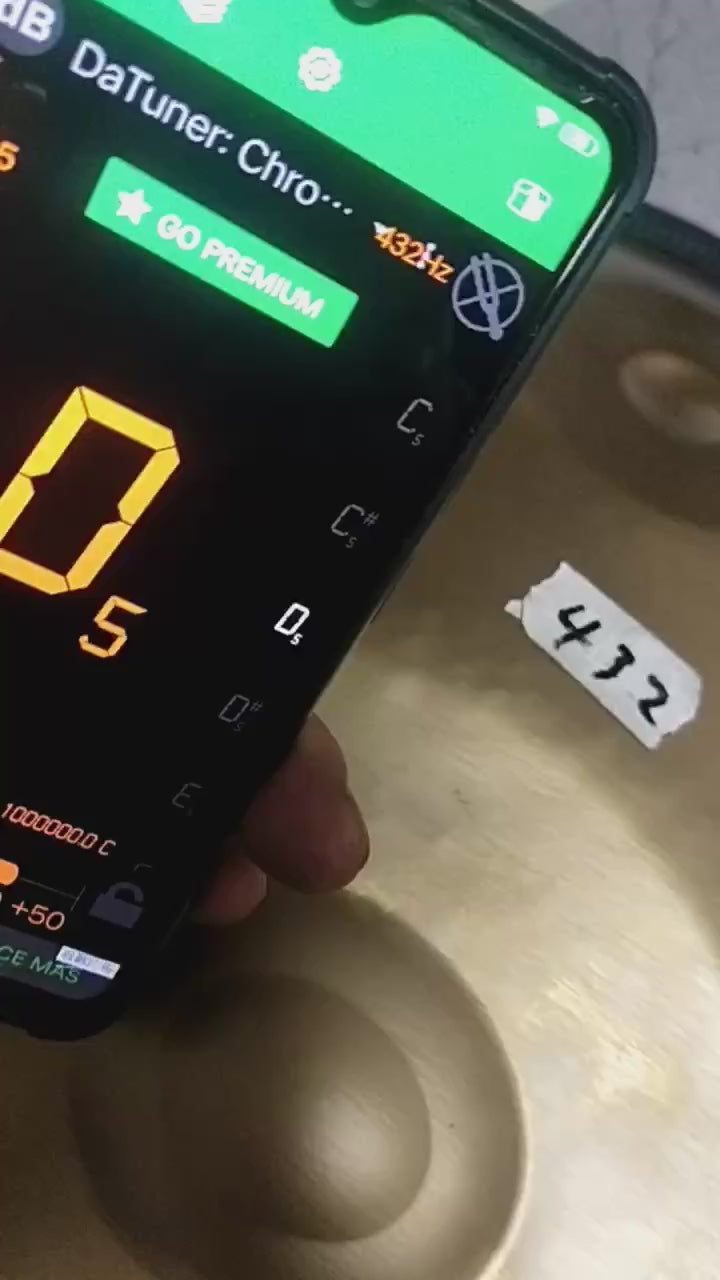
Sound tuning is where buyers often get distracted. The internet loves to turn 432 Hz handpan guide and 1111 Hz handpan meaning into magic tricks. Our view is stricter: tuning can change the color of the sound, but it does not replace good design, good playability, or consistent use. For maintenance and long-term ownership, how to tune a handpan matters more than chasing a trendy number.
For people who want the bigger picture, our write-up on handpan music benefits and handpan therapy benefits explains why the instrument is so effective as a calming tool. If you are deciding between acoustic and digital options, digital handpan instruments can be useful, but they usually do not deliver the same tactile satisfaction as steel under the hands.
2. Tongue drum
The tongue drum is the easiest instrument on this list for beginners. It is forgiving, quiet, and immediately pleasant. For someone who wants a low-pressure way to transition from stress to focus, that matters a lot. From our experience, tongue drums are often the best first purchase for children, busy adults, and anyone who is nervous about “playing wrong.”
The downside is that tongue drums are usually less harmonically rich than handpans. That does not make them worse. It makes them different. If your goal is a simple, soothing ritual rather than a deeper musical journey, a tongue drum is often enough. For commercial users such as wellness studios or gift retailers, tongue drums are also easy to demonstrate because they sound good instantly.
3. Kalimba
The kalimba is one of the best portable anxiety instruments because it is small, quiet, and easy to start. It gives you a fast sense of progress without requiring a large room, a large budget, or a long practice session. For desk workers, travelers, and people who want an instrument they can keep nearby, it is a strong choice.
Its limitation is depth. A kalimba can be calming, but it is not as immersive as a handpan or as flexible as a keyboard. That said, not everyone needs the most expansive instrument. For beginners who need an immediate calm-down tool, the kalimba does the job well.
4. Keyboard or piano
The keyboard is a better anxiety instrument than most people realize, but only if the buyer is willing to learn a little structure. Piano gives you harmony, melody, and a clear sense of progression. That can be especially helpful if your anxiety feels chaotic and you respond well to order and pattern.
In most professional situations, I would recommend a keyboard for someone who already has some musical background or wants a long-term learning path. It is not the easiest instrument on this list, but it is one of the most expressive. For people who like chords, composition, and a more substantial musical journey, it is worth the space.
5. Ukulele
The ukulele is a strong mood-shift instrument. It works well when the goal is not only to calm down, but to move out of a negative state and into active engagement. Because the chords are relatively approachable, it is a practical choice for people who want to sing, strum, and release tension in a social way.
It is not the best instrument for quiet meditation. It is the better choice for bright emotional reset. If anxiety often shows up as low mood or mental fog, the ukulele is a sensible buy. It can be less intimidating than guitar and more expressive than a purely percussive instrument.
6. Acoustic guitar
The acoustic guitar is the best choice for people who want emotional self-expression and long-term musical growth. It is more demanding than the handpan, the tongue drum, or the kalimba, but it offers a lot more range once you get past the early learning curve. For some buyers, that extra challenge is part of the calming effect. It turns anxious energy into focus.
From our experience, the guitar is a good pick if you already enjoy songs, chords, and songwriting. It is less ideal if you want instant relief without effort. That is the trade-off. For the right person, though, it can become a powerful self-regulation tool.
Pros and Cons Table: using musical instruments for anxiety
Pros
- Music-based interventions may help anxiety, and the evidence is promising.
- Playing an instrument creates a repeatable calming routine.
- It gives attention a constructive place to go.
- It can be private, portable, and low-cost depending on the instrument.
- It can support mood regulation without feeling clinical.
Cons
- It is not an instant cure.
- Some instruments have a learning curve that can increase frustration.
- Buying by sound myth instead of usability is a bad habit.
- The wrong instrument can sit unused.
- Results depend on consistency, not just purchase price.
Buying Guide Table: which instrument should you buy?
| Your situation | Best choice | Why | Worth the money? |
|---|---|---|---|
| You want the easiest path to calm | Handpan | It sounds rich immediately and rewards slow, repetitive playing. | Yes, if your budget allows it. |
| You are a complete beginner | Tongue drum | Almost no learning barrier and very forgiving. | Yes, especially for first-time buyers. |
| You need something small and quiet | Kalimba | Portable, simple, and easy to keep nearby. | Yes, if space is limited. |
| You already play music | Keyboard / piano | Gives more harmonic depth and expressive control. | Yes, if you will practice regularly. |
| You want to sing and strum | Ukulele | Light, cheerful, and easy to use for mood lift. | Yes, if you like singing with the instrument. |
| You want the most versatile long-term hobby | Acoustic guitar | Broad musical range and strong emotional expression. | Yes, if you can handle the learning curve. |
For readers who are deciding specifically between handpan options, our standard handpan size guide is useful because comfort matters. A handpan that fits your body and your practice space will get used more often than one that looks impressive but feels awkward. That is true for anxiety use as much as for music performance.
Who should use a musical instrument for anxiety, and who does not need one
Use one if you respond well to sound, repetition, touch, and structured quiet. If you notice that making music changes your breathing, your focus, or your mood, then an instrument is probably a good anxiety tool for you. It is especially useful for people who want a replacement for doom-scrolling, a post-work reset, or a mindful evening routine.
You do not need one if you want zero learning curve, if you will not practice, or if you are looking for something to replace all other forms of stress management. In that case, the best tool may be passive listening, breathing work, or professional support rather than an instrument purchase. Music can help, but it is not the only option. NCCIH is clear that the evidence is still developing, which is another reason to treat instruments as support tools rather than miracle devices.
For commercial users such as wellness brands, retreat centers, and therapy-adjacent studios, handpan and tongue drum are usually the smartest choices because they are easy to demo and difficult to dislike. For beginners buying at home, the question should be simpler: which instrument will you actually reach for when you feel tense?
Common mistakes buyers make
- Buying the prettiest instrument instead of the most playable one.
- Thinking a tuning number will solve anxiety by itself.
- Choosing too many notes too early and making the instrument harder to use.
- Buying an instrument that is too loud, too big, or too complicated for the space.
- Expecting one session to create lasting change.
- Ignoring maintenance, tuning, and learning support.
- Buying without reading how the instrument actually plays, not just how it looks in a photo.
One of the biggest myths is that 432 Hz, 1111 Hz, or any other label is the real secret. Our view is more practical. Tuning can shape the character of the sound, but anxiety relief comes from playability, repetition, and emotional fit. If you are comparing tuning-related choices, our guides on 432 Hz handpan guide and 1111 Hz handpan meaning will help you separate sound preference from marketing story.
Expert recommendation
We recommend the handpan first for most adults, the tongue drum first for beginners on a budget, and the kalimba first for people who need portability. If the buyer already has musical experience, the keyboard or acoustic guitar can be a better long-term emotional outlet. If the buyer wants a lighter, mood-lifting option, the ukulele deserves a close look. That ranking is practical, not theoretical.
Cosmos Handpans is well positioned here because the brand lives inside the two instruments that make the most sense for anxiety use: handpans and tongue drums. In the heart of Colorado, USA, Cosmos Handpans has more than a decade of experience creating handpans and tongue drums, and that kind of focus matters. Instruments used for anxiety should be easy to start, pleasant to hear, and rewarding enough that you keep returning to them. That is where Cosmos’ craftsmanship and attention to musical detail fit the need.

If the goal is a more serious handpan purchase, begin with the note layout, size, and intended use. Then use the learning path that supports consistency. Our internal guides on how to tune a handpan and handpan learning apps are helpful after the first decision is made, not before. That is the right order: buy something playable, then build the habit.
Bottom Line
If the question is which musical instrument helps with anxiety best, the handpan wins for most people because it is easy to sound good, hard to hate, and genuinely calming in the hands. The tongue drum is the best low-cost alternative. The kalimba is the best portable choice. The keyboard, ukulele, and acoustic guitar are excellent when you want more expressive range or already have some musical background.
Buy the instrument you will actually play on a stressed evening, not the one that merely sounds impressive in a video. That is the decision that matters.
FAQs
Which musical instrument helps with anxiety the most?
For most buyers, the handpan is the strongest overall choice because it combines immediate sound quality, a low barrier to entry, and a naturally calming character.
Is there scientific evidence that musical instruments help with anxiety?
Yes, but it is broader than any single instrument. NCCIH says music-based interventions may help anxiety, and a recent systematic review suggests music therapy can be an effective and flexible intervention.
Should beginners buy a handpan or a tongue drum?
Buy a tongue drum if budget and simplicity matter most. Buy a handpan if you want a deeper instrument and are willing to spend more for a richer long-term experience.
Are 432 Hz handpans better for anxiety?
Not automatically. Tuning can affect the character of the sound, but anxiety relief depends more on playability, consistency, and whether you actually use the instrument. Our tuning guides explain the difference in more detail.
What is the most portable anxiety instrument?
The kalimba is usually the easiest portable option. It is small, quiet, and simple to use in short breaks.
What if I do not know how to play music?
Start with the tongue drum or handpan. Both allow you to make pleasant sounds quickly without demanding much theory at the beginning.
References