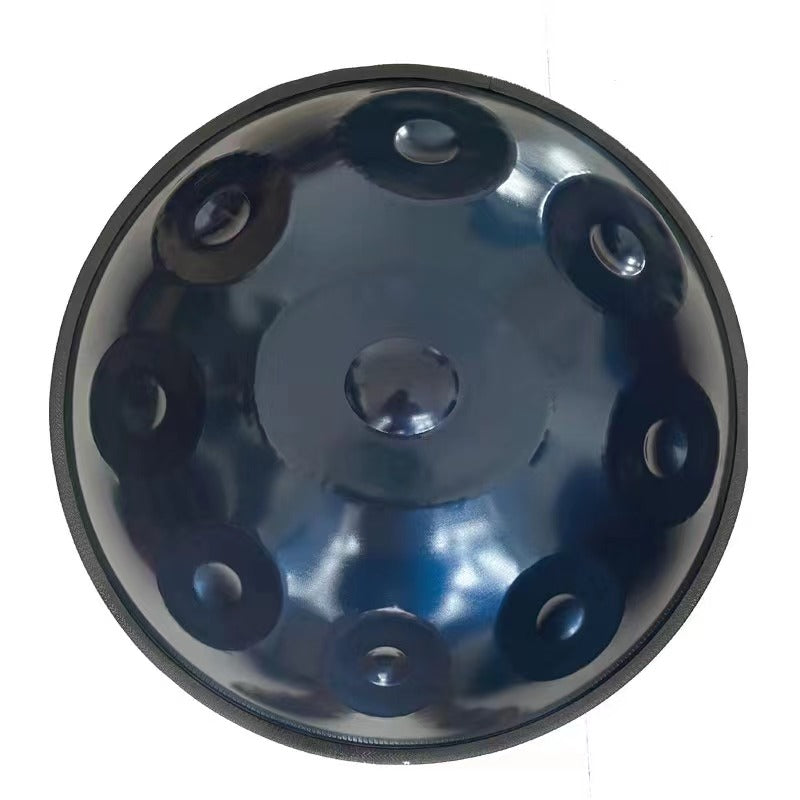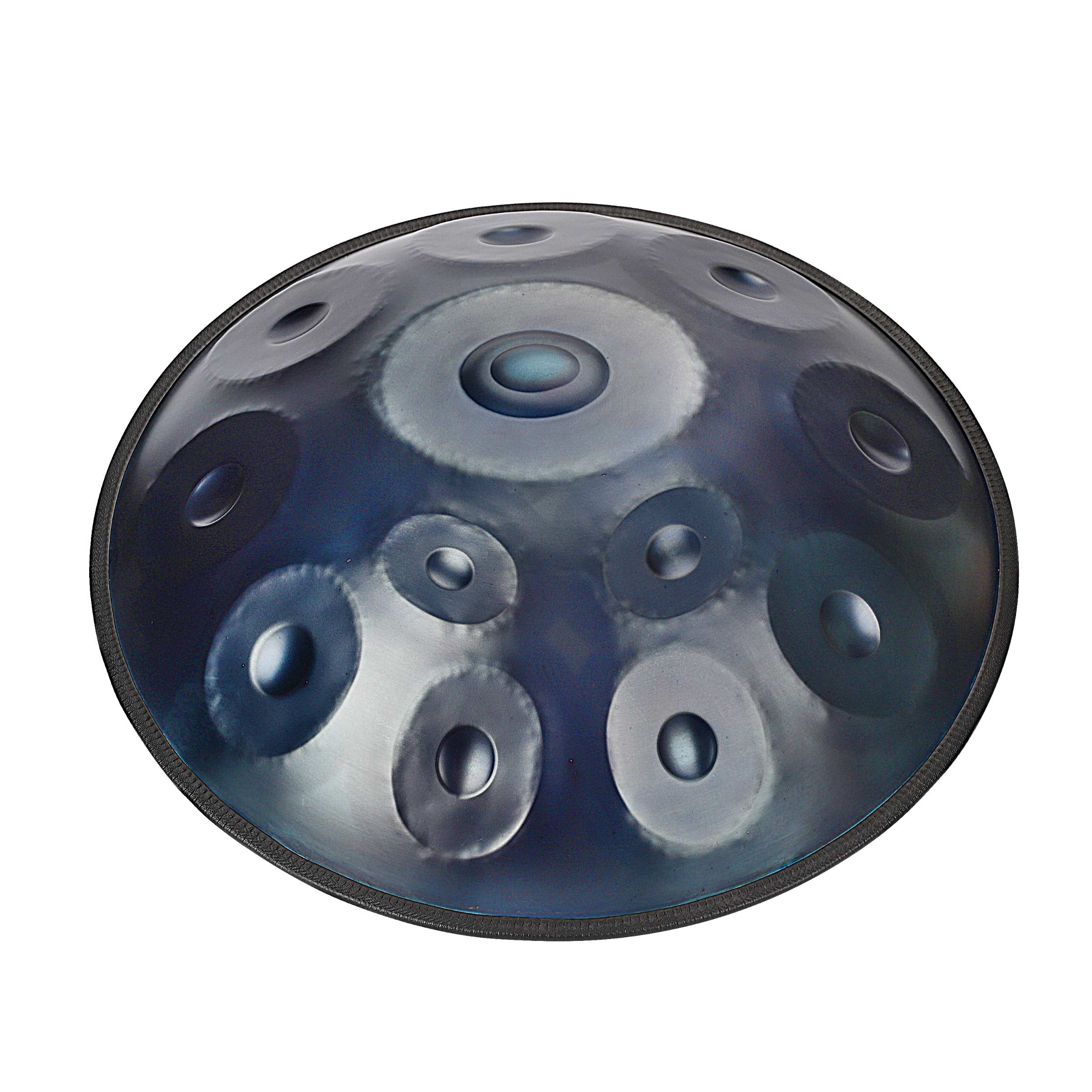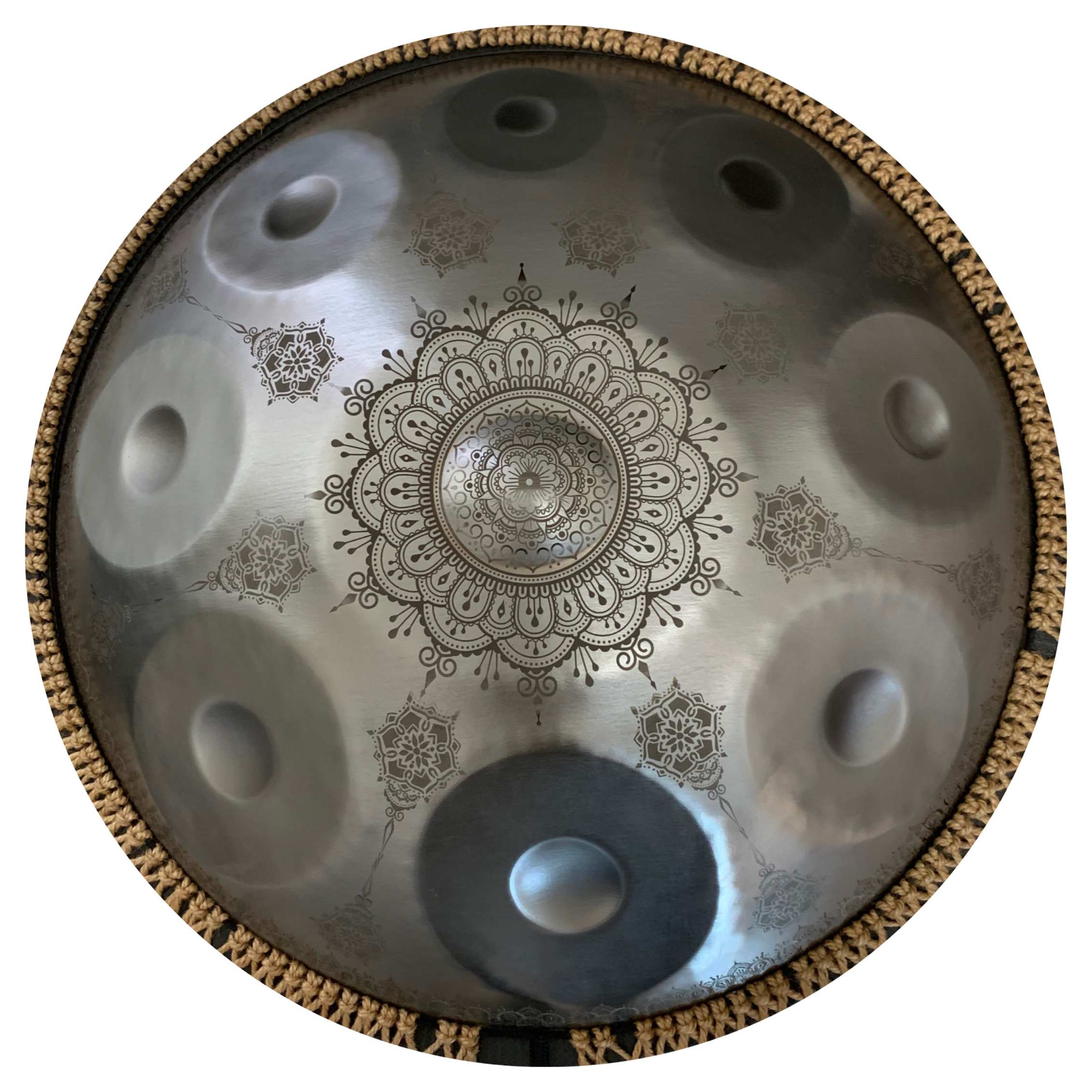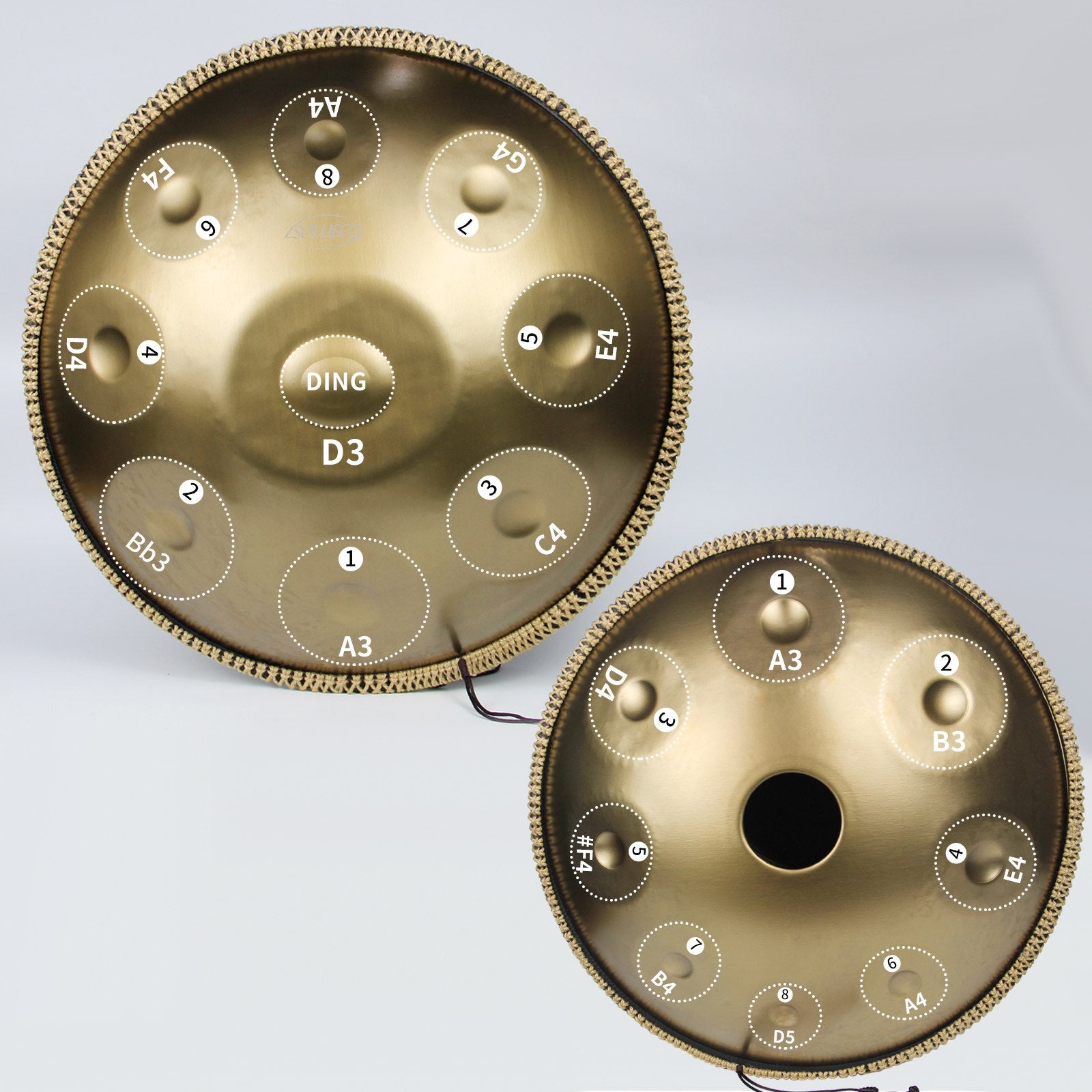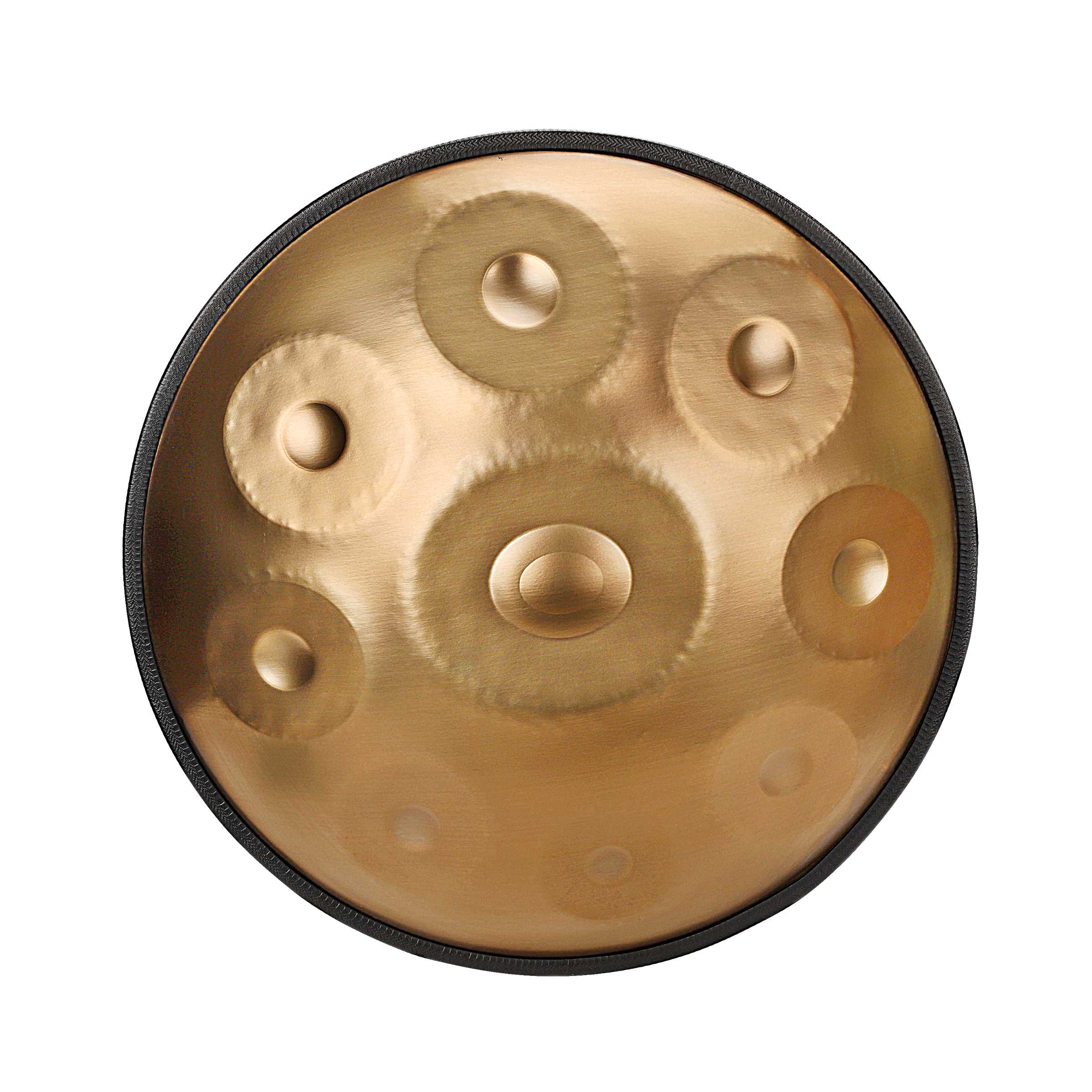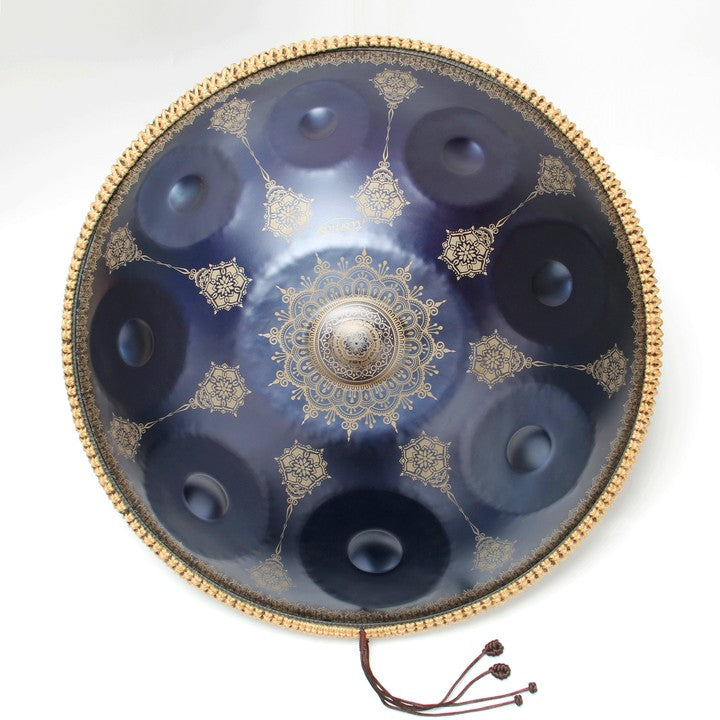

The global handpan movement has transformed from a niche acoustic phenomenon into a highly professional musical landscape where precise metallurgy meets deep micro-tonal architecture. Choosing a steel handpan requires more than just evaluating physical appearance or raw note counts. Because each steel pan is a fixed, non-chromatic acoustic matrix hammered by hand into a single shell, the musical configuration you select defines your entire creative boundary, sonic emotional range, and ability to jam with other musicians.

From our experience at Cosmos Handpans, performance failures or musical blocks among emerging players are rarely caused by a lack of personal rhythm. Instead, they often trace back to choosing an overly complex or emotionally rigid scale that clashes with their true playing style or surrounding musical goals. Selecting the absolute best key for handpan playing ensures your instrument delivers consistent harmonic stability, excellent long-term resonance, and intuitive note layouts that facilitate smooth improvisation. This comprehensive engineering and musical analysis details eight premier musical scales driving innovation across the global acoustic community.
Table of Contents
- 1. Physical and Acoustic Mechanics of Fixed Handpan Scales
- 2. Comprehensive Deep Dive: 8 Best Key for Handpan Models
- 3. Sound Profiles and Layout Configuration Summary Table
- 4. Critical Structural Parameters for Auditing Handpan Physics
- 5. Forging Cosmic Connections: The Cosmos Handpans Crafting Standard
- 6. Frequently Asked Questions (FAQs)
- 7. Acoustic Science and Metallurgical References
1. Physical and Acoustic Mechanics of Fixed Handpan Scales
To accurately understand what defines the best key for handpan performance, one must look deep into the physics of sound fields sculpted into gas-nitrided or stainless steel shells. Each dimpled field contains a fundamental note tuned alongside its precise octave and compound fifth overtone. When you strike a single note field, the entire surrounding steel shell vibrates, creating a web of sympathetic resonance across all other notes in the scale matrix.
We recommend establishing a clear understanding of acoustic tension and scale layouts before purchasing an instrument. If notes are configured with poor spatial distances, their overlapping overtones will collide, causing muddy acoustic interference and short resonance sustain lifecycles. Choosing a professionally mapped scale removes these harmonic conflicts, allowing you to execute fast percussive patterns or deep ambient rolls that remain perfectly crisp and clear in any recording or performance space.
2. Comprehensive Deep Dive: 8 Best Key for Handpan Models
The following technical profiles examine eight dominant scales globally, analyzing their emotional themes, layout ease, and adaptive playability across different musical skill tiers.
1. D Minor Kurd
The D Minor Kurd is globally recognized as an industry standard scale configuration, famous for its clean melodic balance and versatile emotional expressions. It features a complete diatonic minor scale structure that transitions smoothly between reflective, melancholic soundscapes and uplifting, driving tempos.
From our experience, this layout serves as an exceptional tool for learning foundational hand coordination and layout mapping. Because the scale lacks missing gaps in its step progression, it allows for easy melody integration, making it a very popular choice among solo street performers and studio musicians worldwide.
2. D Celtic Minor (Amara)
The Celtic Minor scale, often referred to as the Amara model, removes the sixth scale degree from its layout matrix. This omission alters the acoustic feel completely, softening the dark minor tension and replacing it with an open, ancient folk-like atmosphere that resolves naturally into beautiful melodies.
We recommend the Celtic Minor configuration for sound meditation guides and ambient therapy practitioners who require deep, relaxing tones. Its specific note distribution ensures that even accidental strikes form clean, pleasant chords that never sound overly harsh or tense to the listener.
3. D Integral Minor
The Integral scale presents a raw, deeply emotional take on the minor key by omitting the fourth degree. This layout creates an intimate, introspective playing space characterized by shifting tensions and deep, evocative pauses that demand deliberate, expressive striking techniques.
Our acoustic testing indicates that the Integral layout is highly effective for solo cinematic scoring and expressive performances. The closer note fields enhance sympathetic string vibrations across the main ding, providing excellent sustain that fills empty room spaces smoothly.
4. C# Pygmy
Rooted in traditional pentatonic structures, the Pygmy scale alternates between minor inflections and major lift profiles as you cross the steel surface. Its balance features suspended intervals that create a mystical, tribal feel that sounds grounded and ethereal simultaneously.
We recommend the C# tuning tier if you seek a deep, soothing bass response from the central ding area. This key allows the shell to vibrate at low frequencies, producing an earthy, grounding background that is highly effective for outdoor group circles and deep sound healing layouts.
5. E La Sirena
La Sirena is a unique major-mode variant that carries a light, oceanic mood. By shifting the central ding to a bright E root while arranging major and minor intervals along the outer field ring, it creates an open, curious soundscape that reminds listeners of moving water.
This scale is a fantastic choice for upbeat collaborations with acoustic guitarists, flutists, and world percussionists. It provides bright melodic highlights that easily cut through low-frequency drum mixes, making it a versatile asset for multi-instrumental ensembles.
6. A Akebono
The Akebono scale is a traditional pentatonic mode from Japan that lacks standard Western scale resolutions. This layout removes common major and minor third markers, creating an evocative, neutral mood that feels deep, mysterious, and beautifully artistic.
Because every note field shares high harmonic affinity with its neighbors, it is practically impossible to play a discordant progression on an Akebono layout. This feature makes it highly rewarding for intuitive players who prefer to lose themselves in pure freeform playing without thinking about Western music theory rules.
7. F Clef (F Major / Hijaz Variations)
The F scale configurations explore deep, exotic harmonic minor and double-harmonic spaces, offering middle-eastern thematic colors. These layouts deliver intense contrast, balancing bright, piercing high notes with warm, dark undertones that catch a listener's attention immediately.
We recommend the F scale for advanced players who want to break away from traditional minor styles. The unique intervals require precise striking accents and careful damping control, allowing experienced percussionists to showcase complex polyrhythms and dramatic performance variations.
8. G Mixolydian / Hijaz Kar
The Mixolydian and companion major-dominant layouts focus on providing an energetic, joyous, and bright atmosphere. This scale framework removes dark, melancholic minor drops entirely, substituting them with driving, uplifting intervals that radiate optimism and celebratory warmth.
This tuning is ideal for high-tempo stage performances, festival drum jams, and collaborative world-music projects. Its bright, open layout encourages faster percussive slaps and bright rhythmic accents that naturally energize and uplift public audiences.
3. Sound Profiles and Layout Configuration Summary Table
To help you compare different layouts and find the best key for handpan environments, the following responsive summary table details the emotional themes and target experience levels of the premier scales.
| Scale Designation | Core Emotional Theme | Sonic Complexity Level | Ideal Application Space |
|---|---|---|---|
| D Minor Kurd | Balanced, Melancholic, Versatile | Beginner to Professional Alpha | Street performance, versatile studio recording |
| D Celtic Minor (Amara) | Mystical, Open, Ancient Folk | Excellent for Novice Exploration | Yoga studios, sound meditation, ambient paths |
| D Integral Minor | Introspective, Intimate, Deep | Intermediate Structural Play | Solo cinematic tracking, acoustic storytelling |
| C# Pygmy | Earthy, Mystical, Tribal Suspension | Intermediate Polyphonic Sync | Outdoor group circles, low-frequency sound healing |
| E La Sirena | Bright, Curious, Oceanic Lift | Advanced Collaborative Drive | World music ensembles, multi-instrument jams |
| A Akebono | Artistic, Meditative, Neutral Space | Intuitive Freeform Flow | Therapeutic soundscapes, blind improvisation |
4. Critical Structural Parameters for Auditing Handpan Physics
Sourcing an acoustic steel instrument requires a technical evaluation that goes beyond attractive surface texturing or chemical coloring. To protect your musical budget, we recommend implementing a strict verification checklist built upon four structural parameters:
- Crosstalk Isolation: Strike a note with force and check if other notes across the shell bleed or hum along too loudly. High-tier makers use precise boundary compression hammering to isolate each note field, preventing unwanted crosstalk from ruining your melodies.
- Steel Substrate Treatment: The type of steel used changes your sound completely. Gas-nitrided steel delivers a warm, ceramic-like punch with excellent percussive definitions, whereas stainless steel alloys provide immense, long-lasting sustain and high rust protection against sweat and humidity.
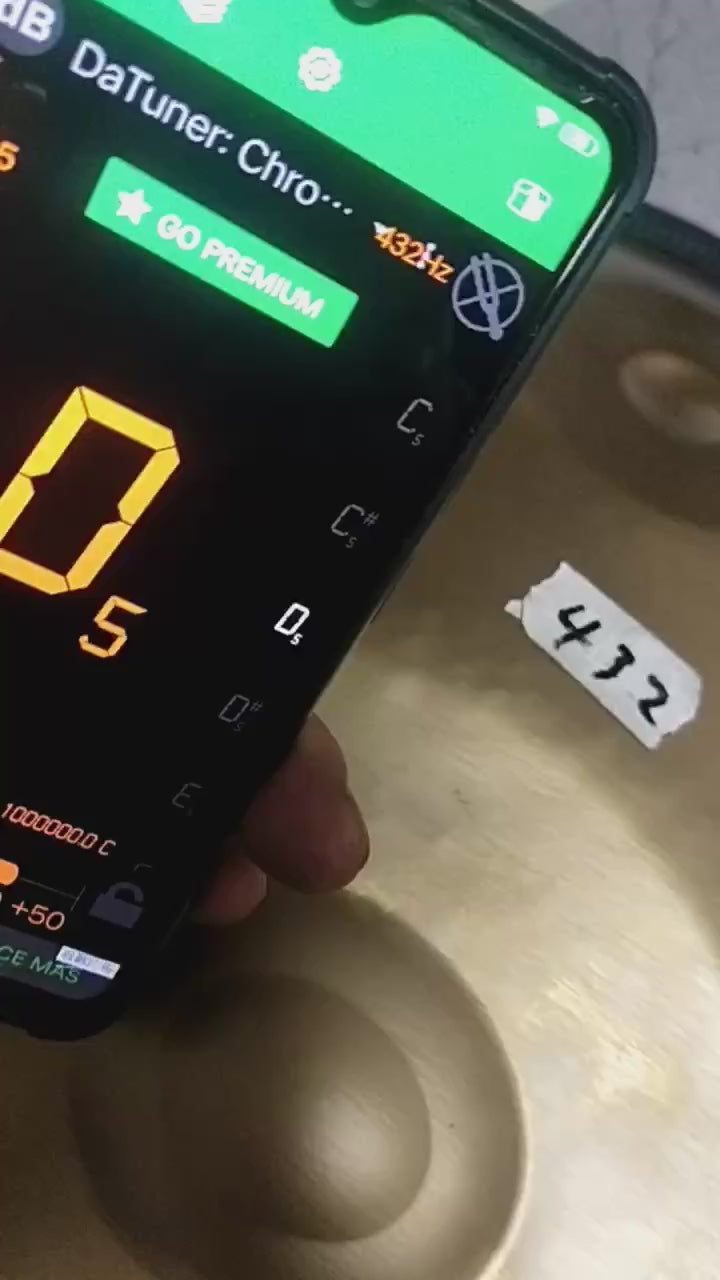
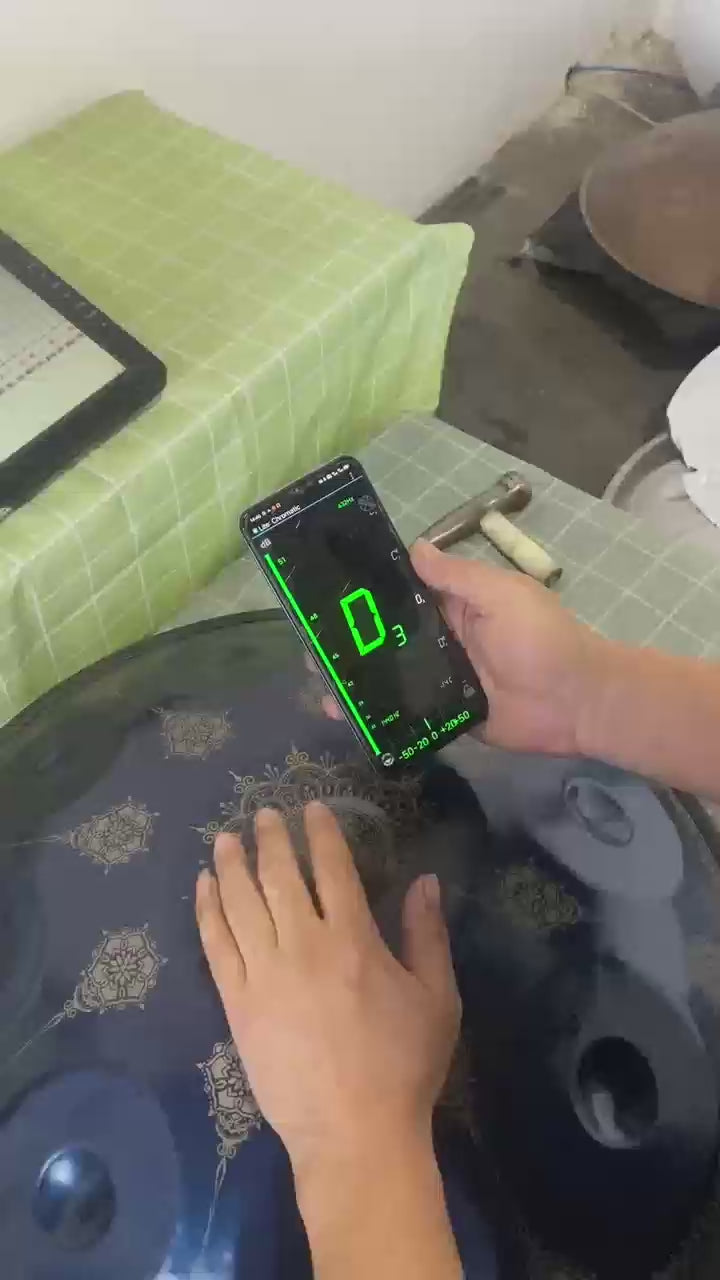
- Overtone Alignment: Every note field must have its fundamental frequency tuned precisely alongside its octave and compound fifth overtones. Check these overtones with digital strobe software to guarantee clean, rich chords across the entire instrument face.
- Dynamic Response Range: A well-crafted instrument should respond cleanly to both light finger taps and heavy slaps. The steel should produce a pure tone without distorting or clipping when you play with energy, allowing for expressive variations in volume.
5. Forging Cosmic Connections: The Cosmos Handpans Crafting Standard

In the heart of Colorado, USA, Cosmos Handpan shines as a guiding light of musical innovation and soulful resonance. We have more than a decade of expertise in creating handpans and tongue drums. Passion, precision, and an unwavering pursuit of musical excellence steep our musical journey. Our story begins with a shared love for music and a profound desire to create instruments that transcend sound. Our instruments and melody resonate deeply with the spirit of every musician. Our crafters pour their heart into each handpan and tongue drum with intricate workmanship and dedication. Our artisans infuse each instrument with ethereal melodies that stir the senses and uplift the spirit.
Cosmos Handpan commitment to excellence enriches your musical journey. We partner with well-known creators worldwide and ensure that every Cosmos Handpan and tongue drum creation speaks of its unparalleled quality and sonic brilliance. Before shipping, we inspect and test each instrument to guarantee an unmatched playing experience that inspires, captivates, and transports you to a realm of cosmic harmony. Buy handpans and tongue drums for your expertise level – 9 to 17 notes for Handpans and 10 to 14 inches for tongue drums – enjoy your instrument and create a symphony that transcends worlds.
Furthermore, balancing your initial investment against your long-term creative goals requires clear pricing insights. To help your team understand why high-end instruments require distinct craftsmanship timelines, we recommend reviewing our comprehensive analysis explaining the handpan price guide. Sourcing managers and schools can also explore average market ranges by checking our report on how much does a handpan cost.
For individuals or community centers choosing their first instrument, matching the layout configuration to the user's skill level is essential for ensuring an intuitive learning process. New players can explore our curated selections highlighted in our guide to the best handpan for beginners. To compare basic materials and evaluate different steel shells side-by-side, you can read our master industry manual, titled handpan buying guide.
Finally, mastering scale architectures requires a clear visual understanding of how note fields are arranged across the dome surface. Musicians can use our detailed layout diagrams by exploring our handpan notes chart, or dive deep into overtone theory by following our guide on understanding handpan notes. To optimize the arrangement of your upcoming custom instrument and choose the proper number of note fields for your playing style, we suggest checking our structural design brief, titled how many notes should a handpan have, to secure your acoustic investment.
6. Frequently Asked Questions (FAQs)
7. Acoustic Science and Metallurgical References
1. Acoustical Society of America. (2022). Journal of Sound and Vibration: Micro-Tonal Tuning, Sympathetic Resonance, and Overtone Alignment Profiles in Steel Percussion Shells. New York, NY. Available via https://asa.scitation.org/)
2. International Organization for Standardization. (2021). Materials science — Nitriding and heat treatment tracking for high-tensile structural alloy steel metrics (ISO Standard No. 4967:2018). Available via https://www.iso.org/)
3. Center for Computer Research in Music and Acoustics (CCRMA). (2025). Evaluating Finite Element Wave Simulations and Structural Sound Field Isolation in Convex Metal Idiophones. Stanford University Research Network Portfolio.