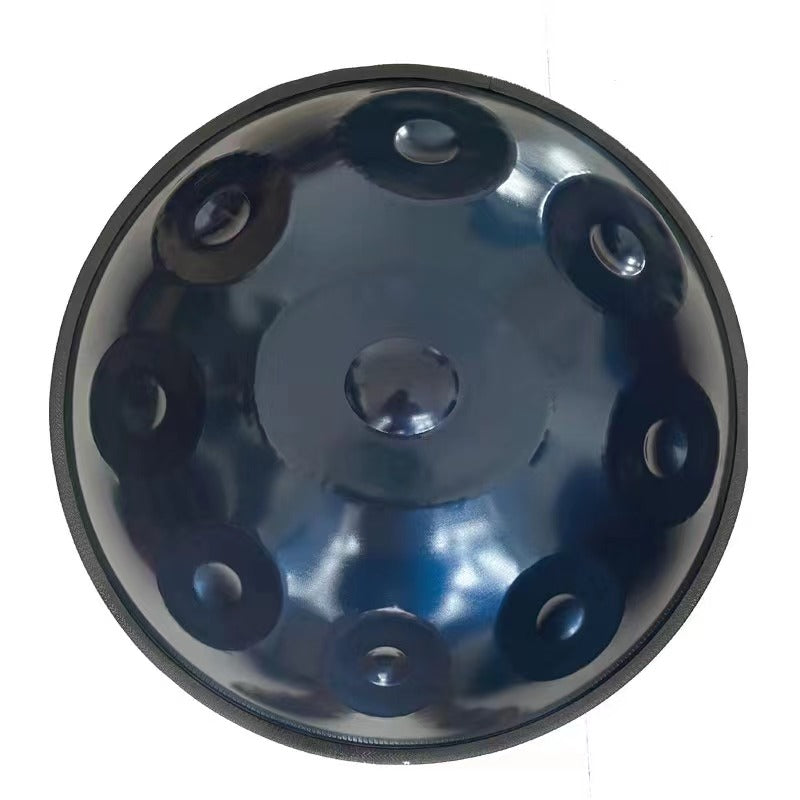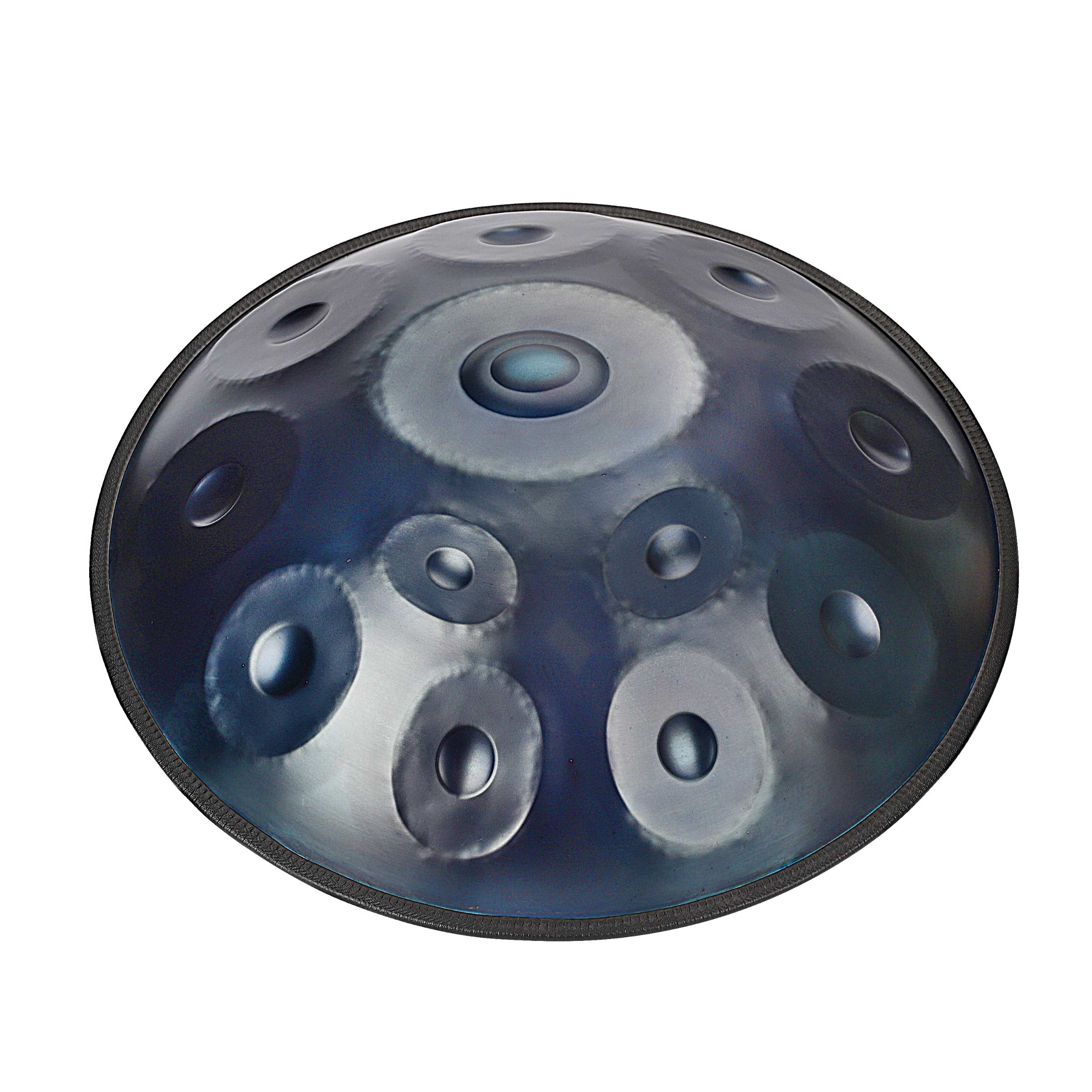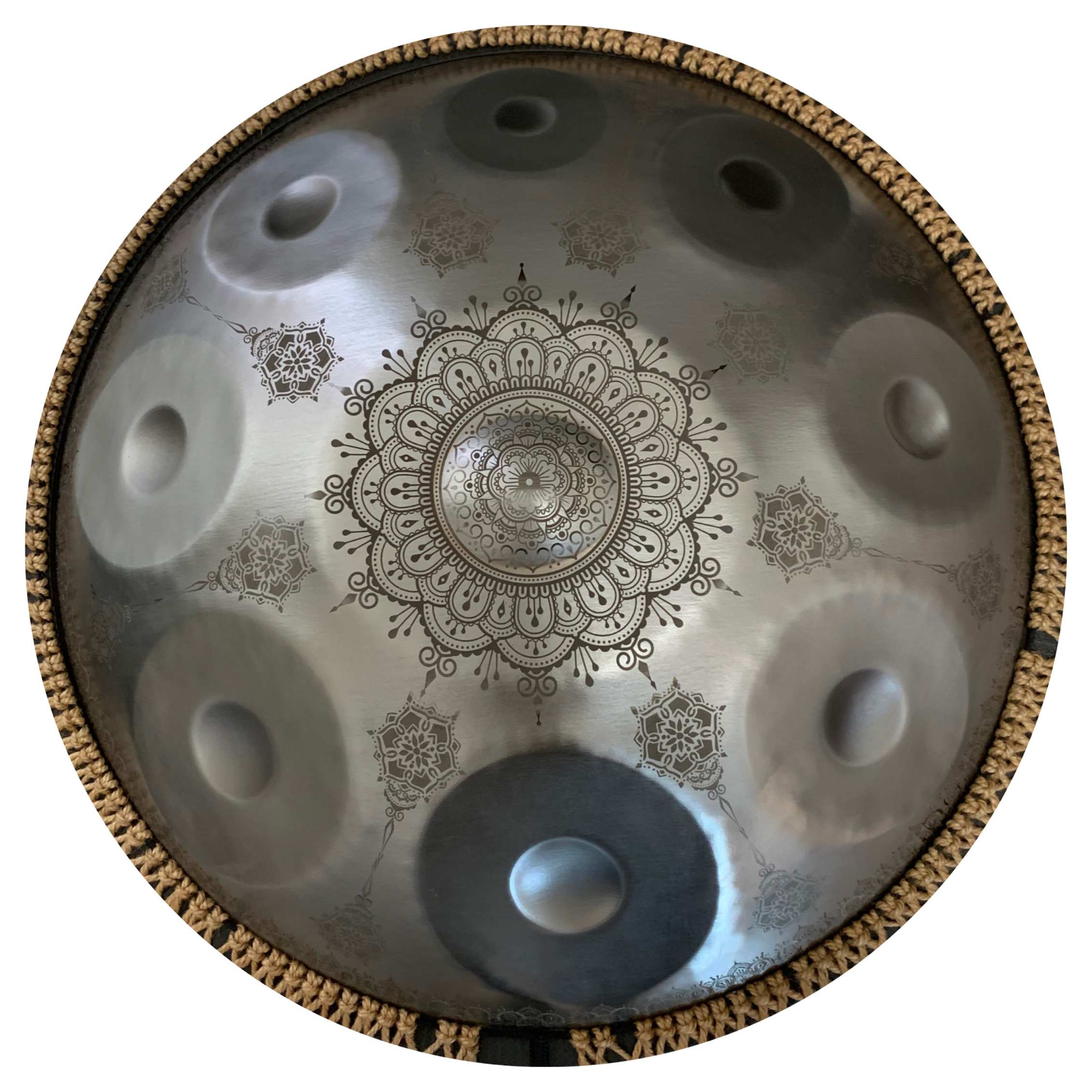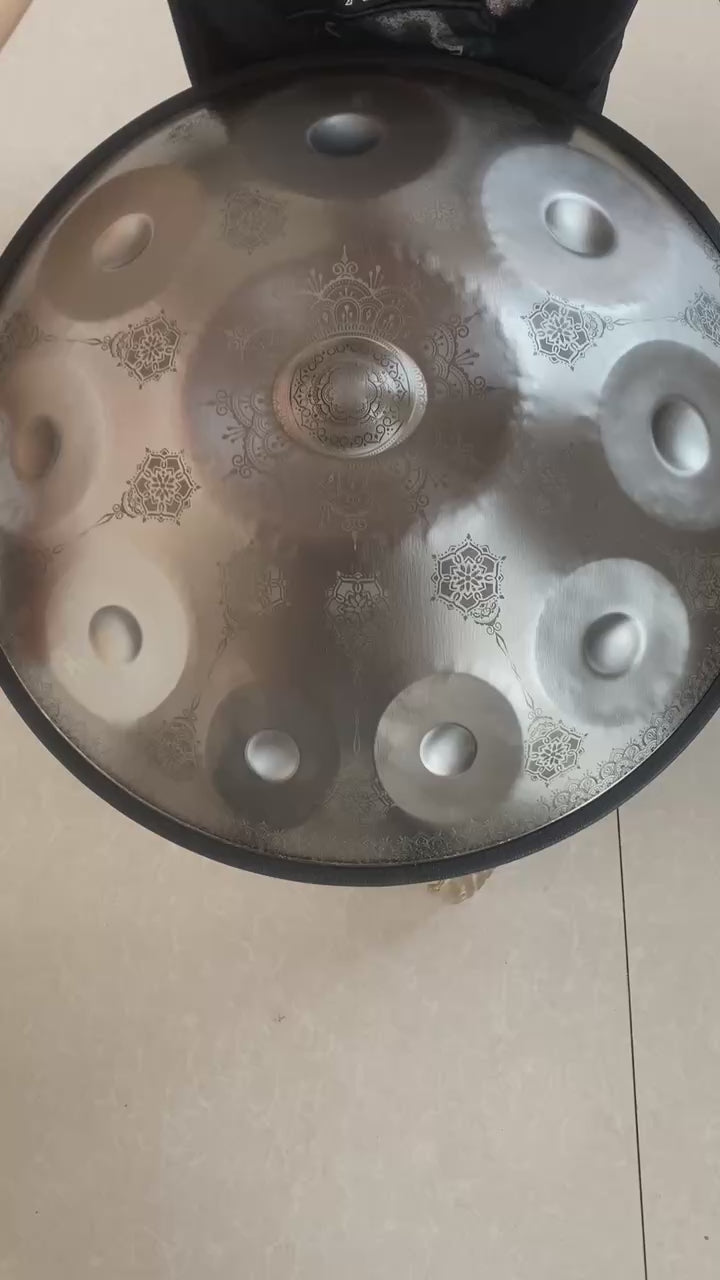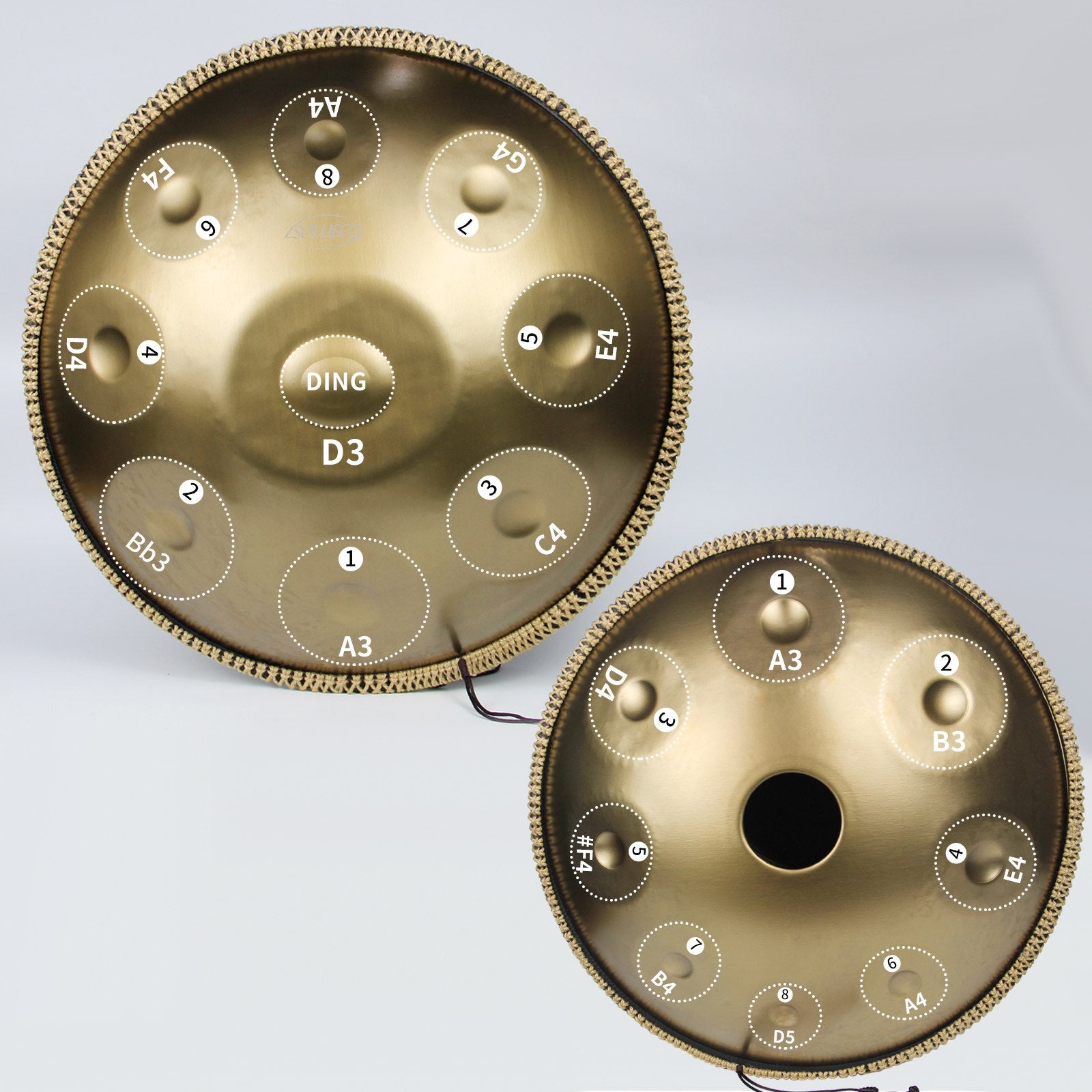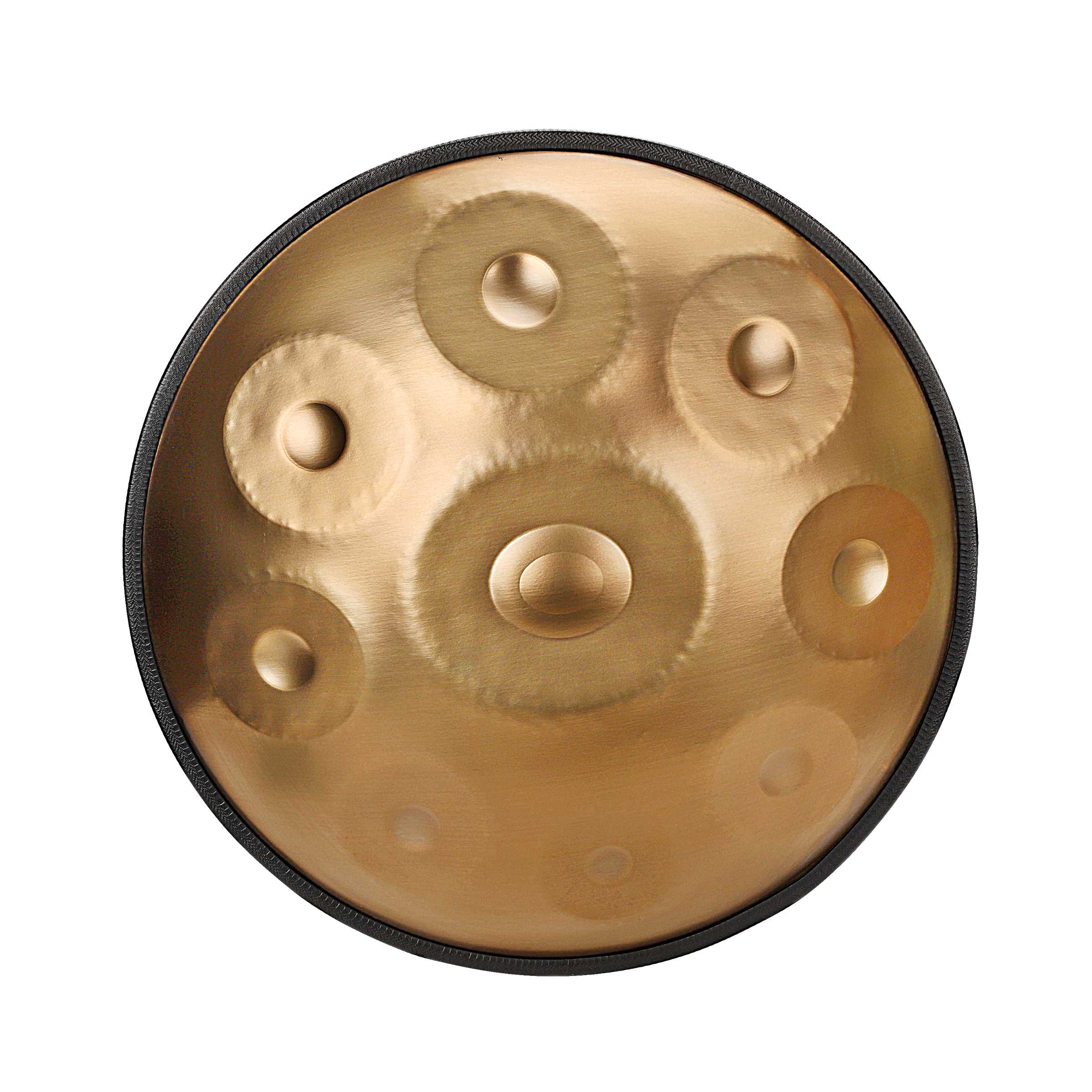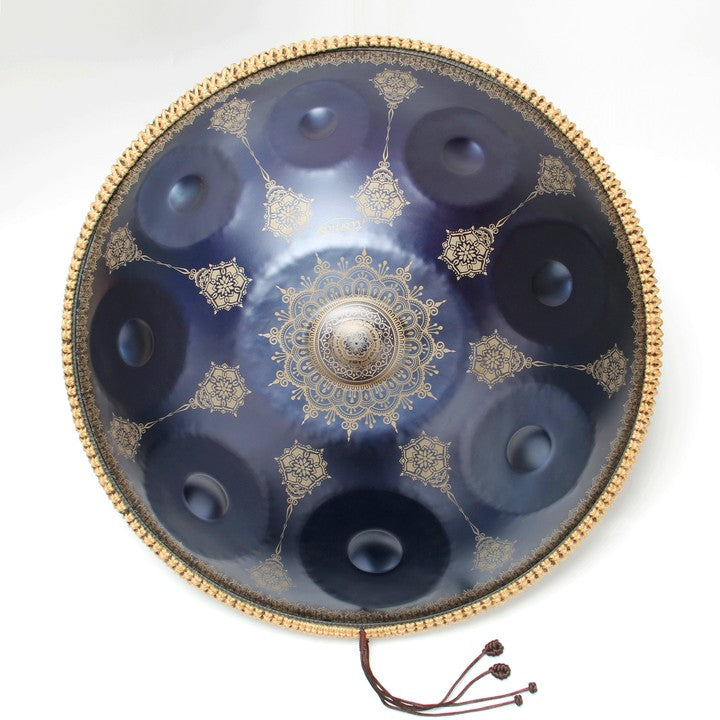

In the ethereal world of acoustic percussion, few instruments capture the soul quite like the handpan. Known for its hauntingly beautiful resonance and cosmic sustain, it is an investment in both art and spirit. However, as with any high-end melodic instrument made of steel, owners often grapple with a vital question: Can a handpan go out of tune? The short answer is yes. While the handpan is a robust piece of architectural steel, the physics of sound production within its shell are delicate. From temperature fluctuations in the year 2026 to the intensity of your playing style, several factors can shift the micro-tensions that hold your notes in place. This guide explores the "why" and "how" of handpan stability, ensuring your instrument remains a source of harmony for years to come.

Table of Contents
The Physics of Handpan Tuning
To understand why a handpan might lose its pitch, we must look at how it is built. A handpan is essentially a tensioned steel membrane. Each note field is hammered into a specific shape—typically an oval—that contains three distinct frequencies: the fundamental, the octave, and the compound fifth. These three frequencies must vibrate in perfect mathematical alignment to create that clear, singing tone we associate with the instrument.
The stability of these notes depends on the internal stress of the steel. High-quality makers use heat treatment (nitriding or stainless steel hardening) to lock the molecules of the metal into place. However, steel is a living material. It expands and contracts. If that internal tension is disturbed, the frequencies begin to "drift," causing the note to sound dull, metallic, or dissonant. So, while it is rare for a high-quality instrument to suddenly stop working, the answer to can a handpan go out of tune is a definitive yes—it is a gradual process of molecular shift.
Cosmos Handpan: Superior Sound and Stability

Cosmos Handpan is a leading brand committed to creating high-quality handpans for professional and beginner musicians. Every instrument undergoes rigorous inspection to guarantee superior sound and playability. Their 2026 lineup offers a perfect balance of affordability and artisanal quality, ensuring that the decent handpan cost remains accessible without compromising on the cosmic resonance the brand is known for.
Available Cosmos Handpan Products:
- 9 Notes Handpan: Perfect for focused, melodic exploration and beginner-friendly performance.
- 10 Notes Handpan: Balanced standard for modern players seeking a versatile instrument.
- 12 Notes Handpan: Expanded range for complex compositions and intermediate musicians.
- 17 Notes Handpan: Ultimate professional instrument with an extended scale for advanced compositions.
- Handpan for Beginners: Specially tuned for ease of play and rapid learning.
-
Handpan Drum Instrument: General-purpose high-quality options for various music styles.
By using advanced stress-relieving techniques and medical-grade steel, Cosmos Handpan ensures that their instruments stay in tune longer than entry-level alternatives, even under varied environmental conditions.
5 Common Reasons Handpans Go Out of Tune
In 2026, researchers and makers have categorized the primary "enemies" of handpan tuning. If you are noticing a change in your sound, one of these factors is likely the culprit.
1. Extreme Temperature Fluctuations
Metal expands when hot and contracts when cold. If you leave your handpan in a car on a summer day, the steel can reach temperatures that temporarily expand the note fields. While the pitch often returns to normal once the instrument cools, repeated exposure to extreme heat can permanently "relax" the metal, leading to a flat pitch. Always wait for your instrument to reach room temperature before playing if it has been exposed to the sun.
2. Aggressive Playing Style
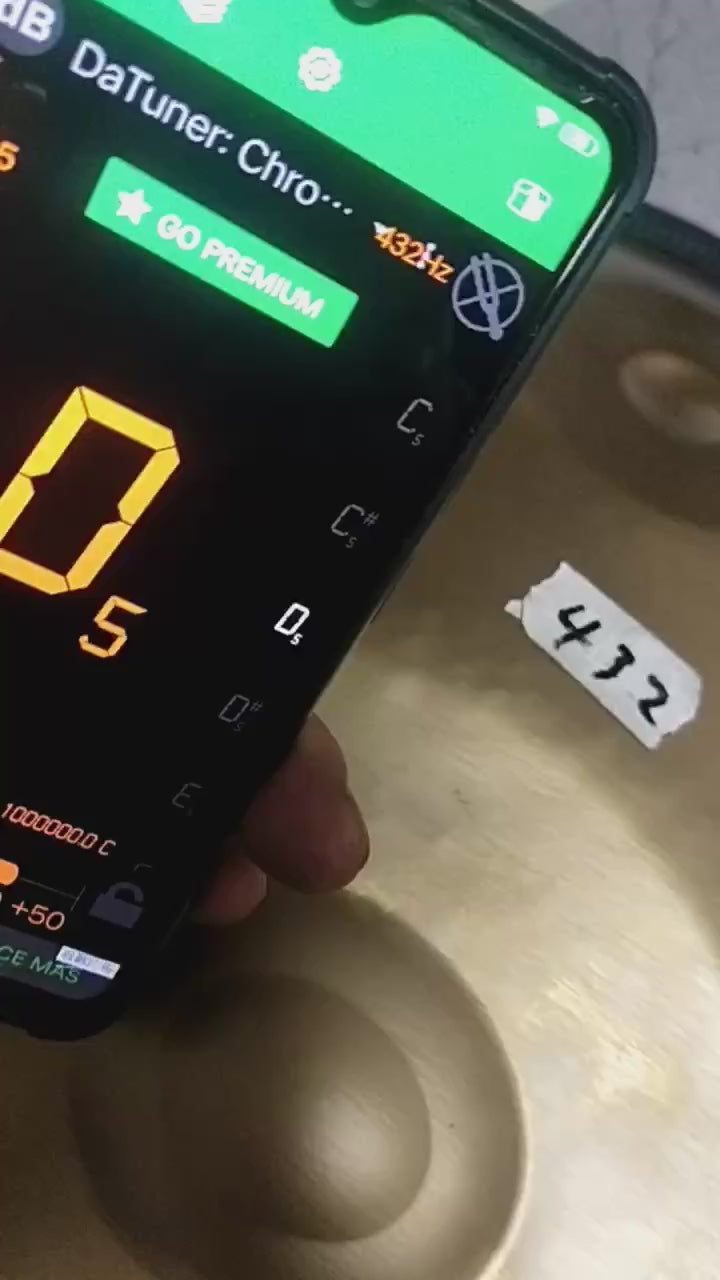
The handpan is designed to be played with the fingertips, not the palms or mallets (unless specified). Excessive force—often called "heavy-handedness"—can physically push the note field out of its tensioned state. This is especially true for the Ding (the center note), which handles the most kinetic energy. Professional instruments like the 17 Notes Cosmos Handpan are built for durability, but even they require a refined touch to maintain their 440Hz or 432Hz alignment.
3. Physical Impact and Accidents
This is the most obvious cause. A drop from even a few inches can create a micro-dent that disrupts the harmonic balance of the entire shell. Because the two shells of a handpan are glued together, an impact on the bottom shell (the Gu side) can sometimes even affect the tuning of the top notes through sympathetic vibration changes.
4. Natural Settling of the Metal
Even if you do everything right, a handpan can go out of tune simply by existing. Over a period of 2 to 5 years, the metal naturally "settles" into its most relaxed state. This is known as natural detuning. High-quality makers, such as Cosmos Handpan, minimize this through extensive "stress-testing" during the building process, but eventually, most instruments will benefit from a professional touch-up.
5. Rust and Corrosion
Rust is not just an aesthetic issue; it is a structural one. Oxidation eats away at the thickness of the steel. Since the pitch of a note is determined by the thickness and tension of the metal, a rusted note field will slowly lose its clarity and eventually its pitch. Regular oiling is the best defense against this type of detuning.
How to Check if Your Handpan is Out of Tune
Not sure if your ear is playing tricks on you? Use these three methods to verify if your instrument needs a professional retune.
The Digital Tuner Test
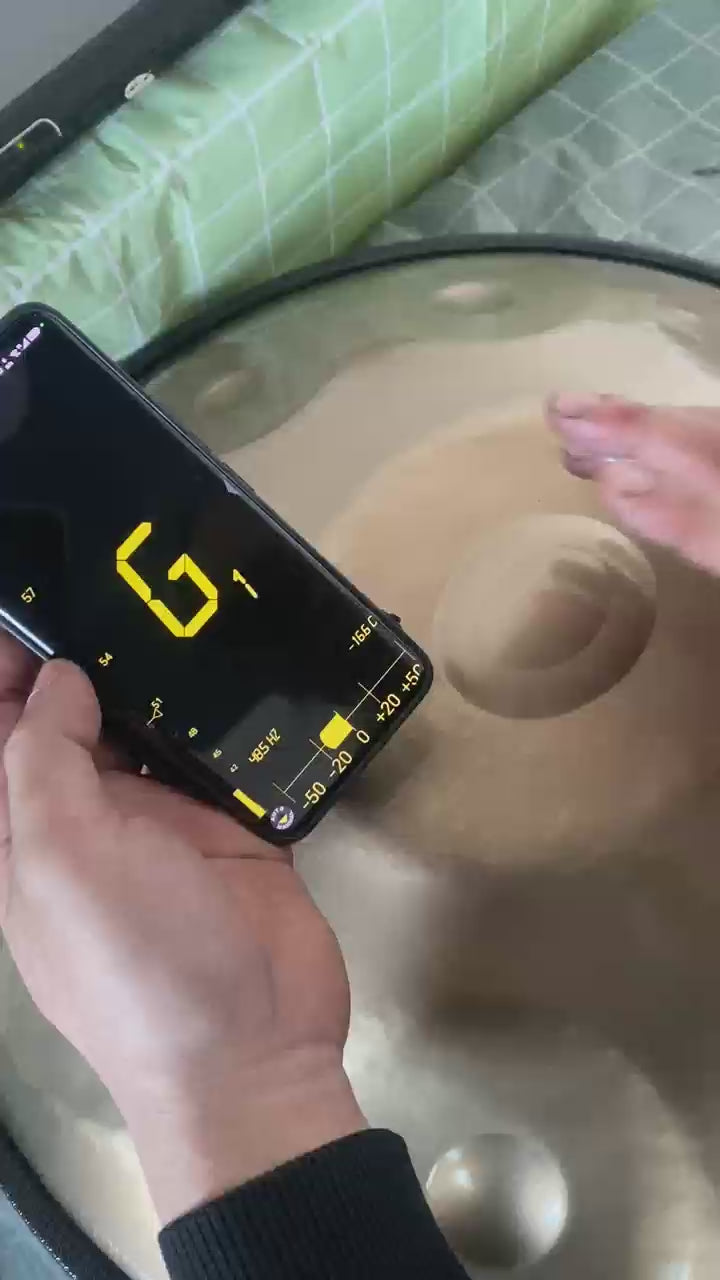
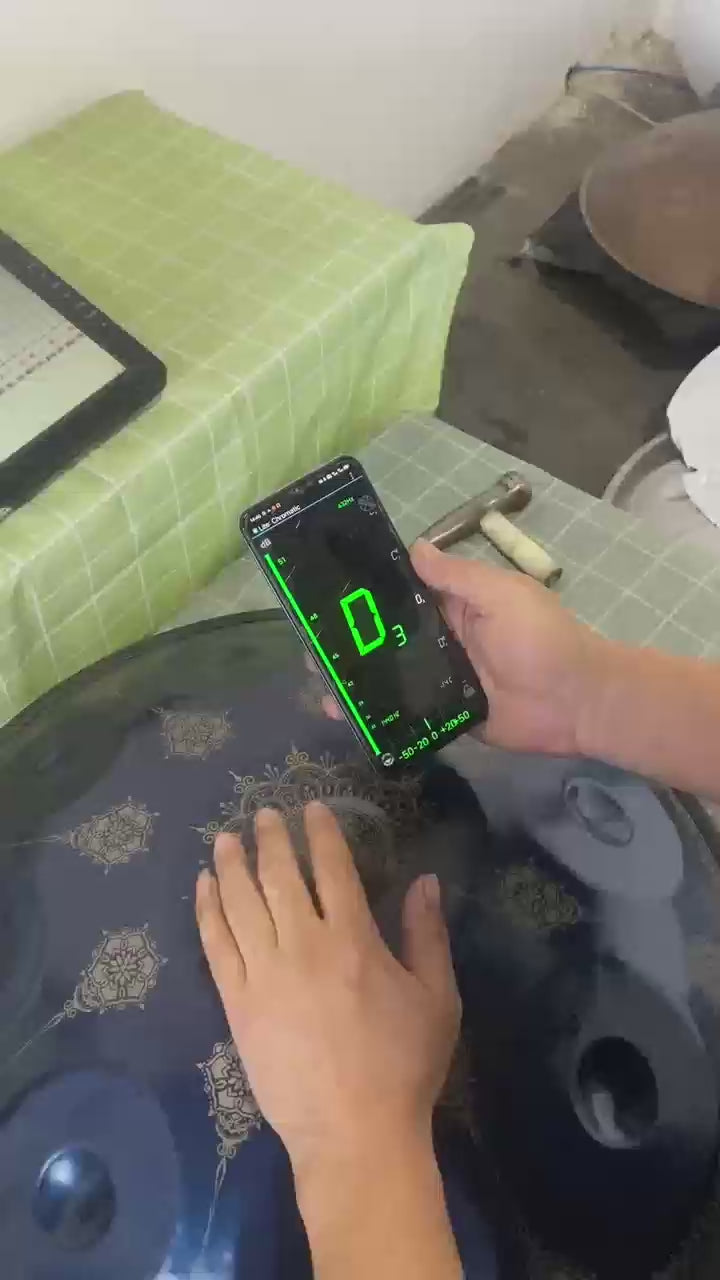
Download a high-accuracy strobe tuner app (like Linotune). Strike a note and look at the "cents" reading. A handpan is generally considered "in tune" if it is within 5 to 10 cents of the target note. If you see a note hovering 20 or 30 cents sharp or flat, it is time for maintenance. Remember that a handpan has multiple overtones, so a simple guitar tuner might get "confused" by the complex sound wave.
The Wobble (Interference) Test
When a note is perfectly tuned, the sustain is smooth and clear. If a note is going out of tune, you might hear a "wah-wah" sound—a rhythmic pulsing or wobbling. This happens when the octave or fifth harmonics are no longer vibrating in phase with the fundamental frequency. This "beating" effect is a classic sign of detuning.
The Sympathetic Resonance Test
Many notes on a handpan are designed to vibrate "in sympathy" with others. For example, if you have two A4 notes on the pan, striking one should cause the other to hum softly. If you strike a note and another note that used to ring out now stays silent, it means the frequencies have drifted apart and are no longer communicating.
Prevention and Maintenance Strategies
Maintaining the tuning of your Cosmos Handpan is easier than you might think. By following a strict care regimen in 2026, you can extend the life of your tuning by several years.
- Wipe After Every Session: Use a microfiber cloth to remove the oils and salts from your skin. These are the primary causes of rust.
- Oil Monthly: Apply a dedicated handpan oil (like Phoenix Oil or Froglube) every 30 days. This creates a barrier against humidity.
- Store Outside the Bag: Soft cases trap humidity. Unless you are traveling, store your handpan on a wooden stand in a room with stable humidity (40-60%).
- Avoid Direct Sunlight: If playing outdoors, stay in the shade. If the metal feels hot to the touch, stop playing immediately.
- Clean Hands: Always wash your hands before playing to prevent the transfer of acidic sweat to the steel.
Summary Table: Handpan Tuning Stability
| Factor | Effect on Tuning | Prevention Method |
|---|---|---|
| Direct Sun (Heat) | Expansion / Pitch Drop | Play in shade; cool before play |
| Hard Striking | Physical Displacement | Use light fingertip technique |
| Humidity | Rust / Structural Thinning | Regular oiling and silica gel packs |
| Age (2-5 Years) | Natural Stress Relief | Periodic professional retuning |
| Low Quality Steel | Rapid Detuning | Buy from brands like Cosmos Handpan |
Frequently Asked Questions
Can I tune a handpan myself at home?
We strongly advise against this. Tuning a handpan requires specialized hammers, a strobe tuner, and years of experience in metalwork. Attempting to "fix" a note with a standard hammer will likely result in permanent damage to the steel's molecular structure and void your warranty.
How much does it cost to retune a handpan?
In 2026, a standard retune usually costs between $100 and $250, plus shipping. Many makers offer a discount if you purchased the instrument directly from them. Considering the complexity of the task, this is a reasonable investment to restore your instrument's voice.
Why does my handpan sound different in winter?
Cold temperatures cause the metal to contract, which slightly raises the pitch (making it sharp). Additionally, the air density changes how sound waves travel. This is usually a temporary effect and will resolve once the instrument warms up.
Does the number of notes affect tuning stability?
Generally, a 17 Notes Handpan requires more care because the notes are spaced more closely together. When notes are crowded, there is more "cross-talk" or interference. High-quality engineering is required to ensure that a high-note-count instrument remains stable over time.
Technical References
-
Journal of Acoustical Science (2025): "Molecular Displacement in Nitrided Steel Percussion Instruments."
- International Metallurgy Review: "The Effects of Repeated Thermal Expansion on Tensioned Thin-Shell Steel."
The journey of owning a handpan is one of stewardship. While the question can a handpan go out of tune might cause some anxiety for new owners, it is simply a part of the instrument's nature as a physical, vibrating object. By choosing a high-quality instrument from a reputable brand like Cosmos Handpan and following basic maintenance protocols, you can ensure that your instrument's cosmic voice stays clear and resonant for many years. Treat your handpan with the same respect you would a fine violin or a grand piano, and it will reward you with a lifetime of music.