Music is far more than a simple auditory experience; it is a profound neurological event that physically reshapes our mental state. For those of us who have dedicated our lives to crafting and playing these incredibly unique metal instruments, understanding exactly how handpan music affect the brain is central to our mission. At Cosmos Handpans, located in the heart of Colorado, USA, we have spent more than a decade meticulously developing handpans and tongue drums. Our journey is steeped in passion, structural precision, and an unwavering pursuit of acoustic excellence. Beyond the intense physical craftsmanship required to tune raw steel, we constantly witness the undeniable physiological and psychological impact our instruments have on players and listeners.

What exactly happens inside your nervous system when you strike the central fundamental note of a handpan? From our experience collaborating with sound therapists and observing thousands of musicians, the sustained resonance of this instrument actively alters brainwave states, dampens the body's acute stress responses, and encourages long-term neuroplasticity. We regularly see individuals who are burdened by chronic anxiety sit down with an instrument and, within minutes, exhibit a visible drop in physical tension.
In this comprehensive, authoritative guide, we will strictly analyze the science behind acoustic resonance, explain the precise neurological pathways demonstrating how handpan music affect the brain, and provide actionable, expert advice on utilizing these instruments for cognitive health and deep mental restoration.
Table of Contents
- 1. The Physics of Sound: Understanding the Handpan's Resonance
- 2. Brainwave Entrainment and Cognitive States
- 3. The Neurological Benefits of Playing and Listening
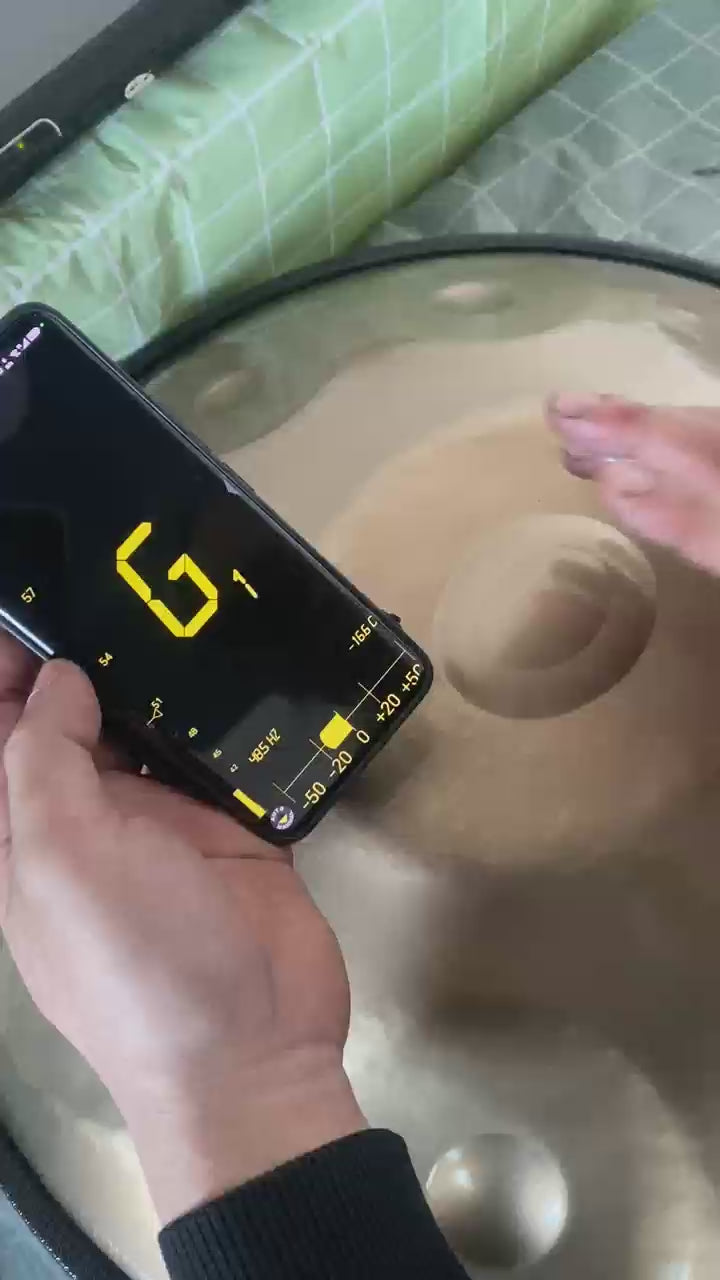
- 4. Frequencies and Tuning: 432 Hz vs. 440 Hz
- 5. Choosing the Right Instrument for Cognitive Health
- 6. Summary Table: Neurological Impact of Handpan Music
- 7. Expert Recommendations: Maximizing Brain Health
- 8. Frequently Asked Questions
- 9. References & Scientific Literature
The Physics of Sound: Understanding the Handpan's Resonance
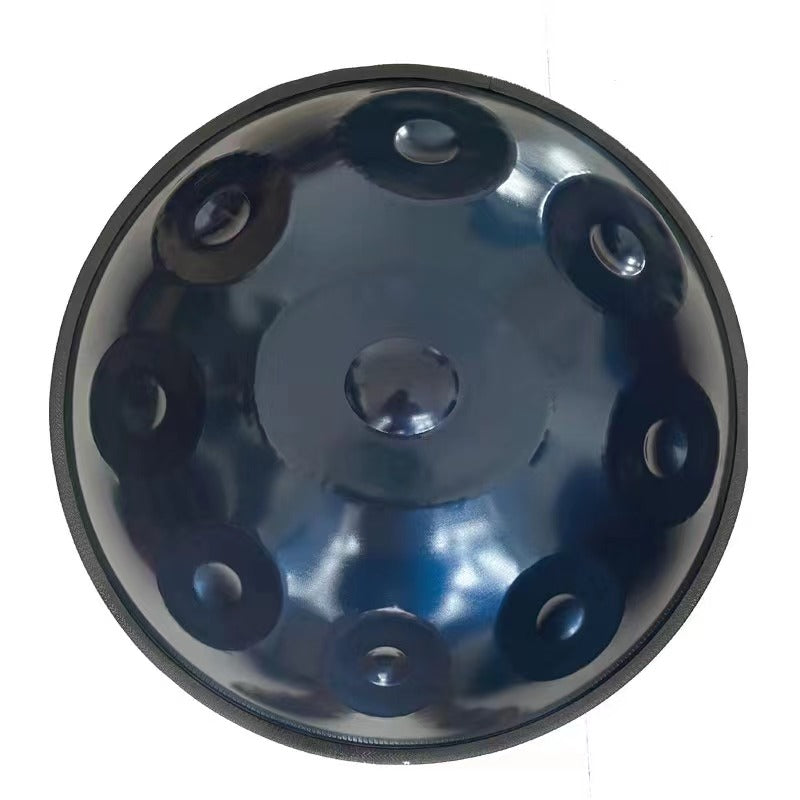
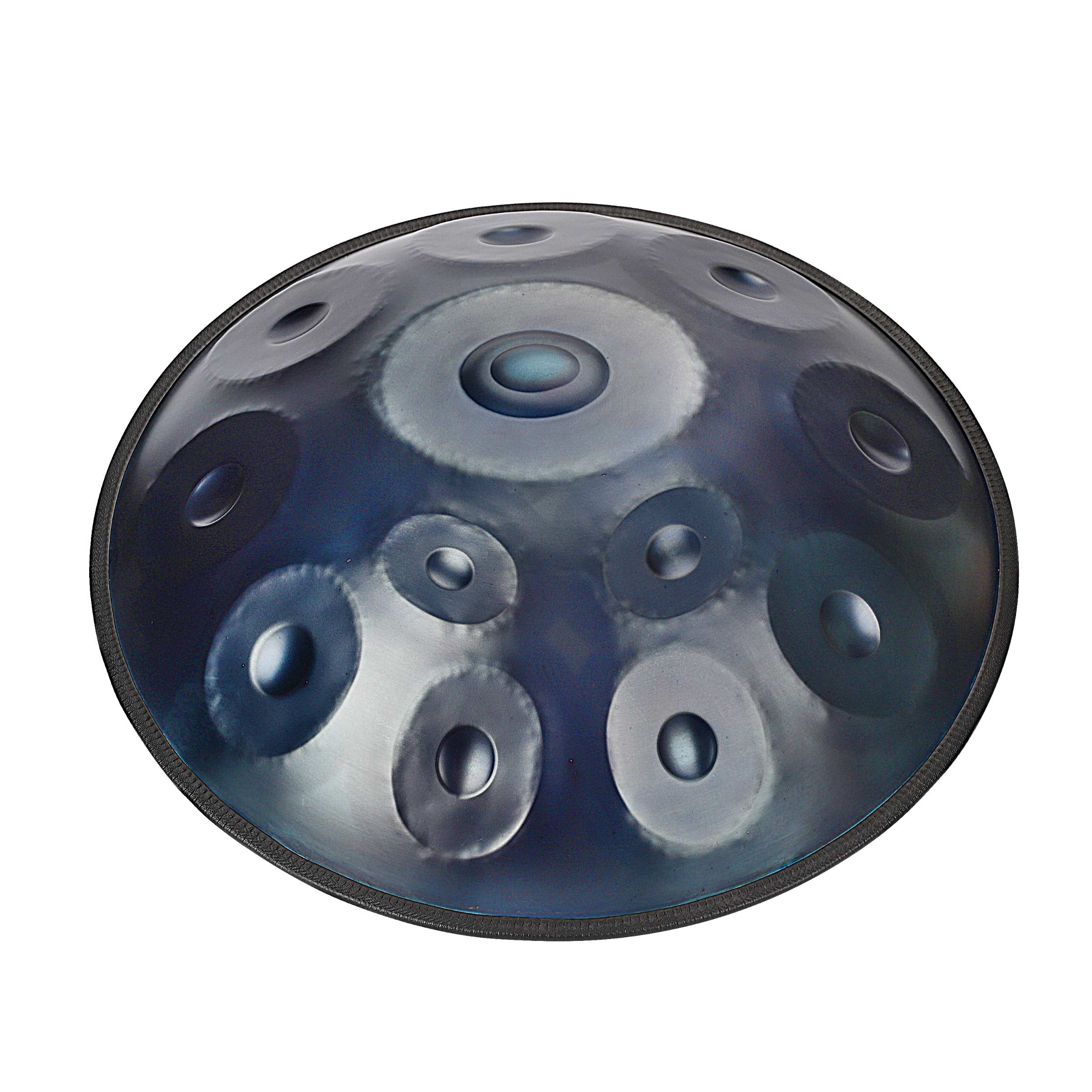
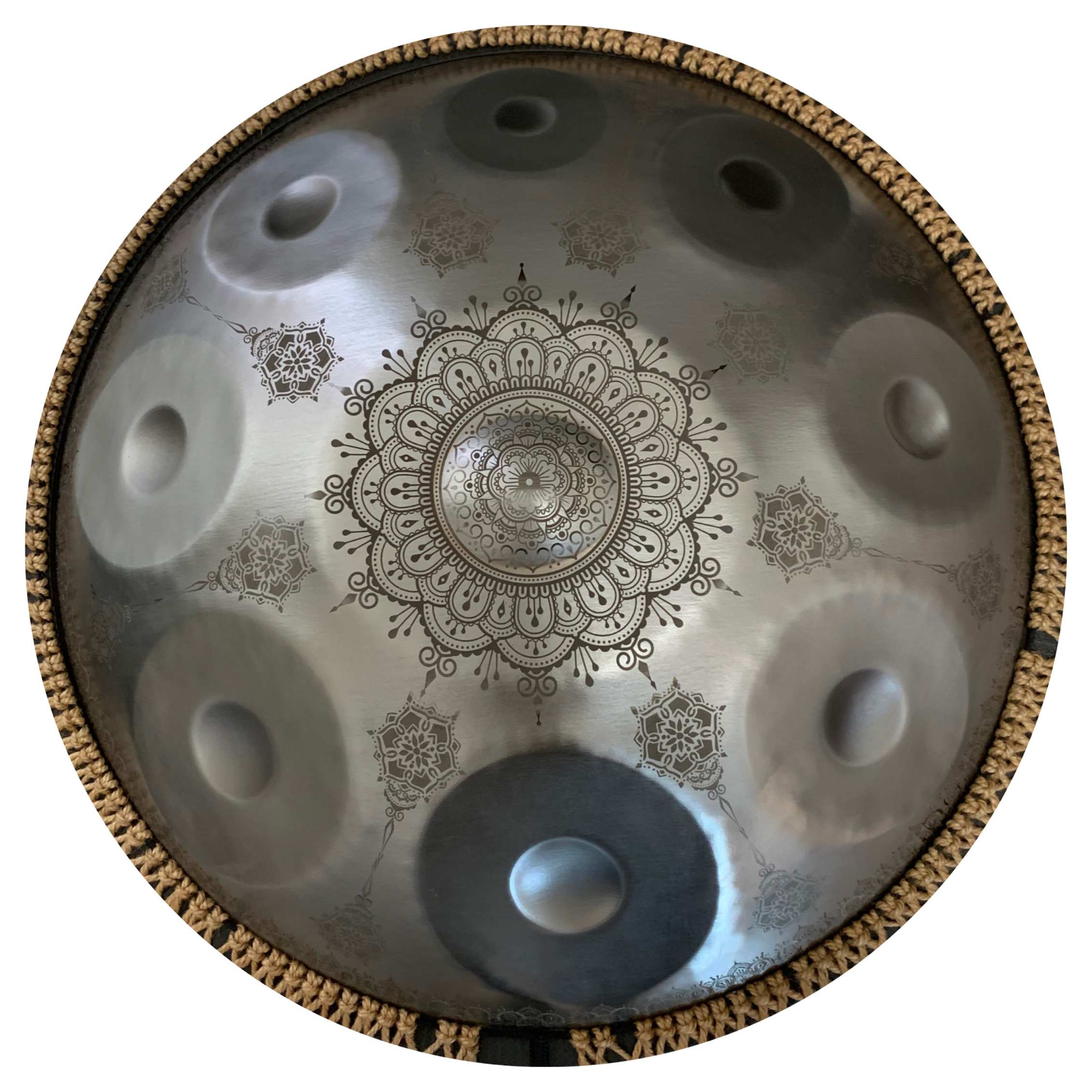
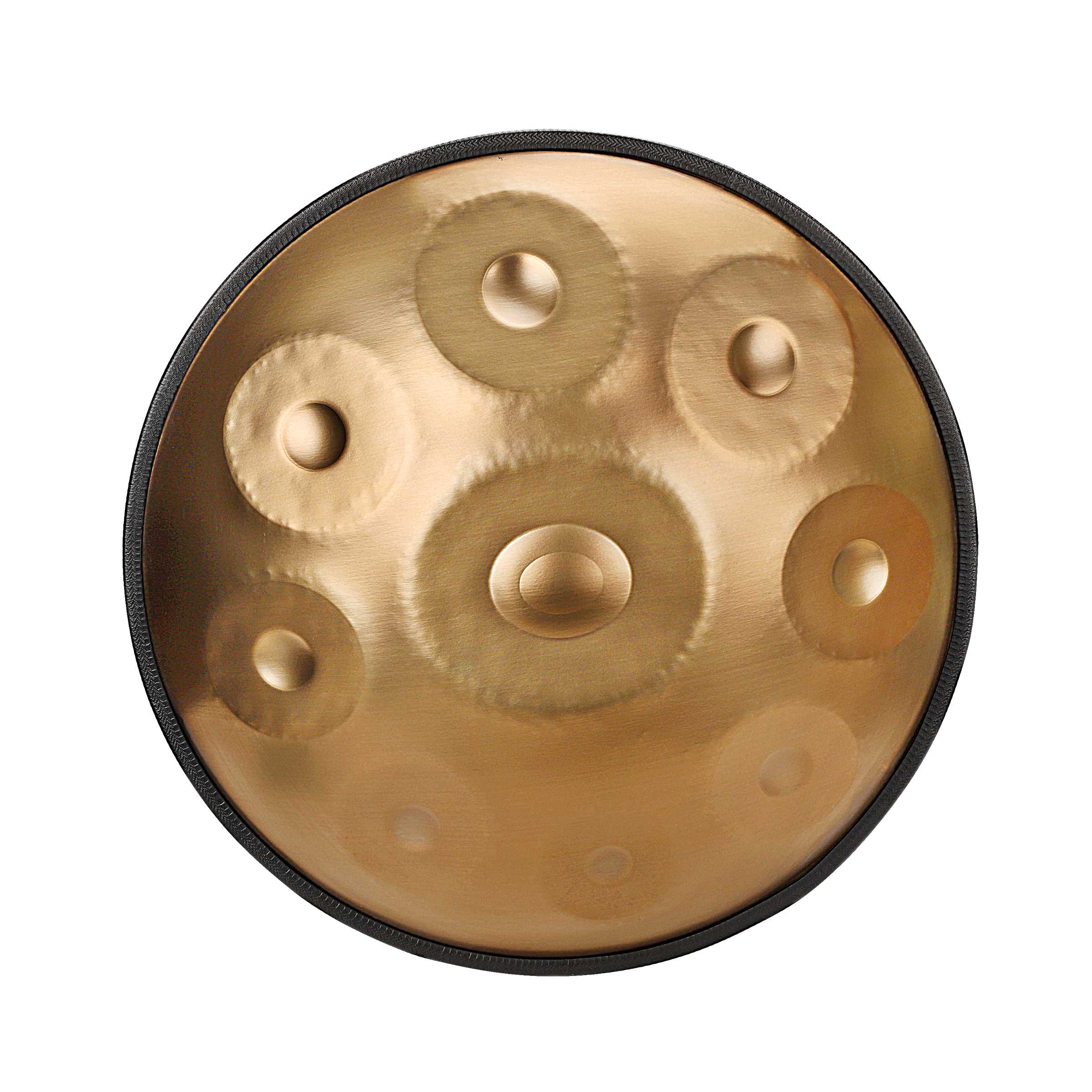
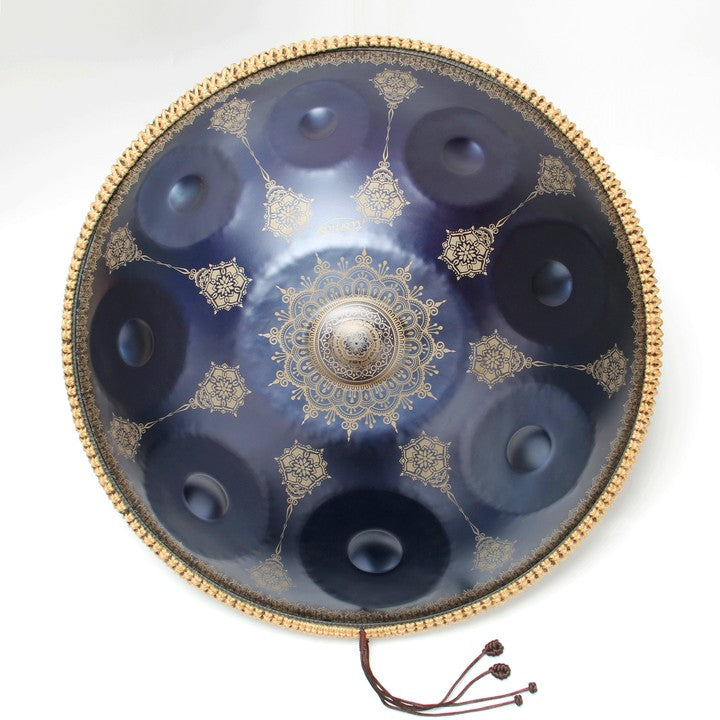
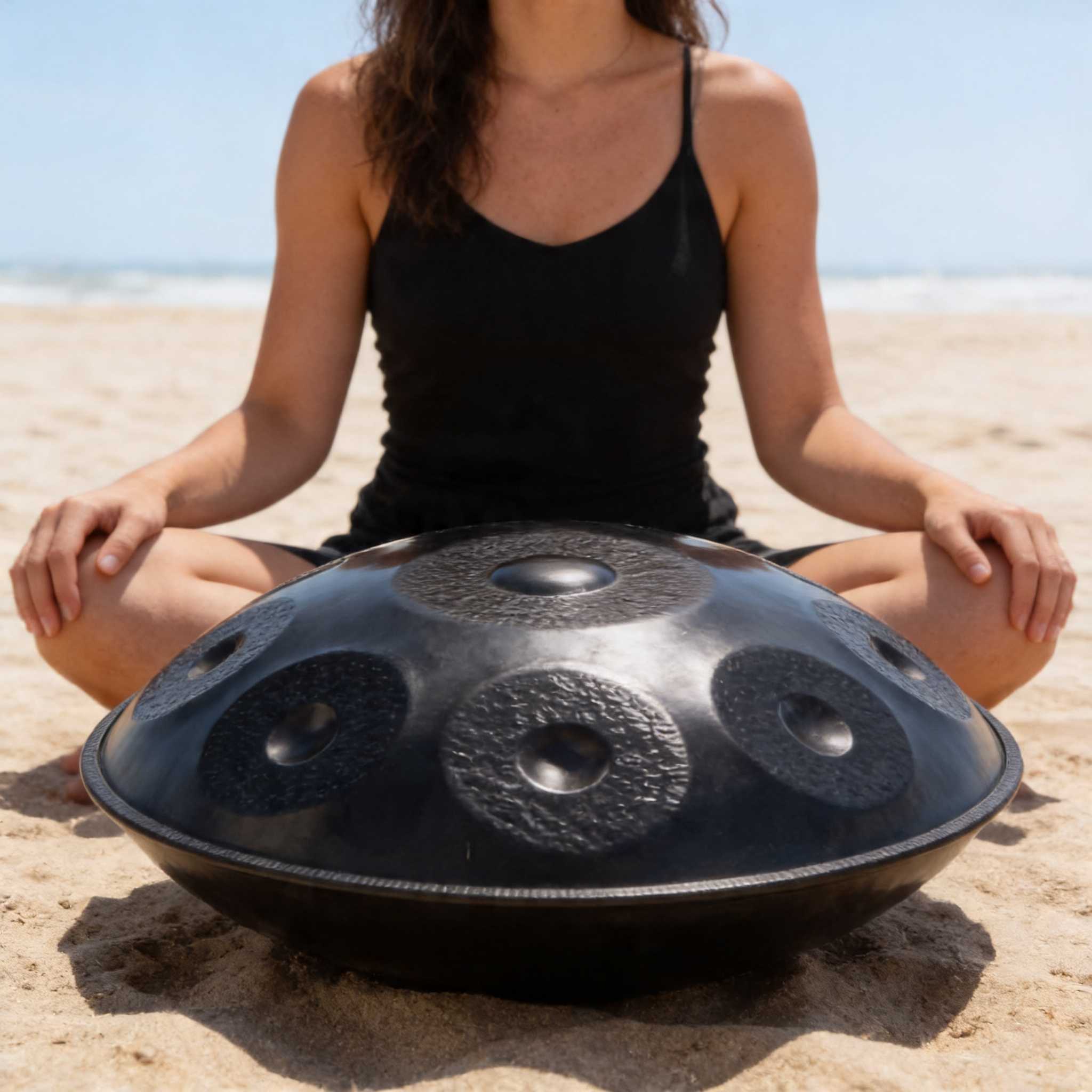
To accurately answer how handpan music affect the brain, we first need to examine the physics of the instrument itself. The handpan is a lenticular, UFO-shaped metal vessel, constructed from two deeply drawn steel half-shells joined at the rim. Unlike a guitar or a piano, a handpan produces what physicists classify as a Helmholtz resonance. This is a deep, cavernous reverberation created by the air vibrating intensely inside the hollow, sealed chamber, escaping only through a single port on the bottom shell.
However, the true magic lies in the tuning of the individual tone fields. Every single note on a premium handpan is not just one solitary pitch. It is a carefully engineered composite of three distinct frequencies aligned in a perfect 1:2:3 harmonic ratio: the fundamental tone, an octave harmonic, and a compound fifth harmonic. From our experience in precise metallurgical tuning, hammering steel into this exact mathematical ratio is incredibly difficult, but it is precisely what makes the instrument sound so inherently soothing. Neurological studies indicate that the human auditory cortex favors simple integer ratios. When the brain processes the 1:2:3 harmonics of a handpan, it requires almost zero cognitive effort to decode the sound. This acoustic simplicity sends an immediate, subconscious signal of safety to the brain.
Brainwave Entrainment and Cognitive States
The human brain operates on electrical impulses, forming wave patterns that dictate our current state of consciousness. When you are highly stressed, working frantically, or experiencing anxiety, your brain predominantly produces fast-moving Beta waves (14-30 Hz). To achieve deep relaxation, your nervous system must deliberately shift gears into slower Alpha (8-13 Hz) or Theta (4-7 Hz) brainwave states.
We recommend using the handpan specifically to facilitate a process known as brainwave entrainment. This is a well-documented neurological phenomenon where the brain naturally synchronizes its internal electrical cycles to a steady, external rhythmic stimulus. Because handpans produce such pure, sustaining harmonic frequencies, they act as an acoustic anchor. When you ask how handpan music affect the brain, this is the core mechanism: the long, overlapping sustain of the metal literally guides the listener's brain away from chaotic, anxious Beta states and pulls it down into restorative Alpha and Theta states, mirroring the neurological profile of deep meditation.
The Neurological Benefits of Playing and Listening
You do not need to be a passive listener in a therapy studio to reap the neurological benefits. In fact, actively playing the handpan drastically amplifies the positive impact on your central nervous system. When we look deeply at how handpan music affect the brain, we see a multifaceted response spanning emotional regulation, motor control, and hormonal balance.
Stress Reduction and the Limbic System
The most measurable, immediate response to handpan music is profound stress reduction. Functional MRI scans of individuals listening to consonant, harmonious acoustic music show a significant decrease in blood flow to the amygdala—the brain's primary fear and alarm center. The continuous, predictable, and harmonious scale of a handpan creates a non-threatening auditory environment. As the amygdala calms down, the parasympathetic nervous system engages, which systematically slows your heart rate, deepens your breathing, and lowers the output of cortisol (the stress hormone) into your bloodstream.
Neuroplasticity and Spatial Processing

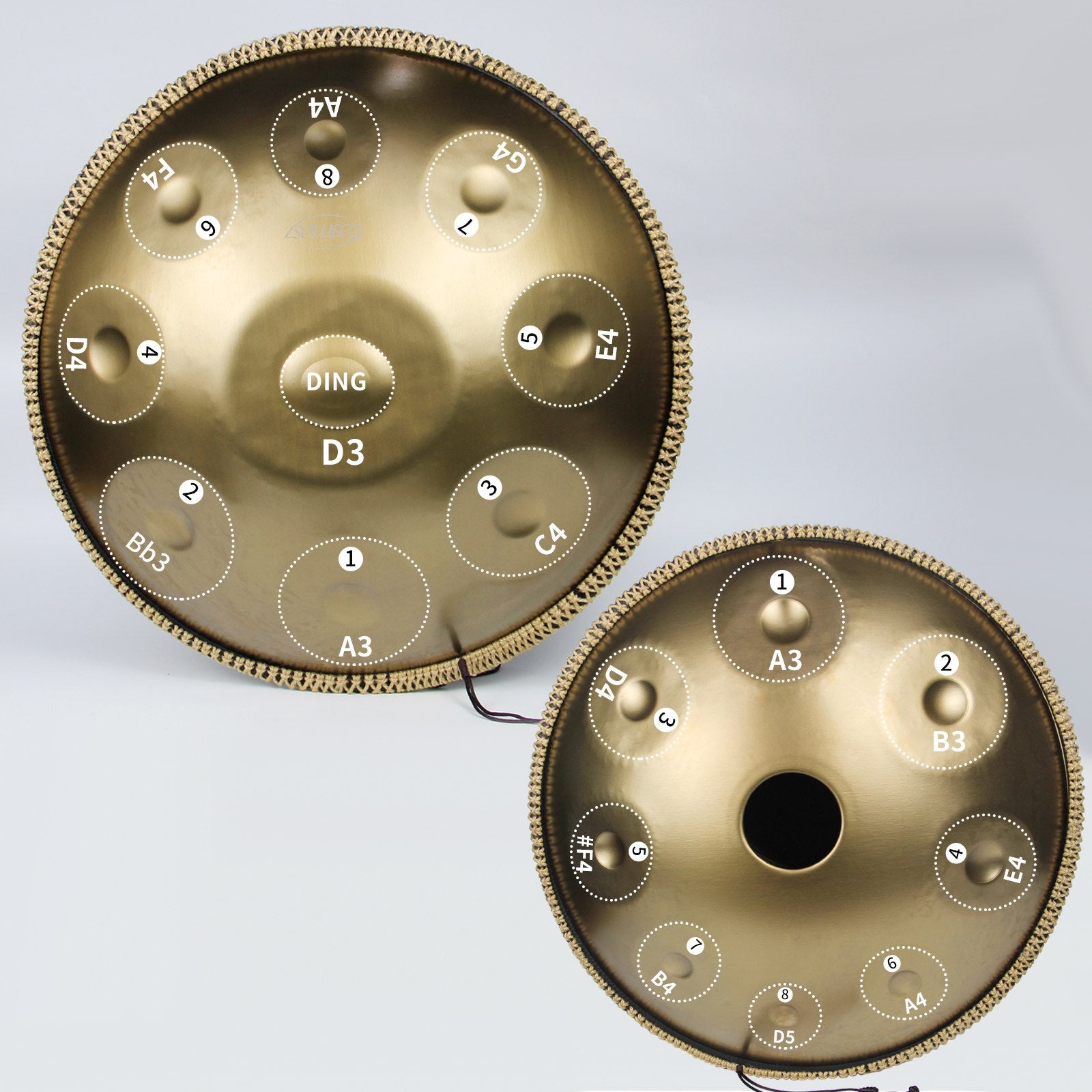
Neuroplasticity is the brain's remarkable ability to reorganize itself by forming new neural connections throughout life. Engaging physically with a handpan forces the brain to process tactile, auditory, and visual information simultaneously. This multimodal sensory integration strengthens the corpus callosum, the neural bridge connecting the left and right hemispheres. For players navigating the initial learning curve, studying a detailed handpan notes chart heavily engages the visual-spatial processing centers of the parietal lobe. As you physically strike the notes, your brain solidifies complex motor pathways. Once a player masters understanding handpan notes, the heavy cognitive load vanishes, allowing the brain to enter a state of psychological "flow" where time perception alters and profound mental clarity is achieved.
Frequencies and Tuning: 432 Hz vs. 440 Hz
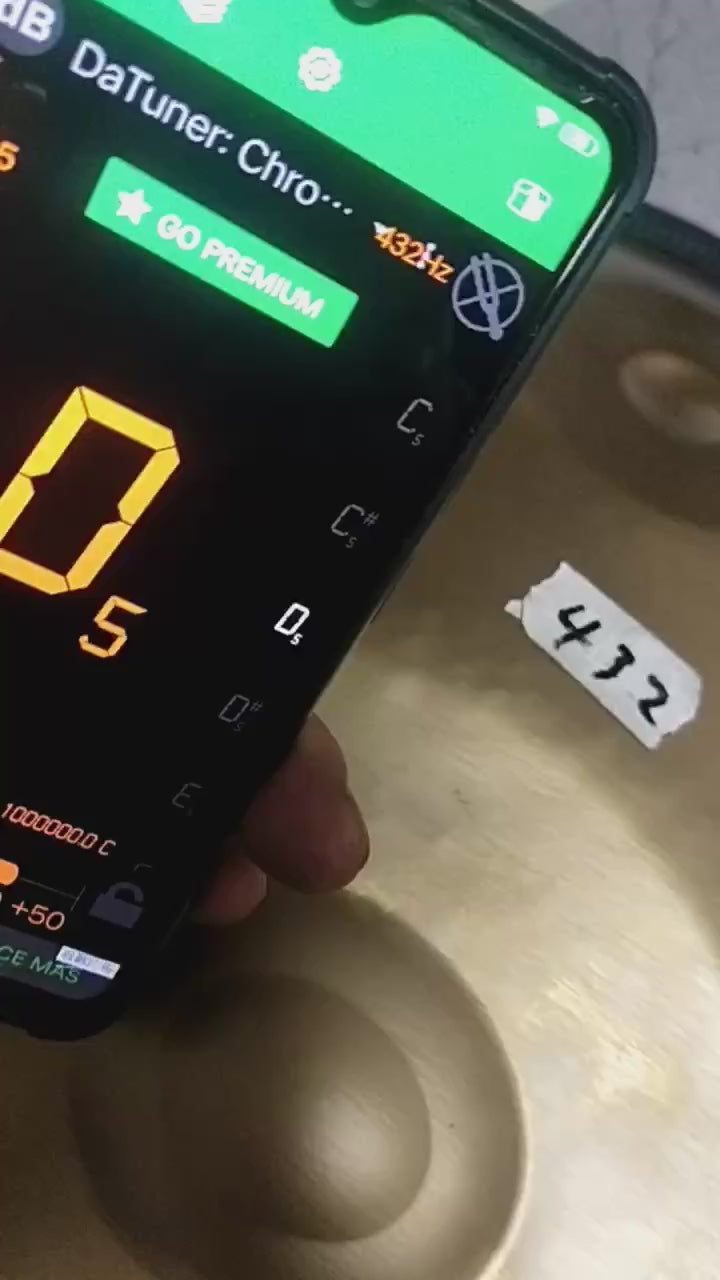
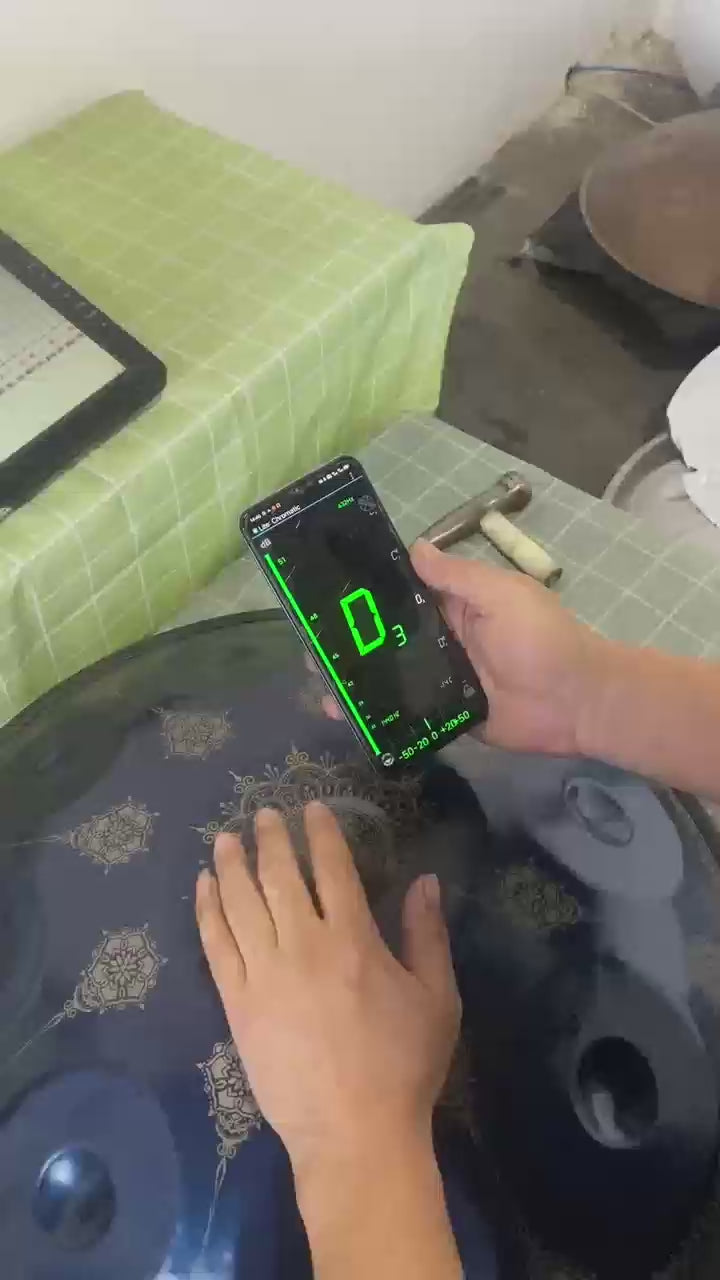
A frequent and heavily debated topic in the sound therapy community revolves around standard pitch tuning. Most modern, commercially produced music is tuned to A=440 Hz. However, many clinical practitioners and sound healers strongly prefer instruments tuned to A=432 Hz, arguing that this specific frequency more closely aligns with the natural cellular resonance of the human body.
From our experience building thousands of instruments, both tunings offer profound relaxation benefits. The way handpan music affect the brain relies far more heavily on the consonant intervals between the notes and the pure sustain of the steel rather than the absolute, objective pitch. That being said, if your primary goal is clinical sound therapy, trauma release, or deep meditation, a 432 Hz tuning often feels subjectively warmer, rounder, and less abrasive to an overstimulated nervous system. Interestingly, handpan therapy is often combined with other holistic somatic treatments. For example, some advanced wellness clinics pair acoustic resonance with photobiomodulation, utilizing a Full Body Red Light to stimulate mitochondrial cellular repair while the brain simultaneously relaxes to the handpan's frequencies. Combining these modalities creates a highly effective, non-invasive therapeutic environment.
Choosing the Right Instrument for Cognitive Health
If you are investing in an instrument specifically to support your mental health and neurological well-being, the quality of the steel and the precision of the tuning are absolutely paramount. A poorly tuned, mass-produced instrument with dissonant, clashing overtones will actively agitate the nervous system rather than calm it. The brain cannot entrain to a chaotic frequency.
We frequently receive questions from beginners regarding how to enter this space without making a massive financial mistake. For those curious about the financial investment and how much does a handpan cost, we highly recommend consulting a transparent, detailed handpan price guide. While premium, master-crafted instruments offer unparalleled sustain and acoustic clarity, there are highly viable entry-level models available today. We have thoroughly vetted and reviewed several cheap handpan options that still maintain the strict 1:2:3 harmonic ratios required for effective brainwave entrainment.
Furthermore, if you are utilizing the instrument for personal therapy, choosing the correct scale is critical. Reviewing a comprehensive handpan buying guide will help you select a scale—such as D Minor, C# Minor, or a Kurd scale—that naturally evokes introspection, melancholy, and calm. We firmly believe that the best handpan for beginners is one that allows the player to strike any combination of notes without ever hitting a jarring, dissonant chord. For those ready to begin their journey into sound therapy, we invite you to explore our meticulously crafted instruments and Buy Handpan directly from our Colorado workshop, where we guarantee the acoustic integrity of every piece of steel we tune.
Summary Table: Neurological Impact of Handpan Music
| Neurological Mechanism | Acoustic Trigger | Physiological Result | Therapeutic Benefit |
|---|---|---|---|
| Brainwave Entrainment | Sustained harmonic overtones (Alpha/Theta frequencies) | Shift from Beta to Alpha/Theta waves | Deep relaxation, meditative states, and improved sleep latency. |
| Limbic System Regulation | Consonant 1:2:3 frequency ratios | Decreased amygdala activity; lowered cortisol output | Acute anxiety reduction, stress relief, and emotional grounding. |
| Neuroplasticity | Bilateral motor coordination while playing | Strengthening of the corpus callosum and motor cortex | Enhanced cognitive function, improved memory, and focus. |
| Dopamine Pathway Activation | Successful creation of pleasing musical intervals | Release of dopamine in the nucleus accumbens | Mood elevation, motivation, and mitigation of depressive symptoms. |
Expert Recommendations: Maximizing Brain Health
To fully leverage how handpan music affect the brain, we recommend treating your playing sessions not just as musical practice, but as dedicated neurological therapy. Here are our top expert recommendations:
- Play Intuitively, Not Academically: Do not obsess over sheet music or rigid compositions. The neurological benefits of flow state are best achieved through intuitive improvisation. Let your hands wander the tone fields naturally.
- Regulate Your Breathing: As you play or listen, consciously sync your breathing to the rhythm of the fundamental Ding. Deep, slow, diaphragmatic breathing combined with the handpan's resonance forcefully activates the vagus nerve, immediately signaling your nervous system to relax.
- Limit Environmental Distractions: To achieve true brainwave entrainment, you must eliminate competing auditory stimuli. Play in a quiet room, turn off your smartphone, and allow the pure frequencies of the steel to be the only data your auditory cortex is processing.
Frequently Asked Questions
References & Scientific Literature
Peer-Reviewed Academic and Government Sources
To further explore the clinical evidence detailing how music and specific acoustic frequencies reshape neural pathways and mitigate stress, we recommend reviewing the following authoritative scientific literature: