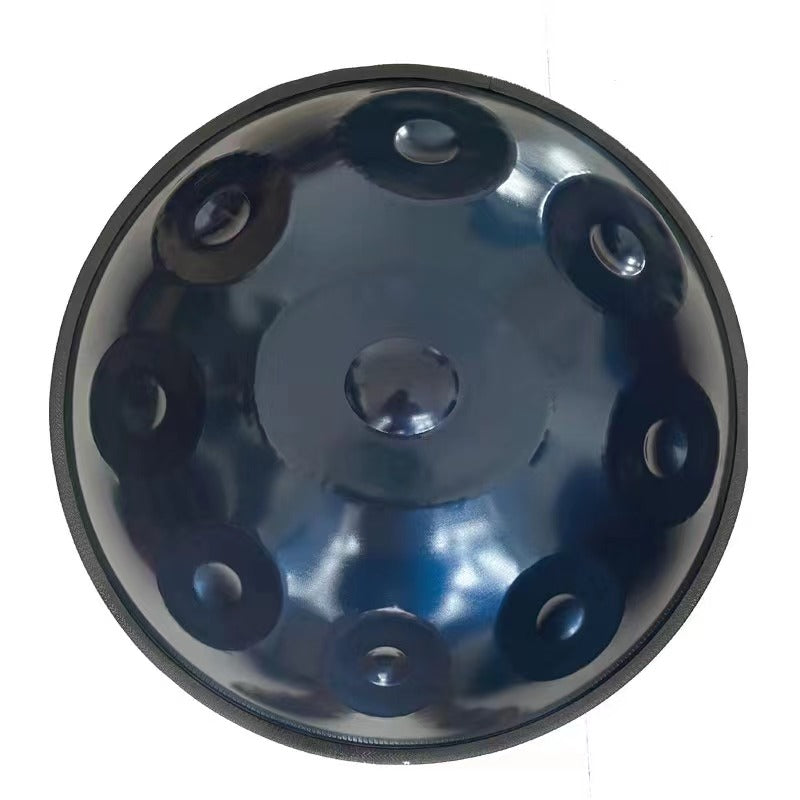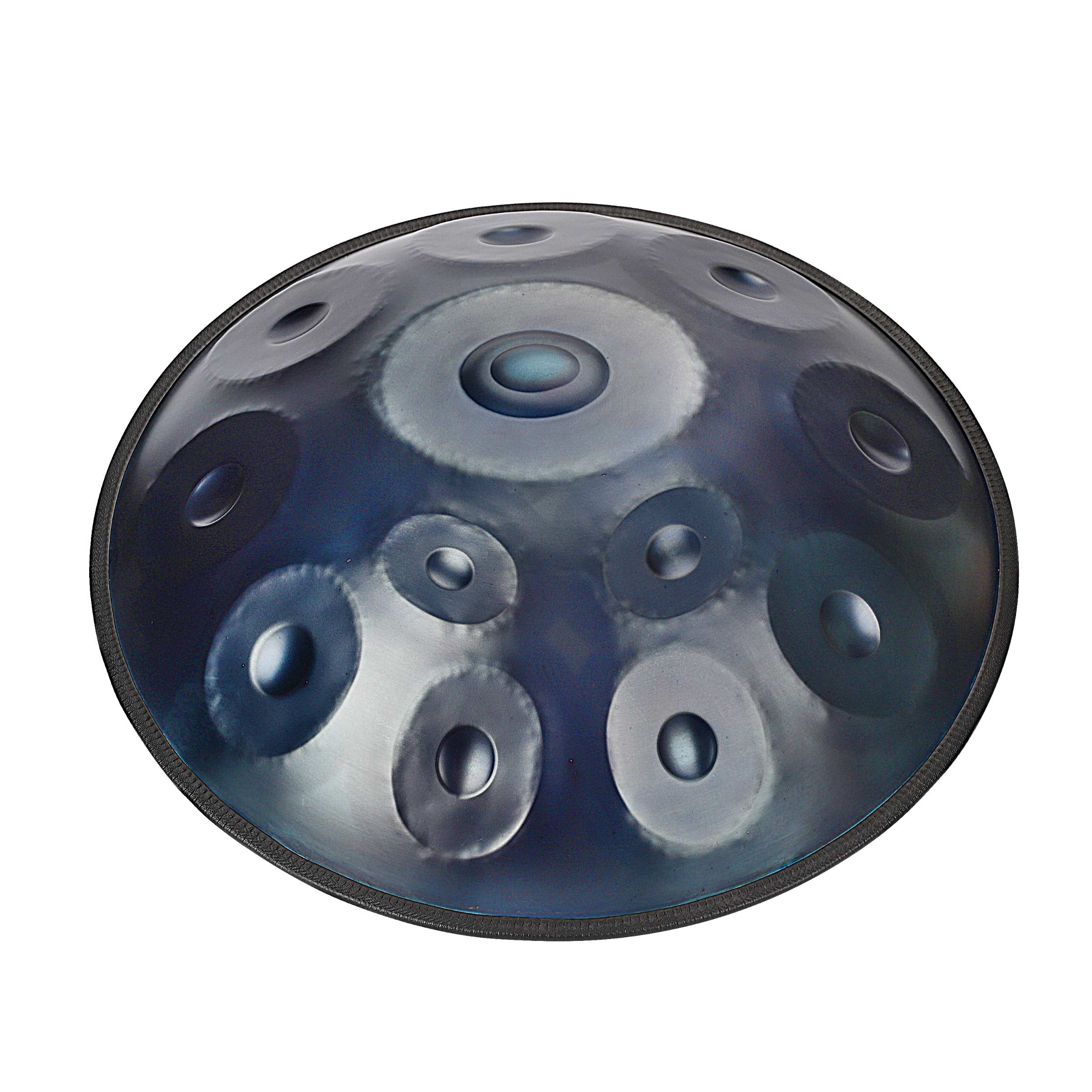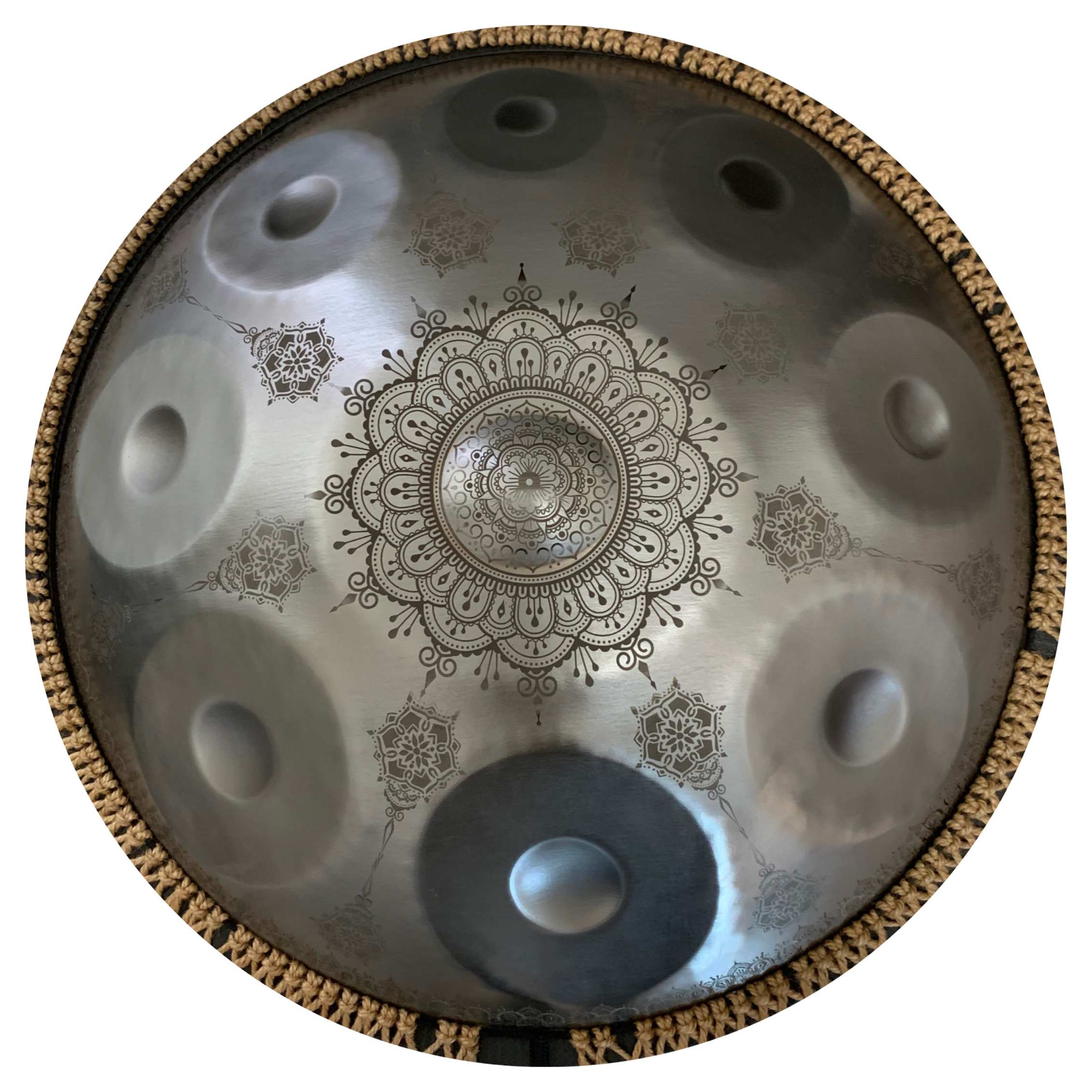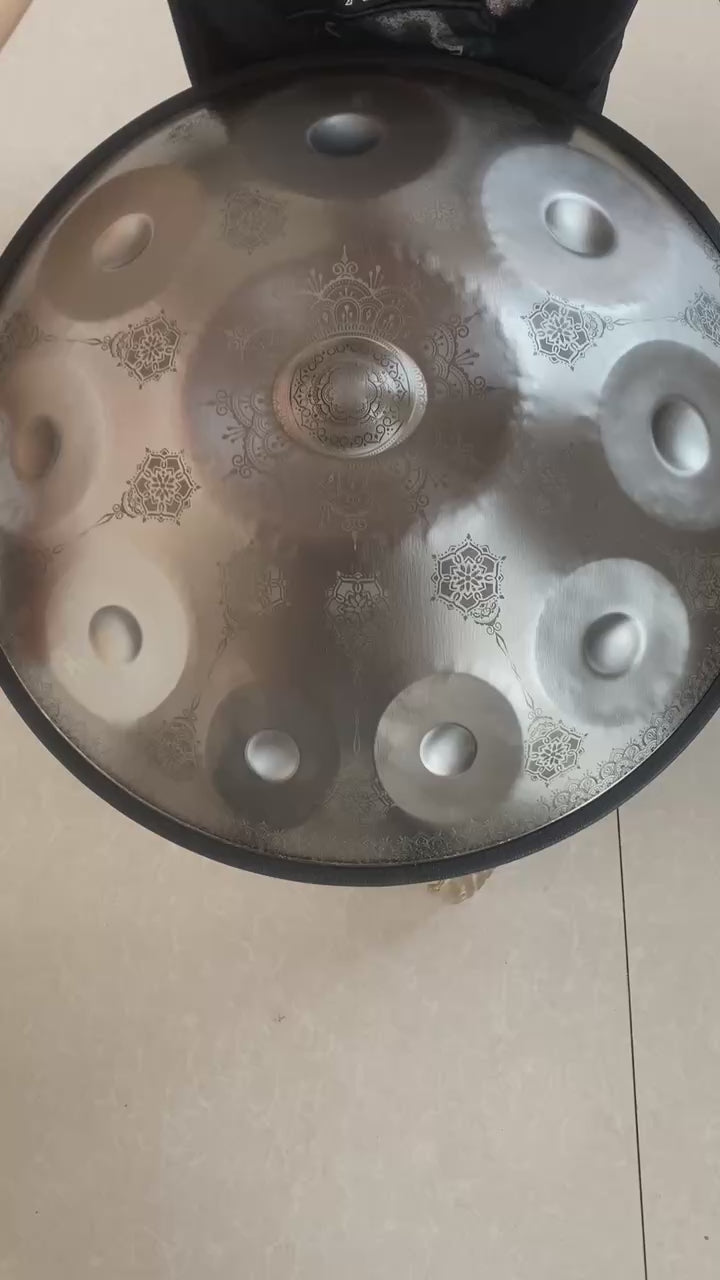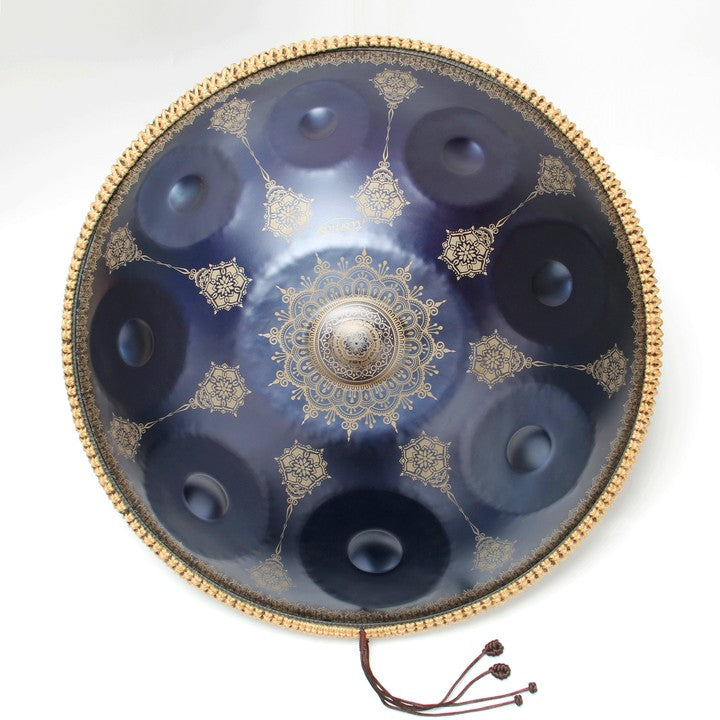
The ethereal, hauntingly beautiful sounds of a handpan have captivated musicians and meditation enthusiasts worldwide. However, for many aspiring players, the initial barrier to entry is the price tag. In 2026, the market for these instruments has matured, offering more variety than ever before—but this also makes it harder to determine a decent handpan cost. Is a $300 instrument from a major online marketplace worth it, or must you spend $3,000 to get a quality sound?

Understanding the decent handpan cost requires looking beyond the price tag to the materials, the expertise of the tuner, and the longevity of the instrument. This guide breaks down the current market trends, helps you identify "too good to be true" offers, and provides a clear roadmap for investing in your first or next musical companion.
2026 Handpan Market Overview
As of 2026, the average decent handpan cost for a high-quality, reliable instrument typically falls between $1,200 and $2,800. While the "Hang" craze of a decade ago meant prices were often inflated by scarcity, the rise of skilled artisan workshops across the globe has stabilized the market. Today, you can find professional-grade instruments without the three-year waiting lists of the past.
However, the influx of mass-produced, machine-pressed pans has created a "race to the bottom" in terms of price, with some models retailing for as low as $400. Expert musicians warn that these budget options often lack the harmonic resonance and tuning stability required for a fulfilling playing experience. A decent handpan cost reflects the hundreds of hours of manual labor required to hammer a flat piece of steel into a balanced, polyphonic sculpture.
The Three Tiers of Handpan Pricing
1. The Budget Tier ($400 - $900)
Often found on large international e-commerce sites, these instruments are usually machine-pressed rather than hand-hammered. While they look like handpans, they frequently suffer from poor sustain, dissonant overtones, and metal that "goes out of tune" within months of play. While some beginners find success here, the majority of players find that the cost of retuning these pans—if they can even be retuned—quickly exceeds the initial savings.
2. The Mid-Range/High-Quality Tier ($1,200 - $2,500)
This is where the decent handpan cost sweet spot lies. Instruments in this range are typically hand-tuned by experienced makers using nitrided or stainless steel. They offer stable tuning, clear harmonics, and a responsive touch. Brands in this category often provide excellent customer support and a guarantee that the instrument will arrive in tune. These are the workhorses of the community, perfect for both serious students and performing artists.
3. The Professional/Artisan Tier ($3,000 - $6,000+)
This tier is reserved for instruments made by world-renowned masters. These handpans often use specialized alloys like "Ember Steel" and feature complex scales with 15 to 20 notes, including notes on the bottom shell. At this level, you are paying for the ultimate in sound design, unique artistic finishes, and an instrument that functions as a legacy piece of art.
Factors Influencing Decent Handpan Cost
Why does one piece of metal cost five times more than another? Several technical factors dictate the final price of the instrument:
- Number of Notes: A standard 9-note handpan is easier to tune than a 17-note instrument. Each additional note requires the maker to manage complex acoustic interactions to prevent "crosstalk" (one note vibrating when another is struck).
- Material Choice: Stainless steel offers long sustain and rust resistance but is harder to work with than nitrided steel. Nitrided steel provides a more percussive, earthy tone preferred by fast players. The cost of raw, high-quality steel continues to impact the decent handpan cost.
- Tuning Precision: A master tuner ensures that each note has its fundamental, octave, and compound fifth perfectly aligned. This precision takes years to master and hours to execute for every single pan.
- Scale Complexity: Standard scales like D Minor Kurd are widely available and thus more affordable. Rare, microtonal, or custom-requested scales require significant R&D from the maker, driving up the price.
Product Spotlight: Cosmos Handpan Solutions

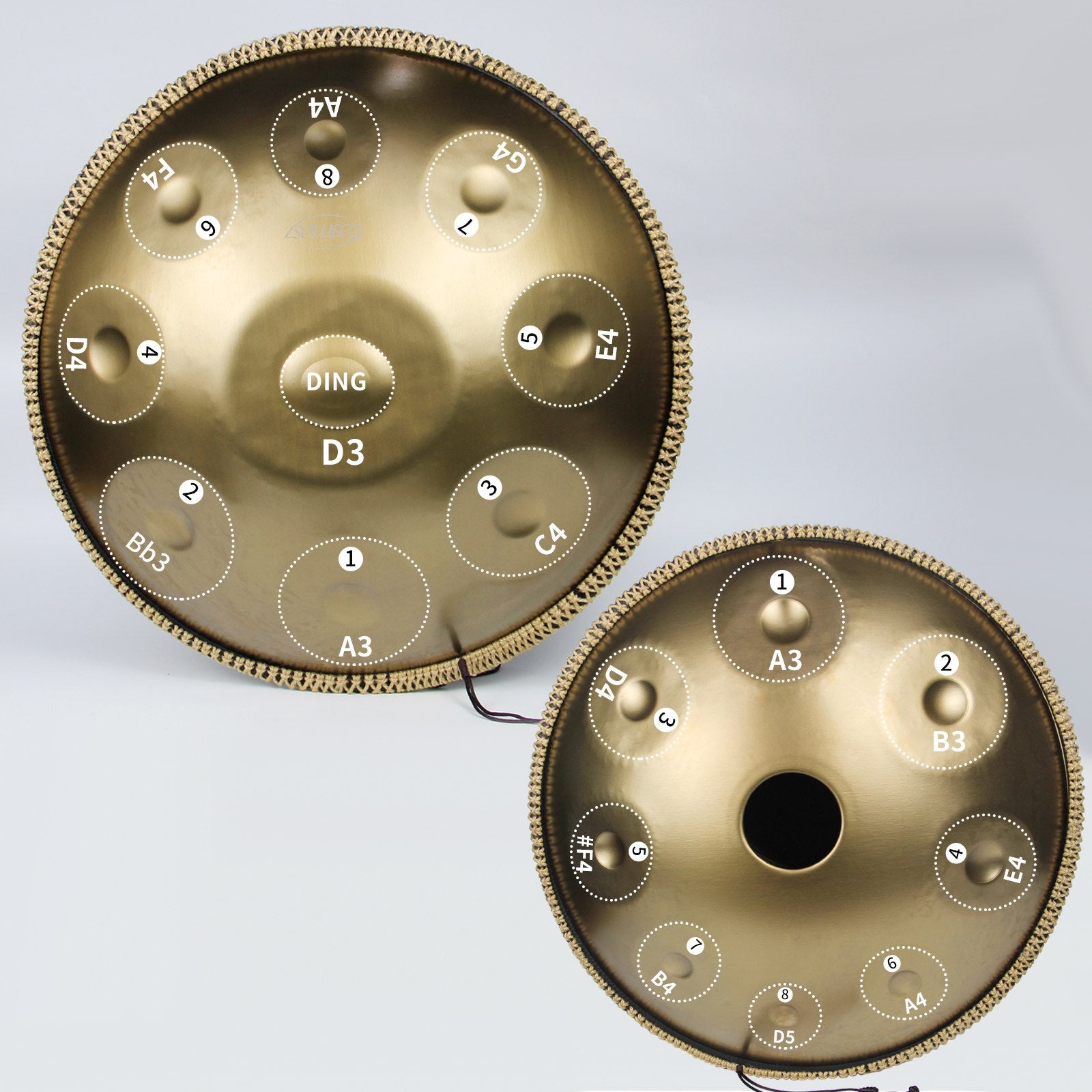
Cosmos Handpan is a leading brand committed to creating high-quality handpans for professional and beginner musicians. Every instrument undergoes rigorous inspection to guarantee superior sound and playability. Their 2026 lineup offers a perfect balance of affordability and artisanal quality, ensuring that the decent handpan cost remains accessible without compromising on the cosmic resonance the brand is known for.
Available Cosmos Handpan Products:
- 9 Notes Handpan: Perfect for focused, melodic exploration and beginner-friendly performance.
- 10 Notes Handpan: Balanced standard for modern players seeking a versatile instrument.
- 12 Notes Handpan: Expanded range for complex compositions and intermediate musicians.
- 17 Notes Handpan: Ultimate professional instrument with an extended scale for advanced compositions.
- Handpan for Beginners: Specially tuned for ease of play and rapid learning.
-
Handpan Drum Instrument: General-purpose high-quality options for various music styles.
Hidden Costs: Maintenance and Accessories
When budgeting for a decent handpan cost, many buyers forget the secondary expenses. A handpan is a precision instrument that requires care to remain in top condition. You should set aside an additional $200 to $400 for the following:
- Protective Case: A high-quality padded case or hard shell (like a Flyht Pro or Evatek) is essential for transport. Prices range from $120 to $300.
- Cleaning Supplies: To prevent rust, especially on nitrided steel, you will need specialized oils like Phoenix Oil or Froglube.
- Retuning Services: Even the best handpans may need retuning after 2-3 years of heavy play or a significant temperature shock. This usually costs between $150 and $300, plus shipping.
Summary Comparison Table
| Category | Typical Price Range | Best For | Key Characteristic |
|---|---|---|---|
| Entry-Level / Beginner | $650 - $1,100 | Hobbyists, Beginners | Clean, simplified scales; durable builds. |
| Standard Mid-Range | $1,200 - $2,200 | Serious Students, Yoga Teachers | Hand-tuned, stable harmonics, 9-10 notes. |
| Professional Series | $2,300 - $3,500 | Performers, Recording Artists | Premium steel (Stainless/Ember), 12+ notes. |
| Master Artisan / Custom | $4,000 - $6,500 | Professionals, Collectors | Experimental scales, bottom notes, rare alloys. |
Frequently Asked Questions
Unlike most drums that have one sound, a handpan is a polyphonic instrument. Each "note" is actually a carefully tuned area with three distinct frequencies. Creating this balance by hand is an incredibly difficult skill that few people in the world have mastered, which justifies the decent handpan cost.
Buying used can be a great way to lower the decent handpan cost, but it carries risks. Always ask for a recent video of the instrument being played chromatically to check for out-of-tune notes. If possible, buy from a reputable community like the "Handpan Swap and Sale" groups where makers often vouch for their own instruments.
Yes. Steel tongue drums (tank drums) are much cheaper because they are laser-cut by machines. While they sound different and have less volume/resonance than a handpan, the layout and playing style are similar enough that the skills translate well. It’s a great way to see if you enjoy the "pan" style before committing to a decent handpan cost.
Not necessarily. A 9-note pan can sound more "pure" than a 17-note pan because there is less metal to interfere with the vibrations. Beginners should focus on a 9 or 10-note pan to ensure they get the best possible sound for their budget.