
Music education and ensemble performance form the backbone of cultural development in schools and communities worldwide. For educators, parents, and aspiring musicians stepping into a rehearsal room for the first time, understanding the acoustic landscape is essential. Choosing the right instrument dictates not only the student's personal musical journey but also the overall sonic balance of the ensemble. From our experience at Cosmos Handpan, we recognize that rhythm, melody, and harmony all begin with a solid foundational knowledge of the most common band instruments.

As industry experts in acoustic resonance and instrumental craftsmanship, we frequently consult with musicians transitioning from traditional wind ensembles to specialized percussion setups. While we focus heavily on modern melodic percussion, we maintain a deep respect for the traditional wind and brass sections that define classical and contemporary bands. In this authoritative guide, we will analyze the top 10 most common band instruments in 2026, exploring their roles, learning curves, and integration into both traditional and modern musical arrangements.
Table of Contents
Understanding the Core Sections of a Band
Before diving into the specific most common band instruments, it is crucial to understand the architectural structure of a concert or marching band. A standard ensemble is divided into three primary families: Woodwinds, Brass, and Percussion. The woodwind section provides agility, rapid melodic runs, and a wide array of tonal colors. The brass section delivers power, majestic fanfares, and the harmonic foundation. Finally, the percussion section drives the tempo, adds rhythmic complexity, and supplies dramatic dynamic impacts.
From our experience, the synergy between these sections is what creates a successful ensemble. When analyzing the most common band instruments, one must consider how each voice cuts through or blends with the others. The instruments listed below represent the standard instrumentation required to perform the vast majority of wind band literature published today.
The Top 10 Most Common Band Instruments
1. The Flute

The flute is a cornerstone of the woodwind section and consistently ranks at the top of the most common band instruments for beginners. Unlike other woodwinds, it does not use a reed; instead, sound is produced by blowing a directed stream of air across an embouchure hole. It typically carries the highest melodic lines in the band. We recommend the flute for students who have a strong lung capacity and a desire to play fast, intricate, and prominent melodies.
2. The Clarinet
The B-flat clarinet boasts one of the largest ranges of any woodwind instrument, spanning from rich, dark, lower register notes (the chalumeau register) to piercing high notes. It utilizes a single reed attached to a mouthpiece. Because of its versatility, the clarinet section is often considered the equivalent of the violin section in a symphony orchestra. It is undeniably one of the most common band instruments, offering students a logical pathway to eventually learning the saxophone or bass clarinet.
3. The Alto Saxophone

Invented by Adolphe Sax, the saxophone bridges the gap between the woodwind and brass families. It is made of brass but generates sound via a single reed, similar to the clarinet. The alto saxophone is incredibly popular due to its prominent role in jazz, pop, and classical music. From our experience, it is one of the most common band instruments chosen by beginners because the initial sound production is somewhat more forgiving than the flute or French horn.
4. The Trumpet
Leading the brass section is the B-flat trumpet. It is the highest-pitched brass instrument and is responsible for the boldest, most recognizable fanfares in band repertoire. Sound is produced by "buzzing" the lips into a metal mouthpiece. Mastering the trumpet requires significant facial muscle endurance (embouchure). It remains one of the most common band instruments across concert bands, marching bands, and jazz ensembles.
5. The Trombone

The trombone is unique among the most common band instruments because it uses a telescoping slide to change pitch rather than valves or keys. This allows for smooth glissandos and requires the player to have an excellent ear for pitch, as there are no buttons to guarantee exact intonation. The trombone provides critical harmonic support and counter-melodies within the mid-to-low brass section.
6. The French Horn
The French horn is renowned for its beautiful, mellow, and blending tone. It is notoriously one of the most challenging of the most common band instruments to master due to its small mouthpiece and closely spaced overtone series. The player's hand rests inside the bell to manipulate pitch and tone color. We recommend this instrument for students with a strong background in pitch matching or vocal training.
7. The Tuba / Sousaphone
The tuba provides the acoustic foundation for the entire ensemble. Without the deep, resonant bass lines of the tuba, a band sounds top-heavy and thin. In marching band settings, the tuba is adapted into the wearable sousaphone. While it requires moving large volumes of air, it is a highly rewarding instrument and an absolute necessity among the most common band instruments.
8. The Snare Drum
The snare drum is the rhythmic core of the percussion section. It produces a sharp, staccato sound due to a set of wires (snares) stretched across the bottom drumhead. Learning the snare drum involves mastering rudiments—specific sticking patterns like paradiddles and rolls. It is the gateway instrument for anyone looking to enter the diverse world of concert percussion.
9. The Bass Drum
The concert bass drum provides the pulse and dramatic impact points for musical compositions. While it may seem simple to strike, professional bass drumming requires immense control over dampening and dynamic expression. Alongside the snare, it forms the traditional battery of the most common band instruments in the percussion family.
10. Mallet Percussion (Glockenspiel/Xylophone)
Mallet percussion instruments, also known as keyboard percussion, allow percussionists to play melodies and harmonies. The glockenspiel (metal bars) and xylophone (wooden bars) are essential for adding color and brightness to the band's texture. Students who play these instruments must possess both rhythmic precision and an understanding of piano-style keyboard layouts.
Expanding Beyond: The Rise of Modern Melodic Percussion

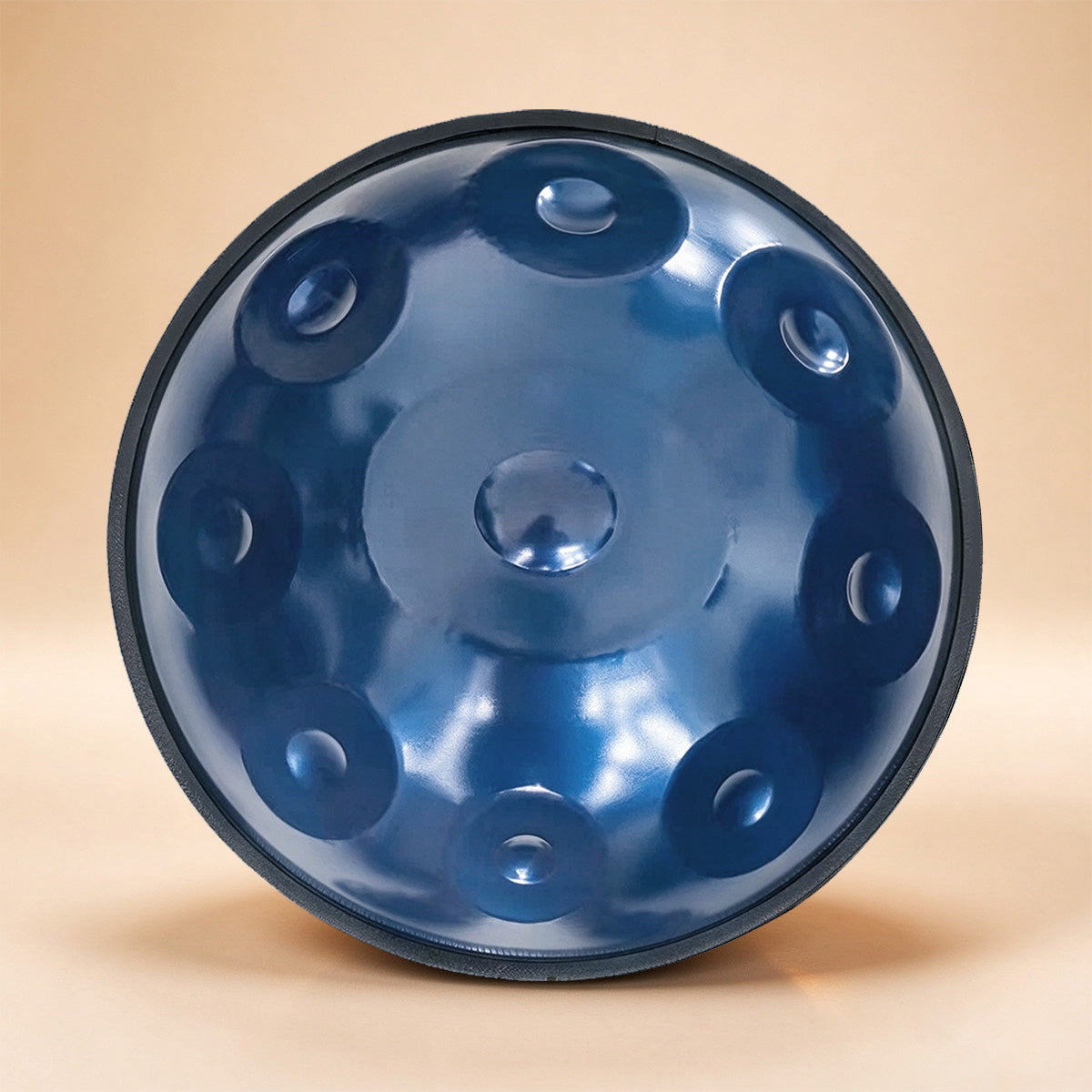
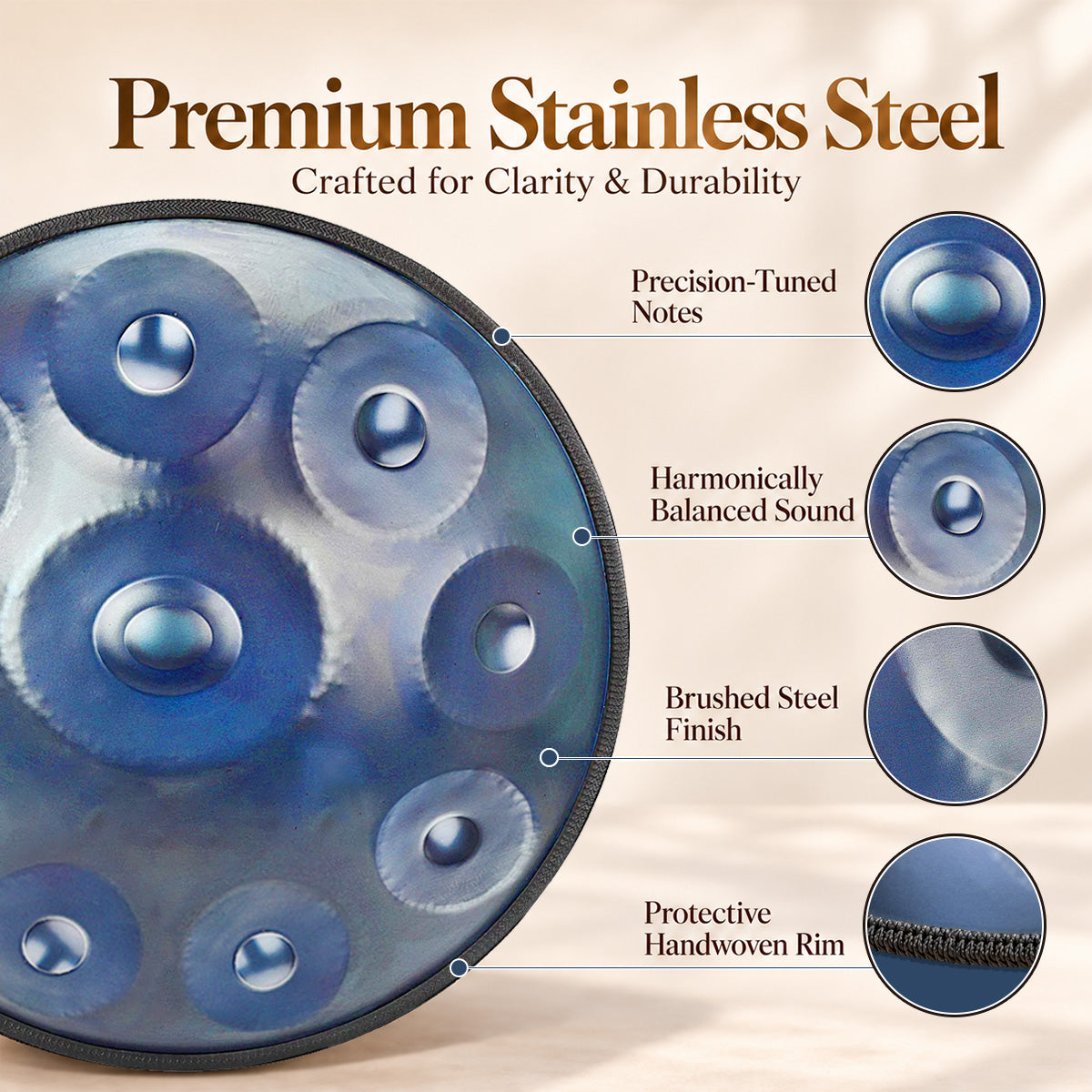
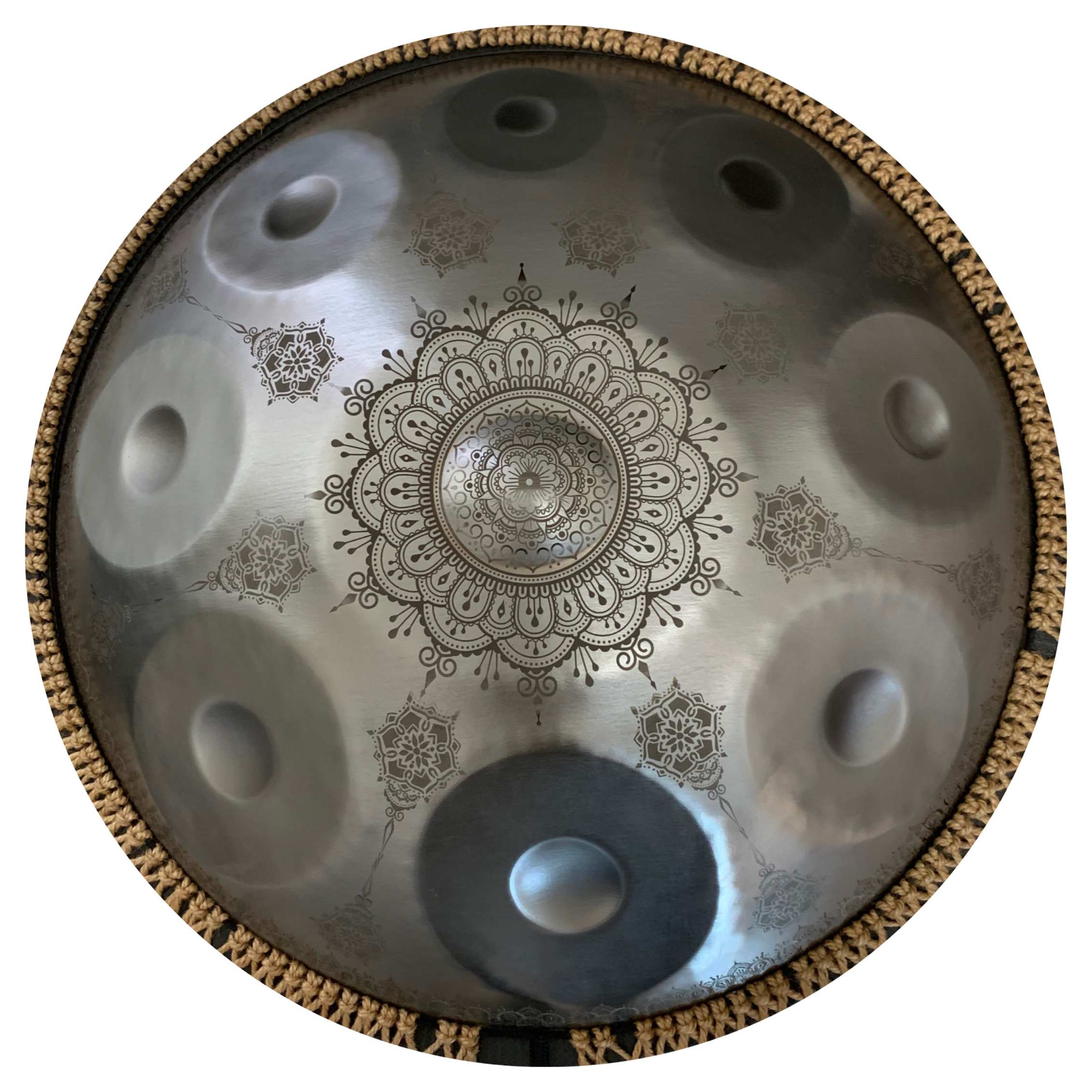
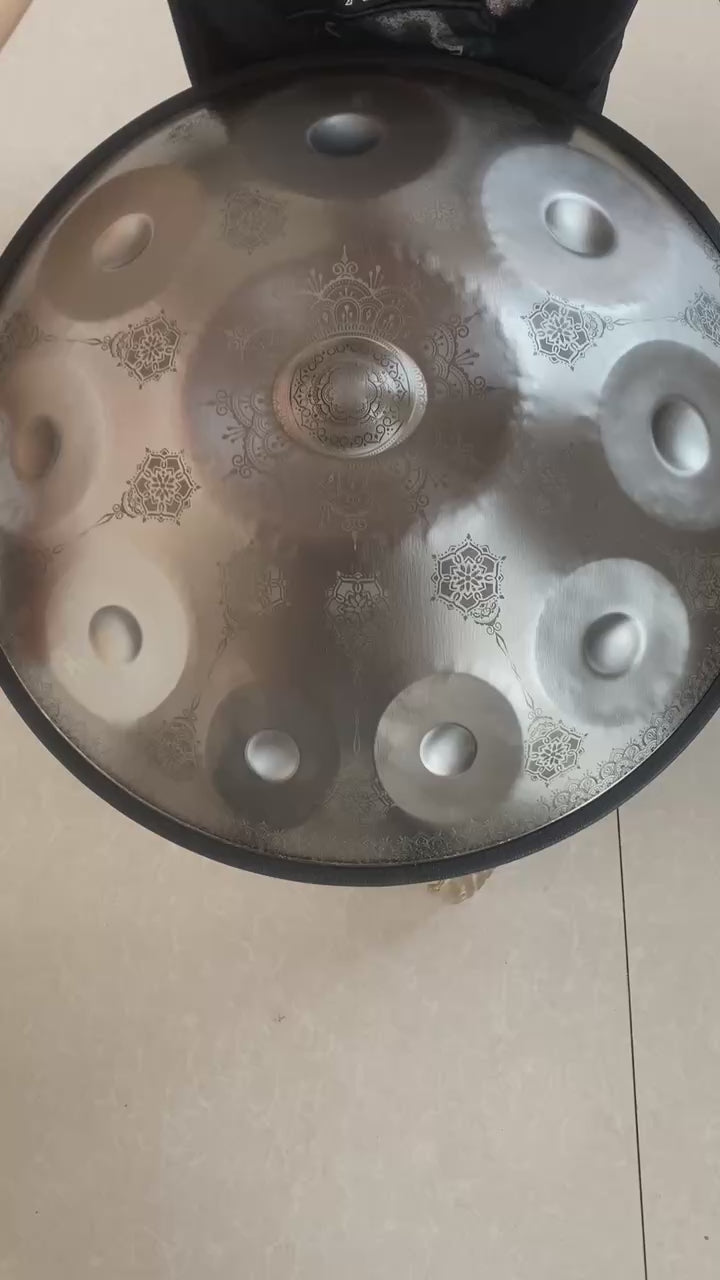
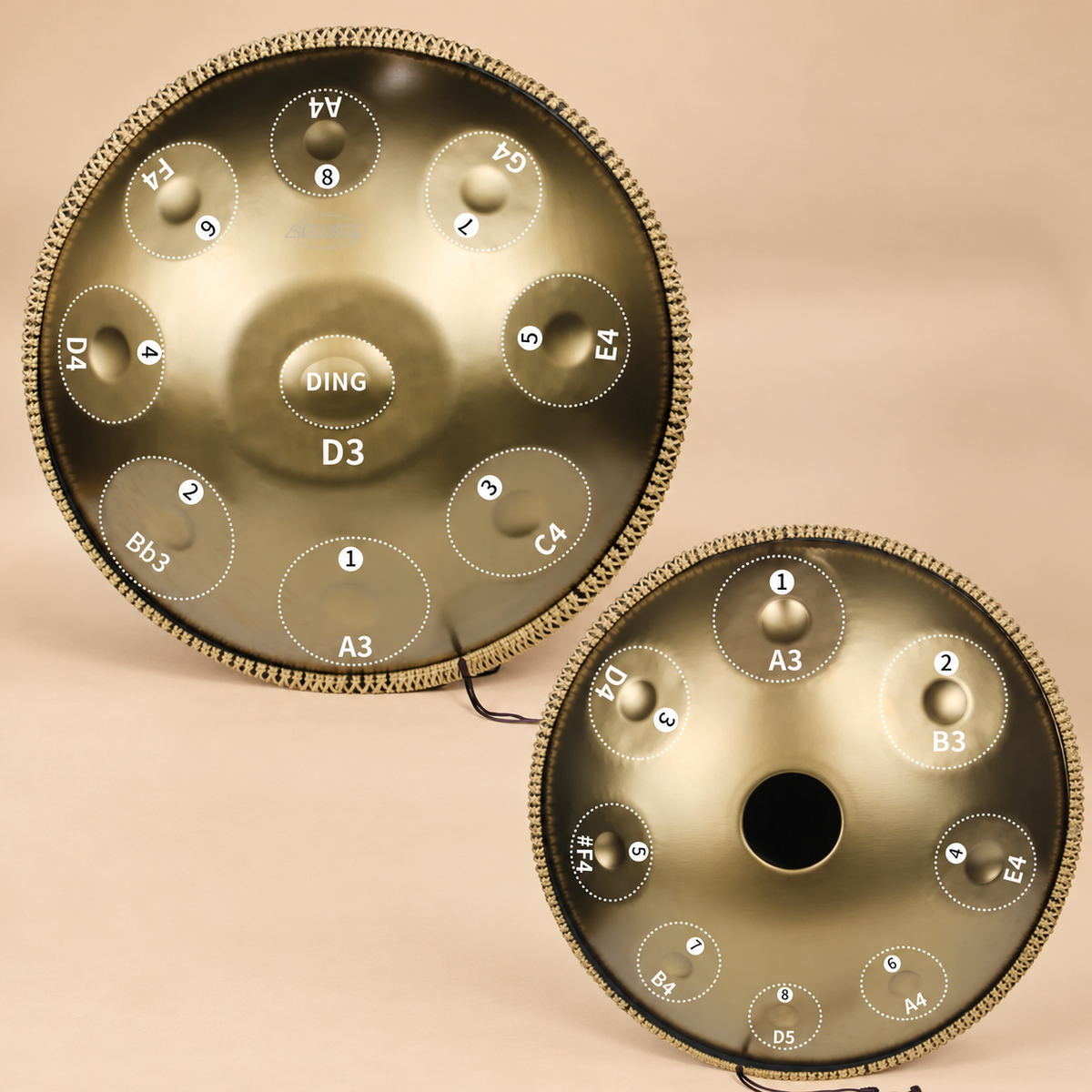
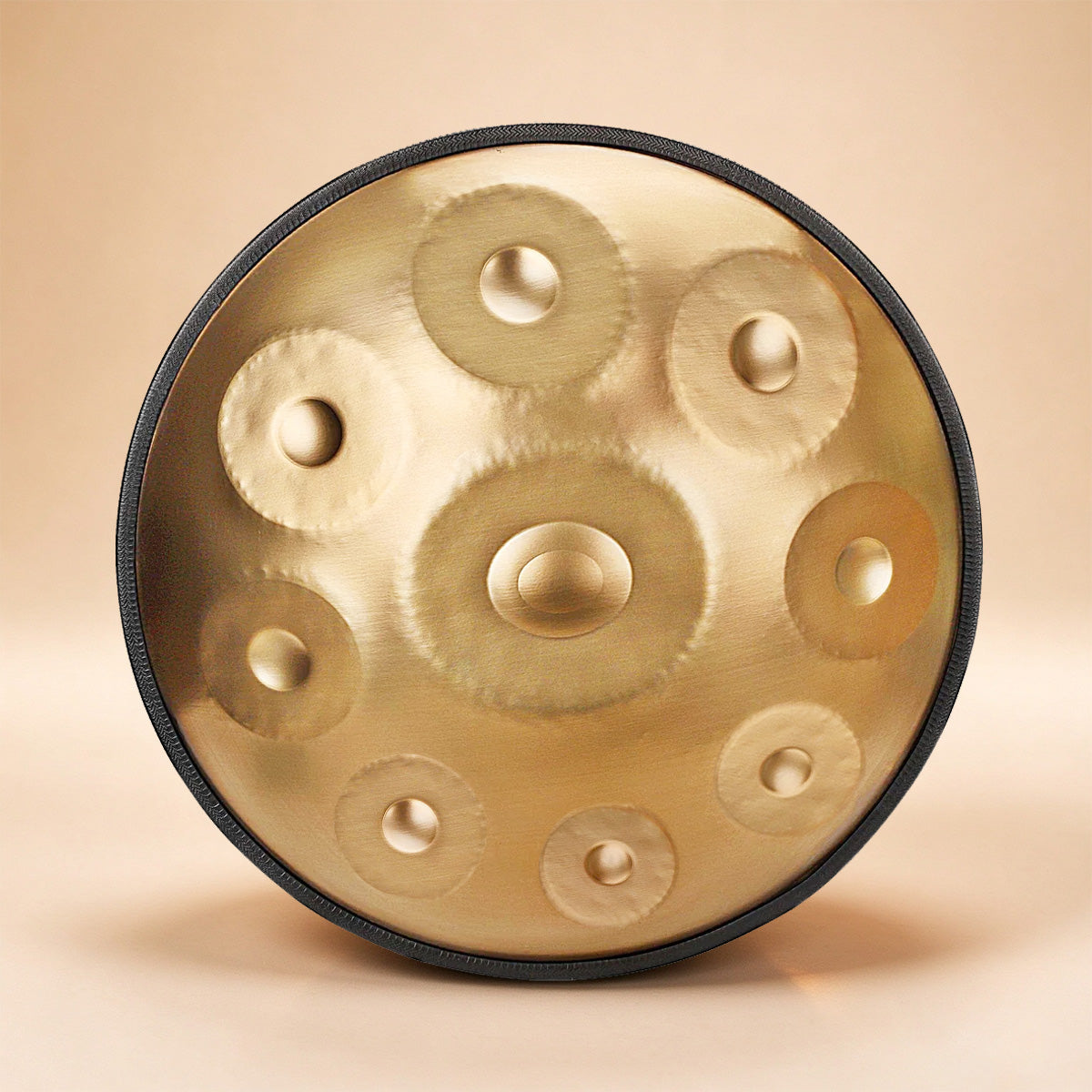
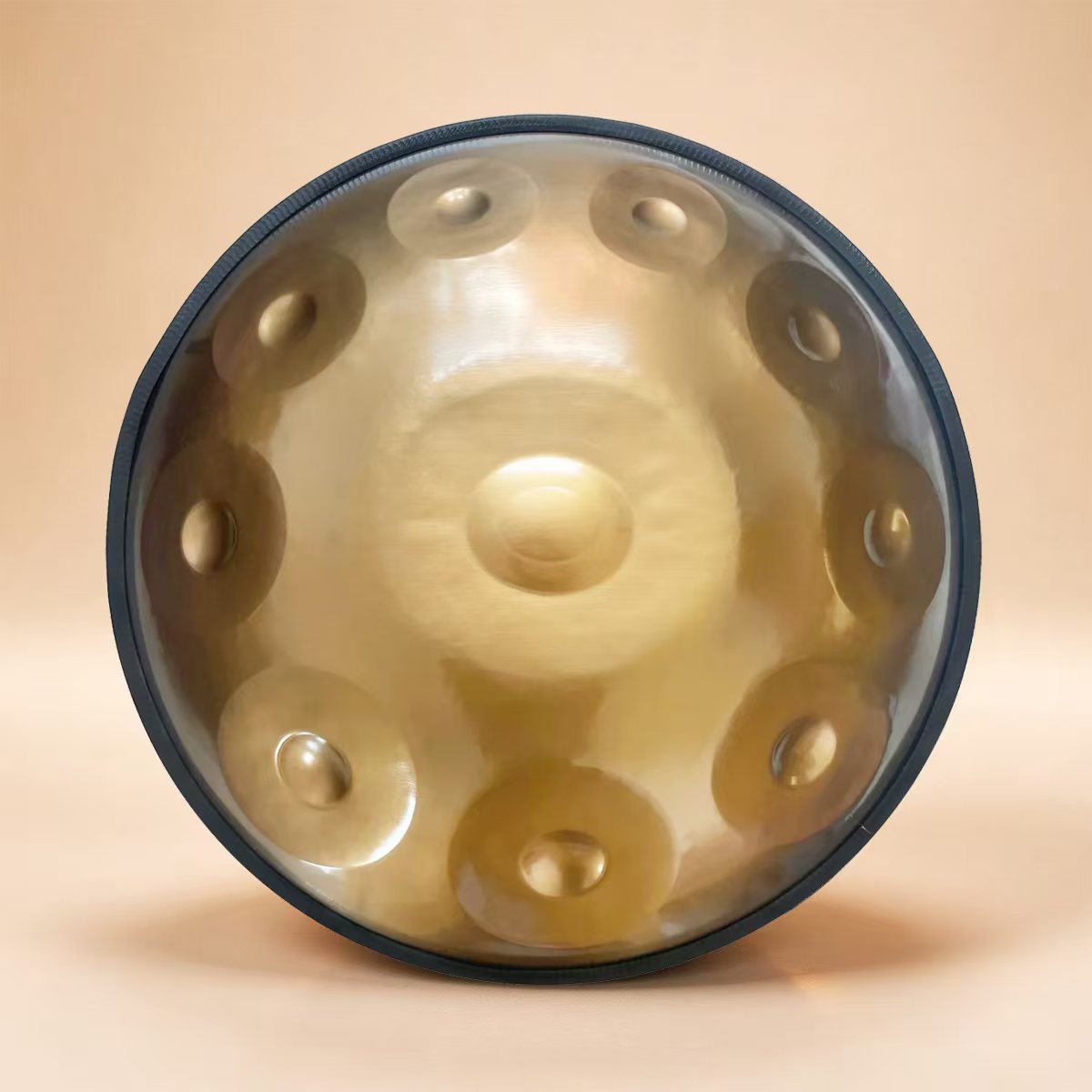
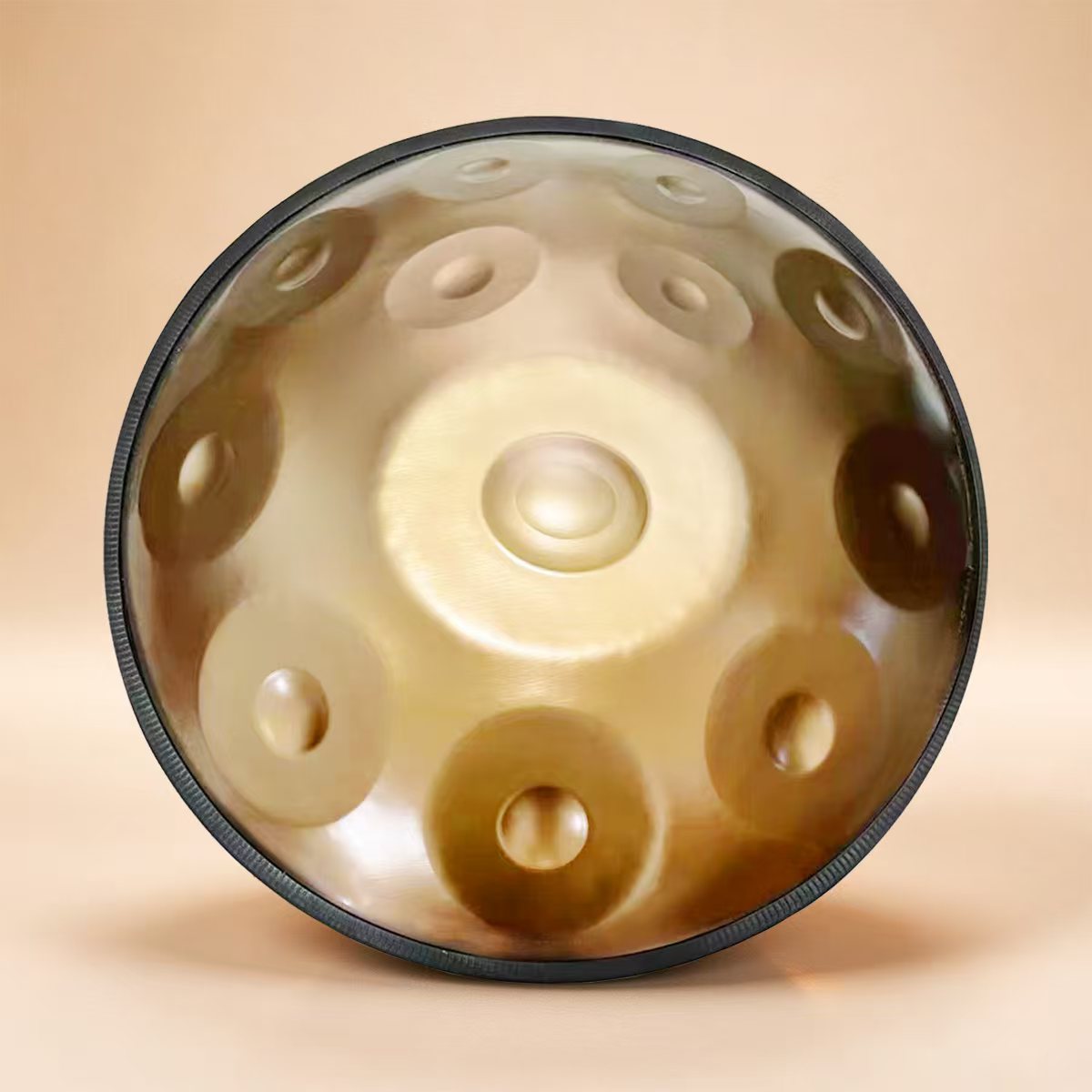
While traditional ensembles rely heavily on the most common band instruments listed above, the evolution of modern percussion has introduced new, resonant sounds into the mix. For musicians looking to expand their rhythmic and melodic capabilities beyond standard mallet instruments, the handpan offers a unique, captivating pathway.
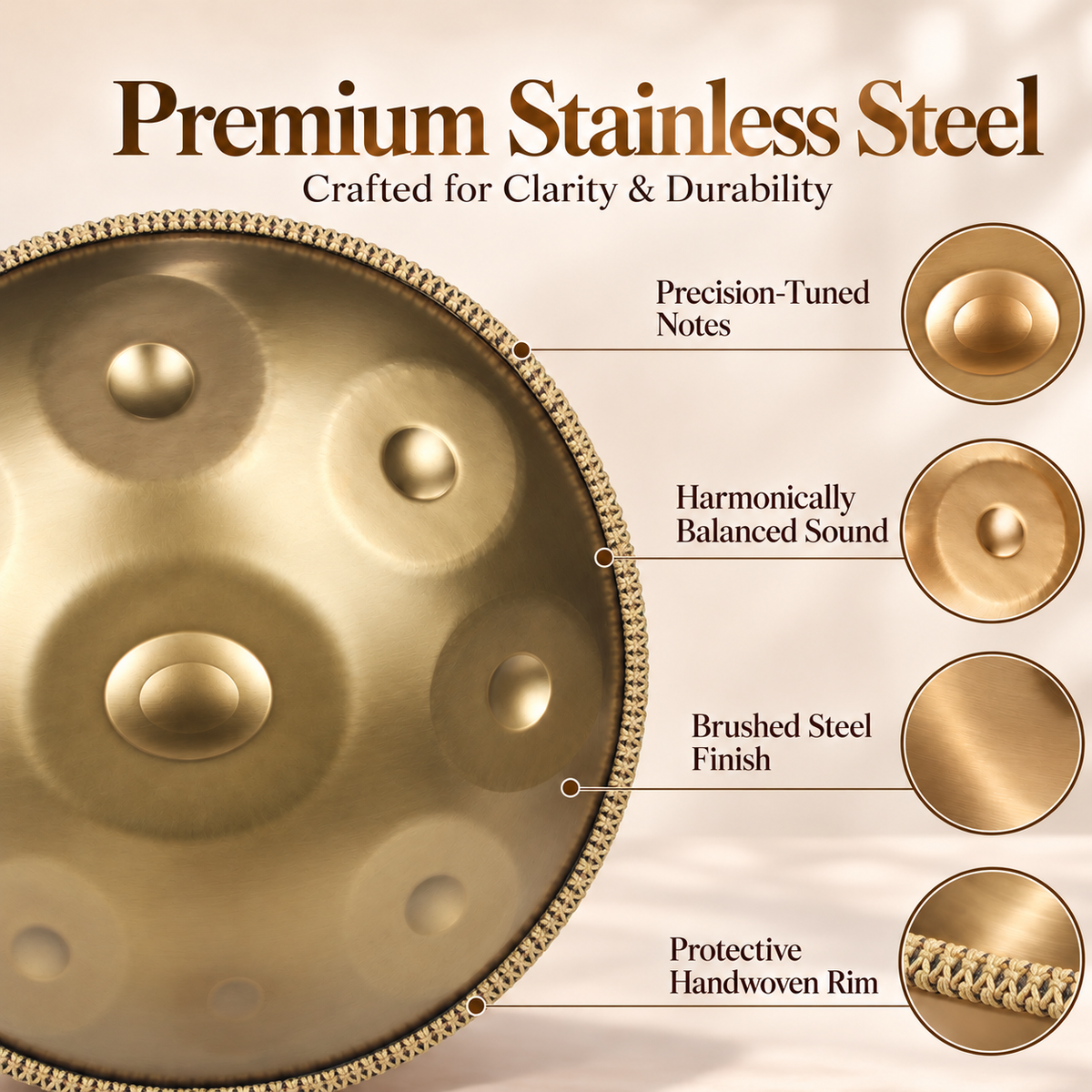
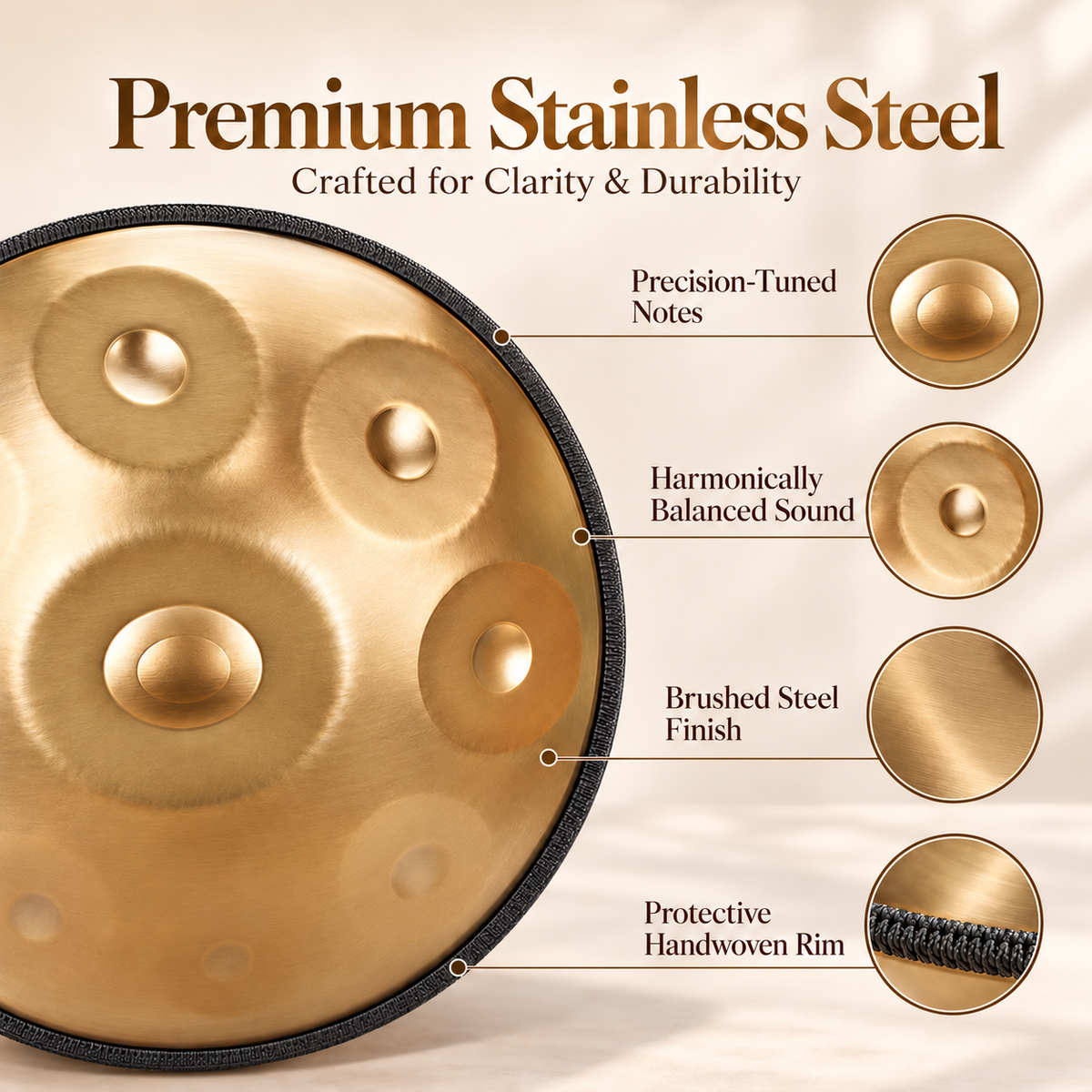
Cosmos Handpan is a leading brand committed to creating high-quality handpans for professional and beginner musicians alike. We understand the confusion surrounding how much is a handpan worth, which is why our 2026 lineup offers a perfect balance of affordability and artisanal quality. We ensure that the decent handpan cost remains accessible without compromising on the cosmic resonance the brand is known for. Let us explore our meticulously crafted options to help you find the right fit for your musical journey, whether as a solo endeavor or a unique addition to a modern percussion ensemble.
- 9 Notes Handpan: Perfect for focused, melodic exploration and beginner-friendly performance.
- 10 Notes Handpan: Balanced standard for modern players seeking a versatile instrument.
- 12 Notes Handpan: Expanded range for complex compositions and intermediate musicians.
- 17 Notes Handpan: Ultimate professional instrument with an extended scale for advanced compositions.
- Handpan for Beginners: Specially tuned for ease of play and rapid learning.
-
Handpan Drum Instrument: General-purpose high-quality options for various music styles.
Summary Table of the Most Common Band Instruments
To assist educators and beginners, we have summarized the top 10 most common band instruments by family, role, and learning curve.
| Instrument | Family | Primary Ensemble Role | Initial Learning Curve |
|---|---|---|---|
| Flute | Woodwind | High Melody / Agile Runs | Moderate |
| Clarinet | Woodwind | Versatile Melody / Counter-Melody | Moderate |
| Alto Saxophone | Woodwind | Mid-Range Melody / Harmonic Support | Accessible |
| Trumpet | Brass | Leading Melody / Fanfares | Moderate to Steep |
| Trombone | Brass | Low Harmony / Bass Lines | Moderate |
| French Horn | Brass | Harmonic Blending / Counter-Melody | Steep |
| Tuba | Brass | Bass Foundation | Moderate |
| Snare Drum | Percussion | Rhythmic Drive / Color | Accessible |
| Bass Drum | Percussion | Pulse / Impact Points | Accessible |
| Mallet Percussion | Percussion | Melodic Accent / Color | Moderate |
Expert Advice on Instrument Selection
From our experience in the musical instrument industry, we recommend that students and parents do not base their selection solely on visual appeal. When choosing among the most common band instruments, one must consider physical characteristics. For example, playing the trumpet or French horn requires specific dental and lip structures to form a proper embouchure. Conversely, instruments like the clarinet require adequate finger span to properly cover the tone holes.
We highly recommend attending an "instrument petting zoo" or consultation session hosted by local band directors. These sessions allow beginners to attempt producing a sound on various mouthpieces. Furthermore, do not shy away from the percussion section. While starting on the snare drum is traditional, expanding into unique melodic percussion, such as a high-quality handpan, fosters deep aural skills and rhythmic independence that will benefit a musician for a lifetime.
Frequently Asked Questions (FAQs)
References
- National Association for Music Education (NAfME) - Guidelines on Ensemble Instrumentation and Music Education, 2026.
- Journal of Acoustic Sciences - The Ergonomics and Embouchure Development of Standard Wind Instruments.
- Cosmos Handpan Technical Archives - Modern Percussion Integration in Contemporary Music Ensembles, 2026.