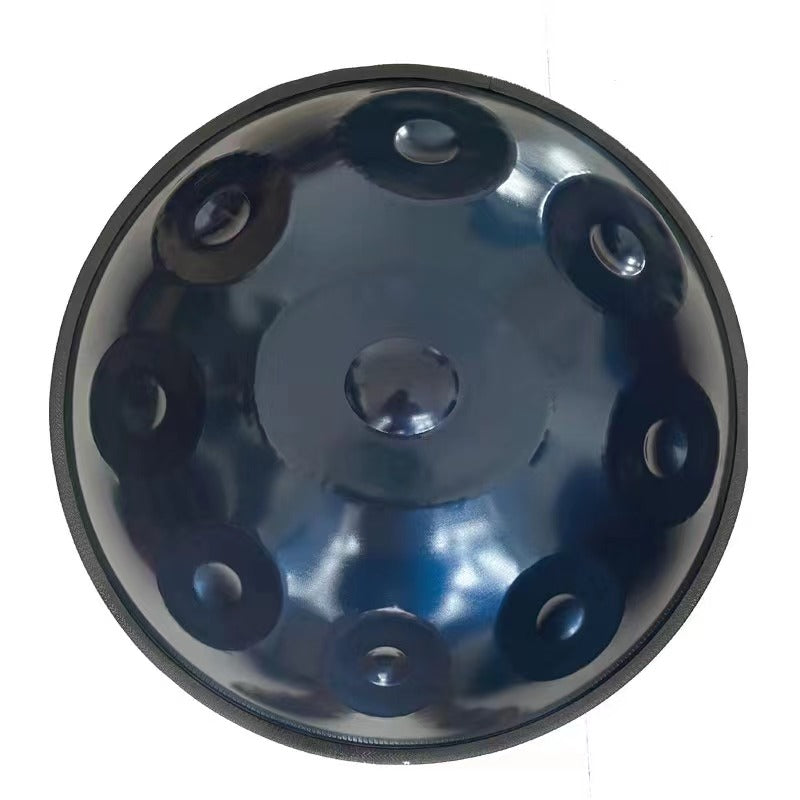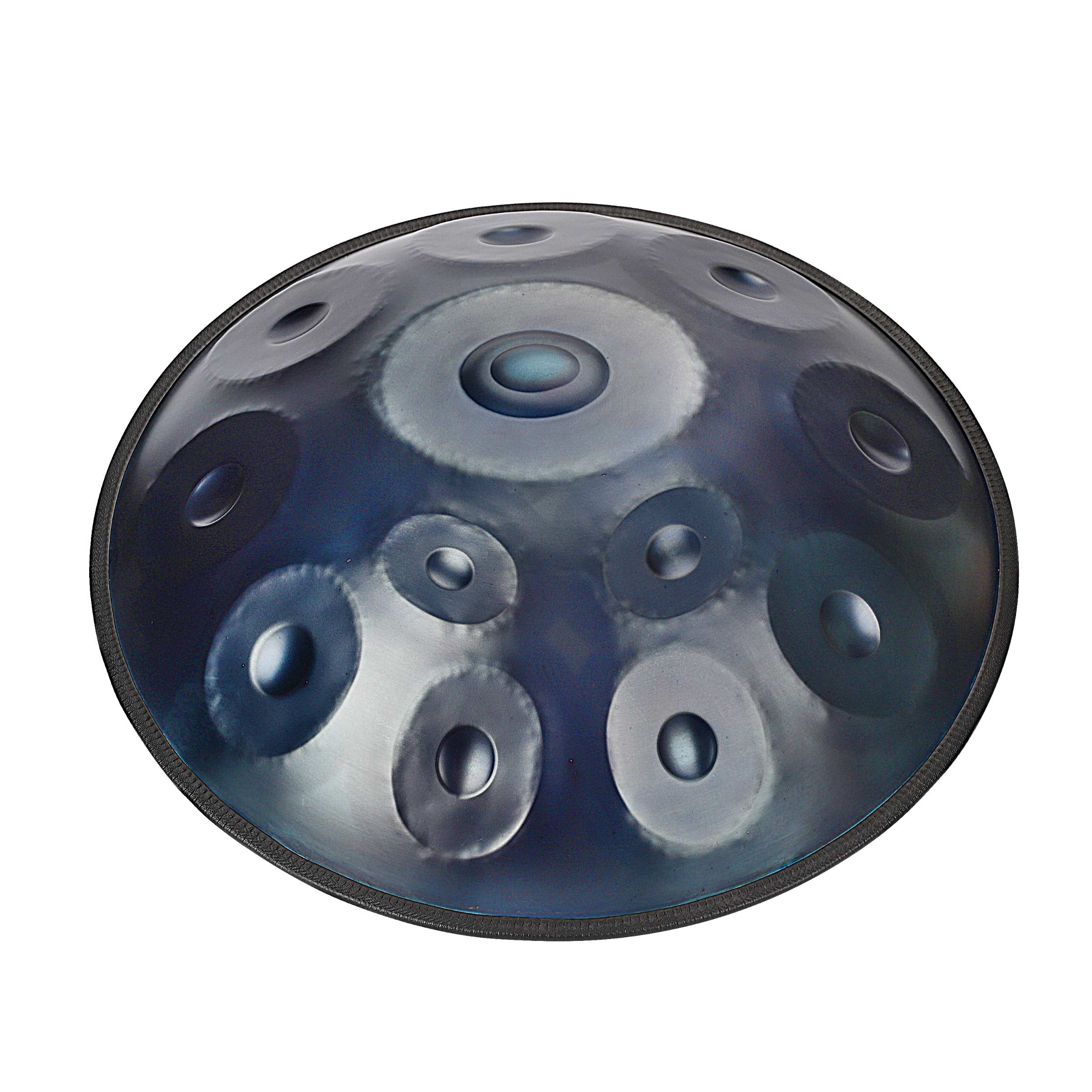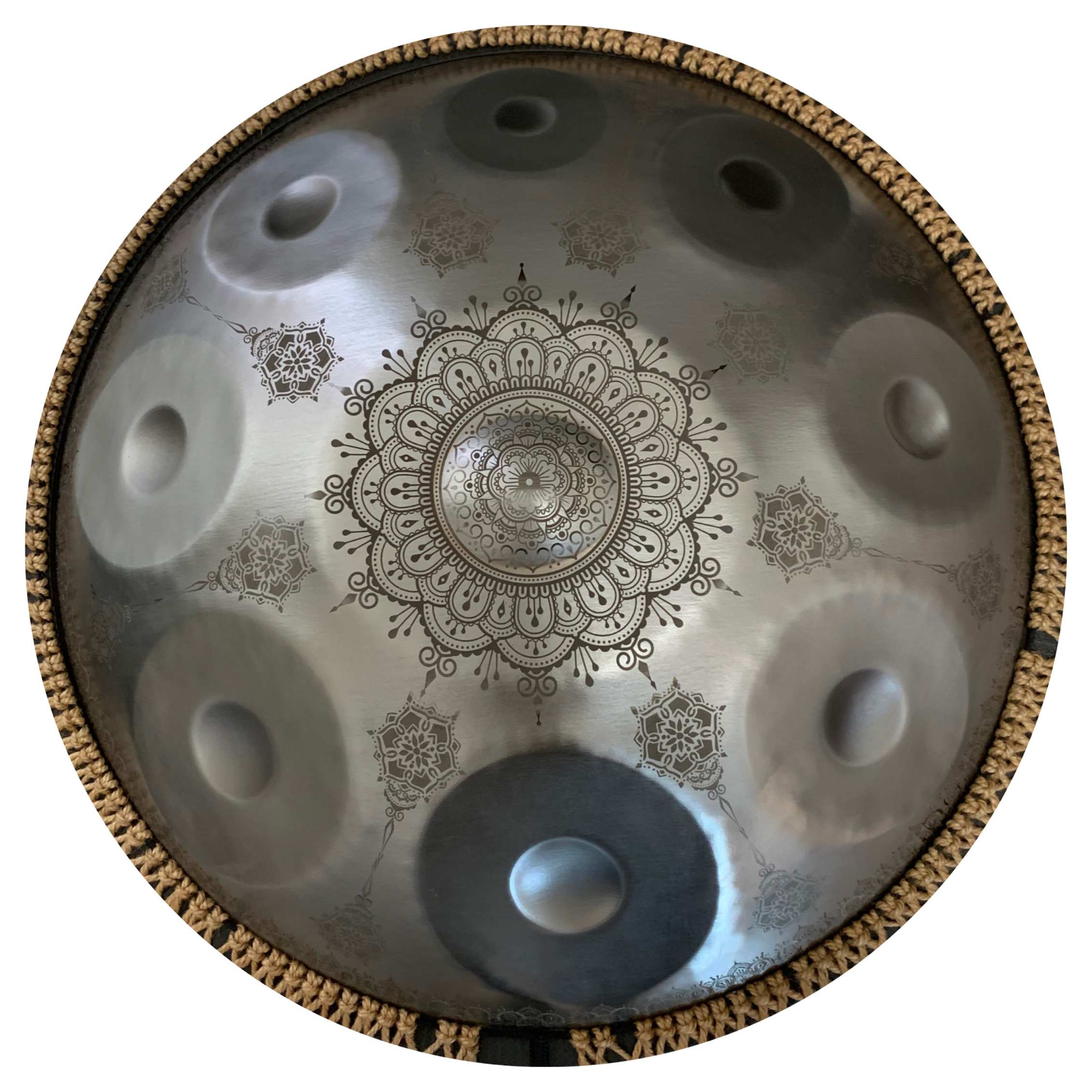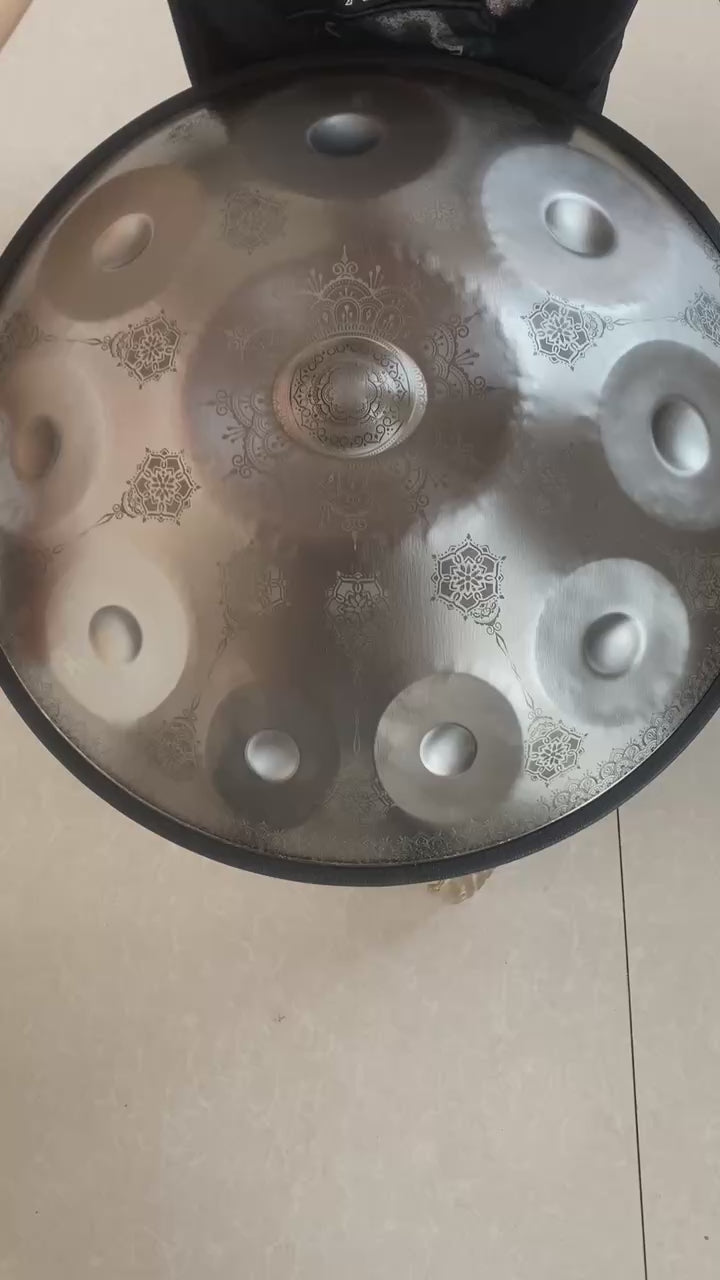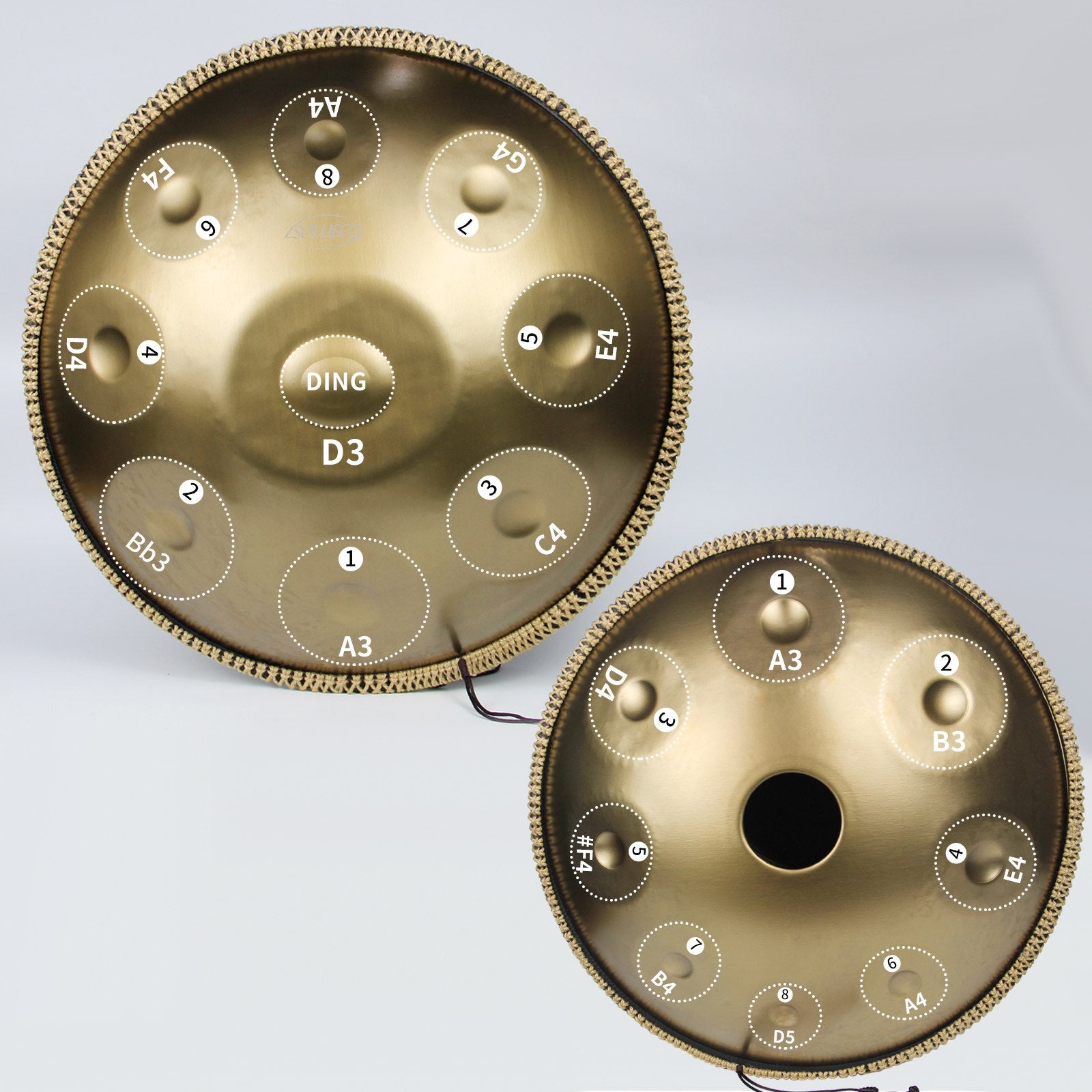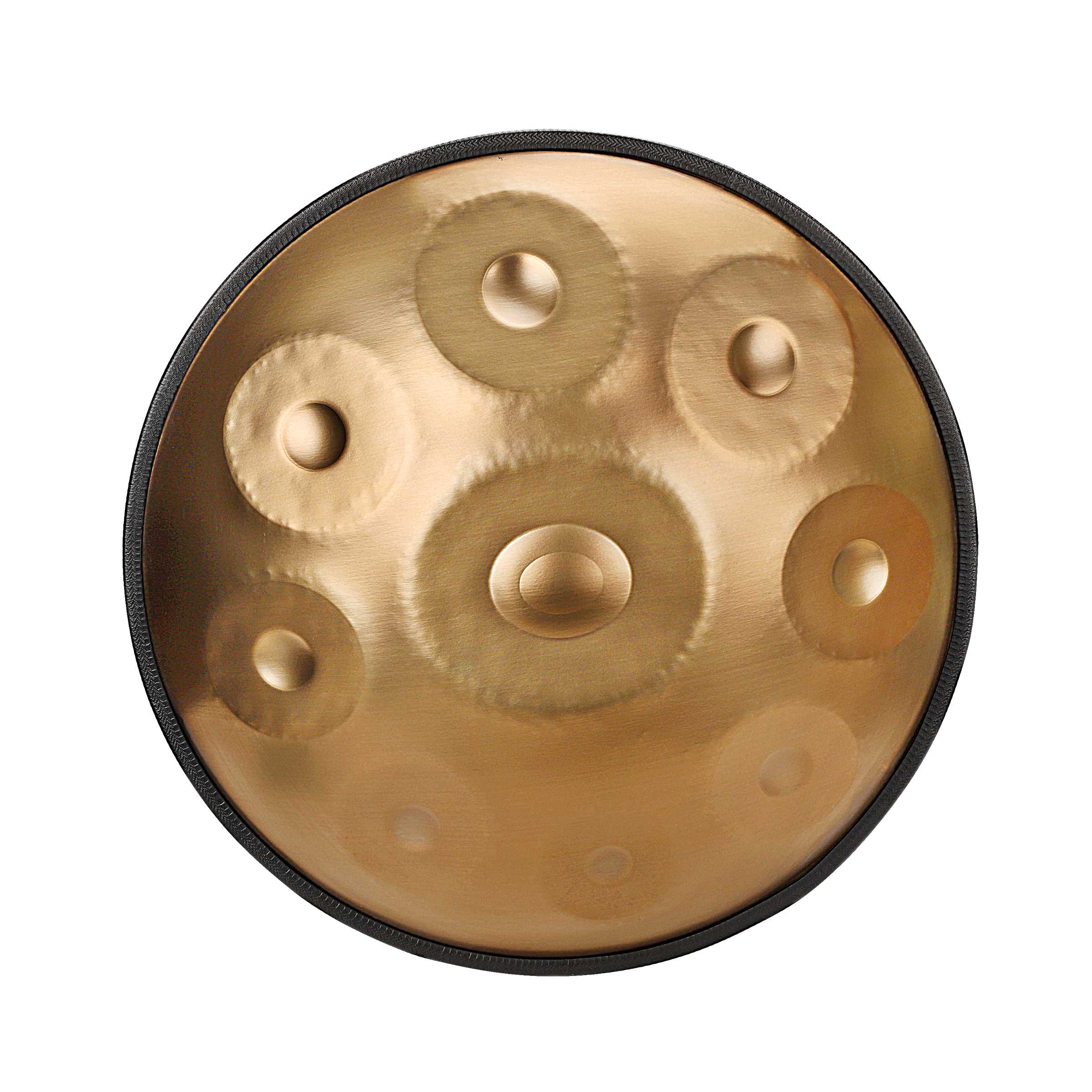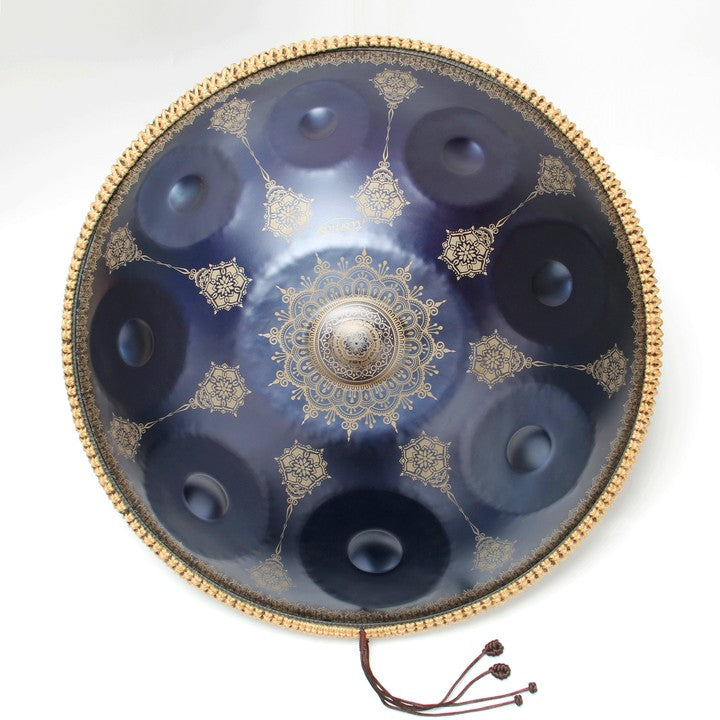
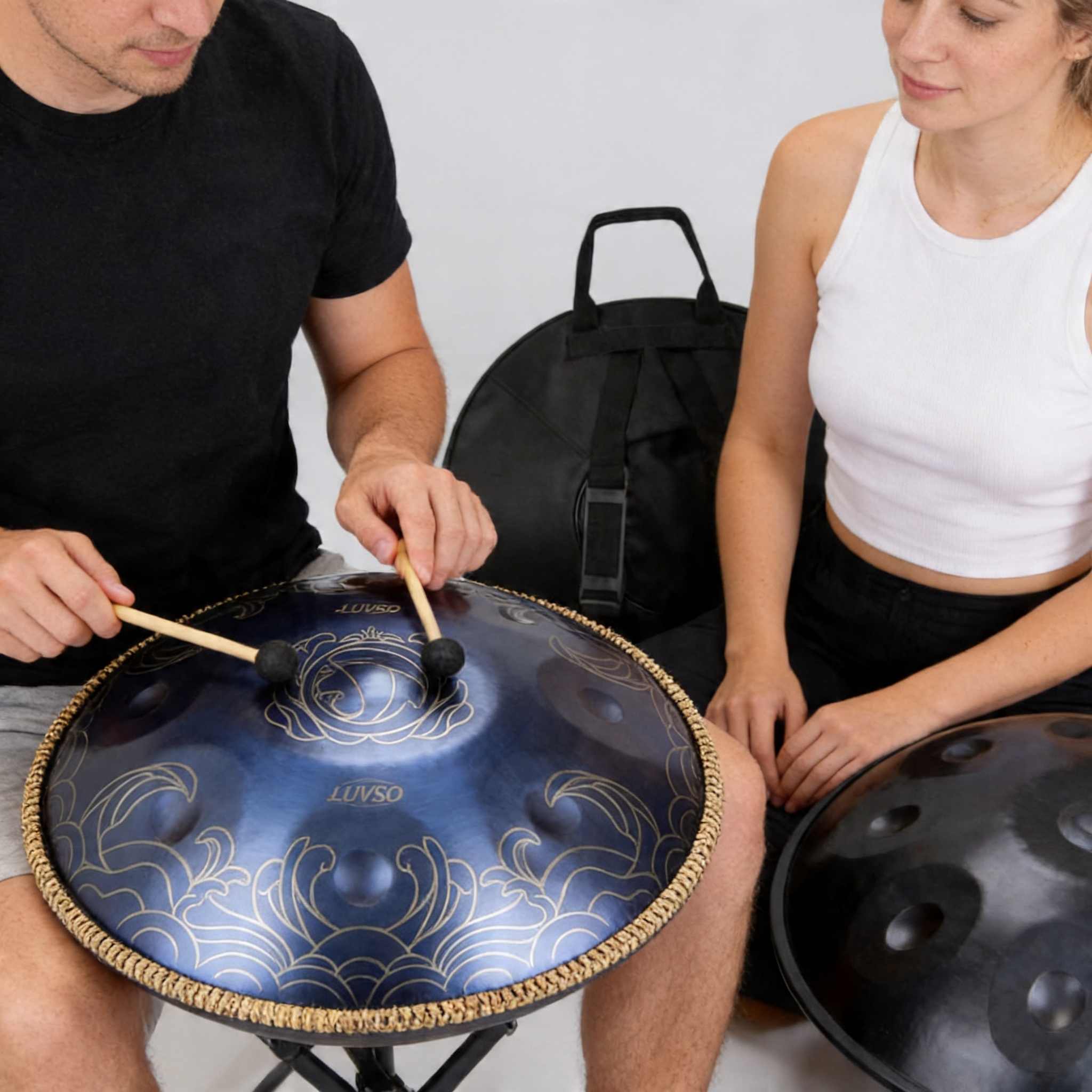
Choosing the right handpan scale is arguably the most critical decision a musician will make on their percussive journey. While the D minor scale has dominated the global market for years, an increasing number of players are searching for a voice that cuts through the mix, offering a slightly brighter, more uplifting resonance without losing its emotional depth. Enter the em handpan.

From our experience as industry practitioners and instrument crafters at CosmosHandpan, the E minor (Em) scale is a highly misunderstood masterpiece. Buyers often purchase scales blindly based on online videos, only to realize the instrument they bought doesn't harmonize with their vocal range or their other instruments. In this comprehensive guide, we are stripping away the marketing fluff. We will explain exactly what an em handpan is, how its acoustic physics work, whether it is actually worth buying, and how it compares to the industry standard.
Quick Answer: What is an Em Handpan?
An em handpan is a steel acoustic instrument tuned to the E minor scale (typically E Natural Minor, also known as E Aeolian). The central "Ding" (the lowest bass note) is tuned to the note E, typically E3, with the surrounding tone fields forming the E minor scale (E, F#, G, A, B, C, D). Because E minor is pitched a full whole-step higher than the traditional D minor handpan, an em handpan produces a brighter, more energetic, and faster-responding sound. It is the perfect scale for guitarists, vocalists, and sound healers looking for a slightly more uplifting, less melancholic resonance.
Table of Contents
- What is an Em Handpan?
- How It Works: Acoustics and Physics
- The Benefits of the E Minor Scale
- Limitations and Drawbacks
- Who Should Use It
- Who Does Not Need It
- Comparison Table: Em vs. Dm vs. C#m
- Common Mistakes Buyers Make
- Buying Considerations
- Expert Recommendation
- CosmosHandpan Product Highlight
- Frequently Asked Questions (FAQ)
What is an Em Handpan?
To understand the em handpan, we must look at basic music theory. The term "em" stands for E minor. In the handpan world, a scale name dictates the central bass note (the Ding) and the sequence of notes that circle the shell.
However, "E minor" is a broad category. When you shop for an em handpan, you are usually looking at specific cultural variations of the minor scale. The most popular variations include:
- E Kurd: (E) B C D E F# G A B. This is the complete E natural minor scale. It is highly versatile, offering both deep melancholy and bright resolution.
- E Amara (Celtic Minor): (E) B D E F# G A B. This scale omits the minor 6th (the C note), resulting in a more open, mystical, and suspended sound that is incredibly easy to improvise on.
- E Equinox: (E) G B C D E F# G. A more exotic, minor-sounding layout that focuses heavily on the tension between the notes.
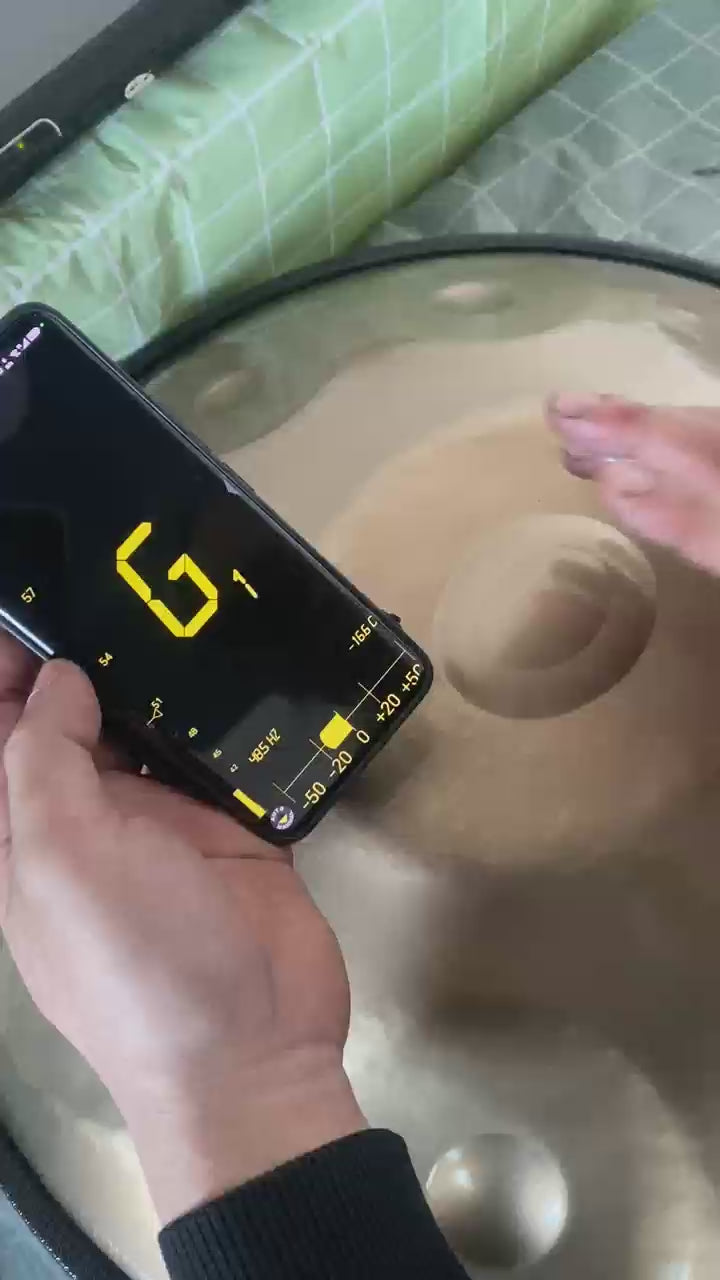
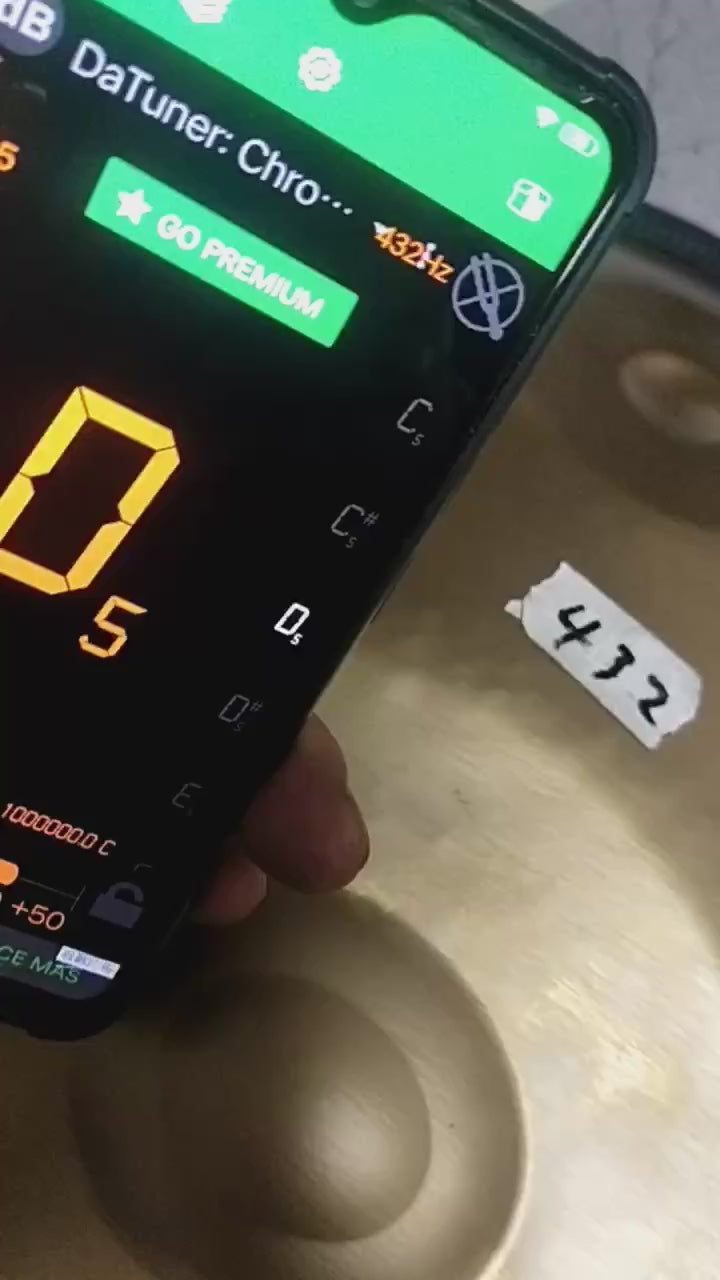
Regardless of the specific layout, an em handpan revolves around the root note of E. Because the E3 note has a frequency of roughly 164.81 Hz (in standard A=440Hz tuning), it sits higher in the auditory spectrum than a D3 (146.83 Hz) or a C#3 (138.59 Hz). For those interested in alternative frequency healing, many players choose to custom order their em handpan in 432 Hz. You can read more about this tuning philosophy in our 432 hz handpan guide.
How It Works: Acoustics and Physics

A handpan is an idiophone, meaning the entire physical body of the instrument vibrates to produce sound. In most professional situations, the physics of the steel dictate the instrument's character. Because an em handpan is pitched higher than a D minor, the physical tone fields (the dimpled circles on the steel) must be hammered slightly smaller.
Smaller tone fields mean the steel membrane has higher surface tension. In our testing, this higher tension fundamentally changes how the em handpan behaves under the hands:
- Faster Attack: The notes speak quicker when struck, making the em handpan excellent for fast, percussive playing styles.
- Controlled Sustain: The higher tension means the notes do not ring out and muddy together as much as they do on a lower-pitched C# or B minor pan. This creates excellent clarity.
- Harmonic Isolation: The overtones (the octave and compound fifth tuned into every single note) are incredibly crisp. If you want to understand how makers shape these harmonics, review our guide on how to tune a handpan.
The Benefits of the E Minor Scale
There are distinct, practical reasons to choose an em handpan over the default D minor.
First, it is the ultimate "guitarist's scale." Standard guitar tuning utilizes E as the lowest open string. If you want to jam with acoustic guitar players, an em handpan meshes flawlessly without requiring the guitarist to use a capo or play in awkward barre chord positions.
Second, E minor possesses a unique emotional duality. While D minor can sometimes feel overwhelmingly sad or cinematic, E minor feels more active, driving, and hopeful while retaining a mysterious edge. This makes it a powerful tool for wellness practitioners. To explore the psychological impact of these frequencies, we suggest reading about handpan music benefits.
Finally, for commercial users (like studio musicians or sound bath facilitators), the E minor scale cuts through a dense audio mix. If you are recording alongside synthesizers, singing bowls, or ambient drones, the slightly higher register of the em handpan ensures your melodies are heard clearly.
| Trait | Characteristic |
|---|---|
| Root Frequency (A=440Hz) | E3 (Approx. 164.81 Hz) |
| Emotional Vibe | Uplifting, energetic, mystical, slightly melancholic |
| Playing Style | Excellent for fast percussive styles and clear articulation |
| Instrument Pairing | Perfect for acoustic guitar, flutes, and mid-range vocals |
Limitations and Drawbacks
We believe in honest, commercial judgment. The em handpan is not for everyone. The most significant limitation is its lack of deep, rumbling bass. Because the central Ding is tuned to E3, you will not experience the chest-vibrating low-end frequencies found in a C#3 or B2 handpan.
Furthermore, the global handpan community defaults to D minor (specifically D Kurd). If your primary goal is to attend handpan festivals and jam seamlessly with strangers, showing up with an em handpan means you will be playing out of key with the majority of the room. You can still play together, but it requires advanced harmonic knowledge to make E minor work over a D minor drone.
| Pros (Benefits) | Cons (Limitations) |
|---|---|
| Bright, uplifting, and clear tone that cuts through a mix. | Lacks the deep, subwoofer-like bass resonance of lower scales. |
| Pairs perfectly with standard-tuned acoustic guitars. | Not the standard "jamming" scale at handpan gatherings (which use Dm). |
| Higher tension steel allows for faster, more percussive playing. | Smaller tone fields require slightly more precision to strike cleanly. |
| Excellent for adapting a wide variety of popular music. | Singers with very low vocal ranges may find the root note too high. |
Who Should Use It
For commercial users: Professional buskers, street performers, and studio musicians benefit greatly from the em handpan. The higher frequencies project better outdoors, cutting through street noise more effectively than a muddy bass scale. Furthermore, it is incredibly easy to adapt popular radio hits to this scale. You can view our handpan songs list to see how E minor dominates contemporary music.
For sound healers: Practitioners utilizing handpan therapy benefits often use the em handpan to elevate a client's mood. While deep scales ground the listener, E minor is traditionally used to energize the solar plexus and throat chakras, promoting clarity and outward expression.
Who Does Not Need It
For beginners: If you are a total novice whose sole goal is to follow along with the thousands of free YouTube handpan tutorials, we do not recommend an em handpan as your first instrument. 90% of online tutorials are recorded on a D Kurd handpan. While the fingering patterns remain the same, playing an em handpan alongside a Dm tutorial video will sound highly dissonant and confusing. Check out our handpan for beginners guide for more direction.
Additionally, if you want an instrument primarily for slow, deeply meditative, trance-like playing where the bass notes vibrate your physical body, skip the E minor and invest in a C# minor or B Celtic.
Comparison Table: Em vs. Dm vs. C#m
| Scale | Vibe & Emotion | Sustain Level | Best Use Case |
|---|---|---|---|
| E Minor (Em) | Bright, Driving, Mystical | Moderate / Controlled | Jamming with guitars, percussive playing, pop music |
| D Minor (Dm) | Melancholic, Balanced, Cinematic | Long | Standard tutorials, group handpan jams, extreme versatility |
| C# Minor (C#m) | Deep, Grounding, Trance-like | Very Long | Sound baths, slow meditation, deep relaxation |
Common Mistakes Buyers Make
The most common mistake buyers make is confusing the scale with the tuning frequency. We regularly receive inquiries from customers asking for an "E minor 432Hz handpan" because they believe 432Hz is a scale. To clarify: E minor is the scale (the relationship of the notes). 432Hz or 440Hz is the tuning standard (the baseline pitch). You can have an em handpan in either 440Hz or 432Hz.
Another mistake is ignoring the material. For heavy-duty applications (like outdoor busking in fluctuating temperatures), buyers often select an em handpan in nitrided steel. However, because E minor already has a faster attack, using nitrided steel can make the instrument sound too ceramic or "plinky." For an em handpan, we heavily favor high-quality stainless steel to artificially boost the sustain and give the higher notes a beautiful, glassy resonance.
Buying Considerations
Before purchasing, use this checklist to guide your investment:
| Consideration | What to Look For | Why it Matters |
|---|---|---|
| Material | Stainless Steel (1.0mm to 1.2mm) | Stainless steel provides a longer sustain, which perfectly balances the naturally fast attack of the higher-pitched E minor scale. |
| Number of Notes | 9 or 10 notes for beginners; 12+ (mutant) for pros. | More notes offer extended range but crowd the shell, potentially causing harmonic interference (crosstalk). |
| Bottom Notes | Are there notes on the bottom shell? | Adding lower bass notes (like A2 or B2) to the bottom of an em handpan compensates for its lack of deep bass on top. |
| Alternatives | Electronic alternatives. | If you can't decide on one scale, consider reviewing the digital handpan instruments that allow you to switch from Em to Dm instantly. |
Expert Recommendation
In our testing and years of crafting these instruments, we conclude that the em handpan is a spectacular secondary instrument for enthusiasts, or a perfect primary instrument for musicians who intend to play alongside acoustic stringed instruments. Its clarity, crisp overtones, and uplifting nature make it a joy to play.
However, if this is your very first handpan, and you want to ensure you have maximum access to online tutorials and can easily jam with other handpan players, we recommend the D minor scale as a safer initial investment. While the em handpan is fantastic for specific artistic needs, the industry-standard D minor offers unmatched versatility for a beginner.
Our Flagship Recommendation
If you decide that the classic, versatile, and deeply resonant D minor is the right path for your journey, we proudly present our flagship instrument. Crafted from high-hardness stainless steel, it provides the perfect balance of deep bass and singing sustain.
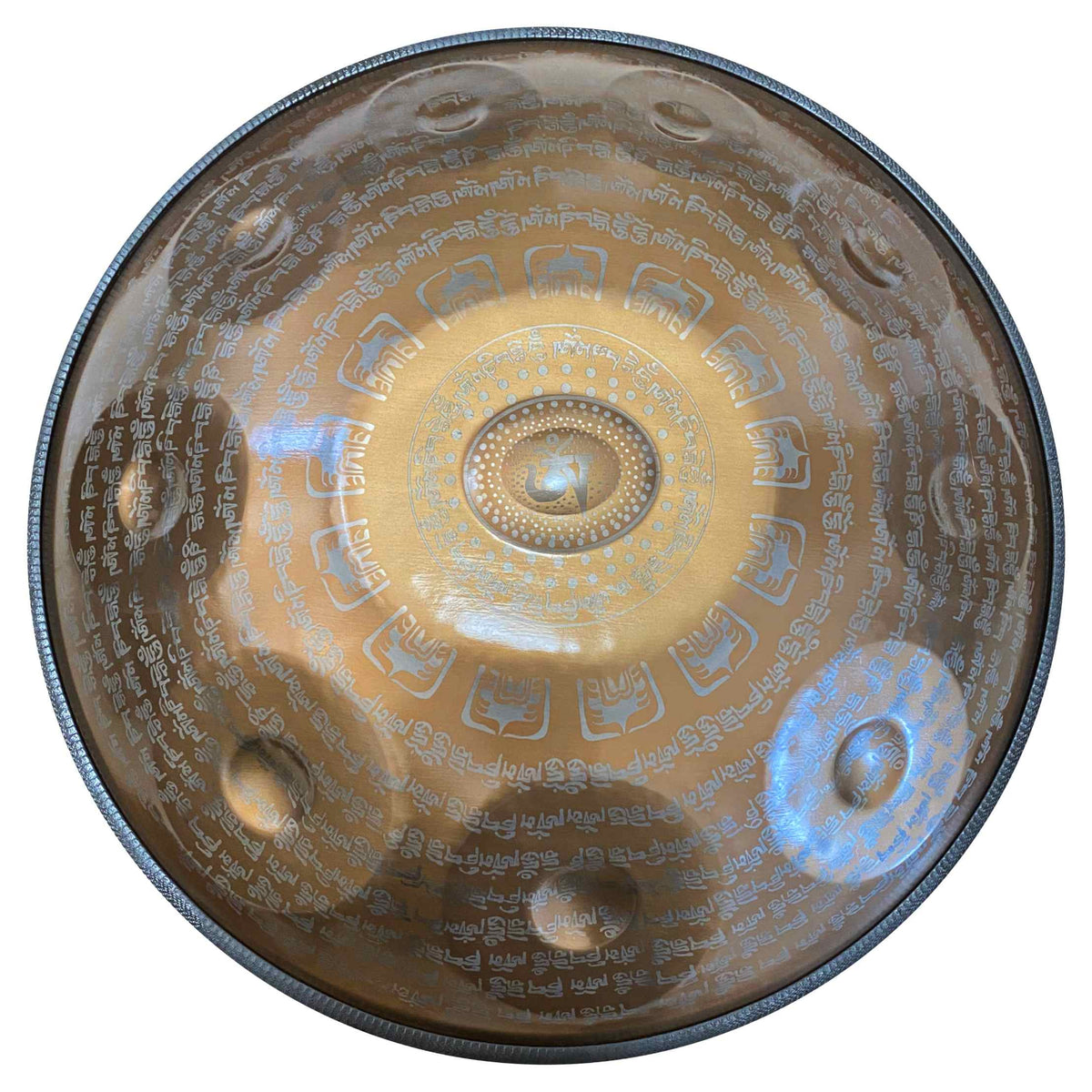
Cosmos Tantra Tibetan Handpan - 9/10/12 Notes Gift Set
Who it is for: Suitable for beginners and experienced players exploring meditation, sound practice, improvisation, and melodic percussion.
- Scale: D Minor (The ultimate industry standard for tutorials and group play)
- Note options: Choose 9 notes, 10 notes, 12 notes according to the melodic range you need.
- Material: High hardness stainless steel (1.07 mm) for exceptional weather resistance and sustain.
- Dimensions: Diameter: 22 in | Height: 10.2 in
Frequently Asked Questions (FAQ)
Is an Em handpan good for beginners?
While an Em handpan is physically just as easy to play as any other scale, it is not the most common recommendation for beginners. Most educational resources and online video tutorials are recorded using a D minor (D Kurd) handpan. Playing an E minor instrument along with a D minor tutorial will sound discordant, making learning by ear difficult.
What is the difference between E Kurd and E Amara?
Both are variations of the E minor scale. E Kurd is the full natural minor scale, featuring a half-step tension between the B and C notes, giving it a rich, complete sound. E Amara (also known as E Celtic) removes the 6th interval (the C note), creating a pentatonic-like, open, and dreamy sound that is incredibly easy to improvise with because there are no dissonant half-steps.
Does a stainless steel Em handpan sound better than nitrided?
Because the E minor scale is pitched higher, its notes naturally have a faster attack and shorter decay. Stainless steel inherently provides more sustain and a brighter, glassier resonance than nitrided steel. Therefore, pairing the Em scale with stainless steel creates a beautifully balanced instrument that rings out clearly.
Authoritative References
To further your understanding of handpan acoustics, music theory, and sonic therapy, we recommend exploring these reputable resources:
- UNSW Sydney - Music Acoustics: In-depth scientific analysis of how vibrating steel membranes and idiophones produce harmonic overtones.
- National Institutes of Health (NIH) - Music Therapy: Clinical studies on how specific musical frequencies and minor scales impact the human nervous system and reduce anxiety.
- MusicTheory.net: Comprehensive lessons on scale construction, helping you understand the exact interval differences between natural minor (Kurd) and hexatonic (Amara) scales.