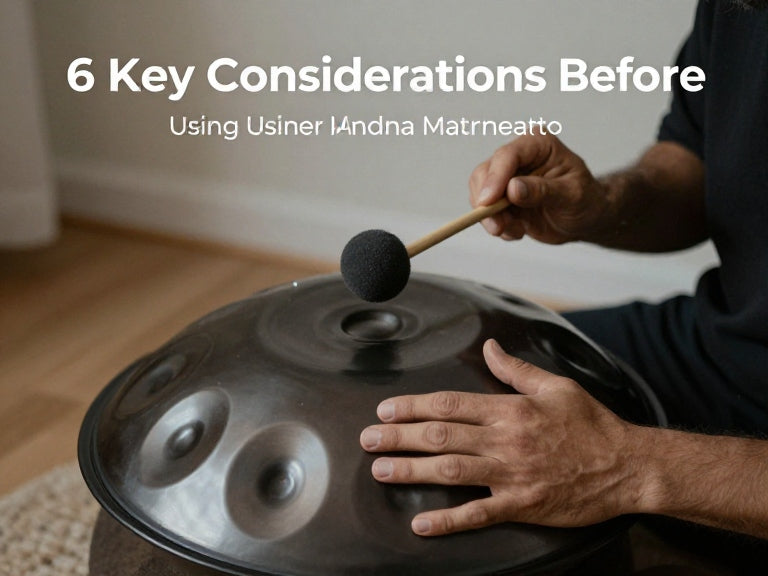
Handpan mallets can help you explore different textures, reach notes with less finger movement, and create a softer or more sustained sound. They can also make an otherwise responsive instrument sound harsh, uneven, or dull when the wrong mallet or technique is used. The difference is not simply the tool itself. It is how the mallet interacts with the handpan's carefully tuned playing surface.

Before using handpan mallets, you should understand six things: mallet material, head softness, weight, striking technique, instrument compatibility, and sound control. Our position is clear: mallets are worth trying as an additional playing tool, but they should not replace learning controlled hand technique. Choose a suitable pair, start gently, and let the instrument's natural resonance guide your playing.
Choose lightweight mallets with soft, non-abrasive heads designed for delicate percussion. Check that the head material will not damage the handpan's finish, use controlled strokes rather than forceful impacts, and test the sound at low volume before developing a rhythm. Avoid hard-headed, heavy, or improvised mallets unless the instrument maker specifically confirms they are suitable.
For beginners, the safest approach is to learn basic handpan touch first, then introduce mallets gradually. This develops better control over dynamics and helps you understand how your instrument responds.
Quick Answer: Using Handpan Mallets Safely and Effectively
| Consideration | What to look for | Why it matters |
|---|---|---|
| 1. Mallet head material | Soft, non-abrasive material suitable for delicate instruments | Reduces the risk of scratching or producing an overly sharp attack |
| 2. Weight and balance | Lightweight, comfortable mallets with controlled rebound | Helps prevent excessive impact and hand fatigue |
| 3. Striking technique | Gentle, controlled contact with consistent movement | Supports clean notes and protects the instrument |
| 4. Playing position | Appropriate contact area and stable instrument placement | Improves consistency and avoids accidental contact with sensitive areas |
| 5. Instrument compatibility | Manufacturer guidance for your handpan's material and finish | Different instruments may respond differently to mallet use |
| 6. Sound and musical purpose | A mallet tone that complements your intended style | Helps you decide whether mallets genuinely improve your playing |
Bottom line: Use mallets to expand your sound palette, not to play louder by hitting harder. A gentle touch and suitable mallet are more useful than extra force.
What Are Handpan Mallets?
Handpan mallets are handheld beaters used to strike the tuned tone fields of a handpan. Unlike ordinary drumsticks, which are often designed for stronger impacts on robust drumheads or hard surfaces, suitable handpan mallets are generally designed for controlled, delicate contact. Their head material, shape, and weight influence the attack, volume, and tonal character of each note.
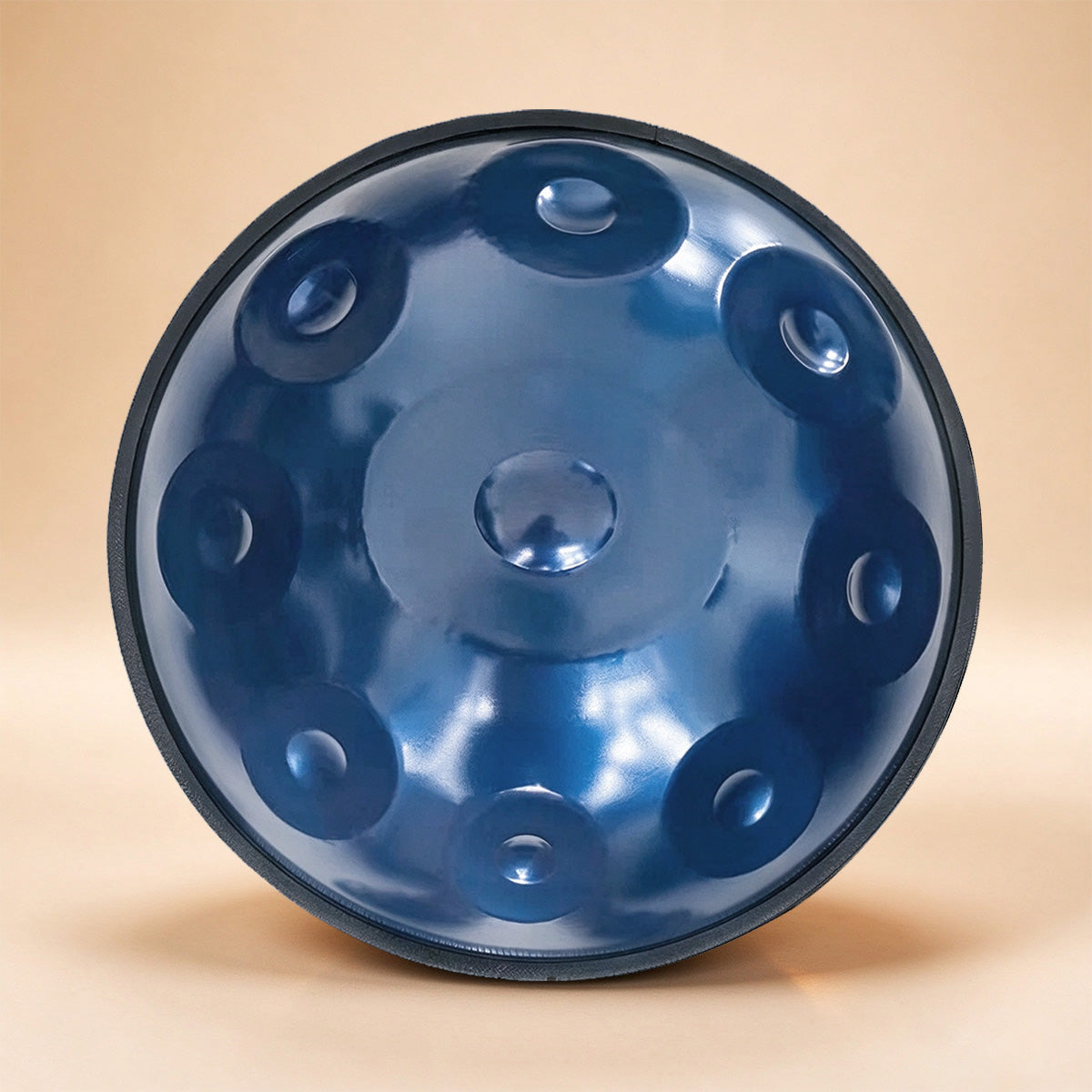
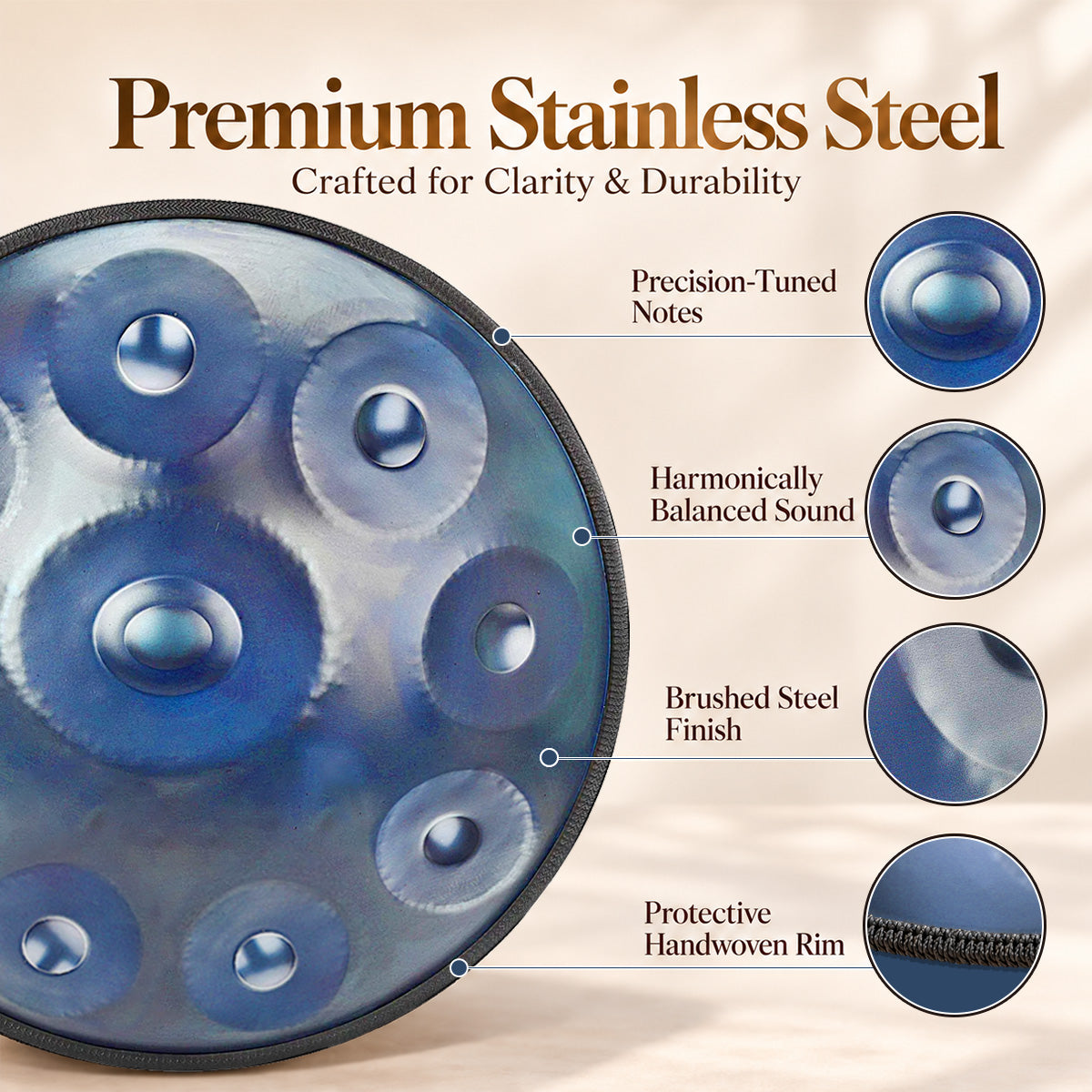
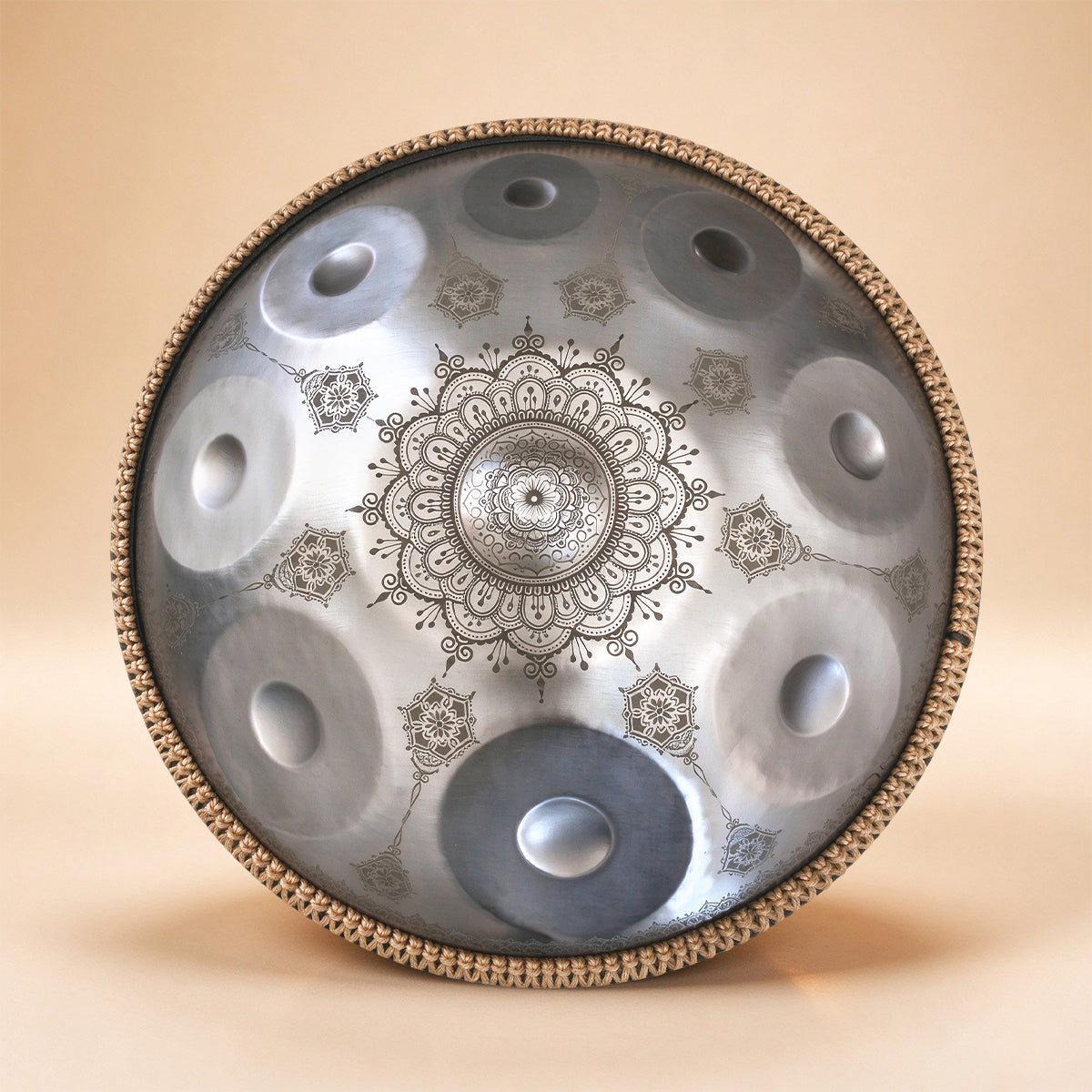
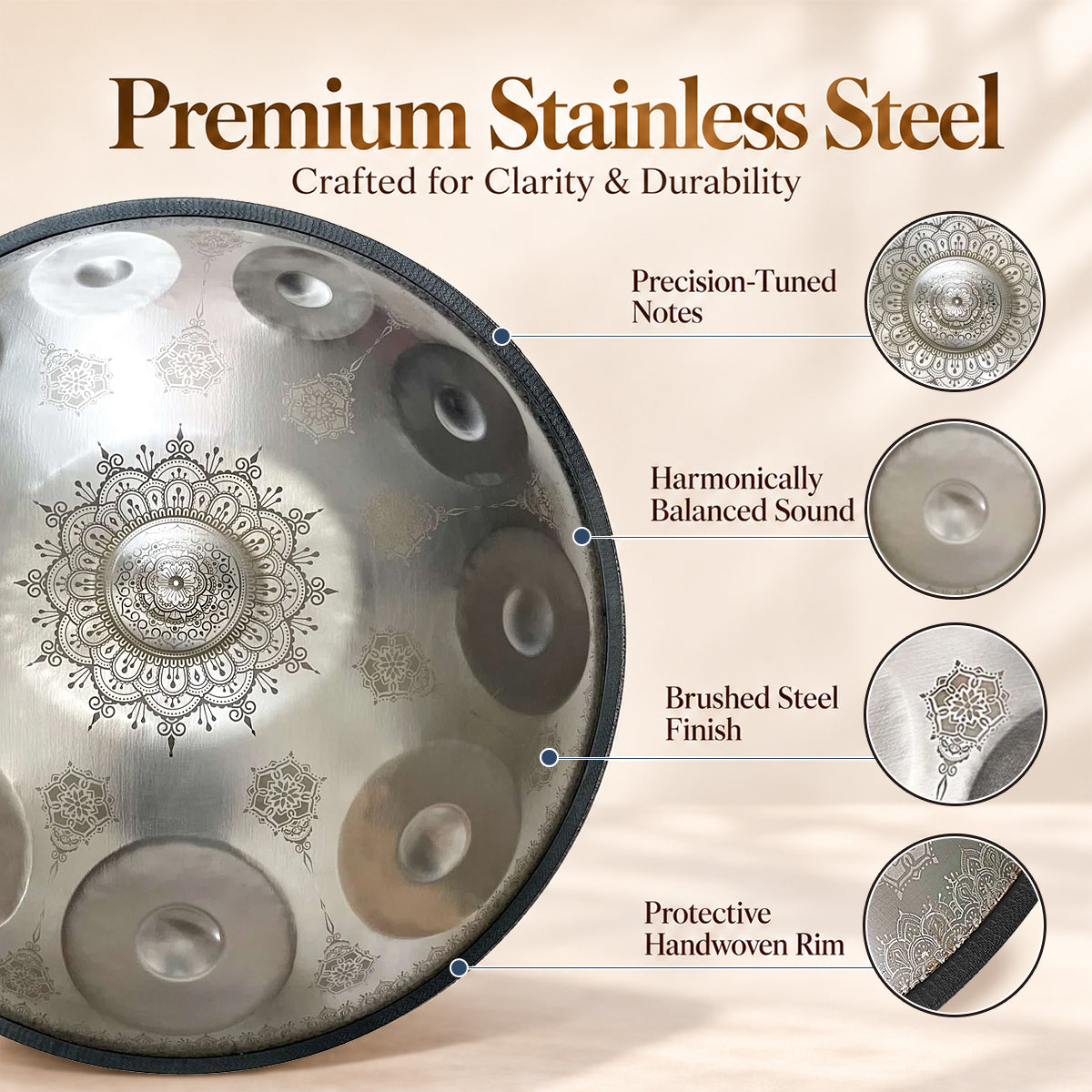
A handpan is a tuned steel percussion instrument with a central note and surrounding tone fields. Each tone field is carefully shaped and tuned to produce a fundamental pitch and related overtones. The instrument responds to the location, angle, and force of contact. That is why a mallet that works well on one percussion instrument may not be appropriate for a handpan.
Handpan mallets can be useful for players who want to experiment with repeated patterns, layered rhythms, gentle melodic phrases, or a different playing texture. They are also an option for people who find certain finger movements uncomfortable, although they should not be treated as a guaranteed solution for hand pain or an ergonomic substitute without considering the underlying issue.
What handpan mallets are designed to do
- Create a different attack and tonal texture from direct finger contact.
- Make certain repeated rhythmic patterns easier to perform.
- Allow experimentation with dynamics and note combinations.
- Offer another way to explore a handpan's melodic and percussive possibilities.
They are not designed to make every note louder, nor do they automatically improve musical expression. The player's control remains the deciding factor.
How Do Handpan Mallets Work?
When a mallet head contacts a handpan tone field, it transfers energy into the steel surface. The surface vibrates, producing the note and its associated overtones. The sound you hear depends on the instrument's tuning, the contact point, the mallet head, and the energy of the strike.
A softer head generally creates a more cushioned contact than a hard head. This can produce a less aggressive attack, depending on the mallet's construction and the instrument. A heavier mallet can transfer more energy with the same movement, but that does not mean it will produce a better sound. Excessive energy can make the note harsh and reduce the player's ability to control dynamics.
Unlike a conventional drum, a handpan is not intended to be struck with unrestricted force. Its tone fields are tuned areas of a resonant metal shell. A professional approach is to use the minimum force needed to produce a clear, balanced note.
What determines the sound?
- Head material: Influences the contact feel and initial attack.
- Head size: Changes the contact area and can affect articulation.
- Mallet weight: Influences momentum and how easily the player controls impact.
- Strike location: Affects the response of the tone field.
- Strike consistency: Determines whether repeated notes sound balanced.
There is no single mallet specification that is ideal for every handpan. If you are unsure, ask the maker or seller which mallet type is appropriate for your instrument.

1. Choose the Right Mallet Head Material and Softness
The head is the first part of the mallet that contacts your handpan, so its material deserves careful attention. We recommend starting with a soft, non-abrasive head specifically intended for delicate percussion or confirmed as suitable by your handpan manufacturer.
Hard contact materials can create a sharp attack and may increase the risk of damaging the instrument's surface. A material that feels soft in your hand is not automatically safe: the head's density, covering, seams, and construction all matter. Inspect the actual contact surface rather than relying on a product description that simply says "soft."
Soft heads for controlled playing
Soft mallet heads can provide a gentler contact and help players develop a controlled sound. They are often a sensible starting point for beginners because they encourage lighter playing and can produce a rounded attack. However, softness alone does not guarantee a good tone. An excessively soft or poorly shaped head may feel inconsistent or produce a muted response.
Avoid unsuitable hard or abrasive materials
Do not assume that ordinary wooden drumsticks, hard plastic beaters, metal tools, or improvised objects are safe for a handpan. Their contact surfaces may be too hard, uneven, or abrasive. Even if a single strike does not leave a visible mark, repeated impacts can create unnecessary wear or affect the finish.
What to inspect before buying
- Check whether the head is designed for delicate percussion instruments.
- Look for exposed hard components, rough seams, or loose coverings.
- Confirm that the head material is compatible with the maker's care recommendations.
- Choose a pair with consistent head size and construction.
2. Pay Attention to Mallet Weight, Length, and Balance
Weight is one of the easiest specifications to overlook when choosing handpan mallets. A pair may look comfortable but feel difficult to control after several minutes of playing. For most beginners, a lightweight, balanced design is a better starting point than a heavy mallet intended to generate more impact.
Heavier mallets carry more momentum. This can make it easier to produce a strong note, but it also makes it easier to strike harder than intended. If your timing is still developing, that extra momentum can create uneven volume and less precise note articulation.
Why lightweight mallets are usually better for beginners
Lightweight mallets are easier to guide through small movements. They allow players to experiment with gentle strokes, short rhythmic patterns, and changes in dynamics without relying on excessive force. They can also reduce fatigue during practice, although comfort depends on handle shape and grip as well as total weight.
Handle length and control
A longer handle may give your hand more clearance, but it can also increase leverage and make precise movement harder for some players. A shorter handle can feel more direct, although it may limit reach depending on your playing position. The right length is the one that lets you reach the intended contact area comfortably while maintaining control.
Check the pair, not just one mallet
If you intend to play with two mallets, make sure they feel reasonably consistent in weight and balance. A noticeably mismatched pair can make one hand produce stronger notes than the other. This is especially obvious when playing alternating patterns or repeated notes across different tone fields.
Before buying, consider how long you normally practice, whether you play seated or standing, and whether you need a compact set for travel. A comfortable pair that you can control consistently is more valuable than a heavier pair with impressive specifications.
3. Use Controlled Striking Technique Instead of Hitting Hard
The most common misconception about handpan mallets is that a stronger strike produces a better sound. In practice, forceful playing can make the instrument sound harsh and reduce your control over the music. A handpan is designed to respond to subtle contact. The goal is to activate the note cleanly, not to drive the mallet into the steel.
From our experience with handpan learning guidance, beginners often benefit from slowing down and concentrating on consistent contact. A clear, gentle note is a better foundation than a loud note produced with unnecessary force.
Start with low-impact practice
- Place the handpan securely on a suitable stand or stable playing support.
- Hold the mallet with a relaxed grip rather than squeezing the handle tightly.
- Begin with a gentle stroke on a suitable tone field, following the maker's guidance.
- Listen to the note's attack and sustain before increasing your playing speed.
- Repeat the same movement and compare the consistency of each note.
Keep your movement relaxed
A tense wrist and rigid grip can make it difficult to control the contact point. Keep your movement relaxed and avoid using large arm swings. The mallet should make controlled contact and rebound naturally rather than being pressed into the instrument.
Control volume through technique
Try to create different dynamics through small changes in movement and contact rather than dramatically increasing force. If the sound becomes harsh, stop and reassess the mallet, contact point, and technique. Do not keep striking harder in an attempt to make a note sound clearer.
For beginners who are still learning the instrument's layout, it is useful to study a handpan notes chart before experimenting with more complex patterns. Knowing the location and musical role of each note makes practice more deliberate.
4. Check Your Playing Position and Contact Area
Even a suitable mallet can produce inconsistent results if the instrument is unstable or your contact point changes from one stroke to the next. Handpan playing position affects reach, visibility, wrist movement, and the angle at which the mallet approaches each tone field.
Before practicing with mallets, position the handpan securely. A suitable stand can help keep the instrument at a comfortable height and reduce unnecessary movement. Avoid placing the instrument on an unstable surface where it can shift during repeated strokes.
Use a consistent approach to each tone field
Different notes occupy different positions around the instrument. A player who reaches across the shell at an awkward angle may find it harder to maintain a consistent stroke. Adjust your seating or standing position so your hands can reach the intended areas without excessive twisting.
Do not strike indiscriminately
Do not treat every part of the handpan as an interchangeable striking surface. The tone fields are tuned areas, and the instrument's maker may provide specific guidance about appropriate contact zones. Avoid striking the rim, shell edges, or areas that are not intended for playing unless the manufacturer explicitly instructs otherwise.
Use a stand that supports stable playing
A stand is not merely an accessory for presentation. It can help keep the instrument in a repeatable position, especially when practicing with two mallets. If you are buying a handpan and mallet set, check whether a suitable stand is included and whether its dimensions fit your instrument.
For more information about instrument dimensions and setup, read our guide to standard handpan size. The physical dimensions can influence how comfortably you position and reach the instrument.
5. Confirm Mallet Compatibility and Look After Your Handpan
Handpans are precision-tuned instruments. Their sound depends on the shape and tuning of the steel tone fields, so care should be taken when introducing any tool that makes repeated contact with the surface. Not all instruments have identical construction, finishes, or manufacturer recommendations.
Before using handpan mallets, check the guidance supplied with your instrument. If the maker recommends finger playing only, or specifies a particular mallet type, follow that advice. Do not assume that a mallet included with another handpan is suitable for yours.
Check the instrument's finish and condition
Inspect the playing surface before and after your first mallet session. Look for scratches, marks, loose material from the mallet head, or changes in the appearance of the finish. If you notice unusual marks or hear a sudden change in a note, stop using the mallets and contact the maker or a qualified handpan technician.
Keep the mallets clean
Dust, grit, and small particles can become trapped in a mallet head or covering. Wipe the contact surface as recommended by its manufacturer and store the pair in a clean, dry place. Do not use a mallet with a damaged covering, exposed hard core, or loose parts.
Protect the instrument between sessions
Use a suitable protective bag or case when transporting the handpan. Keep it away from unnecessary impacts, moisture, and extreme environmental conditions. Follow the maker's cleaning and storage instructions rather than applying household cleaners or abrasive materials.
If you discover that a handpan has become noticeably out of tune, do not attempt to correct it by hitting the notes harder or repeatedly testing them with different mallets. Read our guide on how to tune a handpan and consult a qualified tuner when professional adjustment is needed.
6. Decide Whether Mallets Suit Your Sound and Playing Style
Handpan mallets are not automatically an upgrade. They are a different way to interact with the instrument, and their value depends on the music you want to create. Some players enjoy the distinct attack and rhythmic possibilities. Others prefer the subtle articulation and direct tactile feedback of finger playing.
When handpan mallets are worth using
- Rhythmic experimentation: You want to explore repeated patterns and alternating strokes.
- Sound variation: You want a different attack from your usual finger technique.
- Small performances: You want to add another texture to selected passages, provided the venue and instrument setup are suitable.
- Personal exploration: You enjoy experimenting with different ways to produce sound and are willing to practice control.
When finger playing may be the better choice
Finger playing remains the most direct way to develop nuanced handpan technique. It offers tactile feedback and allows players to use different parts of the fingers and hands to shape articulation. If your main goal is expressive melodic playing, learning controlled finger technique should remain a priority.
For beginners, mallets can be interesting, but they should not become a shortcut around understanding the instrument's notes, resonance, and dynamics. Learn the basic layout first, then introduce mallets as an additional option.
Match the handpan layout to your musical goals
The number and arrangement of notes affect what you can play, regardless of whether you use fingers or mallets. A smaller note layout may be easier to navigate when starting out, while a larger layout can offer more melodic possibilities for experienced players.
If you are deciding which instrument to buy, our article on how many notes a handpan should have explains the trade-offs. You can also explore the differences between understanding handpan notes and choosing an instrument that suits your current skill level.
Handpan Mallets vs. Finger Playing: Which Is Better?
Neither approach is universally better. Finger playing is the stronger foundation for most handpan students, while mallets can add another texture and offer different rhythmic options. The practical decision is whether the sound and playing experience you gain justify introducing another technique.
| Factor | Handpan mallets | Finger playing | Our recommendation |
|---|---|---|---|
| Sound character | Can create a distinct, more percussive attack depending on the head | Direct contact offers nuanced articulation | Choose according to the sound you want |
| Learning curve | Requires control of grip, rebound, and contact | Requires coordination, touch, and hand technique | Learn basic finger technique first |
| Dynamic control | Depends heavily on mallet weight and stroke consistency | Allows detailed control through finger movement | Finger playing is usually the better foundation |
| Rhythmic patterns | Can be useful for repeated alternating strokes | Flexible, but patterns require developed coordination | Try both and compare comfort |
| Instrument contact | Requires careful selection of head material and force | Direct skin contact when played correctly | Follow the instrument maker's guidance |
| Portability | Requires carrying and storing an extra pair | No additional playing tool required | Finger playing is simpler for travel |
| Best suited to | Players seeking alternative textures and rhythmic approaches | Beginners and players developing expressive technique | Use mallets as a complement, not a replacement |
Our advice is to avoid treating mallets and finger playing as competing methods. A player can develop both, but the instrument's safety and the quality of the sound should guide how and when each technique is used.
Pros and Cons of Using Handpan Mallets
Before buying a pair, weigh the musical benefits against the extra technique and care they require. Mallets can be a worthwhile accessory, but they are not essential for every handpan owner.
| Pros | Cons |
|---|---|
| Offer a different sound texture from finger playing. | Unsuitable materials or excessive force may damage the finish or instrument. |
| Can make certain repeated rhythmic patterns easier to explore. | Require practice to control rebound, volume, and contact consistency. |
| Provide another way to experiment with musical expression. | May produce a less nuanced result than skilled finger technique for some passages. |
| Can be useful as an additional tool in selected performance settings. | Add another accessory to carry, store, and maintain. |
| Allow players to explore different attacks and dynamics. | Not every handpan maker recommends every type of mallet. |
Our verdict: Handpan mallets are worth considering if you have a clear musical reason to use them and can confirm that the pair is suitable for your instrument. If you are still learning basic notes and touch, spend your time developing technique before investing in several mallet types.
How to Choose the Right Handpan Mallets
Buying handpan mallets should be a straightforward decision if you focus on compatibility, control, and intended use. You do not need a large collection to begin. A suitable, well-made pair is usually a more sensible starting point than buying multiple styles before understanding how they sound on your instrument.
Use this buying checklist
- Compatibility: Has the handpan maker confirmed that this mallet type is suitable?
- Head material: Is the contact surface soft, clean, and non-abrasive?
- Weight: Can you control the mallet without using excessive force?
- Balance: Does it feel comfortable during repeated strokes?
- Construction: Is the head securely attached, with no exposed hard parts?
- Pair consistency: Do both mallets have similar weight and feel?
- Storage: Can you keep the pair clean and protected between sessions?
- Included accessories: Does the set provide a suitable stand or protective bag?
Should beginners buy a handpan mallet set?
For beginners, a set that includes a compatible pair of mallets can be convenient, particularly if you want to experiment from the beginning. However, do not choose a handpan solely because mallets are included. The scale, note layout, sound quality, build, and seller support should come first.
A beginner-friendly instrument with a familiar scale and manageable note layout is often a better first purchase than a complex instrument with more notes than you can comfortably use. Explore the Cosmos Handpan beginner collection if you are comparing entry-level options.
Should experienced players upgrade their mallets?
Experienced players should upgrade only when the current pair limits a specific technique or produces a sound they do not want. A more expensive mallet is not automatically better. Compare head material, weight, rebound, balance, and compatibility with your instrument. If the current pair is comfortable and produces the desired tone, there may be little reason to replace it.
Players looking for more note combinations can also compare mid-level handpan options or explore quality handpan models when considering a longer-term instrument upgrade.
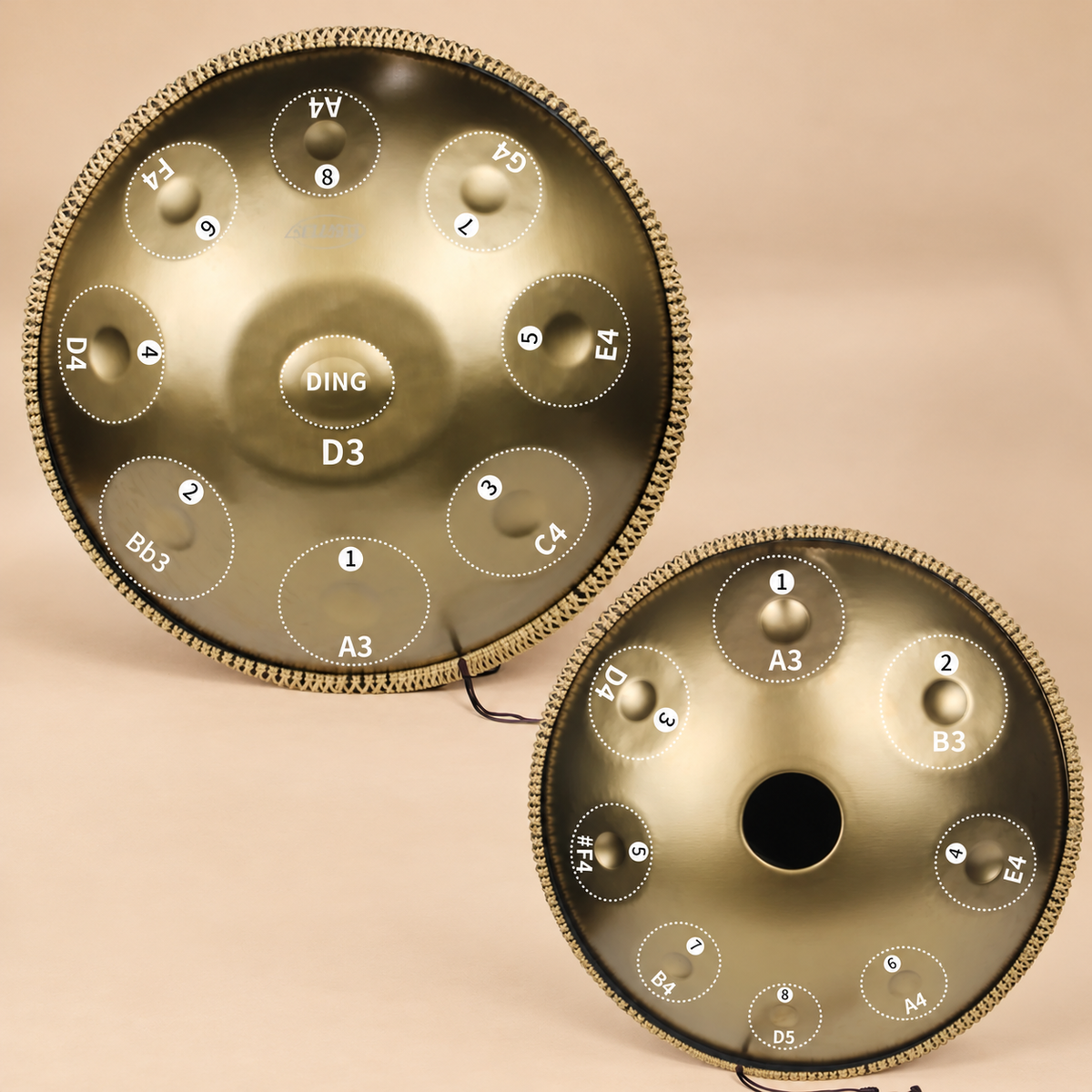
A Beginner-Friendly Option: Cosmos Handpan Golden Elegance 9 Notes D Minor Gift Set
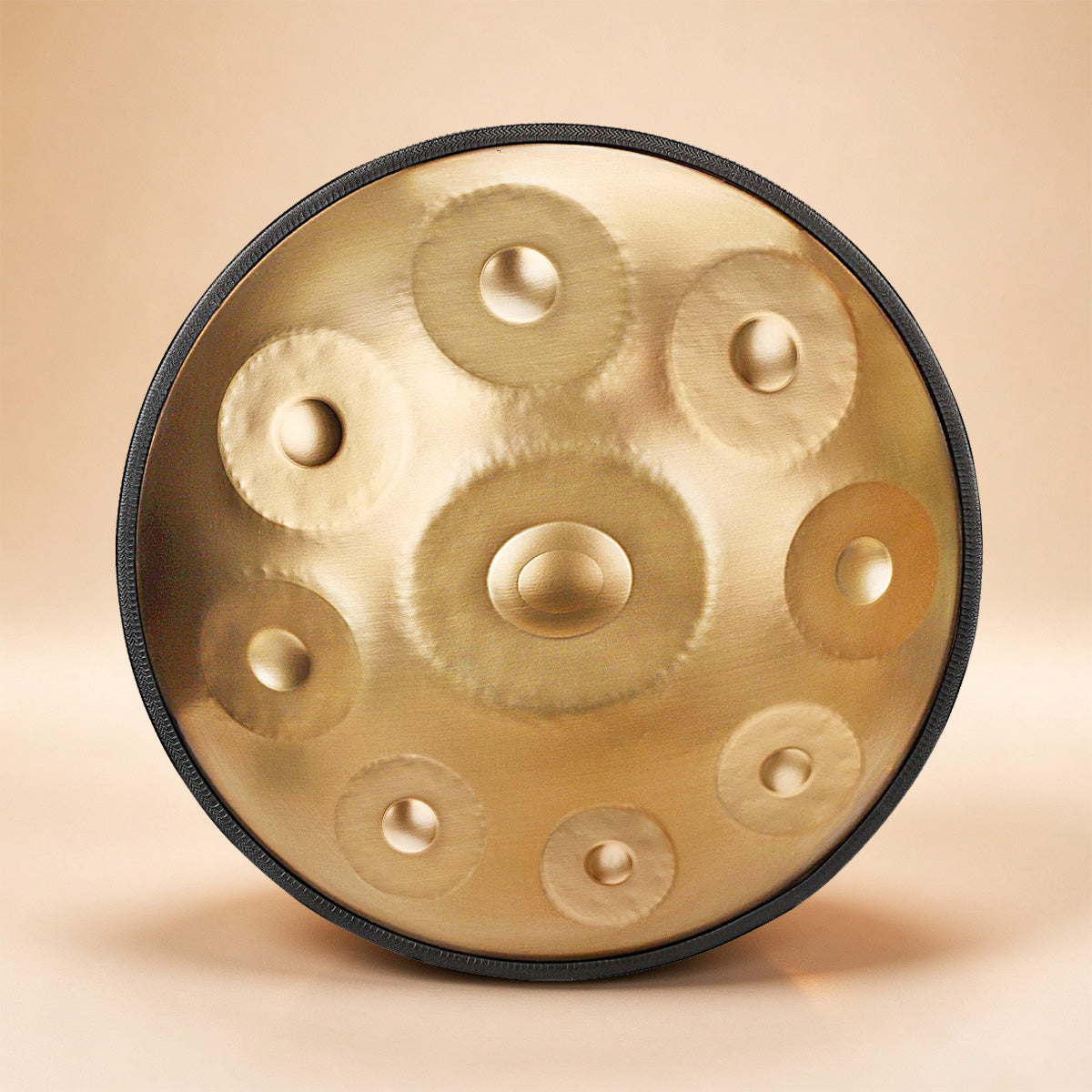
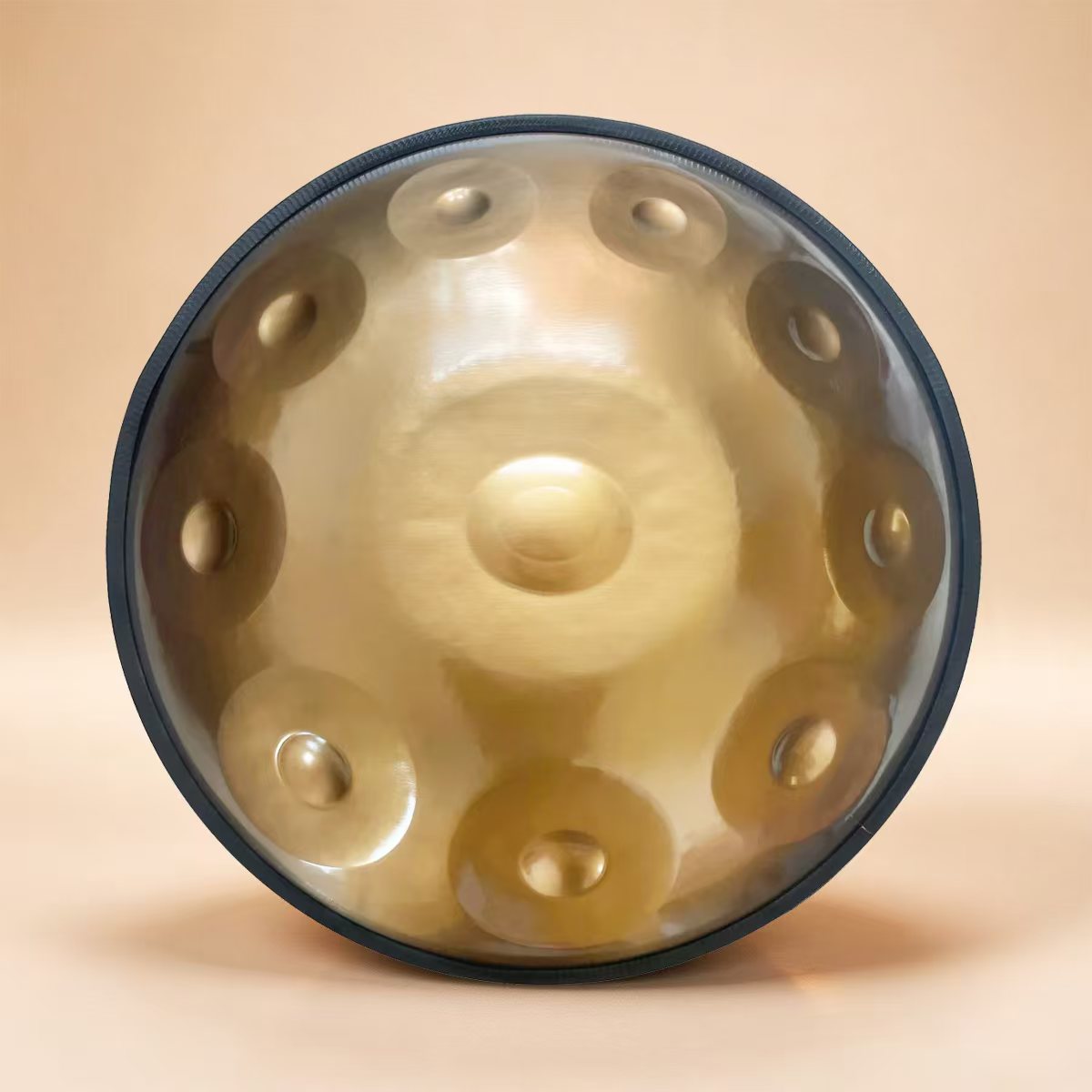
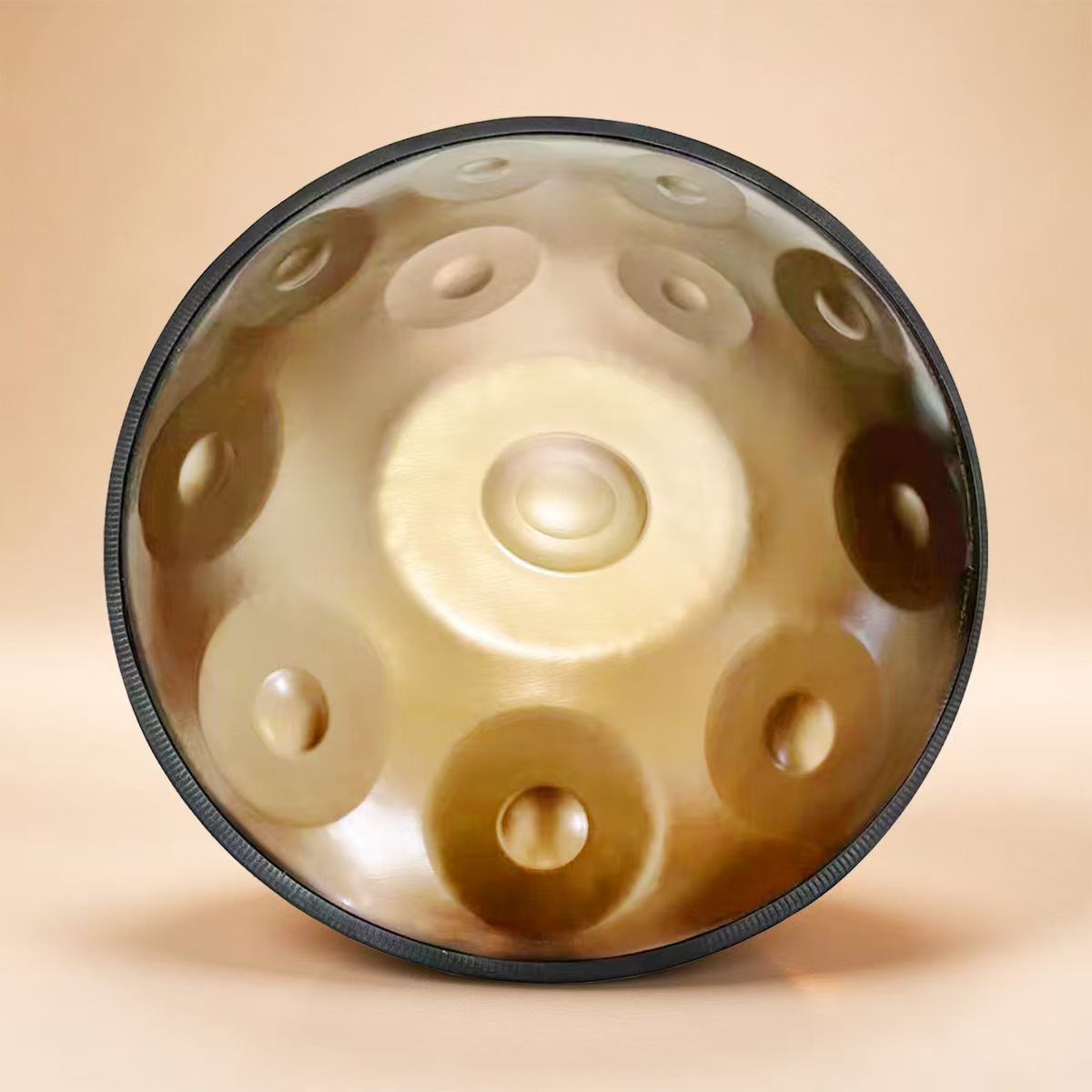
If you are buying your first handpan and want to explore mallet playing without sourcing every accessory separately, a gift set can be a convenient option. The Cosmos Handpan Golden Elegance 9 Notes D Minor Gift Set is designed around an accessible D Minor layout and includes a pair of mallets alongside useful accessories.

Cosmos Handpan Golden Elegance – 9 Notes D Minor Gift Set
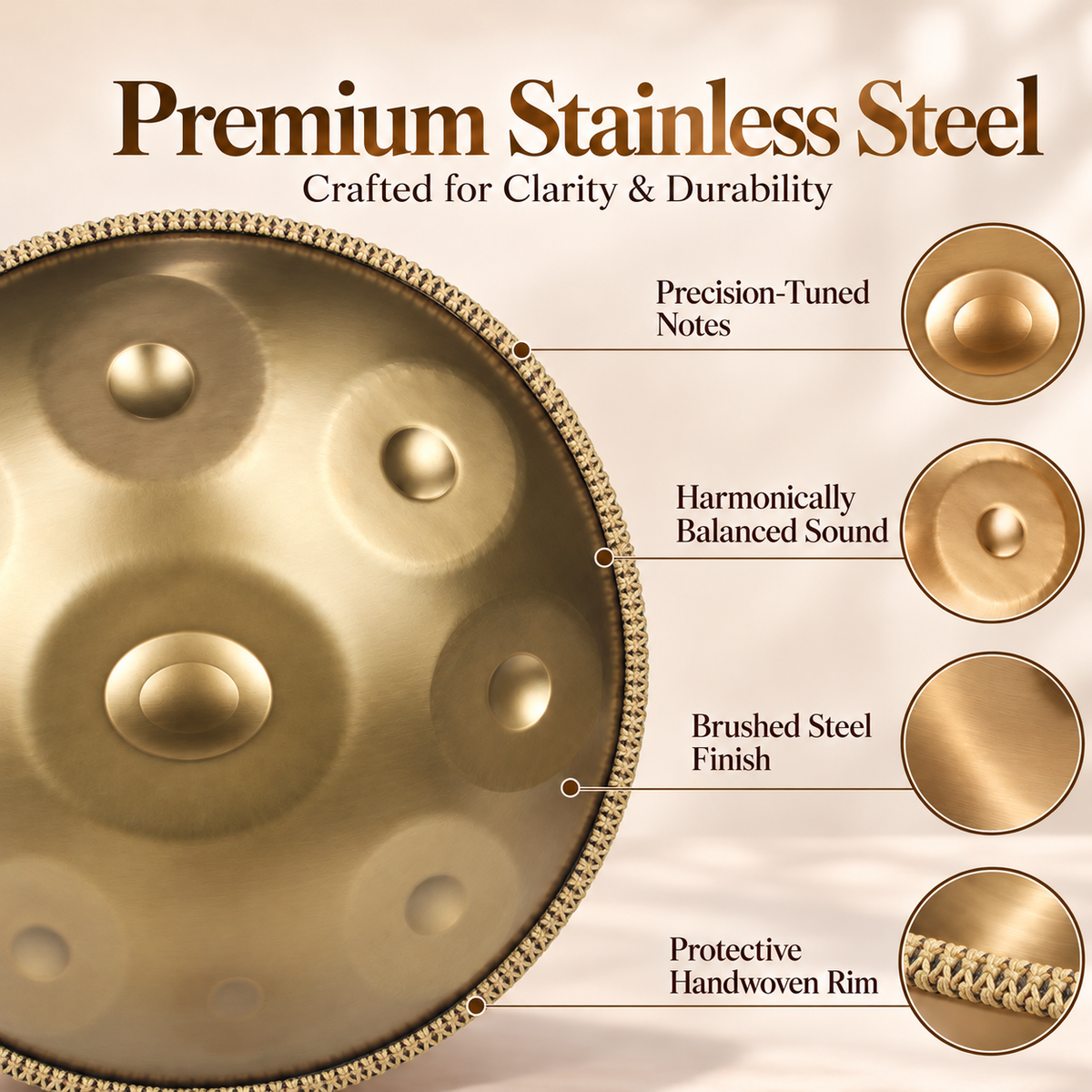
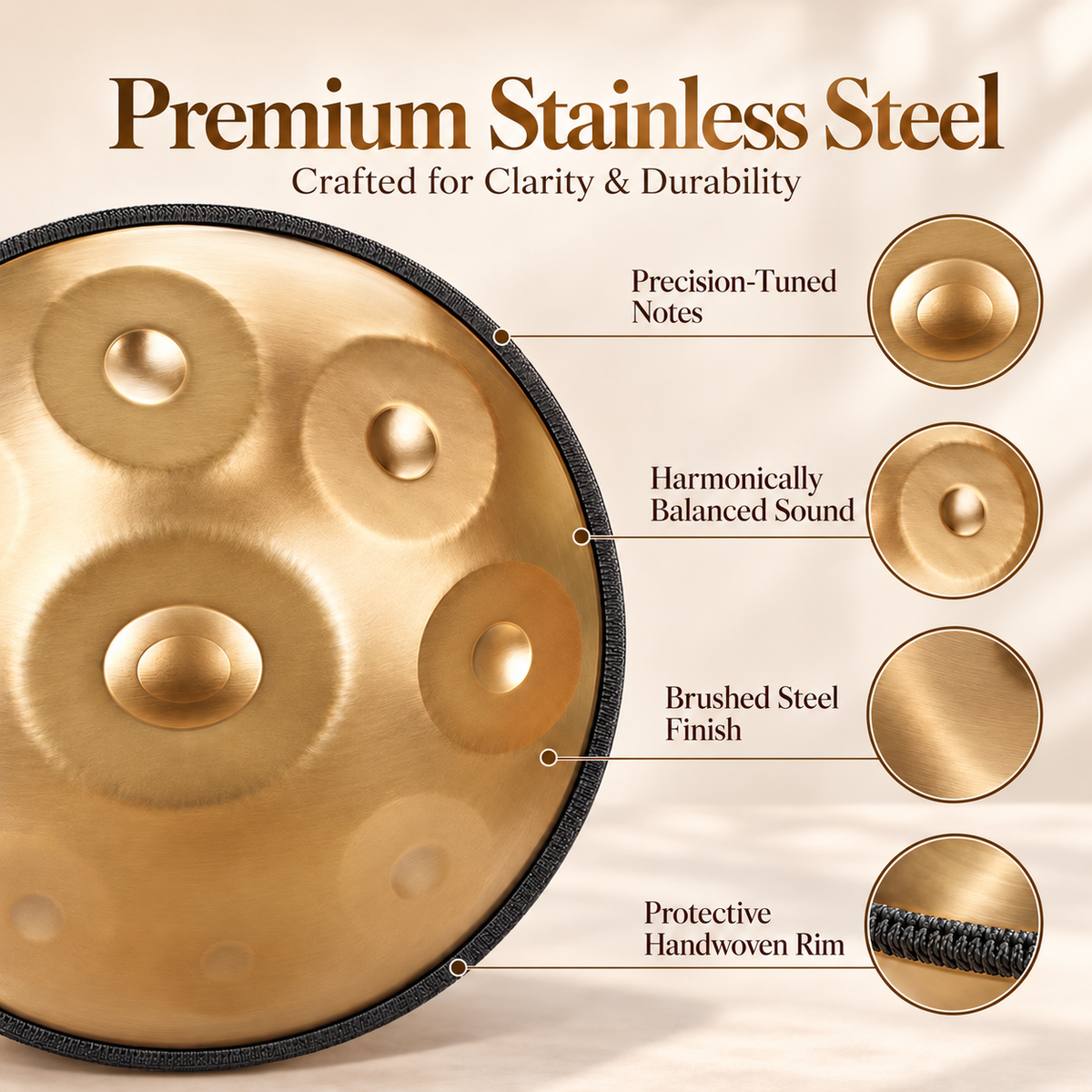
The Golden Elegance 9-note handpan features a D Minor layout intended to make early improvisation approachable. Its clear sustain and smooth, calming tone suit personal practice, meditation, relaxation, and small performances.
Scale: D Minor, 9 notes
Tuning options: 432Hz or 440Hz
Included accessories: Protective carry bag, handpan stand, pair of mallets, and cleaning cloth.
View Golden Elegance Gift SetWhy this set is worth considering
The main advantage is convenience. A beginner receives a handpan and several practical accessories in one package, rather than having to source a stand, carry bag, cleaning cloth, and mallets separately. The D Minor 9-note layout also gives new players a defined musical starting point.
The included mallets make it possible to explore an alternative playing method, but you should still follow the product's care instructions and use gentle, controlled strokes. Do not assume that having mallets in a gift set means every striking technique is appropriate. Start carefully and contact Cosmos Handpan if you need confirmation about the recommended way to use them.
Who should choose this handpan?
- First-time buyers who want a beginner-friendly D Minor instrument.
- Players interested in meditation, relaxation, and informal improvisation.
- Buyers who prefer a gift set with several useful accessories included.
- New players who want to explore both finger playing and suitable mallet techniques.
Who may need something different? Experienced performers who need a wider note range or a specific scale should compare more advanced instruments before purchasing. A 9-note handpan is a practical starting point, but it may not provide every musical option required for complex arrangements.
If you are considering a larger instrument, compare the Cosmos Handpan 17-note Double-Sided D Minor model and assess whether the additional notes genuinely support your playing goals.
Common Mistakes to Avoid When Using Handpan Mallets
1. Using ordinary drumsticks without checking compatibility
Not every percussion beater is suitable for a handpan. Hard or abrasive contact surfaces may damage the finish or create an unpleasant attack. Choose a purpose-suitable mallet and confirm compatibility with the maker.
2. Striking too hard to make the note louder
Excessive force can produce a harsh sound and reduce control. Start gently and work on consistent strokes. If a note does not respond as expected, reassess your contact point and technique instead of increasing impact.
3. Assuming softer always means safer
A soft covering does not guarantee that the complete mallet is appropriate. The head may contain a hard core, rough seam, or exposed component. Inspect the whole contact surface and check the manufacturer's recommendation.
4. Practicing before securing the handpan
An unstable instrument can shift during playing and make accurate contact difficult. Use a suitable stand or stable support, and position the instrument so you can reach the notes comfortably.
5. Ignoring the difference between notes and tone fields
Handpan tone fields have specific locations and tuned responses. Random striking makes it harder to develop a consistent musical pattern. Study the note layout and practice simple sequences before attempting complex rhythms.
6. Buying mallets before choosing the instrument
Different handpans may have different maker recommendations. Choose the instrument first, then confirm which mallets are suitable. This is a more reliable approach than buying a generic pair and hoping it works with every handpan.
7. Neglecting cleaning and storage
Dirty or damaged mallet heads can transfer grit to the instrument. Keep the contact surfaces clean, replace worn or damaged mallets, and store the handpan in its protective bag when not in use.
Our Expert Recommendation: Should You Use Handpan Mallets?
We recommend handpan mallets as an optional extension of your playing, not as a replacement for learning the instrument properly. Their value comes from the additional textures and rhythmic possibilities they offer. They are worth buying when you have a clear musical purpose, the correct mallet type, and a technique that keeps impact under control.
For beginners
Start with the instrument's note layout and basic finger technique. If your handpan comes with a suitable pair of mallets, experiment gently after you understand how the tone fields respond. Do not rush into fast patterns or forceful playing.
For regular players
Use mallets when you want a different attack, a repeated rhythmic pattern, or a new arrangement. Compare the result with finger playing and keep the approach that produces the best musical expression. You do not need to use mallets in every piece.
For performers and experienced musicians
Test the mallets in the actual performance setting before relying on them. Room acoustics, microphone placement, amplification, and playing distance can change how the attack is heard. A sound that works in a quiet practice room may be too sharp or prominent in a performance space.
Final buying advice
Before purchasing, prioritize head safety, lightweight control, balanced construction, and manufacturer compatibility. If you are buying a complete instrument package, assess the handpan itself first: scale, note layout, tuning, sound, and build quality matter more than the number of accessories in the box.
Cosmos Handpan offers options for beginners as well as players considering larger note layouts. Choose the instrument that matches your current ability and musical goals, then use mallets carefully to expand what you can do with it.
Frequently Asked Questions About Using Handpan Mallets
1. Can you use mallets on a handpan?
Yes, handpan mallets can be used when they are suitable for the instrument and the maker permits their use. Choose a soft, non-abrasive contact head and use gentle, controlled strokes. Avoid ordinary hard drumsticks or improvised beaters unless the manufacturer confirms they are appropriate.
2. Are handpan mallets better than playing with your fingers?
Neither method is universally better. Finger playing offers direct tactile feedback and detailed articulation, making it an excellent foundation for beginners. Mallets can add a different attack and rhythmic possibilities. We recommend learning finger technique first and using mallets as an additional tool.
3. What type of mallet is best for a handpan?
Look for a lightweight mallet with a soft, non-abrasive head and balanced construction. The best choice depends on the handpan's material, finish, and manufacturer recommendations. Confirm compatibility before using a new pair.
4. Can hard mallets damage a handpan?
Hard or abrasive mallets may scratch or damage the surface and can produce an overly sharp attack. Repeated excessive impacts are also undesirable for a precision-tuned instrument. Use only mallets approved or recommended for your handpan.
5. Should beginners use handpan mallets?
Beginners can experiment with suitable mallets, especially when they are included in a compatible gift set. However, learning the note layout and basic finger technique first is a better foundation. Start with slow, gentle strokes and focus on consistent sound.
6. Do handpan mallets make the instrument louder?
They can change the attack and perceived volume, but louder is not necessarily better. The result depends on the mallet's weight and head material, the contact point, and the player's technique. Excessive force can create a harsh sound rather than a more musical one.
7. Can I use regular drumsticks on a handpan?
Do not assume regular drumsticks are suitable. Many have hard contact surfaces designed for other percussion instruments. Use a mallet specifically intended for delicate instruments or one that the handpan maker has confirmed is compatible.
8. Do I need two handpan mallets?
A pair is useful if you want to explore alternating strokes or two-handed rhythmic patterns. However, one mallet may be sufficient for specific musical experiments. Choose the number based on your intended technique rather than assuming that two are always necessary.
9. How should I clean handpan mallets?
Follow the mallet manufacturer's care instructions. Keep the head free of dust and grit, inspect it for worn coverings or exposed hard components, and store it in a clean, dry place. Do not use a damaged mallet on the handpan.
10. Can using mallets affect handpan tuning?
Improper or excessively forceful impacts may damage a handpan or affect its tuned structure. Use suitable mallets with a controlled touch and stop if you notice an unusual change in sound. For tuning concerns, consult the instrument maker or a qualified handpan tuner rather than attempting to correct the note yourself.
References
These resources provide relevant background on percussion technique, instrument care, and safe handling. For instrument-specific mallet compatibility, the handpan maker's guidance should take priority.
- NAMM – The National Association of Music Merchants. Industry resources covering musical instruments, instrument selection, and music-making education.
- Encyclopaedia Britannica – Percussion Instruments. Background on percussion instruments and sound production through impact and vibration.
- ISO 12100 – Safety of Machinery: Risk Assessment and Risk Reduction. A general reference for structured risk assessment principles; it is not a handpan-specific playing or maintenance standard.
Handpan construction and care recommendations vary by maker. Always follow the instructions supplied with your instrument and contact the manufacturer if you are uncertain whether a particular mallet is suitable.