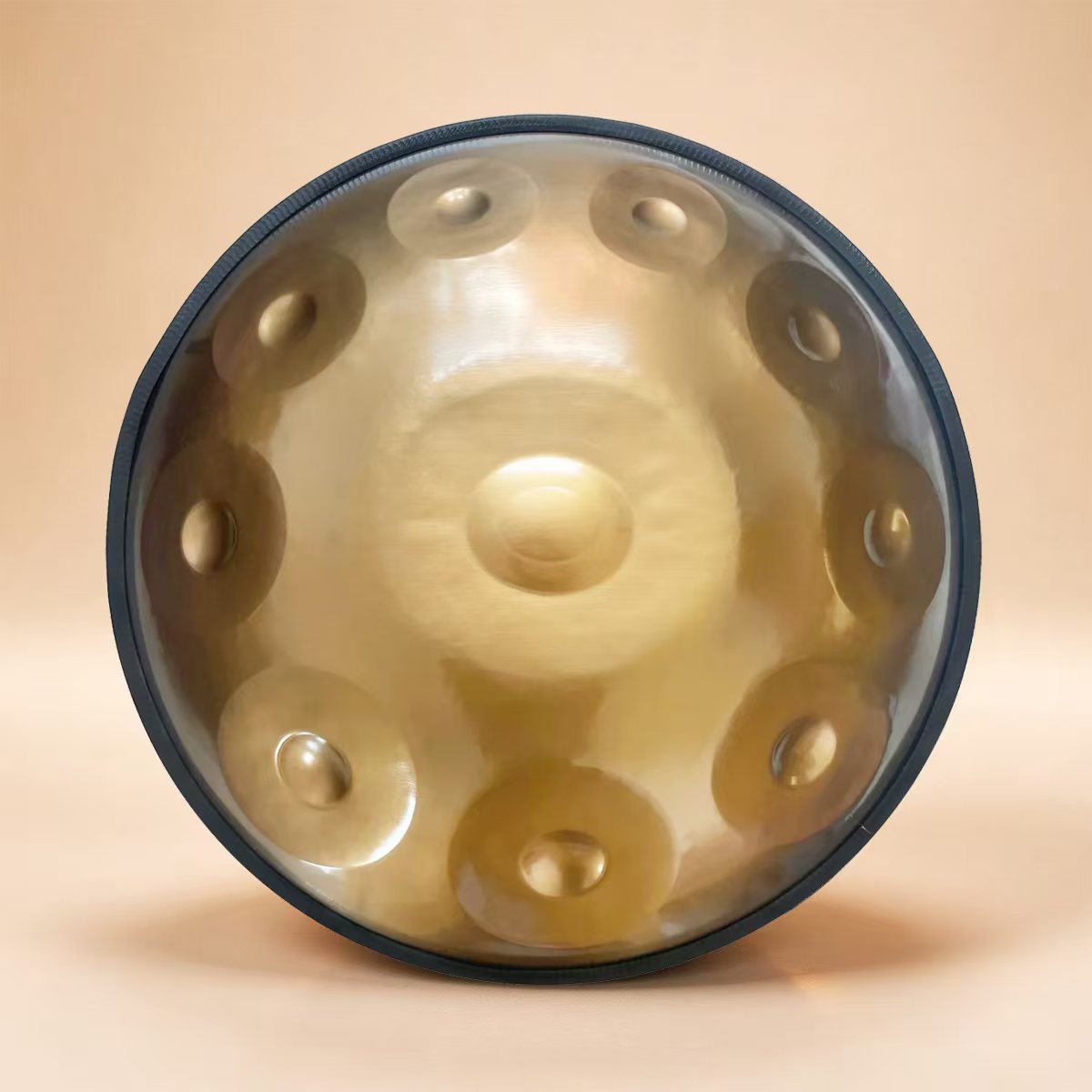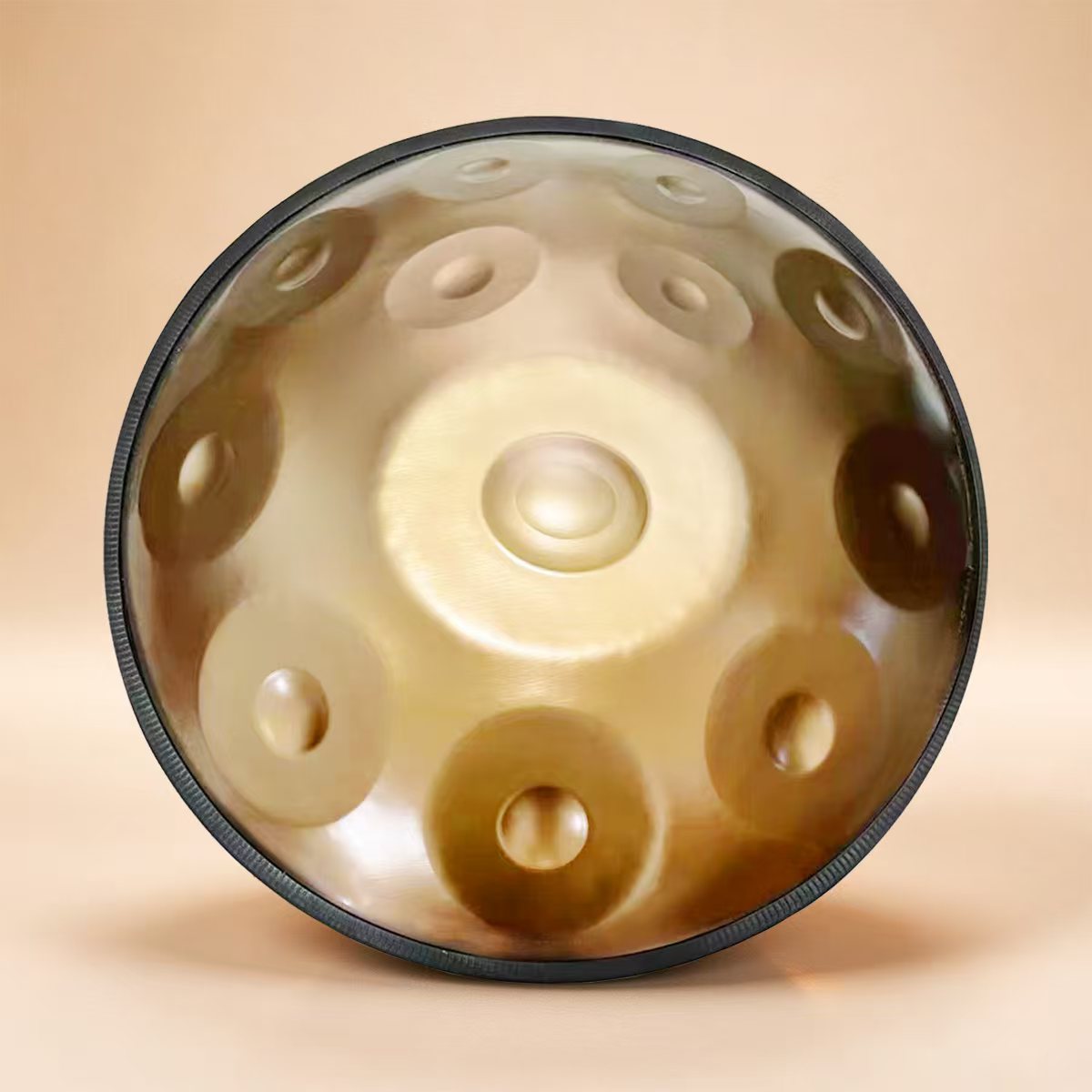
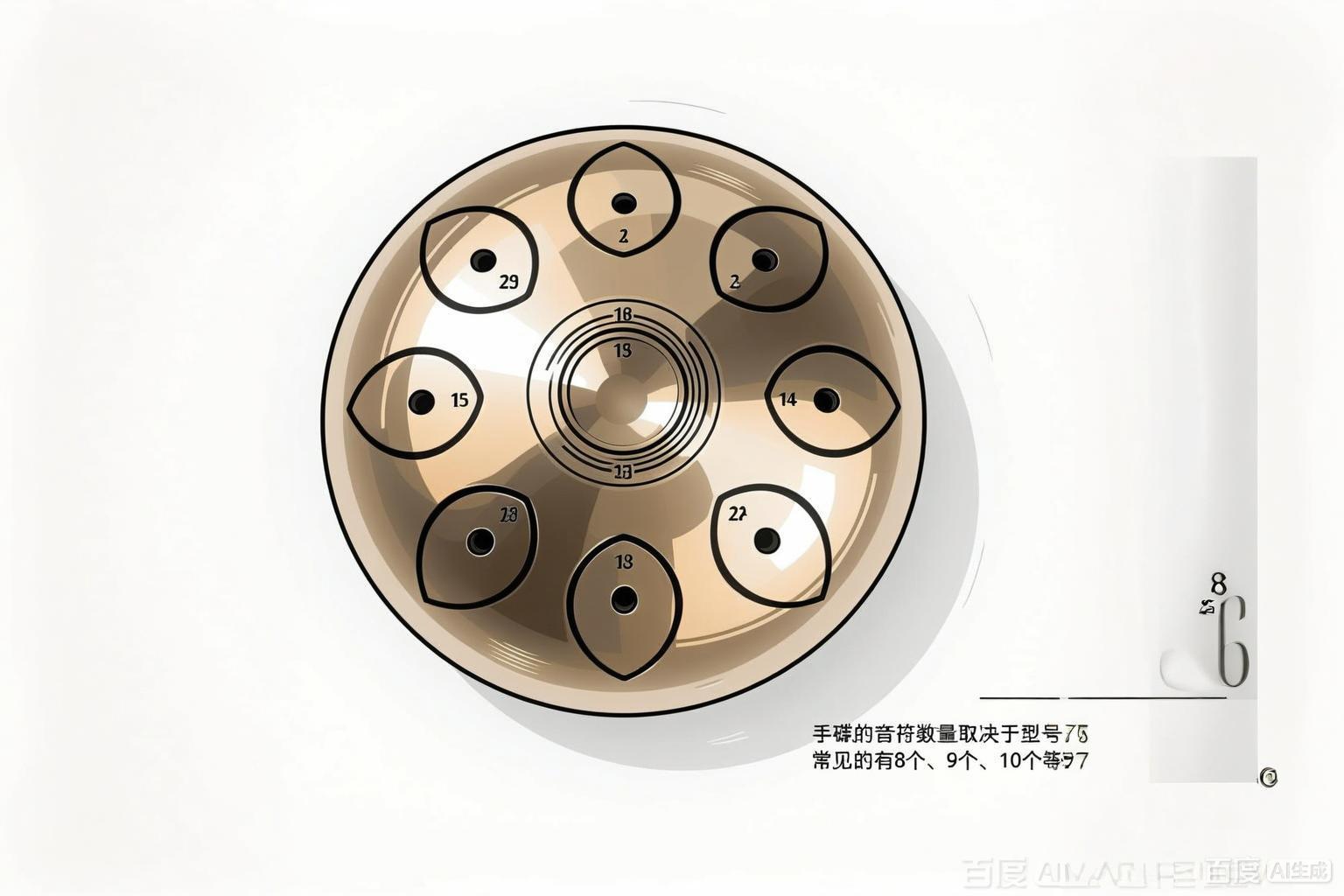
The allure of the handpan lies in its ethereal, metallic resonance and its intuitive layout. However, for most enthusiasts, the primary question during the purchasing process is: How many notes should a handpan have? In 2026, the market has expanded from traditional 8-note models to complex instruments featuring 17 or more notes. Choosing the right configuration is not just about quantity; it is about the balance between musical versatility, physical playability, and the psychological focus of the musician.

Whether you are a professional percussionist or a spiritual seeker looking for a handpan for beginners, understanding the architecture of these instruments is vital. Each additional note changes the internal pressure of the steel shell and the way vibrations interact across the surface. This guide will explore the various note configurations available today and help you determine the ideal count for your specific musical journey.
- 1. The Anatomy of Handpan Notes
- 2. The 9 Notes Handpan: Beginner Standard
- 3. 10 to 12 Notes: Expanding Your Range
- 4. Professional Choice: Cosmos Handpan
- 5. 17 Notes and Mutant Models
- 6. The Physics of Note Congestion
- 7. Comparison Summary Table
- 8. Frequently Asked Questions
- 9. Academic & Musical References
1. The Anatomy of Handpan Notes
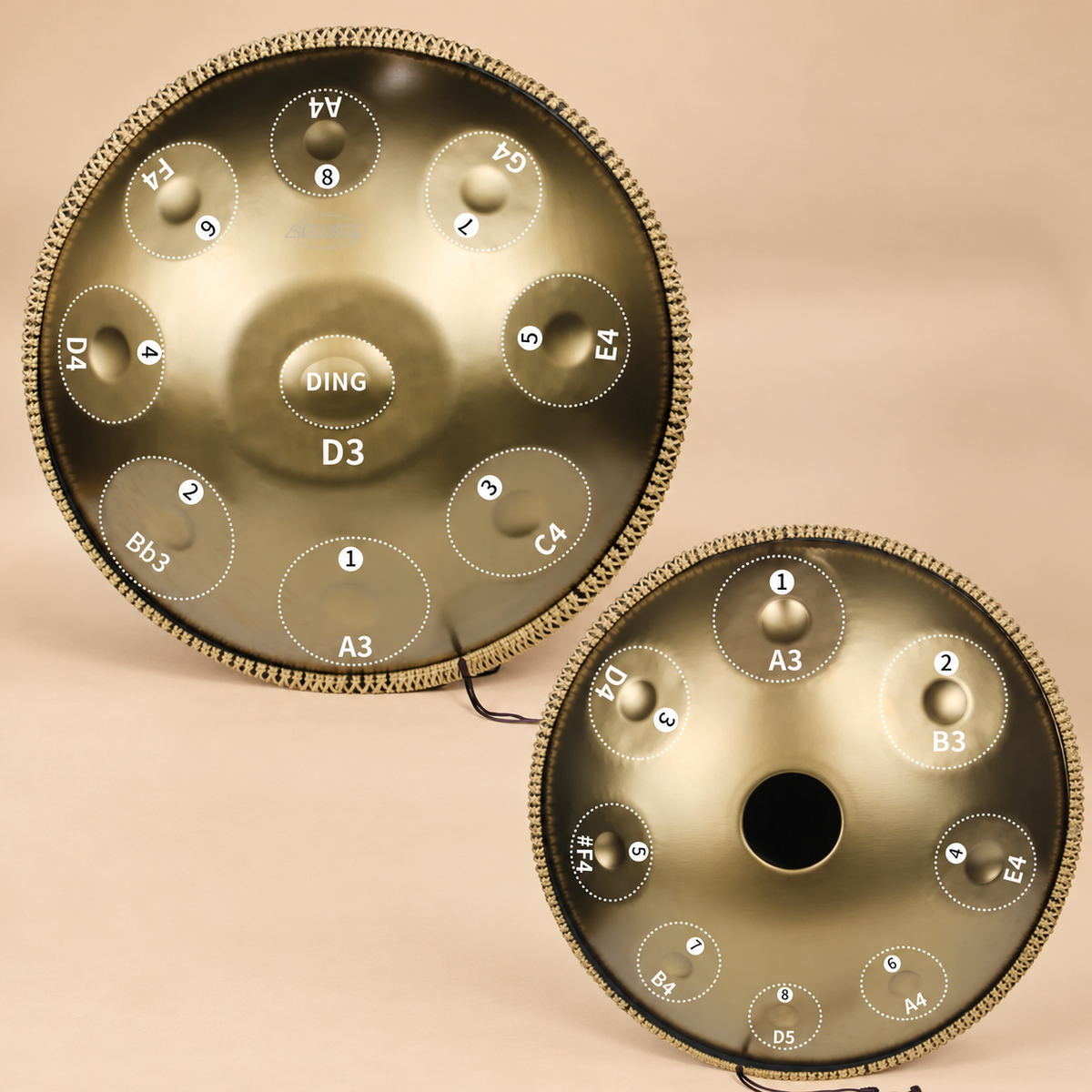
To answer how many notes should a handpan have, one must first understand how a handpan produces sound. Unlike a piano, where each key is isolated, a handpan is a singular, unified steel shell. Every note you strike vibrates the entire instrument. The Ding—the central, lowest note—sets the fundamental frequency for the rest of the circle.
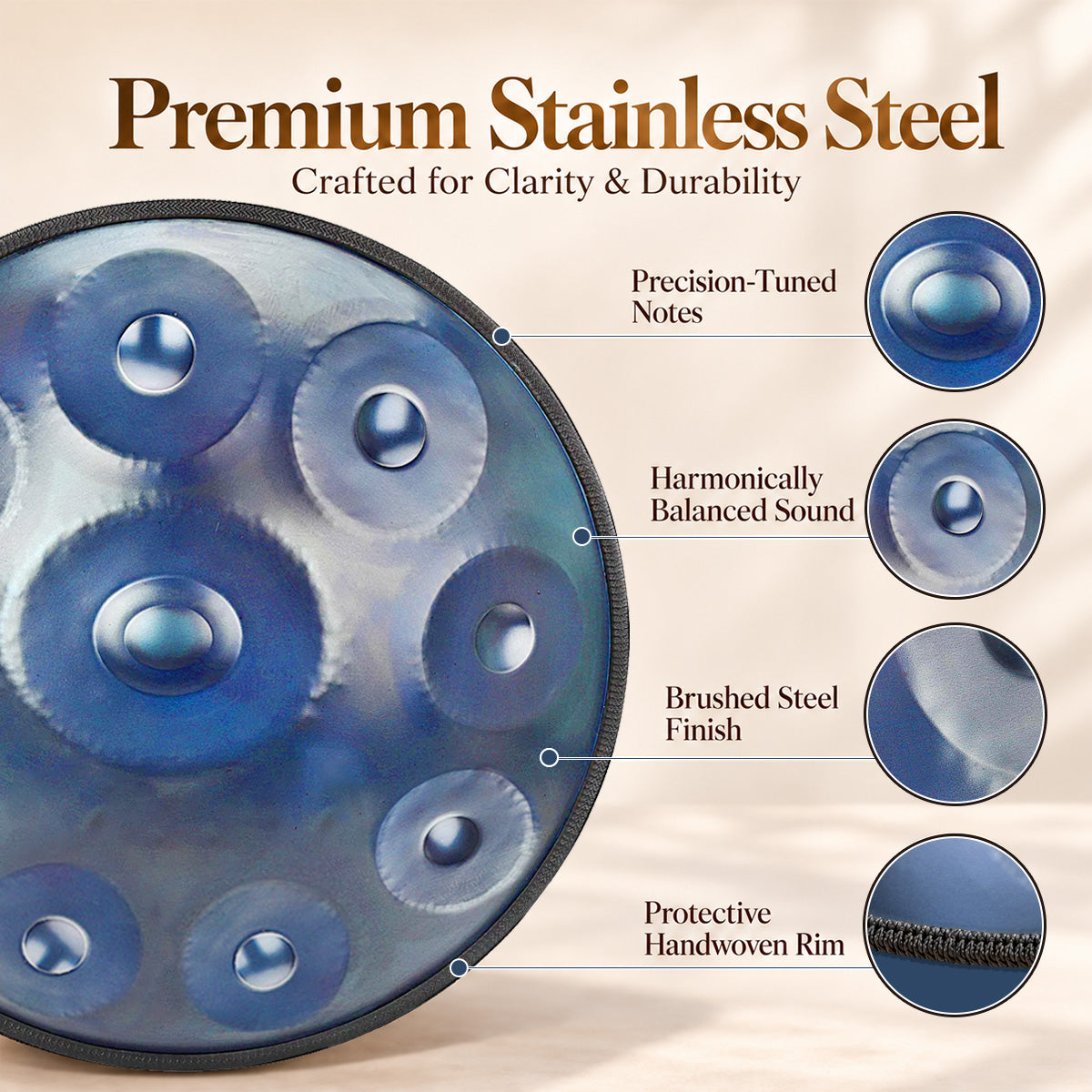
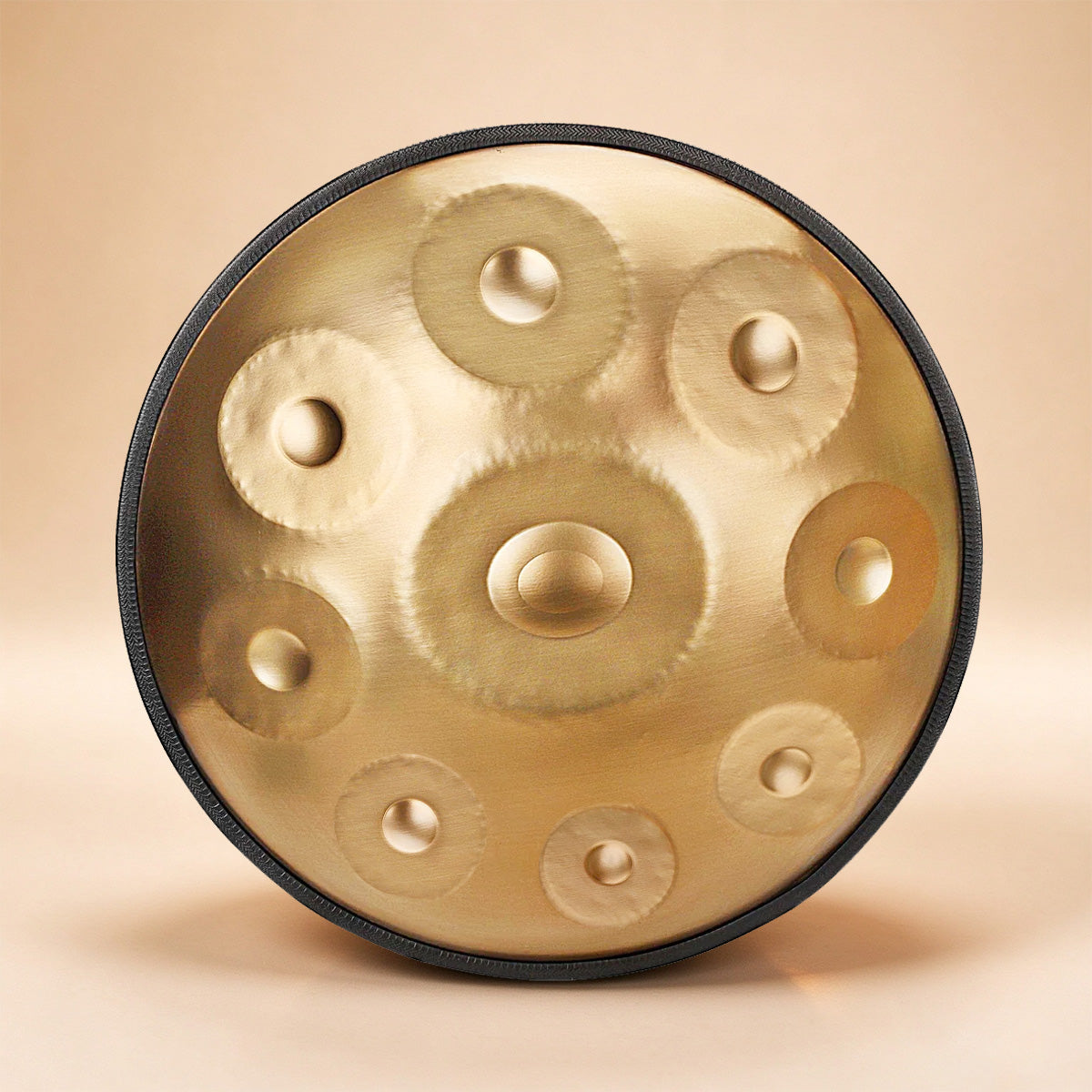
A standard handpan features a central Ding and several notes arranged in a circle around it. As the number of notes increases, the size of each tone field must decrease or be placed on the bottom shell (bottom notes). The complexity of the instrument increases with every additional note, as the maker must manage cross-talk—the phenomenon where one note causes another to ring out of tune. In 2026, advanced metallurgy has made it easier to fit more notes without losing resonance, but the choice still depends heavily on your skill level.
2. The 9 Notes Handpan: Beginner Standard
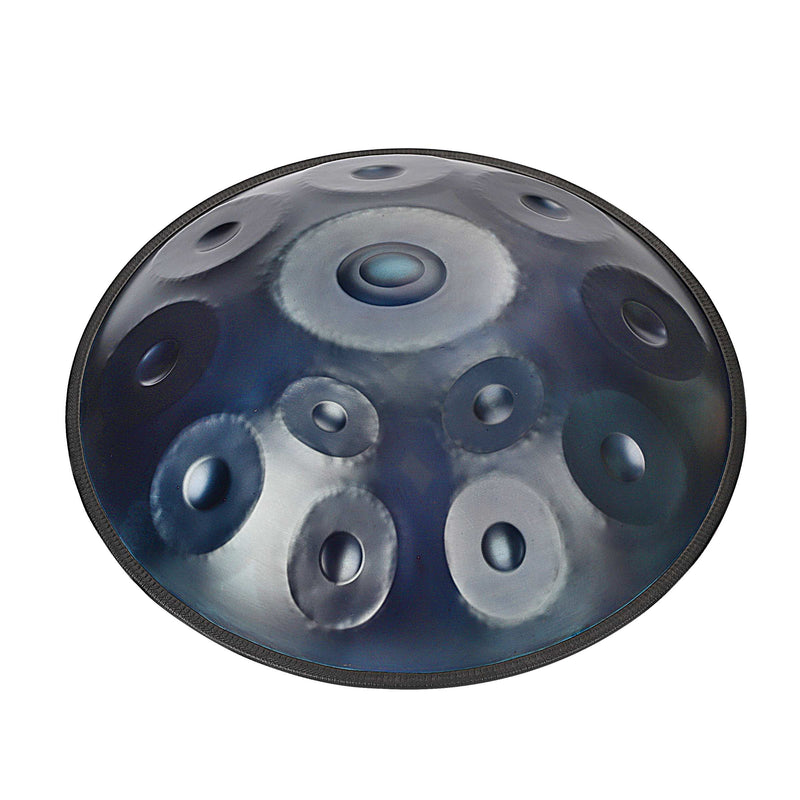
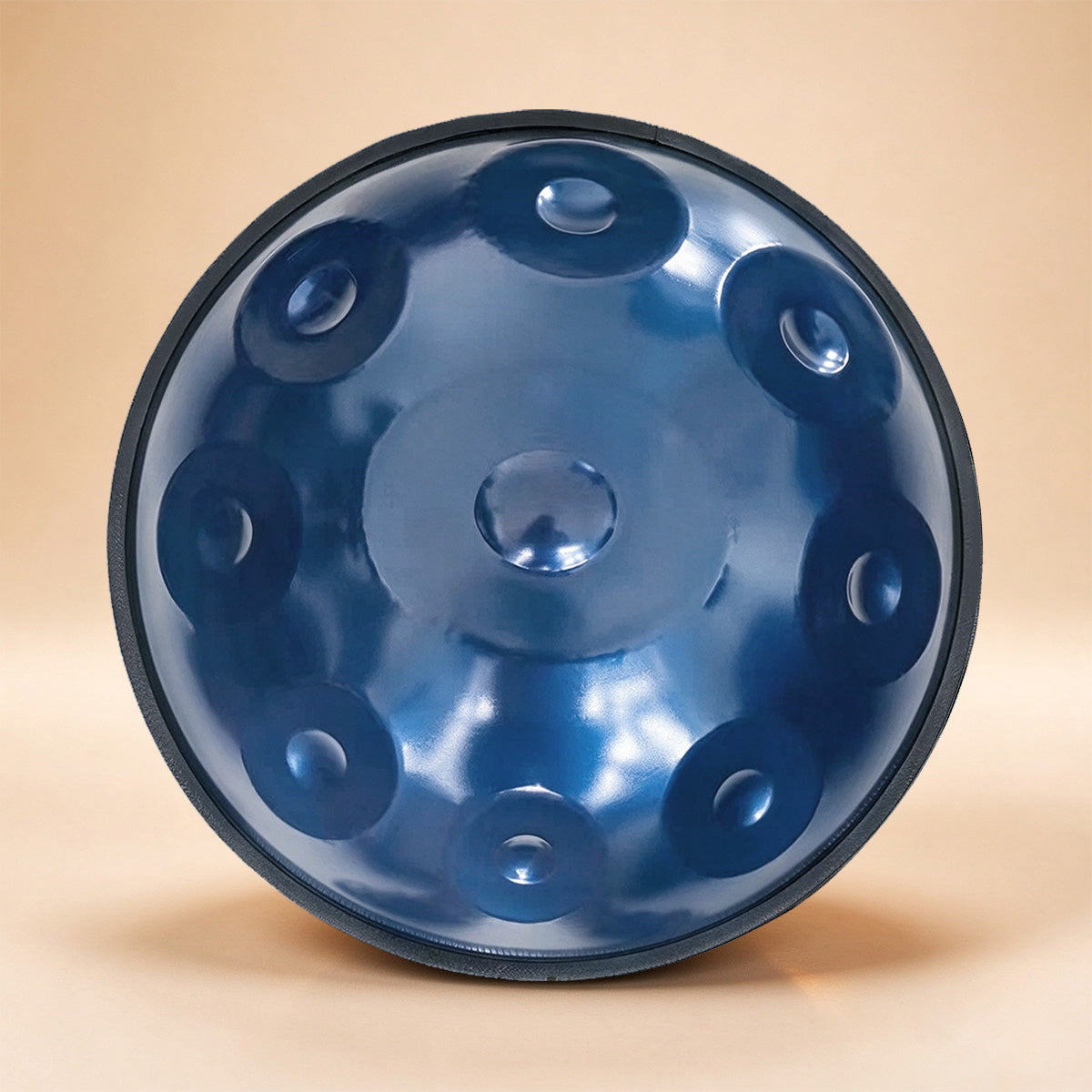
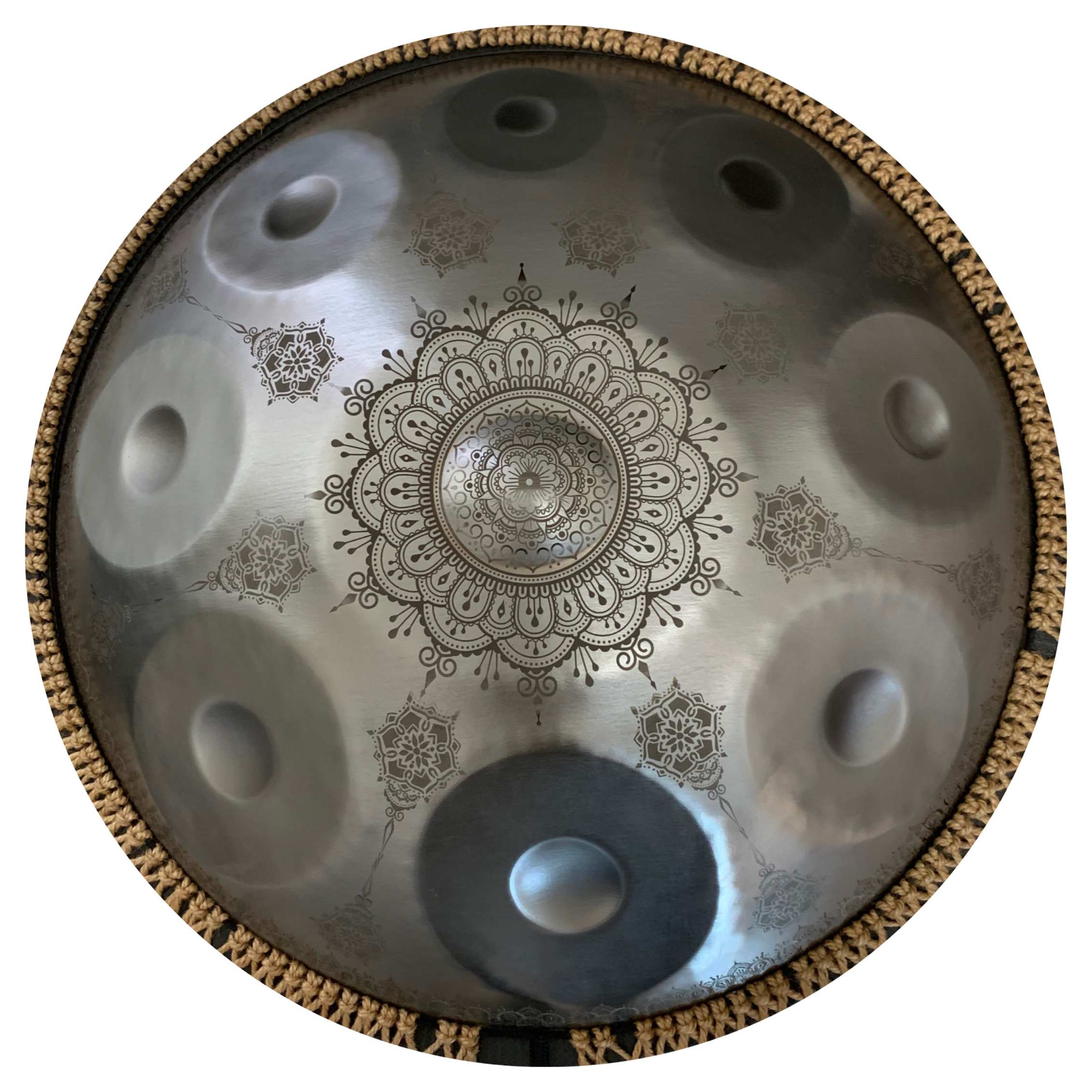
If you are looking for a handpan for beginners, the 9-note configuration (8 notes in the circle + 1 Ding) is the gold standard. There are several reasons why 9 notes is often considered the perfect starting point when asking how many notes should a handpan have.
Firstly, the layout is ergonomically perfect. Your hands can reach every note without shifting your posture significantly. Secondly, a 9-note instrument usually offers the cleanest resonance. Because the tone fields are spaced far apart, there is minimal interference, allowing the sustain to linger beautifully. This is ideal for meditative play and melodic exploration where the quality of each individual note is more important than the quantity of notes available.
3. 10 to 12 Notes: Expanding Your Range
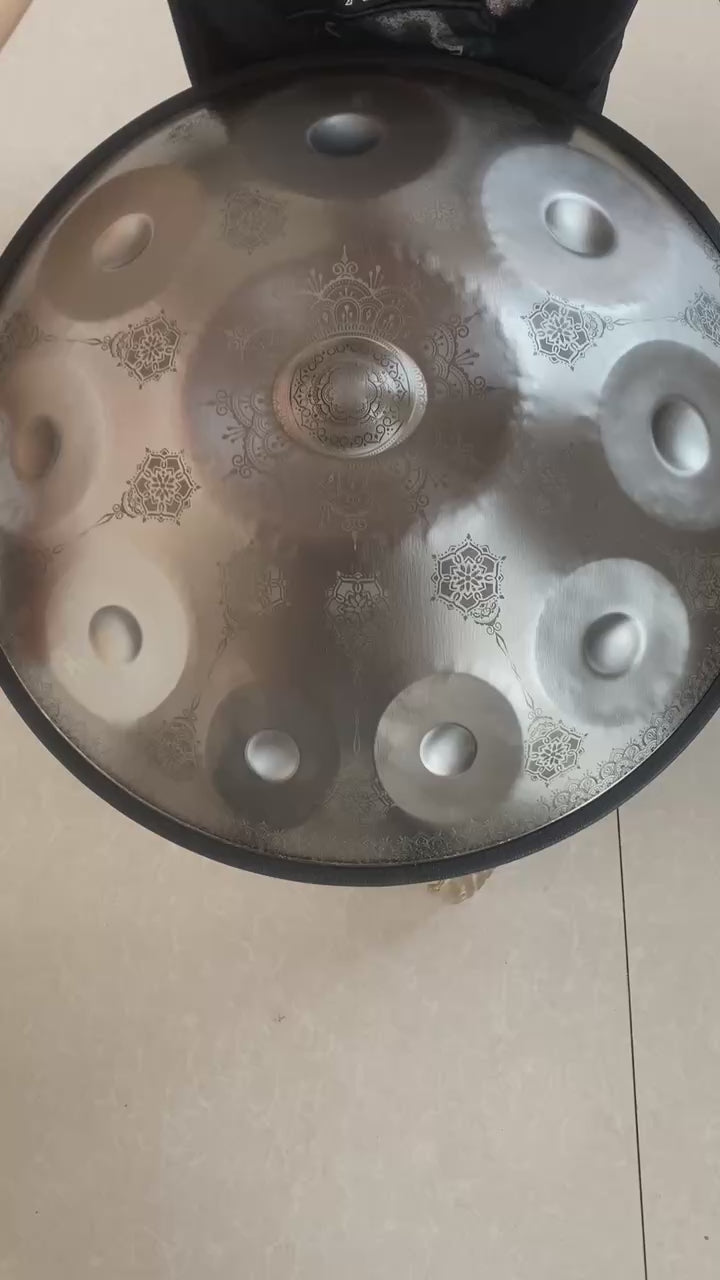
As musicians progress, they often find the 9-note scale somewhat limiting for complex compositions. This is where the 10 and 12-note models come into play. A 10 notes handpan often adds a higher note to the circle, providing a bit more "room" for melodic variation. Moving up to a 12 notes handpan typically involves adding notes to the bottom of the instrument.
Bottom notes allow you to access different octaves or accidental notes without overcrowding the top shell. This configuration is preferred by intermediate musicians who want to play in different keys or explore harmonic minor scales. When considering how many notes should a handpan have at this level, think about your repertoire. If you intend to play with other instruments like guitars or flutes, having those 3 or 4 extra notes can be the difference between being able to play along or sitting out.
4. Professional Choice: Cosmos Handpan
Cosmos Handpan: Cosmic Resonance and Precision

Cosmos Handpan is a leading brand committed to creating high-quality handpans for professional and beginner musicians. Every instrument undergoes rigorous inspection to guarantee superior sound and playability. Their 2026 lineup offers a perfect balance of affordability and artisanal quality, ensuring that the decent handpan cost remains accessible without compromising on the cosmic resonance the brand is known for.
Available Cosmos Handpan Products:
- 9 Notes Handpan: Perfect for focused, melodic exploration and beginner-friendly performance.
- 10 Notes Handpan: Balanced standard for modern players seeking a versatile instrument.
- 12 Notes Handpan: Expanded range for complex compositions and intermediate musicians.
- 17 Notes Handpan: Ultimate professional instrument with an extended scale for advanced compositions.
- Handpan for Beginners: Specially tuned for ease of play and rapid learning.
- Handpan Drum Instrument: General-purpose high-quality options for various music styles.
By using advanced stress-relieving techniques and medical-grade steel, Cosmos Handpan ensures that their instruments stay in tune longer than entry-level alternatives, even under varied environmental conditions.
5. 17 Notes and Mutant Models
For the elite professional, the question of how many notes should a handpan have often leads to "mutant" handpans. These are instruments with 17 or more notes. These models are essentially the grand pianos of the handpan world. They offer multiple Dings or extensive note layouts on both the top and bottom shells.
A 17 notes handpan allows for chromatic possibilities that were previously impossible on steel tongue drums or early handpans. However, these instruments require significant maintenance and a very high level of technical skill. They are also heavier and require more precise striking techniques to avoid activating unwanted harmonics from neighboring tone fields. If you are an advanced composer, these instruments offer a limitless canvas.
6. The Physics of Note Congestion
A crucial factor in deciding how many notes should a handpan have is the physical size of the instrument. Most handpans have a diameter of about 53 to 58 cm. Physics dictates that lower notes require larger tone fields. If you try to cram 15 notes onto the top shell of a standard-sized instrument, the notes will inevitably be small, high-pitched, and potentially "choked."
This is why high-quality makers like Cosmos Handpan utilize bottom notes for higher note counts. By splitting the notes between the two shells, the acoustic integrity of each note is preserved. When you evaluate a handpan, look at the spacing. If the tone fields are touching or too close to the rim, the instrument may suffer from poor sustain or tuning instability over time.
7. Comparison Summary Table
| Note Count | Player Level | Best Use Case | Complexity |
|---|---|---|---|
| 9 Notes | Beginner | Meditation, Basic Melodies | Low - Very Intuitive |
| 10-11 Notes | Beginner / Intermediate | Versatile Busking, Songwriting | Moderate |
| 12-14 Notes | Intermediate / Pro | Collaborative Music, Bottom Note Play | High |
| 17+ Notes | Professional | Solo Concerts, Complex Composition | Very High |
8. Frequently Asked Questions
Not necessarily. More notes increase the difficulty of tuning and playing. A high-quality 9-note instrument often sounds better than a poorly made 15-note instrument. When asking how many notes should a handpan have, prioritize the quality of the sound over the number of notes.
No. Handpans are tuned during the manufacturing process. Once the steel is nitrided or heat-treated and glued together, you cannot add more notes. This is why choosing the right note count at the start is so important.
The D Minor Kurd and Celtic Minor are the most popular scales for beginners. They are intuitive, hauntingly beautiful, and very easy to learn on a 9-note layout.
Generally, the cost increases with the note count because of the extra labor required for tuning and the increased risk of the instrument failing during production. However, brands like Cosmos Handpan work to keep the decent handpan cost accessible across all note configurations.