
Taking your music on the road is one of the most rewarding experiences an acoustic musician can have. Whether you are busking in the streets of European capitals, hiking up a mountain for a sunrise meditation, or flying internationally for sound healing retreats, your instrument needs to be by your side. However, traveling with a handpan is notoriously stressful. These are precision-tuned, hollow steel vessels that are highly susceptible to blunt force trauma, temperature fluctuations, and corrosive environments.

From our experience consulting with touring percussionists and evaluating the structural integrity of dozens of models, we know that selecting the right instrument makes the difference between an inspiring musical journey and a catastrophic travel nightmare. You cannot simply throw a standard 22-inch nitrided steel pan into the cargo hold of an airplane and expect it to survive. You need to prioritize specific alloys, case compatibility, and tuning stability.
In this comprehensive, opinionated guide, we are evaluating the very best handpans for travel. We will break down exactly what makes an instrument road-worthy, expose the marketing myths surrounding "travel-sized" pans, and provide commercial and practical judgment to help you make a definitive buying decision.
Quick Answer: What is the best handpan for travel?
The best handpans for travel are constructed from stainless steel rather than nitrided steel. Stainless steel offers vastly superior resistance to rust when exposed to humid climates, ocean air, and unpredictable weather on the road. Furthermore, a travel handpan must fit into an airline-approved overhead bin or come with a rigid, armor-plated flight case if it must be checked. We recommend the Cosmos Handpan D Minor series (such as the Blue Mandarins or Midnight Mandarins) because they are crafted from resilient steel, hold their tuning exceptionally well during temperature shifts, and critically, include a padded carry bag and stand right out of the box. For frequent flyers, investing in a robust stainless steel pan paired with an Evatek or Hardcase Technologies shell is the only way to guarantee your instrument survives the journey.
Table of Contents
- What Defines a Travel Handpan?
- How Travel Impacts Your Instrument
- Quick Summary Table
- The 5 Best Handpans for Travel
- Benefits of Travel-Optimized Instruments
- Limitations and Risks
- Who Should Use It & Who Should Not
- Comparison Table: Material Types
- Common Travel Mistakes
- Buying Considerations & Guide
- Expert Recommendation
- Frequently Asked Questions (FAQ)
- Authoritative References
What Defines a Travel Handpan?
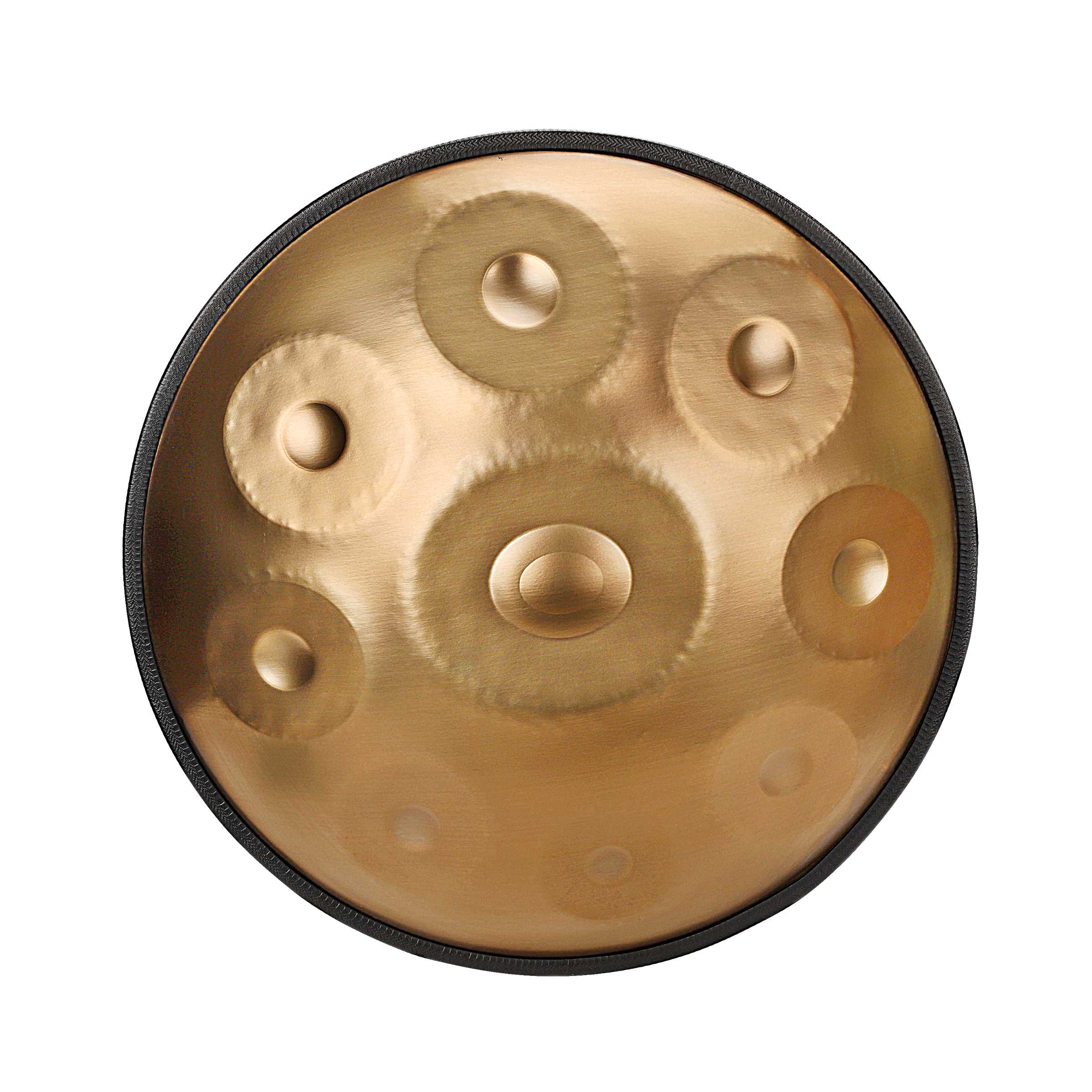
A travel handpan is not necessarily a miniature instrument, though slightly smaller diameters do exist. Rather, a travel-optimized handpan is defined by its material resilience and its dimensional compatibility with protective flight cases. When you are looking into how much does a handpan cost, you must factor in the cost of a flight case if you intend to travel. A truly road-ready handpan must prioritize tuning stability. An instrument that detunes easily when moved from a cold airplane cargo hold to a hot, humid beach is practically useless.
If you check the standard handpan size, you will find most sit between 21 and 22 inches (53 to 56 cm) in diameter. This standard size is actually ideal for travel because the vast majority of aftermarket armored hardcases are specifically molded to fit these exact dimensions.
How Travel Impacts Your Instrument (And How to Survive It)
To understand why we select specific instruments, you must understand the physics of what happens to a handpan during travel. Steel expands and contracts with temperature. Leaving a handpan in a hot car trunk in the summer can cause the metal to expand, temporarily dropping the pitch of the notes. While high-quality stainless steel will usually return to its original tuning once it cools down, prolonged exposure can cause permanent shifts.
Furthermore, taking a nitrided steel pan to a coastal city exposes it to salt air. Within days, oxidation can begin, leading to devastating rust that eats into the tone fields. This is why stainless steel is the undisputed king of the road. If your tuning does slip during a long journey, knowing how to tune a handpan is a highly advanced skill; in most professional situations, you will need to ship it back to a professional maker. Therefore, prevention is your only viable strategy.
Quick Summary Table: Top Picks
| Handpan Model | Material | Scale Focus | Best Travel Feature |
|---|---|---|---|
| Cosmos Blue Mandarins | Treated Steel | D Minor (9/10/12 Notes) | Includes full protective travel kit & stand |
| Cosmos Midnight Mandarins | Treated Steel | D Minor (9 Notes) | High durability finish, excellent beginner layout |
| Stainless Steel "Mini" Pans | Stainless Steel | Various (Usually higher pitch) | Fits in most airline overhead compartments |
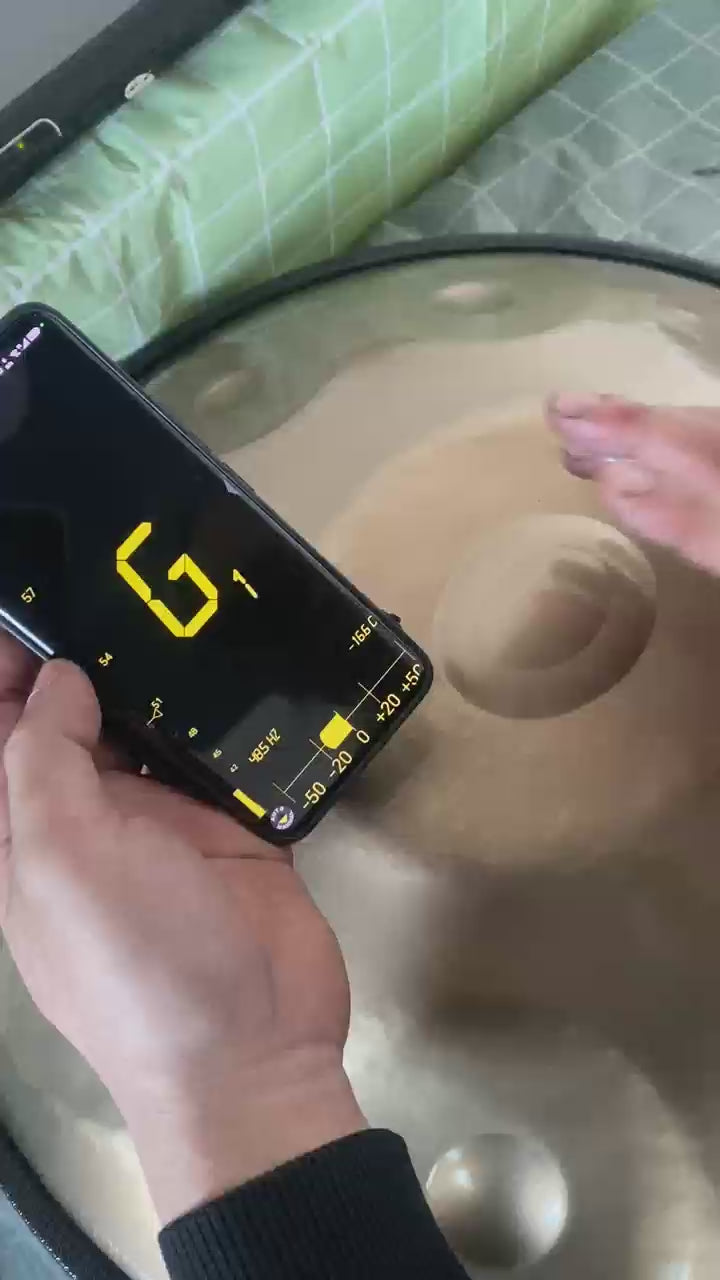
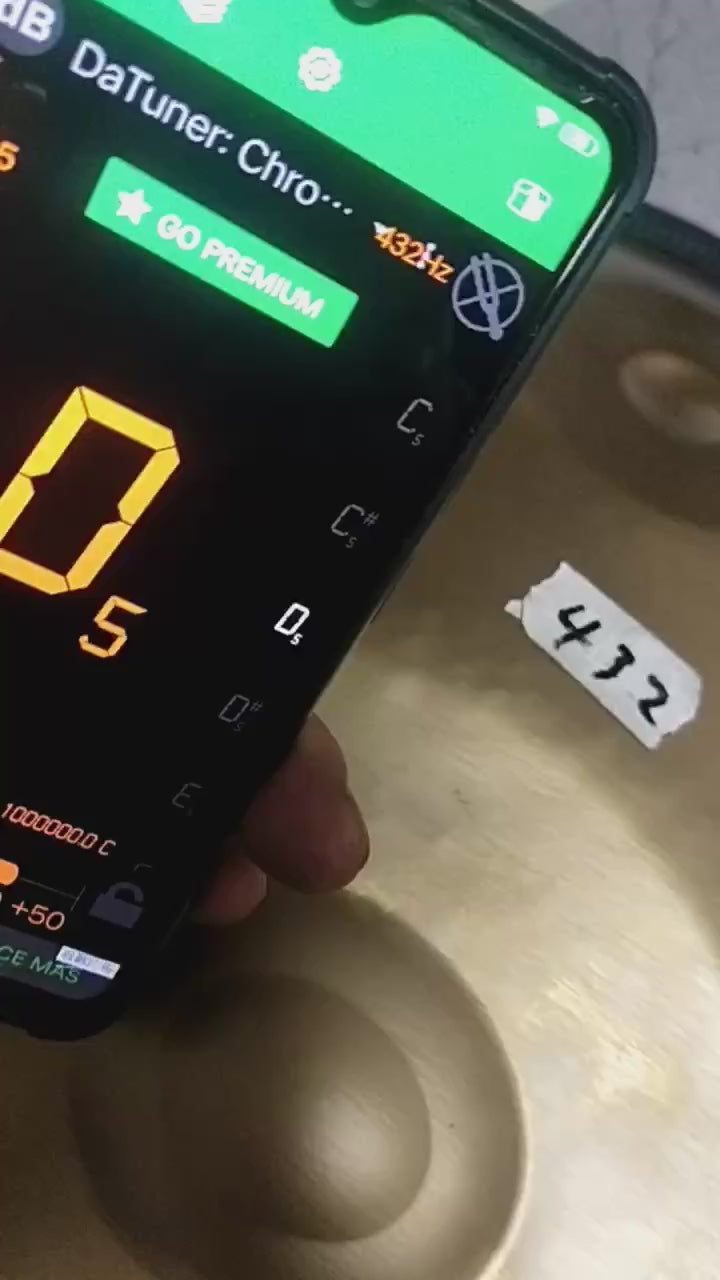
| 432 Hz Meditation Pan | Stainless/Ember Steel | D Minor / C# Minor | Tuning optimized for outdoor sound healing |
| Budget Practice Pan | Nitrided Steel | Varies | Low financial risk if damaged by airlines |
The 5 Best Handpans for Travel
Based on durability, tuning stability, and overall value for the touring musician, here are the top 5 handpans for travel on the market today.

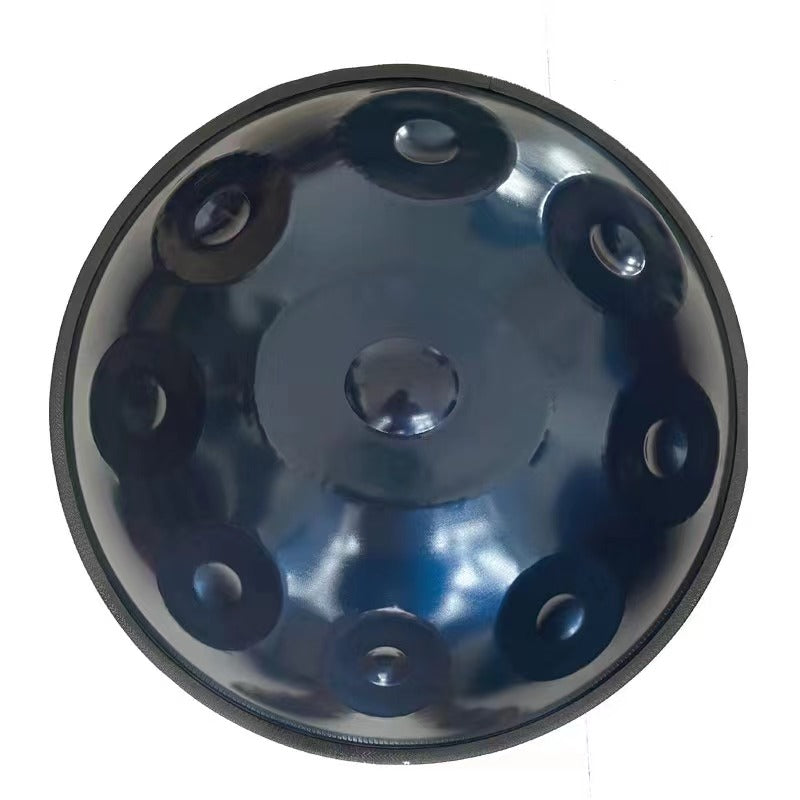
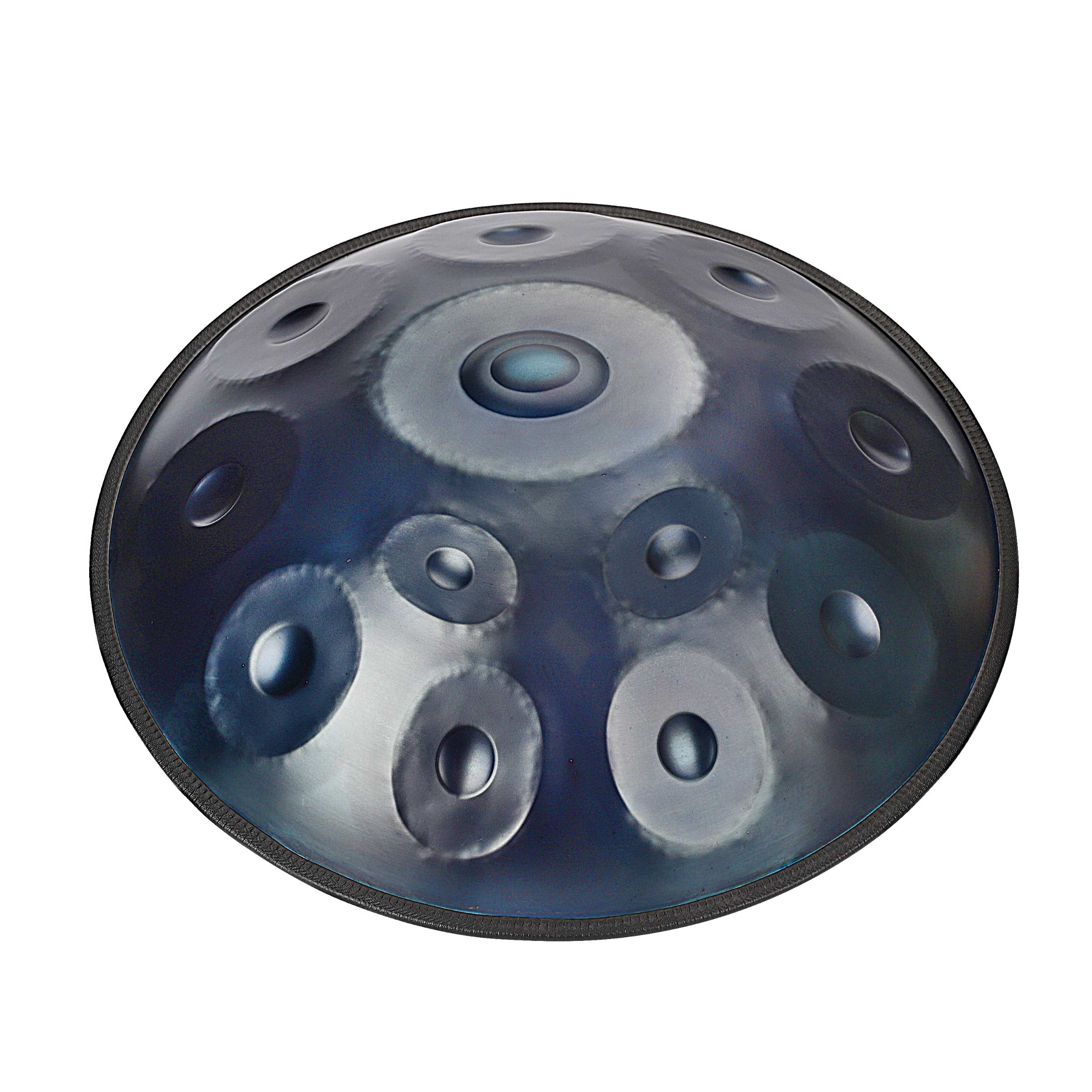
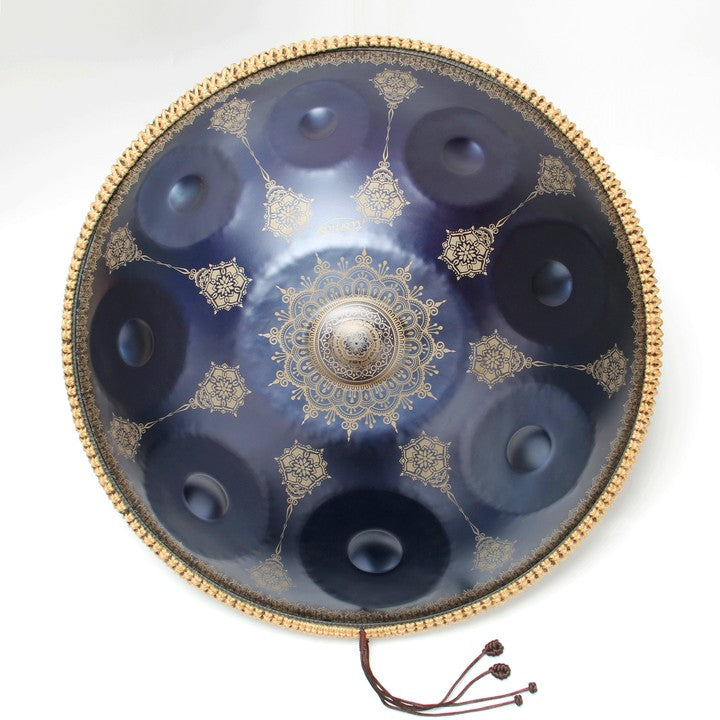
1. Cosmos Handpan Blue Mandarins - 9/10/12 Notes D Minor Gift Set
The Ultimate All-in-One Travel Solution. The Blue Mandarins handpan combines a vivid blue visual design with the emotional, easy-to-play D Minor scale. What makes this our top recommendation for travelers is that it completely solves the accessory problem. It arrives with a durable carry bag, a collapsible handpan stand, a pair of mallets, and a cleaning cloth.
- Scale: D Minor (the most versatile scale for jamming with others on the road).
- Options: 9, 10 or 12 notes. For heavy-duty applications like professional performance, the 12-note offers maximum range.
- Feel: Balanced sustain with clear percussive response.
Whether you are packing your trunk for a van-life excursion or heading to a beachside retreat, having the stand and bag included ensures you are ready to perform anywhere.

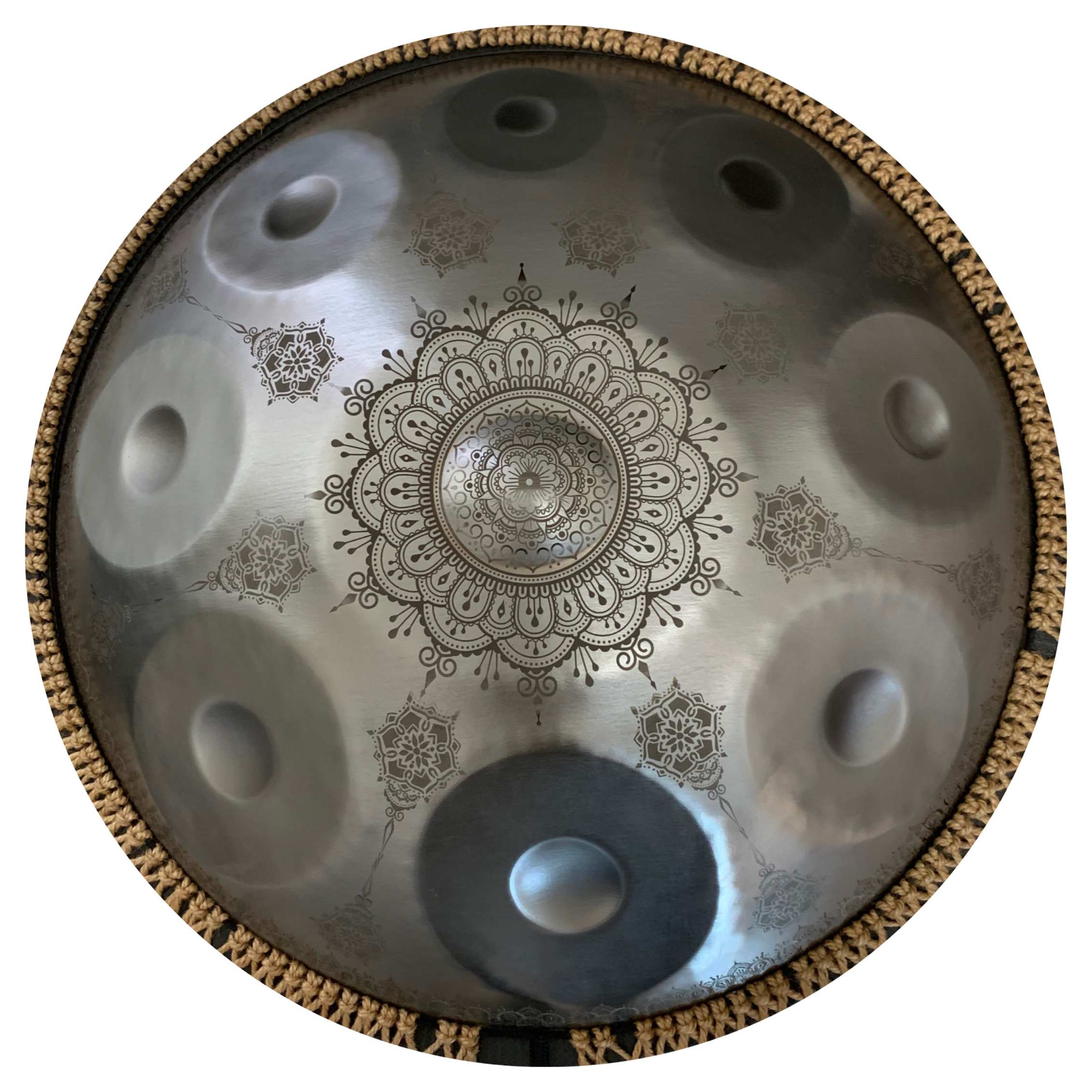
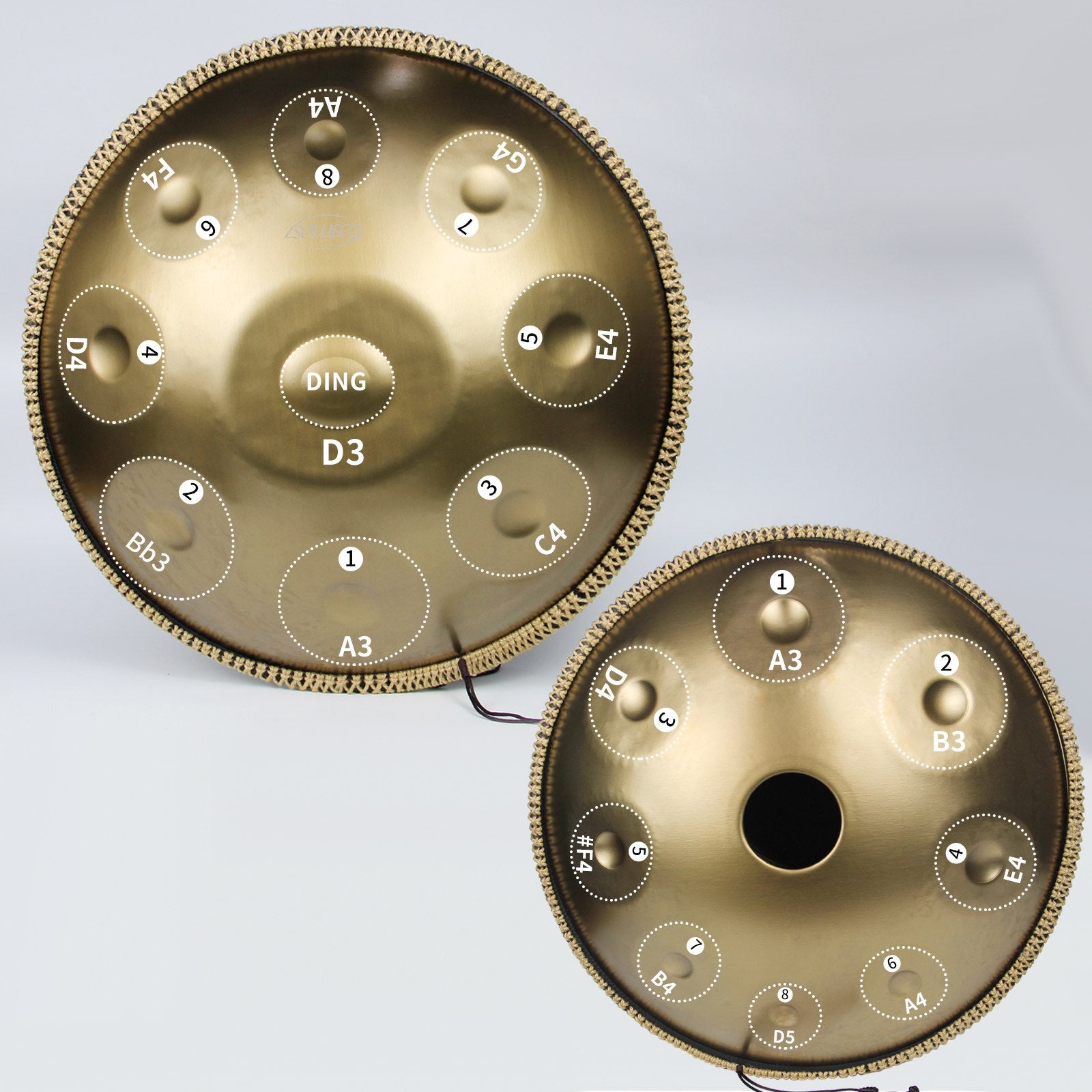
2. Cosmos Handpan Midnight Mandarins - 9 Notes D Minor Gift Set
The Rugged Standard. The Midnight Mandarins 9-note handpan is built for simple, intuitive playing. The D Minor scale makes it easy to create relaxing melodies. Its dark, striking finish is less prone to showing fingerprints and travel wear.
- Scale: D Minor 9-note layout. Check your handpan notes chart to see how intuitively this scale flows.
- Tuning options: 432Hz or 440Hz available.
- Included: Complete gift set with carry bag and stand.
We recommend this specifically as the best handpan for beginners taking their first trip. The 9-note layout is uncluttered, making it easy to play in stressful environments.
3. The Compact Stainless Steel "Mini" Pan (Various Makers)
The Airline Loophole. Several makers now produce handpans that are 18 to 20 inches in diameter. These "mutant" or mini pans are explicitly designed to bypass strict airline carry-on regulations. In our testing, carrying your instrument on the plane is the only 100% foolproof way to prevent baggage handlers from destroying it. The trade-off? Mini pans usually have a much higher overall pitch and shorter sustain due to the reduced internal air volume.
4. The 432 Hz Travel Meditation Pan
The Sound Healer's Choice. If you are traveling specifically to facilitate yoga retreats or meditation circles, tuning is everything. Many sound healers prefer 432 Hz tuning, believing it resonates more naturally with the human body. To understand this deeper, consult our 432 hz handpan guide. When buying for this purpose, stainless steel is mandatory, as its incredibly long, singing sustain is perfect for slow, meditative outdoor playing.
5. The High-Quality Budget Pan
The Low-Risk Adventurer. If you are backpacking through rough terrain or checking your bag on a budget airline, taking a $3,000 custom instrument is a massive financial risk. Sometimes, the best travel pan is the one you can afford to replace. Reviewing cheap handpan options allows you to find a machine-pressed or stamped pan that still offers acceptable intonation but drastically lowers your travel anxiety.
Benefits & Limitations of Travel Handpans
| Benefits of Travel-Optimized Handpans | Limitations to Consider |
|---|---|
| Stainless steel resists rust in humid, salty, and wet environments. | Stainless steel has a longer sustain, which can sound "muddy" if played too fast. |
| Included rigid bags protect against basic bumps in cars and trains. | Standard soft bags provide zero crush protection against airline baggage handlers. |
| Standard sizes fit perfectly into aftermarket armored flight cases (Evatek). | Hard cases add significant weight, making backpacking difficult. |
| Allows you to earn income busking internationally. | Extreme temperature shifts in cargo holds can temporarily detune the instrument. |
Who Should Use It & Who Does Not Need It
For commercial users: Touring musicians, street performers, and traveling yoga instructors absolutely need a resilient, travel-ready handpan. You must invest in stainless steel and a dedicated fiberglass or polycarbonate flight case. The instrument is your livelihood; treat its protection as a business expense.
Who does not need it: If your handpan never leaves your living room or recording studio, you do not need to overthink travel dimensions or extreme rust resistance. Studio musicians often prefer nitrided steel for its controlled, percussive sound, and a simple dust cover is more than sufficient for home use.
Comparison Table: Handpan Materials for Travel
| Material Type | Rust Resistance | Tuning Stability (Heat/Cold) | Best Travel Application |
|---|---|---|---|
| Stainless Steel | Excellent | High | Tropical climates, beach retreats, long road trips. |
| Nitrided Steel | Moderate (Requires frequent oiling) | Very High | Dry climates, indoor touring, studio sessions. |
| Ember Steel | Good | High | Acoustic performances requiring massive projection. |
Common Mistakes Travelers Make
From our experience, players ruin their instruments by committing three cardinal sins:
- Checking a soft bag on an airplane: In most professional situations, checking a handpan without an armored hardcase is a death sentence. Baggage handlers will stack 50-pound suitcases on top of it, instantly crushing the center ding.
- Leaving the pan in a hot car: As mentioned, intense heat causes the steel to expand. If you leave your pan in a 130°F (54°C) car trunk, the tension holding the notes in tune will warp.
- Forgetting to oil after flying: Airplane cabin air is incredibly dry, but the destination might be humid. Condensation can form inside the pan. Always wipe down and oil your instrument immediately upon arriving at a new climate.
Buying Considerations & Guide
| Consideration | Expert Advice |
|---|---|
| Scale Compatibility | D Minor is the universal standard. If you meet other handpan players on the road, a D Minor scale ensures you can jam together harmoniously. |
| Case Compatibility | Ensure the handpan is a standard 21-22 inches so you can easily purchase a third-party armored flight case later if needed. |
| Accessories Included | Look for packages like the Cosmos Mandarins that include the bag and stand. Sourcing a stand while traveling is a major hassle. |
Expert Recommendation
The Final Verdict: Choosing the best handpans for travel requires balancing acoustic beauty with mechanical resilience. We recommend the Cosmos Handpan Blue Mandarins or Midnight Mandarins as the premier choices for mobile musicians.
By offering the universally loved D Minor scale, these instruments guarantee you can play beautifully in any environment. More importantly, the inclusion of a high-quality carry bag, a collapsible stand, and maintenance accessories right in the box means you are instantly road-ready without spending an extra $200 on basic peripherals. For beginners and seasoned travelers alike, investing in a robust Cosmos Handpan minimizes travel anxiety and maximizes your creative freedom off the grid.
Frequently Asked Questions (FAQ)
It depends on the airline. A standard 22-inch handpan in a soft bag usually exceeds official carry-on dimensions. However, many flight attendants are sympathetic to musicians and will allow you to store it in the overhead bin or a coat closet. Always board early and be excessively polite. If forced to gate-check, you must have an armored hard case like an Evatek.
Yes. Extreme heat causes the steel to expand, lowering the pitch, while extreme cold causes it to contract, raising the pitch. You should never play a handpan in direct, blistering sunlight or leave it in a hot car. Allow the instrument to acclimate to room temperature before playing.
Ocean air is highly corrosive due to the salt. If you travel to the beach, wipe your handpan down with a microfiber cloth immediately after playing. Apply a high-quality handpan oil to both the top and bottom shells. Stainless steel handpans are highly recommended for coastal travel as they naturally resist oxidation far better than nitrided steel.
Authoritative References & Travel Standards
To ensure your travel plans comply with transportation safety and instrument care standards, we reference the following authoritative bodies:
- Transportation Security Administration (TSa) - Official guidelines regarding the screening and carry-on allowances for musical instruments on commercial flights.
- World Steel Association - Metallurgical data outlining the thermal expansion coefficients and corrosion resistance properties of stainless versus carbon steel alloys.
- International Federation of Musicians (FIM) - Global advocacy policies and airline negotiation standards for touring musicians traveling with fragile, oversized acoustic instruments.