Rhythm is the universal language of human emotion. Long before melodic or harmonic structures dominated musical theory, the sheer physical act of striking a resonant surface dictated the heartbeat of communities worldwide. In the realm of percussion, nothing is more primal or profoundly expressive than when an instrument is played by striking the drumhead using the palm. This direct skin-to-skin contact removes the barrier of mallets or sticks, allowing the musician to translate raw feeling directly into acoustic vibration.

From our experience as dedicated instrument crafters at Cosmos Handpan, we understand the nuances of tactile musical expression. We recognize that whenever an instrument is played by striking the drumhead using the palm, the player must master a complex array of techniques involving the heel of the hand, the fingertips, and the flat palm to draw out specific frequencies. In this authoritative guide, we will explore nine iconic instruments that define this category, the mechanics behind their acoustic power, and how these ancient techniques inspired modern acoustic marvels.
Table of Contents
- 1. The Mechanics of Palm-Striking Percussion
- 2. The Djembe: West Africa's Voice
- 3. The Conga: The Heartbeat of Afro-Cuban Jazz
- 4. The Bongos: High-Pitched Rhythmic Energy
- 5. The Tabla: India's Classical Precision
- 6. The Darabuka: Middle Eastern Agility
- 7. The Tombak: Persian Polyphony
- 8. The Pandeiro: Brazil's National Rhythm
- 9. The Tar Frame Drum: Ancient Resonance
- 10. The Dholak: Folk Traditions of South Asia
- 11. The Evolution: From Drumheads to the Cosmos Handpan
- 12. Summary Comparison Table
- 13. Frequently Asked Questions (FAQs)
- 14. Authoritative References
1. The Mechanics of Palm-Striking Percussion

Understanding the physics behind hand percussion is vital for any serious musician. When an instrument is played by striking the drumhead using the palm, the kinetic energy from the hand forces the membrane to oscillate. The tension of the drumhead, the volume of the resonating chamber, and the exact placement of the strike determine the pitch and timbre of the sound.
We recommend mastering three fundamental strokes: the bass (striking the center with the full palm), the open tone (striking the edge with the knuckles aligned to the rim), and the slap (a quick, rebounding strike that produces a sharp, high-frequency crack). The versatility of these tones is precisely why an instrument is played by striking the drumhead using the palm across so many diverse global cultures.
2. The Djembe: West Africa's Voice
Originating from the Mandinke people of West Africa, the Djembe is perhaps the most globally recognized hand drum. Carved from a single piece of hardwood and topped with a goat skin drumhead, this goblet-shaped drum boasts an incredible dynamic range. When this instrument is played by striking the drumhead using the palm in the center, it produces a deep, booming bass note that resonates through the earth. Slaps on the edge cut through complex polyrhythmic ensembles with ease. We recommend the Djembe for beginners due to its intuitive nature and satisfying acoustic feedback.
3. The Conga: The Heartbeat of Afro-Cuban Jazz

The Conga, or Tumbadora, is a tall, narrow, single-headed drum that originated in Cuba. Evolving from the Makuta drums of Central Africa, Congas are the cornerstone of Latin music. They are typically played in sets of two to four, tuned to different pitches. The technique known as the "tumbao" relies heavily on the heel-toe movement of the palm. Because this instrument is played by striking the drumhead using the palm and fingers in a continuous rolling motion, it creates a driving, locomotive rhythm that forms the foundation of salsa and rumba.
4. The Bongos: High-Pitched Rhythmic Energy
Always paired together, the Bongos consist of two small, open-bottomed drums of different sizes (the hembra and the macho). They are traditionally held between the knees. Because of their small diameter, the tension on the drumhead is immense. When this instrument is played by striking the drumhead using the palm and fingertips, the resulting sound is sharp, crisp, and high-pitched. The fundamental rhythm played on the bongos, known as the "martillo" (hammer), requires intricate finger and palm articulation.
5. The Tabla: India's Classical Precision
The Tabla is a highly complex pair of hand drums originating from the Indian subcontinent. The right drum (dayan) is typically made of wood, while the left drum (bayan) is made of metal. The drumheads are unique, featuring a central black patch made from a mixture of iron oxide, charcoal, and starch, which gives the tabla its distinct bell-like harmonics. The tabla demands absolute precision. While the fingertips do much of the intricate phrasing, the bayan instrument is played by striking the drumhead using the palm to apply modulating pressure, creating sliding bass tones that characterize Indian classical music.
6. The Darabuka: Middle Eastern Agility
Also known as the Doumbek, the Darabuka is a goblet-shaped drum commonly found in Egypt, Turkey, and across the Middle East. Traditionally made from clay and fish skin, modern versions often utilize aluminum and synthetic heads to maintain tension regardless of humidity. The playing style is remarkably fast and ornate. When this instrument is played by striking the drumhead using the palm to secure the deep "Doum" sound, the fingers execute lightning-fast "Tek" and "Ka" rolls along the rigid rim.
7. The Tombak: Persian Polyphony
The Tombak (or Tonbak) is the principal percussion instrument of Persian music. Carved from a single block of wood, usually walnut or ash, it features a sheep or goat skin head. What separates the Tombak from other goblet drums is the utilization of all ten fingers and the entire palm. When this instrument is played by striking the drumhead using the palm, musicians often employ snapping motions and rolls that produce a melodic, almost vocal quality, blending seamlessly with intricate string arrangements. If you are interested in melodic pairings, you might explore our string instruments list.
8. The Pandeiro: Brazil's National Rhythm
Often mistaken for a simple tambourine, the Brazilian Pandeiro is a highly sophisticated hand drum that drives Capoeira and Samba music. The tension of the drumhead can be tuned, and the jingles (platinelas) are uniquely cupped to produce a dry, crisp sound rather than a sustained wash. The Pandeiro instrument is played by striking the drumhead using the palm, thumb, and fingertips in an alternating pattern that simulates an entire drum kit within a single frame.
9. The Tar Frame Drum: Ancient Resonance
Frame drums, such as the Middle Eastern Tar or the North African Bendir, are among the oldest known percussion instruments. They consist of a shallow wooden hoop covered by a thin skin. Despite their simple construction, their acoustic properties are profound. When this instrument is played by striking the drumhead using the palm in the center, it generates a surprisingly deep sub-bass frequency. Frame drums are often used in spiritual and meditative contexts due to their hypnotic resonance.
10. The Dholak: Folk Traditions of South Asia
The Dholak is a double-headed hand drum widely used in the folk music of India, Pakistan, and Bangladesh. Unlike the classical Tabla, the Dholak is simpler in construction, typically laced with cotton rope and tightened with metal rings. One side produces a high pitch, while the other produces a low bass. The larger bass instrument is played by striking the drumhead using the palm and the heel of the hand, providing a rustic, driving beat that is essential for weddings, festivals, and cinematic music.
11. The Evolution: From Drumheads to the Cosmos Handpan
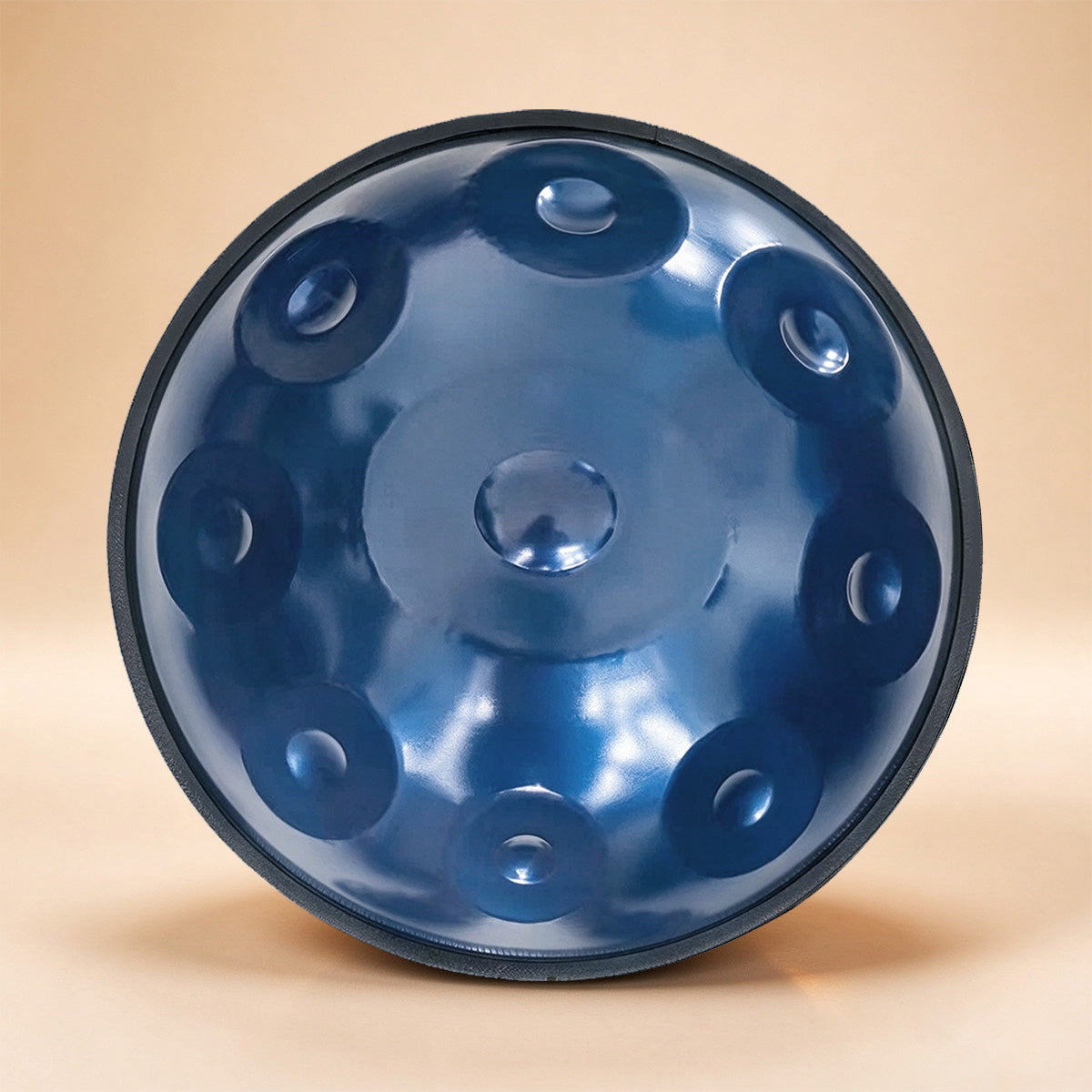
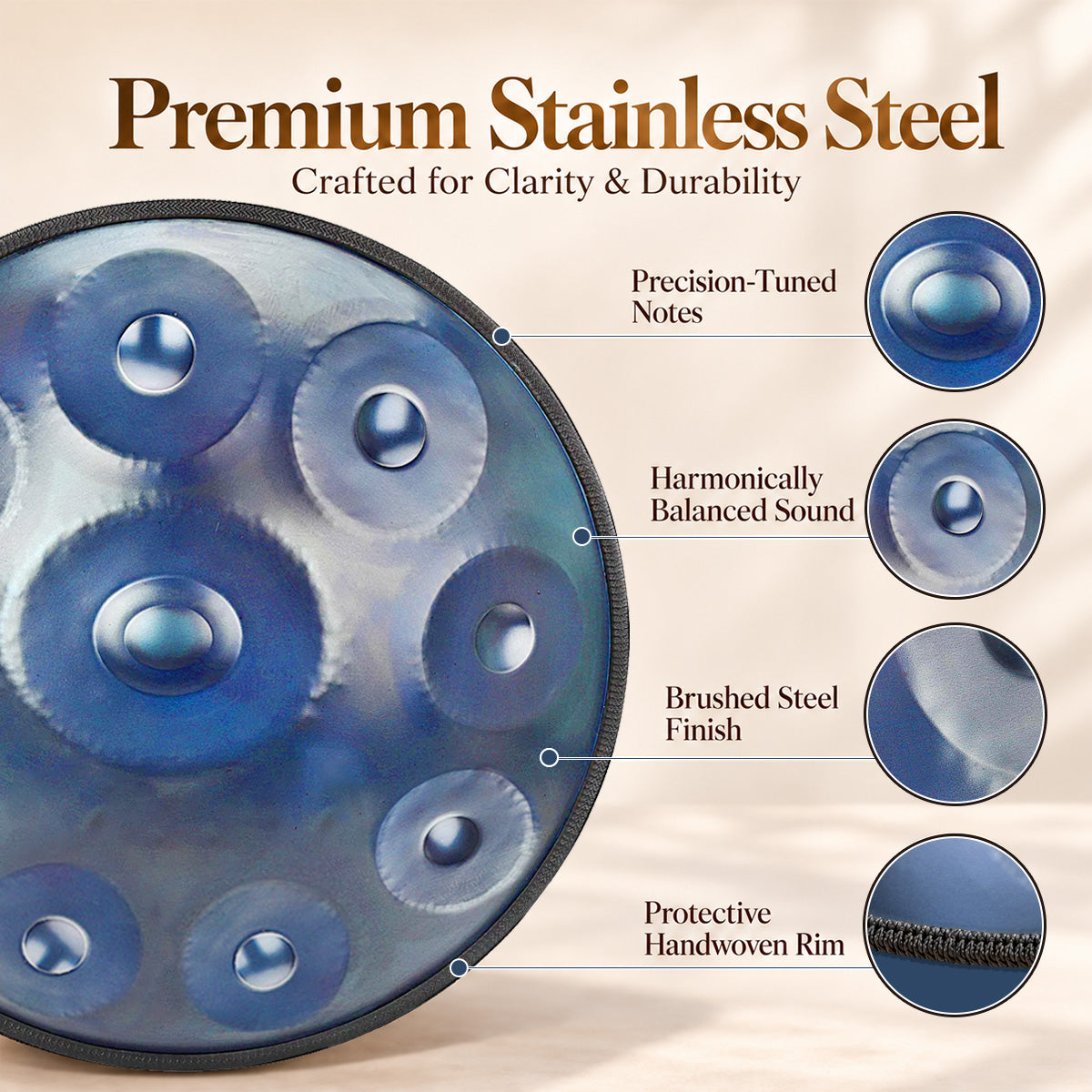
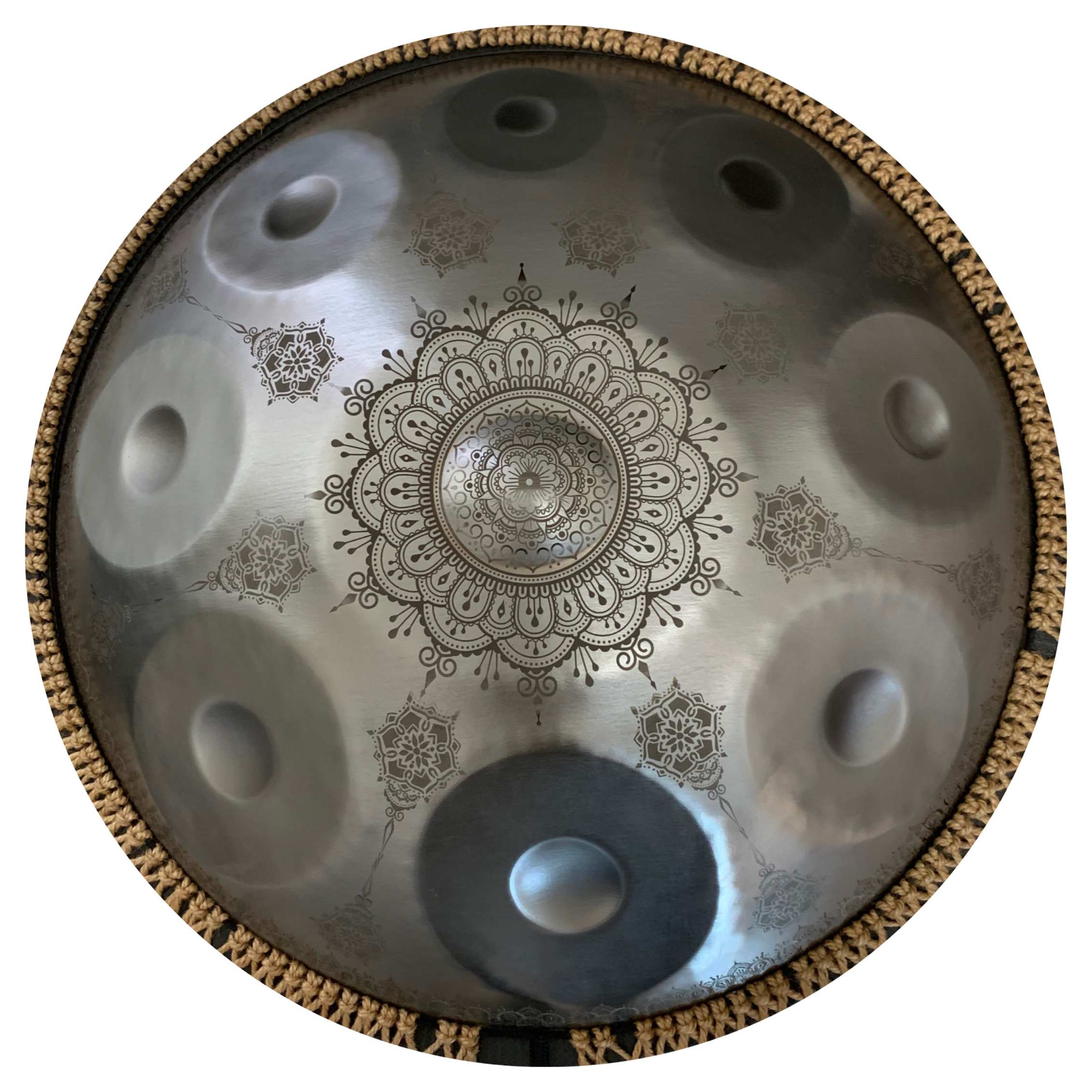
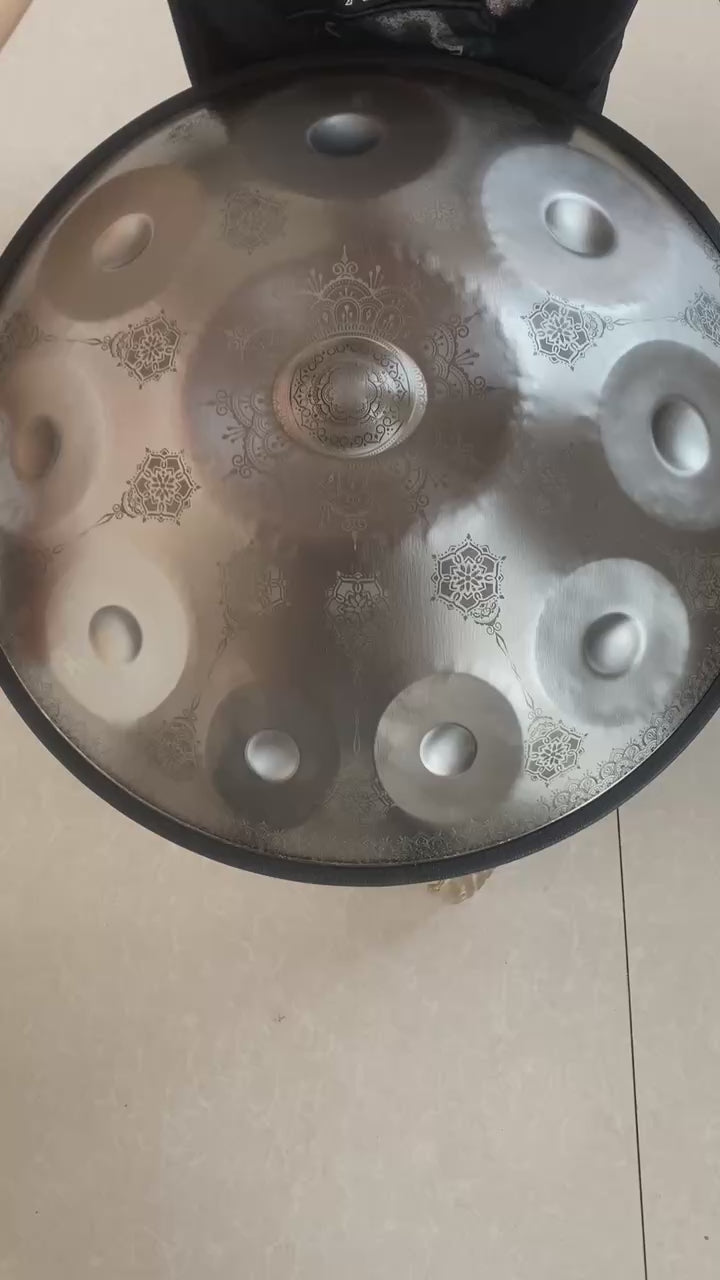
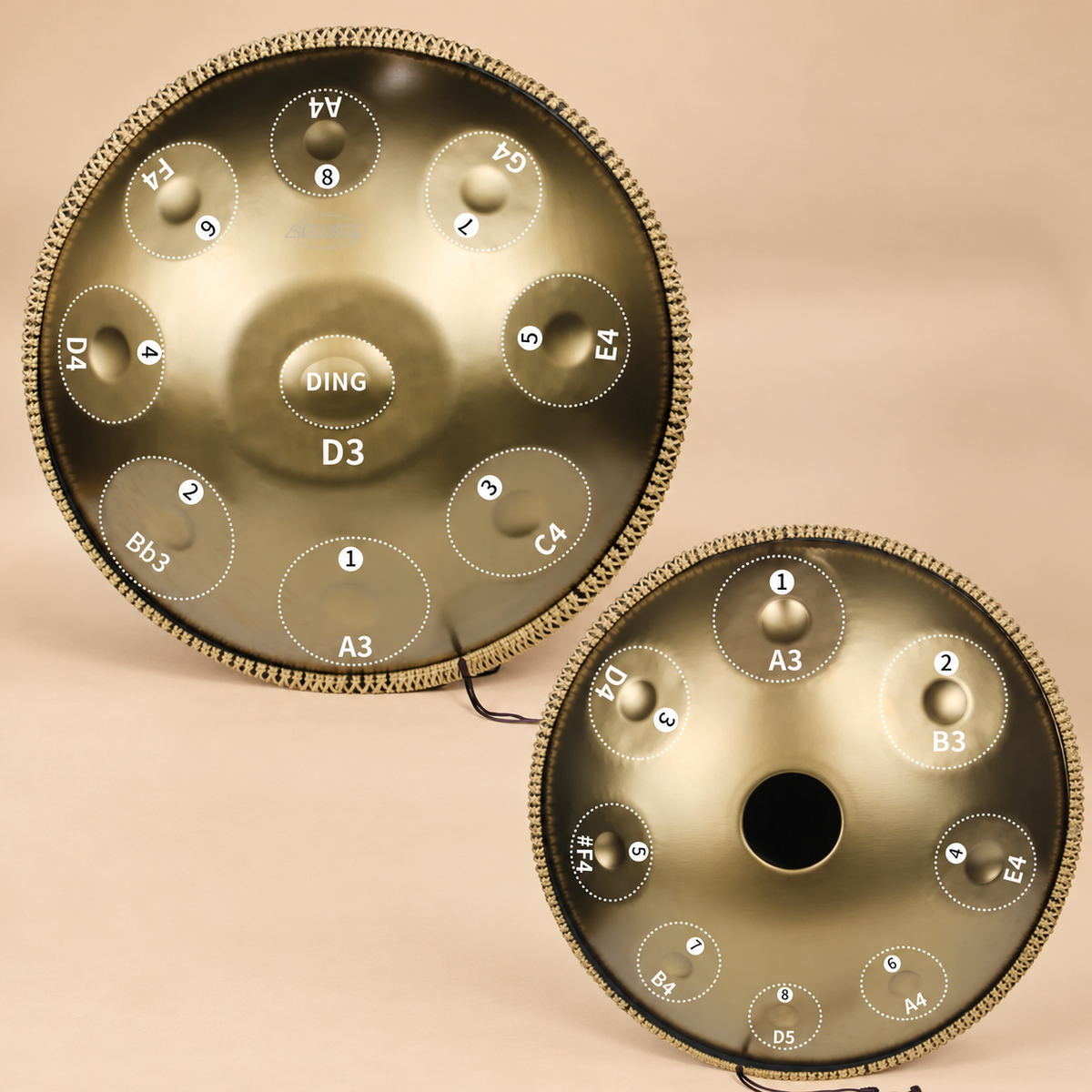
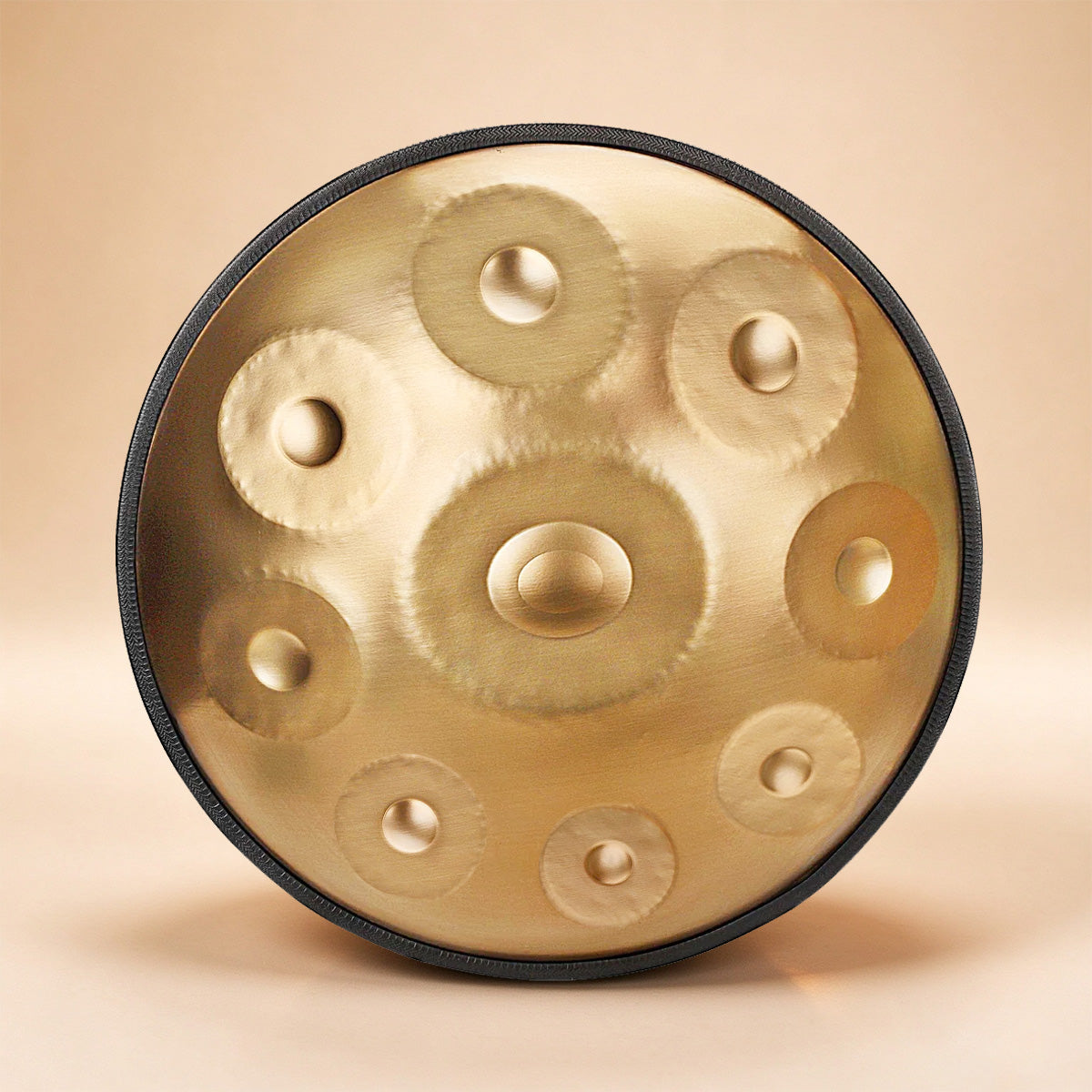
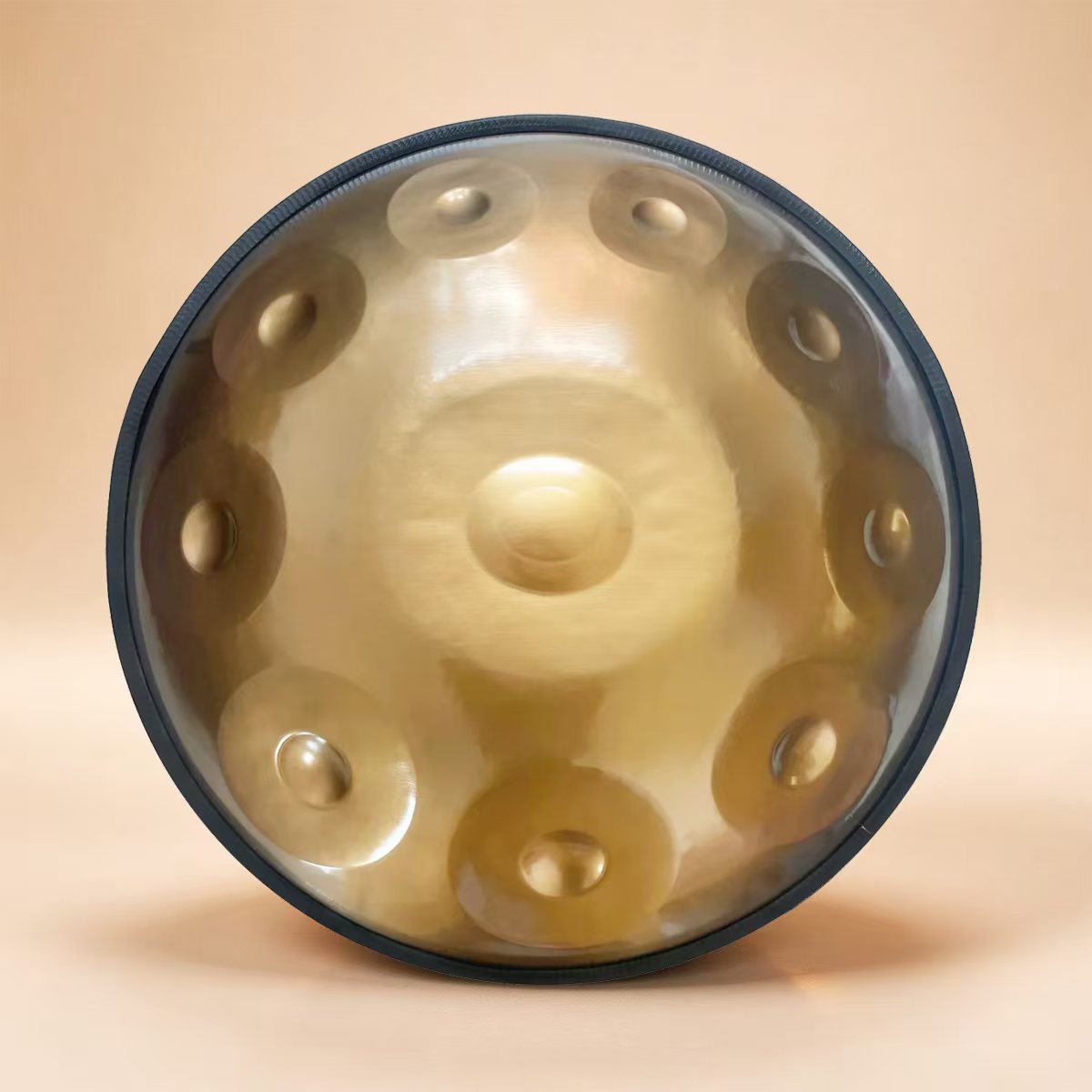
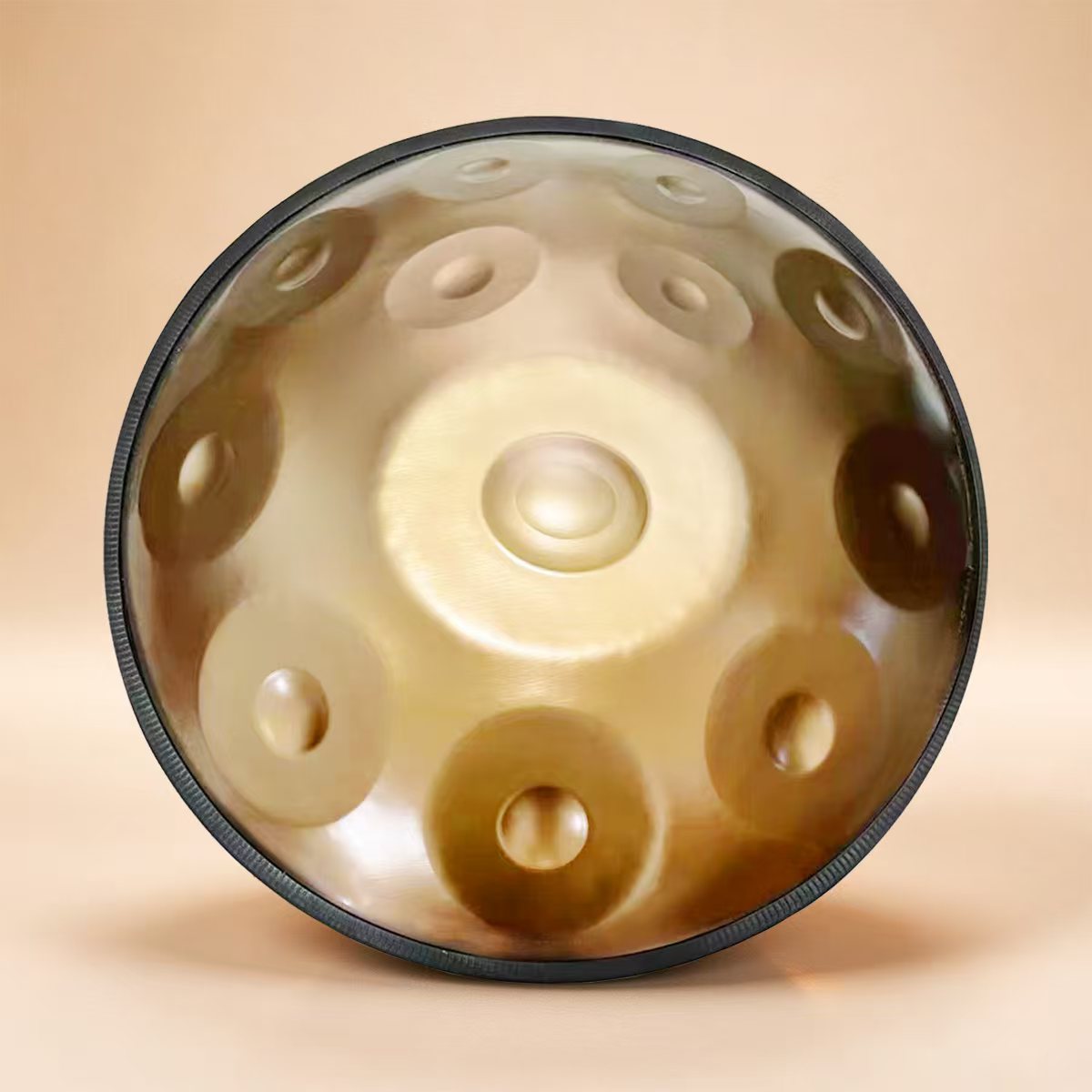
While the instruments listed above rely on stretched animal skins or synthetic membranes, the desire to play melodic music using the exact same intuitive palm-striking techniques led to the invention of the modern handpan. At Cosmos Handpan, we were deeply inspired by the tactile nature of traditional percussion. To understand this transition from membrane to steel, we recommend reading our deep dive into the handpan origin and history.
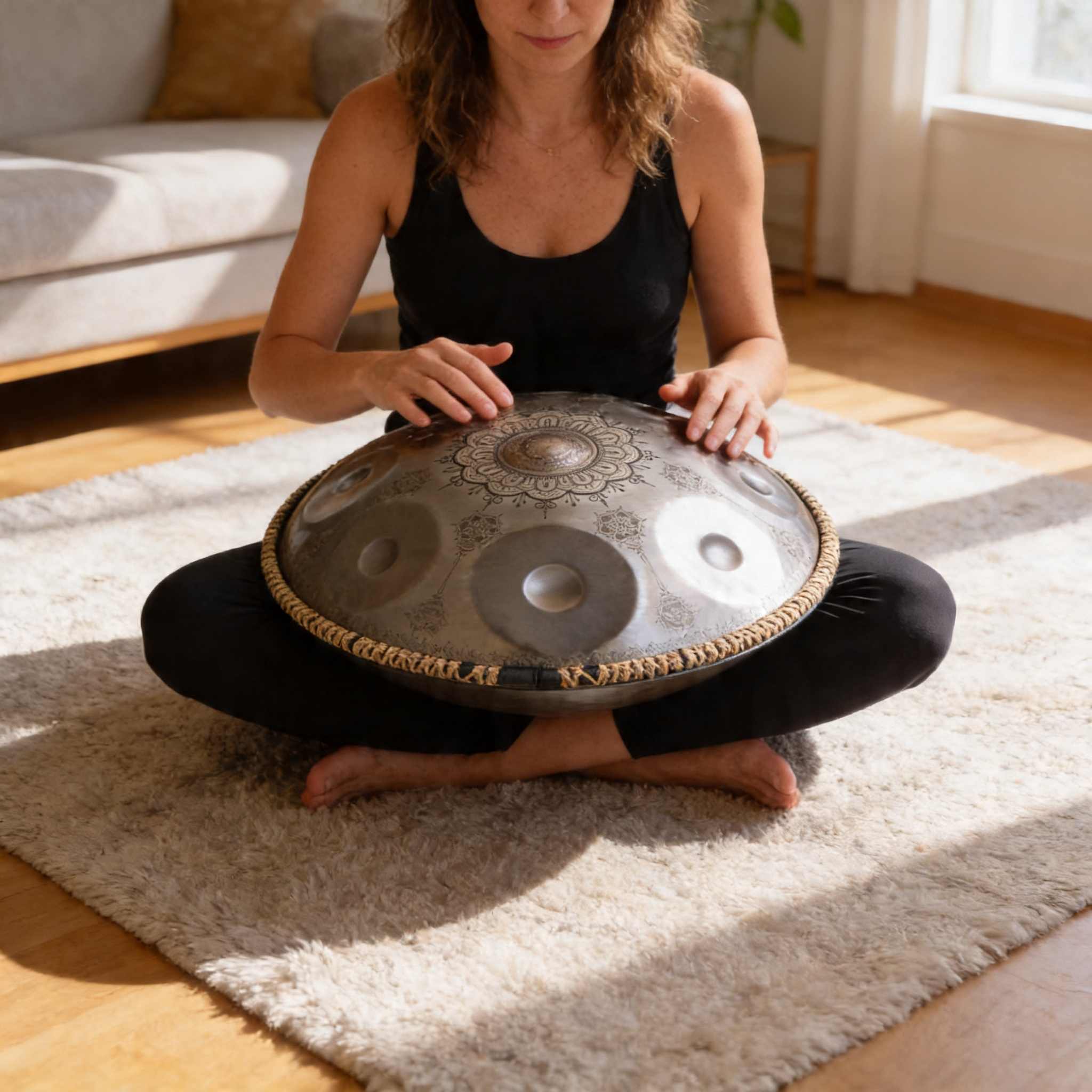
Though a handpan lacks a traditional drumhead, the physical approach—utilizing the palm, thumb, and fingertips to activate tuned tone fields—mirrors the ancient mechanics of the Djembe and Conga. This shared DNA is why hand percussionists transition to the handpan with such ease. If you are curious about the geographical roots of these steel vessels, explore where is handpan from. Furthermore, clarifying the terminology between various steel percussion instruments can be confusing; our guide on hang drum vs handpan provides authoritative clarity.
12. Summary Comparison Table
| Instrument | Origin | Primary Material | Dominant Palm Technique |
|---|---|---|---|
| Djembe | West Africa | Wood / Goat Skin | Center bass strikes, edge slaps |
| Conga | Cuba | Wood or Fiberglass / Cow Skin | Heel-toe rolling, open tones |
| Bongos | Cuba | Wood / Rawhide | Crisp fingertip and palm slaps |
| Tabla (Bayan) | India | Metal / Syahi-treated Skin | Palm pressure modulation for sliding bass |
| Darabuka | Middle East | Clay or Aluminum / Fish or Plastic | Deep center palm strikes (Doum) |
| Tombak | Persia | Walnut Wood / Sheep Skin | Full palm rolls and finger snaps |
| Pandeiro | Brazil | Wood / Hide or Synthetic | Thumb and heel of palm oscillation |
| Tar Frame Drum | Middle East | Wood Hoop / Thin Hide | Gentle center palm resonance |
| Dholak | South Asia | Mango Wood / Animal Skin | Heavy palm strikes on bass side |
13. Frequently Asked Questions (FAQs)
From our experience, when an instrument is played by striking the drumhead using the palm, the player connects directly with the instrument's resonance. The flesh of the hand acts as a natural dampener, allowing for nuanced tonal control, muting, and pitch bending that rigid sticks simply cannot achieve.
Proper technique prevents injury. Striking the drumhead should rely on the natural bounce and kinetic energy of the arm rather than brute force. Developing calluses and learning the correct heel-toe or slap technique ensures that playing remains comfortable even during long sessions.
We recommend sourcing instruments from dedicated artisans who understand acoustic science. For those looking to expand their collection, reviewing the best instrument stores online is a great starting point to find reliable gear.
14. Authoritative References
- Smithsonian National Museum of American History - Afro-Cuban Percussion Instruments
- Library of Congress - Traditional Music and Percussion Archives
- Society for Ethnomusicology - Global Rhythmic Traditions
Whether you are striking a traditional Djembe or exploring the melodic steel of a Cosmos Handpan, the fundamental connection between the human hand and a resonant surface remains one of our most profound artistic expressions. By understanding how an instrument is played by striking the drumhead using the palm, musicians unlock a timeless heritage of global rhythm.