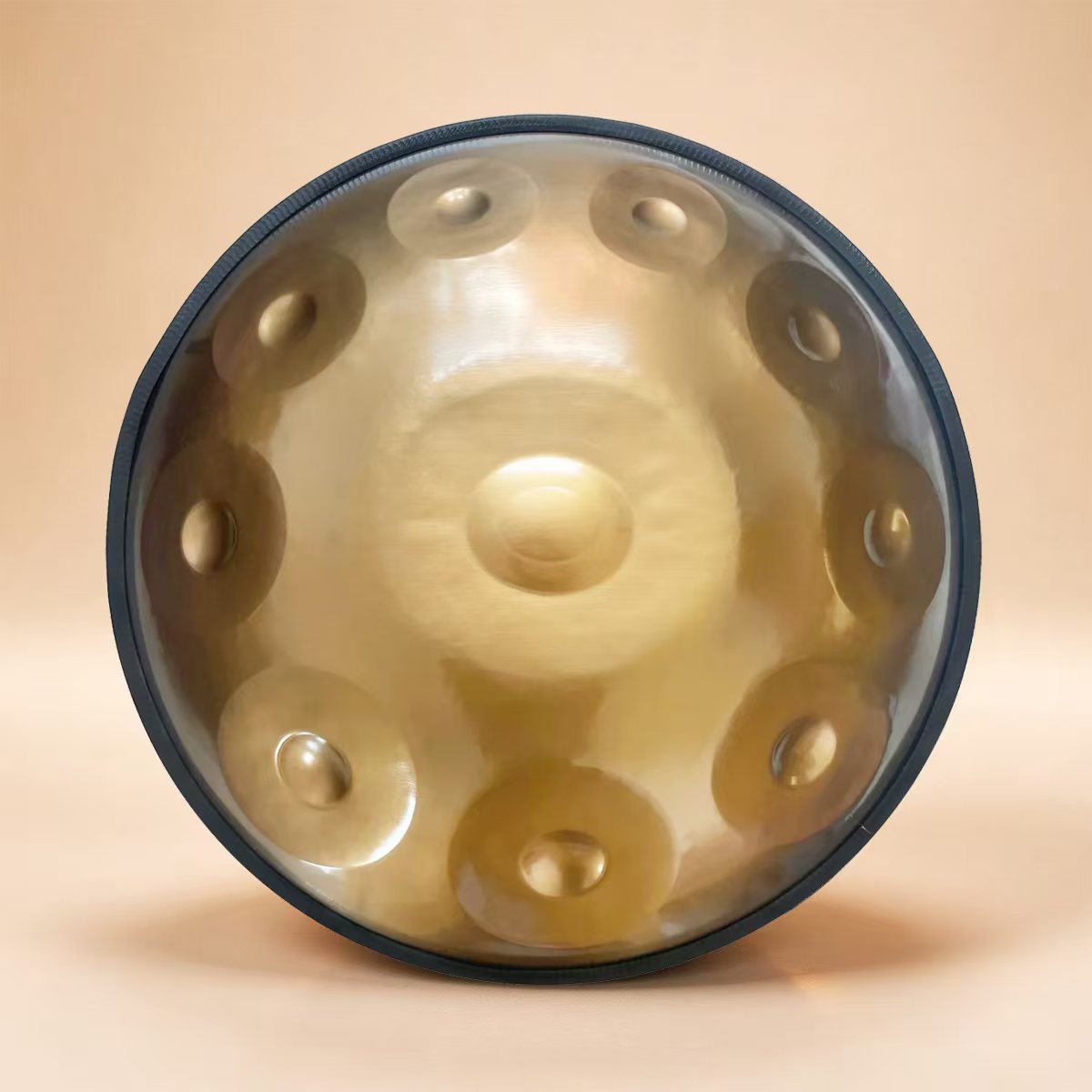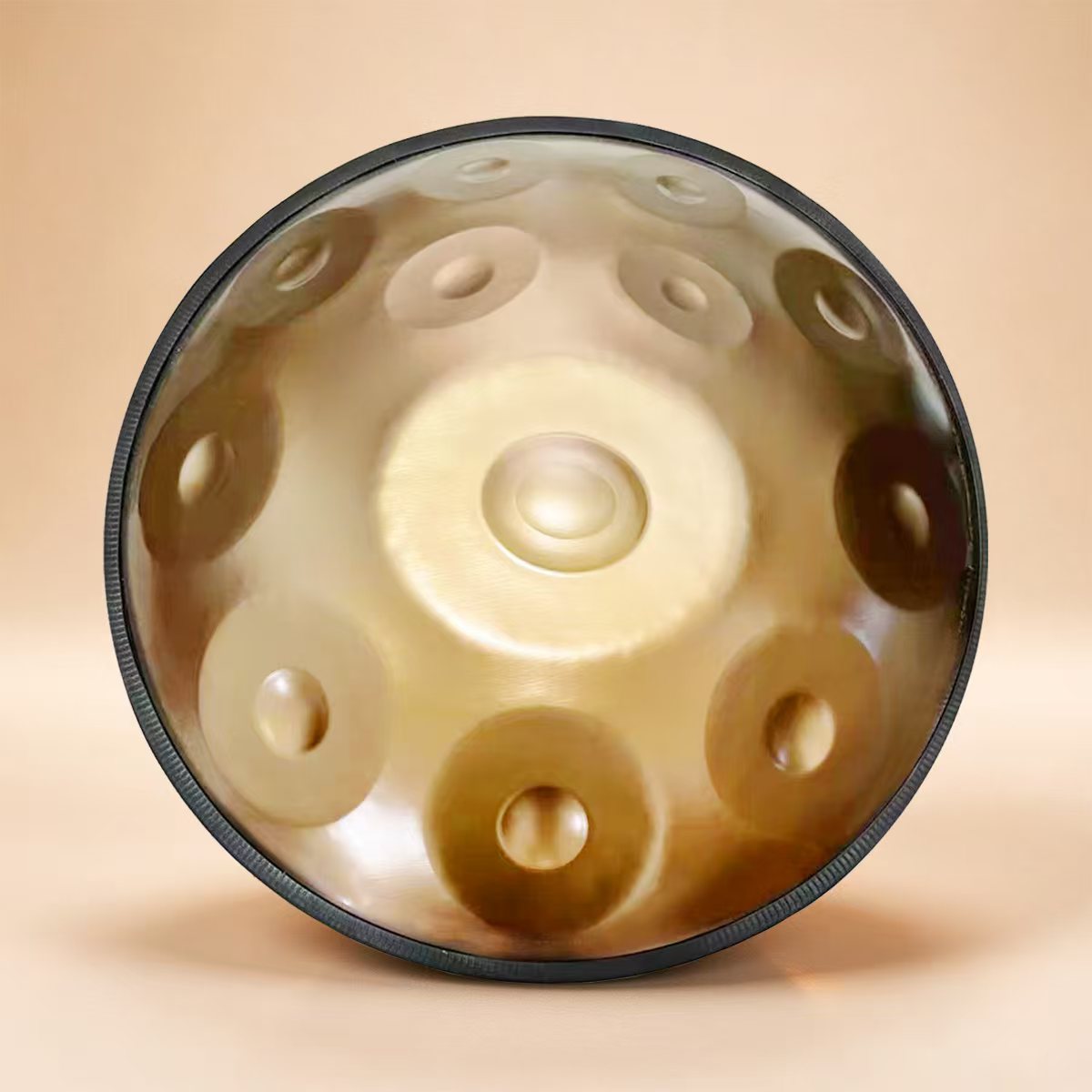
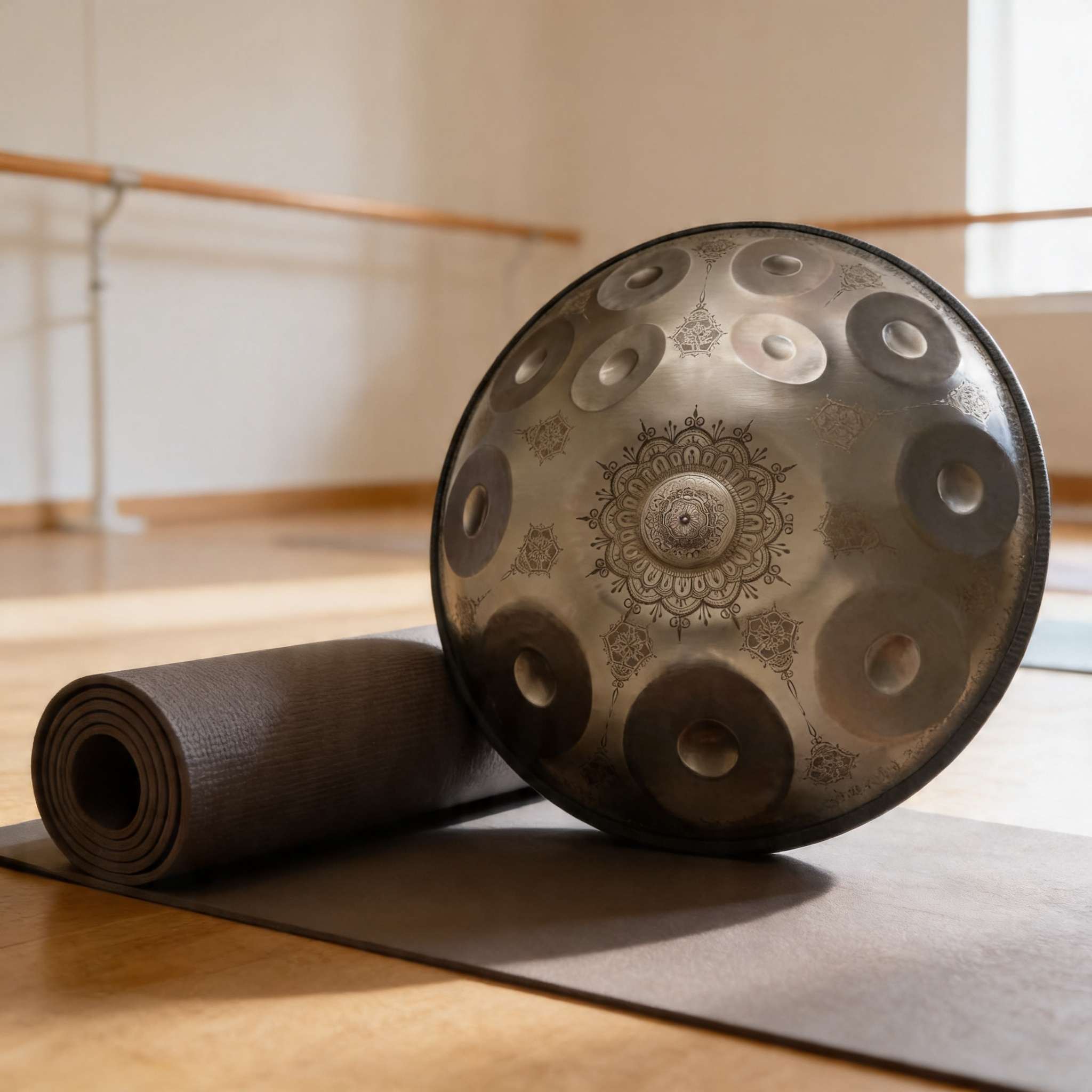
The handpan has evolved from a niche, hard-to-acquire acoustic sculpture into a globally recognized percussion instrument. As accessibility to quality instruments has increased, the demand for structured education has skyrocketed. However, because there is no centralized, centuries-old conservatory tradition for this instrument, the pedagogy remains heavily fragmented. Consequently, understanding the true handpan lessons cost requires navigating a chaotic market of self-taught gurus, professional percussionists, and subscription-based digital academies.

From our experience consulting with both amateur players and professional musicians, making an uneducated purchasing decision regarding musical education can stall your progress and drain your budget. A poorly structured course will not only waste your money but can ingrain bad habits, such as improper striking techniques that literally detune your instrument over time. In this comprehensive guide, we utilize our commercial and practical judgment to dissect exactly what you should pay, which instructional formats actually deliver results, and whether you truly need a teacher to master this intuitive instrument.
Quick Answer: The Bottom Line on Handpan Lessons Cost
In 2026, the handpan lessons cost varies strictly by the delivery format and the instructor's pedigree. Pre-recorded online video courses range from $15 to $35 per month (subscription) or $100 to $300 for lifetime access. Private 1-on-1 virtual lessons (Zoom/Skype) typically cost between $50 and $90 per hour. In-person private lessons in major metropolitan areas demand premium rates, averaging $70 to $120 per hour. For absolute beginners, we strongly recommend starting with a structured, one-time-purchase online course to learn foundational striking techniques before investing heavily in hourly private tuition.
Table of Contents
- What It Is: The Landscape of Handpan Education
- How It Works: Pedagogy and Progression
- The Strategic Benefits of Paid Lessons
- Limitations and Drawbacks
- Who Should Use Paid Lessons
- Who Does Not Need Paid Lessons
- Common Purchasing Mistakes
- Buying Considerations
- Expert Recommendation & Hardware Validation
- Essential Pricing and Comparison Tables
- The Bottom Line
- Frequently Asked Questions (FAQ)
- References
What It Is: The Landscape of Handpan Education
Unlike classical piano or violin, handpan education does not rely on standard sheet music. The instrument is fundamentally intuitive, built on fixed scales that eliminate the possibility of playing a "wrong" note in the traditional sense. Therefore, the handpan lessons cost you incur is not paying for someone to teach you music theory; it is paying for someone to teach you percussive touch, rhythmic independence, and compositional structure.
The education market in 2026 is divided into three primary tiers. The first tier consists of digital academies—highly produced, multi-module video courses hosted on dedicated platforms. The second tier involves private virtual instruction, allowing players globally to connect with master players. The third, and rarest, tier is in-person local instruction. Because competent handpan players are geographically scattered, local in-person lessons command the highest premium simply due to scarcity.
How It Works: Pedagogy and Progression
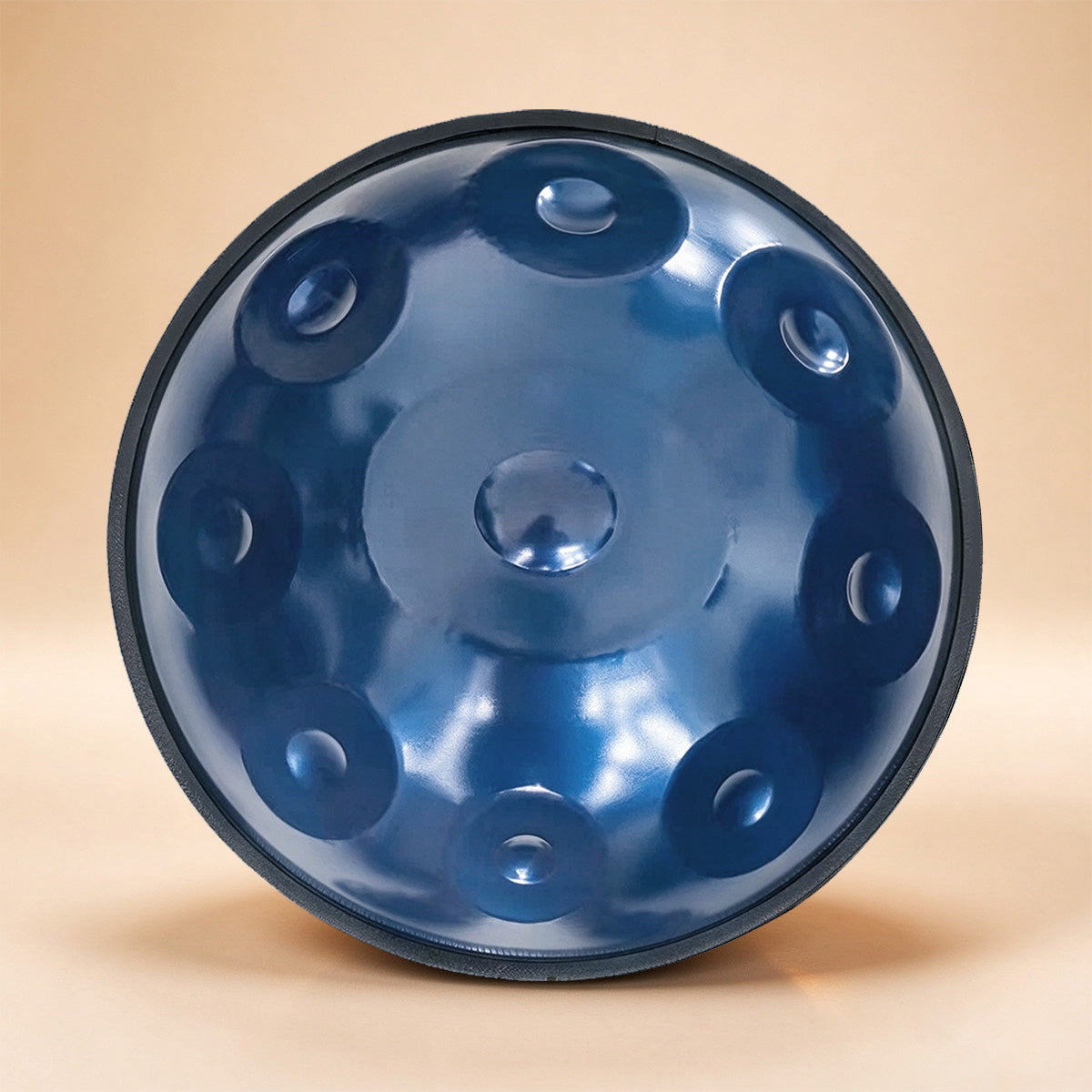
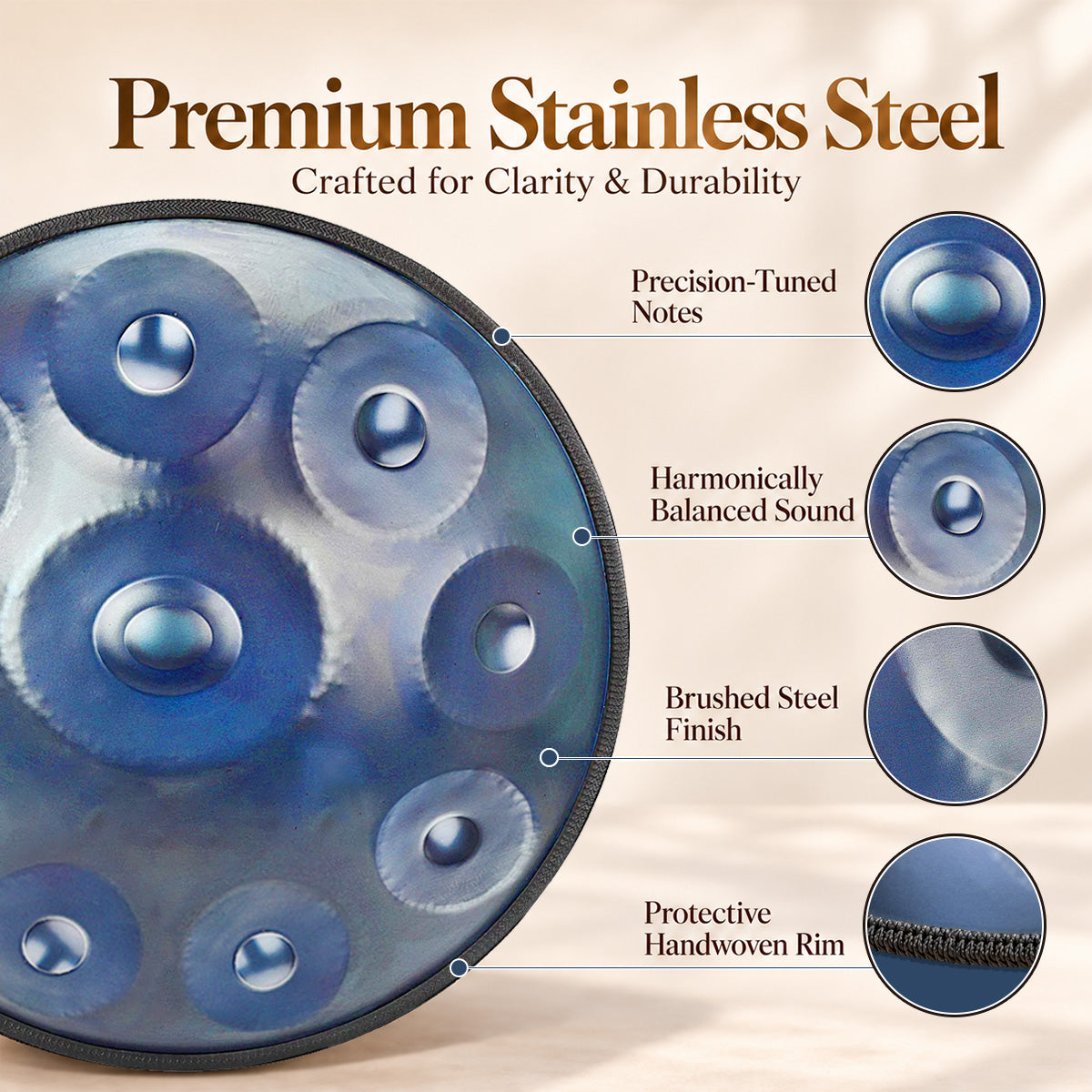
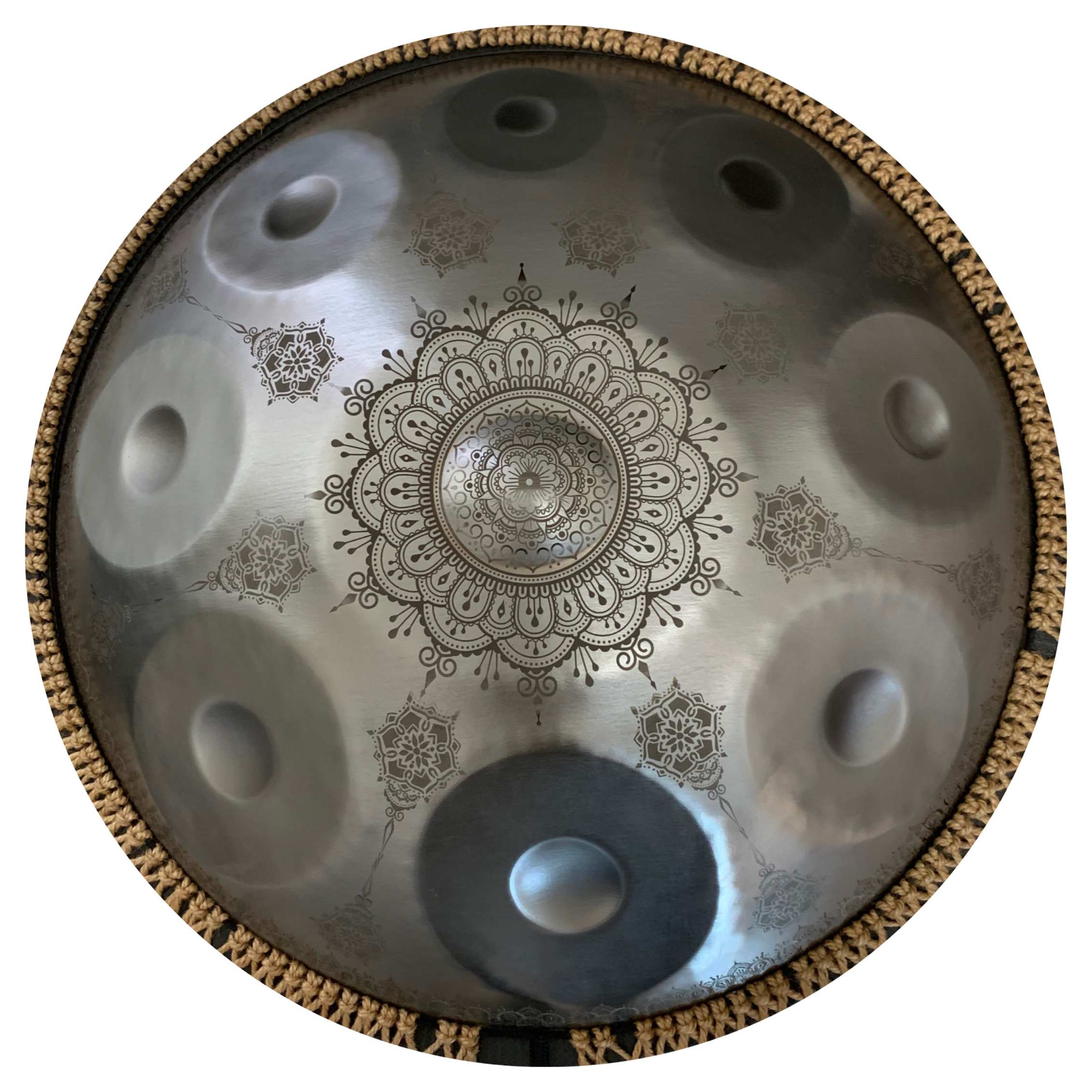
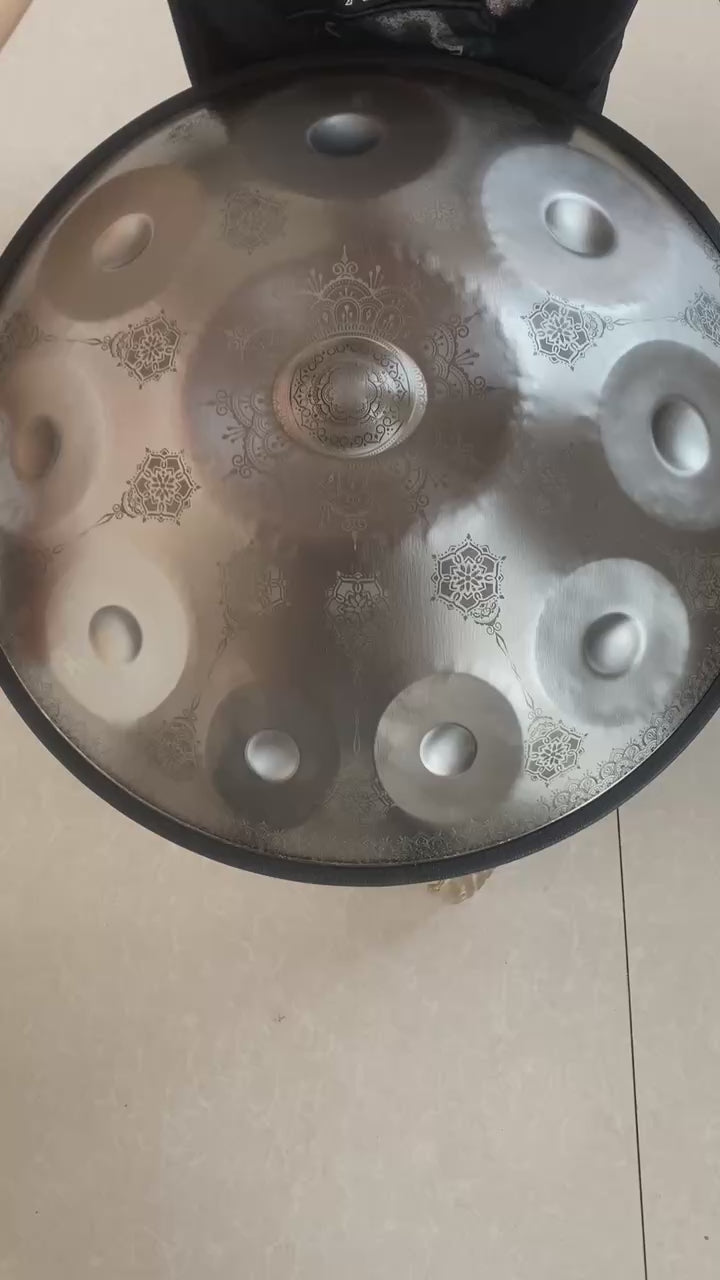
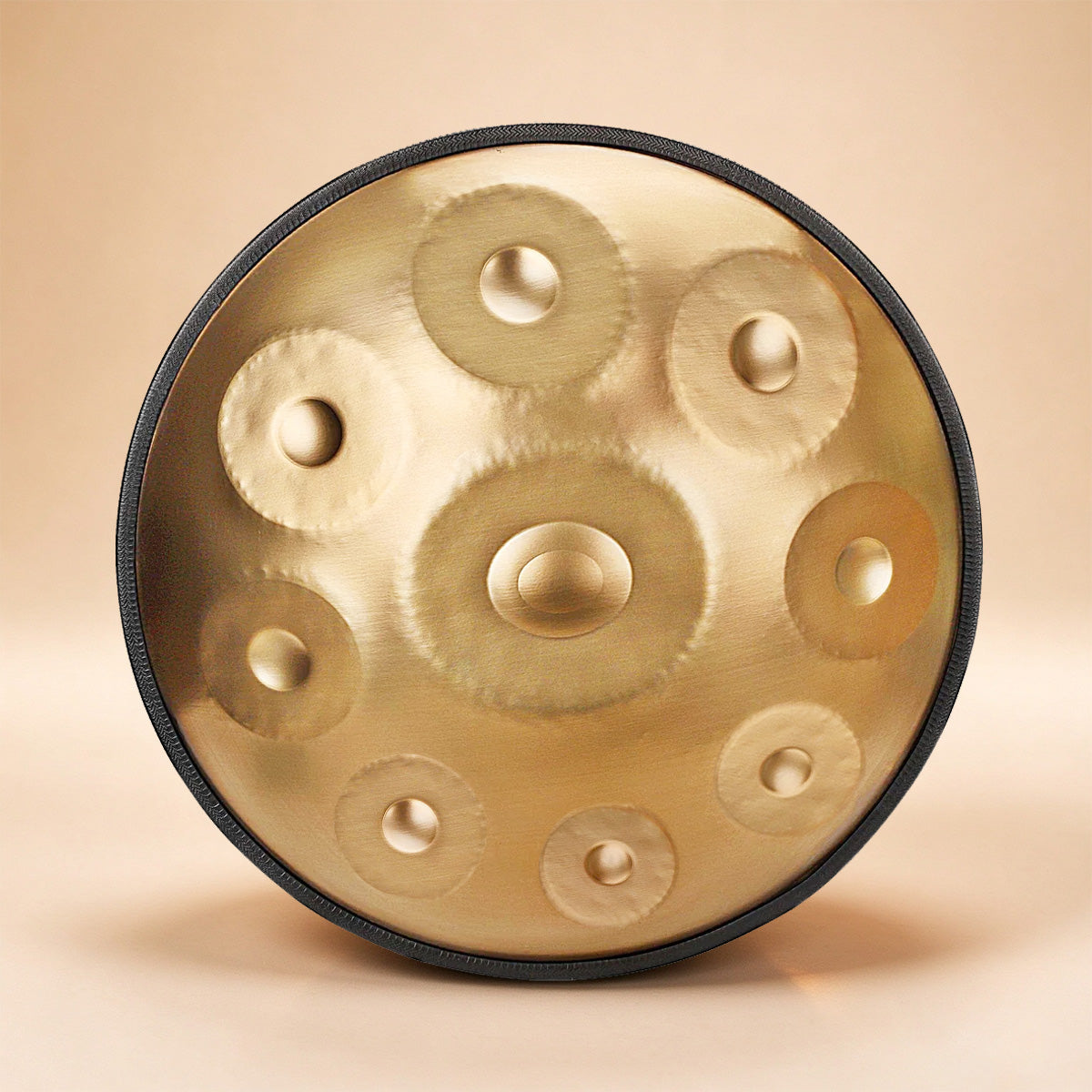
When you evaluate the handpan lessons cost, you must understand the curriculum you are buying into. In most professional situations, a quality curriculum works sequentially. It begins with the fundamental physics of the instrument: how to strike the tone fields (the dimpled areas) and the Ding (the central dome) to excite the steel just enough to produce resonance without "choking" the sound.
Once the basic touch is mastered, the curriculum advances to basic time signatures (4/4, 3/4), hand independence exercises, and the integration of ghost notes—the soft, un-pitched taps on the interstitial spaces of the shell that provide the driving rhythmic groove. Advanced lessons focus on polyrhythms, rapid double strokes, and composing full arrangements across instruments with varying layouts. For a deeper dive into how scale layouts dictate what you can play, reviewing a handpan notes chart is a critical prerequisite to any lesson.
The Strategic Benefits of Paid Lessons

It is entirely possible to learn the handpan via free YouTube tutorials. However, paying the handpan lessons cost provides distinct strategic advantages. First, it accelerates your learning curve. A structured course prevents the "tutorial trap" where you jump randomly between disparate concepts without mastering the foundational technique.
Second, paid lessons—specifically 1-on-1 sessions—provide immediate biomechanical feedback. Striking the steel incorrectly is the number one reason beginners fail to produce a clean tone. An instructor watching your wrist angle and finger recoil via a webcam can correct an issue in five seconds that might take you five months to realize on your own. Furthermore, they can help you navigate the nuances of your specific instrument, which is vital if you have questions regarding understanding handpan notes on complex, multi-scale layouts.
Limitations and Drawbacks
The primary limitation of investing in handpan education is the lack of standardization. A high handpan lessons cost does not guarantee high pedagogical quality. Many phenomenal performers are terrible teachers; they cannot articulate the mechanics of what their hands are doing intuitively.
Another severe limitation, particularly for pre-recorded courses, is scale incompatibility. The handpan is a diatonic instrument. If your purchased video course is taught exclusively on a C# Annaziska scale, but you own a standard D Minor instrument, playing along with the instructor will sound dissonant and confusing. You must ensure the lessons are either taught on your specific scale, or taught using interval numbers (1 through 8) rather than specific note names.
Who Should Use Paid Lessons
For beginners with absolutely zero background in percussion or rhythmic theory, structured lessons are virtually mandatory. Without a foundation in rhythm, the handpan quickly devolves into aimless, repetitive tapping. If you do not understand how to count quarter notes, eighth notes, and triplets, you will never progress beyond a basic meditative state into actual musical composition. Additionally, players looking to transition from other percussion disciplines and understand the nuances of the hang drum vs handpan tactile response will benefit greatly from professional instruction.
Who Does Not Need Paid Lessons
If you are an experienced percussionist—particularly a player of the cajon, frame drum, or tabla—you likely do not need to pay a high handpan lessons cost. Your hands already possess the necessary dexterity, recoil speed, and rhythmic independence. You merely need a few hours of adapting your touch to the steel. Similarly, players who use the instrument strictly for personal sound healing or meditation, rather than performance, may find rigid musical structures counterproductive to their goals. For these users, simply exploring a 432 hz handpan guide for intuitive, frequency-based playing is often sufficient.
Common Purchasing Mistakes
The most catastrophic mistake in the handpan ecosystem is allocating a massive budget toward lessons while playing a cheap, unresponsive mass-produced instrument. If the steel lacks sustain, is out of tune, or has poorly isolated tone fields (crosstalk), no instructor on earth can make you sound good. Your technique will suffer because you will naturally start striking harder to force a sound out of dead steel.
Another common mistake is purchasing a monthly subscription to an online academy and failing to practice consistently. The subscription model relies on user complacency. If you only practice once a week, a $30/month subscription becomes an incredibly inefficient way to learn. We recommend lifetime access courses for casual learners.
Buying Considerations
When evaluating the handpan lessons cost, apply commercial judgment and scrutinize the following factors:
- Instructor Credentials: Have they released professional albums? Do they have a clear, articulate speaking voice? Watch their free promotional content first.
- Video Production Quality: Handpan technique requires multiple camera angles. If the course does not feature an overhead top-down camera view, do not buy it. You must be able to see exactly where the hands are landing.
- Scale Agnosticism: Ensure the course methodology applies to your instrument. If you are unsure about what instrument to even buy, read our comprehensive handpan buying guide first.
Expert Recommendation & Hardware Validation
In our professional testing, we unequivocally state that your primary investment must be in the hardware, not the software. Do not spend $500 on 1-on-1 lessons if you are playing a $200 stamped metal toy. A premium instrument practically teaches you how to play it, as it responds to the lightest, most nuanced touch.
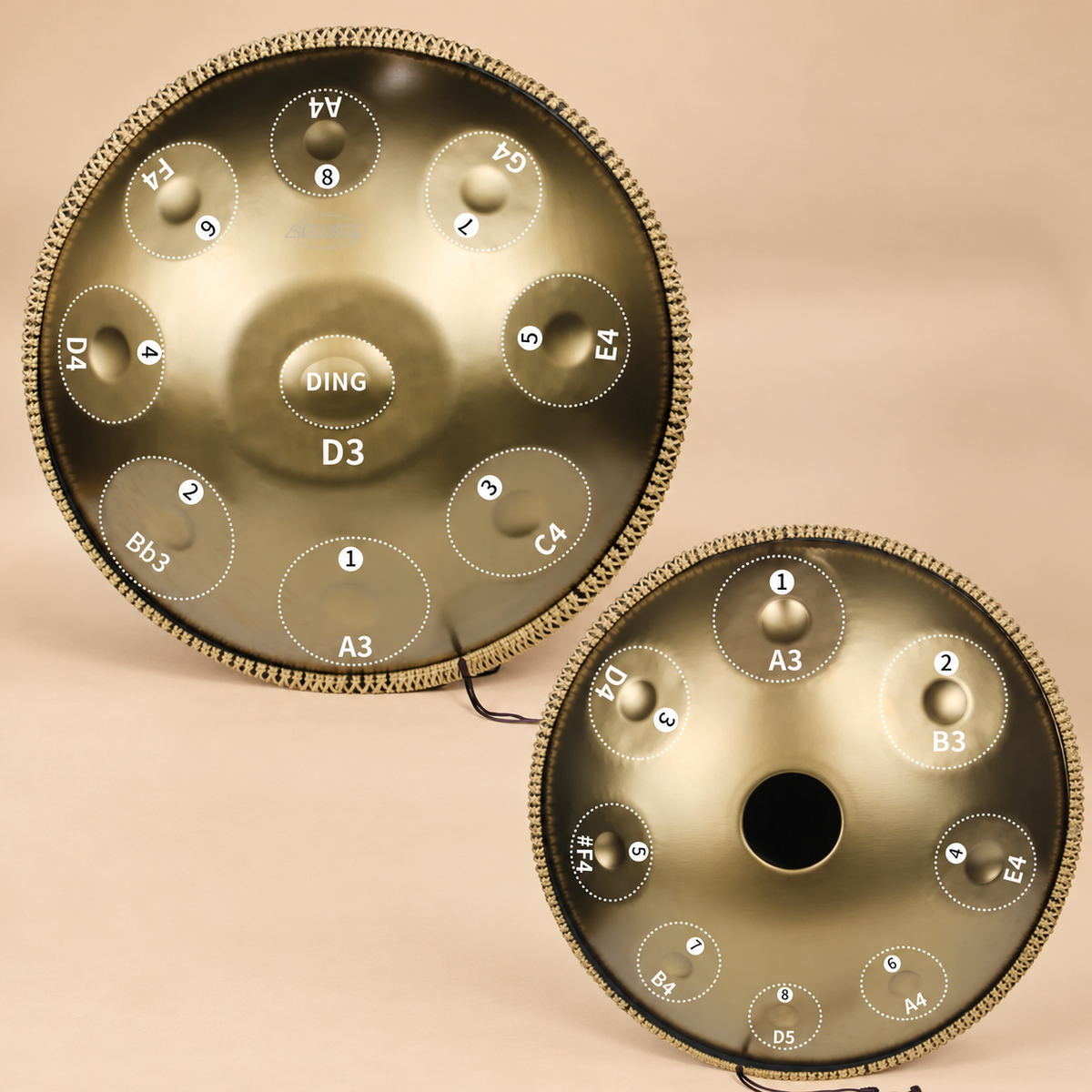
For players serious about composition and long-term learning, we recommend starting your journey with a mathematically optimized, expanded-scale instrument. A standard 9-note pan will eventually limit your chordal possibilities. Knowing how many notes should a handpan have is crucial; we advise a double-sided layout to maximize your harmonic range without increasing the standard handpan size.
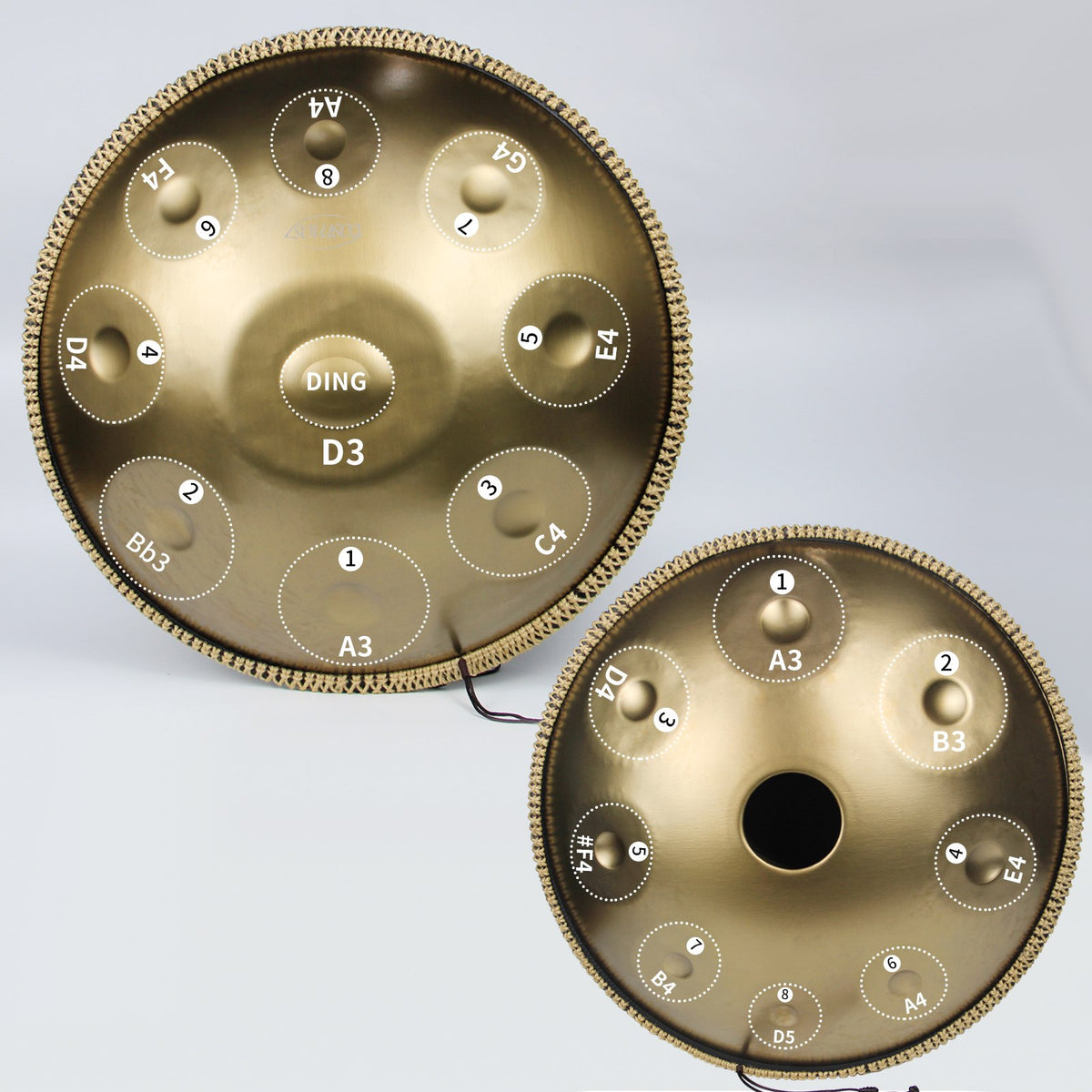
Cosmos Handpan - Double-Sided 17-Notes in D Minor - Tambourine Golden Elegance Gift Set
Before investing in advanced lessons, ensure you have an instrument capable of executing advanced techniques. This double-sided masterpiece offers unparalleled harmonic possibilities for both students and professionals.
- Scale: D minor (Pure Golden 17 Notes: D3/A3 Bb3 C4 D4 E4 F4 G4 A4 A3 B3 D4 E4 #F4 A4 B4 D5)
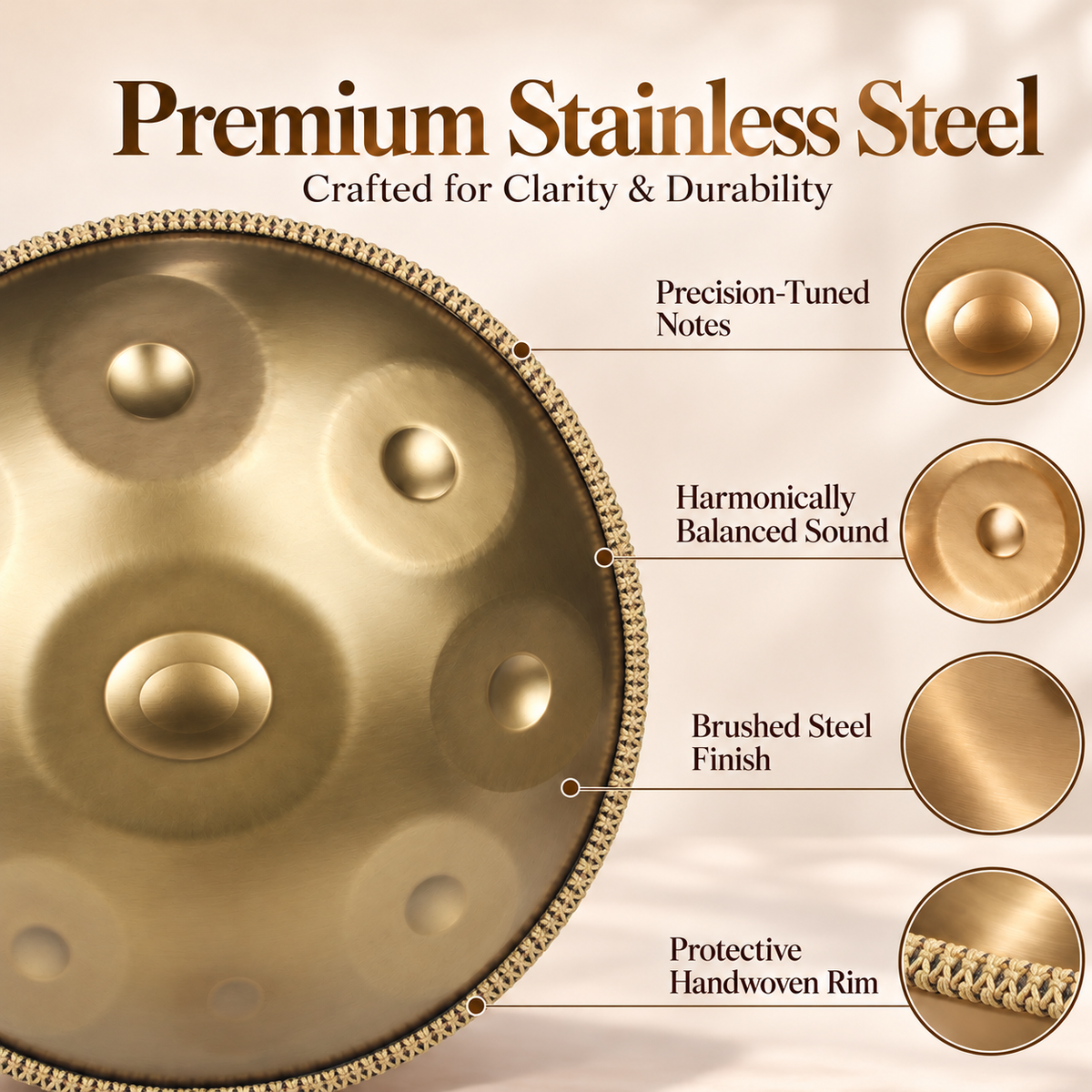
- Material: STL 430 stainless steel
- Weight: 4 Kg
- Diameter: 55.6 cm | Height: 25 cm
- High quality manufacturing: Handmade Scales
Essential Pricing and Comparison Tables
Quick Summary Table: Average Handpan Lessons Cost (2026)
| Lesson Format | Average Price Range | Best For |
|---|---|---|
| Pre-Recorded Video Courses (Lifetime) | $100 - $300 | Self-motivated beginners, visual learners. |
| Online Subscription Academies | $15 - $35 / month | Players who practice daily and consume content rapidly. |
| Private Virtual (Zoom/Skype) | $50 - $90 / hour | Intermediate players needing technique correction. |
| Private In-Person | $70 - $120 / hour | Players who need physical, hands-on biomechanical guidance. |
Comparison Table: Learning Formats
| Feature | Pre-Recorded Courses | 1-on-1 Virtual Lessons |
|---|---|---|
| Schedule Flexibility | Total (24/7 access) | Limited (Requires booking) |
| Personalized Feedback | None | High |
| Long-term Value | Excellent (One-time cost) | Expensive over time |
| Pacing | Determined by student | Determined by instructor |
Pros and Cons Table: Investing in Private Instructors
| Pros of Private Instruction | Cons of Private Instruction |
|---|---|
| Immediate correction of bad habits and poor posture. | High recurring financial cost. |
| Customized curriculum based on your specific musical background. | Difficult to find local instructors; heavily reliant on webcam audio quality. |
| Direct answers to specific compositional questions. | Instructor's personal playing style may heavily influence your own. |
| Accountability to practice weekly. | Scheduling conflicts across different global time zones. |
Buying Guide Table: Selecting an Online Course
| Factor to Evaluate | Why It Matters | Our Standard Requirement |
|---|---|---|
| Camera Angles | You cannot learn touch if you cannot see the fingers clearly. | Must feature an overhead (top-down) camera view. |
| Notation System | Traditional sheet music is rarely used for handpan. | Must use a visual number-based or color-coded tablature system. |
| Community Access | Learning alone can be isolating. | Should include access to a private forum or Facebook group for peer review. |
The Bottom Line
Is the handpan lessons cost justified? Yes, provided you allocate your budget intelligently. For absolute beginners, dropping hundreds of dollars on hourly private lessons is an inefficient use of capital. You are paying a premium rate to learn basic rudiments that a $150 pre-recorded video course covers comprehensively. We recommend establishing your fundamental touch and rhythm through a high-quality, lifetime-access digital course. Once you hit a plateau—typically around the six-month mark when you begin exploring complex polyrhythms and independence—investing in a few targeted, 1-on-1 virtual sessions with a master player is highly recommended. Above all, ensure your capital is first deployed toward a professional-grade instrument; the finest teacher cannot overcome the physical limitations of inferior steel.
Frequently Asked Questions (FAQ)
Can I learn the handpan without any musical background?
Absolutely. The handpan is one of the most accessible instruments in the world. Because the notes are pre-tuned to a specific scale (like D Minor), every note harmonizes with the others. You do not need to read sheet music. Lessons will focus primarily on developing your rhythmic timing and the physical technique of striking the steel correctly.
Are online handpan lessons as effective as in-person lessons?
For the first year of playing, highly-produced online video courses are arguably more effective than in-person lessons. They provide multiple camera angles, slow-motion breakdowns, and the ability to pause and rewind infinitely. However, for advanced techniques requiring subtle biomechanical adjustments, in-person or live Zoom lessons become necessary for direct feedback.
Why do some handpan instructors charge over $100 an hour?
High hourly rates are driven by the scarcity of elite performers. While millions play the guitar, there is a very small pool of master-level handpan players globally. When you pay a premium handpan lessons cost, you are compensating for the instructor's unique touring experience, compositional expertise, and decades of specialized dedication to a rare instrument.
References & Industry Standards
To ensure our pedagogical recommendations align with established musical education standards, we base our analysis on frameworks provided by the following authoritative institutions: