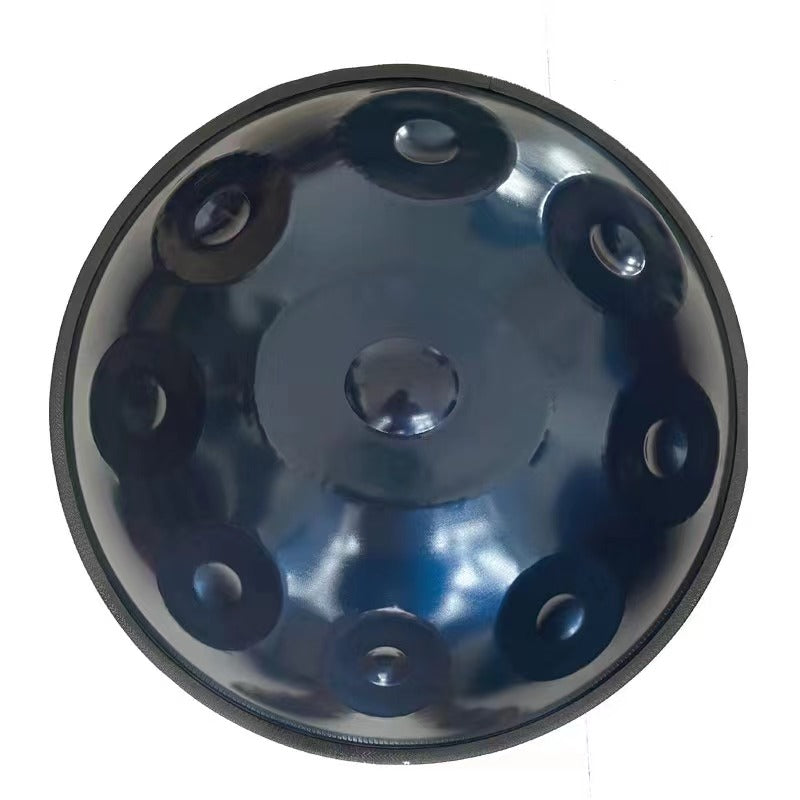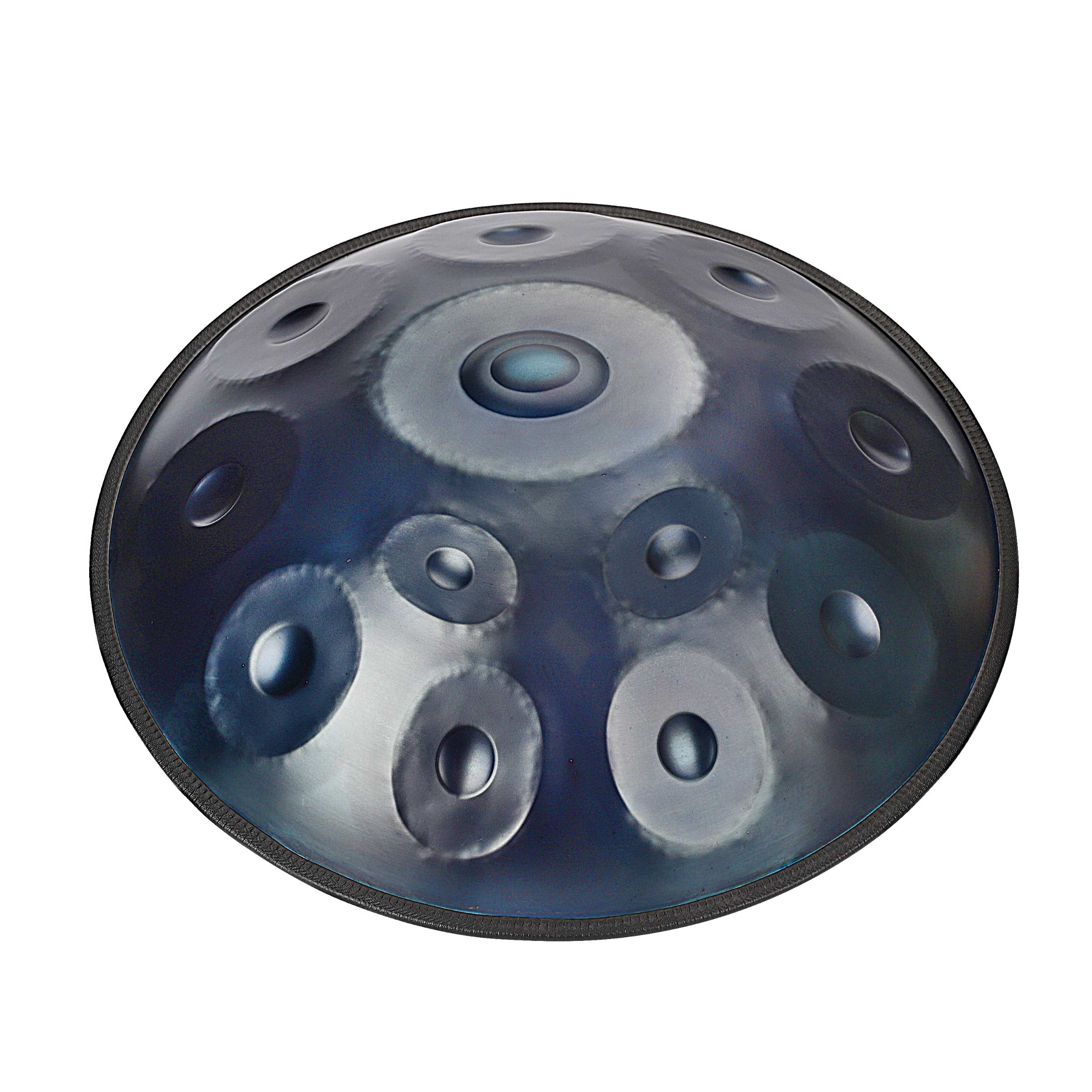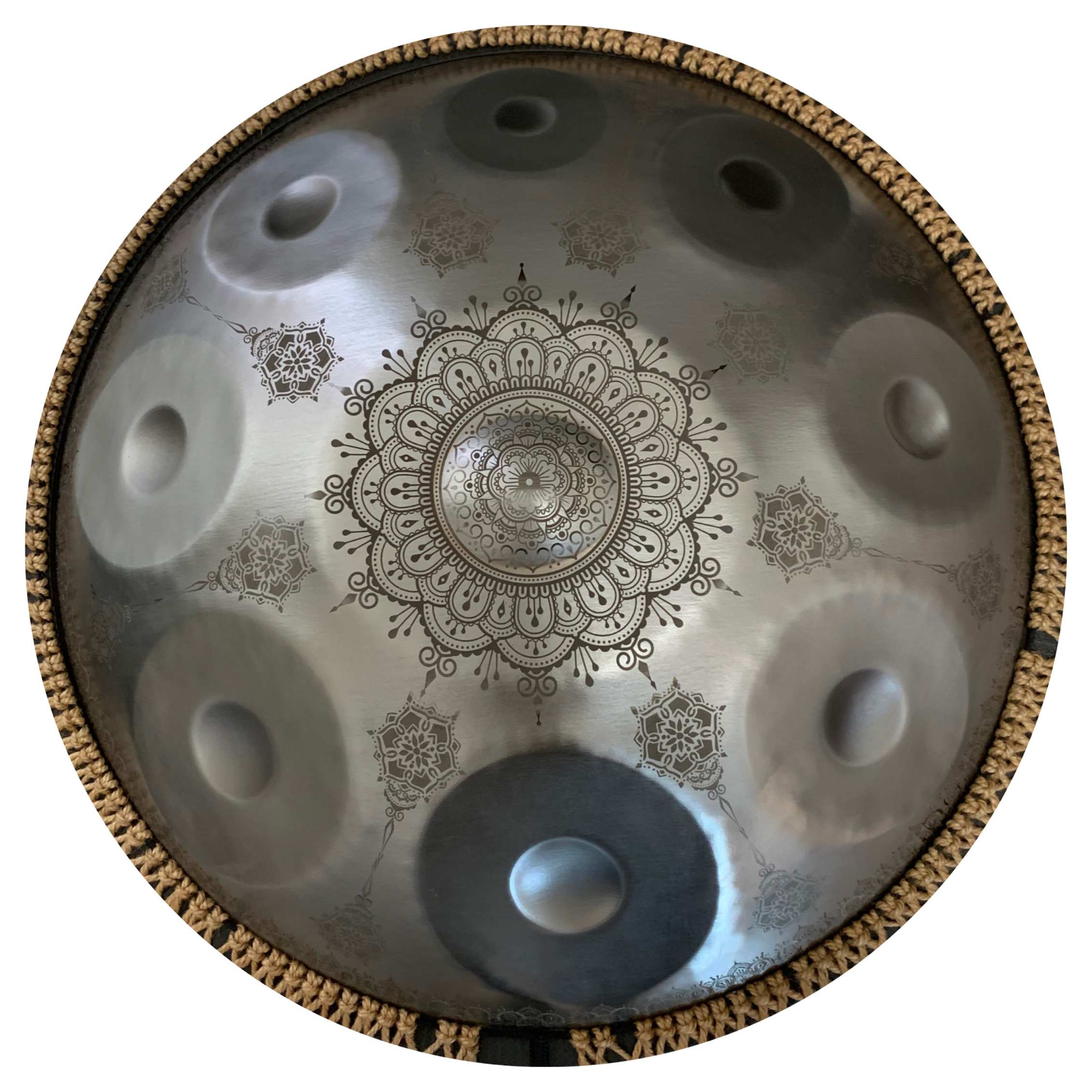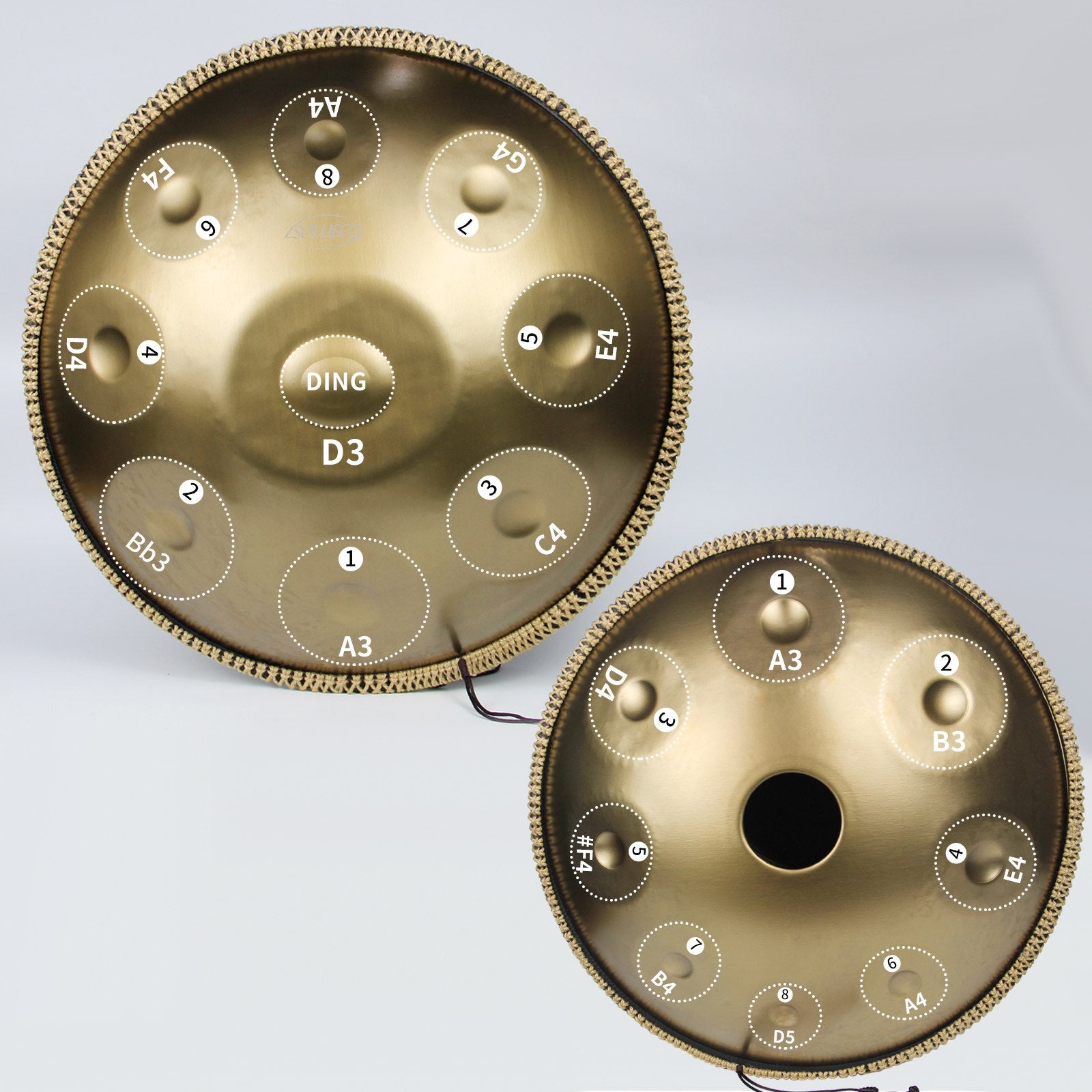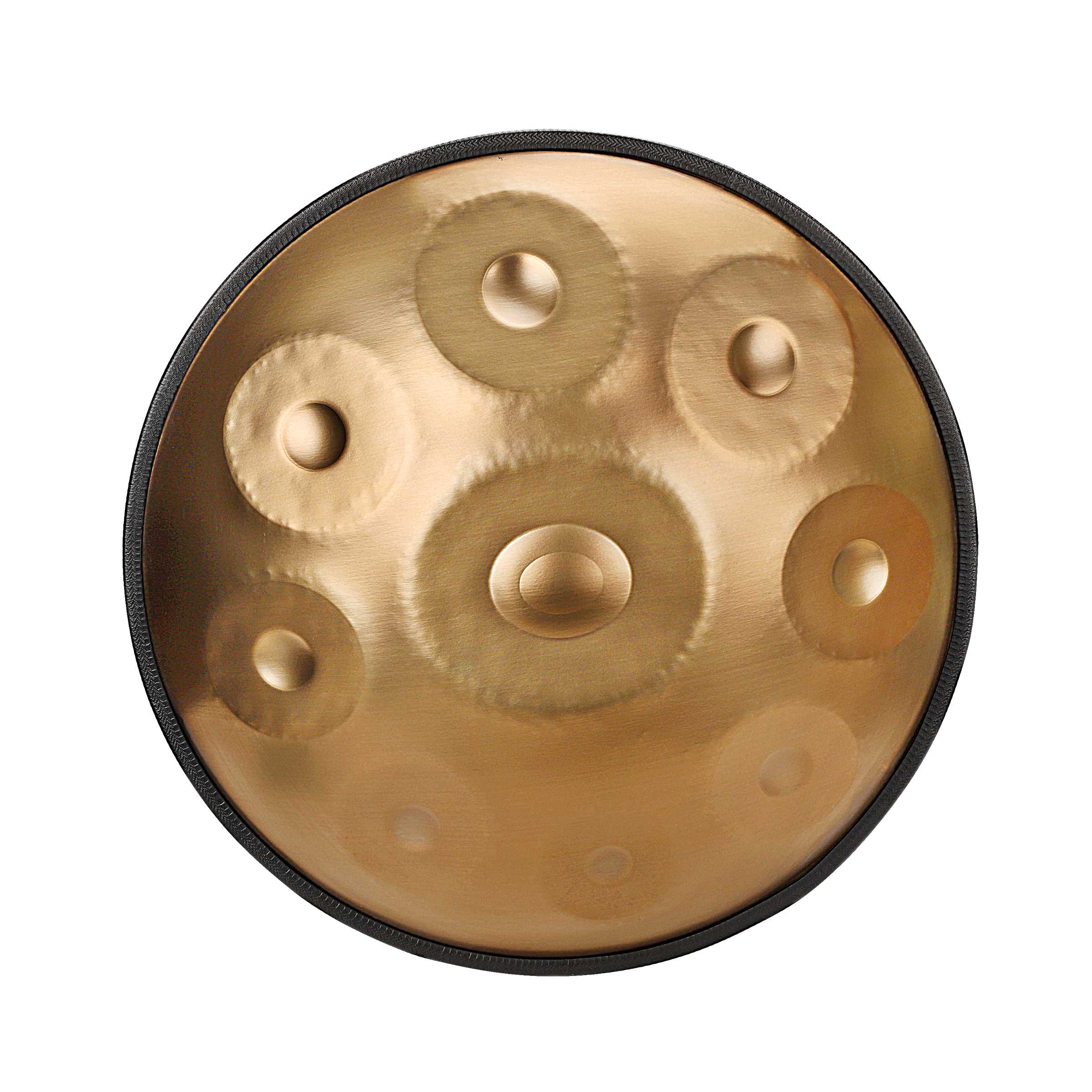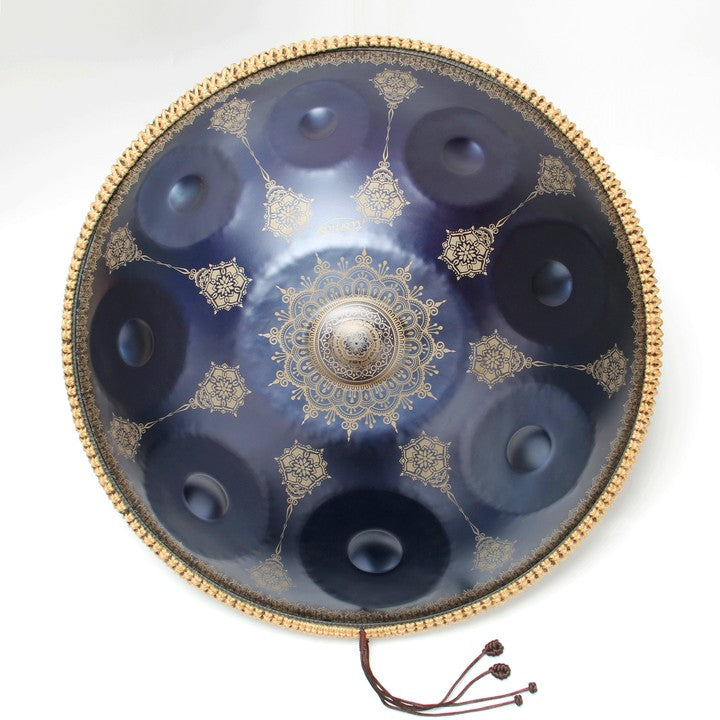
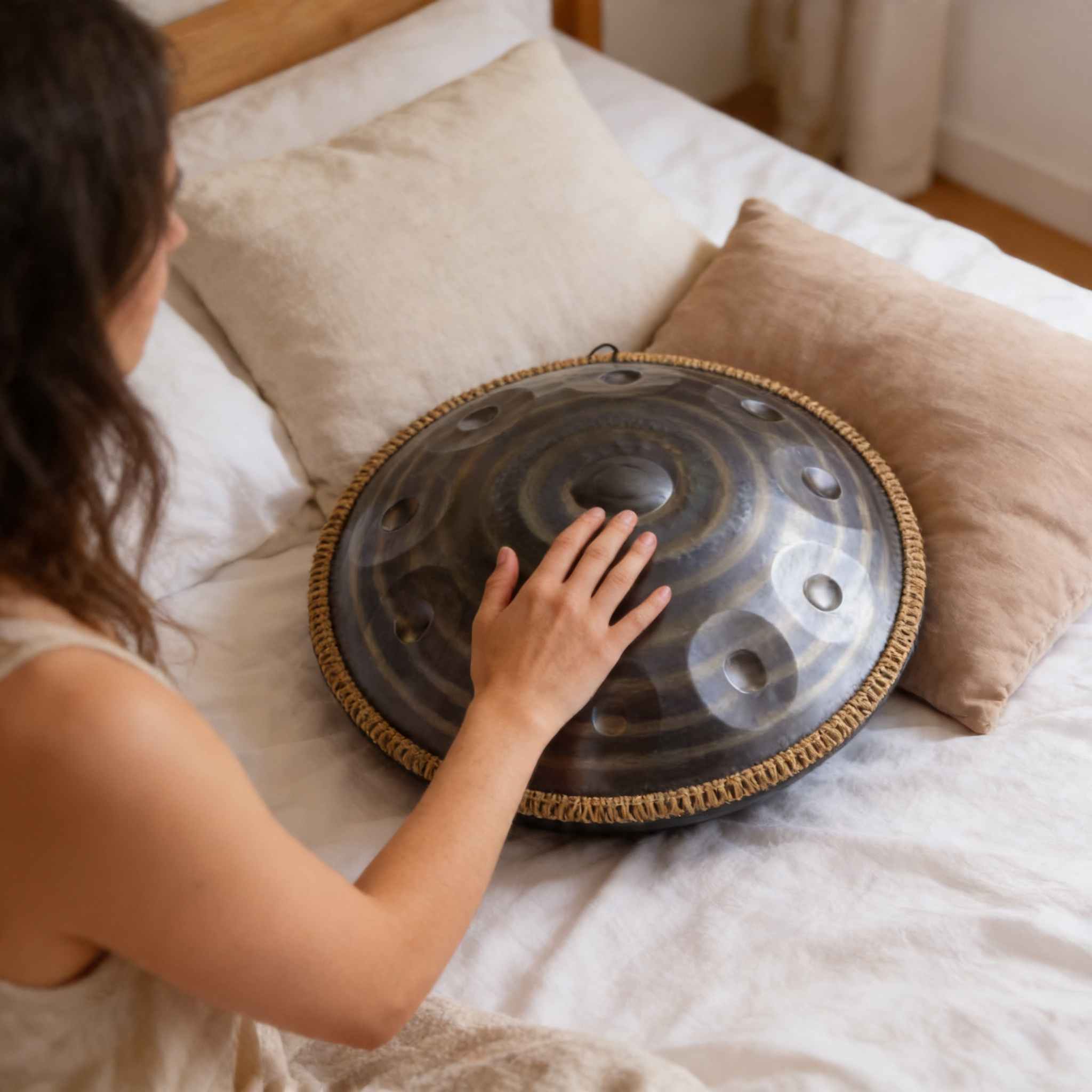
Every musician knows the cold sweat that washes over them when approaching an airline check-in counter. When you hold an instrument as visually unique and structurally delicate as a handpan, that anxiety is magnified tenfold. To safely fly with a handpan requires a strategic blend of specialized gear, knowledge of aviation regulations, and an uncompromising attitude at the boarding gate. We refuse to accept the narrative that your precious instrument is at the mercy of reckless baggage handlers. If you intend to fly with a handpan, you must take absolute control of its transit.

In the heart of Colorado, USA, Cosmos Handpans shines as a guiding light of musical innovation and soulful resonance. We have more than a decade of expertise in creating handpans and tongue drums. Passion, precision, and an unwavering pursuit of musical excellence steep our musical journey. Forging Cosmos Connections, our story begins with a shared love for music and a profound desire to create instruments that transcend sound. Our instruments and melody resonate deeply with the spirit of every musician. Our crafters pour their heart into each handpan and tongue drum with intricate workmanship and dedication. Our artisans infuse each instrument with ethereal melodies that stir the senses and uplift the spirit.
We craft instruments that demand respect, and from our experience, airline staff will only respect your instrument if you do. The dimples on the tone fields are incredibly sensitive to kinetic shock. A single careless drop on the tarmac will instantly destroy the intonation of your carefully crafted scale, forcing you to seek out expensive retuning services. In this definitive guide, we will break down the exact strategies, cases, and legal protections you need to successfully fly with a handpan anywhere in the world.
Table of Contents
- 1. The Golden Rule: Carry-On Over Everything
- 2. Hard Case vs. Soft Bag: Selecting Your Armor
- 3. Navigating TSA and Airport Security Screening
- 4. Airline Policies and Knowing Your Rights
- 5. Does Altitude and Temperature Affect Tuning?
- 6. Summary Table: Air Travel Cases Compared
- 7. Frequently Asked Questions (FAQs)
- 8. Authoritative References
1. The Golden Rule: Carry-On Over Everything
We are going to state this bluntly: you should never voluntarily check your handpan into the cargo hold if it is in a soft case. Do not trust baggage handlers. The conveyor belt systems and the sheer velocity at which luggage is thrown into the belly of an aircraft will mercilessly dent your instrument. The absolute best way to fly with a handpan is to carry it onto the plane with you.
However, bringing a handpan into the cabin requires strategy. Because the standard handpan size generally spans between 21 to 24 inches in diameter, it technically exceeds the standard overhead bin dimensions of many domestic airlines. Yet, from our experience, gate agents and flight attendants are remarkably accommodating if you are polite, early, and firm about the instrument's fragility.
We recommend paying for priority boarding. When you fly with a handpan, your primary objective is securing overhead bin space before the cabin fills up. Walk up to the flight attendants as soon as you board, smile, and say, "I am traveling with a highly fragile, custom-built musical instrument. May I place it in the overhead bin, or is there space in the coat closet?" In 90% of cases, if you are early, they will happily assist you. If you are forced to gate-check it, you must be prepared with the proper physical armor.
2. Hard Case vs. Soft Bag: Selecting Your Armor
If you plan to fly with a handpan frequently, your gig bag is inadequate. A soft padded backpack is fantastic for hiking to a local park or riding the subway, but it offers zero protection against a 50-pound hard-shell suitcase being dropped directly onto your central Ding. You must invest in a flight-rated hard case.
Fiberglass, high-impact polycarbonate, or reinforced Evatek hard cases are mandatory. These cases are engineered to distribute blunt force across their outer shell, preventing the kinetic energy from transferring into the tone fields of the instrument. When you understand the delicate architecture of your instrument by referencing a handpan notes chart, you realize that the outer rim notes are heavily exposed. A severe impact to the rim will knock the entire scale out of harmony.
If you absolutely must check your instrument into the cargo hold, we recommend a custom-fitted flight case with thick, shock-absorbing EVA foam inserts. Ensure the foam directly supports the "guiding ring" of the handpan and leaves a hollow void above the actual notes. If the foam presses heavily against the notes during a turbulent flight, it can warp the metal. Protecting the specific tuning configuration, whether you play a standard minor scale or a deeply resonant 1111 hz handpan meaning frequency model, relies entirely on the structural integrity of your case.
3. Navigating TSA and Airport Security Screening
Security agents are trained to identify threats, and a large, metallic, UFO-shaped object passing through an X-ray scanner is guaranteed to trigger a manual inspection. Do not panic. When you fly with a handpan, being pulled aside by TSA is standard operating procedure.
When the agent asks to open the bag, politely request that you open it for them. Explain clearly that it is a tuned acoustic instrument and the metal surfaces are extremely sensitive to pressure. They will almost certainly run an Explosive Trace Detection (ETD) swab over the surface of the instrument. Because we build our instruments at Cosmos Handpans with deep understanding handpan notes and protective nitriding or oil coatings, a cotton swab will not damage the finish. However, ensure the agent does not forcefully push down on the dimples.
We recommend printing out a brief description of the instrument and placing it inside the case. This simple document can quickly educate a confused security agent and expedite the screening process, ensuring you have plenty of time to relax and maybe even practice on one of your handpan learning apps while waiting at the gate.
4. Airline Policies and Knowing Your Rights

If you are flying within or departing from the United States, you have specific legal protections as a musician. The FAA Modernization and Reform Act of 2012 mandates that U.S. airlines must allow passengers to carry small musical instruments into the cabin, provided there is space in the overhead bins or under the seats at the time of boarding.
While the physical diameter of a handpan pushes the limits of "small instrument," invoking this policy calmly and respectfully often sways gate agents in your favor. It is critical to research your specific airline's musical instrument policy before booking your ticket. Budget airlines are notoriously rigid regarding dimensions and will aggressively force you to check the instrument and charge oversized baggage fees.
We recommend booking flights on legacy carriers when you fly with a handpan. They generally utilize larger aircraft with more accommodating overhead bins. When debating how many notes should a handpan have for travel, consider that highly customized, mutant handpans with bottom notes are significantly thicker and more difficult to fit into standard overhead compartments than standard 8 or 9-note configurations.
5. Does Altitude and Temperature Affect Tuning?
A prevalent myth within the community is that the depressurization and freezing temperatures of an aircraft's cargo hold will permanently detune a handpan. From our experience as master crafters, this is fundamentally false. The high-quality nitrided steel or stainless steel used in professional Cosmos Handpans is tempered at extreme temperatures during the manufacturing process. A drop to -30 degrees Celsius in a cargo hold will temporarily cause the metal to contract, causing the instrument to sound sharp and stiff.
However, this is a purely temporary physical reaction. Once the handpan returns to room temperature and acclimates to the local environment, the molecular structure relaxes, and the tuning will return to normal. Whether you play a standard 440 Hz scale or follow the 432 hz handpan guide for meditative frequencies, the pitch is baked into the steel's tension.
What *will* destroy the tuning is physical impact. The cold temperatures make the steel slightly more brittle, meaning a physical drop while the instrument is frozen is exponentially more dangerous than a drop at room temperature. If you find your instrument sounds permanently dissonant after a flight, it was subjected to kinetic shock, not altitude. You will need to seek professional services and review how to tune a handpan to correct the structural damage.
6. Summary Table: Air Travel Cases Compared
To ensure you make an uncompromising and educated decision before you fly with a handpan, we have broken down the case options based on their survivability in an airport environment.
| Case Type | Weight | Impact Resistance | Carry-On Viability | Checked Baggage Safety |
|---|---|---|---|---|
| Standard Soft Bag | Light (2-4 lbs) | Poor | Excellent (Easily fits in bins) | Catastrophic - Never check a soft bag. |
| Semi-Rigid (Evatek) | Medium (5-7 lbs) | Moderate | Good (Bulky but manageable) | High Risk - Gate check only if necessary. |
| Polycarbonate Hard Shell | Heavy (8-12 lbs) | High | Poor (Often too thick for bins) | Good - Survives standard handling. |
| Custom Flight Case (ATA) | Very Heavy (15+ lbs) | Extreme | Impossible | Excellent - Recommended for cargo. |
7. Frequently Asked Questions (FAQs)
Can I buy a seat for my handpan on an airplane?
Yes. If you absolutely refuse to risk checking the instrument and priority boarding fails, many airlines allow you to purchase a "Cabin Baggage" seat. You effectively buy a passenger ticket for your handpan, and it rides strapped securely into the seat next to you. This is expensive but provides 100% peace of mind when you fly with a handpan of high financial or sentimental value.
Should I oil my handpan before flying?
We recommend applying a light coat of protective oil before placing your handpan into a flight case. Cargo holds can experience rapid condensation changes during descent. A thin layer of protective oil acts as a barrier against flash rust caused by sudden humidity shifts, especially if you are traveling to a tropical or coastal climate.
What happens if the airline damages my handpan?
If your handpan is damaged during transit, you must file a claim with the airline's baggage service office immediately before leaving the airport. We strongly advise purchasing dedicated musical instrument insurance (such as Clarion or Heritage) prior to traveling. Airline liability payouts are often capped by international treaties (like the Montreal Convention) and rarely cover the full replacement cost of a master-crafted instrument.
8. Authoritative References
To arm yourself with the legal knowledge required to protect your instrument, we recommend reviewing the following authoritative aviation and musician resources before you fly with a handpan:
- U.S. Department of Transportation (DOT) - The official federal ruling and guidelines regarding air travel with musical instruments, ensuring passenger rights under the FAA Modernization and Reform Act.
- Transportation Security Administration (TSA) - Official screening protocols and preparation advice for bringing large musical instruments through domestic airport security checkpoints.
- American Federation of Musicians (AFM) - Comprehensive travel resources, legal kits, and advocacy tips for professional musicians navigating commercial air travel.