In the heart of Colorado, USA, Cosmos Handpans shines as a guiding light of musical innovation and soulful resonance. With more than a decade of expertise in creating both of these magnificent steel instruments, we frequently encounter musicians, sound healers, and curious beginners seeking clarity on a fundamental industry question: what exactly defines the Tongue drum vs handpan debate? While both instruments belong to the idiophone family and share a visually similar saucer-like shape, their acoustic architecture, manufacturing processes, and playing experiences are profoundly different. Passion, precision, and an unwavering pursuit of musical excellence steep our musical journey, and we believe that understanding these differences is crucial for finding the instrument that perfectly aligns with your musical spirit.

From our experience working closely with thousands of players globally, the Tongue drum vs handpan comparison is not about one instrument being objectively superior to the other. Instead, it is about matching the physical and acoustic properties of the instrument to your specific playing style, budget, and sonic expectations. Cosmos’ story begins with a shared love for music and a profound desire to create instruments that transcend sound. Our crafters pour their heart into each creation, infusing ethereal melodies that stir the senses and uplift the spirit. In this comprehensive, authoritative guide, we will dismantle the structural and sonic nuances of the Tongue drum vs handpan, empowering you to make a highly informed, confident investment.
Table of Contents
- 1. Acoustic Architecture and Structural Design
- 2. Sound Profile: Resonance and Timbre Analysis
- 3. Material Science and Tuning Dynamics
- 4. Playability, Touch, and the Learning Curve
- 5. Portability, Dimensions, and Long-Term Maintenance
- 6. Summary Comparison Table: Tongue Drum vs Handpan
- 7. Frequently Asked Questions (FAQs)
- 8. Academic and Industry References
1. Acoustic Architecture and Structural Design
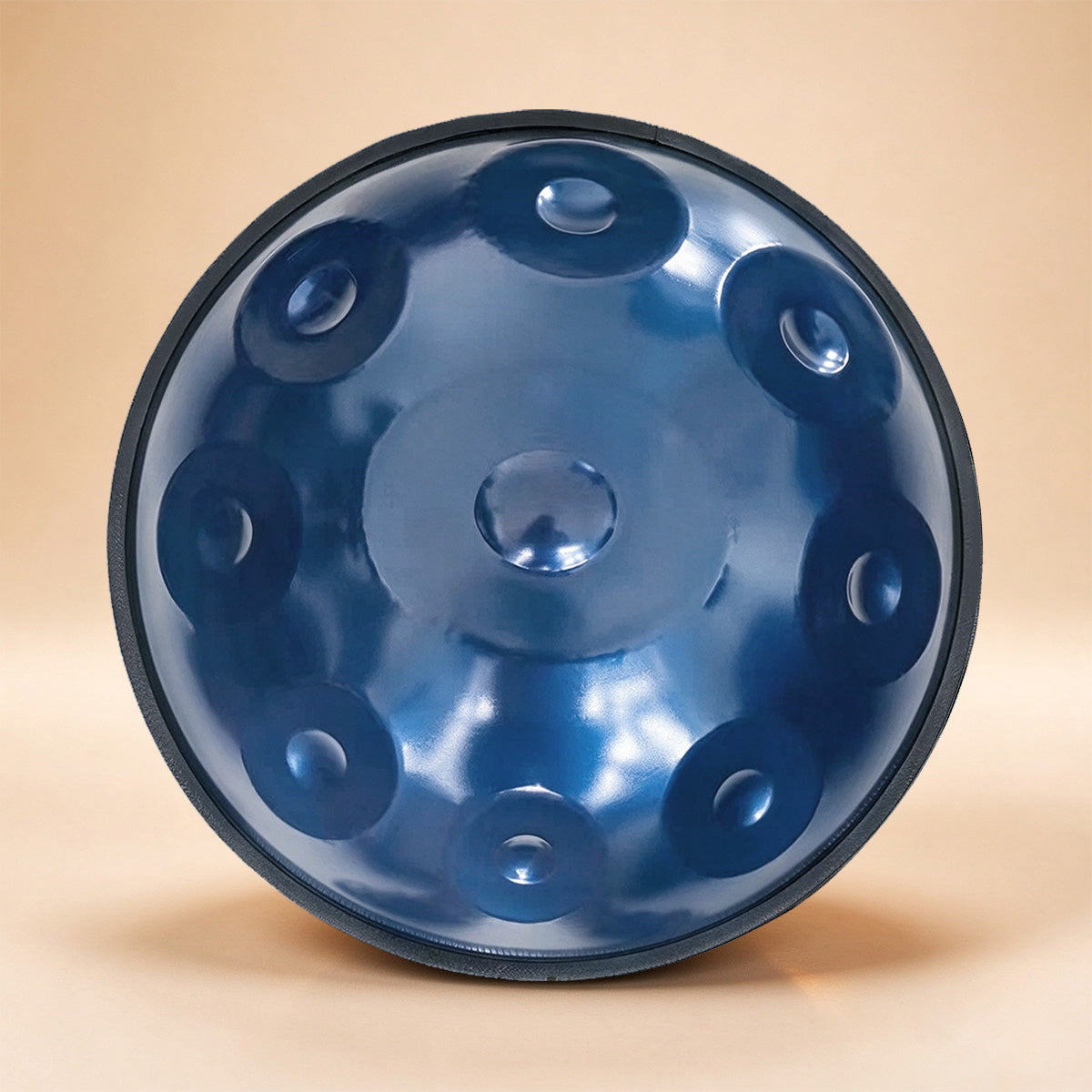
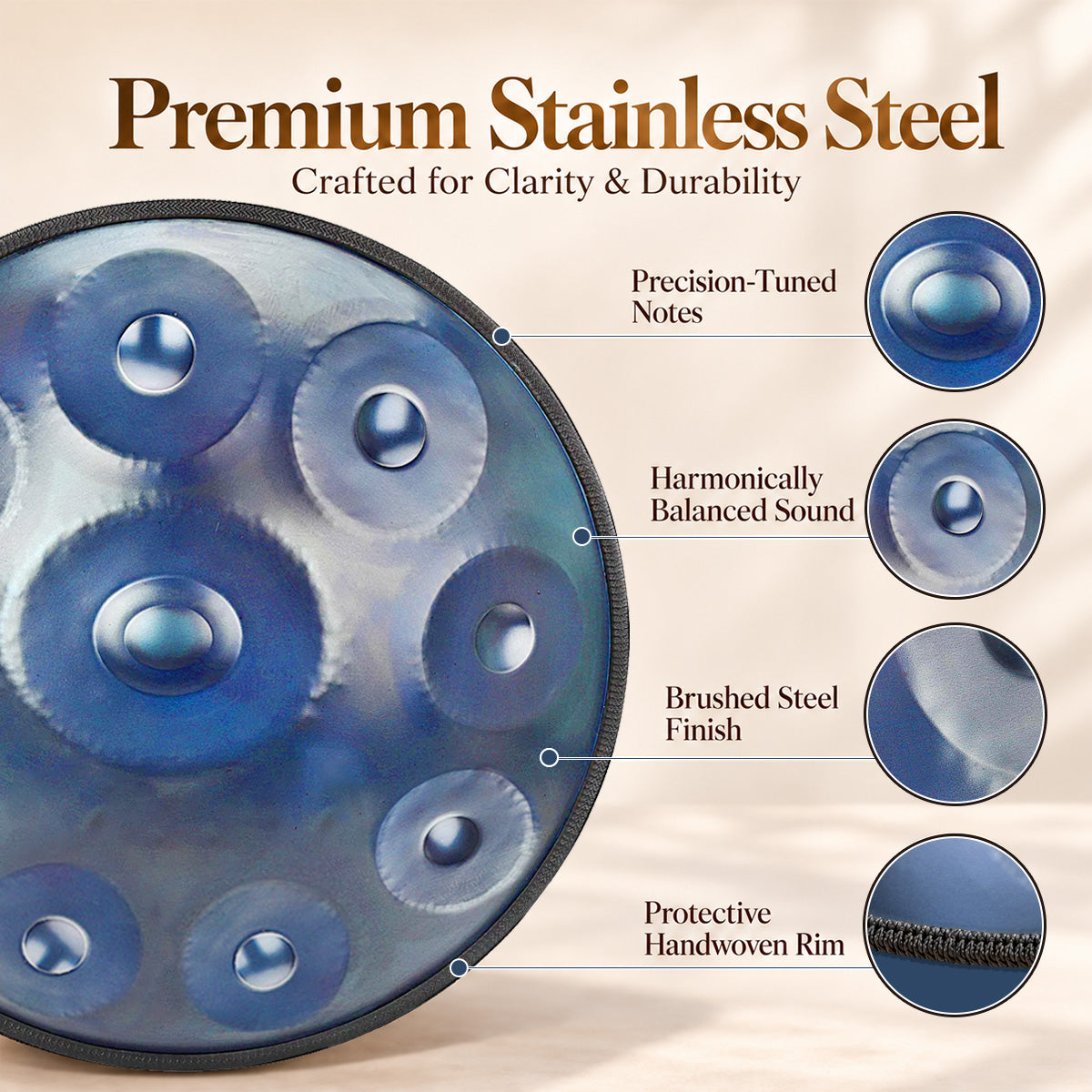
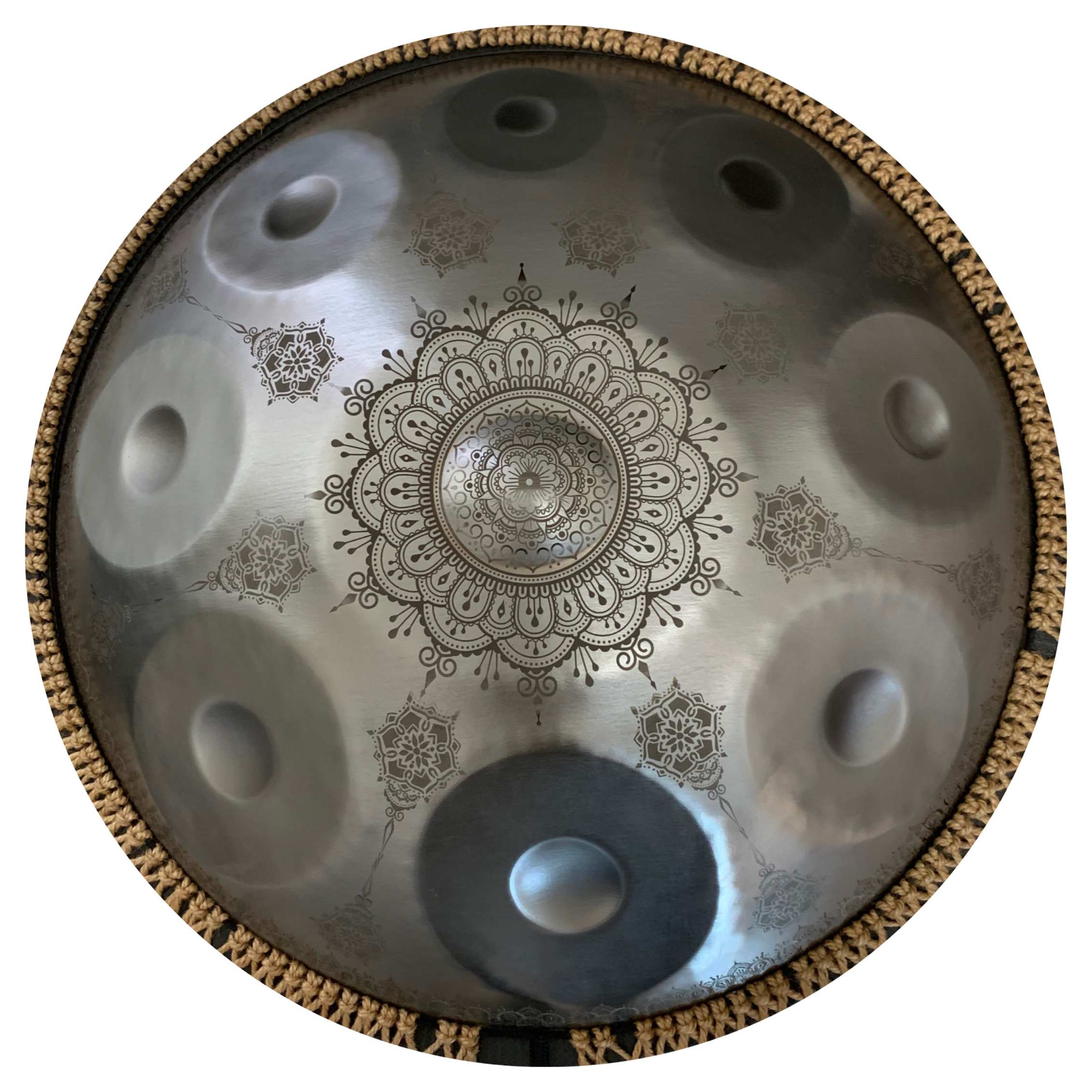
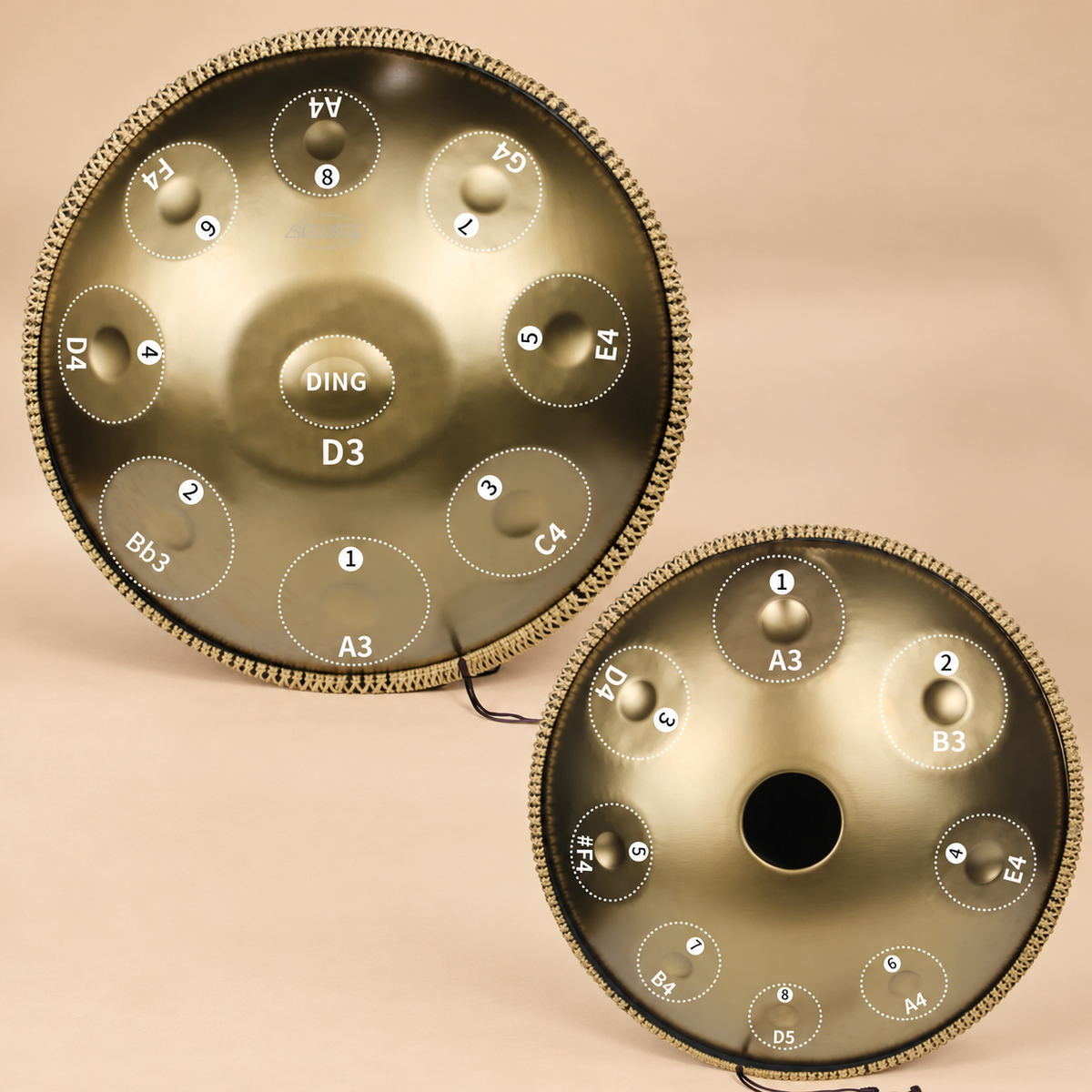
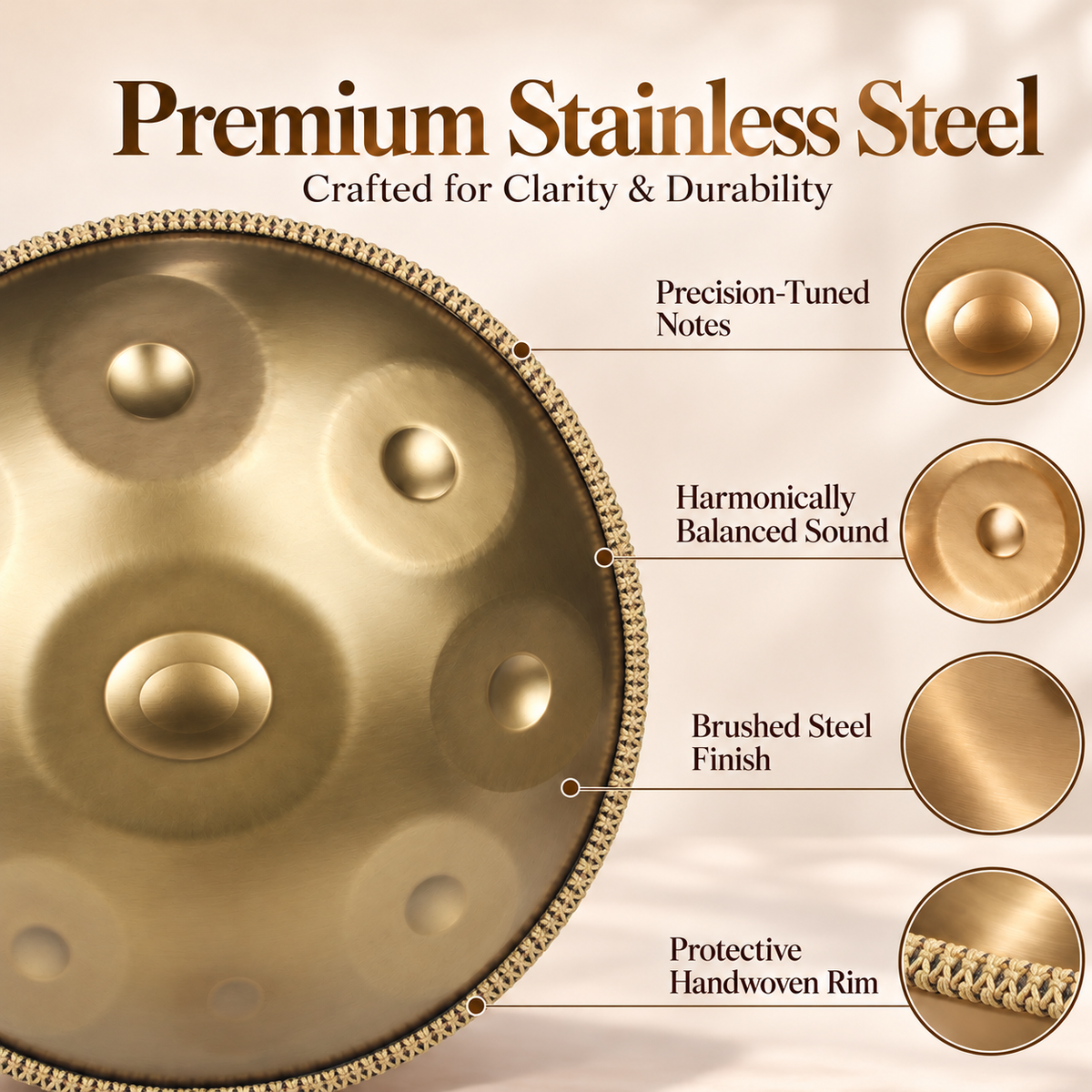
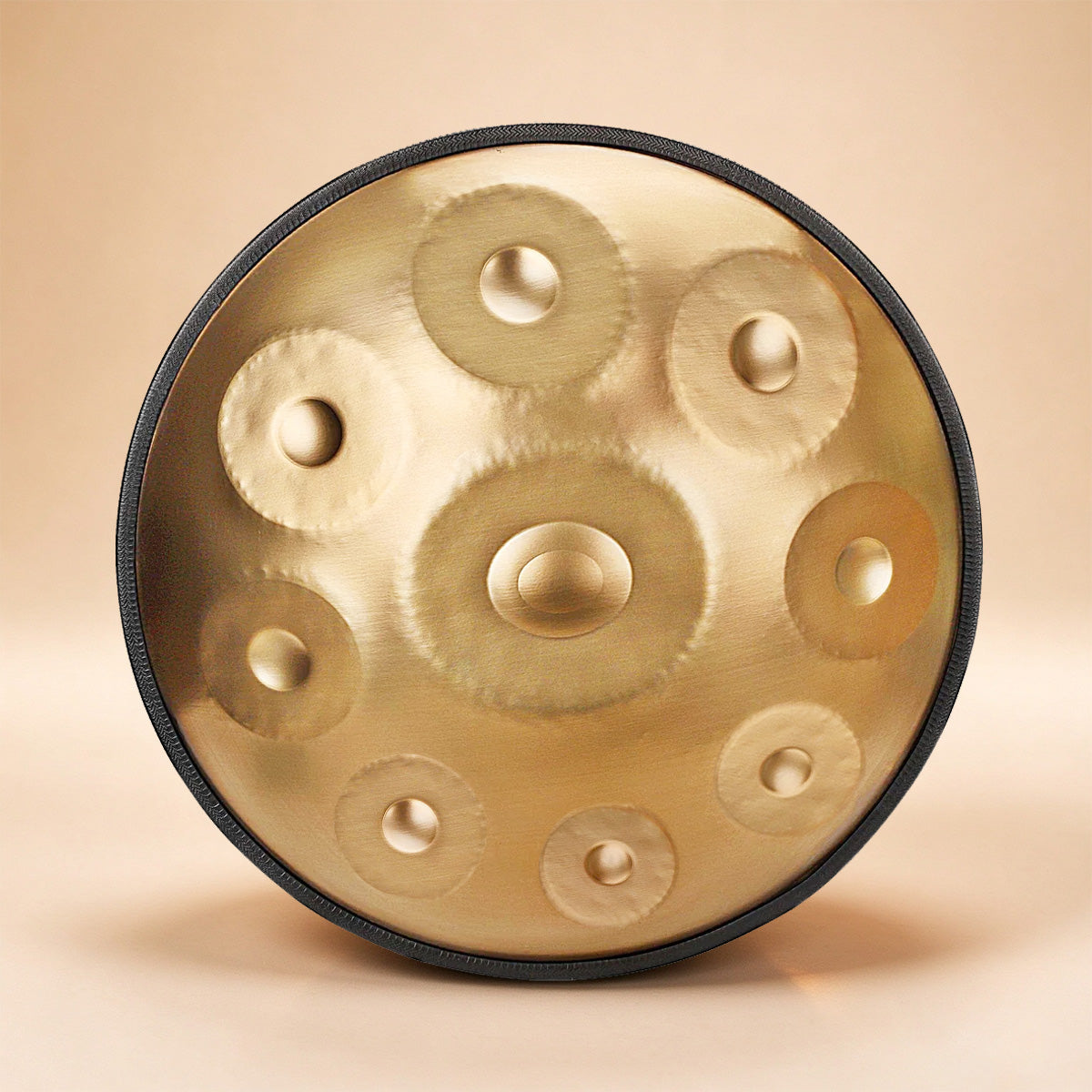
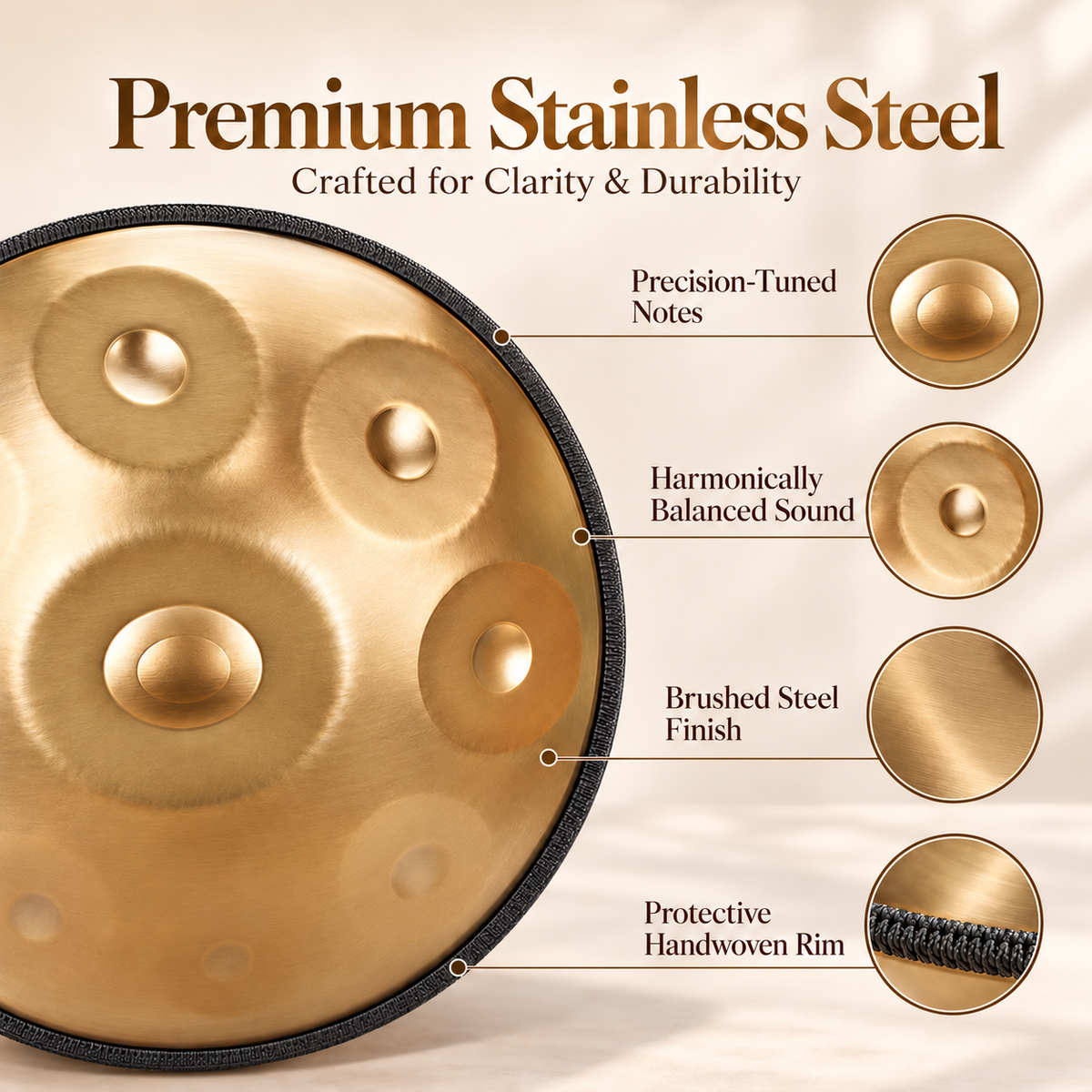
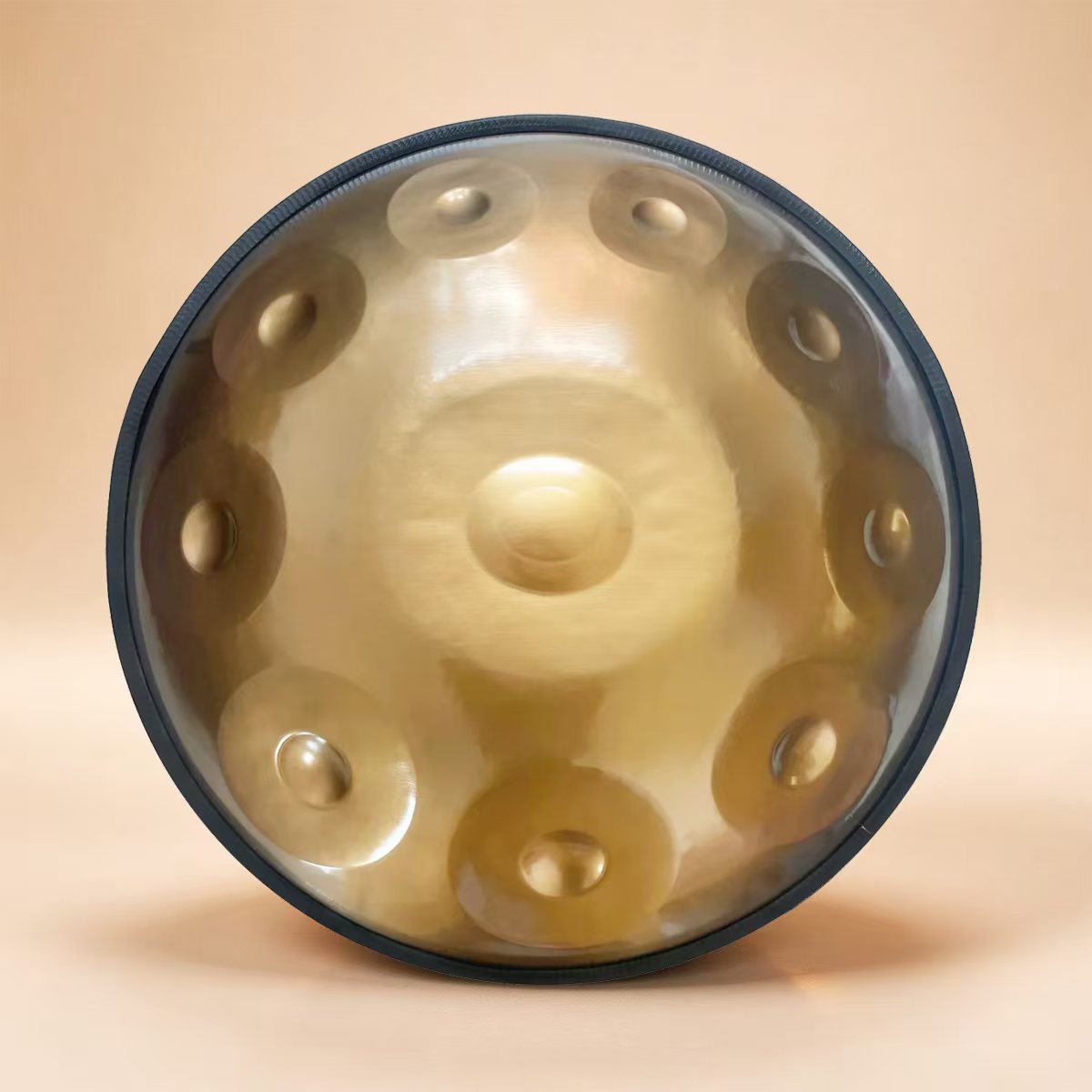
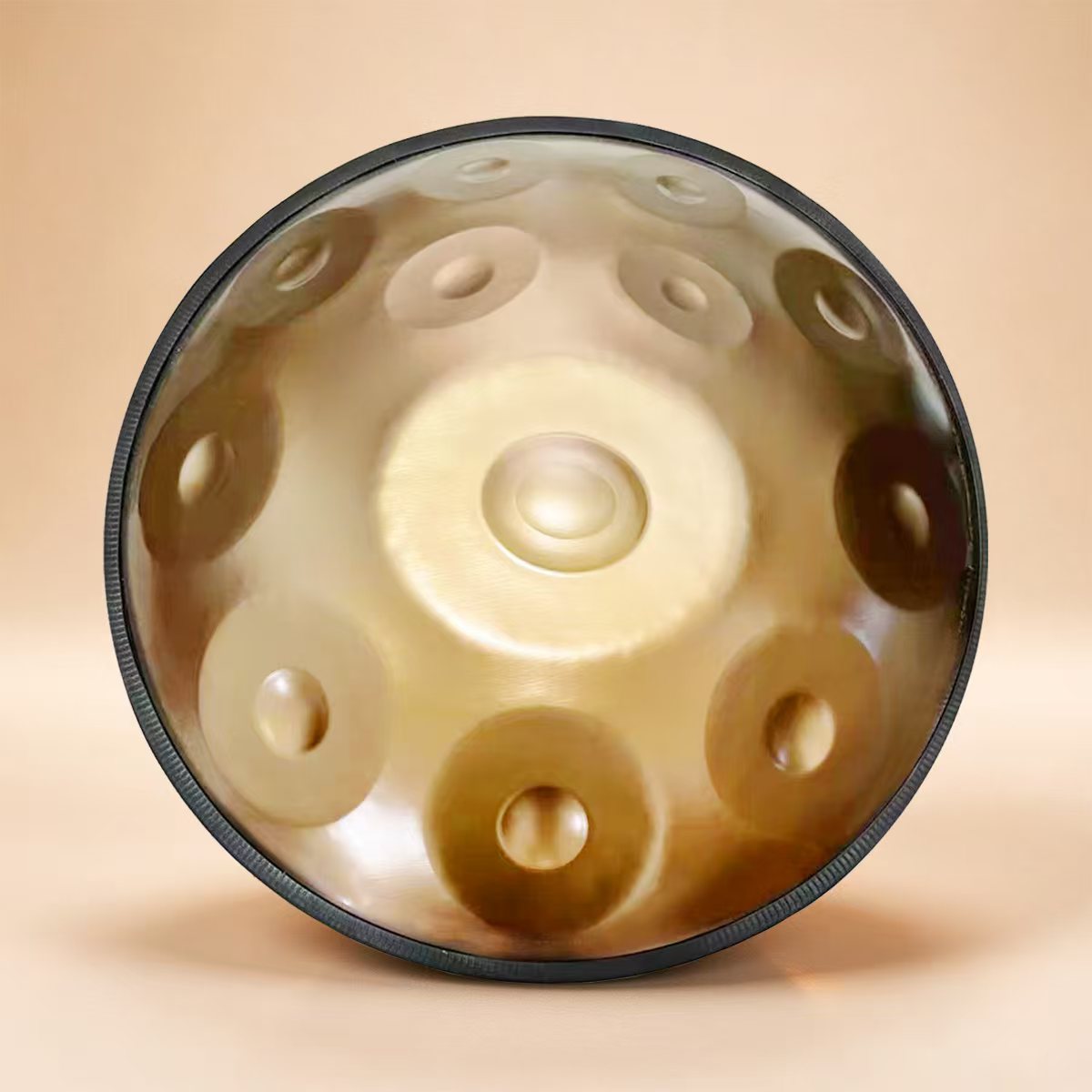
To truly understand the Tongue drum vs handpan distinction, we must first examine how each instrument generates its sound. A handpan is a highly complex acoustic apparatus known technically as a Helmholtz resonator. It consists of two deep-drawn or spun steel half-shells glued together. The top shell (the Ding side) features hammered indentations called tone fields. These tone fields are meticulously shaped under the hammer by a skilled tuner to produce a fundamental note, an octave harmonic, and a compound fifth harmonic simultaneously. The handpan contains no physical cuts or slits in the steel; the sound is produced by the tension and membrane-like vibration of the hammered steel.
Conversely, a steel tongue drum generates sound through cut vibrating tongues. The surface of a tongue drum features precision-cut slits of varying lengths and widths, which separate the notes from the main body of the steel shell. When a tongue is struck, it vibrates on a cantilever principle. Because the tongues are physically separated by these laser cuts, the isolation of the notes is inherently easier to achieve during manufacturing. When evaluating the Tongue drum vs handpan from an engineering standpoint, the handpan requires hundreds of hours of manual hammering to isolate frequencies across a continuous steel surface, whereas the tongue drum relies on the precise geometry of the laser-cut slits.
2. Sound Profile: Resonance and Timbre Analysis
The structural differences directly dictate the acoustic output. In the Tongue drum vs handpan comparison, the sound profile is often the deciding factor for our clients. Handpans produce a warm, ethereal, and immediate sound. Because you are striking a continuous membrane of tuned steel, the sound projects outward with a rich, complex harmonic structure. The attack is pronounced, but the sustain is carefully controlled, allowing players to execute fast, percussive rhythms without the notes bleeding into a muddy dissonance.
Tongue drums, on the other hand, possess a highly resonant, bell-like timbre. The cut tongues vibrate freely for an extended period, creating a long, mesmerizing sustain. This makes the tongue drum exceptionally well-suited for slow, meditative playing, yoga sessions, and sound baths. However, from our experience, this long sustain can make playing fast, complex percussive patterns challenging, as the lingering frequencies can overlap and clash. We recommend tongue drums for ambient, atmospheric music, while handpans are incredibly versatile for both melodic composition and rapid percussive exploration.
3. Material Science and Tuning Dynamics

Both instruments are crafted from specialized steel, but the treatment processes differ. At Cosmos Handpans, we utilize nitrided steel, stainless steel, and ember steel. Nitrided steel offers a ceramic-like, warm tone with a shorter sustain, perfect for fast players. Stainless steel is favored for its rust resistance, longer sustain, and bright projection. When looking at the Tongue drum vs handpan dynamic, tongue drums are typically made from thicker, heavier steel to support the cut tongues without the instrument warping, which contributes to their chime-like acoustic properties.
Tuning is a meticulous art form. Handpan tuning requires immense physical effort and a masterful ear to align the central note with its corresponding harmonics on a single dimple. This is why handpans are often tuned to specific, specialized frequencies that resonate with certain spiritual or healing modalities. For instance, many sound therapists seek specific calibrations, which you can explore in our comprehensive 1111 hz handpan meaning guide, or discover the foundational resonance theory in our 432 hz handpan guide. Tongue drums can also be tuned to these frequencies, but the tuning process involves altering the physical mass of the cut tongue, usually by adding small weights underneath or precise filing, rather than tension hammering.
4. Playability, Touch, and the Learning Curve
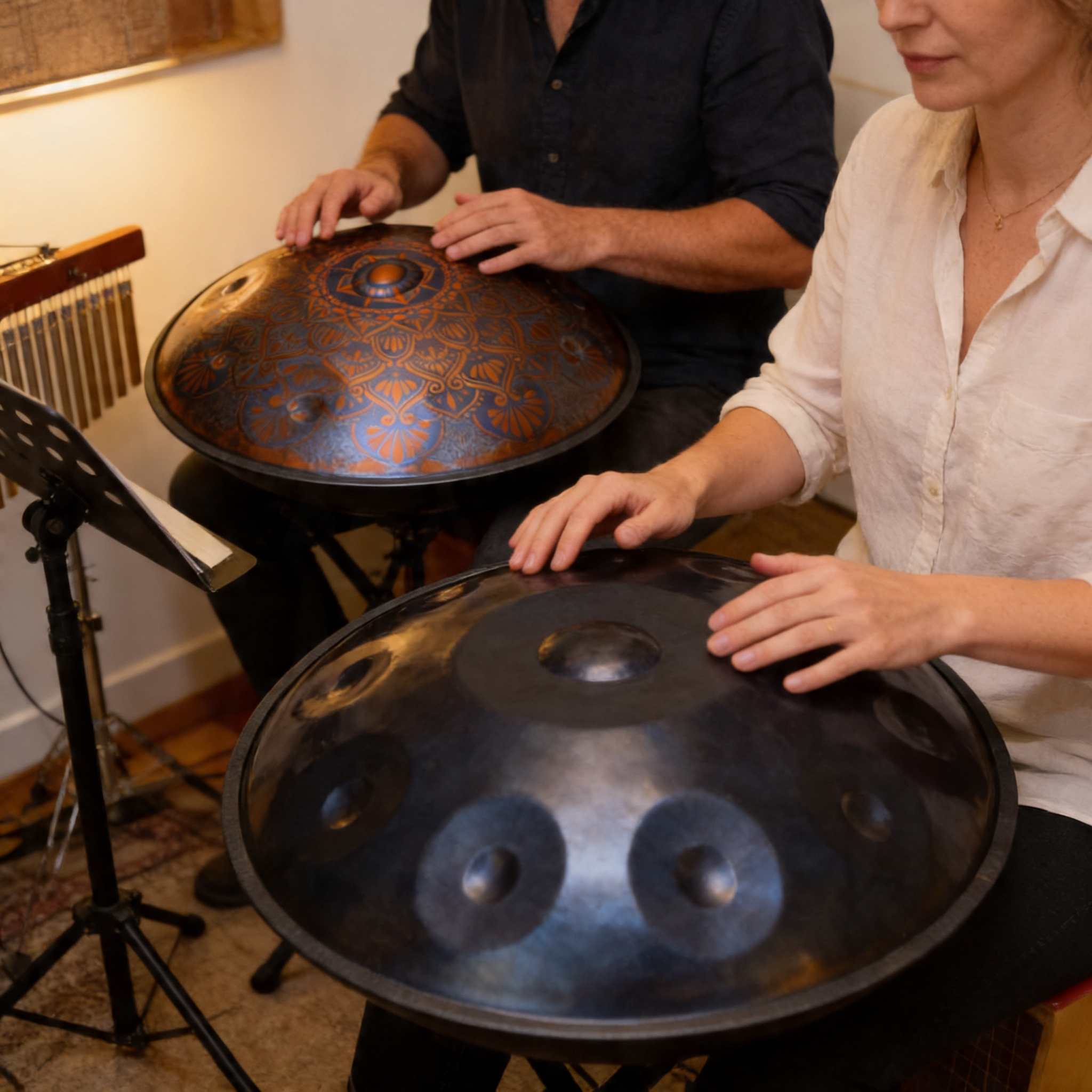
A critical divergence in the Tongue drum vs handpan discussion involves tactile playability. Handpans are strictly hand-percussion instruments. The hammered tone fields require a specific, quick "slap and release" technique to draw the sound out of the steel. If you leave your finger on the metal for too long, you dampen the vibration, resulting in a dull thud. Learning this touch requires patience, but it is highly rewarding. For those just starting, we highly recommend utilizing structured resources, such as our handpan for beginners guide, to master this essential striking technique.
Conversely, tongue drums are incredibly forgiving. While they can be played with the hands, they are most commonly played with rubber-tipped mallets. Striking a tongue with a mallet guarantees a clear, bright, and perfectly articulated note every single time, making the tongue drum exceptionally accessible for children, absolute beginners, or individuals with limited hand dexterity. However, if you are committed to mastering the handpan, integrating technology can accelerate your progress; exploring handpan learning apps can bridge the gap between novice and proficient player by providing structured rhythmic exercises.
5. Portability, Dimensions, and Long-Term Maintenance
When assessing the physical logistics of the Tongue drum vs handpan, size and portability present stark contrasts. Handpans are voluminous. To accommodate the necessary acoustic space for deep resonance, handpans generally require a larger footprint. If you are curious about exact specifications, our breakdown of the standard handpan size explains why the traditional 21 to 22-inch diameter remains the industry standard. Tongue drums are generally much more compact, often ranging from 10 to 14 inches in diameter, making them highly portable and easy to pack for travel.
Maintenance also differs significantly. Because handpans rely on the delicate internal tension of thin, hammered steel, they are sensitive to extreme temperature fluctuations and heavy physical impacts, which can throw the instrument out of tune. Handpans require periodic professional retuning depending on how aggressively they are played. You can learn more about this intricate process in our article detailing how to tune a handpan. Tongue drums, due to their thicker steel and cut-tongue design, are incredibly robust. They rarely, if ever, go out of tune unless subjected to catastrophic physical damage, making them a very low-maintenance option.
6. Summary Comparison Table: Tongue Drum vs Handpan
To assist you in making a decisive choice, we have synthesized the core elements of the Tongue drum vs handpan debate into a comprehensive reference matrix.
| Feature | Cosmos Handpan | Steel Tongue Drum |
|---|---|---|
| Sound Generation | Hammered tone fields (membranous vibration) | Precision-cut steel tongues (cantilever vibration) |
| Acoustic Timbre | Warm, ethereal, rich overtones, controlled sustain | Bright, bell-like, chime qualities, highly sustained |
| Playing Technique | Strictly played with hands and fingertips | Played with mallets or hands |
| Durability & Tuning | Sensitive to hard impacts; requires professional retuning over time | Highly durable thick steel; rarely goes out of tune |
| Physical Size | Large (Typically 21-22 inches in diameter) | Compact and highly portable (Typically 10-14 inches) |
| Price Point | Premium investment due to hundreds of hours of manual labor | More accessible entry point due to automated cutting methods |
7. Frequently Asked Questions (FAQs)
Which instrument is better for a complete musical beginner?
In the context of the Tongue drum vs handpan, the tongue drum is universally easier for absolute beginners. Using mallets on a tongue drum guarantees a beautiful, clear sound immediately without requiring the nuanced finger techniques necessary to draw sound from a handpan.
Can I use mallets on a handpan?
From our experience, we strongly advise against using mallets on a handpan. The steel membrane of a handpan is relatively thin and tuned via precise tension. Striking it with a solid mallet can permanently detune the notes or dent the shell. Mallets should be reserved exclusively for tongue drums.
Why is there such a significant price difference between the two?
The Tongue drum vs handpan price gap comes down to manufacturing labor. A tongue drum's notes can be precisely laser-cut by machines, requiring minimal manual tuning. A handpan requires a master artisan to spend weeks manually hammering, shaping, and tuning the steel by ear to align the fundamental notes and harmonics perfectly.
Are both instruments suitable for sound healing and meditation?
Absolutely. Both instruments excel in therapeutic settings. Tongue drums are favored for their long, hypnotic sustain which is excellent for deep relaxation. Handpans offer a deeply emotional, enveloping sound that resonates profoundly within the body, making both highly effective for meditation practices.
8. Academic and Industry References
To ensure the utmost accuracy and provide you with scientifically backed acoustic data, the structural physics and metallurgical properties discussed in this article are aligned with acoustic research from authoritative sources:
- Acoustical Society of America (ASA) - Research on the non-linear acoustics and vibrational modes of shallow spherical shells and struck idiophones. View Acoustical Society Research
- Journal of the Acoustical Society of America - Studies on the modal analysis and harmonic coupling in modern steel pan and handpan architectures. Read JASA Publications