Navigating the global acoustic percussion market can be an overwhelming experience. If you are researching this instrument, you have likely encountered dozens of obscure scale names, from the enigmatic Hijaz to the mystical Pygmy. However, the D Kurd 9 note handpan consistently dominates the conversation. From our experience at Cosmos Handpans, engineering and tuning these complex steel vessels, we see countless players paralyzed by choice. The reality is that the acoustic architecture of your first instrument will permanently dictate your creative boundaries.

Choosing a handpan is not a decision to be made lightly. These are highly sensitive, artisanal pieces of tuned metallurgy. In this comprehensive, opinionated guide, we will cut through the generic marketing noise. We will dissect the exact musical profile of the D Kurd, explain why its layout is the undisputed gold standard in the industry, and provide the practical commercial judgment you need to make an informed, confident purchase in 2026.
Quick Answer: The D Kurd 9 Note Handpan Profile
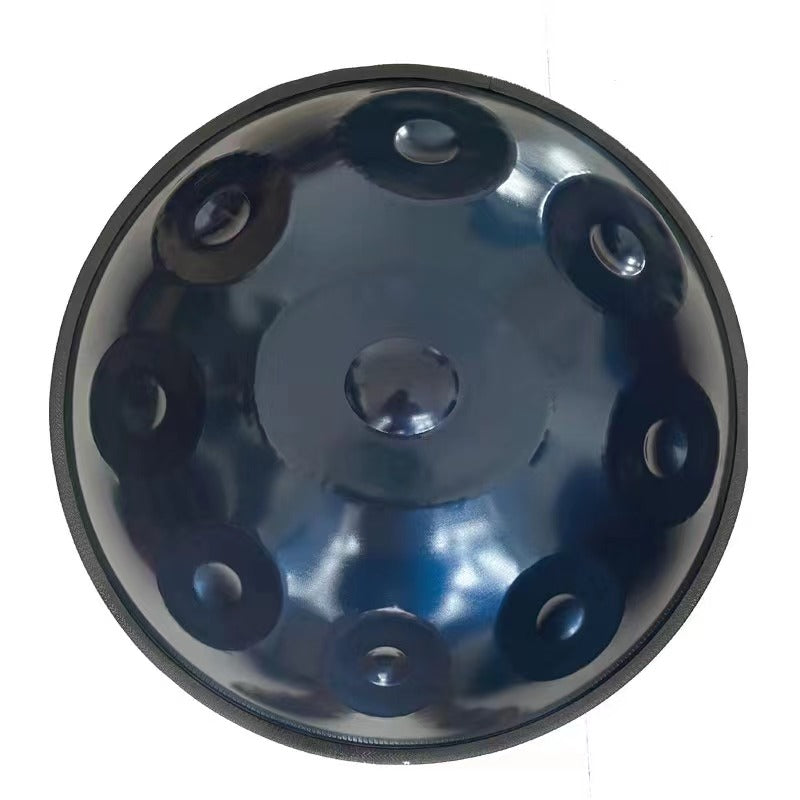
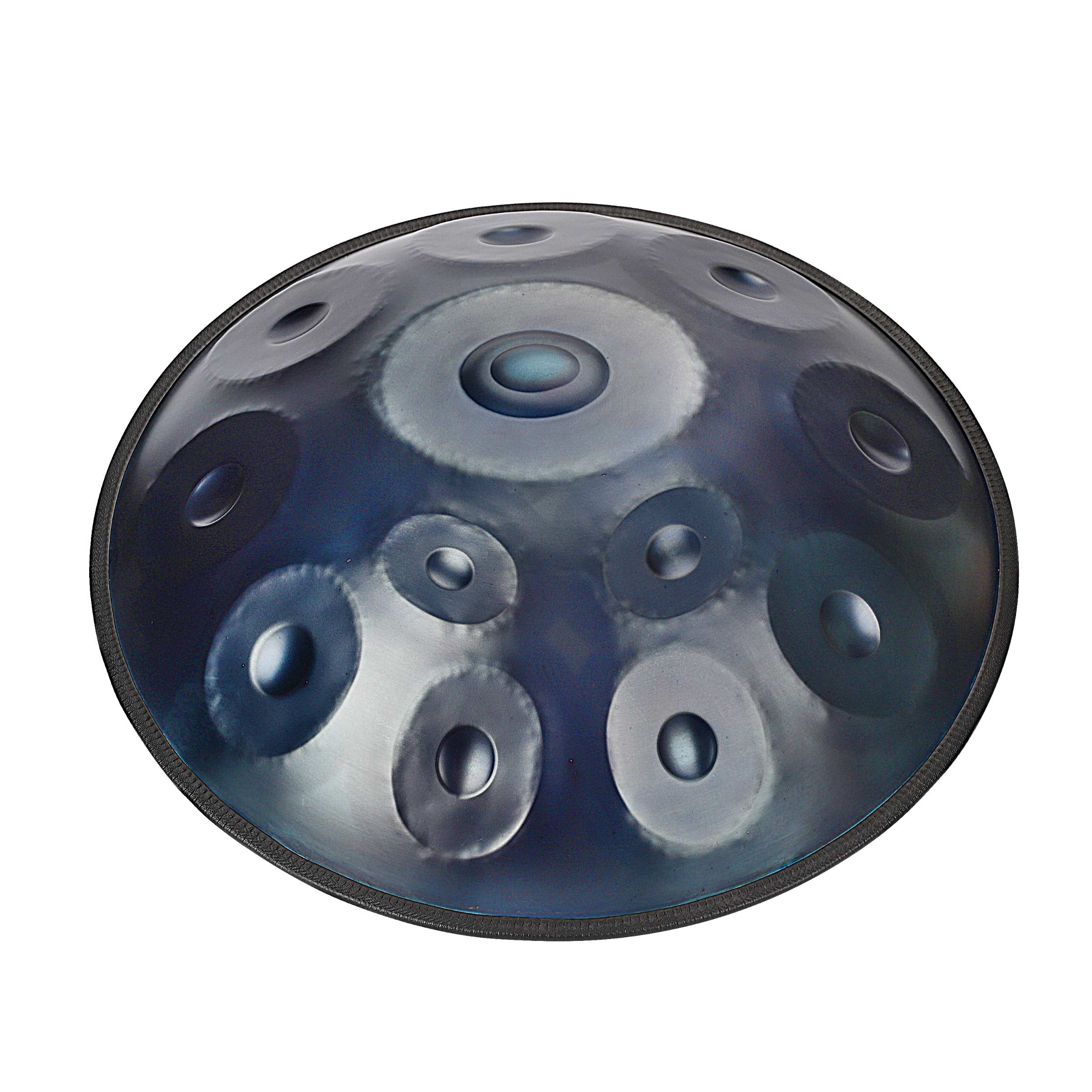
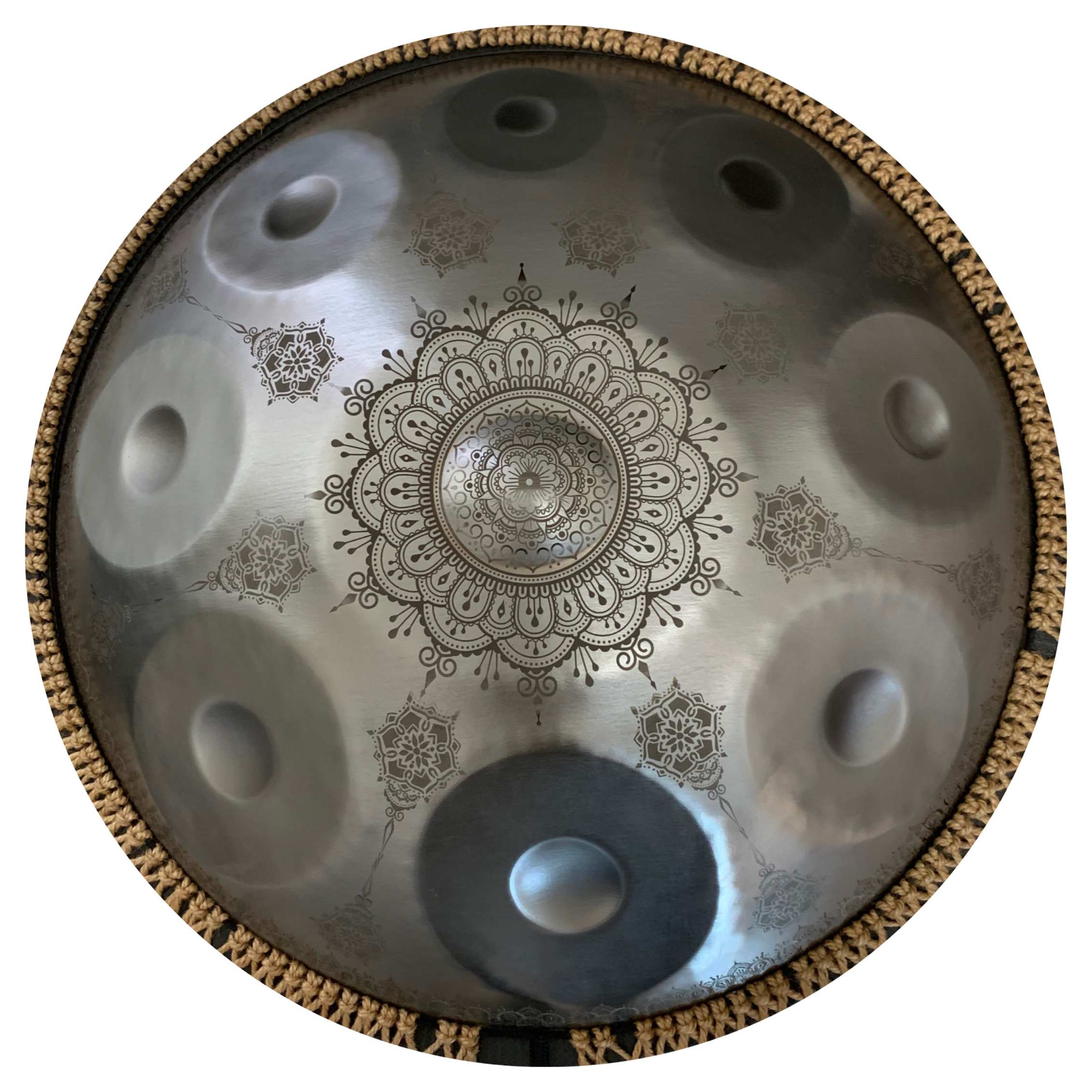
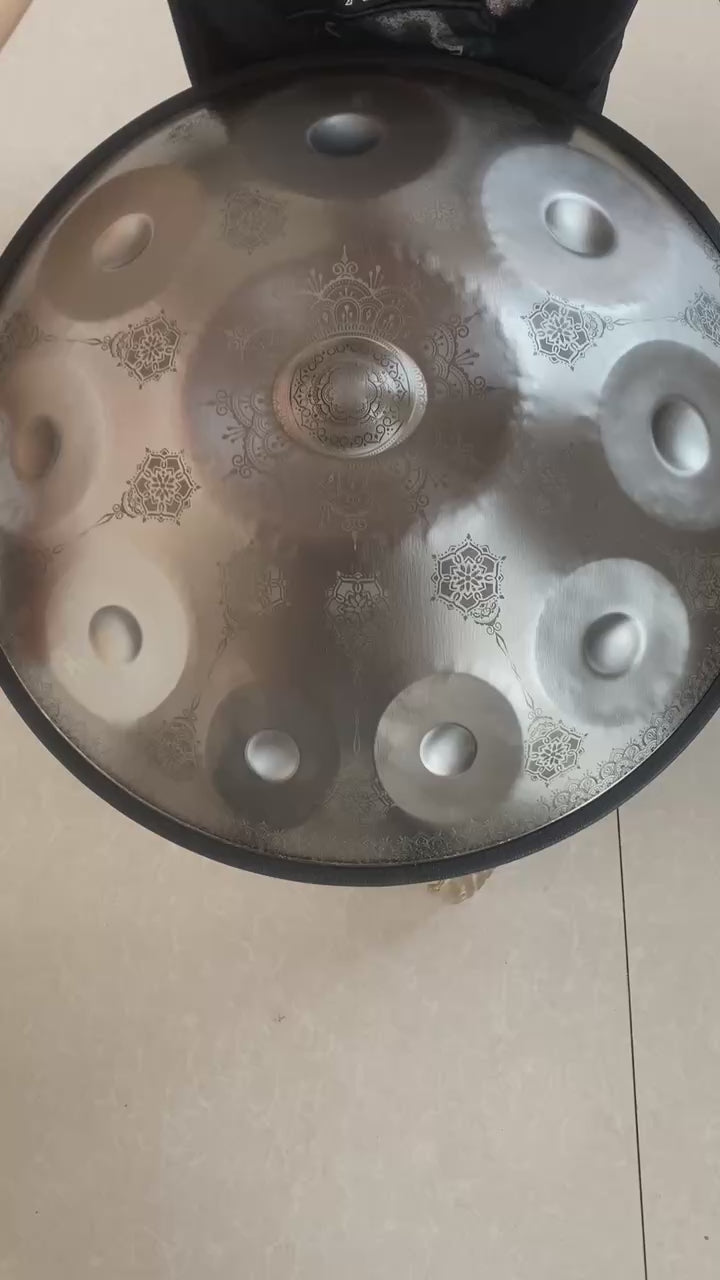
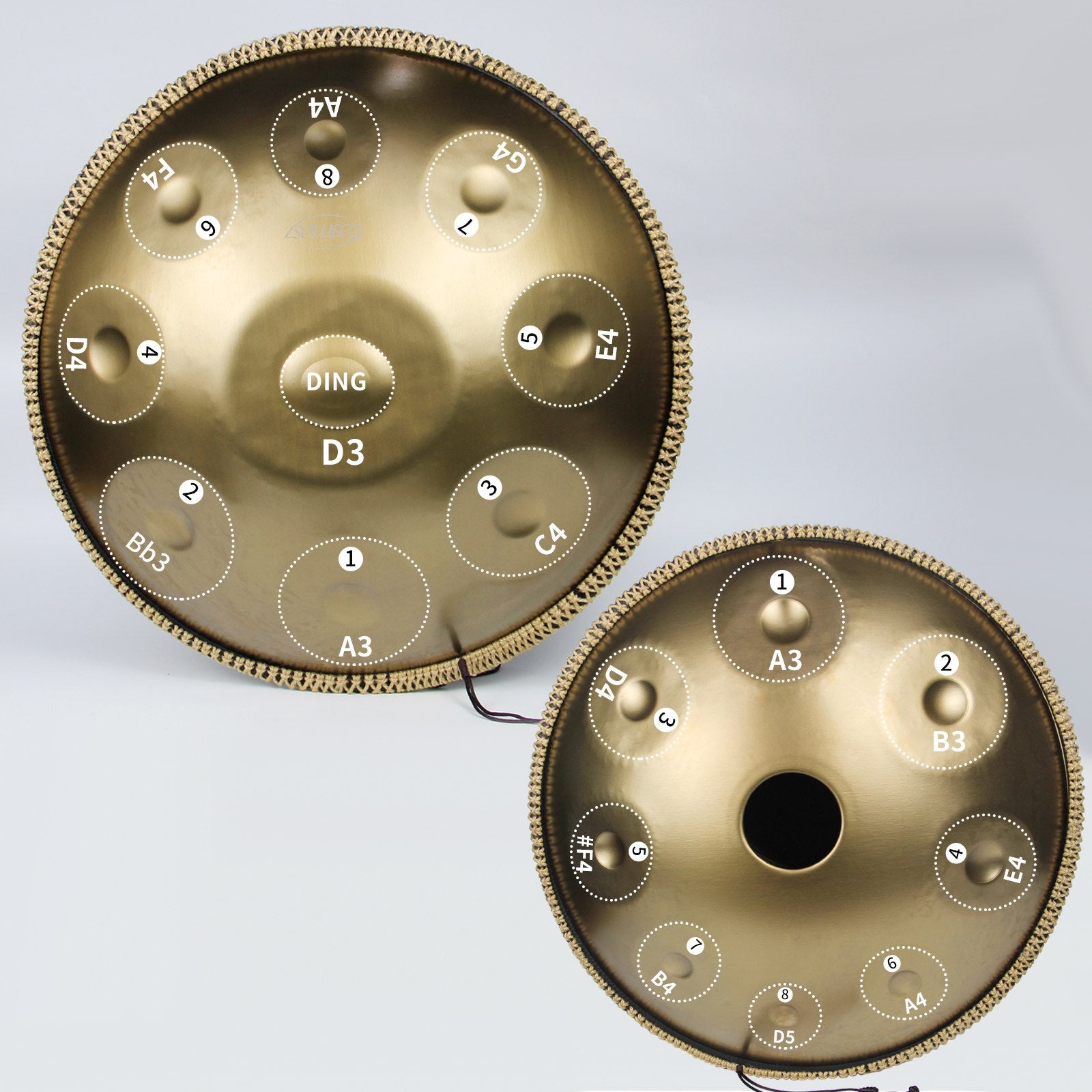
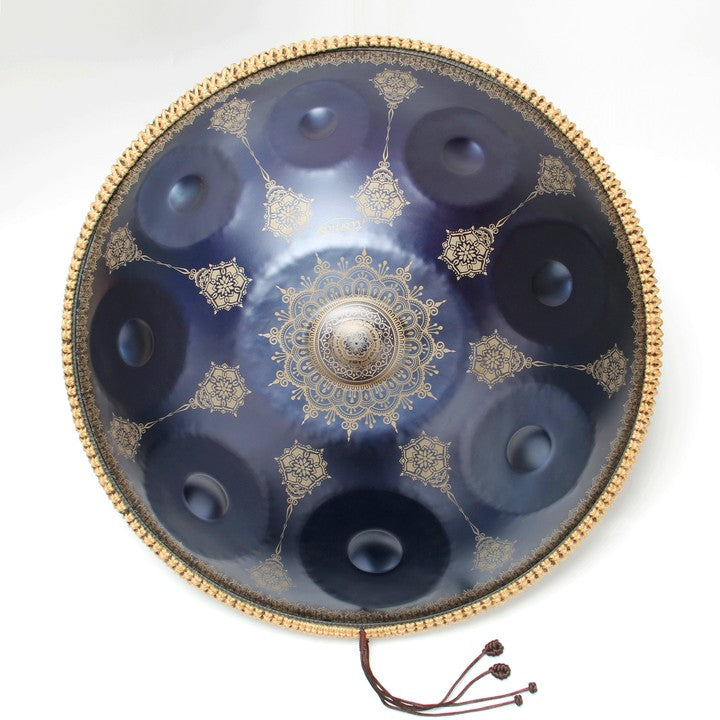
The D Kurd 9 note handpan is the most universally accessible and musically versatile instrument in the handpan family. It is tuned to the D Minor (Aeolian) scale. The layout features a central bass note (the Ding) tuned to D3, surrounded by eight tone fields: A3, Bb3, C4, D4, E4, F4, G4, and A4. It produces a melancholic, emotionally resonant, yet uplifting sound. Because all the notes belong to the same diatonic scale, there are no "wrong" notes to hit, making it the ultimate choice for both absolute beginners and professional recording artists.
Table of Contents
- What It Is: Anatomy of the D Kurd Scale
- How It Works: The Physics of 9 Notes
- Commercial and Musical Benefits
- Limitations to Consider
- Who Should Use It
- Who Does Not Need It
- Common Mistakes When Buying
- Strategic Buying Considerations
- Expert Recommendation from Cosmos Handpans
- Equipment Comparison Tables
- Frequently Asked Questions
What It Is: Anatomy of the D Kurd Scale

The D Kurd is fundamentally a full D Minor (Aeolian) scale. Originating from Middle Eastern musical traditions (hence the name "Kurd"), it has been adapted perfectly to the modern handpan. To understand its position in the broader percussion world, it helps to review the handpan origin and history, where early makers experimented with pentatonic and hexatonic scales before realizing that a full diatonic minor scale offered the most creative freedom.
The magic of the D Kurd 9 note handpan lies in its sequence. The lowest note is the central Ding (D3). The lowest note on the outer circle is A3, which acts as the perfect dominant to the D3 tonic. From there, the notes ascend sequentially around the shell. Because there are no missing intervals in the scale up to A4, you can play complete melodies, complex chords, and rich arpeggios without feeling artificially restricted by "missing" notes.
How It Works: The Physics of 9 Notes
Understanding how a handpan generates sound requires a brief lesson in acoustic physics. The instrument consists of two deep-drawn steel half-shells glued together, creating a Helmholtz resonator. When you strike a tone field on a D Kurd handpan, you are not just hearing one pitch; you are hearing three. High-quality makers tune the fundamental note, the octave, and the compound fifth into every single dimple.
If you are confused by how this differs from earlier instruments, exploring the hang drum vs handpan debate reveals that modern 9-note layouts are specifically engineered to maximize sympathetic resonance. When you strike the D3 Ding, the D4 tone field vibrates sympathetically. The decision to stick to 9 notes (1 Ding + 8 surrounding notes) on a standard 21-inch or 22-inch diameter shell is a matter of structural integrity. If you cram more notes onto the top shell without expanding the diameter, you risk "crosstalk," where striking one note unintentionally triggers the neighboring note, muddying the sound.
Commercial and Musical Benefits

Why has the D Kurd become the most produced and requested scale on the planet? The benefits are highly practical.
- Immediate Intuitive Playability: You do not need to read sheet music to play the D Kurd. Because the notes are in perfect diatonic harmony, striking any combination of adjacent notes produces a pleasing, consonant chord.
- Universal Collaboration: D Minor is an incredibly common key for guitars, pianos, and vocals. If you want to jam with a guitarist, a D Kurd handpan integrates seamlessly into the mix.
- Emotional Versatility: While it is technically a minor scale, the Kurd is not overly dark. It offers a perfect balance of melancholy and hope, allowing the player to dictate the mood through their striking velocity and rhythm.
- Resale Value: In most professional situations, treating your instrument as a financial asset is wise. Because the D Kurd is the most sought-after scale, it holds its resale value better than obscure scales like the Tarznouja or the Hijaz.
Limitations to Consider
We must use commercial and practical judgment: the D Kurd is not flawless for every application. Its primary limitation is its diatonic nature. It lacks accidentals (sharps and flats outside the D minor key). If you are attempting to play complex jazz covers or classical pieces that modulate between keys, you will hit a hard wall. The instrument simply does not contain the notes you need.
Furthermore, because the D Kurd is so ubiquitous, your sound will not necessarily stand out as "unique" in a crowded field of buskers or handpan recording artists. If your sole goal is to produce an avant-garde, alien soundscape, a standard D minor scale might feel too traditional.
Who Should Use It
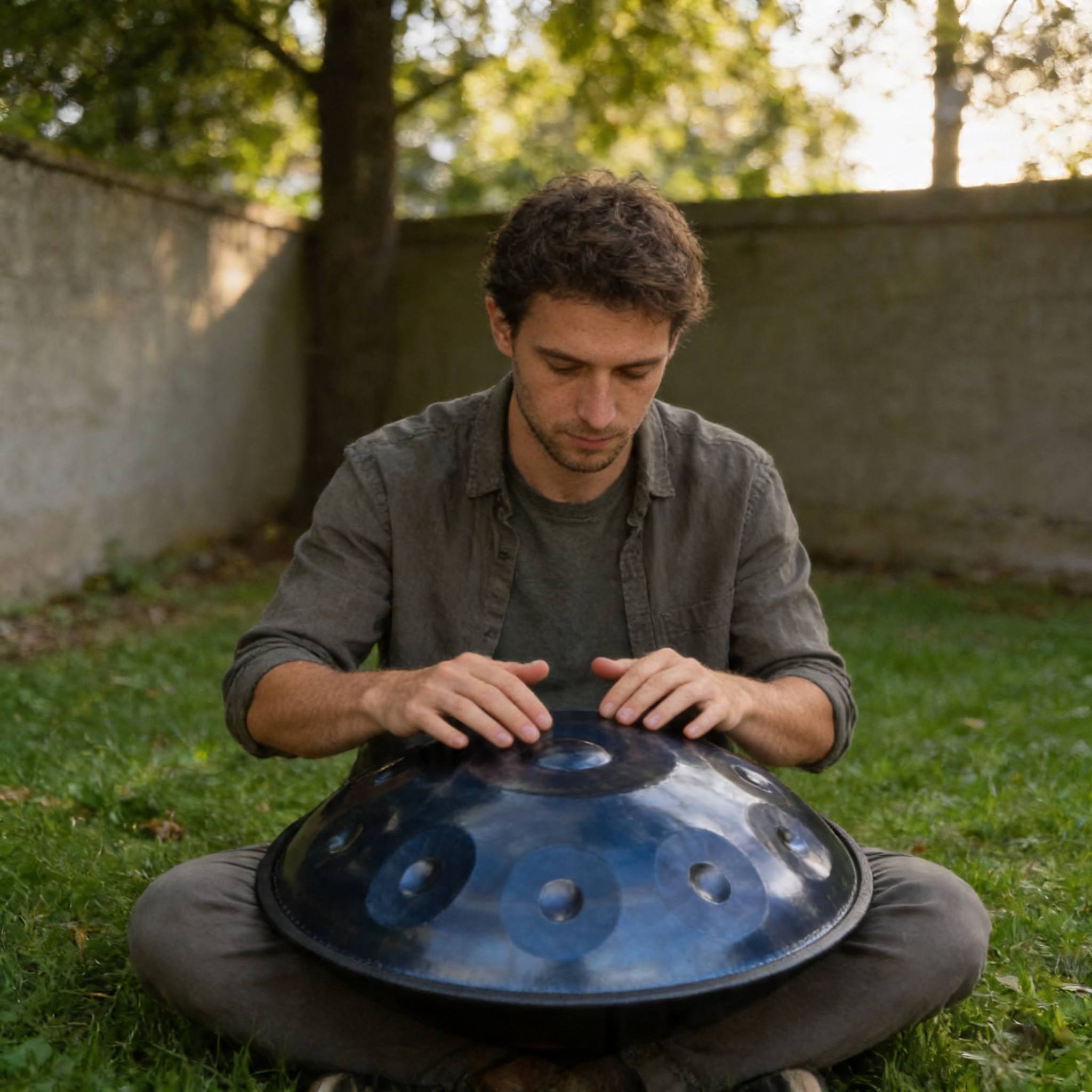
For beginners: We unequivocally recommend the D Kurd 9 note handpan as the perfect entry point into the handpan world. It flattens the learning curve, prevents early frustration, and allows you to make beautiful music within the first five minutes of touching the steel.
For commercial users: Studio musicians, music therapists, and yoga instructors rely on the D Kurd because its predictable, soothing resonance acts as the perfect acoustic bed for meditation or commercial backing tracks. It is reliable and universally well-received.
Who Does Not Need It
Advanced percussionists and orchestral composers do not need a standard D Kurd. If you understand advanced music theory, you will quickly outgrow a single diatonic scale. For heavy-duty applications like complex orchestral scoring, you require a fully chromatic instrument setup, often termed "mutant" handpans with bottom notes, or you must mount three different handpans on stands to achieve the required range of accidentals.
Common Mistakes When Buying
In our testing and industry observation, we see eager buyers make the same catastrophic purchasing errors repeatedly.
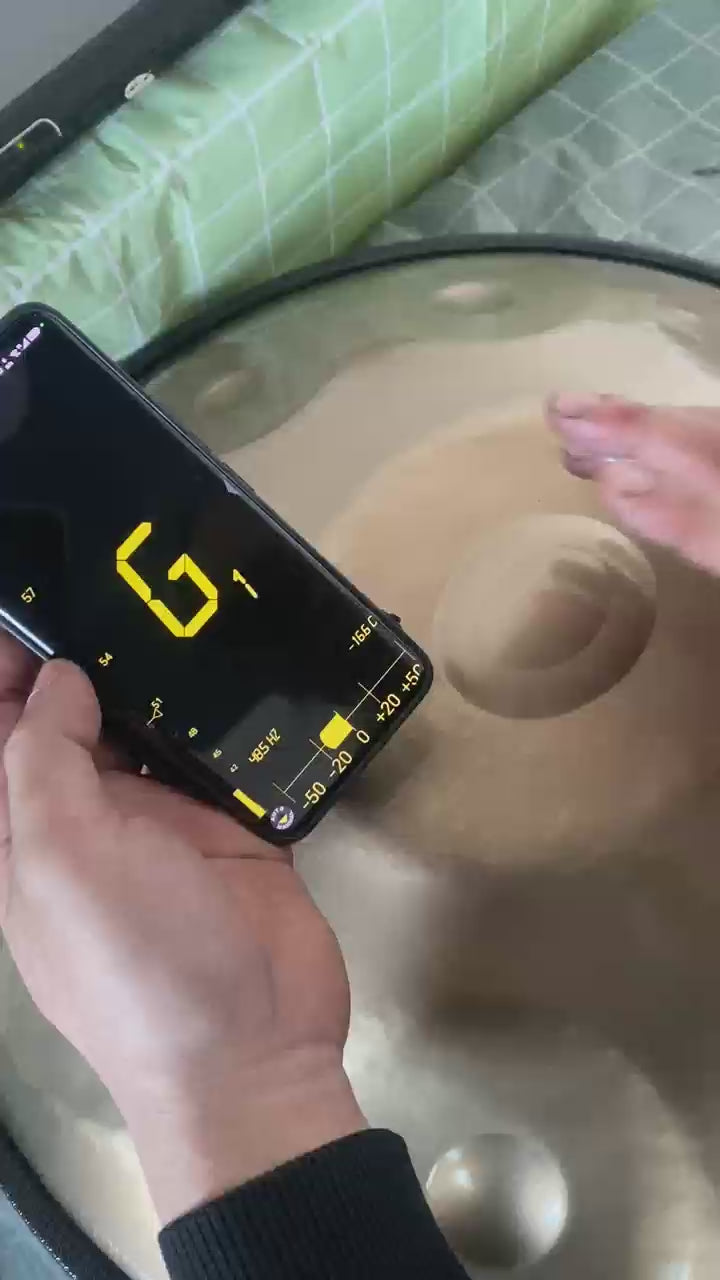
- Buying based on appearance, not tuning: Many cheap, mass-produced instruments look stunning but are fundamentally out of tune. Always request a sound video of the exact instrument before purchasing.
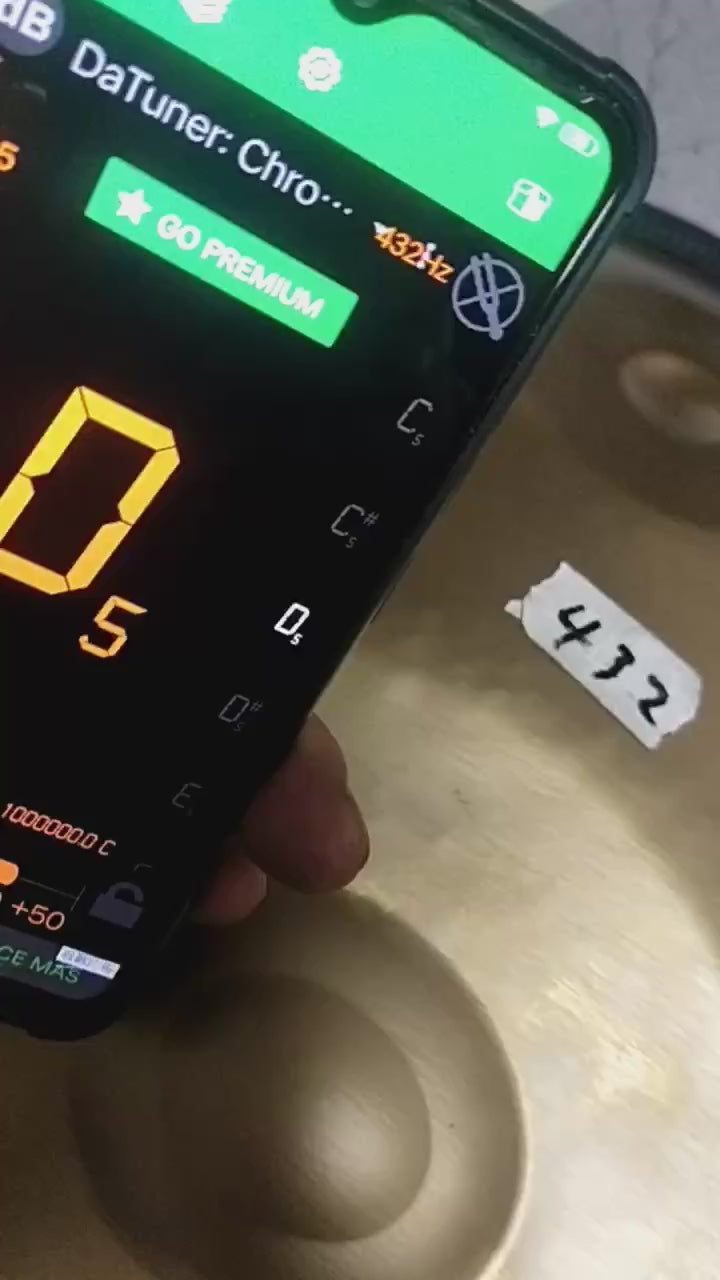
- Ignoring the Tuning Standard (432Hz vs 440Hz): Many buyers purchase a 432 Hz handpan for its purported healing properties, only to realize later that they cannot play along with a piano or Spotify tracks, which are tuned to the international standard of 440 Hz. If you are unsure, consult our 432 hz handpan guide to understand the profound difference.
- Purchasing too many notes too soon: Beginners often think "more notes equals better." They buy an 11-note or 12-note handpan, only to struggle with crosstalk and a cluttered playing surface. Read up on how many notes should a handpan have before assuming bigger is better. Nine notes is the sweet spot.
Strategic Buying Considerations
When you are ready to invest, your primary consideration must be the material. The two standard options are Nitrided Steel and Stainless Steel.
Nitrided Steel: Offers a faster decay (shorter sustain) and a punchier, ceramic-like sound. It is excellent for fast, percussive playing. It requires regular oiling to prevent rust.
Stainless Steel: Offers a massive, blooming sustain and exceptional rust resistance. It is perfect for slow, melodic, meditative playing, but can become "muddy" if played too fast. Ensure you select a maker that adheres to a standard handpan size (usually 53cm to 55cm) to guarantee that you can easily find replacement bags and stands.
Expert Recommendation from Cosmos Handpans
In most professional situations, sourcing a handpan that balances precision tuning, visual aesthetics, and robust durability is a challenge. If you are looking for the definitive D Kurd experience, we recommend skipping the generic mass-market pans and investing in a specialized instrument.

Cosmos Handpan Golden Elegance - 9 Notes D Minor
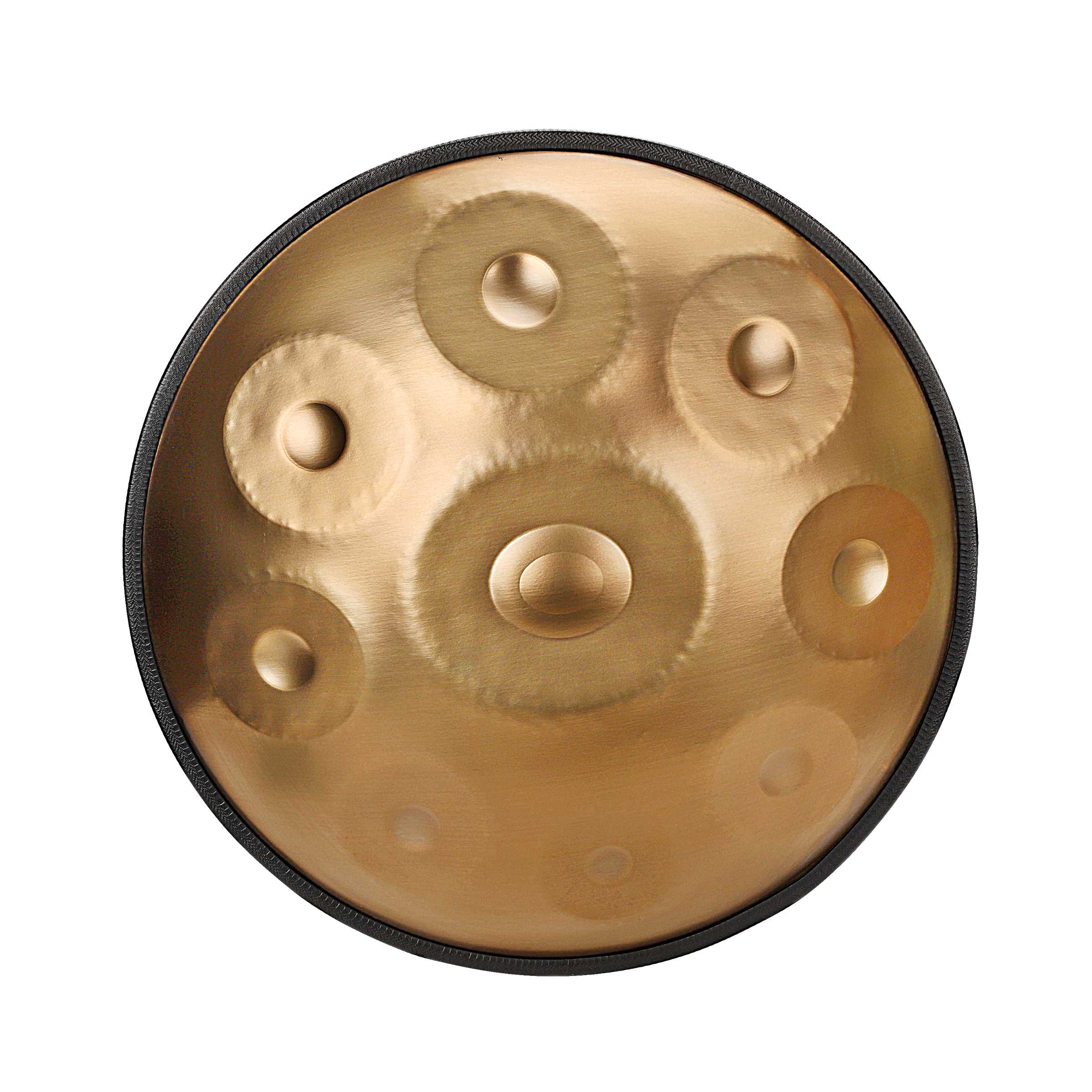
The Golden Elegance 9-note handpan is engineered precisely for the needs of modern players. It boasts a warm visual finish and the highly sought-after D Minor Kurd scale, making it effortless to improvise from your very first session.
- Scale: D Minor 9-note layout (D3 / A3, Bb3, C4, D4, E4, F4, G4, A4).
- Tuning options: Available in both 432Hz (for holistic healing) or 440Hz (for studio and ensemble playing).
- Sound Profile: Exceptional clear sustain with a smooth, calming tone that minimizes harsh overtones.
- Complete Package: Includes a protective carry bag, handpan stand, mallets, and cleaning cloth, removing the need for secondary purchases.
Equipment Comparison Tables
| Attribute | Specification |
|---|---|
| Scale Type | D Minor (Aeolian Mode) |
| Note Layout | D3 / A3, Bb3, C4, D4, E4, F4, G4, A4 |
| Primary Emotion | Melancholic, Meditative, Balanced, Uplifting |
| Best Suited For | Beginners, Buskers, Sound Healers, Soloists |
| Learning Curve | Extremely Low (Highly intuitive) |
| Scale Name | Vibe / Emotion | Difficulty for Beginners | Best Application |
|---|---|---|---|
| D Kurd (Minor) | Balanced, slightly melancholic but resolved. | Very Easy | All-around play, learning the instrument. |
| D Celtic (Minor) | Open, mysterious, missing the 6th interval. | Easy | Folk-style playing, cinematic soundscapes. |
| C# Annaziska | Deep, dark, heavily Middle-Eastern. | Moderate | Trance, deep meditation, complex rhythms. |
| F Sabye | Bright, joyful, uplifting (Major feel). | Easy to Moderate | Upbeat performances, playing with acoustic guitars. |
| Pros (Advantages) | Cons (Limitations) |
|---|---|
| Virtually impossible to play a "wrong" note due to diatonic harmony. | Limited to one specific key; cannot modulate to major keys easily. |
| Massive abundance of online tutorials and lessons specifically for D Kurd. | 9 notes may eventually feel restrictive to highly advanced jazz/classical percussionists. |
| Pairs beautifully with the vast majority of Western string and wind instruments. | The sound is very common, lacking the "exotic" edge of customized mutant scales. |
| Holds the highest resale value on the secondary market. | Requires understanding of handpan notes chart mechanics to branch out. |
| Tuning Frequency | Primary Use Case | Recommendation |
|---|---|---|
| 440 Hz | Playing with bands, recording studios, backing tracks, street busking. | We highly recommend 440 Hz for 95% of buyers. It ensures your instrument is globally compatible. |
| 432 Hz | Solo sound baths, holistic healing, private yoga sessions. | Only buy 432 Hz if you strictly intend to play alone or exclusively with other 432 Hz instruments. |
Frequently Asked Questions
What notes are in a D Kurd 9 note handpan?
The standard layout for a D Kurd 9 note handpan includes a central Ding tuned to D3, surrounded by a circle of 8 notes: A3, Bb3, C4, D4, E4, F4, G4, and A4. This forms a complete D minor (Aeolian) scale.
Is the D Kurd handpan good for beginners?
Yes. The D Kurd scale is universally recommended as the best handpan for beginners because it contains a full diatonic minor scale without skipped notes, making it incredibly intuitive to play and difficult to hit a dissonant chord.
Should I choose 432 Hz or 440 Hz for my D Kurd handpan?
For playing with other standard modern instruments or backing tracks, you must choose 440 Hz. If you are playing purely solo for meditation, sound healing, or yoga, 432 Hz offers a slightly warmer, deeper resonance that many players prefer.
Authoritative References
To ensure total accuracy regarding the acoustic physics and music theory of handpan instruments, we rely on data established by the following authoritative organizations:
- Acoustical Society of America (ASA) - Providing peer-reviewed research on the non-linear dynamics of thin spherical shells, essential for understanding the Helmholtz resonance of the handpan's architecture.
- Percussive Arts Society (PAS) - The premier global organization for drummers and percussionists, defining industry standards for idiophone tuning and percussive performance techniques.
- Berklee College of Music - The definitive academic institution for contemporary music theory, detailing the modal characteristics of the Aeolian (Minor) scale utilized in the D Kurd layout.