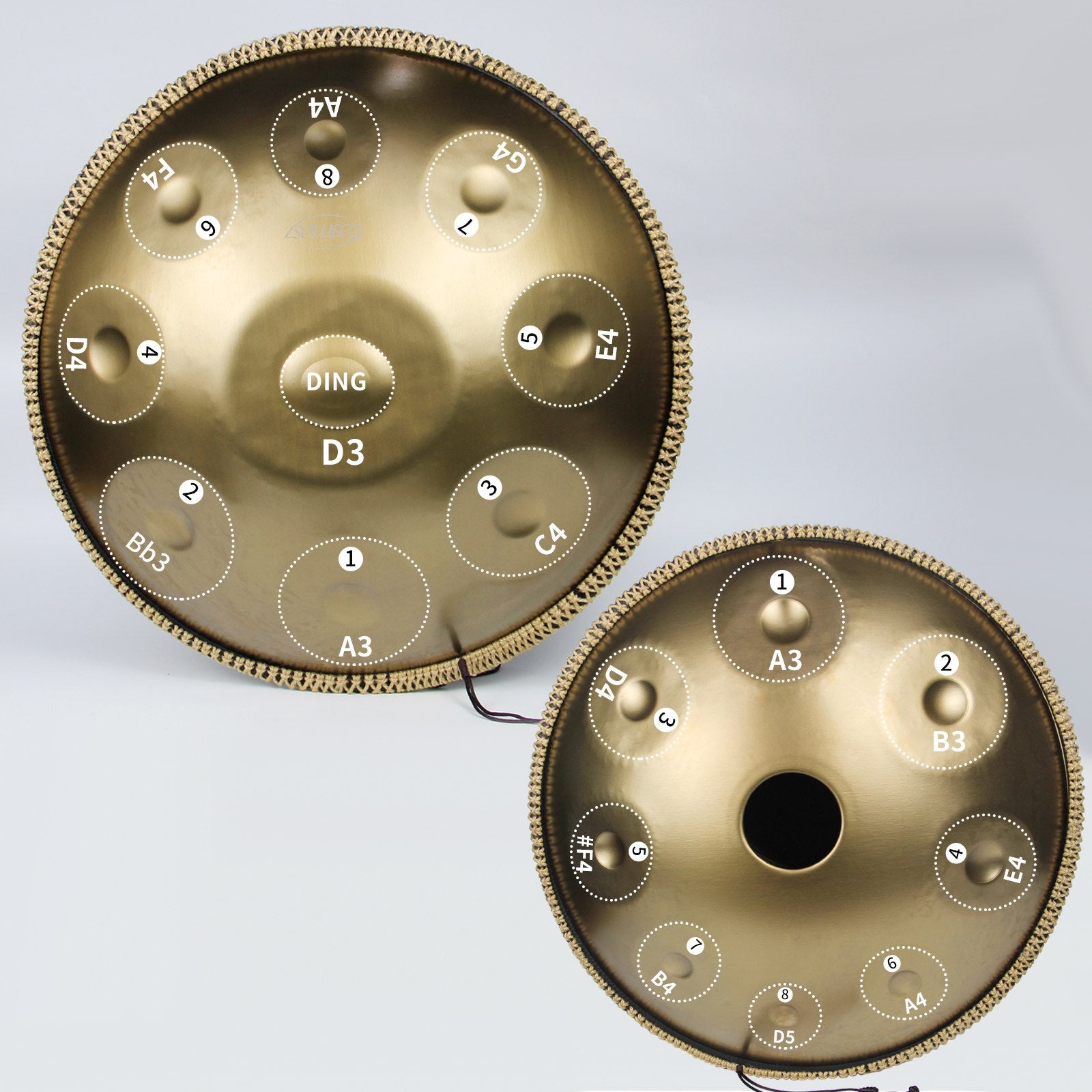

As makers and sound researchers, we receive countless inquiries from aspiring musicians, but one question echoes louder than the rest: Is it hard to tune a handpan? The handpan is a mesmerizing instrument, revered for its ethereal resonance and overtones. Yet, beneath its smooth, seemingly simple metallic exterior lies an incredibly complex architectural and acoustic web.

From our experience, understanding the physics behind the instrument is just as important as knowing how to strike the notes. When people ask us, Is it hard to tune a handpan, we emphasize that it is not merely about hammering metal; it is the art of balancing competing frequencies on a single surface. In this comprehensive guide, we will explore the metallurgical challenges, the specific tools required, and the step-by-step methodology used by professionals. Whether you are a curious player or an aspiring maker, this deep dive will illuminate the fascinating world of handpan acoustics.
Table of Contents
- 1. Understanding the Acoustics of a Tone Field
- 2. The Reality: Is it hard to tune a handpan?
- 3. Essential Tools for Handpan Tuning
- 4. Step-by-Step: How to Tune a Handpan
- 5. DIY vs. Professional Tuning: What We Recommend
- 6. The Harmonic Impact: Why Perfect Tuning Matters
- 7. Summary Table: Handpan Tuning Parameters
- 8. Frequently Asked Questions (FAQs)
- 9. Authoritative References
1. Understanding the Acoustics of a Tone Field
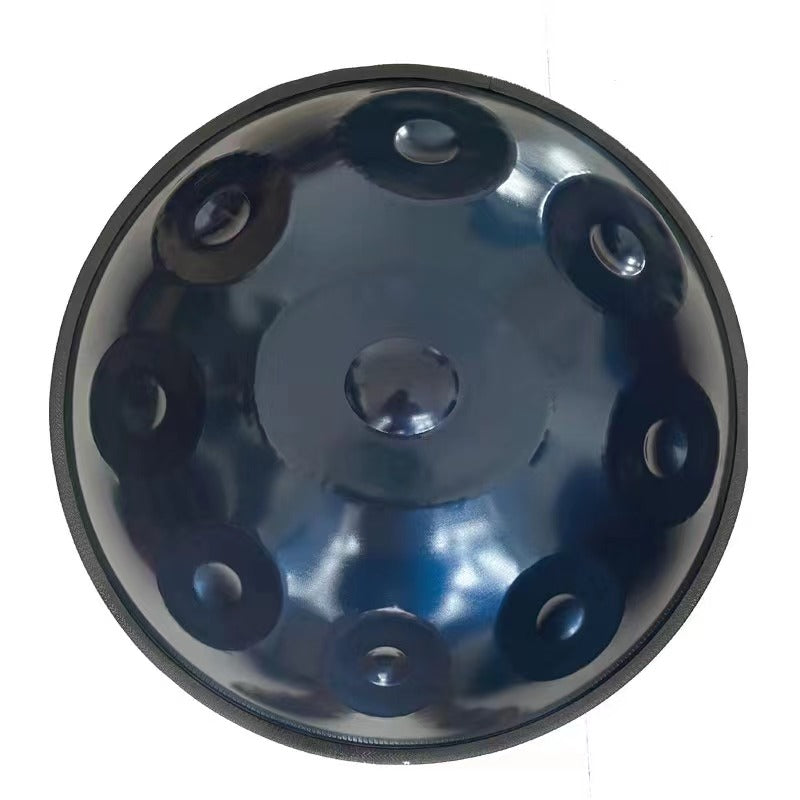
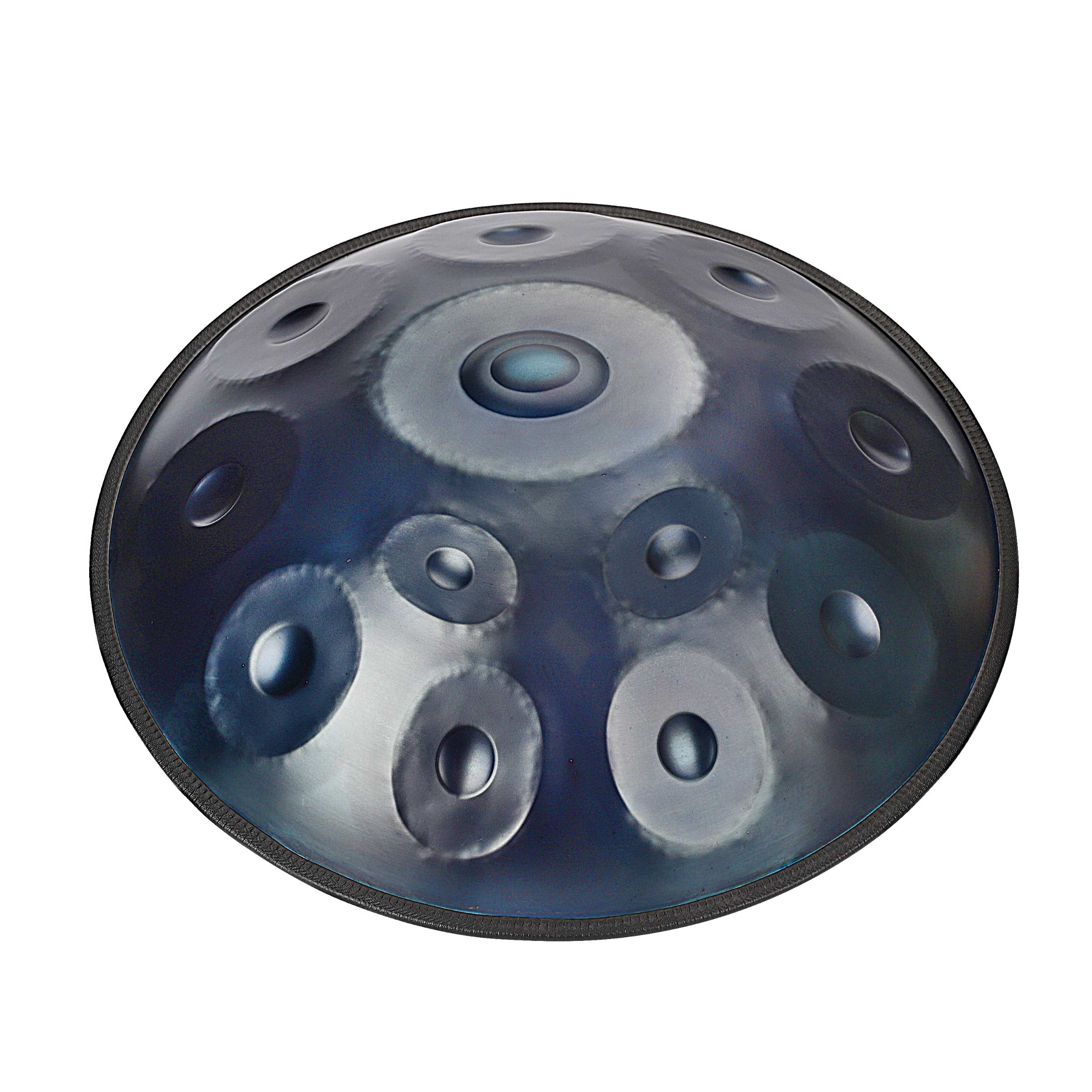
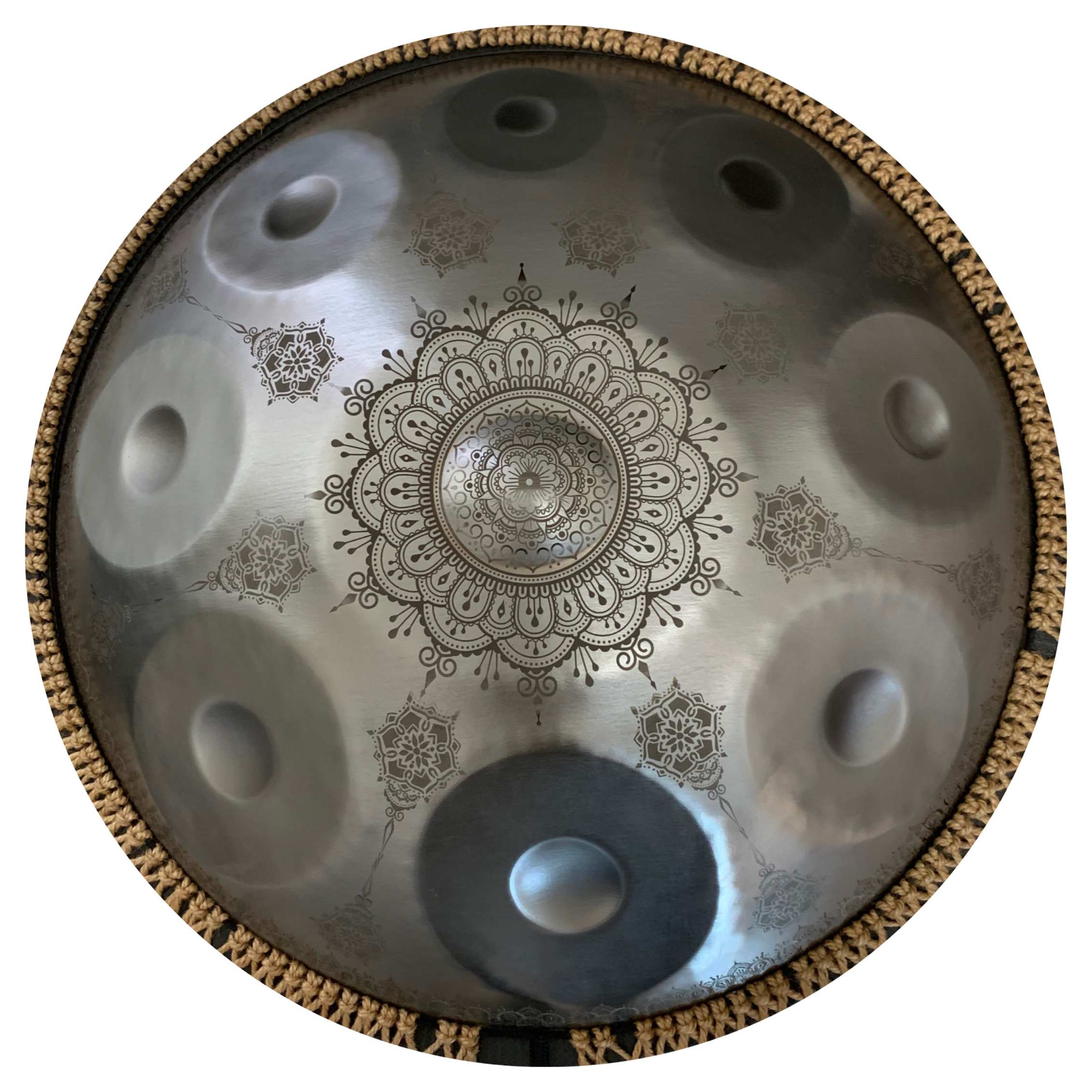
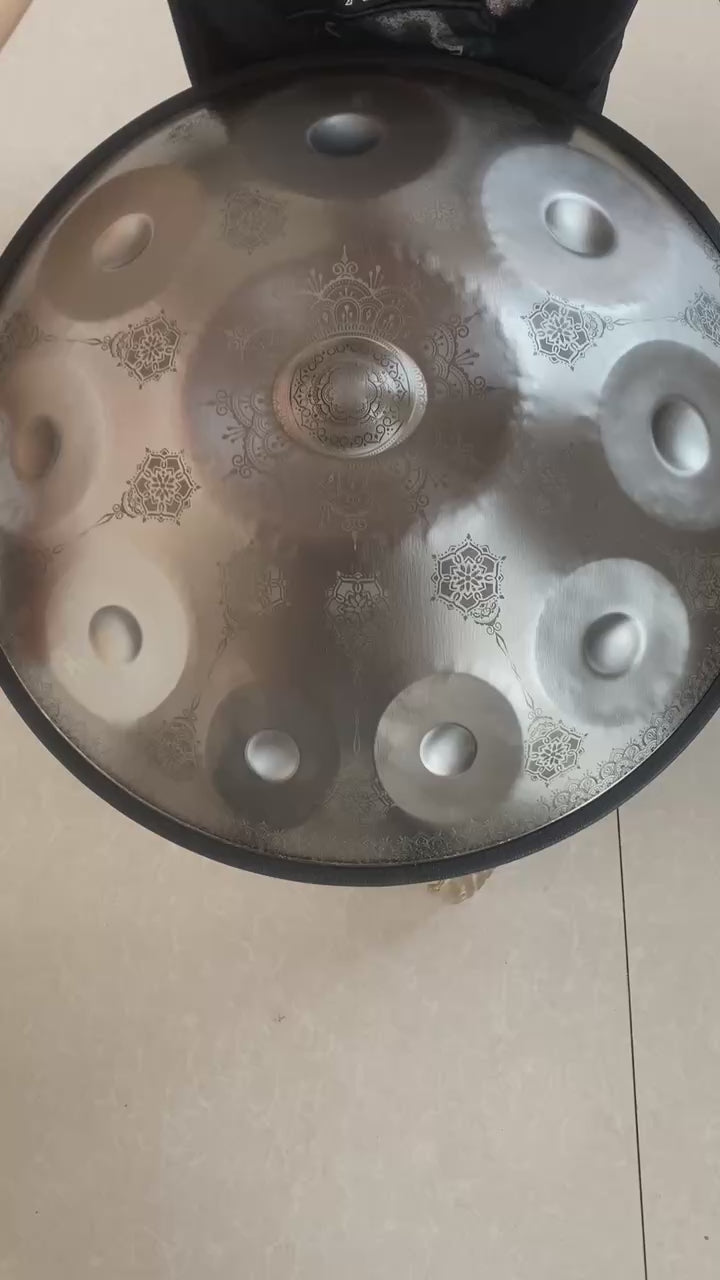
Before answering the question Is it hard to tune a handpan, one must understand what exactly is being tuned. Unlike a piano key or a guitar string, which primarily produces a single fundamental frequency, a handpan tone field is a multi-dimensional acoustic membrane. A single strike on a tone field activates at least three distinct frequencies simultaneously:
- The Fundamental: The primary, lowest pitch of the note, located in the center of the tone field.
- The Octave: A frequency exactly double the fundamental, usually aligned along the long axis of the elliptical tone field.
- The Compound Fifth: A frequency that resonates at a ratio of 3:2 to the octave, typically aligned along the short axis.
We recommend visualizing the tone field as a highly tensioned trampoline. If you tighten one side to adjust the Octave, you inherently alter the tension affecting the Fundamental and the Fifth. Balancing these three frequencies within a few cents of perfect pitch on a single piece of steel is an immense metallurgical puzzle.
2. The Reality: Is it hard to tune a handpan?
Let us address the core question directly: Is it hard to tune a handpan? Yes, it is exceptionally difficult. It is widely considered one of the most challenging acoustic arts in modern instrument making. When we at Cosmos Handpan spent countless hours refining our craft, we discovered that tuning requires a unique synthesis of physical endurance, fine motor skills, and an incredibly trained ear.
The difficulty lies in the concept of interstitial tension. The area between the notes—the interstitial space—acts as a rigid frame. When you hammer a note to tune it, you are stretching and compressing the metal. If you push a note too far, the metal loses its memory and structure, resulting in a dead note that sounds like striking an empty tin can. For someone without years of experience, a single misplaced hammer strike can destroy an instrument beyond repair. Therefore, when evaluating Is it hard to tune a handpan, one must factor in the immense risk involved in the process.
3. Essential Tools for Handpan Tuning

To manipulate steel with precision, you need specific tools. If you are serious about understanding how to tune a handpan, you must familiarize yourself with the maker's toolkit:
- Tuning Rings and Forms: Heavy wooden or metal rings that support the shell of the handpan, preventing the entire instrument from absorbing the shock of the hammer.
- Tuning Hammers: We utilize a variety of hammers, ranging from heavy brass mallets for rough shaping to small, lightweight nylon and wooden hammers for microscopic frequency adjustments.
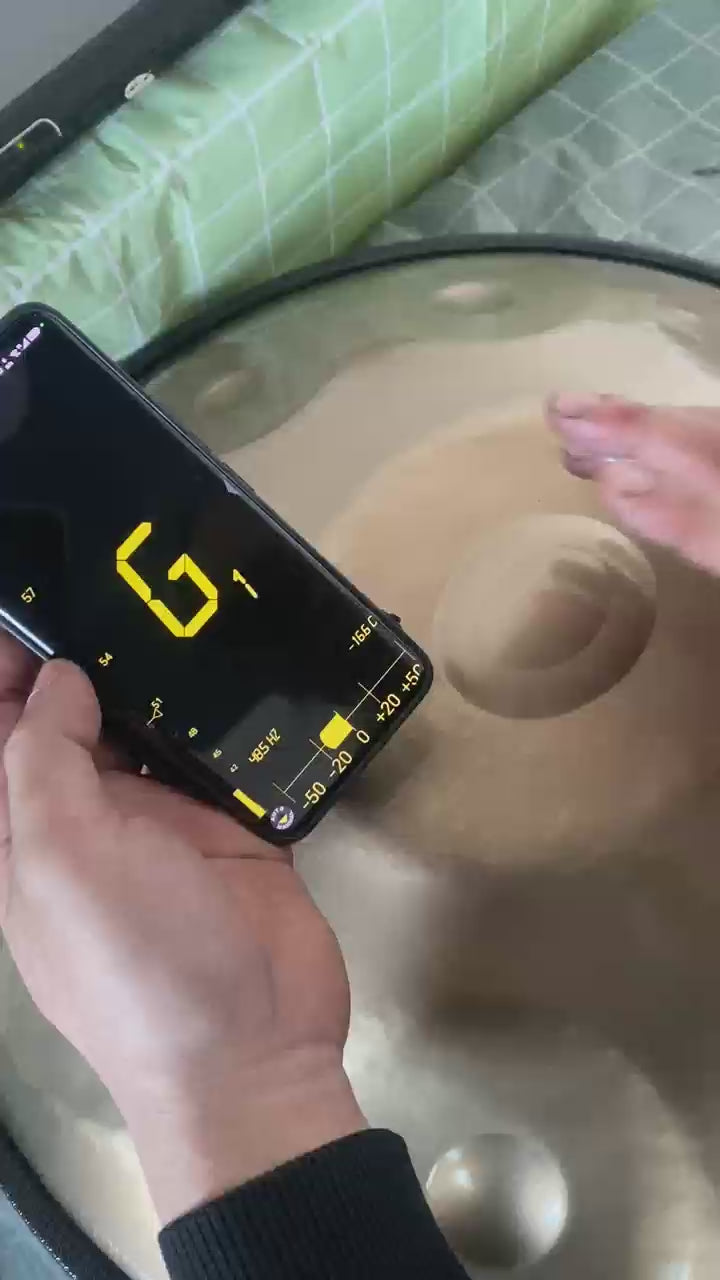
- Strobe Tuners: Standard guitar tuners are insufficient. Professional makers rely on highly sensitive digital strobe tuners (such as Linotune) that can read the fundamental, octave, and fifth simultaneously down to a fraction of a cent.
- Ovens and Kilns: Heat treatment is crucial for releasing internal stress in the metal after heavy hammering.
4. Step-by-Step: How to Tune a Handpan
The process of tuning is cyclical. It is rarely achieved in a single pass. From our experience, a high-quality handpan requires multiple rounds of tuning, resting, and baking. Here is a professional overview of how the process unfolds.
Step 1: Rough Shaping and Sinking
Before tuning can begin, the deep bowl shape (the shell) must be formed. The individual tone fields are then blocked out, creating the dimples in the center and the flat architectural borders that define the notes. This sets the foundational tension.
Step 2: The First Tuning Pass
Using a strobe tuner, the maker strikes the note to read the frequencies. To raise a pitch, the metal must be compressed (usually by hammering the border of the note). To lower a pitch, the metal must be stretched (by hammering the center). The maker works methodically to align the fundamental, octave, and fifth.
Step 3: Annealing (Stress Relief)
Hammering induces massive mechanical stress into the steel. If left untreated, the notes will quickly drift out of tune. The entire shell is placed in an industrial oven to bake. This heat treatment resets the crystalline structure of the steel, locking the tuning in place.
Step 4: Fine-Tuning and Blending
After baking, the pitch will have shifted slightly. The maker must perform a second, highly delicate tuning pass using lightweight hammers. This stage is where the true art happens—ensuring that striking one note does not cause an unwanted, dissonant vibration in an adjacent note. This cross-talk management is a major reason why the answer to Is it hard to tune a handpan is so profoundly affirmative.
5. DIY vs. Professional Tuning: What We Recommend
Many players, upon knocking their instrument out of tune, consider fixing it themselves. From our experience, we strongly advise against DIY tuning for novices. Because the architecture of a handpan is interconnected, hitting the instrument to fix a flat note can instantly destabilize the entire scale.
Instead of risking permanent damage, we recommend focusing your energy on proper playing techniques to avoid detuning your instrument in the first place. You can explore foundational techniques in our comprehensive handpan for beginners guide. Furthermore, if you live in an area without access to professional tuners, you might want to consider digital handpan instruments, which offer pristine, unalterable pitch via electronic sensors.
If you are dedicated to learning the instrument's nuances safely, there are excellent resources available. We suggest utilizing handpan learning apps to train your ear to recognize when your instrument requires professional attention.
6. The Harmonic Impact: Why Perfect Tuning Matters
Why do makers obsess over fractions of a cent when tuning? Because the handpan is not just an instrument; it is a tool for resonance and healing. Perfect tuning ensures that the overtones align harmonically, creating binaural beats and soothing frequencies that interact directly with the human nervous system.
When an instrument is expertly tuned, the benefits are profound. We invite you to read our research on handpan music benefits to understand the neurological impact of these overtones. Additionally, for practitioners using sound for wellness, the purity of the tuning is paramount, as detailed in our exploration of handpan therapy benefits.
7. Summary Table: Handpan Tuning Parameters
| Acoustic Element | Location on Tone Field | Tuning Action Required | Difficulty Level |
|---|---|---|---|
| Fundamental | Center (around the dimple) | Stretching/Compressing central membrane | Moderate |
| Octave | Long Axis | Isolating hammer strikes along the length | High |
| Compound Fifth | Short Axis | Isolating hammer strikes along the width | Very High |
| Cross-Talk | Interstitial space (between notes) | Stiffening the borders to isolate frequencies | Expert |
8. Frequently Asked Questions (FAQs)
How often does a handpan need to be tuned?
With proper playing technique (using the pads of the fingers rather than hard strikes) and careful temperature management, a high-quality handpan can stay in tune for 2 to 5 years. Heavy, aggressive playing can knock it out of tune in a matter of months.
Is it hard to tune a handpan if I already know how to tune a piano or guitar?
Yes. String and percussion instruments operate on entirely different physical principles. A guitar string changes pitch by adjusting linear tension via a tuning peg. A handpan requires physically reforming the steel membrane with a hammer. Knowing music theory helps, but it does not replace the required metallurgical skills.
Can heat affect my handpan's tuning?
Absolutely. Leaving your handpan in direct sunlight or a hot car will cause the steel to expand, temporarily altering the pitch. In extreme cases, rapid temperature changes can cause the metal to permanently warp, destroying the delicate balance of the tone field.
9. Authoritative References
To further understand the deep science of acoustics and metallurgy involved in steel pan and handpan creation, we recommend exploring the following academic resources:
- The Acoustical Society of America (ASA) - Research papers on the non-linear acoustics of shallow spherical shells.
- Audio Engineering Society (AES) - Studies on harmonic resonance, overtone isolation, and psychoacoustics.
- ScienceDirect - Metallurgy - Academic resources detailing the effects of work hardening and annealing on carbon and stainless steels.
To conclude, when returning to the question, Is it hard to tune a handpan, the answer is a definitive yes. It is an intricate dance of fire, steel, and sound. At Cosmos Handpan, our journey to find the perfect combination of elements was paved with thousands of hammer strikes. We respect the complexity of the instrument, and we hope this guide has deepened your appreciation for the art and science of handpan tuning.