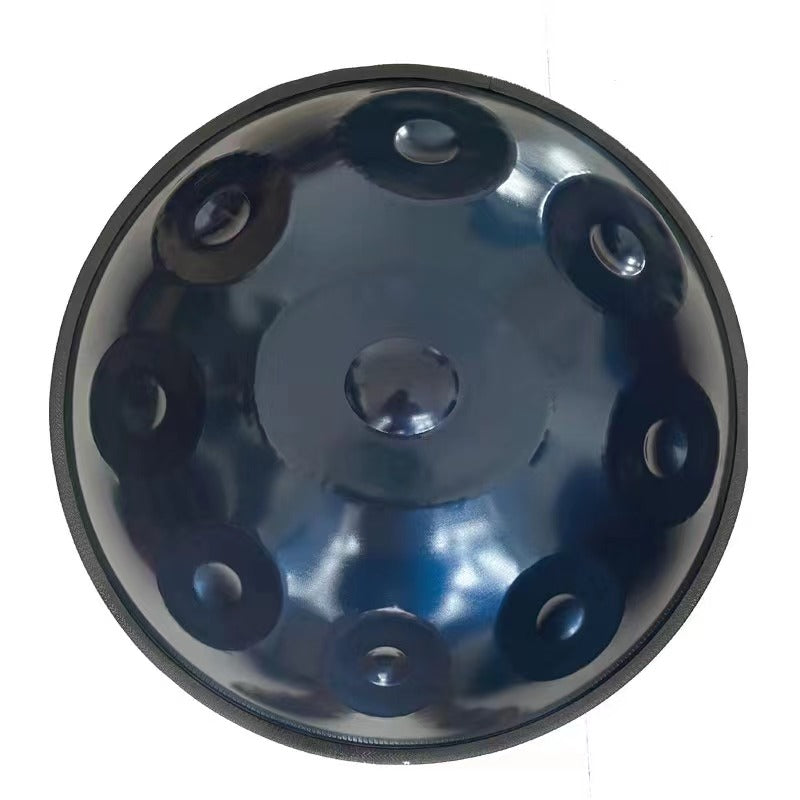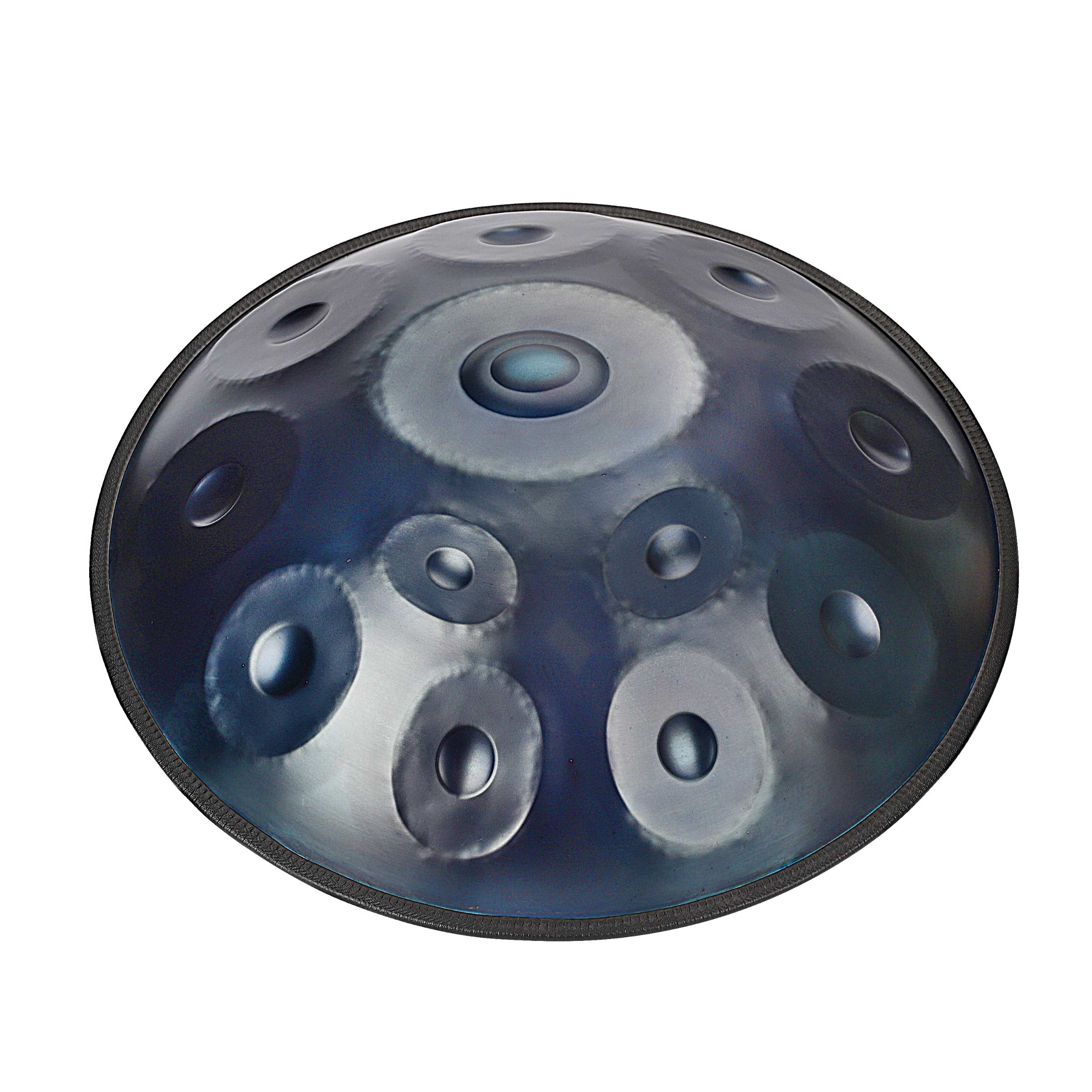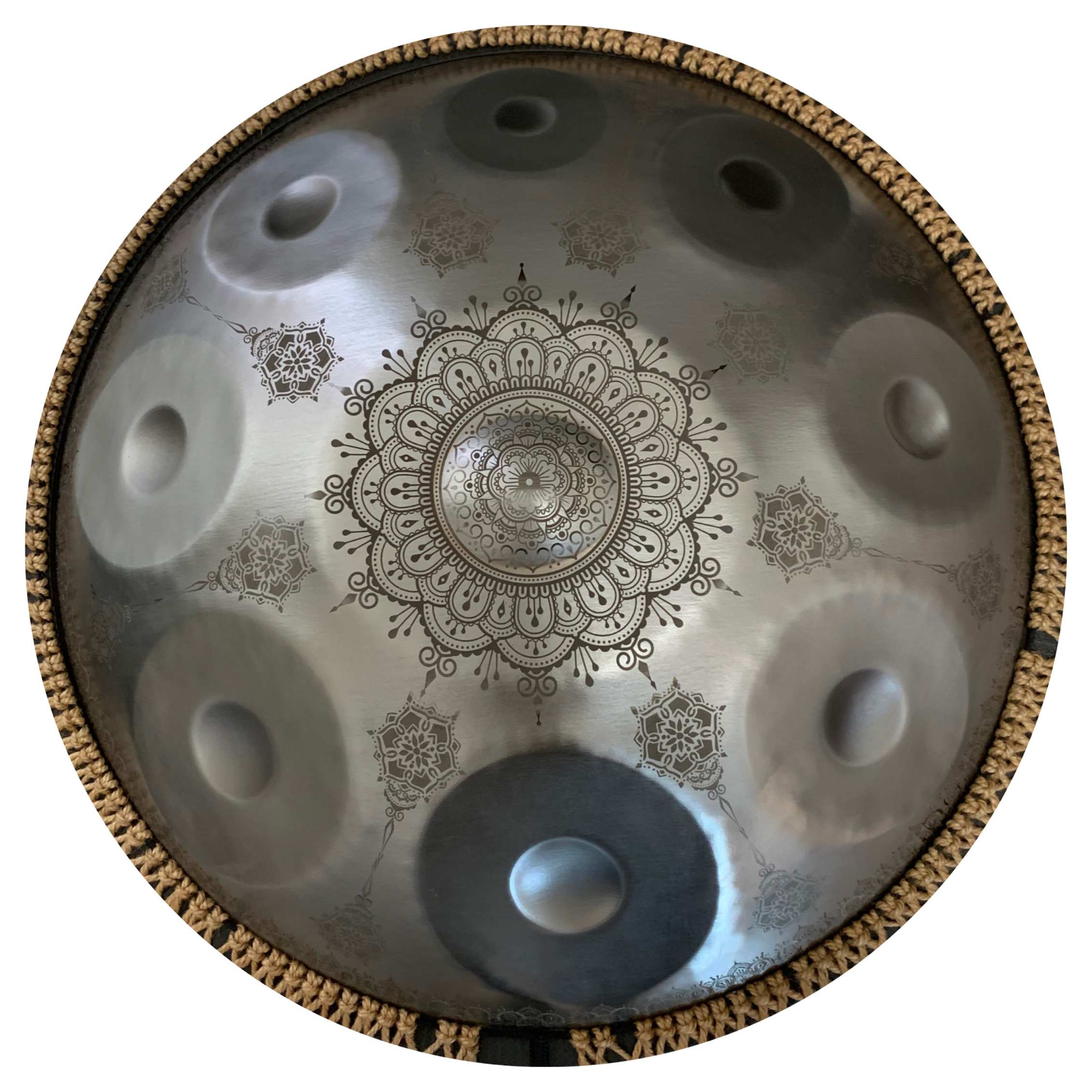

The musical ecosystem contains few instruments that have captured global imagination as rapidly or profoundly as the handpan. Emerging at the turn of the 21st century as a revolutionary idiophone made of nitrided or stainless steel, the handpan blends percussion and melody into a unified acoustic architecture. Understanding the acoustic mechanics and sonic signatures of this instrument requires looking past simple superficial aesthetic qualities. The unique sonic profile of this instrument is governed by a complex matrix of metal tension, structural geometry, and hand architecture.

At Cosmos Handpans, located in the heart of Colorado, USA, we have dedicated more than a decade of technical expertise to crafting high-performance handpans and tongue drums. Our crafters pour their heart into intricate workmanship and dedication, infusing each instrument with ethereal melodies that stir the senses and uplift the spirit. From our experience, many classical musicians and acoustic researchers misjudge how these convex steel vessels project sound, trying to evaluate them using standard instrument logic. This definitive guide details the 5 critical musical characteristics of the handpan, breaking down the acoustic science and physical design elements that define its captivating voice.
- 1. Summary Matrix: The Core Musical Characteristics of the Handpan
- 2. Micro-Acoustics: Tonal Architecture and Structural Resonance
- 3. Deep Dive: 5 Musical Characteristics of the Handpan
- 4. Practical Application: Therapy, Neuro-Acoustics, and Modern Composition
- 5. Frequently Asked Questions (FAQs)
- 6. Academic and Acoustic Physics References
1. Summary Matrix: The Core Musical Characteristics of the Handpan
Before examining individual physical properties, we recommend evaluating the foundational variables that dictate the overall behavior of the instrument. The table below outlines how specific musical characteristics of the handpan shape its final performance.
| Musical Characteristic | Acoustic Mechanism | Sonic Impact On Performance | Artisan Tuning Challenge |
|---|---|---|---|
| Compulsory Helico-Structural Tuning | 1:2:3 fundamental frequency ratio allocation | Produces an ethereal, complex, and deeply layered soundscape | Hammering precise compression points on individual note fields |
| Closed-Scale Modal Restriction | Fixed micro-scale selection per steel shell | Guarantees complete harmonic safety without dissonance | Designing balanced note intervals across the steel dome |
| Combined Percussive-Melodic Voice | Interconnected metal vibration mechanics | Allows the player to perform melody and rhythm simultaneously | Controlling unwanted sympathetic feedback across adjacent fields |
| Dynamic Transient Envelope | Immediate structural attack with rapid decay | Delivers highly responsive, intimate, and fluid hand interaction | Managing structural dampening via specific heat treatments |
| Helmholtz Air Cavity Coupling | Internal open chamber resonance loop | Produces a deep, rich bass foundation via the bottom port | Calibrating the volume of the cavity to match the top tone fields |
2. Micro-Acoustics: Tonal Architecture and Structural Resonance
To truly grasp the unique nature of the musical characteristics of the handpan, one must look at how an artisan handles raw metal sheets. Unlike conventional percussion systems that isolate clean frequencies, each individual tone field on a handpan is sculpted to act as a complex multi-tone oscillator. When a player strikes a single note field, they are not simply triggering a single fundamental pitch.
From our experience, high-performance tuning demands sculpting three distinct frequencies into every individual note dome. The fundamental note is accompanied by a tuned octave harmonic aligned along the longitudinal axis of the note field, paired with a compound compound fifth harmonic set along the transverse axis. This architectural 1:2:3 harmonic ratio is what gives the handpan its distinctive, ethereal resonance. If the metal thickness varies by even a fraction of a millimeter, these fine overtones lose alignment, causing the note to sound dull, metallic, or out of tune.
We recommend avoiding instruments made from thin or untreated steel alloys. Substandard handpans often use low-grade industrial metal that lacks the structural integrity required to hold complex multi-tone tuning over time. True stability requires precise heat treatments and nitriding processes to compress the steel's crystal matrix, locking the fundamentals and overtones safely in place through years of active playing.
3. Deep Dive: 5 Musical Characteristics of the Handpan
1. Compulsory Helico-Structural Tuning (The Triadic Tone Field)
The most important element among the musical characteristics of the handpan is the triadic structure of each note field. As noted above, each hammered dome contains three distinct frequencies: the fundamental, an octave, and a perfect fifth. When struck precisely with a finger, these three components vibrate together, producing a full, choir-like chord from a single strike.
This characteristic means the handpan possesses a distinct, self-contained acoustic signature. The overtone structures mirror the natural harmonic series of acoustic wind instruments or stringed instruments, but they project from an idiophonic steel shell. This gives the player access to a beautiful, complex blend of high-register shimmer and clear fundamental clarity.
2. Closed-Scale Modal Restriction
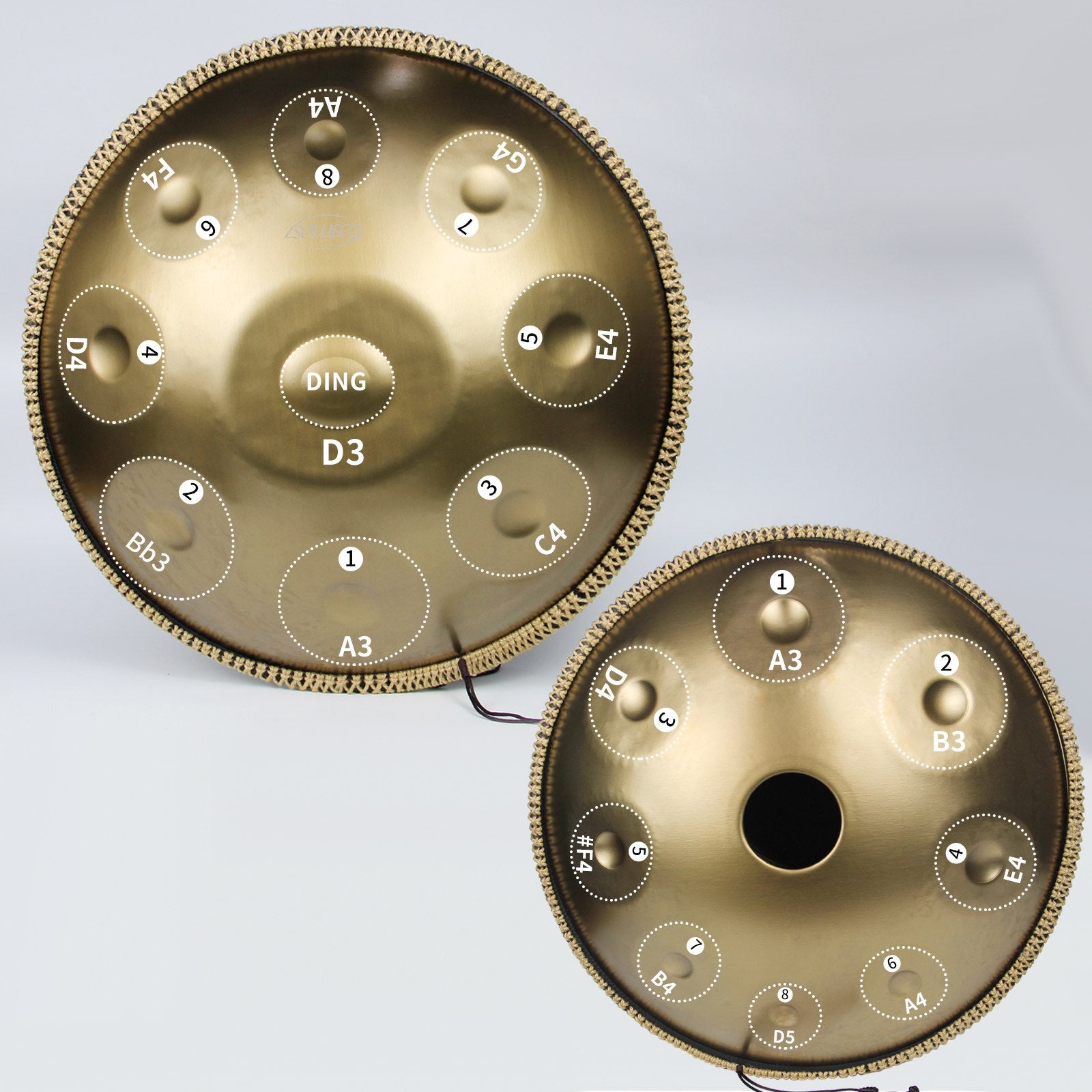
A central defining feature of the handpan is its fixed modal constraint. Because a single handpan shell cannot house all chromatic notes due to size and sympathetic bleeding issues, each instrument is meticulously tuned to a specific musical scale—such as Kurd, Celtic Minor, Hijaz, or Amara. The instrument typically contains between 8 and 14 note fields surrounding a central deep bass tone called the Ding.
We recommend viewing this constraint not as a limitation, but as a liberating creative asset. Because all notes across the shell belong to the same harmonic scale, there are no wrong notes or dissonant intervals. This modal design makes the handpan an excellent vehicle for direct intuitive play, fluid improvisation, and deep concentration, allowing music to flow freely from the player's spirit.
3. Combined Percussive-Melodic Voice
Unlike standard instruments that focus exclusively on pure melody or raw rhythm, the handpan merges these two elements into a single physical surface. The non-tuned steel spaces between the note fields, known as the shoulders or interstitial areas, produce a dry, crisp percussive sound when struck, reminiscent of a ceramic udu or a subtle wood block.
This allows a musician to weave intricate polyrhythms around an active melodic theme. A player can maintain a driving percussive pulse using their thumb along the shoulder metals while their fingers play floating melodies across the note fields. This dual voice gives solo handpan performances an incredibly full, ensemble-like soundscape.
4. Dynamic Transient Envelope
The envelope of a handpan note—its attack, sustain, decay, and release—is highly sensitive and immediate. Because it is played directly with the fingers rather than using mallets or sticks, the attack transient is incredibly soft and warm. The initial strike yields a clean burst of energy, followed by an immediate decay that transitions into a warm, floating sustain trailing from the internal chamber.
This responsive interaction demands delicate technique. Heavy striking can over-saturate the metal, causing unwanted pitch distortion and temporary frequency shifting. A light, pulling tap releases a beautifully pure, focused tone, offering musicians a level of micro-expression and nuance found in few other percussion instruments.
5. Helmholtz Air Cavity Coupling
The top dome of the handpan works in harmony with its lower shell, which features an open circular port called the Gu. This structural layout forms a functioning Helmholtz resonator. The air mass contained within the sealed steel shells bounces back and forth against the open air boundary of the bottom port, generating a rich, low-frequency bass response that stabilizes the entire instrument.
Advanced players learn to use this characteristic by moving their hands over or into the Gu port while striking the top notes. This movement changes the air volume of the opening, allowing them to bend the pitch of the bass response and create beautiful, resonant low-end accents that enrich the performance.
4. Practical Application: Therapy, Neuro-Acoustics, and Modern Composition
Exploring the core musical characteristics of the handpan reveals why this instrument is increasingly utilized across wellness spaces, clinical settings, and experimental music scoring.
The Neuro-Acoustic Influence of Steel Resonance
The unique overtone layout of the handpan has a direct, soothing influence on human neurology. For individuals dealing with high daily stress or anxiety, listening to these pure frequencies can help slow heart rates and support mental clarity. To learn more about how these specific waves interact with human biology, explore our clinical overview detailing how handpan music affects the brain, which breaks down the science of sound-induced relaxation loops.
This relaxing influence makes the handpan an invaluable tool for professional therapists and sound healers. Sourcing data from real-world applications, our comprehensive guide on using handpans in therapy outlines how counselors implement these instruments to ease patient trauma, soothe autism sensory patterns, and deepen mindfulness practices.
Evolving Digital Tools and Contemporary Repertoire

For modern musicians working in studio recording environments or touring spaces where temperature shifts threaten steel tuning, advanced digital instruments offer an excellent, modern solution. Consulting our expert analysis on the best digital handpan instruments reveals how modern electronic controllers use physical modeling and midi triggers to capture the feel of playing steel while adding infinite scale selections.
To deepen your understanding of handpan performance styles, we recommend exploring classic compositions and master tracks. Reviewing our list of 20 must-listen handpan music tracks introduces you to the boundary-pushing styles of iconic global players. To see how these modal configurations adapt to familiar melodies, browse through our collection of famous songs adapted for the handpan. For high-quality audio files to use in your own meditation or background tracks, consult our guide to the best websites to download handpan music for verified, clean links.
5. Frequently Asked Questions (FAQs)
6. Academic and Acoustic Physics References
For more detailed scientific studies regarding acoustics, steel physics, and ethnomusicology, consult these authoritative international organizations:
- Acoustical Society of America (ASA). Acoustic Analysis and Holographic Interferometry of Sculpted Steel Idiophones.
- Journal of New Music Research. Modal Restrictions and Intuitive Interfaces in Contemporary Instrumental Design.
- Audio Engineering Society (AES). Capturing Transient Envelopes and Internal Resonance Loops in Metal Percussion Systems.