In the vast and complex world of orchestral percussion, few instruments command the auditory presence and structural grandeur of tubular bells instruments. Often referred to simply as chimes, these massive, vertically suspended metal tubes are engineered to replicate the immense, resounding toll of cast church bells. However, unlike traditional cast bells, which require massive architectural reinforcements and weigh thousands of pounds, tubular bells instruments offer composers and percussionists a highly controlled, pitch-perfect, and portable alternative.

From our experience in metallurgical acoustics and precision tuning at Cosmos Handpan, we understand that achieving a perfect strike tone without discordant overtones is a monumental engineering challenge. Tubular bells instruments represent a triumph of acoustic physics. By manipulating the length, diameter, and wall thickness of brass or steel tubes, instrument makers can isolate specific frequencies to create a sound that cuts through the densest orchestral arrangements. In this authoritative guide, we will dissect the mechanics of tubular bells instruments, explore the various types utilized in contemporary music, and explain how their unique resonance can be synergized with other tuned percussion, such as handpans.
Table of Contents
- 1. Definition and Historical Context of Tubular Bells Instruments
- 2. The Acoustic Physics of Tubular Bells Instruments
- 3. Primary Types of Tubular Bells Instruments
- 4. Integrating Tubular Bells Instruments with Modern Percussion
- 5. The Cosmos Handpan Professional Catalog
- 6. Summary Table: Tubular Bells Instruments Overview
- 7. Frequently Asked Questions (FAQs)
- 8. References
1. Definition and Historical Context of Tubular Bells Instruments
Tubular bells instruments belong to the idiophone family of percussion instruments. An idiophone creates sound primarily by the vibration of the instrument itself, without the use of strings or membranes. Specifically, tubular bells instruments consist of a series of tuned metal tubes—typically extruded from high-grade brass or steel—suspended from a heavy standalone frame. The tubes are arranged chromatically, much like the keys of a piano, allowing the percussionist to play complex melodic passages.
The historical genesis of tubular bells instruments dates back to the late 19th century. Composers of the Romantic era sought to include the dramatic, atmospheric tolling of church bells in their symphonic works. Hector Berlioz and Pyotr Ilyich Tchaikovsky frequently wrote parts for large cast bells. However, transporting a set of cast bronze bells weighing several tons to concert halls across Europe was a logistical nightmare. In the 1880s, John Harrington patented the first practical tubular bells instruments. By striking a suspended, hollow brass tube with a rawhide or plastic mallet, percussionists could accurately simulate the complex harmonic structure of a church bell. This invention revolutionized orchestral percussion, permanently cementing tubular bells instruments as essential components of the modern symphony.
2. The Acoustic Physics of Tubular Bells Instruments
The sonic signature of tubular bells instruments is characterized by a phenomenon known as inharmonicity. When you strike a traditional stringed instrument or a tuned handpan, the resulting overtones are exact integer multiples of the fundamental frequency (harmonics). From our experience engineering the Cosmos Handpan, managing these harmonic overtones is the key to creating a soothing, consonant sound.
Conversely, tubular bells instruments do not produce true harmonic overtones. When a tube is struck at its top edge (the strike cap), it vibrates transversely. The frequencies generated do not align perfectly into a harmonic series. Instead, the human ear performs a psychoacoustic calculation. The ear hears the prominent partials (specifically the 4th, 5th, and 6th modes of vibration) and interprets a "virtual pitch" or "strike tone" that is actually one octave below the 4th partial. The actual fundamental frequency of the tube is almost entirely inaudible.
To control this massive array of frequencies, professional tubular bells instruments are equipped with a complex dampening system. A foot pedal, connected to a linkage system, operates a dampening bar covered in felt. When the pedal is at rest, the felt presses against the tubes, stopping the vibration. When the percussionist depresses the pedal, the dampening bar retracts, allowing the tubular bells instruments to ring freely. The mastery of this pedal is crucial; without precise dampening, the overlapping inharmonic frequencies of multiple tubular bells instruments will quickly devolve into a dissonant, muddy wash of sound.
3. Primary Types of Tubular Bells Instruments

While the fundamental physics remain consistent, tubular bells instruments have evolved into several distinct types, optimized for specific acoustic environments and musical genres.
Orchestral Tubular Bells Instruments
The standard orchestral tubular bells instruments represent the pinnacle of acoustic refinement. These sets typically feature 1.5 octaves of brass tubes, ranging from C5 to F6, though extended range models are available. The tubes are heavily plated, often in chrome or gold lacquer, to prevent oxidation and ensure consistent resonance. They are mounted on a heavy-duty, locking caster frame designed to eliminate sympathetic rattling. Orchestral tubular bells instruments are struck with specialized rawhide or polymer mallets, allowing the percussionist to control the sharpness of the attack.
Marching Band and Field Tubular Bells Instruments
Field ensembles and drum corps require tubular bells instruments that can project over the massive volume of a marching brass section in an open-air stadium. Marching tubular bells instruments prioritize volume and durability over delicate nuance. The tubes are often constructed from thicker, highly durable alloys and feature ruggedized, all-terrain frames. The dampening mechanisms are engineered to withstand rigorous transport and outdoor weather conditions, making these tubular bells instruments the backbone of front-ensemble pit sections.
Architectural and Outdoor Tubular Bells Instruments
A growing trend in acoustic design is the integration of architectural tubular bells instruments into public parks, therapeutic gardens, and outdoor installations. Unlike orchestral models, these instruments are permanently mounted and tuned to pentatonic scales to ensure that any combination of notes played by the public remains harmonically pleasing. These outdoor tubular bells instruments are anodized to resist severe weather and are struck with attached, weather-proof rubber mallets.
Electronic and Synthesized Tubular Bells Instruments
With the advent of digital sampling, electronic representations of tubular bells instruments have become prevalent. While they lack the physical, resonant air displacement of acoustic tubes, electronic percussion pads loaded with high-definition samples of tubular bells instruments offer extreme portability and pitch-shifting capabilities. Modern composers frequently blend acoustic tubular bells instruments with electronic synthesizers to create sweeping, cinematic soundscapes.
4. Integrating Tubular Bells Instruments with Modern Percussion
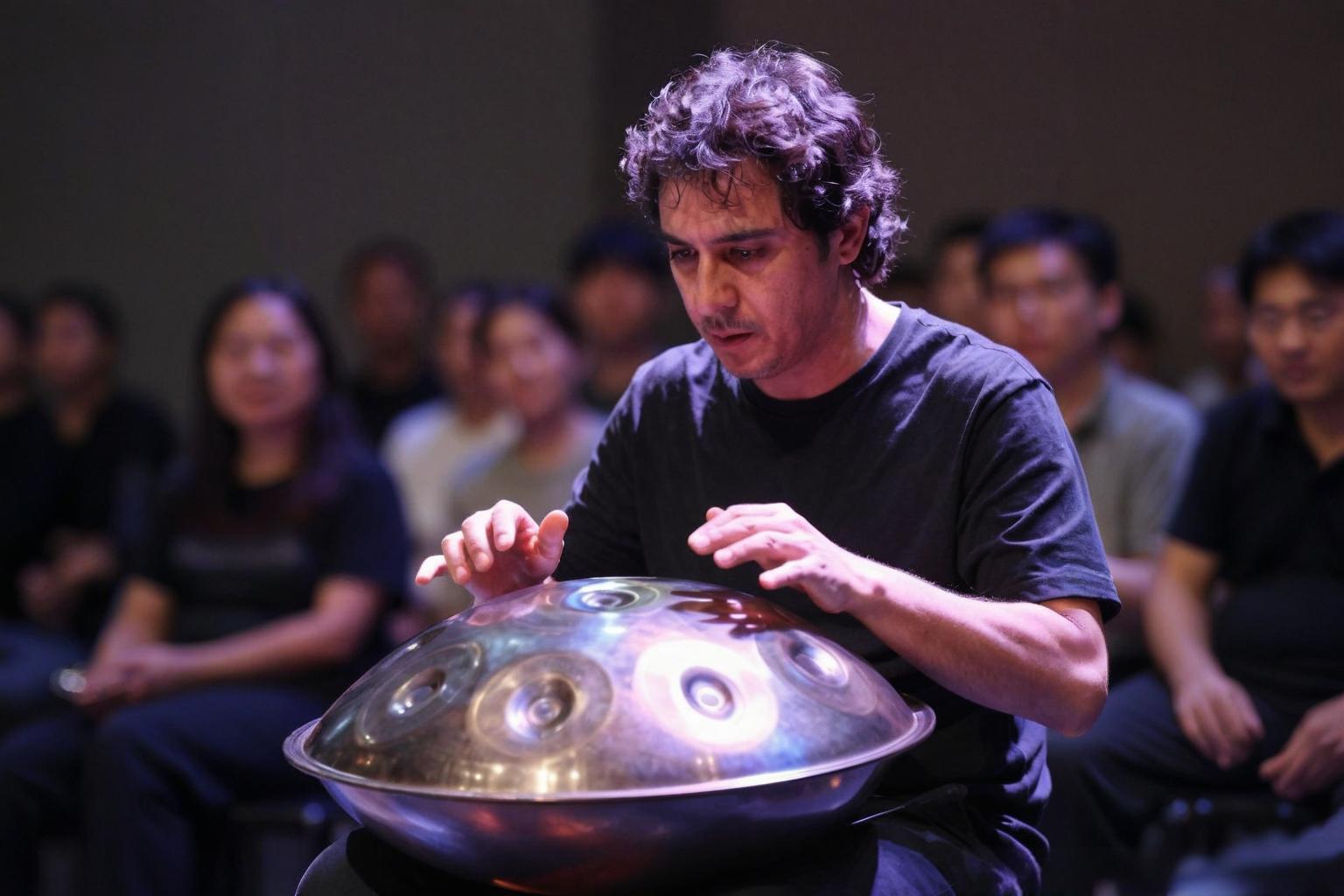
In contemporary orchestration, the sharp, metallic attack and long sustain of tubular bells instruments provide a brilliant contrast to softer, more resonant percussion instruments. As composers continue to push boundaries, we are witnessing a surge in hybrid acoustic arrangements. From our experience, the majestic, inharmonic tolling of tubular bells instruments pairs exceptionally well with the warm, focused harmonic resonance of a meticulously tuned handpan.
When an ensemble utilizes tubular bells instruments to establish a powerful, driving melodic motif, a handpan can provide an underlying, rhythmic harmonic bed. Because handpans are tuned to specific scales with rich fifth and octave overtones, they fill the acoustic space that the inharmonic tubular bells instruments leave open. This creates a deeply immersive, three-dimensional auditory experience that bridges classical orchestration with modern, meditative world music.
5. The Cosmos Handpan Professional Catalog

To match the specific acoustic frequency needs of different musicians, especially those integrating their sound with the sharp resonance of tubular bells instruments or other complex acoustic and electronic arrays, we highly recommend utilizing precision-engineered instruments. A poorly tuned accompaniment will immediately clash with the massive sound projection of a tubular bell. We recommend the following from our elite Cosmos Handpan catalog to achieve absolute harmonic synergy:
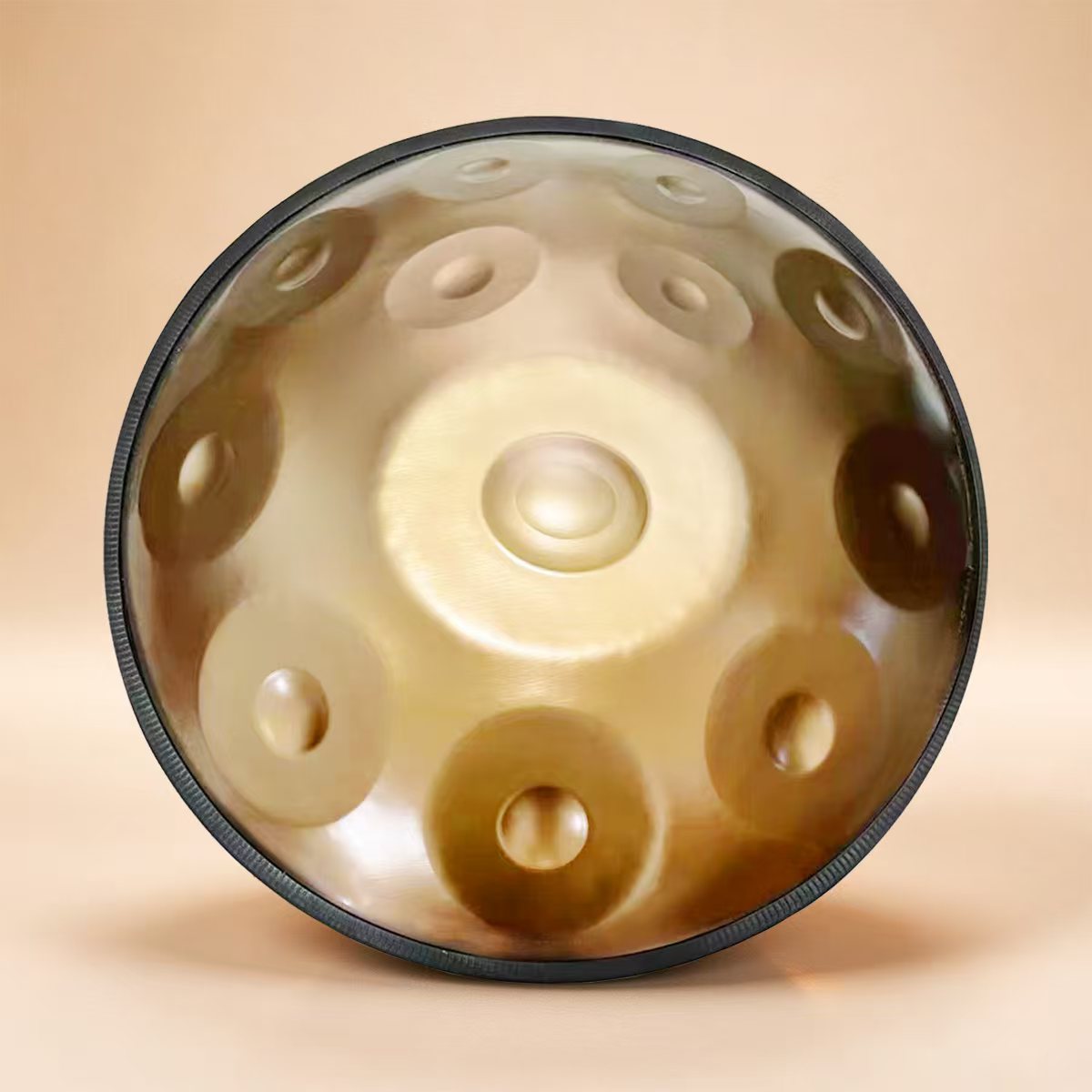
- 9 Notes Handpan: Perfect for focused, melodic exploration and beginner-friendly performance.
- 10 Notes Handpan: Balanced standard for modern players seeking a versatile instrument.
- 12 Notes Handpan: Expanded range for complex compositions and intermediate musicians.
- 17 Notes Handpan: Ultimate professional instrument with an extended scale for advanced compositions.
- Handpan for Beginners: Specially tuned for ease of play and rapid learning.
-
Handpan Drum Instrument: General-purpose high-quality options for various music styles.
6. Summary Table: Tubular Bells Instruments Overview
To assist percussionists, educators, and composers in distinguishing between the various formats, we have compiled a technical summary of the primary tubular bells instruments.
| Type of Instrument | Primary Material | Tuning / Range | Ideal Application |
|---|---|---|---|
| Orchestral Tubular Bells Instruments | Chrome/Gold-Plated Brass | Chromatic (1.5 to 2 Octaves) | Symphony Orchestras, Concert Halls, Studio Recording. |
| Marching/Field Tubular Bells Instruments | Heavy-Gauge Brass/Steel | Chromatic (1.5 Octaves) | Drum Corps, Outdoor Marching Ensembles, Field Shows. |
| Architectural Tubular Bells Instruments | Anodized Aluminum/Steel | Pentatonic (Restricted) | Public Parks, Interactive Art Installations, Music Therapy. |
| Synthesized Tubular Bells Instruments | Digital Algorithms / Samples | Infinite (Digitally pitched) | Electronic Music Production, Cinematic Scoring, Pop Ensembles. |
7. Frequently Asked Questions (FAQs)
How do you tune tubular bells instruments?
Unlike stringed instruments that can be tuned by adjusting tension, tubular bells instruments are permanently tuned during the manufacturing process. The pitch is determined by the length and the outer and inner diameters of the metal tube. Manufacturers precisely lathe or cut the bottom of the tube to adjust the fundamental frequency. Once cut, the pitch of tubular bells instruments cannot be easily changed without physically grinding away more metal.
What mallets should be used on tubular bells instruments?
We recommend using mallets specifically designed for tubular bells instruments, which typically feature heads made from rolled rawhide or dense polymer/acrylic. Using metal hammers will permanently dent and destroy the strike cap of the tubes, while soft yarn marimba mallets will not generate enough force to activate the instrument's strike tone.
Can orchestral tubular bells instruments be played outside?
While they can physically be played outside, we do not recommend exposing professional orchestral tubular bells instruments to harsh elements. The brass tubes can oxidize, and moisture can severely damage the felt dampening mechanism. For outdoor use, architectural or specialized marching tubular bells instruments are far more appropriate.
Why do tubular bells instruments sound out of tune when played together rapidly?
This is due to the inharmonic overtone series of tubular bells instruments. When you strike a tube, you are activating multiple non-integer frequencies. If you play several notes in rapid succession without using the dampening pedal, these dense, clashing overtones bleed into one another, creating an acoustic phenomenon known as dissonance. Proper pedal technique is mandatory to maintain harmonic clarity.