The handpan is arguably the most captivating acoustic instrument invented in the 21st century. Its resonant, ethereal tones have the power to instantly silence a crowded room. However, because it is a relatively new instrument—without centuries of classical pedagogy behind it—aspiring players are often entirely lost on where to begin. You cannot simply walk into a traditional music conservatory and sign up for handpan lessons. This leaves many beginners aggressively striking their expensive steel sculptures with the flat of their palms, producing a dull, clanking sound instead of the rich harmonics the instrument was designed to emit.
From our experience crafting premium instruments at Cosmos Handpans, we know that the physical quality of the steel means nothing if the player does not understand the mechanics of acoustic resonance. The handpan is not a conga, nor is it a piano; it requires a highly specific, whip-like striking technique and a deep understanding of scale geometry. In this comprehensive guide, we will cut through the noise. We will break down exactly how to learn handpan efficiently, guide you through building foundational muscle memory, and provide you with the commercial and practical judgment needed to select your first instrument without wasting your money.

Quick Answer
To successfully learn how to play the handpan, you must first master the "hot surface" striking technique, using the bony side of your thumb or index finger to strike and instantly release the tone fields, allowing the metal to resonate. The most effective learning path involves acquiring a D Minor (Kurd or Celtic) scale handpan, mapping out your handpan notes chart, and utilizing structured, step-by-step online video courses from reputable platforms. We recommend dedicating 15 to 20 minutes daily strictly to scale ascension and rhythm building rather than attempting to memorize full songs immediately. If you do not yet own an instrument, prioritizing a high-quality beginner pan is mandatory; you cannot learn proper technique on a poorly tuned, mass-produced metal shell.
Table of Contents
- What It Is: The Anatomy of a Handpan
- How It Works: The Mechanics of Playing
- The Benefits of Learning the Handpan
- Limitations and Harsh Realities
- Who Should Learn the Handpan
- Who Does Not Need It
- Common Beginner Mistakes
- Critical Buying Considerations
- Expert Recommendation
- Essential Comparison Tables
- The Bottom Line
- Frequently Asked Questions
What It Is: The Anatomy of a Handpan
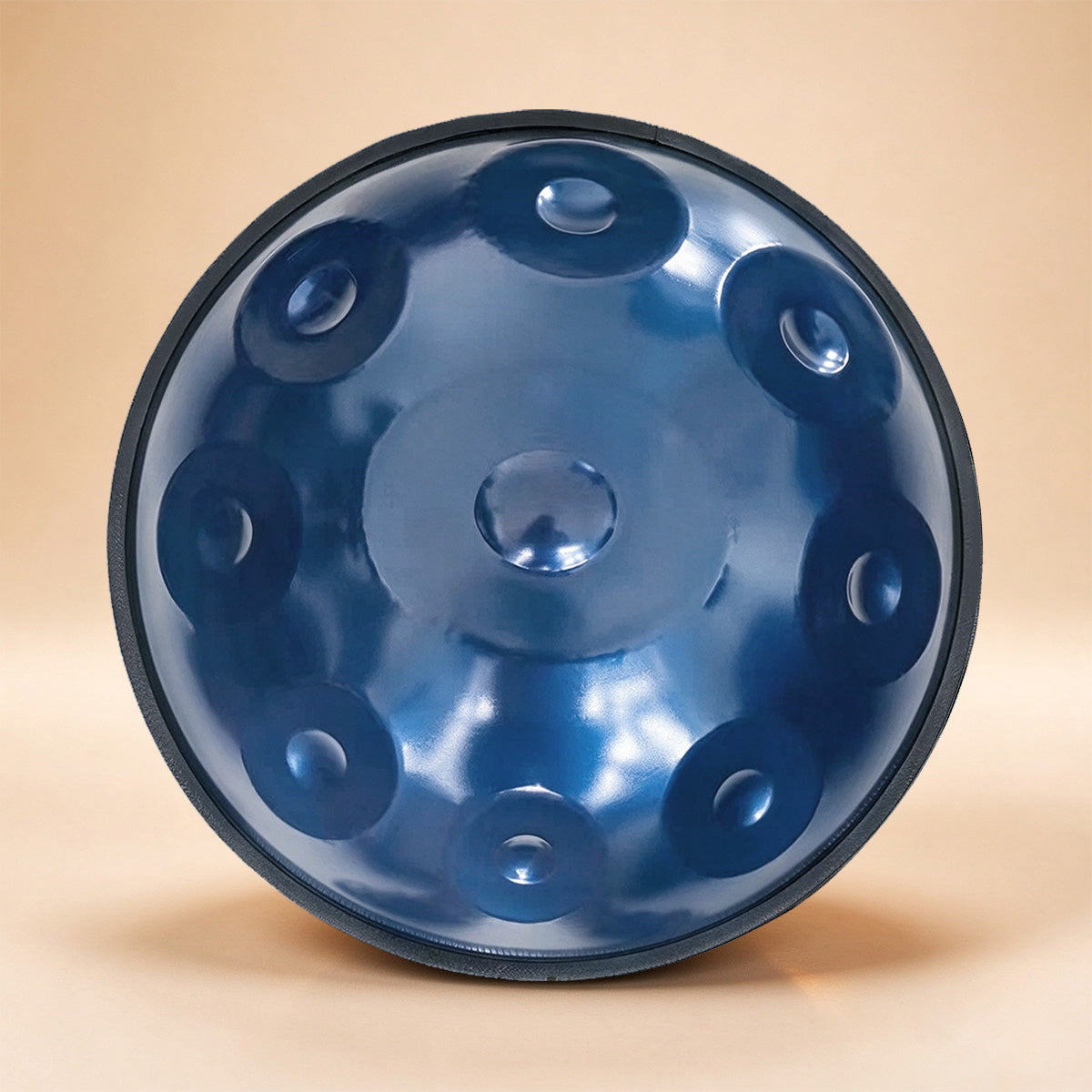
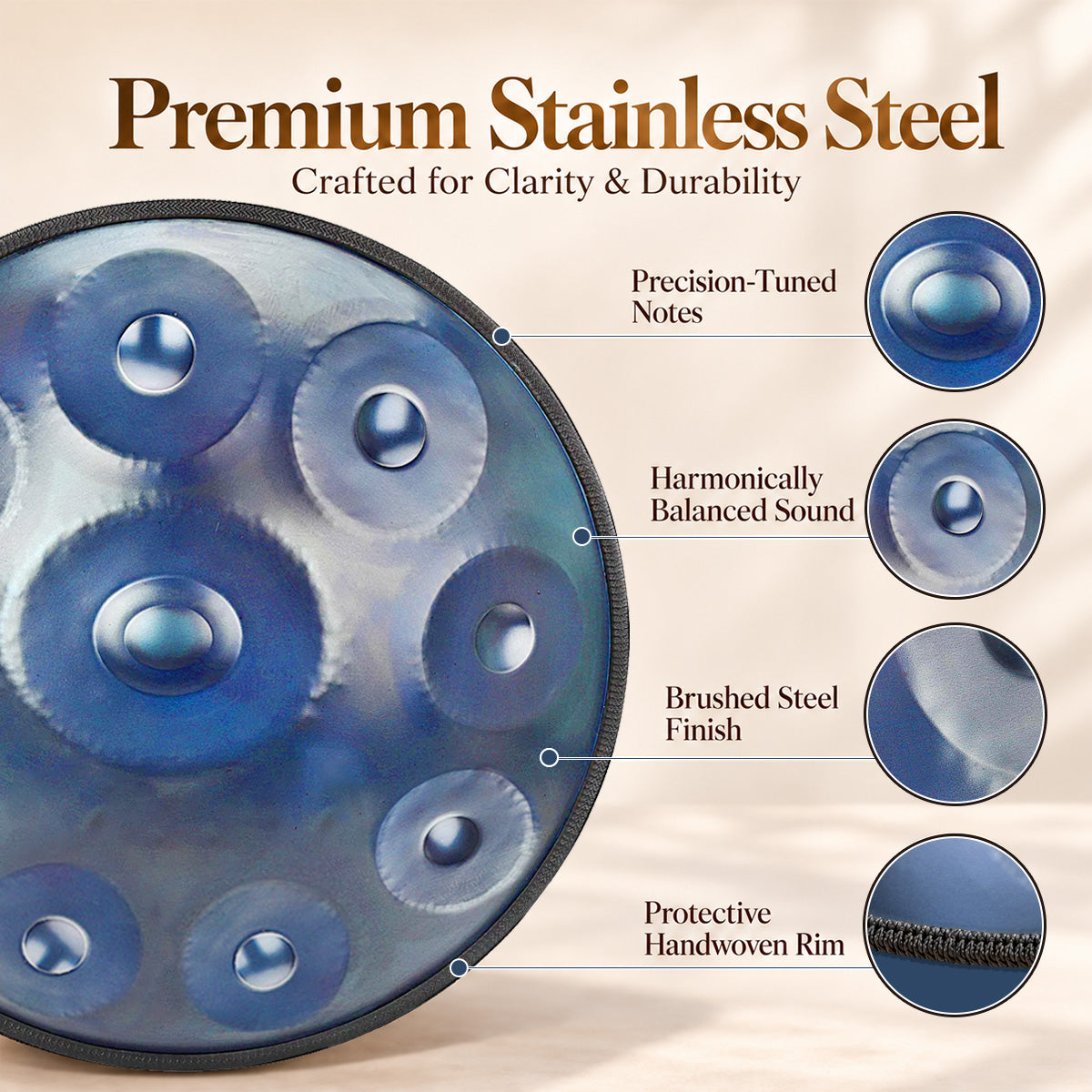
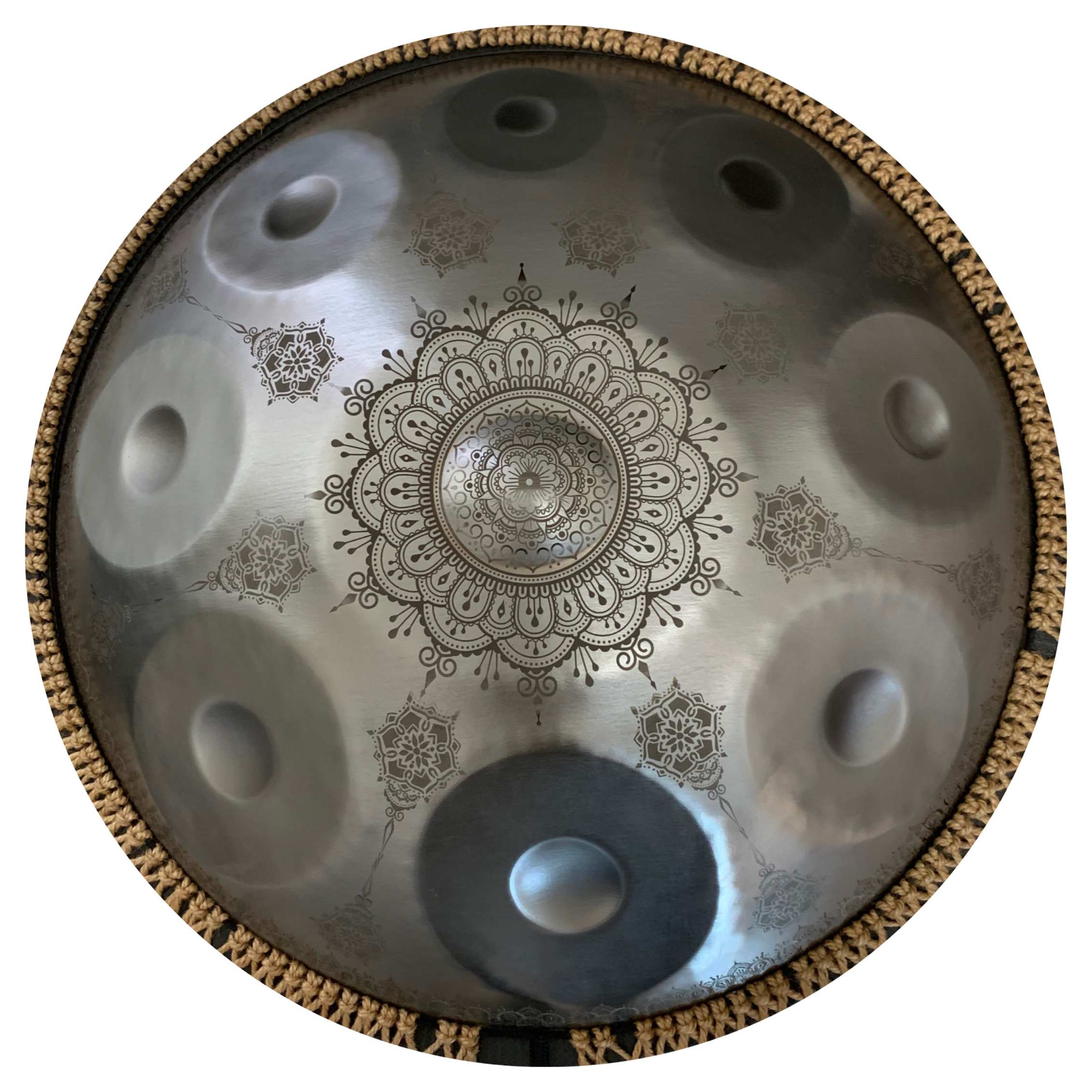
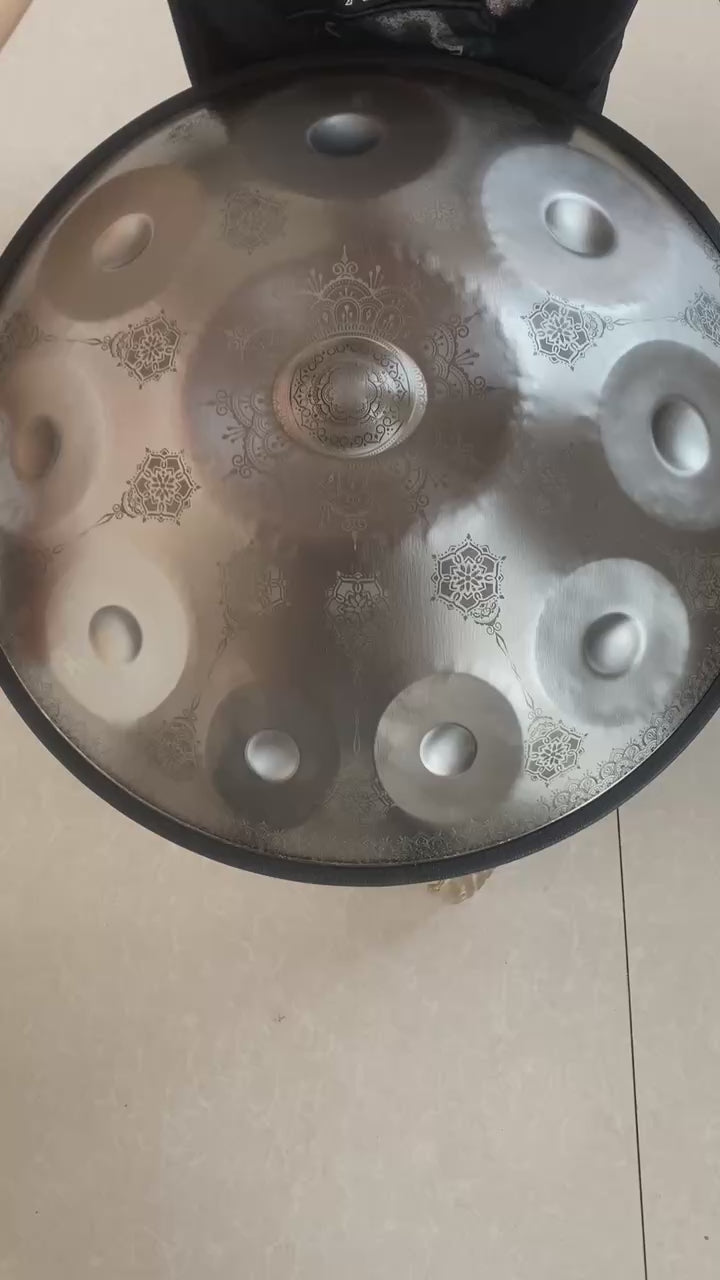
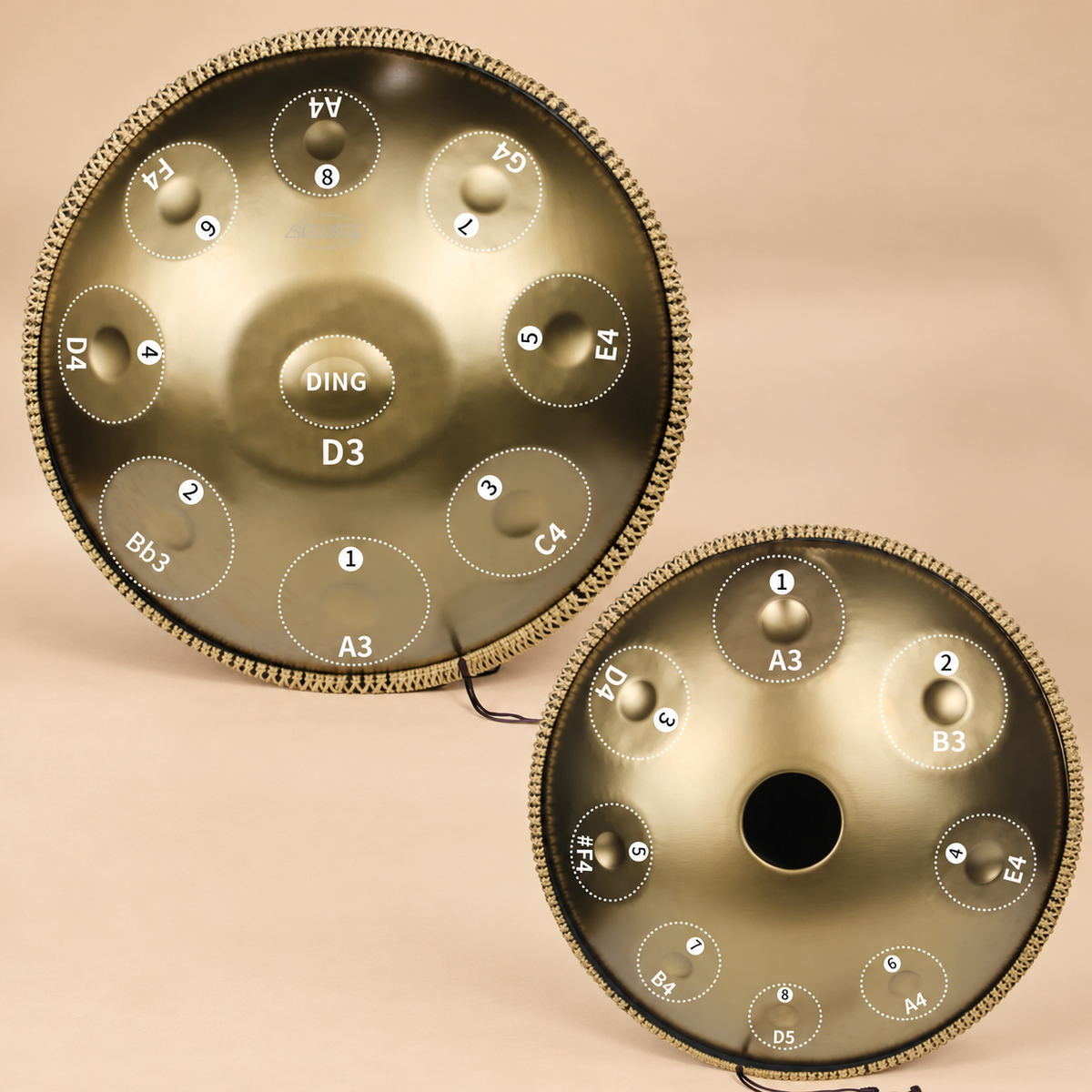
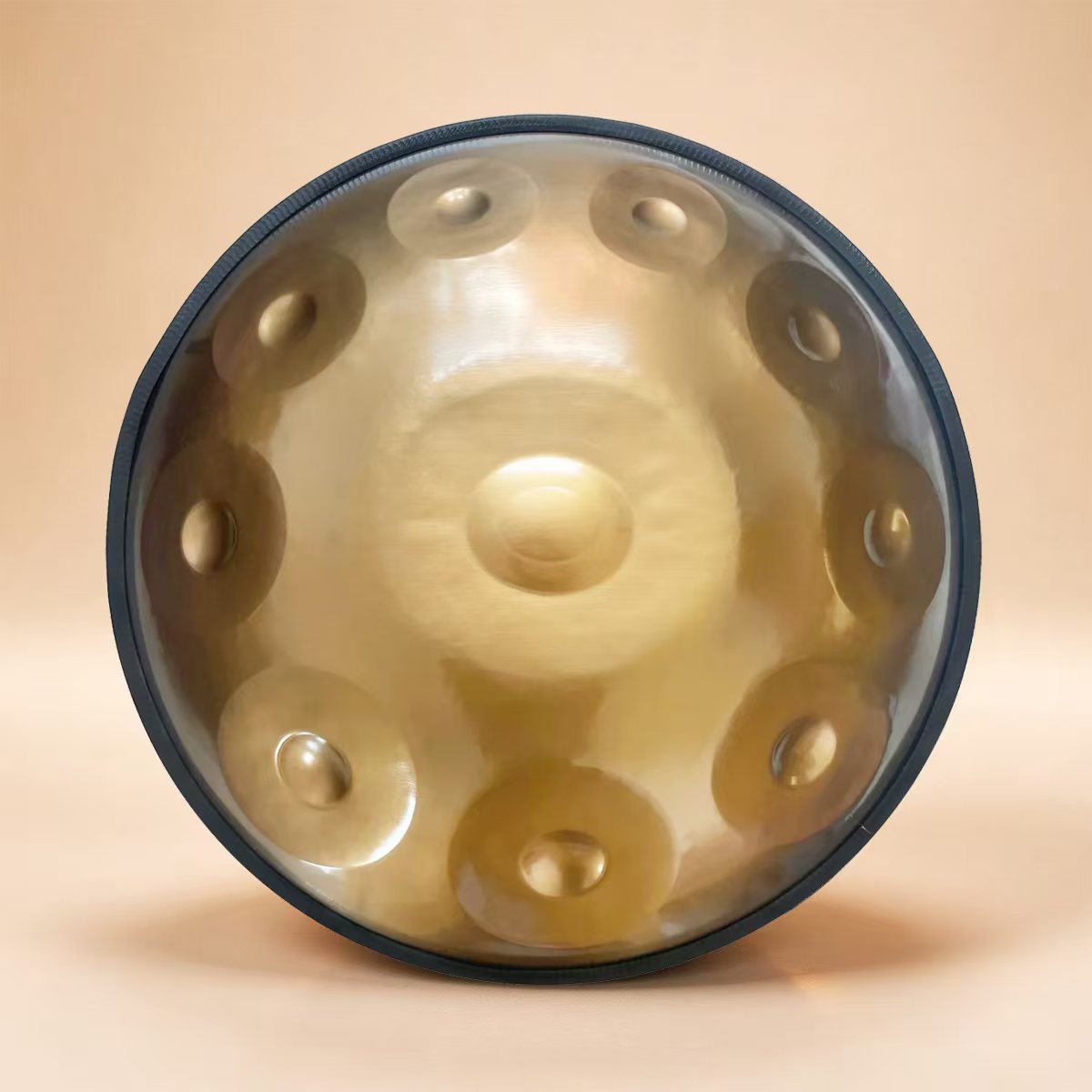
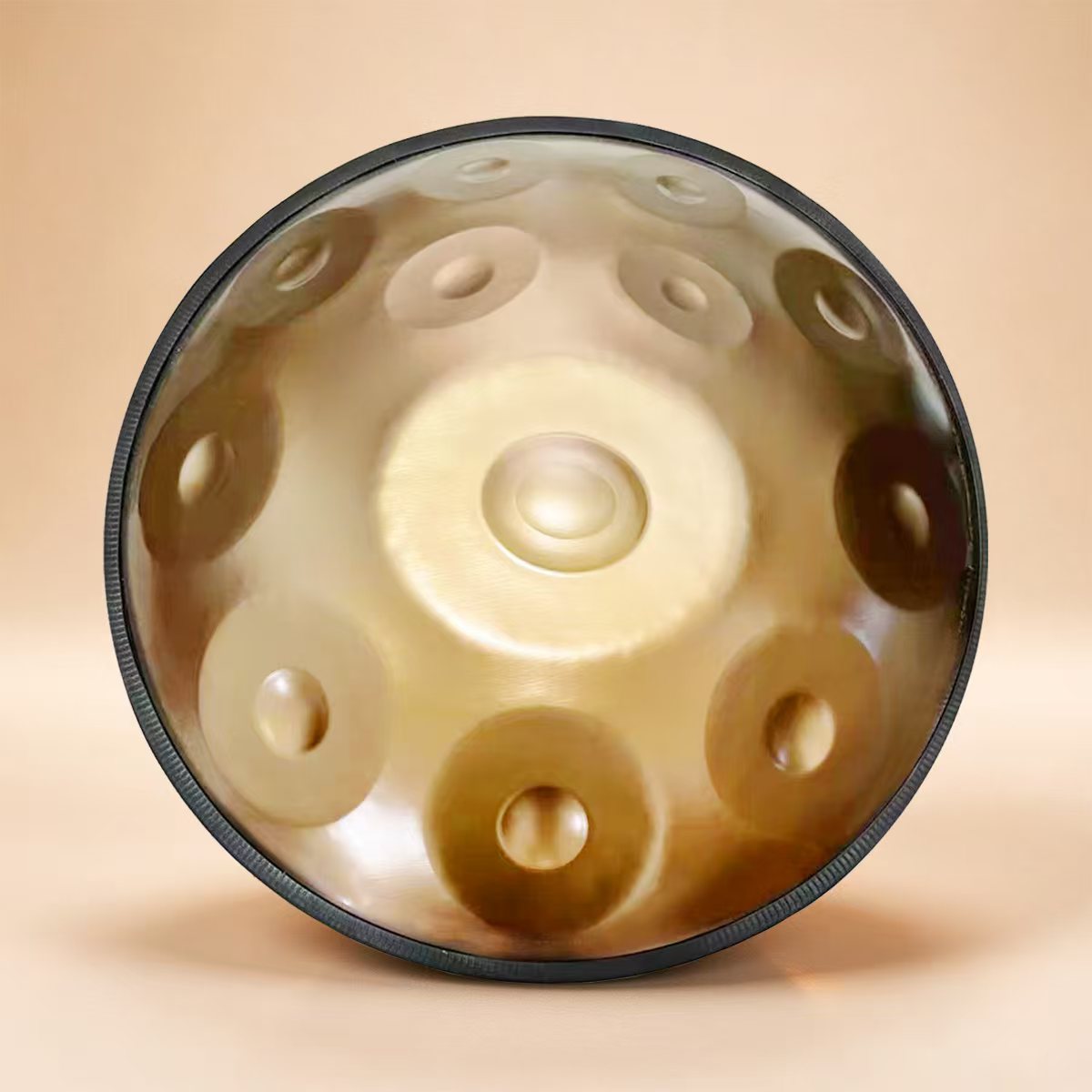
Before you can learn to play, you must understand the architecture of the instrument in your lap. A handpan consists of two bonded steel hemispheres. The top shell (the dome) houses the playing surfaces, while the bottom shell contains a central resonant opening known as the "Gu," which facilitates Helmholtz resonance (the deep, breathing bass sound).
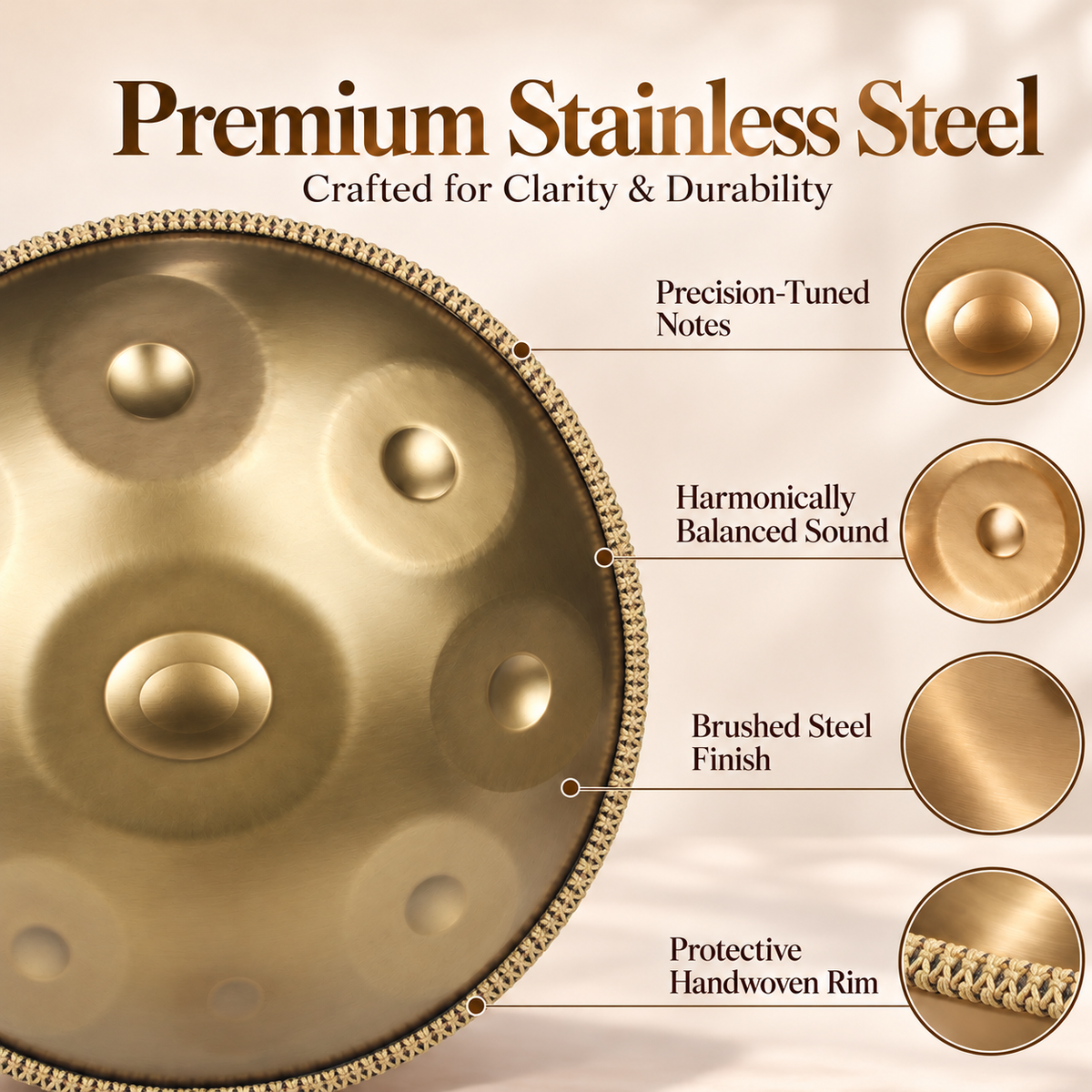
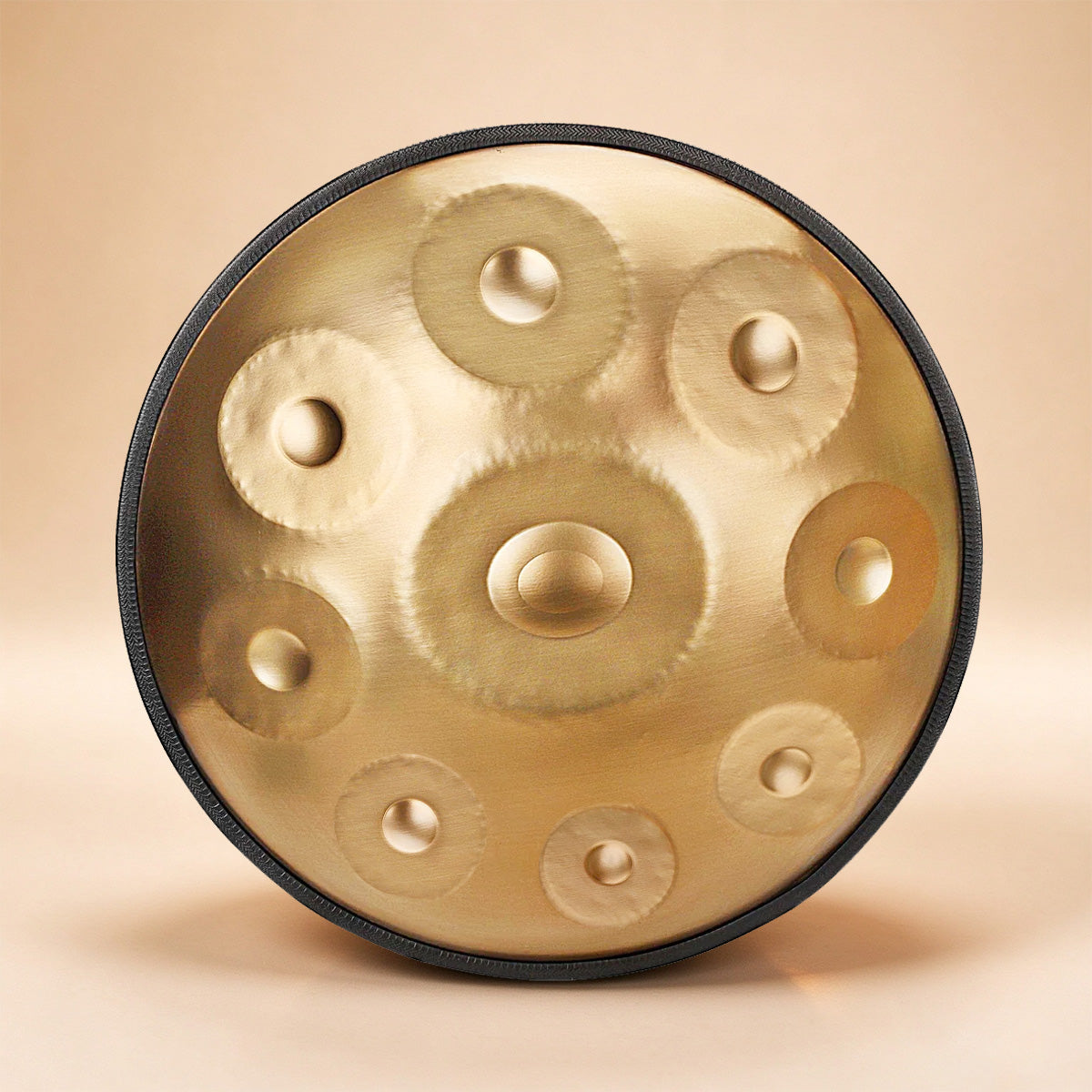
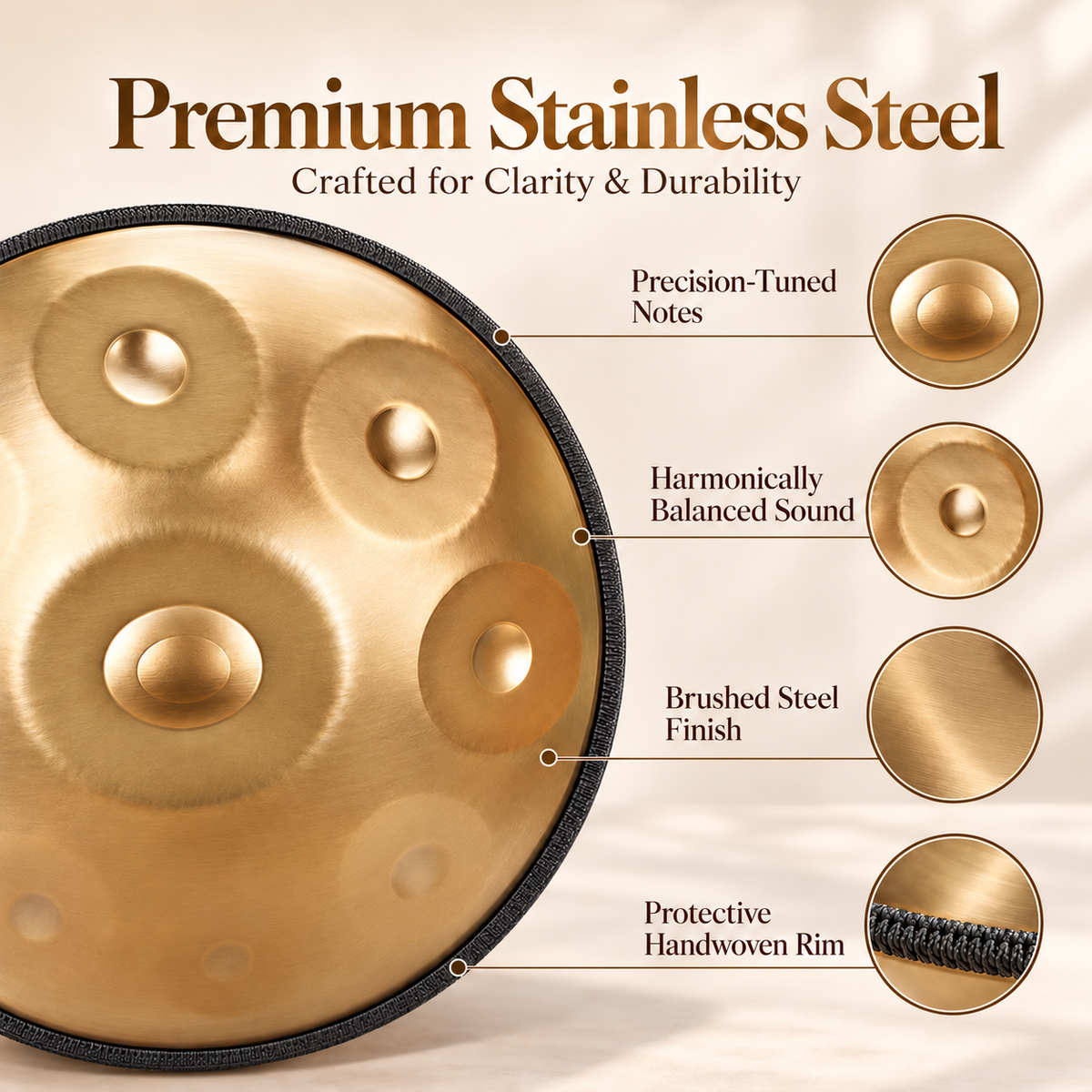
On the top shell, the central, raised note is called the "Ding." Surrounding the Ding is a circular arrangement of indented "tone fields." Each tone field is meticulously hammered to produce a fundamental note, as well as an octave and a compound fifth harmonic. If you want to dive deeper into how these notes interact, understanding handpan notes is crucial for your long-term musical progression. The interstitial space between the tone fields is called the "shoulder," which does not hold a specific pitch but is used extensively for percussive slaps and ghost notes.
How It Works: The Mechanics of Playing

The learning curve of the handpan is heavily front-loaded. The challenge is not reading complex sheet music; the challenge is physically coaxing a clean note out of the steel. Here is the exact methodology you must follow to learn effectively.
1. The Posture and Position
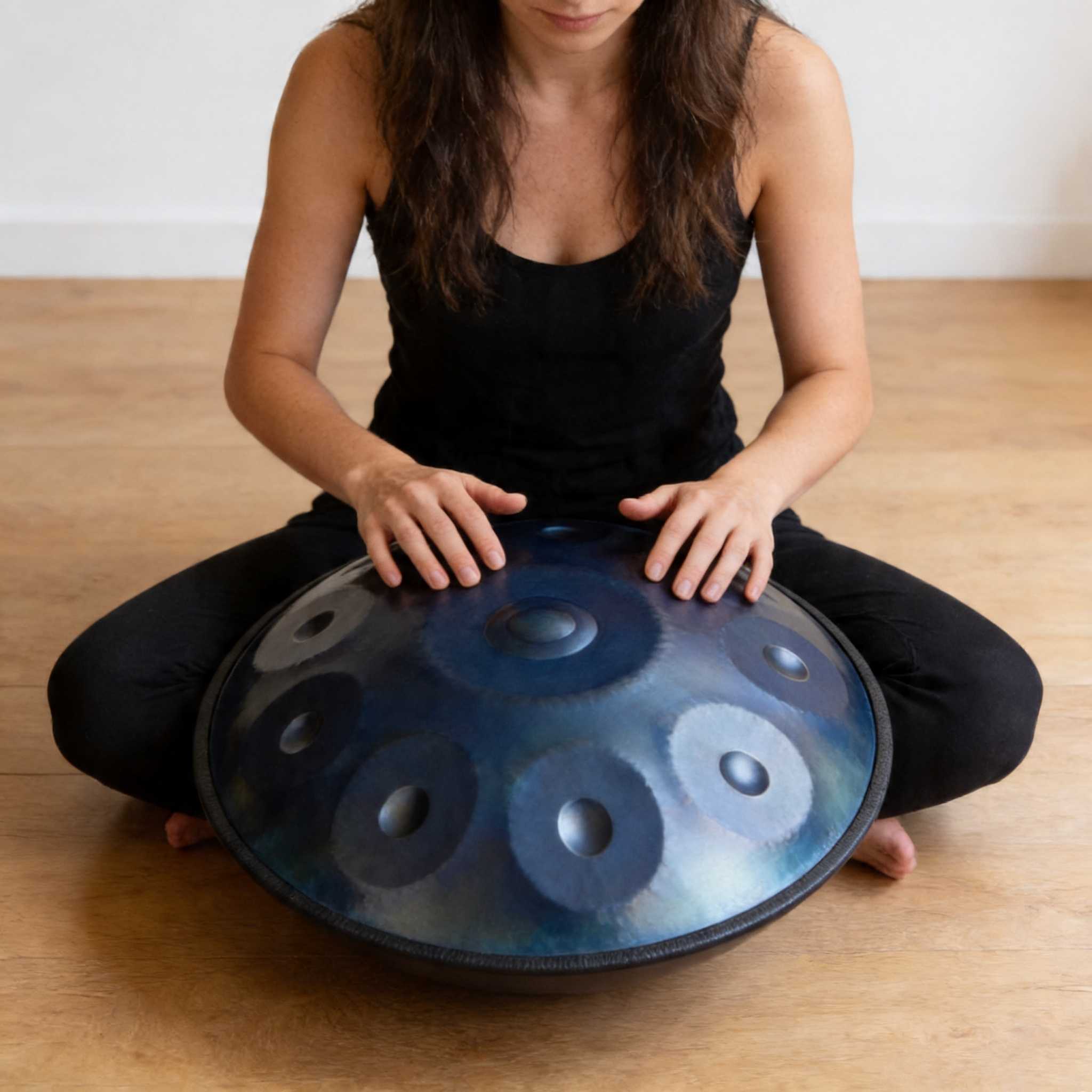
Sit on a chair or stool where your thighs are parallel to the floor. Rest the handpan evenly across your lap. Ensure that your legs do not completely cover the bottom Gu port, as the air needs to escape to produce sound. Rotate the instrument so that the lowest notes (the largest tone fields) are closest to your body, and the highest notes (the smallest tone fields) point away from you. This creates a logical left-to-right, zigzag ascending pattern.
2. The "Hot Surface" Technique
In our testing and years of teaching, we found that 90% of beginners leave their fingers on the metal for too long. When you strike a tone field, the steel must vibrate to create sound. If your finger lingers for even a fraction of a second, it acts as a damper, resulting in a dull thud. Imagine the steel is literally burning hot. Strike the tone field with the side of your thumb or the bony tip of your index finger, and whip your hand away instantly. The movement should originate entirely from a relaxed wrist flick, not your forearm.
3. Building Muscle Memory and Independence
Once you can reliably produce a clean note, you must build muscle memory. The handpan is an intuitive instrument because the notes belong to a single diatonic scale. Play the scale up and down repeatedly: Ding, lowest note (bottom left), next note (bottom right), ascending in a zigzag pattern. Over time, your hands will learn spatial awareness, allowing you to play chords (striking two harmonious notes simultaneously) and separate your left-hand rhythm from your right-hand melody.
The Benefits of Learning the Handpan
The handpan is uniquely accessible. Unlike the violin or the French horn, which can sound agonizingly bad for the first two years of practice, the handpan provides immediate auditory gratification. Because the instrument is tuned to a specific, harmonious scale, there are no "wrong" notes. Every combination of strikes sounds somewhat pleasant. This makes it an exceptional tool for musical meditation, anxiety reduction, and intuitive expression for people who have zero prior musical training.
Limitations and Harsh Realities
We must apply commercial and practical judgment here: learning the handpan has significant limitations. The primary barrier is the initial cost of entry. Quality steel is expensive. If you are researching how much does a handpan cost, be prepared to invest upwards of $1,000 for a properly tuned, professional-grade instrument. Secondly, the instrument demands physical maintenance. The steel must be regularly treated with specialized oils to prevent rust, and if you strike the instrument too violently or drop it, it will fall out of tune, requiring an expensive shipping process to a professional tuner for repair.
Who Should Learn the Handpan
For beginners and individuals seeking a creative outlet without the steep learning curve of traditional music theory, the handpan is the ultimate acoustic companion. For commercial users, such as yoga instructors, sound therapists, and wellness center directors, learning basic handpan rhythms adds massive atmospheric value to your professional services.
Who Does Not Need It
If your ultimate goal is to play complex classical symphonies, jazz improvisations involving key changes, or pop songs that require full chromatic scales, the handpan is not for you. A standard handpan is locked into a single key. While "mutant" handpans exist with bottom notes to expand the range, the instrument fundamentally remains a diatonic percussion tool, not a chromatic piano.
Common Beginner Mistakes
In most professional situations, poor technique will actively damage the instrument. The most severe mistake is striking the handpan with too much force. The handpan is sensitive; volume comes from the velocity of the wrist snap, not brute physical force. Hitting the instrument heavily will stretch the metal and permanently detune the tone fields.
Another common error is attempting to learn advanced, high-speed rhythms before mastering tone clarity. Beginners often watch professional buskers on YouTube and try to replicate their blistering speed. This results in sloppy, muffled notes. You must slow down. Practice with a metronome at 60 BPM until every single strike rings out with crystal clarity.
Critical Buying Considerations
You cannot learn to play if your instrument fights against you. The single most important factor in your learning journey is selecting the best handpan for beginners. We strongly advise purchasing a D Minor (specifically D Kurd or D Celtic) scale. This is the global industry standard scale. Almost all online tutorials, masterclasses, and instructional videos are taught using a D Minor pan. If you buy an obscure scale (like an F# Hijaz), you will not be able to follow along with standard tutorials.
Additionally, consider the frequency. While 440 Hz is the standard for playing alongside other modern instruments, many players strictly prefer the 432 hz handpan guide for solo meditation, as it is believed to resonate more harmoniously with the human body. Finally, when evaluating how many notes should a handpan have, 9 or 10 notes (including the Ding) is the absolute sweet spot for a beginner. Anything more clutters the layout and confuses the learning process.
Expert Recommendation
The Cosmos Handpans Philosophy

In the heart of Colorado, USA, Cosmos Handpan shines as a guiding light of musical innovation and soulful resonance. We have more than a decade of expertise in creating handpans and tongue drums. Passion, precision, and an unwavering pursuit of musical excellence steep our musical journey.
Forging Cosmos Connections: Cosmos’ story begins with a shared love for music and a profound desire to create instruments that transcend sound. Our instruments and melody resonate deeply with the spirit of every musician. Our crafters pour their heart into each handpan and tongue drum with intricate workmanship and dedication. Our artisans infuse each instrument with ethereal melodies that stir the senses and uplift the spirit.
We recommend a hybrid approach to learning. First, invest in a premium, hand-tuned D Kurd instrument from a reputable maker. If budget is a strict concern, carefully review legitimate cheap handpan options that do not compromise on tuning integrity. Second, enroll in a structured online curriculum—such as MasterTheHandpan or Handpan Dojo. These platforms offer progressive, step-by-step video modules that save you years of frustration compared to blindly guessing your way through random YouTube clips. For heavy-duty applications like daily street busking, ensuring your foundational technique is flawless will save you hundreds of dollars in retuning fees.
Essential Comparison and Sourcing Tables
| Learning Phase | Core Objective | Estimated Timeline |
|---|---|---|
| Phase 1: Acquisition | Select a D Minor (Kurd) 9-Note Handpan. | Immediate |
| Phase 2: Touch Mechanics | Master the "hot surface" wrist-flick strike. | 1 to 3 Weeks |
| Phase 3: Spatial Mapping | Navigate the zigzag scale without looking. | 1 to 2 Months |
| Phase 4: Independence | Separate bass rhythms from high-note melodies. | 3 to 6 Months |
| Learning Method | Structure & Progression | Cost Efficiency |
|---|---|---|
| Structured Online Courses | Highly logical, builds fundamentals progressively. | Moderate (Monthly subscription or one-time fee). |
| Self-Taught (Free Videos) | Chaotic, easily builds bad technical habits. | Free, but costs time in frustration. |
| In-Person Workshops | Immediate physical feedback and correction. | High (Travel and high hourly rates required). |
| Pros (Advantages) | Cons (Limitations) |
|---|---|
| Immediate musical gratification; no "wrong" notes. | Instruments are expensive and require maintenance. |
| Highly portable and does not require electricity. | Locked into a single scale/key per instrument. |
| Deeply relaxing; perfect for sound therapy. | Poor technique can permanently detune the steel. |
| Feature | Recommended Specification | Why It Matters for Learning |
|---|---|---|
| Scale | D Minor (Kurd, Celtic, or Amara) | 95% of online tutorials are taught in this scale. |
| Material | Nitrided Steel or Stainless Steel | Stainless offers longer sustain; Nitrided is more percussive. |
| Note Count | 9 or 10 Notes (Including Ding) | Keeps the layout intuitive and prevents overwhelming the beginner. |
The Bottom Line
Learning the handpan is an incredibly rewarding journey that transcends traditional musical education. It is an instrument of intuition, rhythm, and profound resonance. However, success depends entirely on treating the instrument with respect. Avoid the temptation to strike the steel forcefully, and instead dedicate your early days entirely to mastering the delicate, rebounding touch required to activate the harmonics. Use commercial and practical judgment: invest in a high-quality D Minor scale instrument, commit to a structured online curriculum, and practice consistently. Within months, you will unlock a mesmerizing acoustic vocabulary.
Frequently Asked Questions
Do I need prior musical experience to learn the handpan?
Absolutely not. The handpan is widely considered one of the most accessible instruments in the world for non-musicians. Because the instrument is tuned to a specific diatonic scale, there are no dissonant or "wrong" notes. You do not need to know how to read standard sheet music; rhythm and muscle memory are far more important than formal music theory.
How long does it take to learn the handpan?
If you practice for 20 minutes a day focusing on correct striking technique, you can produce beautiful, clear tones and simple melodies within the first two weeks. Gaining hand independence—where your left hand holds a steady rhythm while your right hand plays a melody—typically takes three to six months of consistent, structured practice.
Should I learn on a 9-note or a 17-note handpan?
In most professional situations, we strictly advise beginners to start on a 9-note or 10-note handpan (including the central Ding). An instrument with 17 notes includes "bottom notes" or "mutant notes" crammed into tight spaces. This drastically complicates the spatial layout and makes learning basic muscle memory incredibly frustrating. Master the 9-note layout first before exploring extended-range instruments.
Authoritative Industry References
- MasterTheHandpan: A globally recognized, comprehensive online academy providing step-by-step curriculum, rhythmic notation, and professional pedagogy for handpan students. Explore MasterTheHandpan
- Percussive Arts Society (PAS): The world's largest percussion organization, offering standardized research on hand percussion techniques, acoustic resonance, and ergonomic playing posture. Review PAS Guidelines
- Handpan Dojo: An elite educational platform hosted by master percussionist David Kuckhermann, detailing advanced compound rhythms and compositional theory for steel pan instruments. Access Handpan Dojo