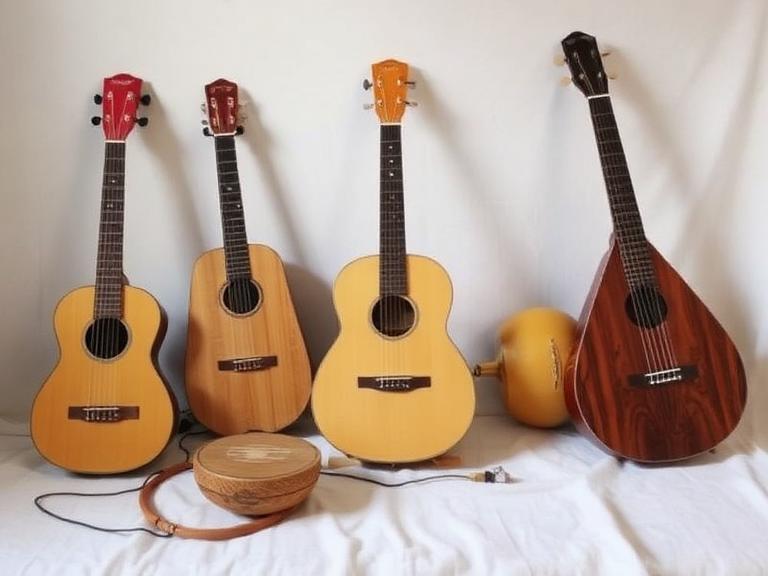
Music is the universal language of human history, engineered through centuries of craftsmanship using wood, skin, bone, and steel. Documenting global acoustic heritage requires a profound understanding of how diverse cultures manipulate acoustic resonance to convey emotion. Compiling an authoritative 10 traditional musical instruments list is essential for audiophiles, composers, and ethnomusicologists seeking to understand the foundational roots of modern melody and rhythm. From sweeping chordophones to resonant aerophones, these acoustic artifacts form the bedrock of global auditory tradition.

From our experience as acoustic engineers and melodic percussion craftsmen at Cosmos Handpan, we recognize that the physical architecture of these ancient tools directly influences contemporary instrument design. Reviewing a comprehensive 10 traditional musical instruments list reveals the ingenuity of early luthiers and drum makers. While string and wind instruments provide sharp attacks, sweeping sustains, and soaring leads, an acoustic ensemble is often incomplete without percussive grounding. In this professional guide, we will explore a curated 10 traditional musical instruments list, detailing their acoustic properties, historical origins, and how modern innovations, such as melodic steel, perfectly complement these ancient marvels.
Table of Contents
- Summary Table: 10 Traditional Musical Instruments
- Detailed Breakdown of the 10 Traditional Musical Instruments
- Bridging Tradition and Modernity: The Cosmos Handpan
- Expert Guide to Acoustic Integration
- Frequently Asked Questions (FAQs)
- Industry References
Summary Table: 10 Traditional Musical Instruments
To provide immediate architectural context, we have compiled a structural overview of the tools featured in our 10 traditional musical instruments list. This matrix categorizes each instrument by its acoustic family, geographic origin, and primary resonating material.
| Rank | Instrument Name | Geographic Origin | Acoustic Family | Primary Material Base |
|---|---|---|---|---|
| 1 | Sitar | India | Chordophone (String) | Teak wood, Toon wood, Gourd |
| 2 | Erhu | China | Chordophone (Bowed) | Hardwood, Python skin |
| 3 | Kora | West Africa | Chordophone (Harp-lute) | Calabash gourd, Cowhide |
| 4 | Oud | Middle East | Chordophone (Lute) | Walnut, Maple, Spruce |
| 5 | Djembe | West Africa | Membranophone (Drum) | Mahogany wood, Goatskin |
| 6 | Shakuhachi | Japan | Aerophone (Flute) | Madake Bamboo |
| 7 | Tabla | India | Membranophone (Drum) | Rosewood, Copper, Goatskin |
| 8 | Balalaika | Russia | Chordophone (Lute) | Spruce, Maple |
| 9 | Shamisen | Japan | Chordophone (Plucked) | Red sandalwood, Dog/Cat skin |
| 10 | Didgeridoo | Australia | Aerophone (Brass-like) | Eucalyptus wood |
Detailed Breakdown of the 10 Traditional Musical Instruments
Understanding the acoustic science behind this 10 traditional musical instruments list requires examining the sympathetic resonances and mechanical attacks unique to each device. Below is an authoritative technical breakdown of the 10 traditional musical instruments that have shaped global soundscapes.
1. The Sitar

Leading our 10 traditional musical instruments list is the Sitar, an instrument synonymous with Hindustani classical music. A marvel of acoustic engineering, the sitar features up to 21 strings, but only six or seven are played directly. The remaining strings are sympathetic, resonating freely in the background to create a lush, natural reverb. The instrument utilizes a hollowed-out gourd chamber to amplify the complex harmonic overtones generated by its curved, movable frets.
2. The Erhu
The Erhu, a two-stringed bowed instrument from China, is often referred to as the Chinese violin. What earns it a premier spot on this 10 traditional musical instruments list is its unique resonator box, traditionally covered in python skin. This organic membrane filters the vibrations of the strings, yielding a vocal, incredibly expressive timbre that closely mimics the human voice. The bow hair passes directly between the two strings, demanding high precision from the player.
3. The Kora

The Kora is a 21-string harp-lute from West Africa, utilized primarily by traditional griot storytellers. Built from a large calabash gourd cut in half and covered with cowhide, the Kora possesses a bilateral symmetry where the strings are divided into two distinct rows. It produces an intricate, cascading sound that allows a solitary musician to play polyrhythmic bass lines and simultaneous soaring melodies, making it an essential entry in our 10 traditional musical instruments list.
4. The Oud
Considered the ancestor of the modern guitar, the Oud is a fretless, pear-shaped lute from the Middle East. Its inclusion in this 10 traditional musical instruments list is mandated by its acoustic warmth and deep resonance. Because it is fretless, the Oud allows musicians to execute precise microtones and complex maqamat (melodic modes) that are impossible on standard Western tempered instruments.
5. The Djembe

The first membranophone on our 10 traditional musical instruments list is the Djembe, a rope-tuned skin-covered goblet drum originating from West Africa. The Djembe operates on strict acoustic physics: striking the center produces a low resonant bass, striking near the edge produces a high-pitched tone, and a fast slapping motion creates a sharp, cracking attack. It serves as the primary rhythmic heartbeat of traditional Malinke ensembles.
6. The Shakuhachi
The Shakuhachi is a Japanese end-blown flute crafted from the root end of Madake bamboo. It is historically tied to Zen Buddhist monks who utilized it for suizen (blowing meditation). This aerophone secures its position on the 10 traditional musical instruments list due to its extreme dynamic range and capacity for microtonal pitch bending, achieved merely by altering the blowing angle and finger partials.
7. The Tabla
The Tabla consists of a pair of hand drums from the Indian subcontinent: the smaller, wooden daya and the larger, metallic baya. The signature acoustic feature of the tabla—which sets it apart from all other drums on our 10 traditional musical instruments list—is the syahi, a black central tuning patch made from rice paste and iron oxide. This weight application alters the drum's natural overtones, allowing it to produce distinct, bell-like pitches.
8. The Balalaika
Visually unmistakable due to its triangular wooden body, the Balalaika is a Russian stringed instrument. It typically features three strings, with two tuned to the exact same pitch. Included in this 10 traditional musical instruments list for its bright, staccato attack, the balalaika is traditionally played using rapid strumming techniques to sustain melodies, heavily influencing Eastern European folk acoustics.
9. The Shamisen
The Shamisen is a three-stringed traditional Japanese instrument played with a large plectrum known as a bachi. The acoustic characteristic that qualifies it for this 10 traditional musical instruments list is the "sawari" effect—a deliberate, buzzing drone created by the lowest string gently vibrating against the instrument's neck. The heavy bachi is used not just to pluck strings, but to strike the skin-covered body, merging melodic strings with fierce percussive strikes.
10. The Didgeridoo
Rounding out the 10 traditional musical instruments list is the Didgeridoo, an ancient wind instrument developed by Indigenous Australians. It is essentially a wooden brass instrument where the player's lips vibrate to create a continuous drone. Utilizing circular breathing, a skilled player manipulates their vocal tract to generate complex rhythmic overtones and deep, trance-inducing subsonic frequencies.
Bridging Tradition and Modernity: The Cosmos Handpan

While exploring this 10 traditional musical instruments list is essential for understanding historical chordophones and aerophones, a modern acoustic ensemble is often incomplete without precise percussive grounding. String instruments provide sharp attacks and sweeping sustains, but they often lack the resonant, earthy thump of pure steel. At Cosmos Handpan, we believe that the ultimate companion to any stringed or wind instrument is melodic percussion.
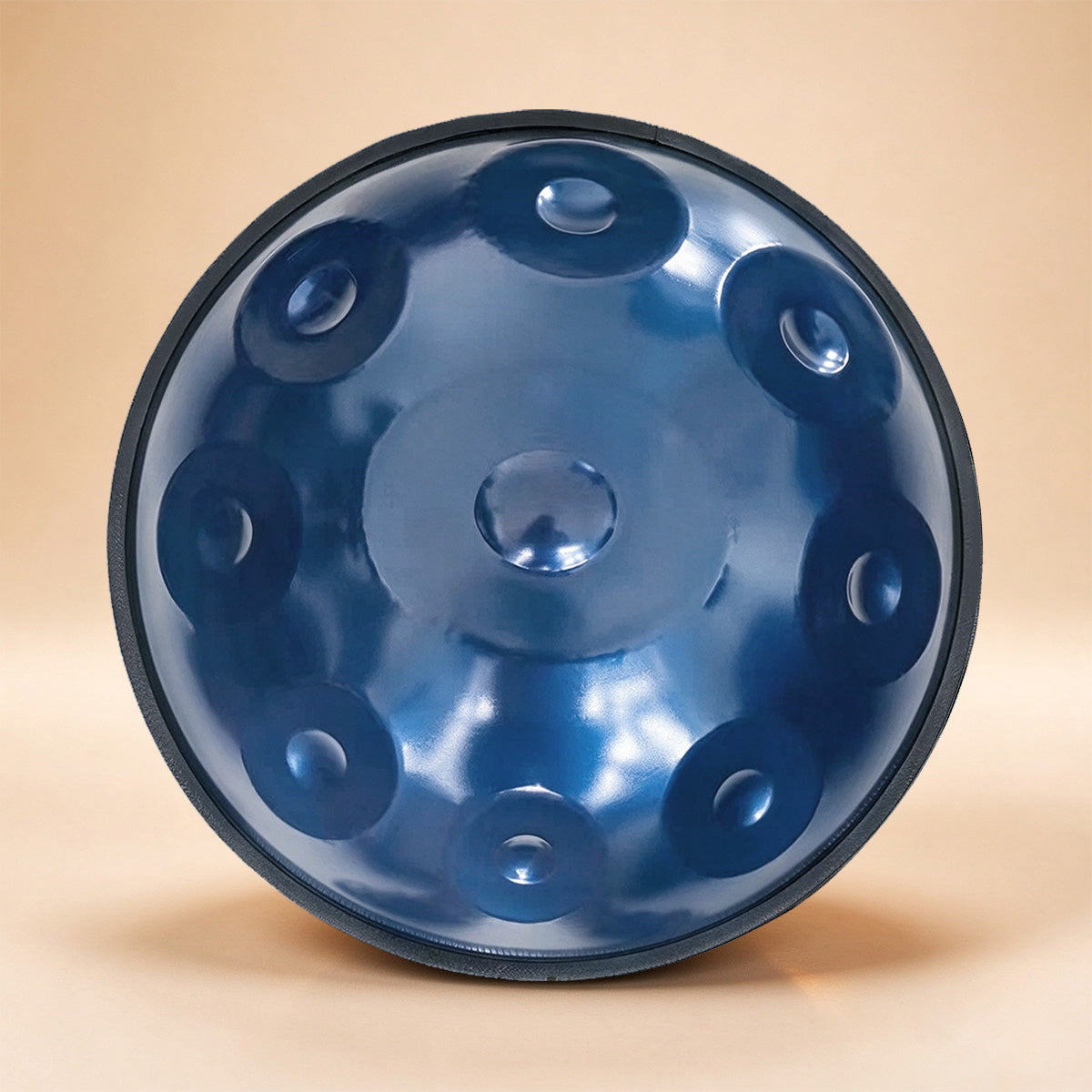
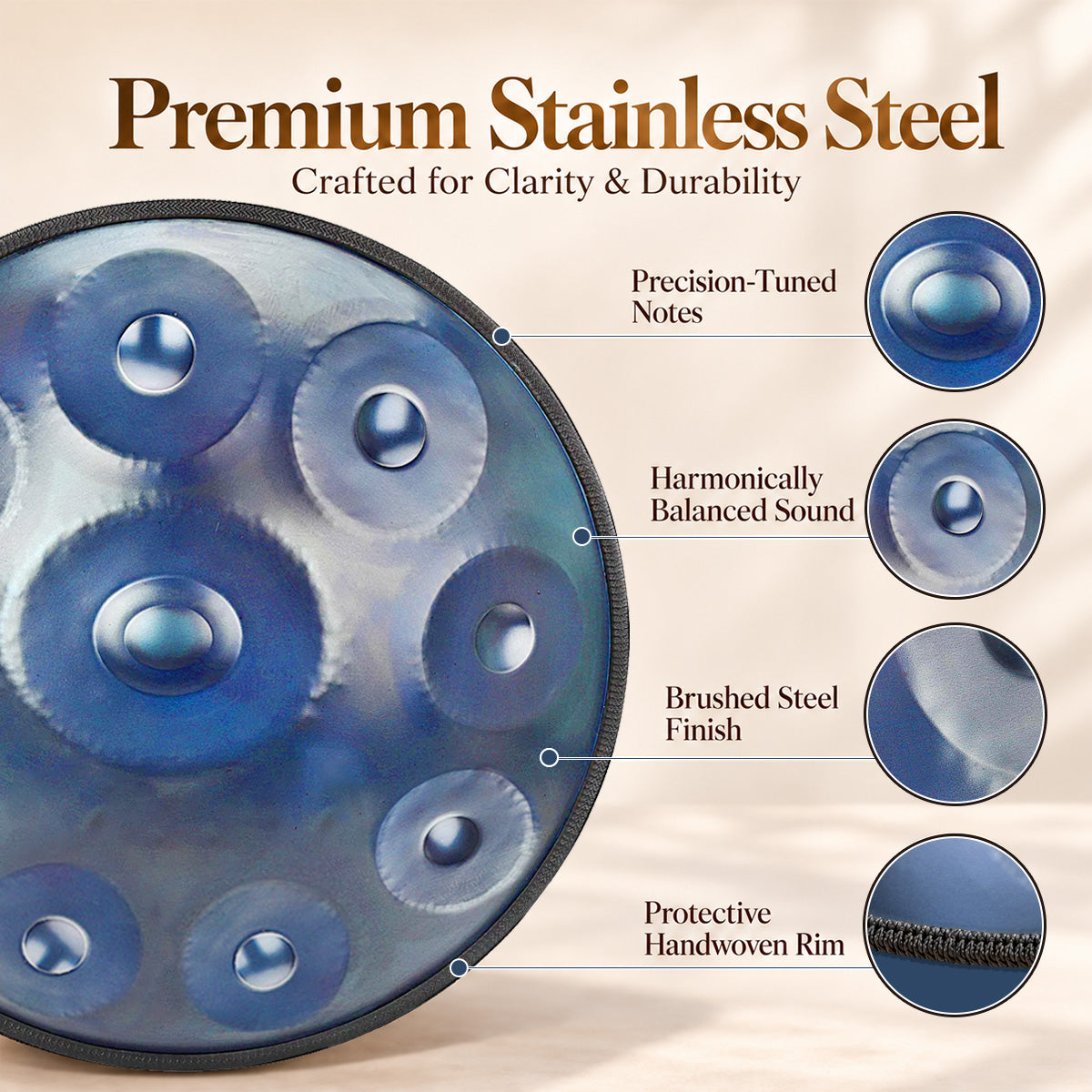
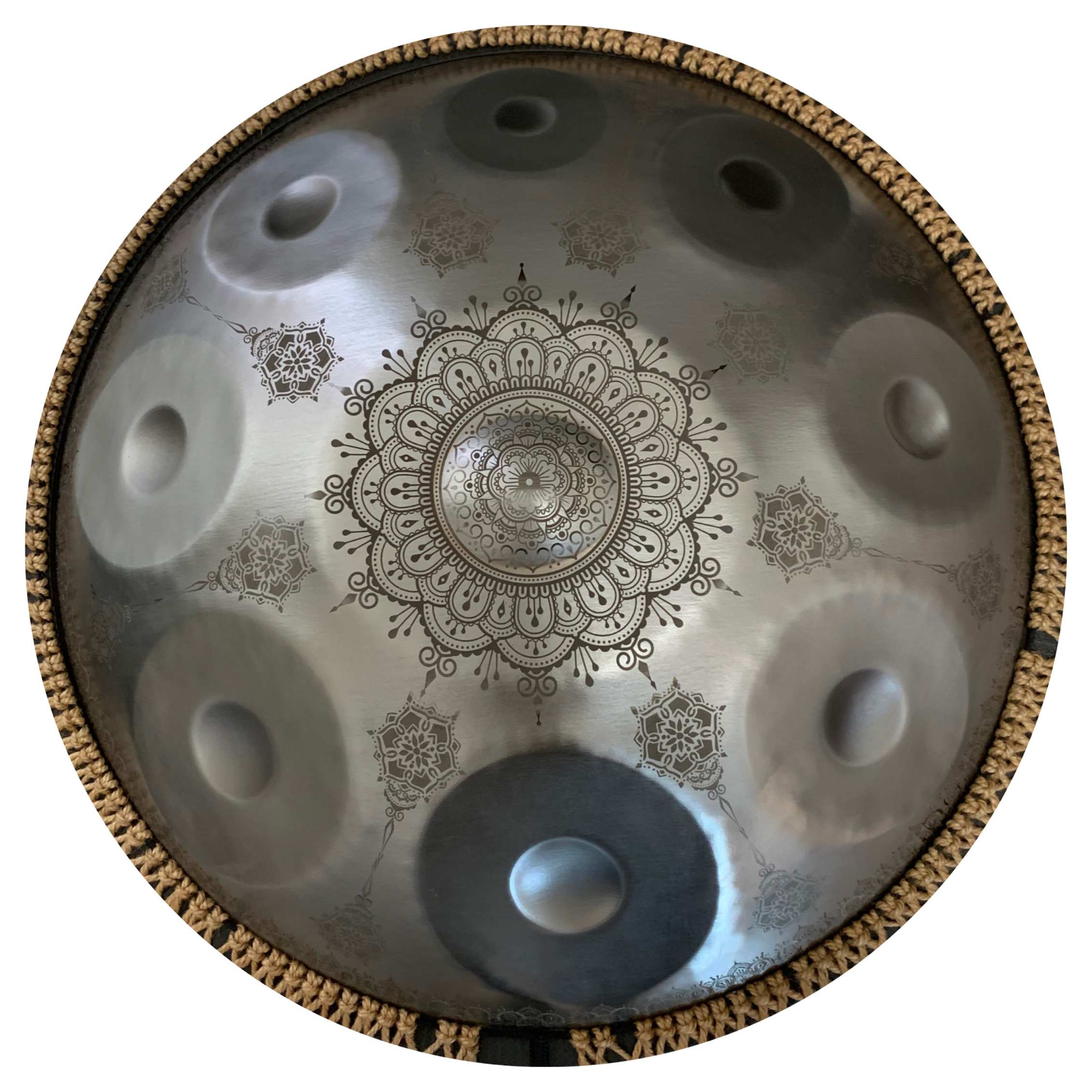
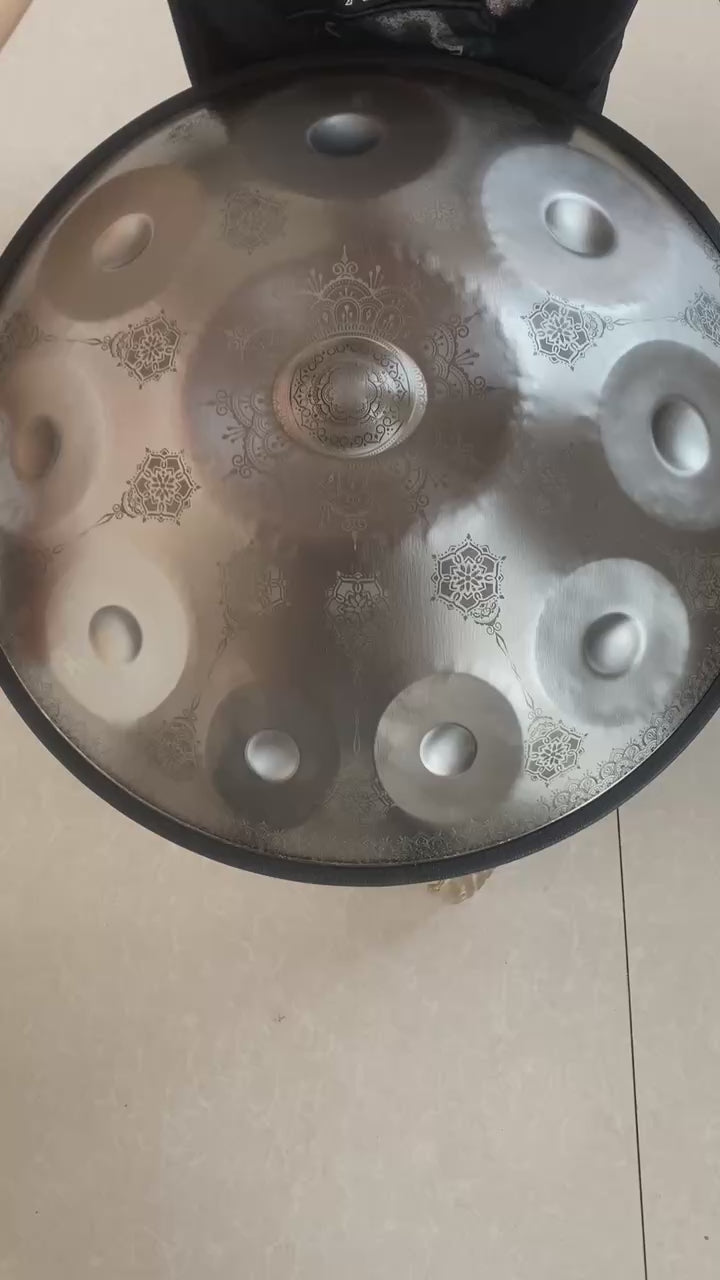
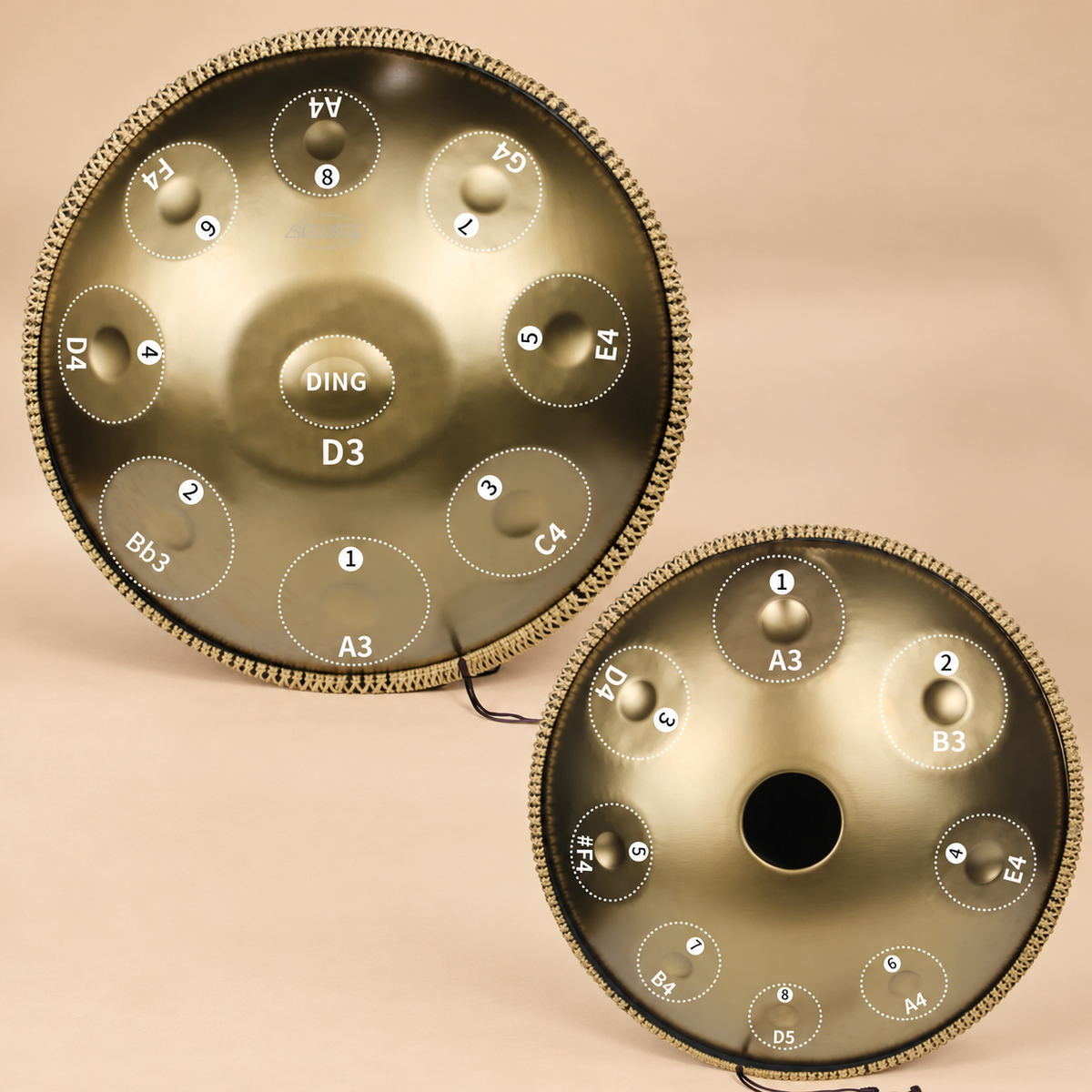
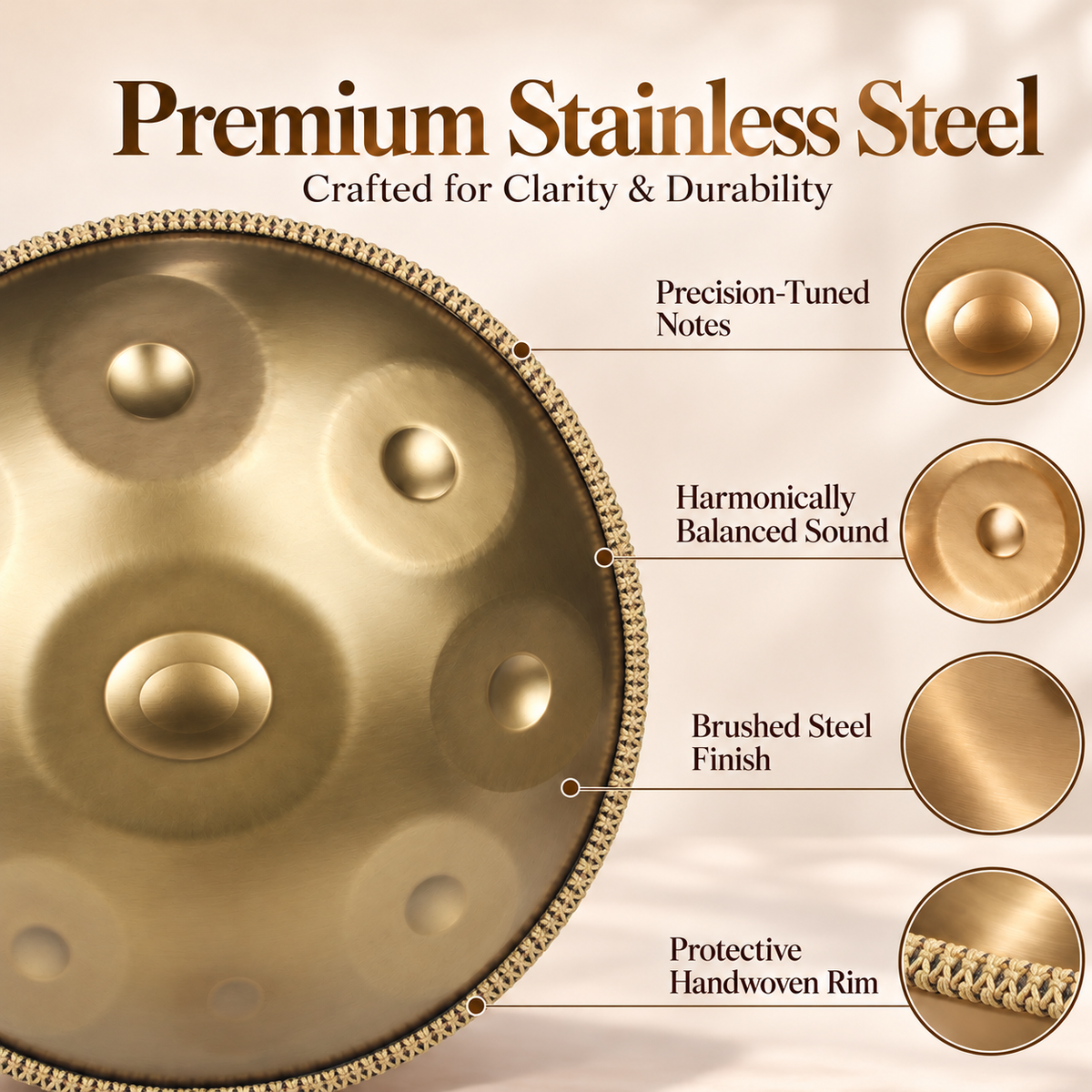
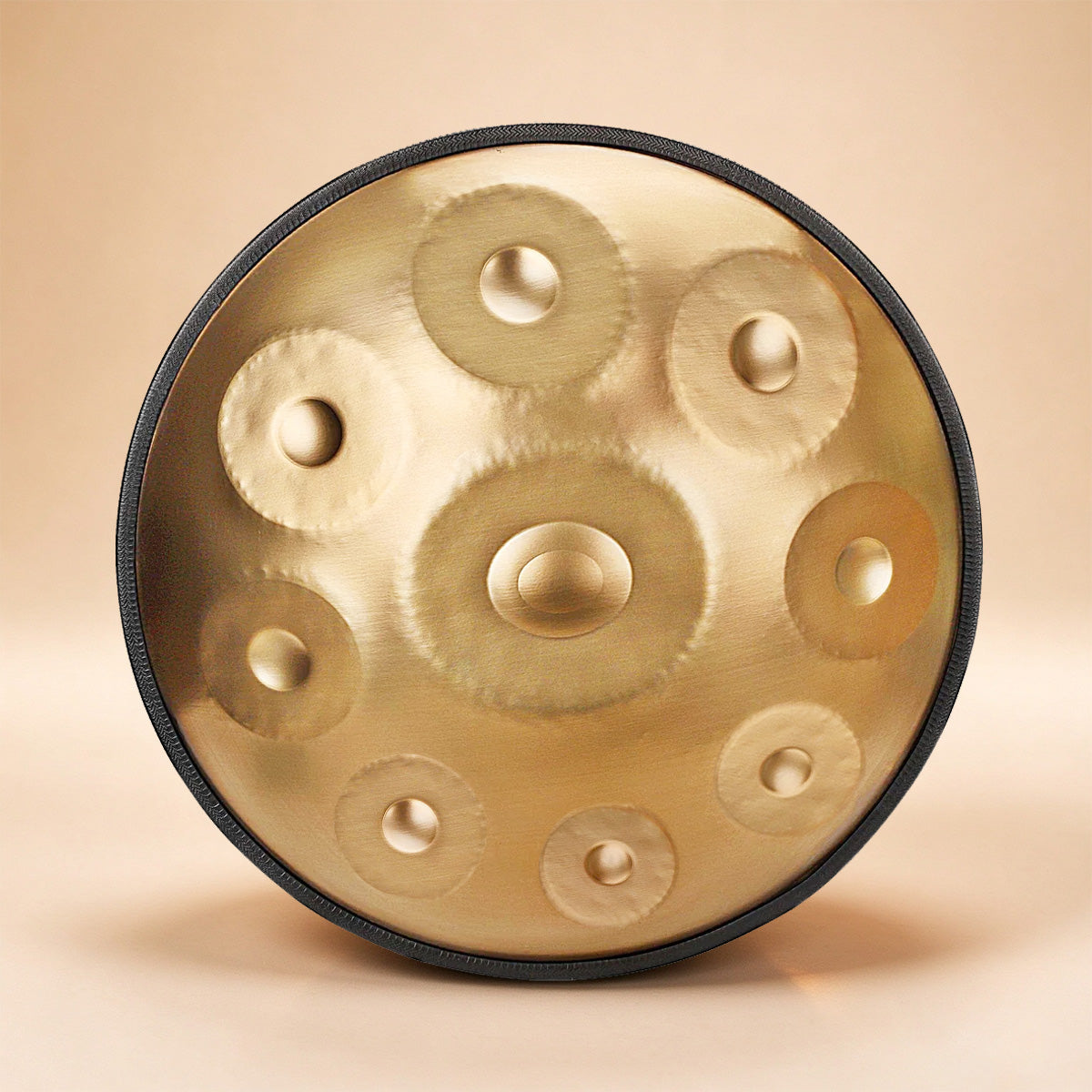
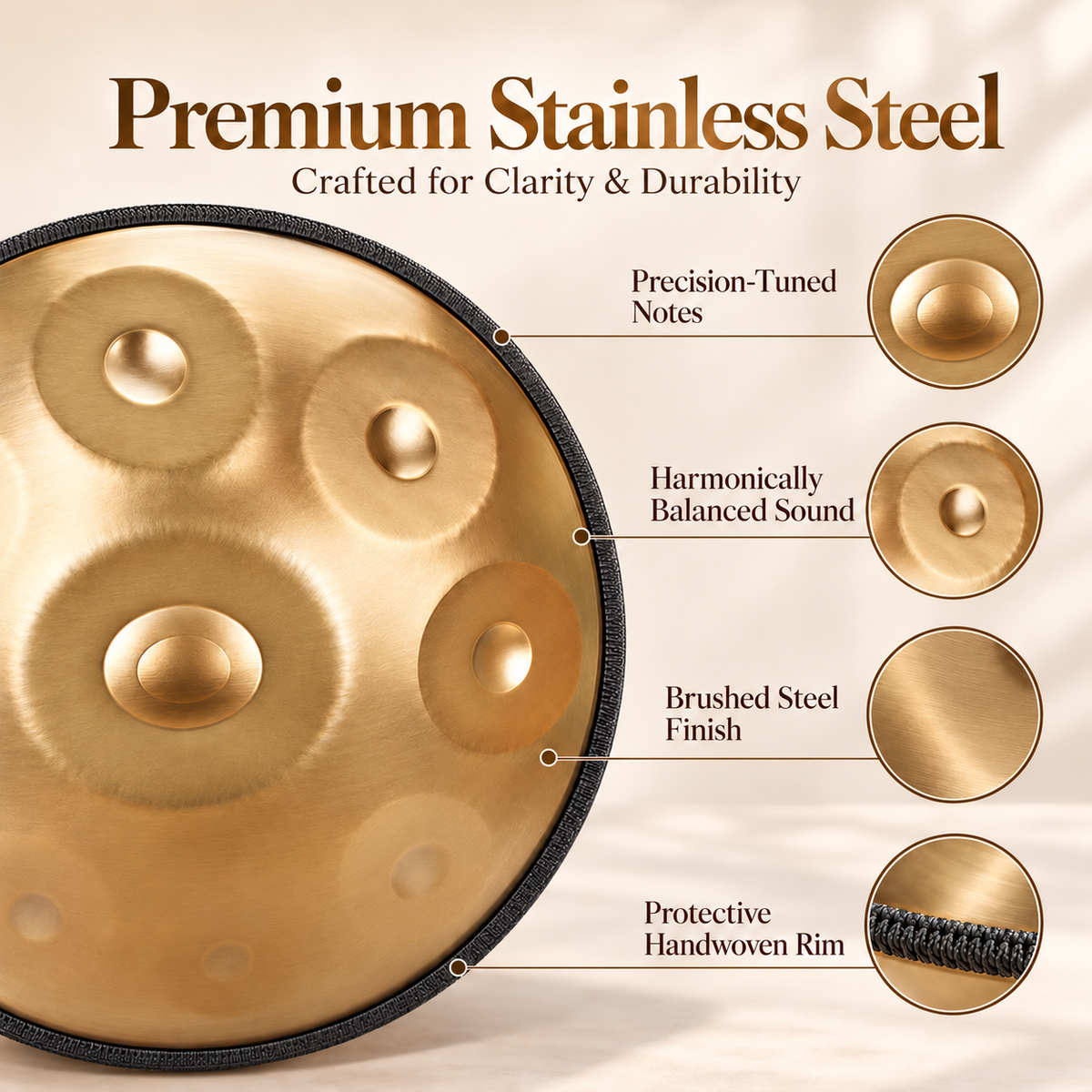
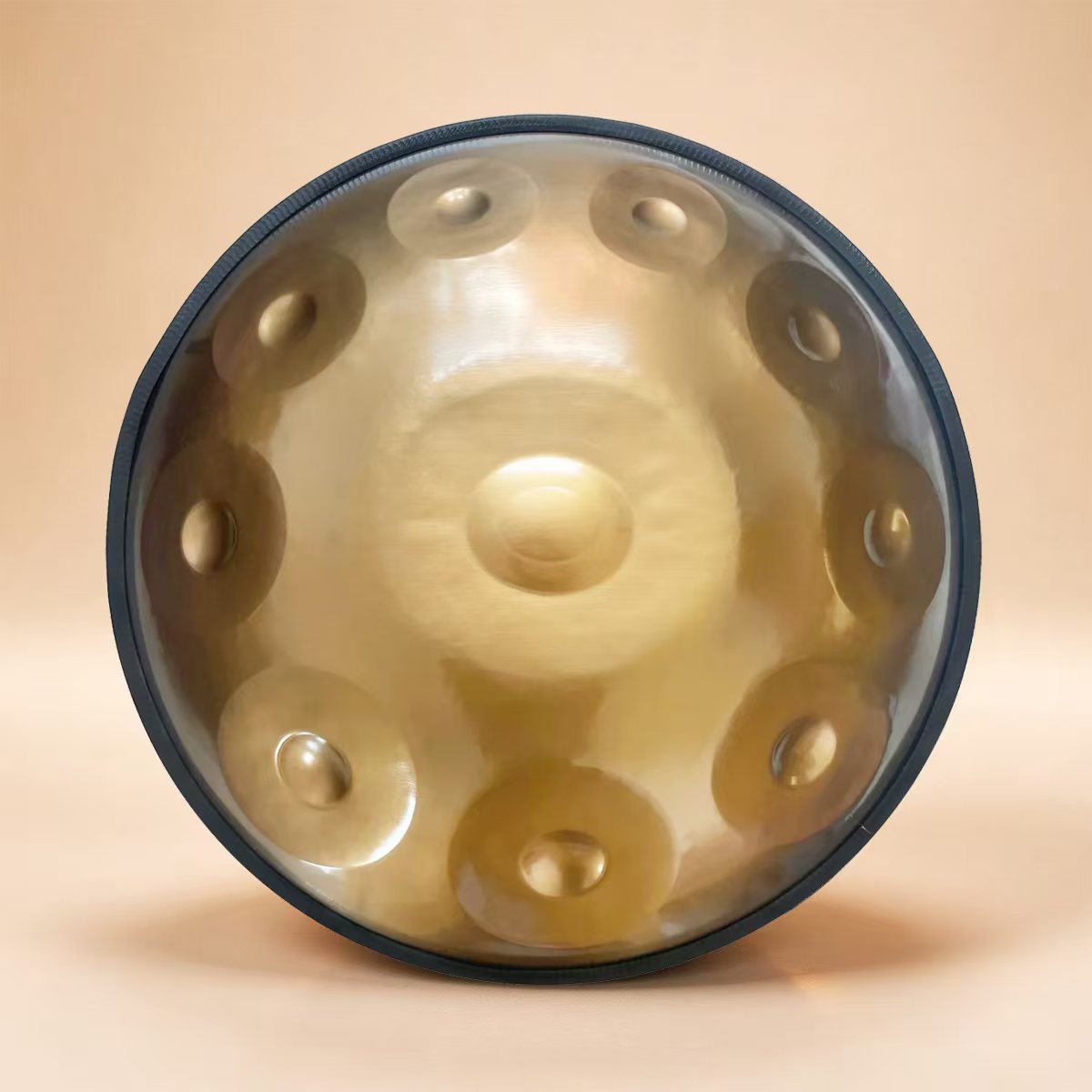
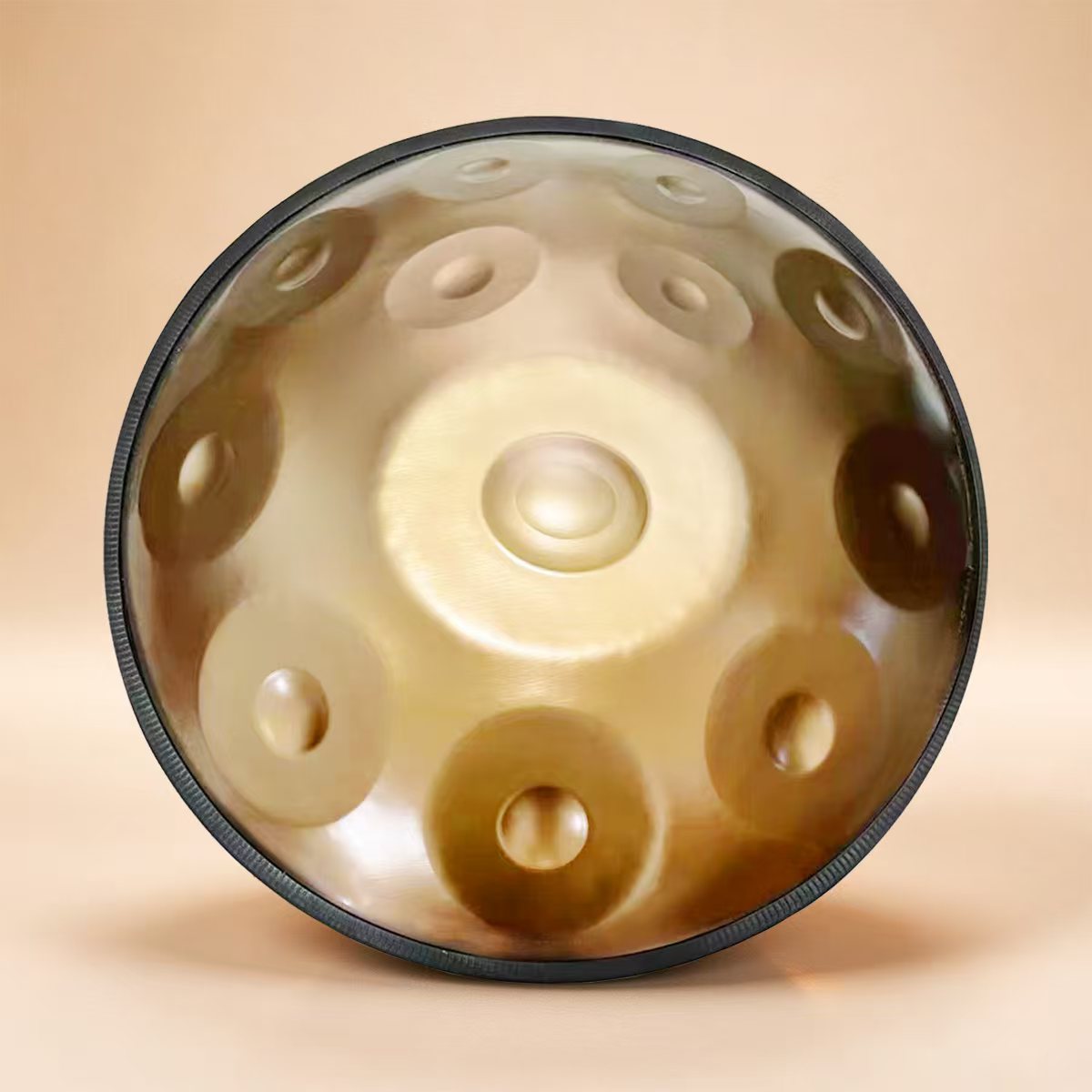
At the absolute forefront of modern acoustic evolution is the handpan. Unlike a standard drum, a handpan is a melodic percussive instrument. It provides a haunting, ethereal sustain that can mimic the drone of a fiddle or the sitar's sympathetic strings, while simultaneously offering a rhythmic tap that complements a lute's sharp chop. Constructed from deep-drawn, nitrided, or stainless steel, the handpan represents the pinnacle of modern acoustic metallurgy. When you pair a handpan with the artifacts found in our 10 traditional musical instruments list, the sonic synergy is unparalleled.
To match the specific acoustic frequency needs of different musicians, we recommend the following from our elite Cosmos Handpan catalog:
- 9 Notes Handpan: Perfect for focused, melodic exploration and beginner-friendly performance.
- 10 Notes Handpan: Balanced standard for modern players seeking a versatile instrument.
- 12 Notes Handpan: Expanded range for complex compositions and intermediate musicians.
- 17 Notes Handpan: Ultimate professional instrument with an extended scale for advanced compositions.
- Handpan for Beginners: Specially tuned for ease of play and rapid learning.
-
Handpan Drum Instrument: General-purpose high-quality options for various music styles.
Expert Guide to Acoustic Integration
Integrating modern melodic percussion with the artifacts listed in our 10 traditional musical instruments list requires an understanding of scale compatibility. From our experience, if you are playing alongside a Middle Eastern Oud or an Indian Sitar, you must select a handpan tuned to a compatible harmonic minor or Hijaz scale to ensure the frequencies do not clash. Conversely, if you are accompanying a Celtic harp or a Balalaika, a major or Celtic minor handpan tuning is optimal.
We recommend always checking the tuning frequency of your ensemble. Many of the tools in the 10 traditional musical instruments list are built to ancient tuning standards, sometimes operating at A=432Hz rather than the modern Western standard of A=440Hz. Cosmos Handpan provides instruments calibrated to exact, non-wavering frequencies to ensure flawless harmonic blending with both ancient and contemporary acoustic setups.
Frequently Asked Questions (FAQs)
Why is the handpan considered a melodic percussion instrument?
Unlike a standard snare drum or djembe, which primarily produce atonal rhythmic frequencies, a handpan features designated tone fields hammered into the steel. Each field is precisely tuned to a fundamental note, an octave harmonic, and a compound fifth. This allows the player to strike the steel percussively while generating exact musical pitches, blending rhythm with melody seamlessly.
Can a Cosmos Handpan accompany the instruments on the 10 traditional musical instruments list?
Absolutely. From our experience, the warm, bell-like timbre of nitrided steel sits perfectly in the frequency spectrum beneath high-pitched string instruments like the Erhu or Shamisen, and harmonizes beautifully with wind instruments like the Shakuhachi. The key is ensuring the scale of the handpan matches the cultural scale of the traditional instrument.
Which Cosmos Handpan is best for someone who has never played an instrument?
We highly recommend the Handpan for Beginners or the 9 Notes Handpan. These instruments are built on diatonic or pentatonic scales, meaning there are no "wrong" notes. A beginner can strike the tone fields intuitively and generate beautiful, consonant music immediately, bypassing the steep learning curve associated with many items on the 10 traditional musical instruments list.