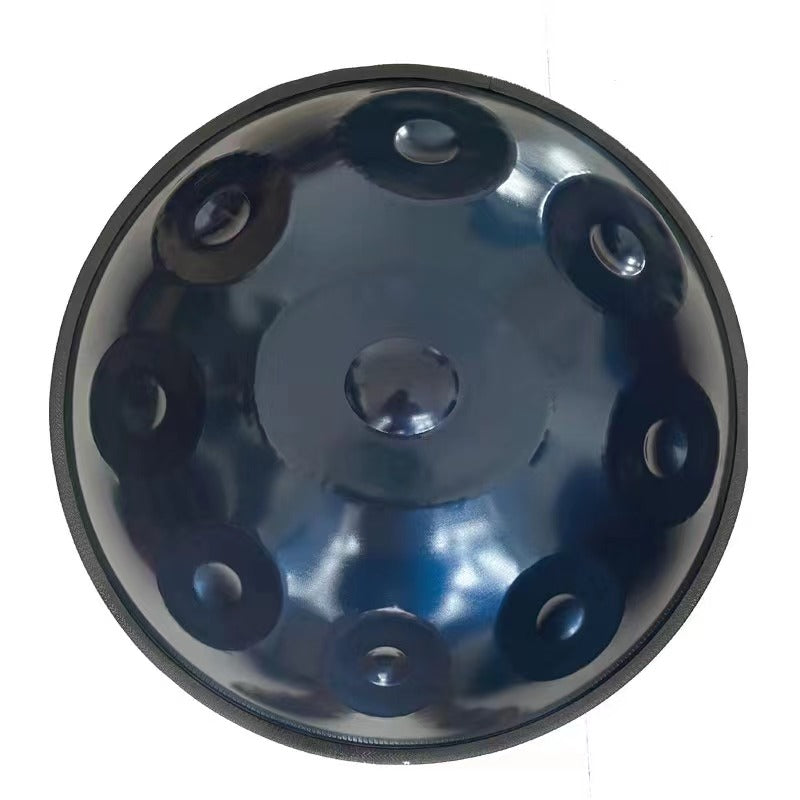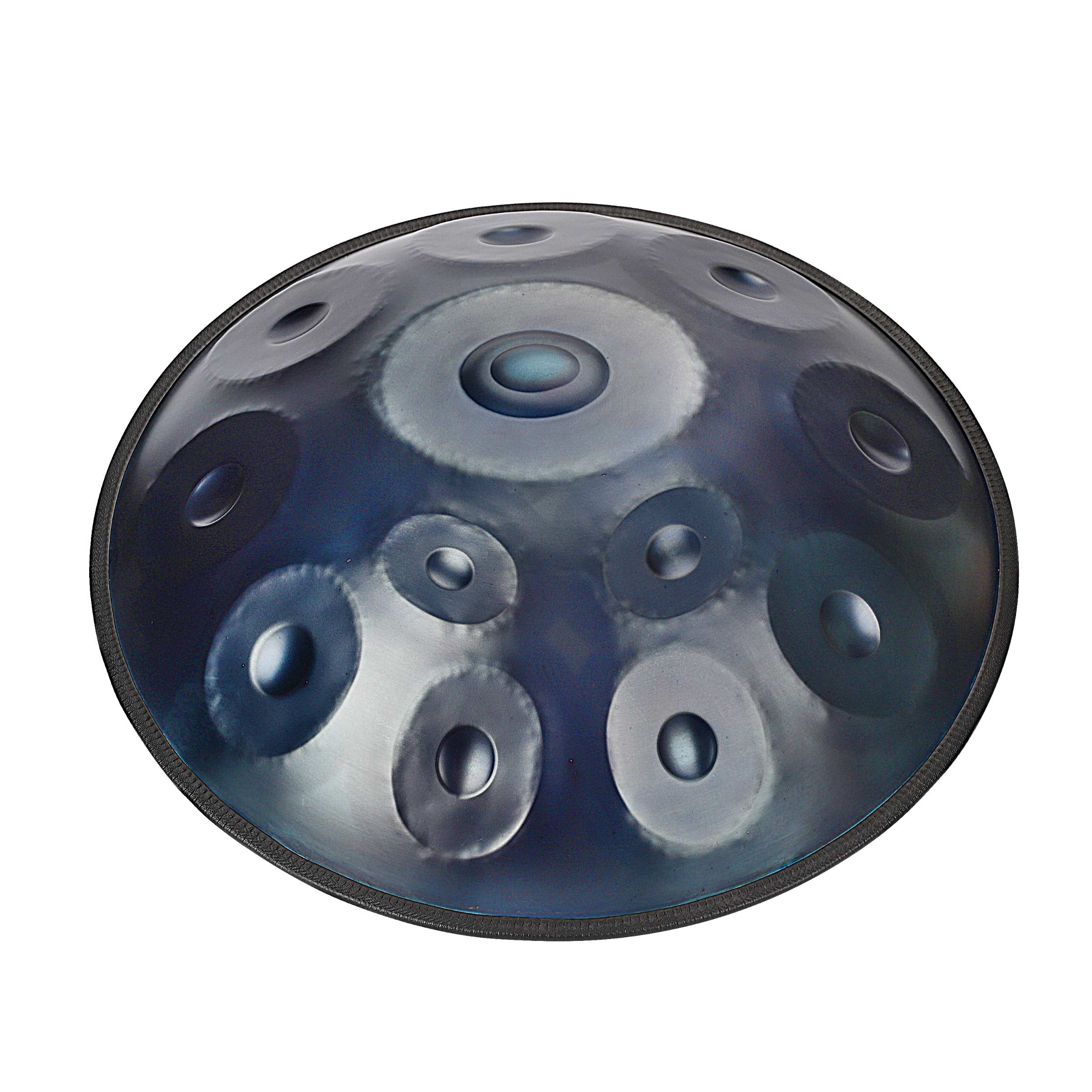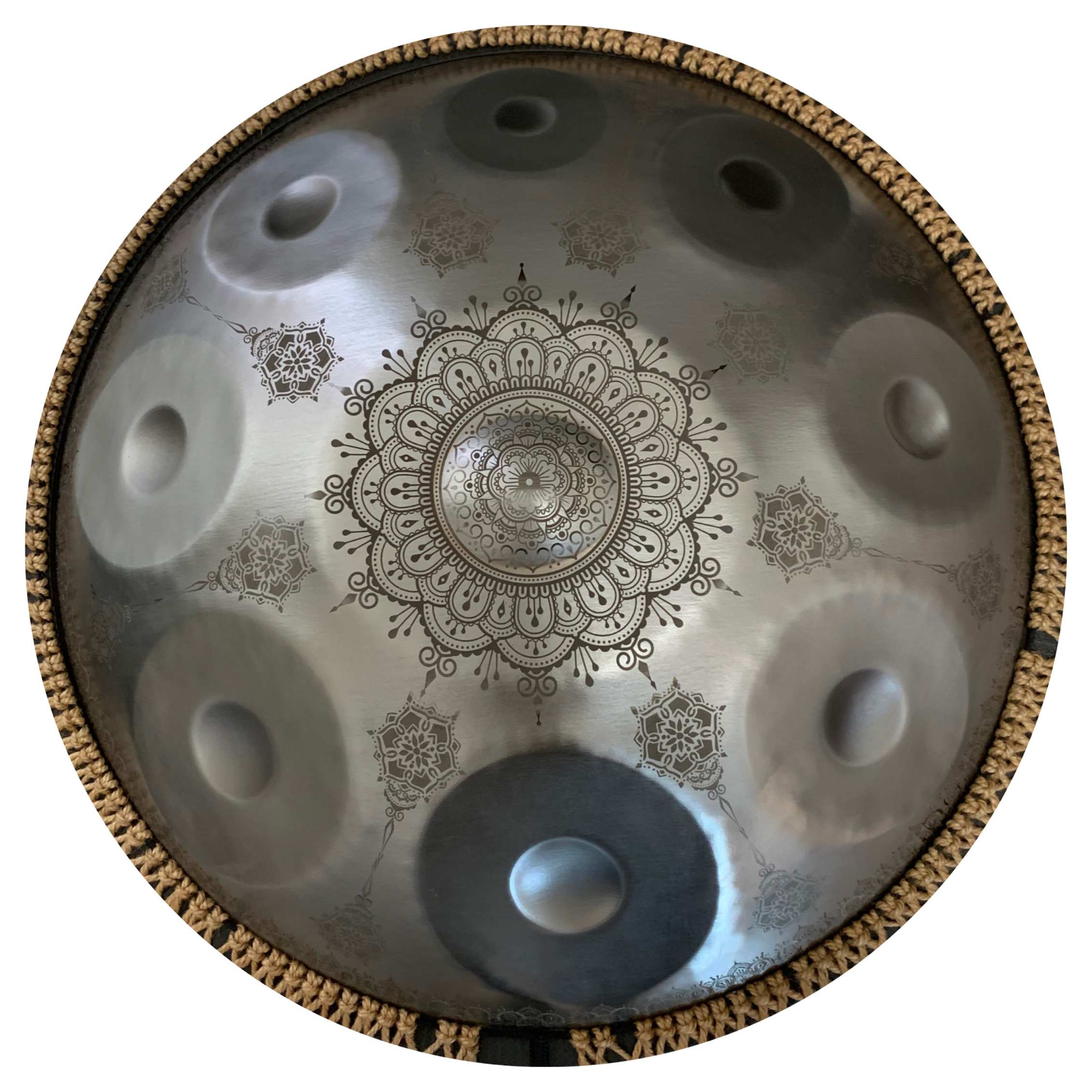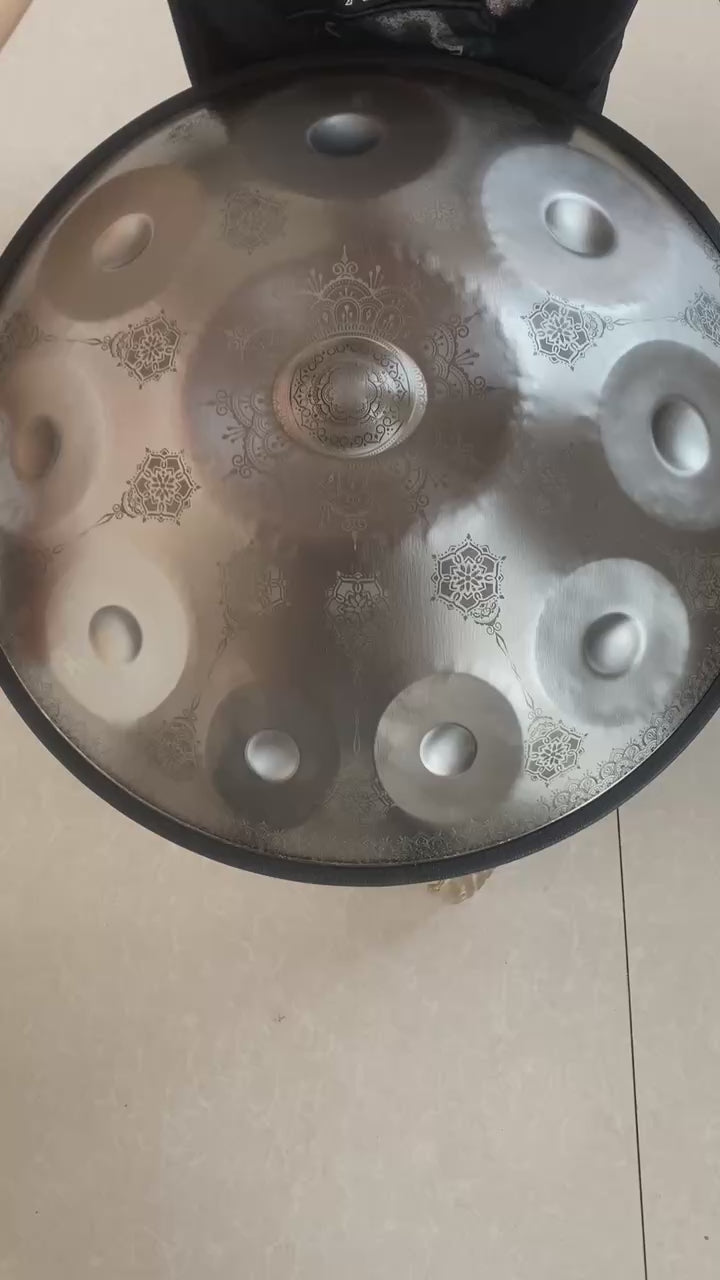
Acquiring a handpan is a deeply personal and transformative journey. The ethereal resonance, the tactile connection with the steel, and the intuitive layout of the notes draw countless musicians and sound healers to this remarkable instrument. However, the initial financial investment can be substantial. For many aspiring players, the secondary market presents an attractive entry point. Yet, deciding to buy used handpan instruments requires meticulous research, acoustic knowledge, and an understanding of metallurgical stability. Because these instruments are highly sensitive acoustic sculptures, purchasing a pre-owned pan carries inherent risks ranging from detuned fundamental notes to insidious rust damage.

At Cosmoshandpan, we understand the intricacies of steel sound sculptures better than anyone. Every instrument we create is handcrafted by skilled makers, where each handpan is shaped and tuned by experienced artisans, not machines. We ensure that every note is carefully tuned and stabilized to ensure balance and harmony. From our experience assessing thousands of instruments, we know exactly what structural and acoustic failures plague the second-hand market. If you are determined to buy used handpan models rather than commissioning a new piece, you must approach the transaction with a professional, discerning eye.
In this comprehensive guide, we will explore the five most reliable methods to buy used handpan drums, outline the crucial inspection protocols you must follow, and provide expert insights to ensure your investment yields years of musical joy.
Table of Contents
- The Realities of the Secondary Handpan Market
- 5 Strategic Ways to Buy Used Handpan Instruments
- The Master Inspection Checklist for Used Handpans
- Summary Table: Pros and Cons of Used Sources
- The Cosmoshandpan Difference: Built for Long-Term Stability
- Frequently Asked Questions (FAQs)
- Acoustic and Metallurgical References
The Realities of the Secondary Handpan Market
Unlike electronic keyboards or mass-produced acoustic guitars, the handpan is a highly tensioned membrane of steel. The notes are created through precise hammer strikes that isolate specific frequencies within a tone field. Over time, heavy playing, extreme temperature fluctuations, and accidental impacts can cause the steel to lose its memory. When you attempt to buy used handpan instruments, you are effectively inheriting the previous owner's treatment of that steel.
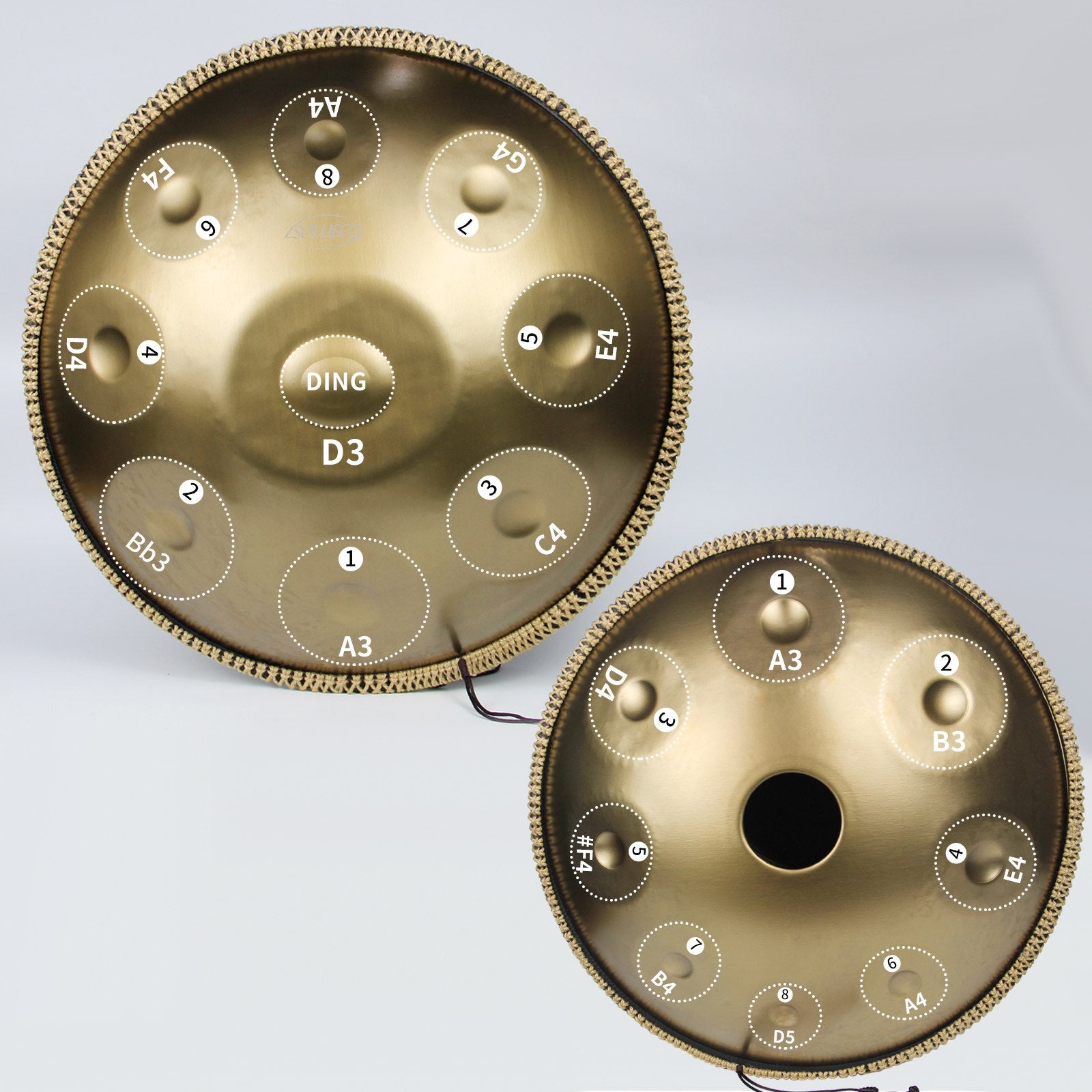
Before entering the market, it is vital to understand the scale of the instrument. Educate yourself on the standard handpan size to ensure you are not accidentally purchasing an oversized drum that will not fit your lap, or an undersized tongue drum falsely advertised as a handpan. Additionally, familiarity with the instrument's architecture is mandatory. A comprehensive review of a handpan notes chart will equip you to identify missing or dead notes during your evaluation.
5 Strategic Ways to Buy Used Handpan Instruments
1. Dedicated Enthusiast Communities and Forums

From our experience, the absolute safest ecosystem to buy used handpan instruments online is within established, heavily moderated enthusiast communities. Facebook groups such as "Handpan Instruments for Sale" and forums like Handpan.org are populated by serious musicians and makers. Because these communities self-police, scammers are quickly identified and expelled.
When you buy used handpan drums in these groups, sellers typically provide a "proof video." We recommend insisting on a video that shows the seller playing every single note, from the central Ding to the highest interstitial note, clearly and without background noise. The video should ideally state your name and the current date to prove ownership. If you are new to the terminology used by these sellers, reading up on understanding handpan notes will give you the vocabulary to ask the right questions about the scale, the root note, and the tuning frequency.
2. Reputable Second-Hand Marketplaces (Reverb, eBay)
Platforms like Reverb and eBay offer structured buyer protection programs, making them a viable option to buy used handpan equipment. Reverb, specifically catered to musicians, often features detailed listings with scale specifications and condition reports. The primary benefit here is the financial security; if the handpan arrives completely out of tune due to poor packaging, the platform's mediation services can facilitate a return.
However, the risk lies in the shipping process. Handpans are notoriously difficult to ship safely. Even if a seller ships a perfectly tuned instrument, an impact from a courier can easily knock the outer notes out of alignment. If you choose this route, verify that the seller is utilizing a hard-shell flight case and ample suspension packing. Furthermore, scrutinize the listing to determine the exact number of tone fields. If you are unsure of what to look for, consult our guide on how many notes should a handpan have to ensure you are getting a complete, playable scale rather than a limited prototype.
3. Direct from Makers: Refurbished and B-Stock
This is the most highly recommended path for those who want the cost savings of a used instrument with the peace of mind of a new one. Many elite makers, including our team at Cosmoshandpan, occasionally offer refurbished instruments or "B-stock" pans. A refurbished handpan is a pre-owned instrument that has been returned to the original maker, fully re-tuned, stabilized, and treated for any cosmetic blemishes.
When you buy used handpan models directly from the artisan who originally hammered them, you bypass the anxiety of acoustic degradation. At Cosmoshandpan, every instrument is inspected and sound-tested before it leaves our workshop. A refurbished unit goes through the exact same rigorous quality control check as a brand-new custom order. This guarantees that the fundamental, octave, and compound fifth of every note are in perfect harmonic alignment.
4. Handpan Festivals and Local Gatherings
There is no substitute for playing an instrument before you purchase it. Handpan festivals, drum circles, and wellness retreats often feature "swap meets" where players buy, sell, and trade. Choosing to buy used handpan instruments at a live event allows you to experience the tactile feedback of the steel, the resonance of the central Ding, and the specific timbre of the scale.
This is particularly important if you are searching for an instrument tuned to alternative frequencies. For example, many sound healers seek specific esoteric tunings. If you are exploring the 1111 hz handpan meaning or looking for a holistic instrument based on the 432 hz handpan guide, testing the instrument in person with a digital tuner is the only way to verify the exact frequency.
5. Peer-to-Peer Local Classifieds (Craigslist, Gumtree, Kijiji)
Local classifieds represent the highest risk but potentially the highest reward. Occasionally, individuals who purchased a handpan on a whim and never learned to play will sell a pristine instrument at a massive discount. However, this sector is also flooded with cheap, mass-produced knockoffs masquerading as professional instruments.
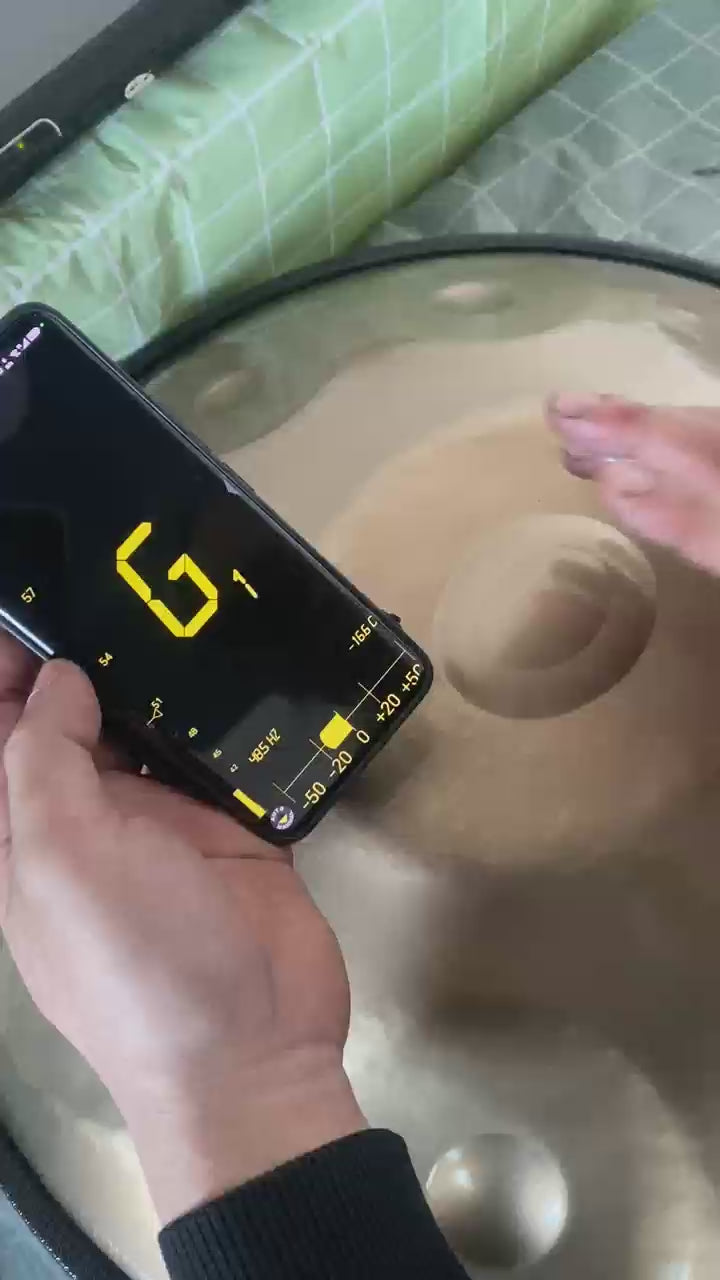
If you decide to buy used handpan models via local classifieds, you must arrange to meet in a quiet, safe space where you can actively test the acoustic properties. Bring a chromatic tuner on your smartphone (you can find recommendations in our list of handpan learning apps) to check every single note. If the notes wobble excessively, or if striking the Ding causes adjacent notes to ring dissonantly (sympathetic crosstalk), walk away from the deal.
The Master Inspection Checklist for Used Handpans

From our extensive experience in steel manipulation and acoustic stabilization, we have developed a strict protocol for evaluating pre-owned instruments. When you are preparing to buy used handpan drums, regardless of the source, apply this checklist rigorously.
- Acoustic Tuning Integrity: The most critical factor. Use a precise tuning app. Strike the center of the tone field to check the fundamental pitch. Then, strike the long axis of the dimple to check the octave, and the short axis to check the compound fifth. All three frequencies must align perfectly. If they do not, the instrument requires a professional retuning. Understanding the complexity of this process is detailed in our article on how to tune a handpan.
- Surface Oxidation and Rust: Inspect the inner lip of the port (the Gu) on the bottom shell, and the edges of the tone fields. Nitrided steel is rust-resistant, but not rust-proof. Deep pitting rust alters the thickness of the steel, permanently ruining the tuning. Light surface rust can be mitigated with specialized oils, but structural rust is a dealbreaker.
- Structural Deformations: Look at the handpan at eye level against a strong light source. The dome should be perfectly smooth. Any small dents, even those the size of a fingernail, indicate a drop or impact. A dent near a tone field boundary will irreparably damage the structural tension holding the note in tune.
- Material Identification: Ask the seller if the handpan is crafted from Nitrided Steel, Stainless Steel, or Ember Steel. Stainless steel offers incredible sustain and zero rust maintenance, making it ideal for humid environments. Nitrided steel offers a more controlled, ceramic-like sound favored by percussive players. Knowing the material dictates the maintenance required.
Summary Table: Pros and Cons of Used Sources
| Purchasing Method | Risk Level | Price Point | Quality Assurance | Best Suited For |
|---|---|---|---|---|
| Direct from Makers (Refurbished) | Very Low | Moderate to High | Excellent (Professionally Re-tuned) | Buyers wanting new-quality assurance with slight discounts. |
| Handpan Forums/Communities | Low | Moderate | Good (Self-policing community) | Enthusiasts looking for rare or custom scales. |
| In-Person Festivals | Low | Moderate | Excellent (Test before buying) | Players seeking a specific tactile feel or alternative tuning (432Hz). |
| Reverb / eBay | Medium | Variable | Moderate (Buyer protection covers shipping damage) | Those who cannot find local sellers and require escrow protection. |
| Local Classifieds (Craigslist) | High | Low to Moderate | Poor (Zero protection) | Experienced tuners and makers looking for restoration projects. |
The Cosmoshandpan Difference: Built for Long-Term Tuning Stability
While we respect the thriving secondary market, it is vital to acknowledge the profound peace of mind that accompanies a brand-new, masterfully crafted instrument. When you commission an instrument from Cosmoshandpan, you bypass the uncertainties of the used market entirely.
Our instruments are built for long-term tuning stability. Designed to stay in tune over time, even with regular playing, our proprietary heating and shaping processes lock the frequencies deep into the molecular structure of the steel. We do not rely on hydro-forming machines; our pans are handcrafted by skilled makers who rely on decades of auditory experience to hammer the perfect harmonic alignment.
If you are a novice deciding whether to buy used handpan models or invest in a new one, we highly recommend reading our comprehensive handpan for beginners guide. A perfectly tuned new Cosmoshandpan accelerates the learning process, ensuring that your ear trains on true, pure frequencies rather than compensating for a second-hand instrument's detuned dissonance.
Frequently Asked Questions (FAQs)
The price varies wildly based on the original maker. A high-end used handpan from a renowned artisan may only depreciate by 10% to 15%, holding a value of $1,500 to $2,500. Entry-level or generic used handpans generally sell for $600 to $1,000. Beware of anything priced under $400, as it is likely a mass-produced, untunable replica.
It depends on the severity and cause of the detuning. If the tuning was lost due to simple playing fatigue over years, a master tuner can easily restore it. However, if the detuning is the result of a massive physical dent, extreme heat exposure, or aggressive rust altering the steel's thickness, the note may be permanently compromised.
Never allow a seller to ship a handpan in a standard cardboard box with bubble wrap. Handpans must be shipped inside a rigid, impact-resistant flight case (such as an Evatek), which is then placed inside a double-walled cardboard box filled with high-density packing peanuts or foam blocks to suspend the case.
A muddy sound is often the result of "sympathetic crosstalk." Over time, if the rigid boundaries separating the tone fields weaken, striking one note will cause adjacent notes to vibrate out of phase. This creates a chaotic, muddy acoustic profile. At Cosmoshandpan, our stabilization process strictly prevents this architectural breakdown.
Acoustic and Metallurgical References
- Acoustics Research Group, UNSW - The Physics of Stretched Membranes and Steel Resonators
- ASM International - Effects of Nitriding on the Yield Strength and Acoustic Properties of Steel
- Acoustical Society of America - Non-linear Modal Coupling in Idiophonic Percussion Instruments
Ultimately, the decision to buy used handpan instruments should not be driven solely by price. It requires a commitment to acoustic education and rigorous inspection. By utilizing reputable maker refurbishments, engaging with verified enthusiast communities, and testing instruments meticulously, you can safely navigate the secondary market. However, for those seeking guaranteed harmonic perfection, unparalleled sustain, and absolute peace of mind, investing in a handcrafted, individually stabilized Cosmoshandpan remains the ultimate path to sonic enlightenment.