The acoustic resonance and ethereal soundscapes produced by a handpan have captivated musicians, sound healers, and casual enthusiasts globally. As we navigate the current musical landscape, one of the most pressing questions we receive from our community is regarding the financial investment required to own one of these mesmerizing steel vessels. Specifically, aspiring players want to know exactly what handpans usually cost 2026. The handpan market has evolved significantly over the past decade. What was once an incredibly rare, almost unattainable instrument characterized by multi-year waiting lists and inflated secondary market prices has now transformed into a sophisticated, accessible, and structured global industry.

At Cosmos Handpan, we are a leading brand committed to creating high-quality handpans for professional and beginner musicians. From our experience, navigating the pricing tiers of modern handpans requires a deep understanding of metallurgy, tuning precision, scale complexity, and artisanship. Every instrument we produce undergoes rigorous inspection to guarantee superior sound and playability. Our 2026 lineup offers a perfect balance of affordability and artisanal quality, ensuring that a decent handpan cost remains accessible without compromising on the cosmic resonance the brand is known for.
In this comprehensive, professional guide, we will break down the exact variables that dictate what handpans usually cost 2026. We will explore material differences, note layouts, hidden ownership costs, and provide actionable advice to ensure you secure the finest instrument for your budget.
Table of Contents
- Summary Table: Average Handpan Costs in 2026
- The Evolution of the Handpan Market in 2026
- Factors Influencing What Handpans Usually Cost 2026
- Price Tiers: A Detailed Breakdown
- Hidden Costs to Consider When Buying a Handpan
- Why Choose Cosmos Handpan for Your Investment?
- Frequently Asked Questions (FAQs)
- Industry References
Summary Table: Average Handpan Costs in 2026
To provide immediate clarity, we have compiled a summary table detailing what handpans usually cost 2026 across various categories. These figures reflect the current global market averages for high-quality, artisan-crafted instruments.
| Handpan Category | Target Musician | Average Price Range (USD) | Key Features |
|---|---|---|---|
| Beginner / Entry-Level | Novices, Casual Players | $800 - $1,300 | 9 to 10 notes, standard scales (e.g., D Minor), durable steel. |
| Intermediate / Standard Professional | Experienced Players, Performers | $1,400 - $2,500 | 10 to 12 notes, pristine tuning, stainless or nitrided steel, dynamic range. |
| Advanced Custom / Extended Range | Composers, Advanced Professionals | $2,600 - $4,500+ | 13 to 17+ notes, bottom notes (mutants), custom scales, master craftsmanship. |
The Evolution of the Handpan Market in 2026
To fully grasp what handpans usually cost 2026, we must look at how the supply chain and manufacturing techniques have matured. In the early 2010s, the original makers held a virtual monopoly, driving secondary market prices well over $5,000 for a basic instrument. Today, the landscape is entirely different. The proliferation of specialized hydro-forming and deep-drawing pneumatic presses has allowed master tuners to spend less time physically shaping the raw steel shells and more time perfecting the intricate acoustics.
This technological leap has stabilized the market. While the amount handpans usually cost 2026 is still a significant investment, the value-to-cost ratio has never been better. Buyers no longer have to pay inflated "scarcity taxes." Instead, your money directly funds the thousands of precise hammer strikes required to align the fundamental note, the octave, and the compound fifth within each individual tone field. The democratization of the craft means that brands like Cosmos Handpan can deliver concert-grade resonance at highly competitive price points.
Factors Influencing What Handpans Usually Cost 2026
Several critical manufacturing variables dictate the final retail price of a handpan. From our experience, understanding these factors will empower you to make an educated purchasing decision.
1. Material Quality and Heat Treatment
Modern handpans are typically crafted from either nitrided steel or stainless steel. Nitrided steel is baked in a nitrogen-rich environment, creating a ceramic-like surface that resists rust and produces a warm, ceramic, and percussive sound—ideal for fast, rhythmic playing. Stainless steel, which has dominated the 2026 market, offers an incredibly long sustain, bright overtones, and total rust resistance. Manipulating and tuning stainless steel requires immense skill and specialized tooling, which naturally influences what handpans usually cost 2026.
2. The Number of Notes and Scale Complexity

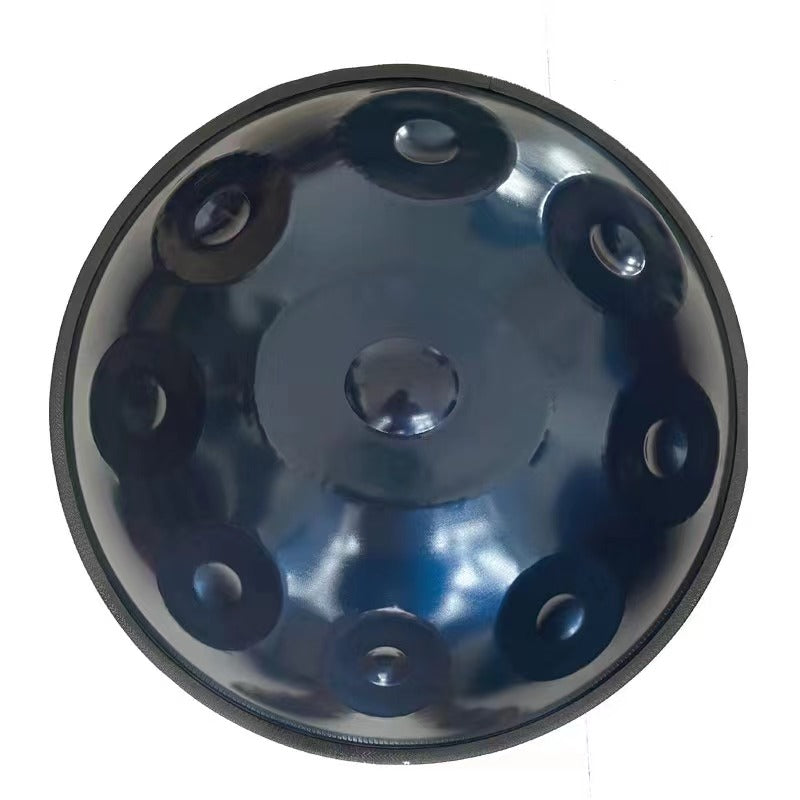
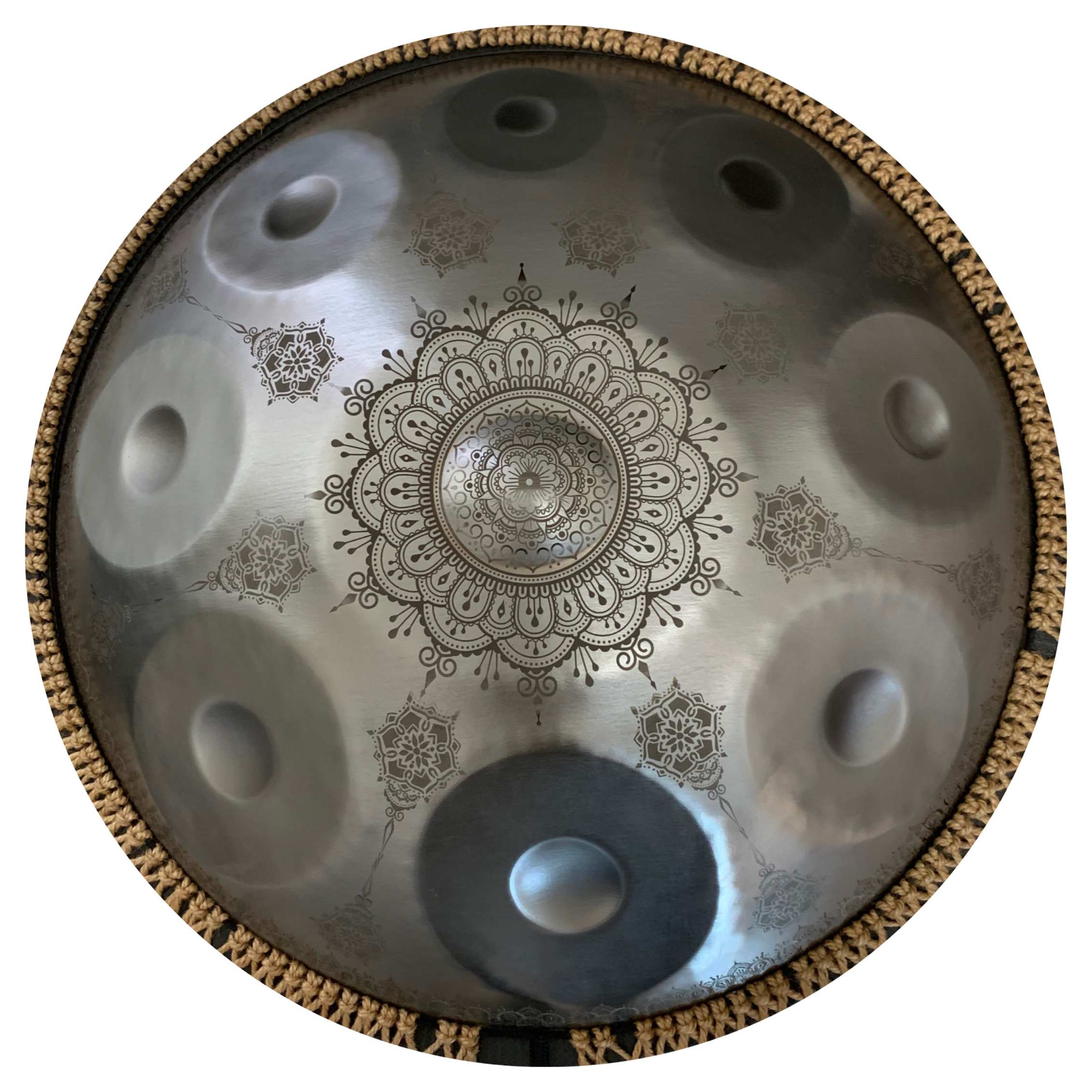
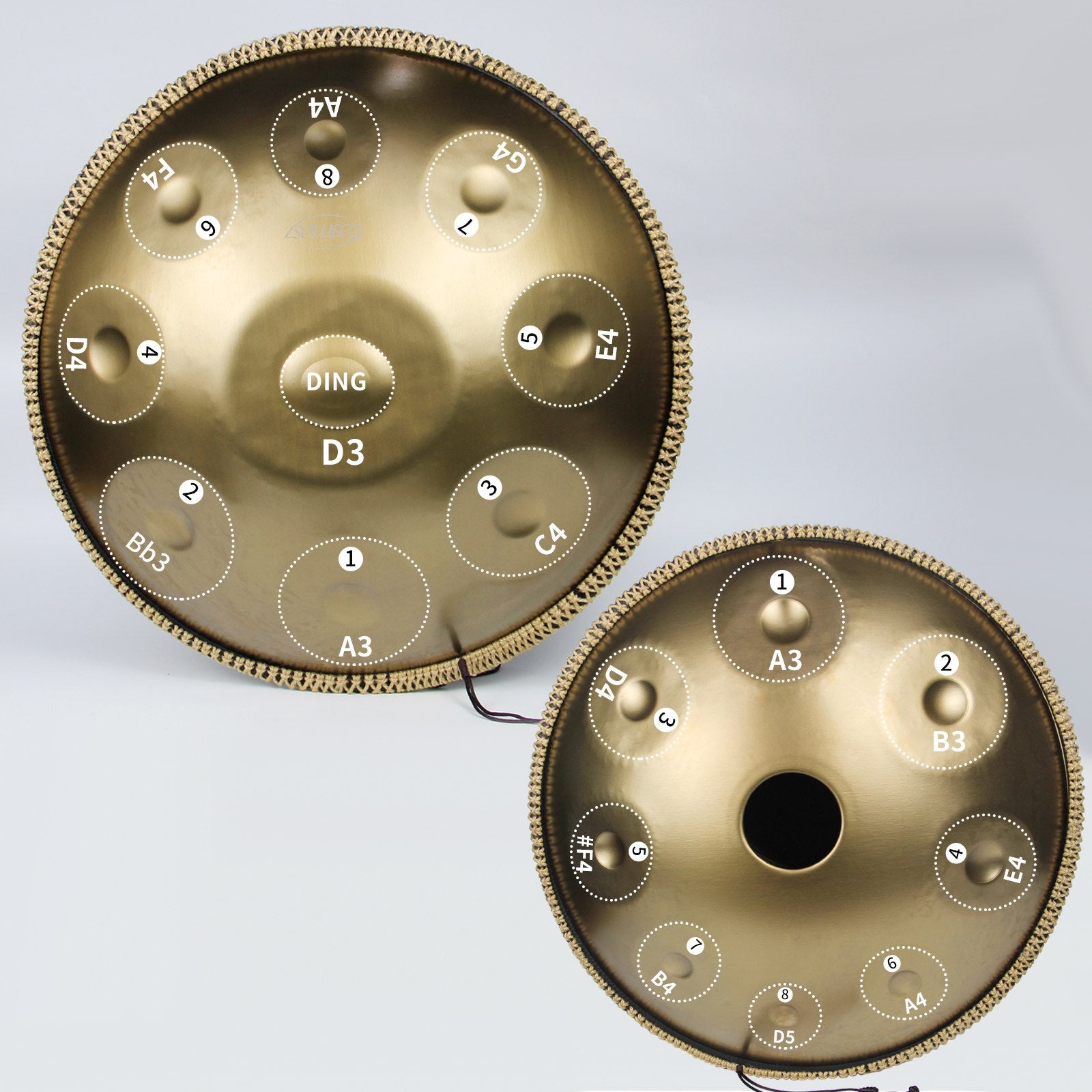
The complexity of the architecture on the top and bottom shells is a primary price driver. A standard 9 Notes Handpan (one central Ding and eight circular tone fields) requires less surface area manipulation and fewer tuning hours. It is perfect for focused, melodic exploration and beginner-friendly performance. As you expand the scale, the cost increases. Creating a 12 Notes Handpan involves placing notes on the bottom shell (mutants), which exponentially increases the difficulty of isolating frequencies to prevent sympathetic resonance and cross-talk.
3. The Tuning Process and Artisan Skill
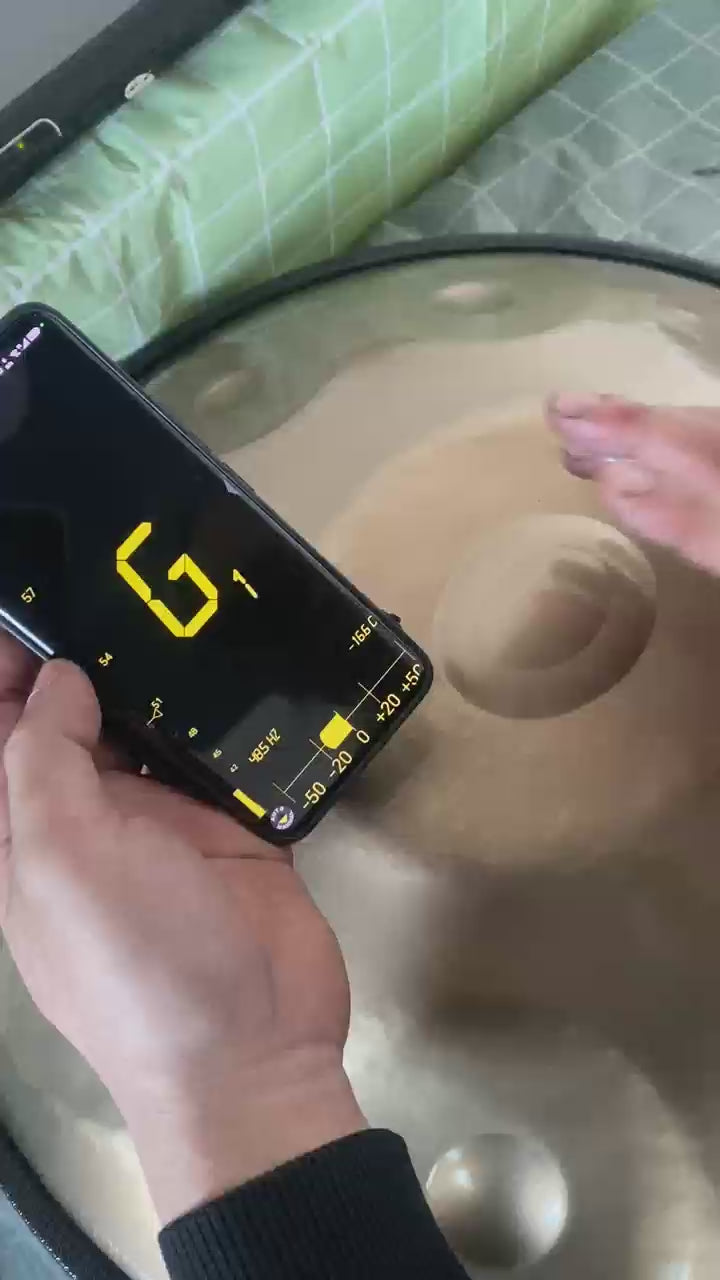
A handpan is not built; it is tuned into existence. The tuning process accounts for the vast majority of what handpans usually cost 2026. A master tuner must align three distinct frequencies within a single dimple. If the artisan rushes this process, the instrument will sound dissonant and metallic. The premium you pay for a professional Handpan Drum Instrument goes directly toward compensating the artisan for the dozens of hours spent achieving perfect harmonic alignment in a temperature-controlled environment.
Price Tiers: A Detailed Breakdown
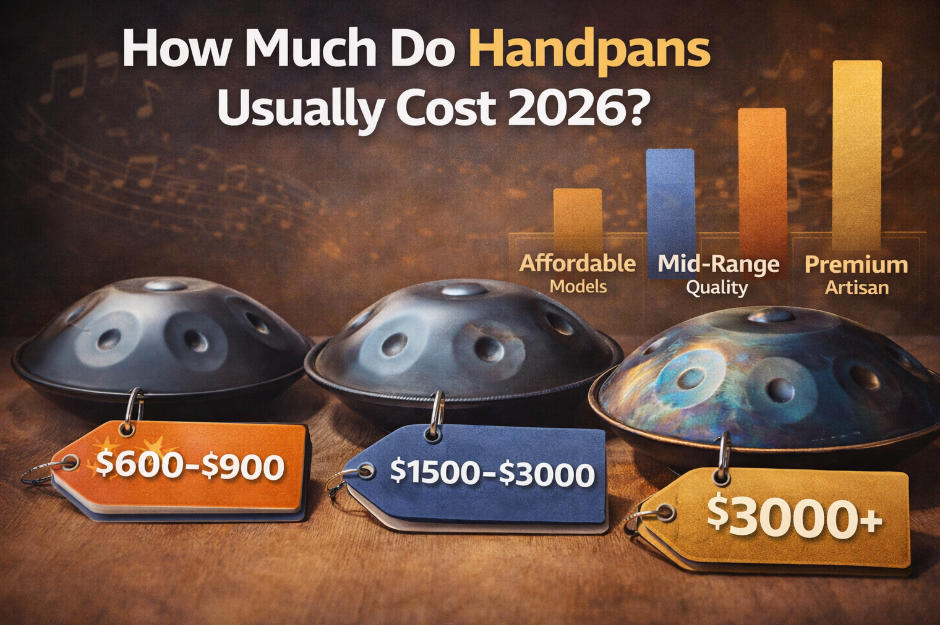
When clients ask us how much do handpans usually cost 2026, we categorize our recommendations into three distinct tiers based on the musician's intent and budget.
Entry-Level and Beginner Instruments ($800 - $1,300)
For those just beginning their musical journey, spending upwards of three thousand dollars is unnecessary. A high-quality Handpan for Beginners falls perfectly within this tier. These instruments are specially tuned for ease of play and rapid learning, typically featuring highly intuitive scales like D Kurd or Celtic Minor. We recommend starting here, as it provides a professional, in-tune experience without the overwhelming financial commitment.
Intermediate and Standard Professional Models ($1,400 - $2,500)
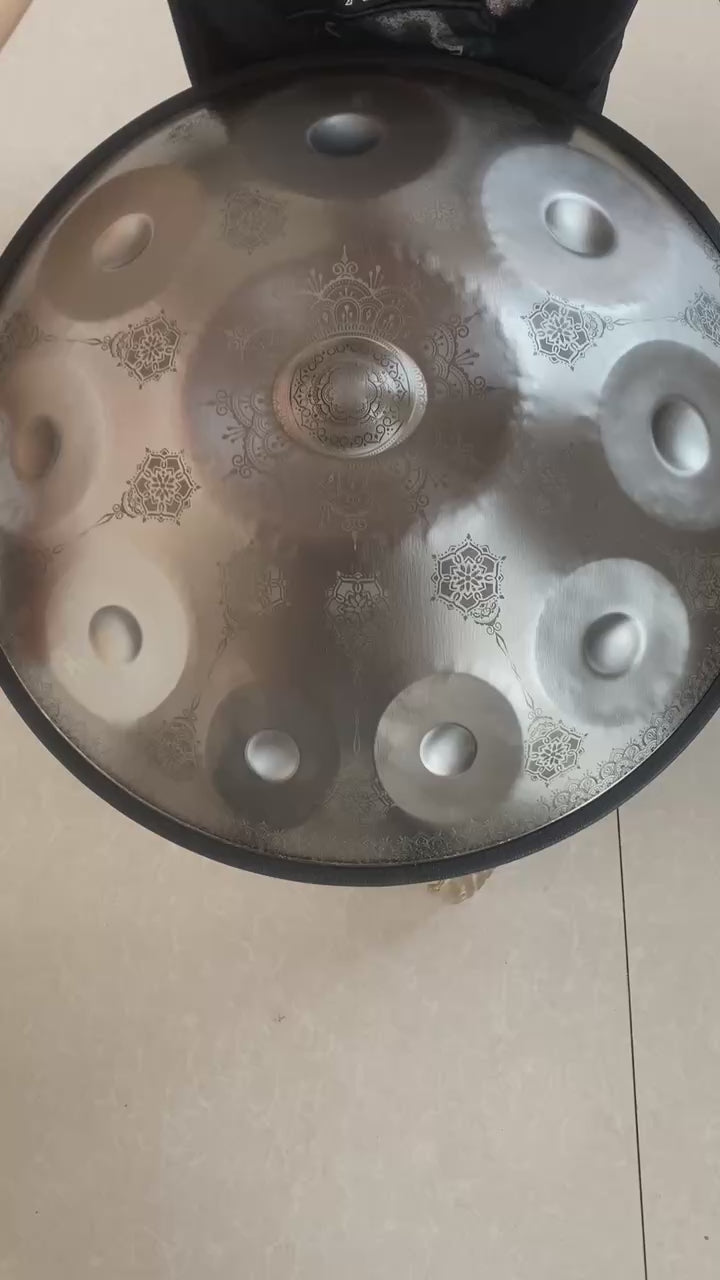
This tier represents the sweet spot of the modern market and accurately reflects what standard handpans usually cost 2026. Instruments in this range, such as a precision-crafted 10 Notes Handpan, offer a balanced standard for modern players seeking a versatile instrument. At this price point, you are guaranteed flawless sustain, exceptional dynamic range (the ability to play very softly or very loudly without losing tone), and premium materials like Ember Steel or high-grade stainless alloys.
Advanced Custom and Extended Range Handpans ($2,600 - $4,500+)
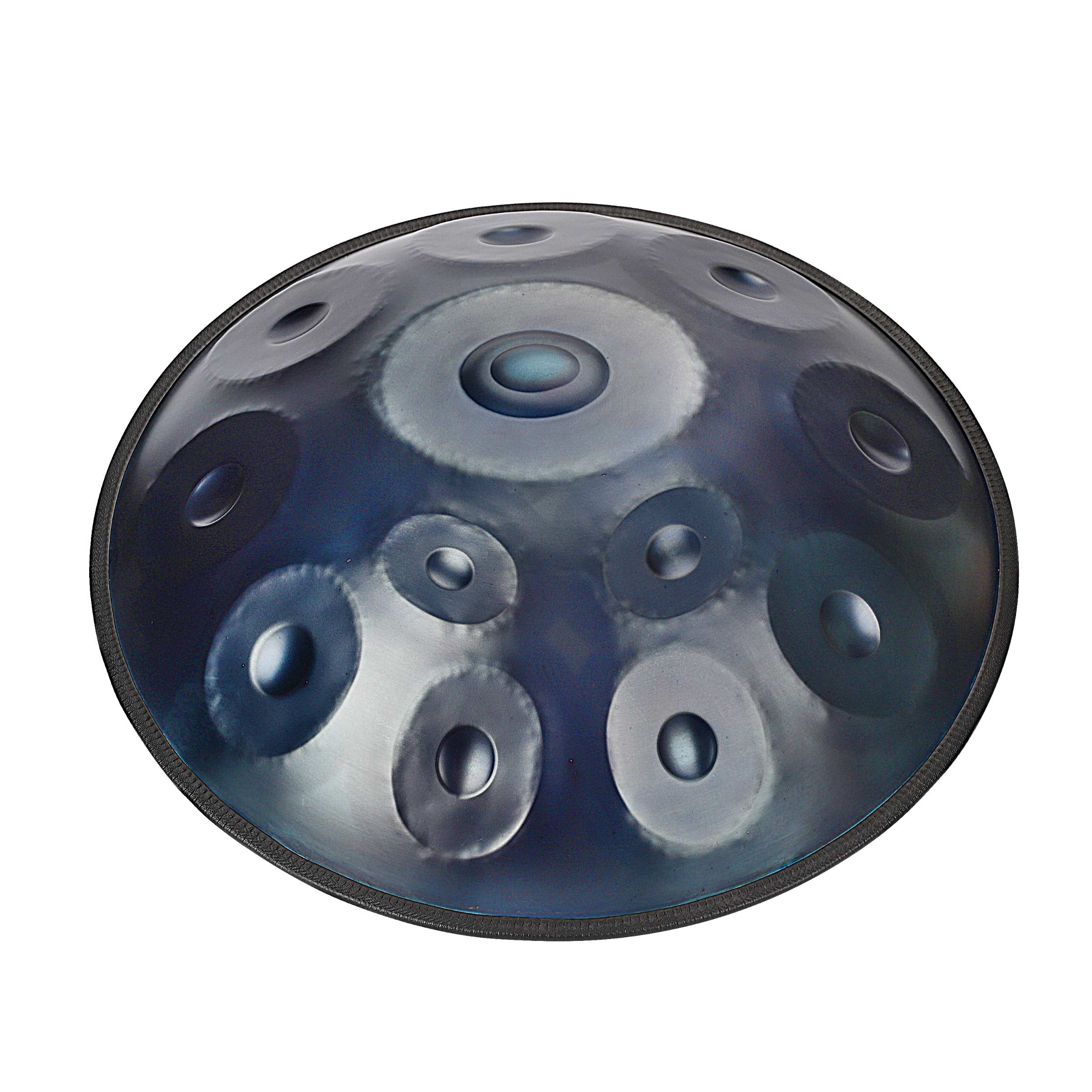
For elite composers and touring professionals, the limitations of a standard scale are often too restrictive. Expanding the instrument to include bottom notes, multiple Dings, or complex chromatic variations requires architectural mastery. An instrument like the 17 Notes Handpan is the ultimate professional instrument with an extended scale for advanced compositions. The immense labor and structural engineering required to fit seventeen distinct, un-muffled notes onto a single steel shell justify a price tag significantly higher than what standard handpans usually cost 2026.
Hidden Costs to Consider When Buying a Handpan
When budgeting for your instrument, it is crucial to look beyond the sticker price. From our experience, new players often overlook the necessary accessories required to protect their investment.
- Hard Cases and Evatek Bags: A handpan is fragile; a minor bump can knock a note out of tune. A heavy-duty, flight-rated hard case will typically add $150 to $300 to your total expenditure.
- Maintenance Products: Especially for nitrided steel, regular application of protective oils (like Phoenix Oil or Froglube) is mandatory to prevent oxidation. Budget approximately $20 to $40 annually for maintenance supplies.
- Retuning Services: Even with careful play, handpans shift in tuning over several years. A professional retune can cost between $100 and $250, plus the cost of fully insured round-trip shipping to the maker.
Why Choose Cosmos Handpan for Your Investment?
Navigating the global market can be daunting, with countless builders offering widely varying levels of quality. Cosmos Handpan eliminates this uncertainty. As a leading brand committed to creating high-quality handpans for professional and beginner musicians, we have streamlined our manufacturing process without sacrificing the human element of precision tuning.
Our 2026 lineup offers a perfect balance of affordability and artisanal quality, ensuring that the decent handpan cost remains accessible. We believe that cosmic resonance should not be gatekept by exorbitant pricing. By leveraging advanced shell-forming techniques and employing dedicated master tuners, we keep what handpans usually cost 2026 strictly aligned with the true value of the craftsmanship, guaranteeing superior sound, playability, and long-term stability.
Frequently Asked Questions (FAQs)
Why do handpans cost so much more than acoustic guitars or keyboards?
Unlike mass-produced guitars or electronic keyboards, a handpan cannot be fully automated. The final tuning must be done entirely by hand, by a highly skilled artisan wielding a hammer. It takes hundreds of hours of practice to learn the craft, and dozens of hours to tune a single instrument. The labor-intensive nature of this process is the primary reason why handpans usually cost 2026 exactly what they do.
Are cheap handpans (under $500) found on large e-commerce sites worth buying?
We strongly advise against purchasing ultra-cheap handpans. From our experience, these instruments are mass-stamped in factories with zero acoustic tuning. They often suffer from severe cross-talk, dead notes, and terrible intonation. It is a poor investment that will hinder your learning. We recommend saving for a verified entry-level model from a reputable brand like Cosmos Handpan.
Does the number of notes strictly dictate what handpans usually cost 2026?
Yes, there is a direct correlation. Every additional note requires more physical space on the shell and more tuning time. Bottom notes are particularly difficult to tune because the artisan has less structural space to work with, which increases the labor cost significantly.
Will the price of handpans go down in the future?
The average amount handpans usually cost 2026 has stabilized. While deep-drawing technology has lowered the initial cost of forming the raw steel shells, the manual tuning process cannot be outsourced to machines. Therefore, the cost of expert human labor will ensure that high-quality handpans retain a premium, stable price point for the foreseeable future.
Industry References
1. Global Handpan Makers Consortium (GHMC). "Acoustic Steel Instruments: 2026 Market Analysis and Labor Metrics." Sound & Steel Journal, 2026.
2. The International Guild of Precision Tuners. "Metallurgy and Resonance: The Shift Towards Stainless Steel in Modern Idiophones." 2025.