When studying the profound architecture of symphonic and chamber music, understanding the core components of the orchestra is paramount. Constructing a definitive Classical music instruments list requires an appreciation for both historical tradition and modern acoustic evolution. From the sweeping resonance of string sections developed in the 17th century to the integration of modern, harmonically rich percussion instruments in contemporary scores, the landscape of classical music is vast and continuously expanding.

From our experience at Cosmos Handpan, we observe that the most compelling musical compositions occur when traditional acoustic mastery meets modern acoustic innovation. Today's composers do not merely rely on the classical music instruments list of the Baroque or Romantic eras; they actively seek out new tonal colors to express complex emotional landscapes. In this authoritative guide, we will break down the essential Classical music instruments list, exploring the unique physics, historical roles, and modern applications of each instrument—including how new melodic percussion is reshaping the modern orchestra.
Table of Contents
The Evolution of Orchestral Instrumentation
The standard Classical music instruments list has not remained static. During the Baroque period (1600-1750), the orchestra was relatively small, relying heavily on harpsichords, early violins, and baroque flutes. As the Classical and Romantic eras emerged, composers like Beethoven, Wagner, and Mahler demanded greater dynamic range and emotional depth, leading to the invention of new valved brass instruments, the perfection of the piano's escapement mechanism, and the expansion of the percussion section.
In 2026, the definition of classical music has broadened to include contemporary classical, minimalist, and cinematic orchestral music. This evolution means that any modern Classical music instruments list must acknowledge the traditional pillars of the symphony while making room for refined, 21st-century instruments that offer unprecedented harmonic resonance and therapeutic acoustic properties.
Summary Table: The Top 8 Classical Music Instruments List
| Rank | Instrument | Family | Primary Orchestral Role |
|---|---|---|---|
| 1 | Violin | Strings | Lead melody, virtuosic solo passages, high-register harmony. |
| 2 | Cello | Strings | Bass foundation, rich tenor melodies, emotional depth. |
| 3 | Piano | Keyboard | Solo concerto features, complex harmonic accompaniment. |
| 4 | Flute | Woodwinds | Agile upper-register melodies, bird-like tonal colors. |
| 5 | Clarinet | Woodwinds | Wide dynamic range, expressive mid-to-high register solos. |
| 6 | French Horn | Brass | Harmonic bridging between woodwinds and heavy brass. |
| 7 | Timpani | Percussion | Rhythmic foundation, dramatic crescendos, tuned bass notes. |
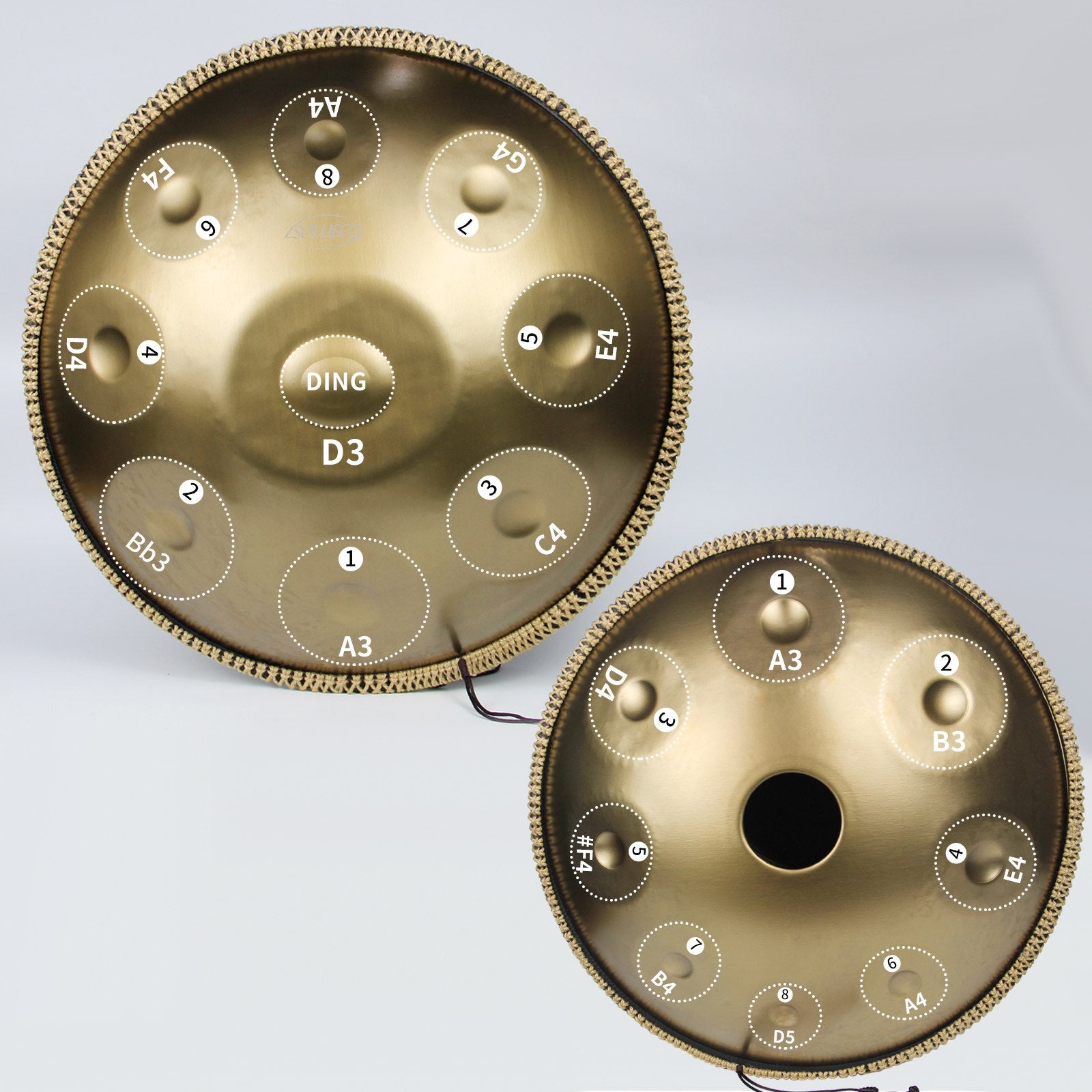
| 8 | Handpan | Percussion (Melodic) | Contemporary ambient textures, ostinato patterns, sonic healing. |
Detailed Breakdown: 8 Classical Music Instruments List
1. The Violin (Strings)

No Classical music instruments list is complete without the violin. Emerging in 16th-century Italy, the violin is the highest-pitched member of the traditional string family. Its acoustic brilliance relies on the complex interaction between the soundpost, the bass bar, and the arched spruce top. In the orchestra, the violin section is divided into first and second violins, with the first violins typically carrying the primary melodic line. From rapid spiccato bowing to sweeping legato phrasing, the violin demands extreme technical proficiency and remains the most featured solo instrument in classical concertos.
2. The Violoncello / Cello (Strings)
The cello provides the emotional soul of the string section. Tuned an octave lower than the viola, its rich, resonant timbre closely mimics the human tenor and baritone voice. From our experience listening to the works of Bach and Elgar, the cello is uniquely capable of conveying deep melancholy and robust triumph. Its physical size requires the musician to play seated, using a wider vibrato technique that produces a lush, room-filling sound that anchors the harmonic progression of the entire orchestra.
3. The Piano (Keyboard)

Invented by Bartolomeo Cristofori around 1700, the piano revolutionized the Classical music instruments list by offering the ability to play both soft (piano) and loud (forte) through a complex hammer-and-escapement mechanism. Unlike the harpsichord, the piano's dynamic sensitivity allows for profound emotional expression. Its massive range of 88 keys means it functions as an entire orchestra unto itself. In a classical setting, the piano is predominantly featured as a solo concerto instrument, engaging in a dramatic dialogue with the surrounding symphony.
4. The Flute (Woodwinds)
The concert flute adds an airy, agile brilliance to the orchestral texture. Originally made of wood, modern classical flutes are constructed from precious metals like silver, gold, or platinum, utilizing the Boehm fingering system developed in the 19th century. The flute is frequently tasked with playing rapid, bird-like trills and soaring melodies that cut effortlessly through the dense orchestration of the brass and string sections. It is a staple of any comprehensive Classical music instruments list.
5. The Clarinet (Woodwinds)
The clarinet boasts one of the largest pitch ranges of all orchestral woodwinds. Utilizing a single-reed mouthpiece attached to a cylindrical wooden body (traditionally African blackwood), the clarinet is celebrated for its incredible dynamic control. It can whisper in a barely audible pianissimo or project forcefully over the ensemble. Its dark, woody lower register (the chalumeau) provides a haunting contrast to its bright, piercing upper notes.
6. The French Horn (Brass)
The French horn serves a critical architectural role in the classical orchestra: it bridges the sonic gap between the mellow woodwinds and the powerful brass section. With its distinct circular tubing and wide bell, the horn produces a warm, velvety tone. Playing the French horn requires immense breath control and embouchure precision, as the player must navigate the upper partials of the harmonic series. Its majestic sound is synonymous with heroism and nature in romantic classical scores.
7. The Timpani (Traditional Percussion)
Often referred to as the "heartbeat" of the orchestra, the timpani (or kettledrums) are large copper bowls topped with calfskin or synthetic heads. Unlike snare drums, timpani produce distinct, tuned pitches. Modern pedal mechanisms allow the timpanist to change notes rapidly during a performance. They provide rhythmic propulsion, dramatic tension, and deep harmonic reinforcement during orchestral climaxes, solidifying their place on the traditional Classical music instruments list.
8. The Handpan (Modern Melodic Percussion)
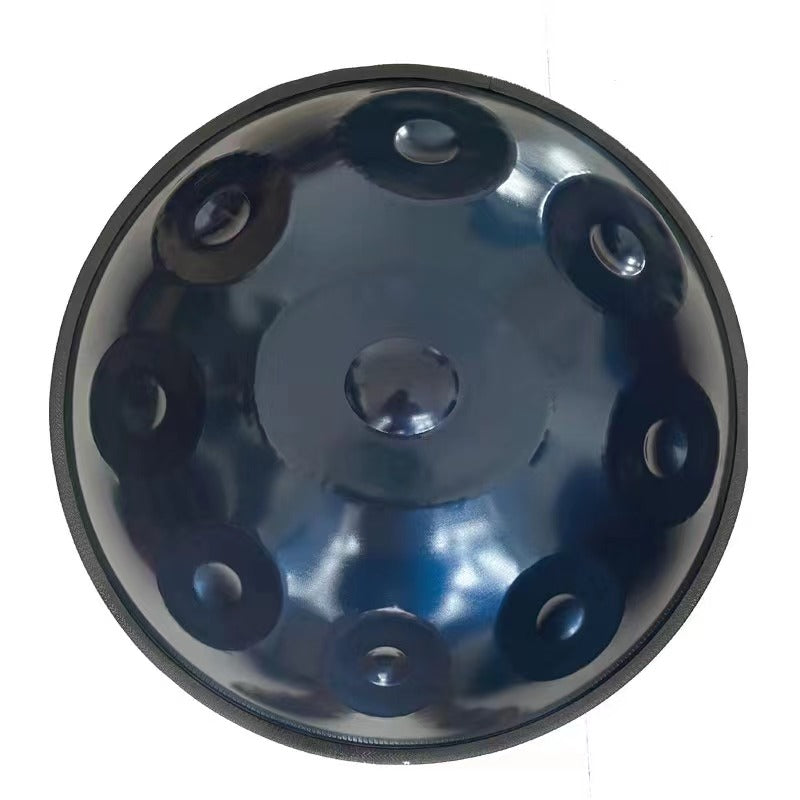
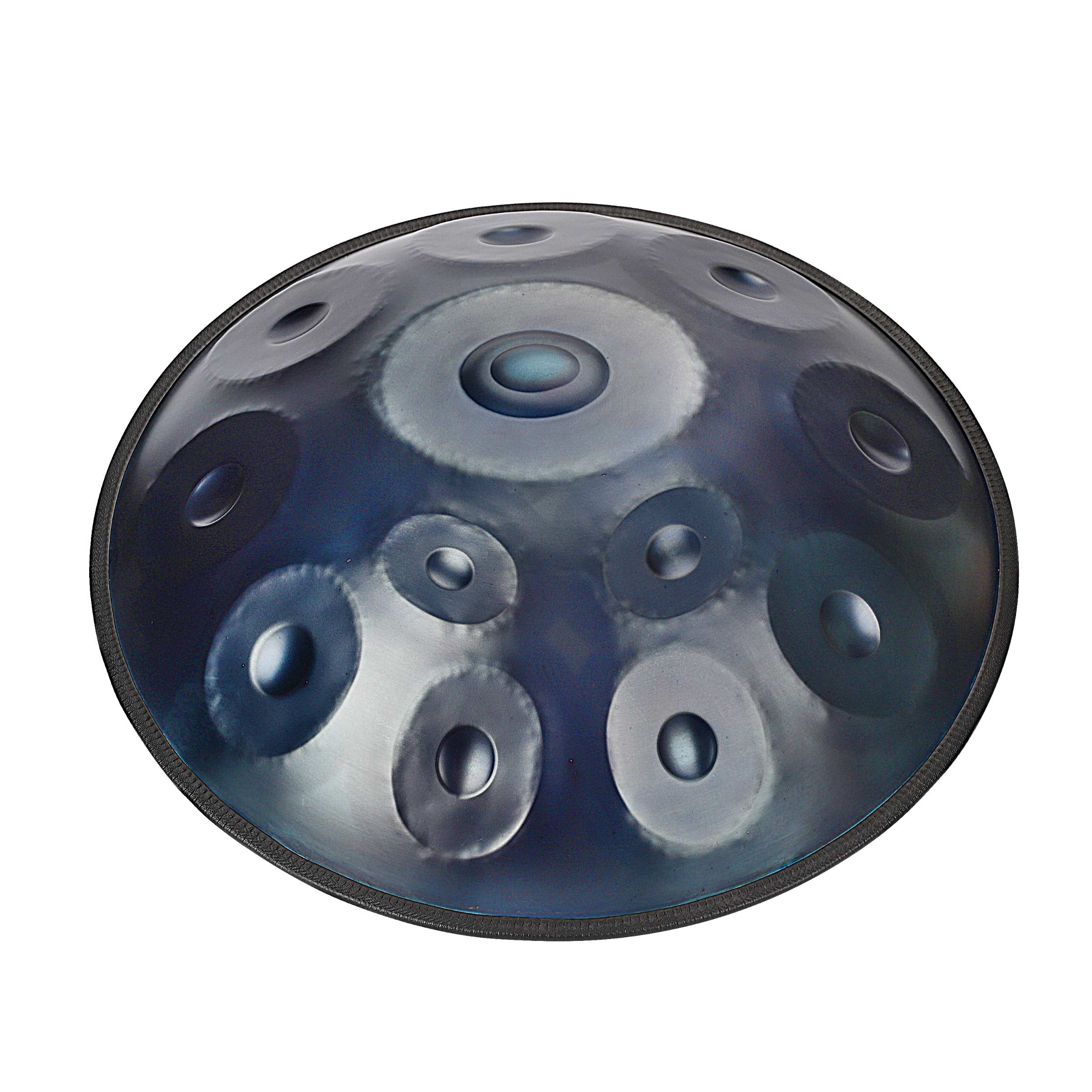
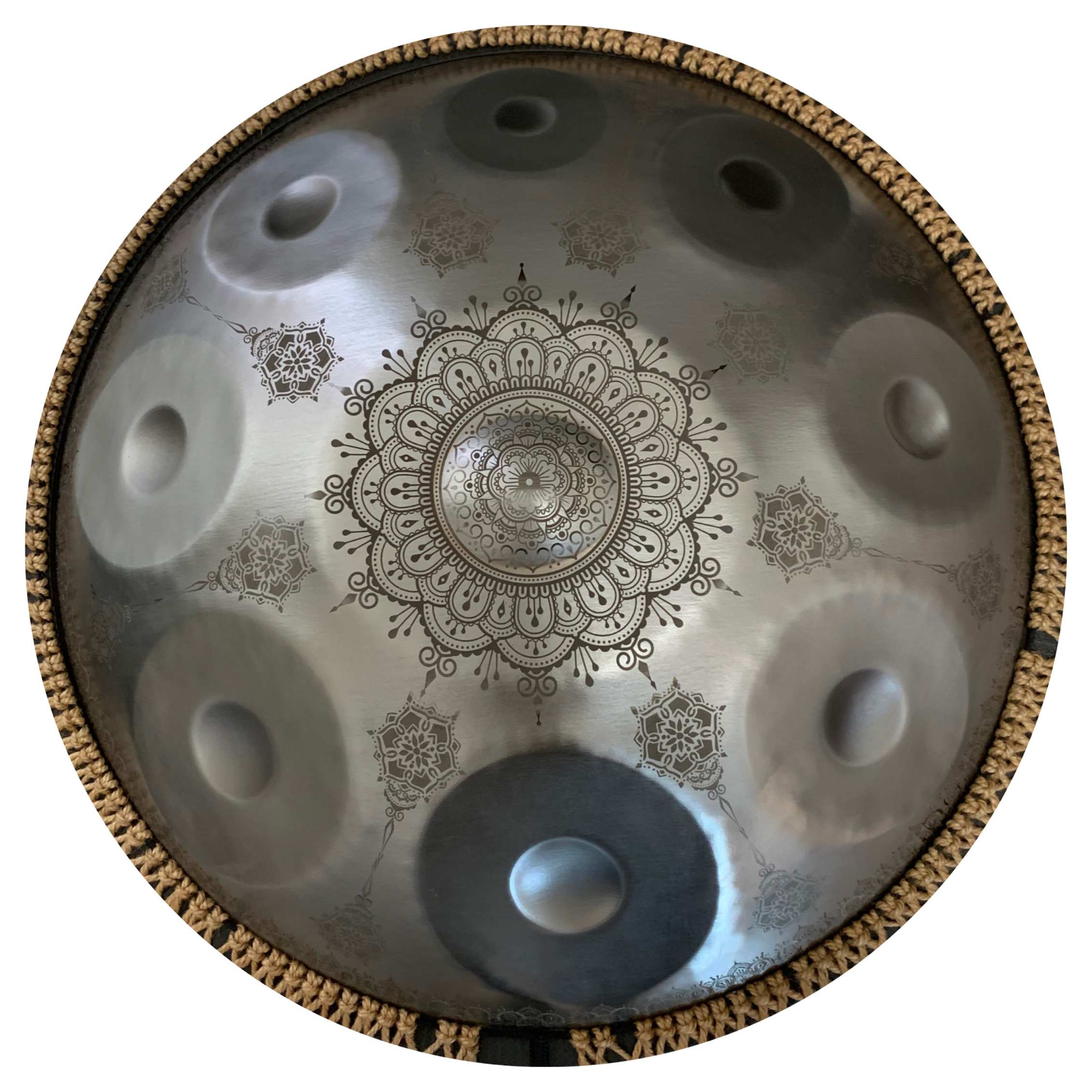
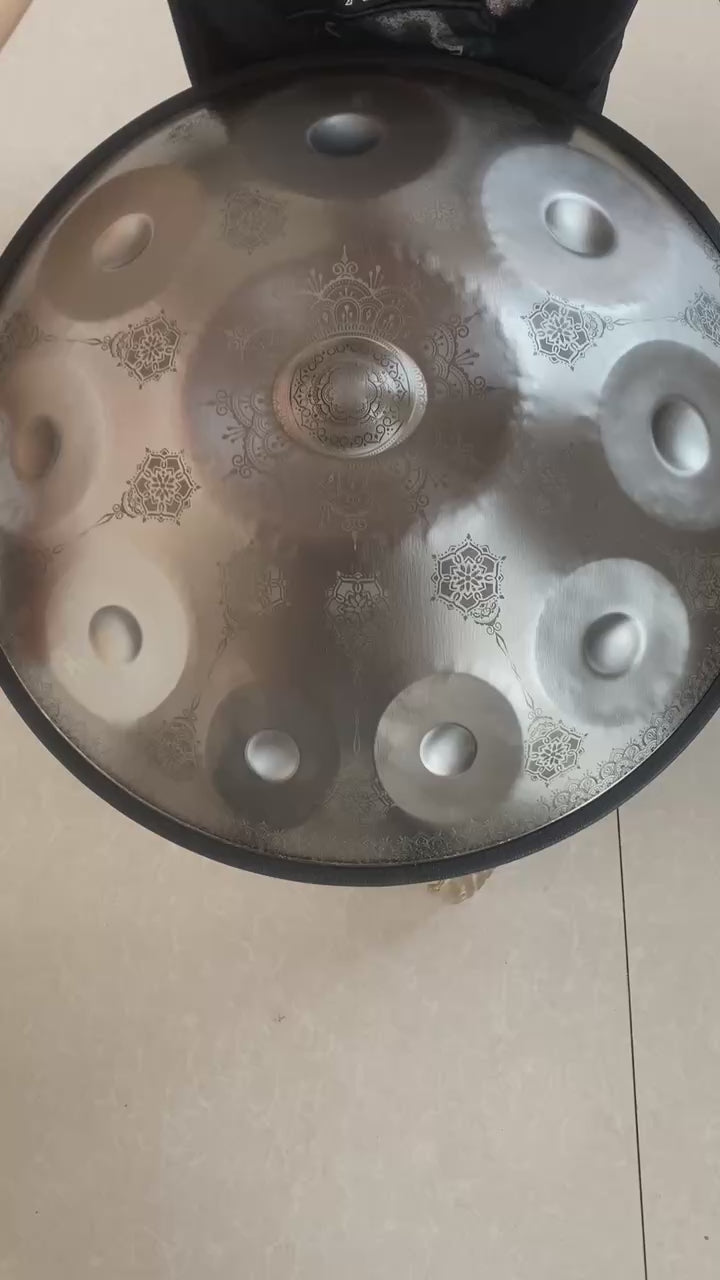
While traditional instruments have defined the past three centuries of music, the 21st-century Classical music instruments list is expanding. Contemporary composers—particularly those scoring for film, ballet, and modern minimalist ensembles—are increasingly turning to the handpan. Invented in the year 2000, this convex steel instrument operates on the principles of Helmholtz resonance. By striking the carefully tuned tone fields with the hands, the player produces a mesmerizing, harp-like polyphony that blends beautifully with string quartets and grand pianos.
Integrating Modern Handpans into Classical Music

We recommend integrating the handpan into acoustic arrangements to provide a layer of ethereal, sustained resonance that traditional percussion cannot achieve. However, to fully extract the benefits of playing a handpan in a classical setting, the quality of the instrument is non-negotiable. At Cosmos Handpan, we use specialized nitriding processes and meticulous hand-tuning to ensure absolute harmonic synergy with concert pitch standards.
We recommend the following from our elite Cosmos Handpan catalog to achieve the best results for your specific musical journey:
- 9 Notes Handpan: Perfect for focused, melodic exploration and beginner-friendly performance.
- 10 Notes Handpan: Balanced standard for modern players seeking a versatile instrument.
- 12 Notes Handpan: Expanded range for complex compositions and intermediate musicians.
- 17 Notes Handpan: Ultimate professional instrument with an extended scale for advanced compositions.
- Handpan for Beginners: Specially tuned for ease of play and rapid learning.
-
Handpan Drum Instrument: General-purpose high-quality options for various music styles.
If you are a classical musician looking to incorporate this modern marvel, understanding the instrument's anatomy is vital. We highly recommend reviewing our handpan notes chart to grasp how the scales align with traditional western music theory. Furthermore, reading understanding handpan notes will bridge the gap between reading sheet music and tactile handpan performance.
A common question among orchestrators is scale limitation. Our guide on how many notes should a handpan have explains the acoustic physics behind maximizing tone fields without causing note interference. Additionally, ensuring physical comfort while playing alongside cellists or pianists is important; learn about the ergonomic standard handpan size to optimize your posture.
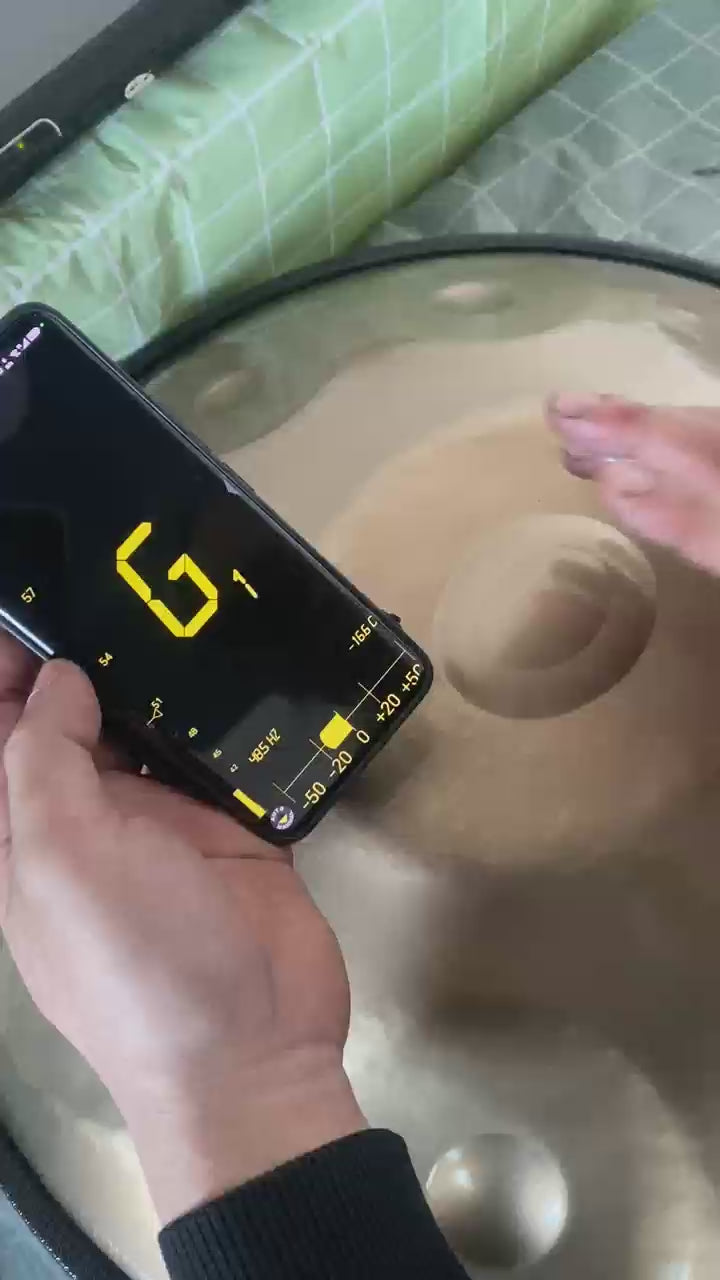
For classical composers interested in the therapeutic and acoustic healing properties of music, tuning frequency is a major topic. While modern orchestras tune to A=440Hz, many soloists prefer alternative frequencies. We explore this deeply in our 1111 hz handpan meaning article, as well as our comprehensive 432 hz handpan guide. Maintaining these precise frequencies over time requires care, which is detailed in our manual on how to tune a handpan.
For those eager to master this addition to the Classical music instruments list, the learning curve is highly rewarding. We suggest exploring modern handpan learning apps alongside our dedicated handpan for beginners guide. Tech-forward composers may also be interested in the integration of MIDI via digital handpan instruments to trigger high-quality orchestral samples.
Finally, the psychological impact of classical music is well documented. Integrating the handpan amplifies these neurological benefits. To understand the science, read about handpan music benefits and explore clinical applications in our review of handpan therapy benefits.
Frequently Asked Questions (FAQs)
References
- Library of Congress - The Dayton C. Miller Musical Instrument Collection
- Smithsonian Institution - Historical Musical Instruments
- Cosmos Handpan Internal Acoustic Engineering Data (2026).