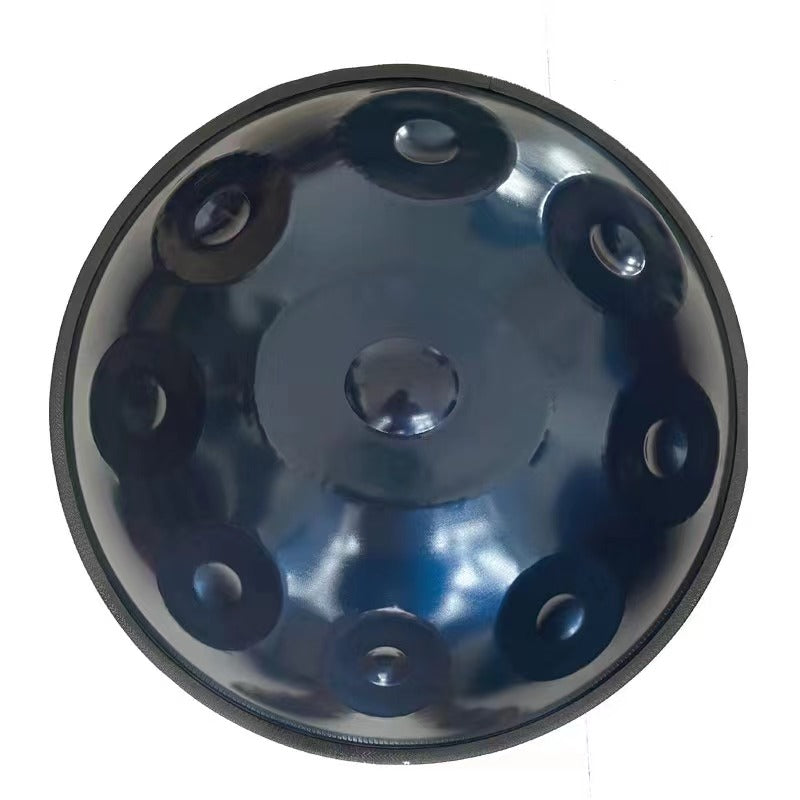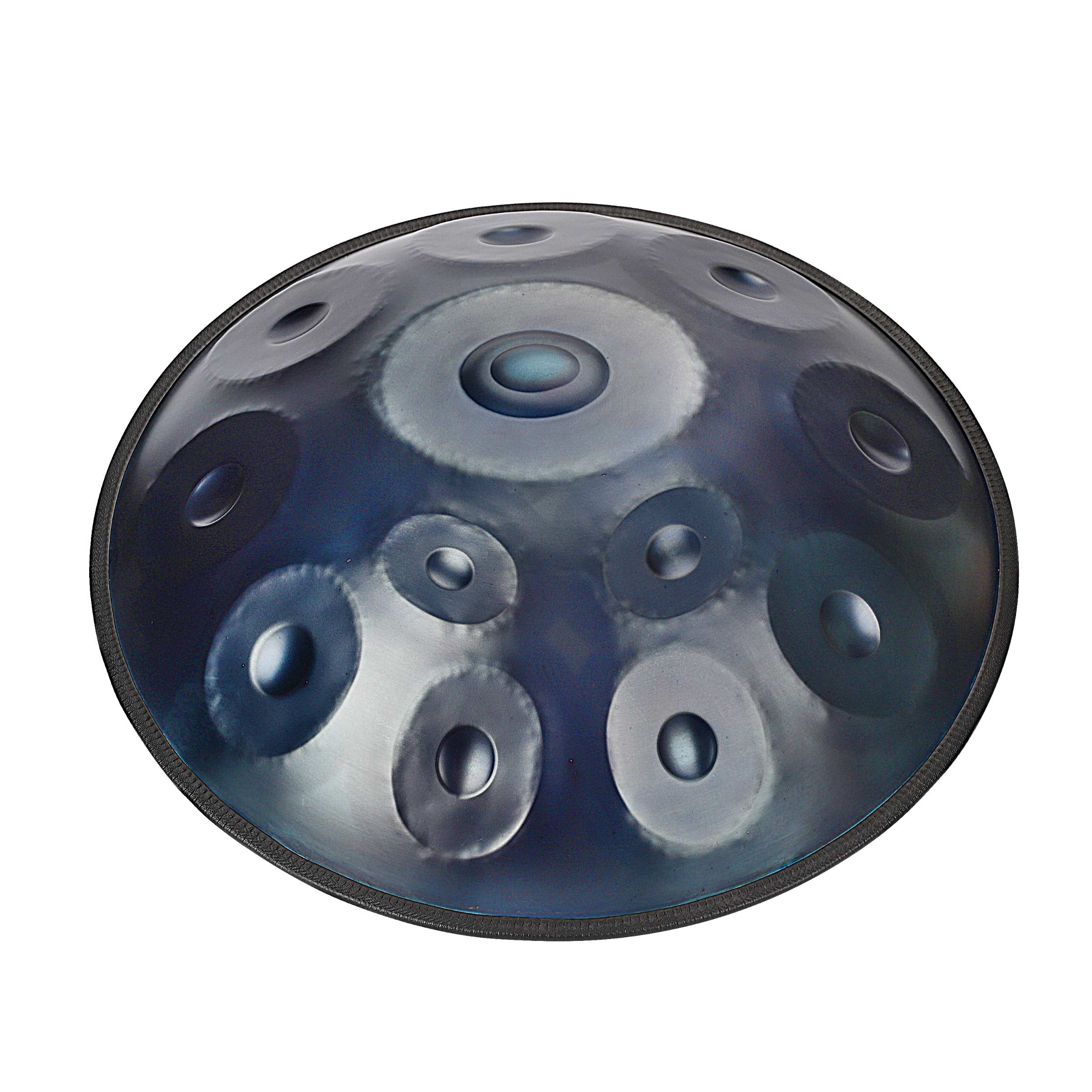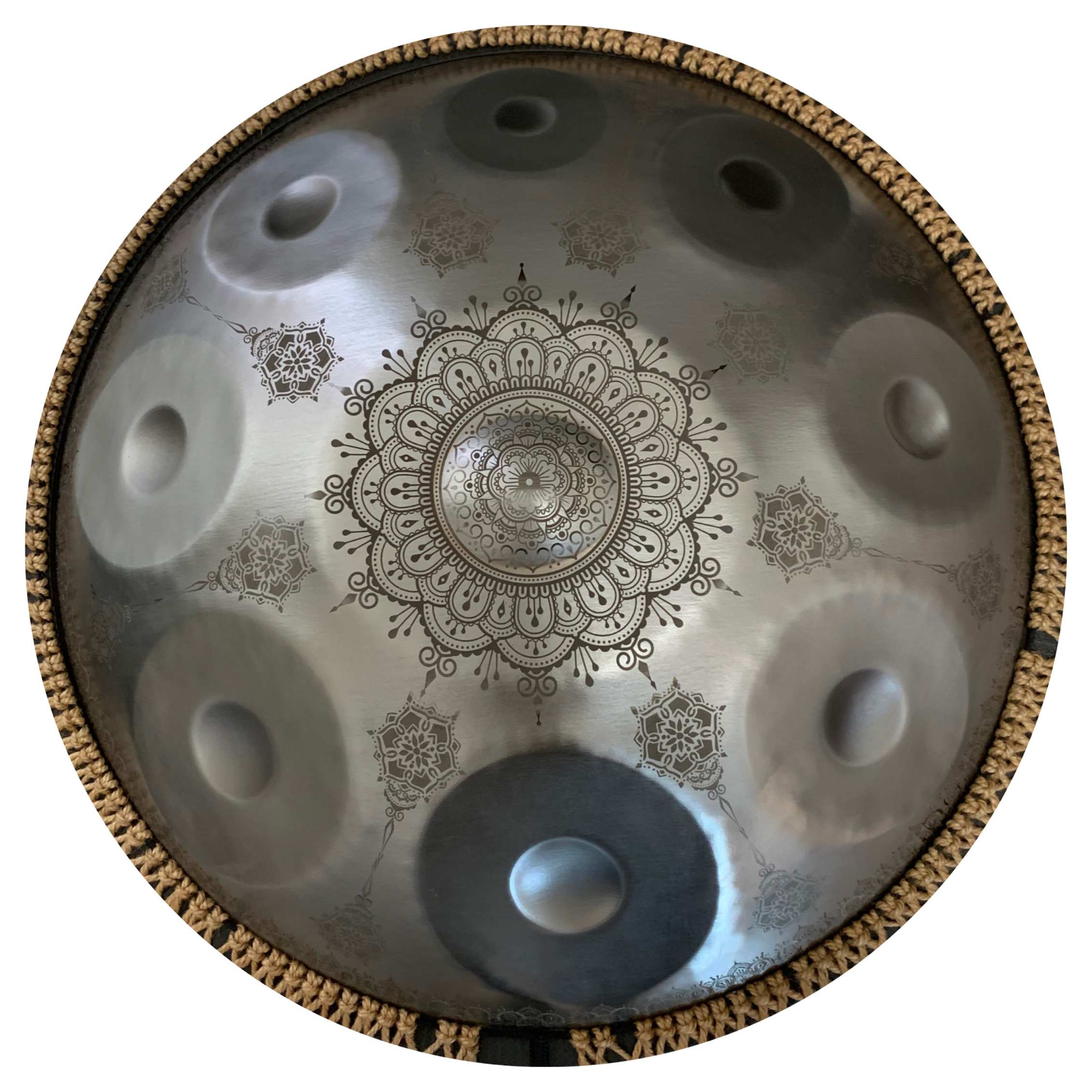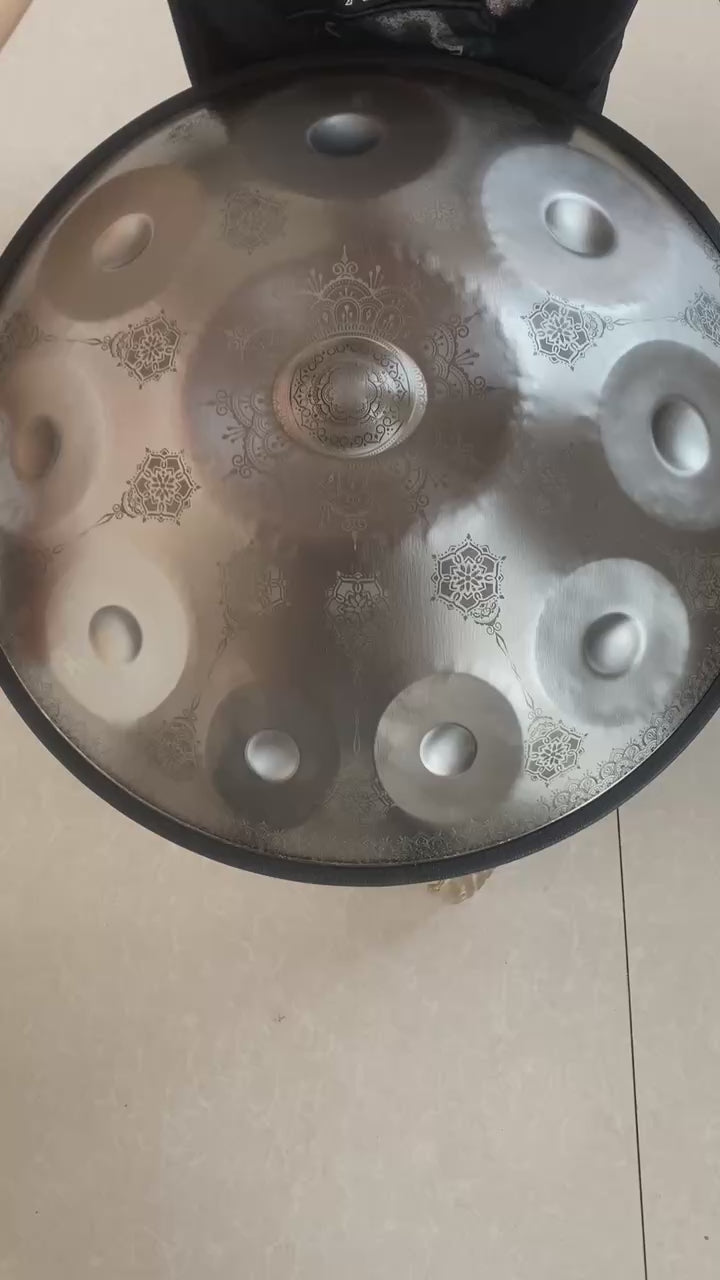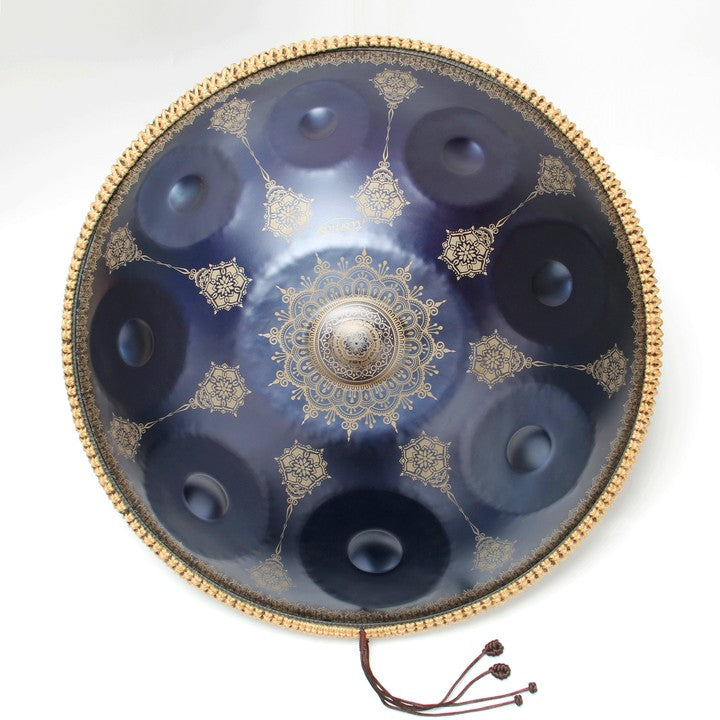

When you decide to invest in an acoustic steel sculpture, you are met with an overwhelming barrage of terminology. Nitrided, stainless, ember, mutants, 432Hz, 440Hz—the modern market is a minefield of technical jargon. Many buyers assume that all handpans are essentially the same instrument painted in different colors. From our experience at Cosmos Handpan, making this assumption is the fastest way to waste thousands of dollars on an instrument that actively fights your playing style.

In most professional situations, the specific metallurgy and architectural layout of your handpan dictate exactly how it will perform. If you attempt to play fast, percussive Afro-Cuban rhythms on a highly resonant stainless steel shell, the notes will bleed together into a muddy, chaotic wash. Conversely, if you attempt slow, ethereal sound healing on a dry, nitrided shell, the notes will die out before they can fill the room. You must exercise commercial and practical judgment when selecting your instrument. In this definitive guide, we take a clear, opinionated position on the different types of handpans. We will break down exactly what these variations mean, how they alter the acoustic physics of the instrument, and provide you with the exact framework to purchase the correct handpan for your specific musical goals.
Quick Answer: What are the Different Types of Handpans?
If you want to bypass the marketing noise, the different types of handpans are primarily categorized by their raw material and note layout. Here is the definitive breakdown:
- Stainless Steel Handpans: Best for massive sustain, bright tones, and sound healing. Exceptional rust resistance.
- Nitrided Steel Handpans: Best for fast, percussive, rhythmic playing. Shorter sustain prevents "note bleed." Requires heavy oiling to prevent rust.
- Ember Steel Handpans: A premium hybrid material offering the warm, ceramic tone of nitrided steel but with an extended, controlled sustain.
- Standard Handpans (9-10 Notes): The optimal choice for 95% of players, featuring all notes on the top shell for intuitive playing.
- Mutant Handpans (11+ Notes): Built for advanced composers, featuring additional notes heavily packed on the top or hidden on the bottom shell.
We recommend beginners strictly avoid complex mutant handpans and focus their initial investment on a 9-note Stainless Steel instrument in a Minor scale.
Table of Contents
- What It Is: Categorizing the Handpan Market
- How It Works: Metallurgy and Acoustics
- The 3 Different Types of Handpans by Material
- The Different Types of Handpans by Layout
- Benefits of Selecting the Right Type
- Limitations of Specialized Pans
- Who Should Use Which Type
- Who Does Not Need Advanced Mutants
- Common Procurement Mistakes
- Expert Buying Considerations
- Summary and Comparison Tables
- Expert Recommendation & Hardware
- Frequently Asked Questions
What It Is: Categorizing the Handpan Market
To navigate the different types of handpans, you must understand that the term "handpan" is an umbrella classification for a convex steel drum played with the hands. Originally invented in 2000 as the "Hang" by PANArt in Switzerland, the instrument has evolved dramatically. Today, when we discuss the different types of handpans, we are analyzing two distinct variables: the metallurgy (what the shell is made of) and the architecture (how many notes are hammered into that shell and where they are placed).
Choosing between these variables is not a matter of aesthetics; it is a matter of acoustic physics. A handpan is essentially a collection of tuned membranes sharing a single resonant chamber. The material dictates how those membranes vibrate.
How It Works: Metallurgy and Acoustics
How it works is a delicate balance of tension and compression. When a tuner strikes the steel, they are creating a fundamental note, an octave harmonic, and a compound fifth harmonic within a single tone field. In our testing, the hardness of the steel directly influences the "sustain" (how long the note rings) and the "timbre" (the character or color of the sound).
If you research a handpan notes chart, you will see how frequencies are distributed. However, if those frequencies are hammered into soft stainless steel, they will vibrate freely for up to six seconds. If they are hammered into nitrogen-baked carbon steel, the metal is rigid, and the vibration decays rapidly. Understanding this mechanical difference is the key to identifying the different types of handpans.
The 3 Different Types of Handpans by Material
The modern market is dominated by three specific alloys. Each serves a drastically different musical purpose.
1. Nitrided Steel (The Rhythmic Standard)
Nitrided steel is low-carbon steel that has been baked in a nitrogen-rich industrial oven. This process hardens the outer layer of the metal. Nitrided pans have a distinct, earthy, "ceramic" sound with a very controlled sustain. When you strike a note, it blooms quickly and fades rapidly.
This makes nitrided steel the absolute best choice for fast, percussive players. Because the notes die out quickly, playing rapid 16th-note patterns does not result in a muddy clash of frequencies. However, nitrided steel is highly susceptible to rust and requires constant maintenance with protective oils.
2. Stainless Steel (The Ambient Healer)
Stainless steel handpans have taken over the market in recent years. By introducing chromium into the alloy, the metal becomes highly resistant to rust. Acoustically, stainless steel is much softer than nitrided steel. This softness allows the metal to vibrate freely, resulting in a massive, bright, ethereal sustain.
If you are playing slow, meditative music, stainless steel is unmatched. A single chord can ring out and fill a room for seconds. This is why stainless steel is the default choice for yoga studios and sound therapy. However, for heavy-duty applications involving aggressive, fast striking, the long sustain will turn your music into acoustic mud.
3. Ember Steel (The Premium Hybrid)
Ember steel is a proprietary, heat-treated stainless alloy designed to bridge the gap between nitrided and standard stainless. It offers the rust resistance of stainless steel but possesses a warmer, more grounded timbre similar to nitrided steel. It is highly dynamic; if you play it softly, it sings, but if you strike it hard, it barks with excellent percussive clarity. It is typically found only on premium, high-end instruments.
The Different Types of Handpans by Layout
Beyond the metal, the different types of handpans are categorized by how many notes the maker manages to fit onto the shell.
1. The Standard Handpan (8 to 10 Notes)
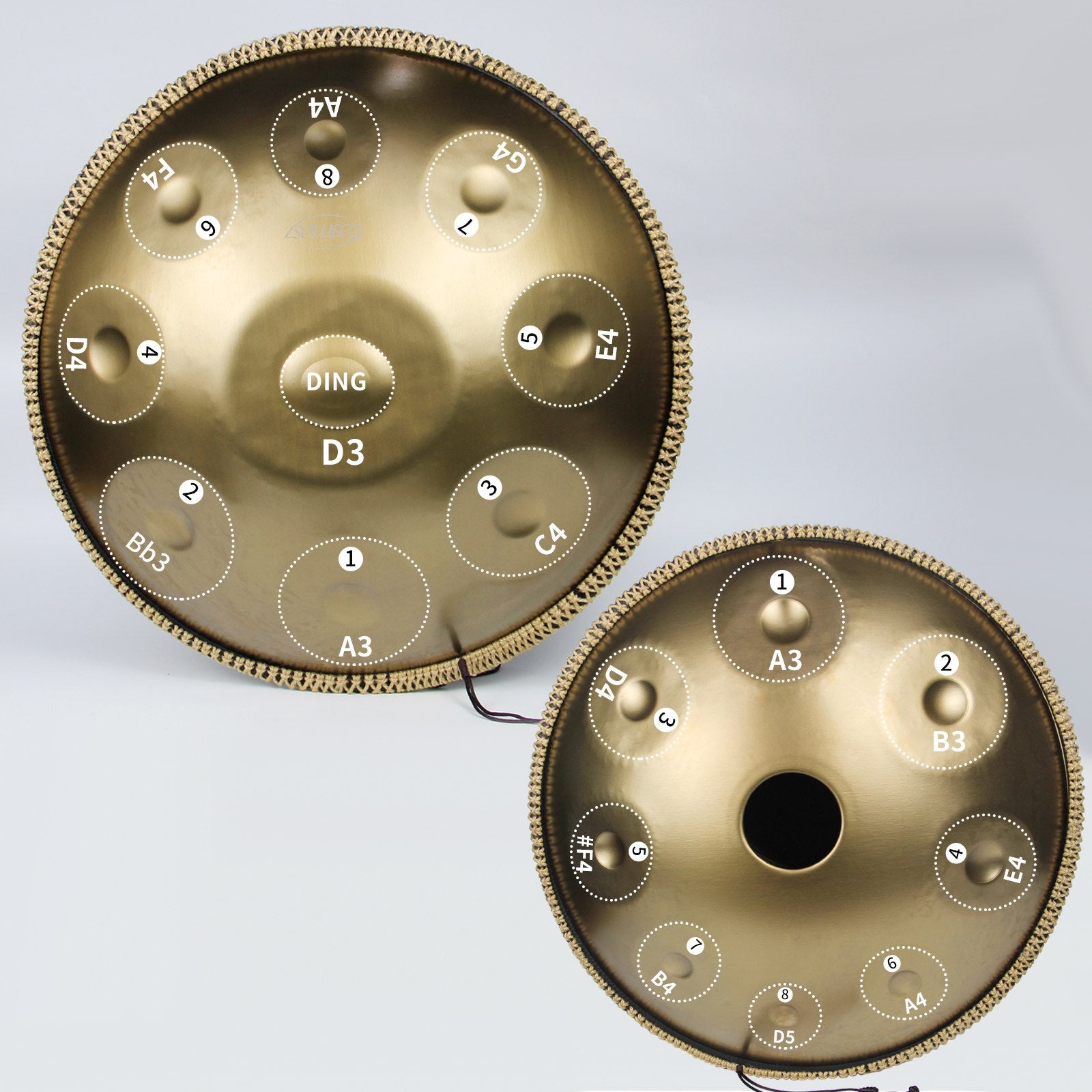
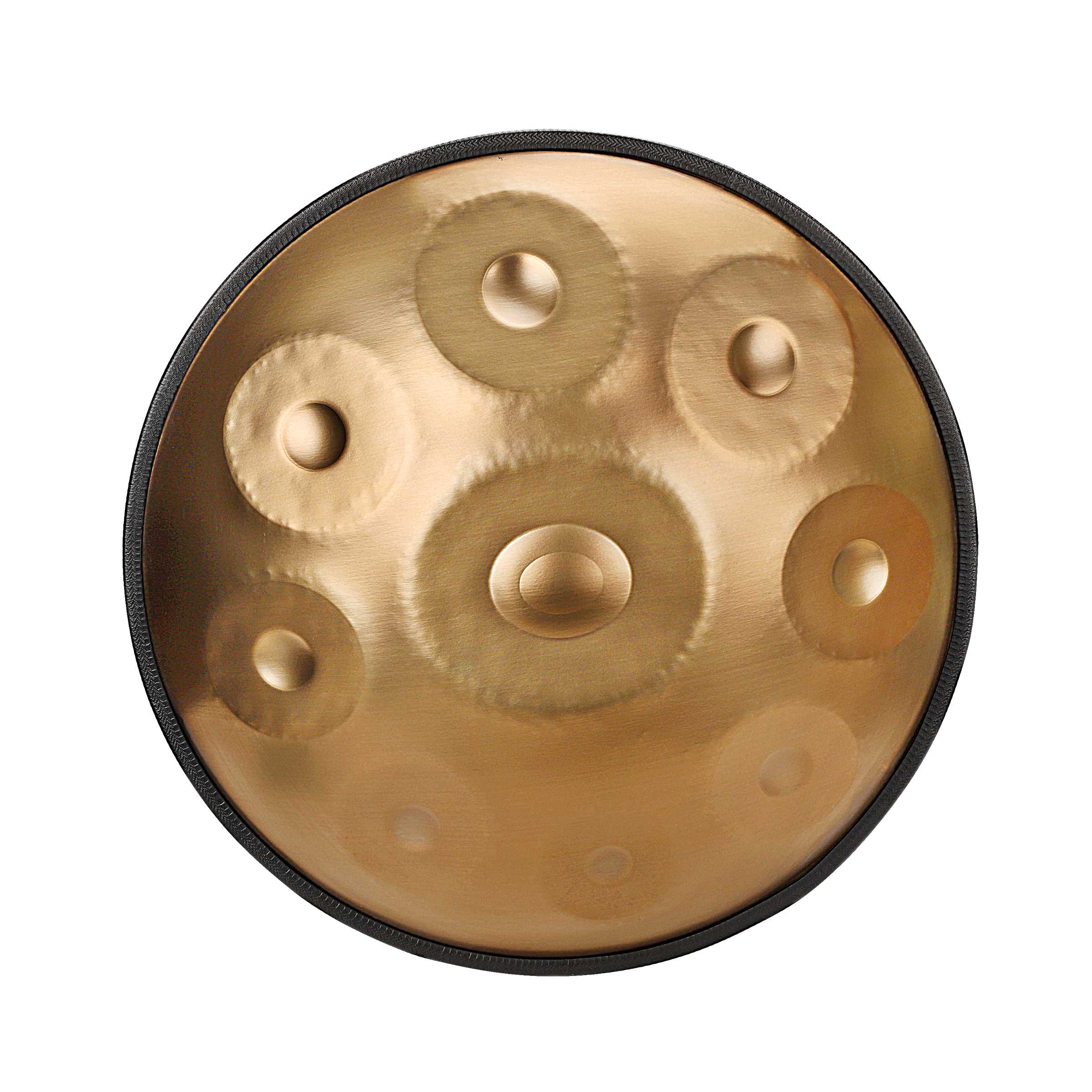
This is the classic layout. It features one central "Ding" (the lowest bass note) surrounded by a circle of 7 to 9 tone fields on the top shell. This is the optimal layout for 95% of players. It is intuitive, acoustically balanced, and minimizes "crosstalk" (where striking one note accidentally activates another).
2. The Mutant Handpan (11 to 20+ Notes)
As builders pushed the limits of the instrument, they began squeezing more notes onto the top shell and adding notes to the bottom hemisphere (the Gu side). These "mutants" allow composers to access multiple octaves and play complex, chromatic music. However, they are incredibly difficult to tune, highly prone to sympathetic resonance issues, and require the player to constantly flip the instrument or contort their wrists to reach bottom notes.
Benefits of Selecting the Right Type
The commercial and practical benefit of understanding the different types of handpans is immediate musical gratification. When you pair your playing style with the correct metallurgy, the instrument does the work for you. Furthermore, selecting the right scale—often guided by exploring how many notes should a handpan have—ensures you do not outgrow the instrument within the first year of practice.
Limitations of Specialized Pans
We must use commercial and practical judgment: do not buy a 17-note mutant handpan if you are a beginner. The primary limitation of complex handpans is acoustic crowding. When you pack 17 notes onto a standard handpan size (usually 21 inches in diameter), the tone fields are physically smaller. They require pinpoint accuracy to strike cleanly. If you miss the center of the note by half an inch, you will produce a dull thud instead of a resonant tone.
Who Should Use Which Type
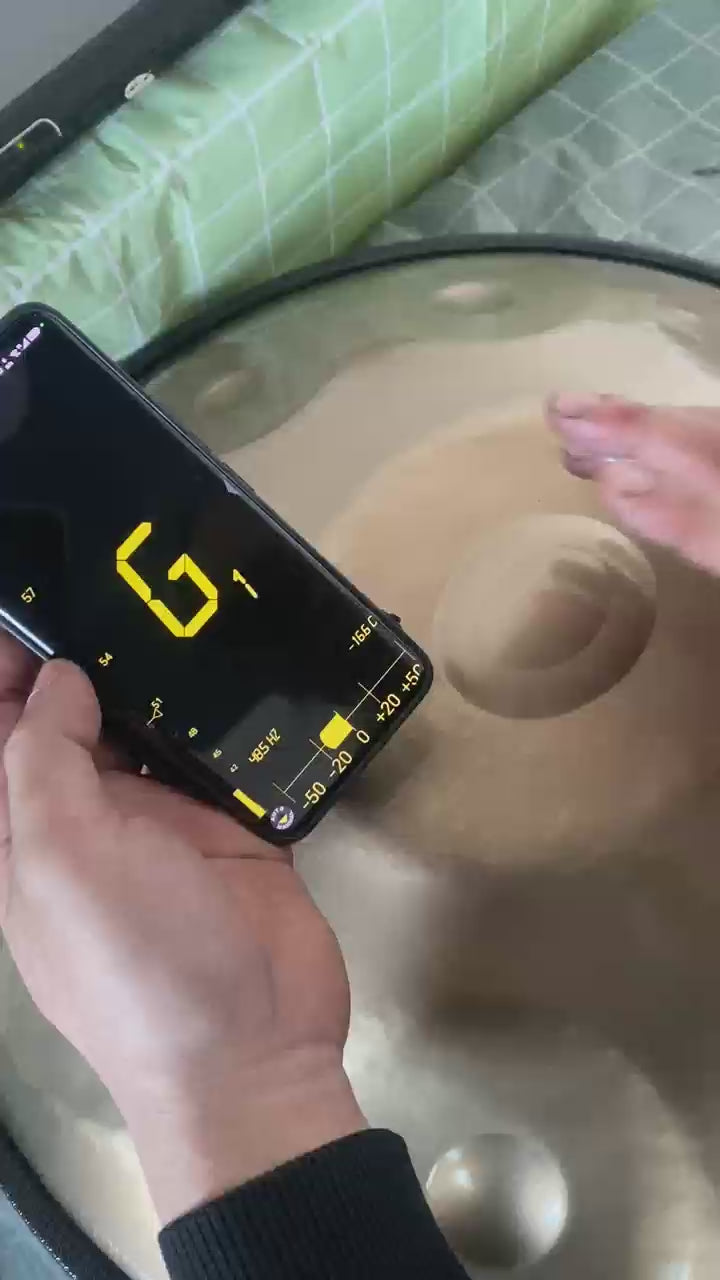
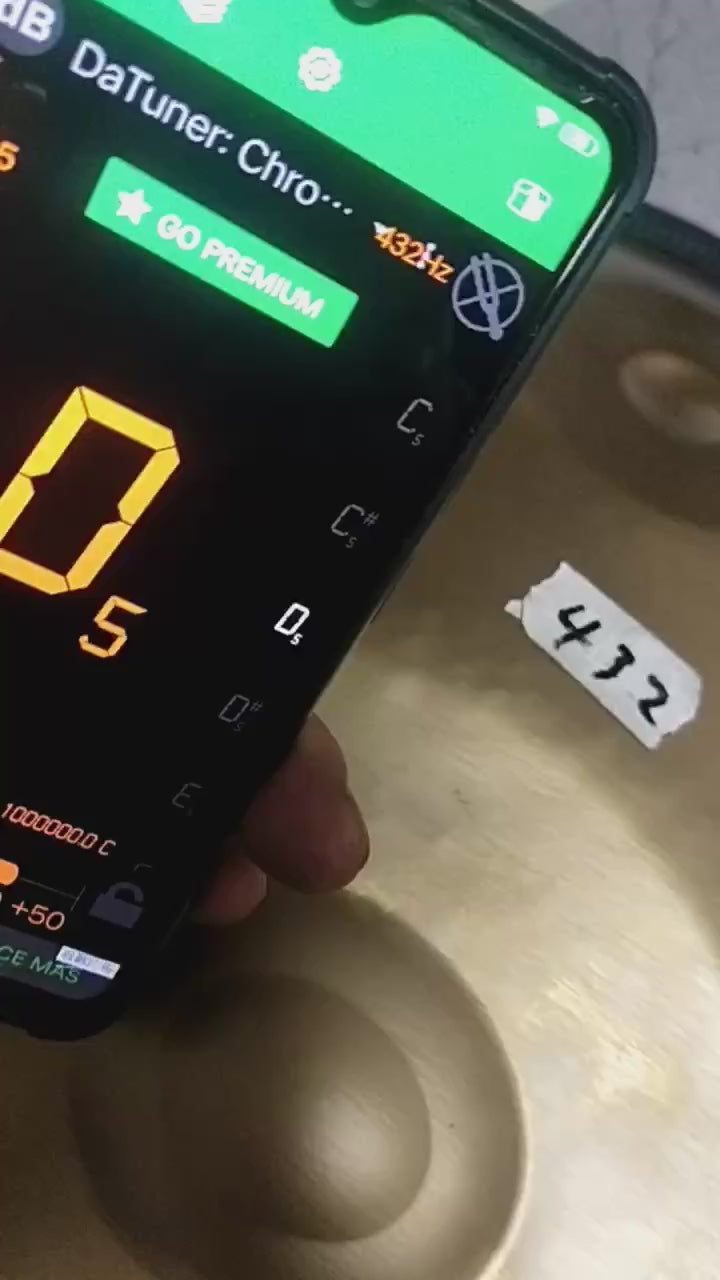
For Commercial Users and Sound Healers: Yoga instructors, ambient musicians, and therapists must use Stainless Steel handpans. The long, bright sustain is mandatory for creating immersive soundscapes. You should also consider investigating a 432 hz handpan guide, as many alternative therapy clients specifically request this tuning frequency.
For Beginners: You need a 9-note Stainless Steel handpan in a minor scale (like D Minor or C# Kurd). Check our guide on the best handpan for beginners. It offers the most intuitive layout, requires zero rust maintenance, and provides instant, beautiful resonance.
Who Does Not Need Advanced Mutants
If you are not a classically trained percussionist or a professional composer, you do not need a bottom-note mutant handpan. The learning curve is brutal. Instead of relaxing into a meditative flow, you will spend your practice sessions frustrated, trying to remember where the hidden notes are located on the underside of the shell.
Common Procurement Mistakes
From our experience, the most catastrophic mistake buyers make is hunting for the absolute cheapest instrument on mass e-commerce sites without understanding metallurgy. If you explore cheap handpan options, you will find mass-produced factory pans made from inferior, untreated steel. These instruments are often out of tune upon arrival, possess harsh, metallic overtones, and will rust within months. A handpan is a precision acoustic sculpture; if the price seems too good to be true, the tuning is certainly flawed.
Expert Buying Considerations
When evaluating the different types of handpans, you must assess your environment. If you live in a coastal city with high humidity, or if you intend to busk outdoors frequently, buying a Nitrided pan is a liability. Salt air will destroy it unless you oil it religiously. Furthermore, you must understand your budget. Reviewing a comprehensive how much does a handpan cost guide will reveal that premium stainless steel instruments require a legitimate investment, but they hold their resale value exceptionally well.
Summary and Comparison Tables
Comparison Table: Nitrided vs. Stainless vs. Ember Steel
| Material Type | Sustain Length | Timbre (Tone Quality) | Rust Resistance | Best Playing Style |
|---|---|---|---|---|
| Nitrided Steel | Short to Medium | Earthy, Ceramic, Muted | Low (Requires heavy oiling) | Fast, percussive, rhythmic |
| Stainless Steel | Very Long | Bright, Ethereal, Singing | Very High (Low maintenance) | Slow, ambient, sound healing |
| Ember Steel | Medium to Long | Warm, Dynamic, Rich | High | Versatile (both fast and slow) |
Pros and Cons of Mutant (Bottom Note) Handpans
| Pros (Why advanced players use them) | Cons (Why beginners should avoid them) |
|---|---|
| Massive range; allows for complex chromatic compositions. | Extremely high purchase price due to complex tuning labor. |
| Eliminates the need to carry two separate handpans to a gig. | High risk of sympathetic resonance (note interference). |
| Provides access to lower bass frequencies on the bottom shell. | Ergonomically difficult; requires unnatural wrist angles to play. |
Expert Recommendation & Hardware Spotlight
Are the expensive, specialized different types of handpans actually worth buying? If you are a professional musician pushing the boundaries of acoustic composition, yes. However, for 95% of the population looking to experience the profound, relaxing joy of this instrument, standardizing your approach is the key to success. We recommend bypassing complex mutants and delicate nitrided shells. Invest in a high-quality, 9-note stainless steel instrument. It will survive your environment, sing beautifully under the lightest touch, and provide a lifetime of musical exploration.

If you are still unsure about which specific maker to trust, cross-reference your choices with our curated list of the best handpan brands to ensure you are buying from a verified, acoustically sound forge.
Frequently Asked Questions
Which of the different types of handpans is best for beginners?
For beginners, we highly recommend a 9-note Stainless Steel handpan in a Minor scale (such as D Minor). Stainless steel is exceptionally forgiving, highly rust-resistant, and provides a beautiful, long sustain that makes slow, initial practice sessions sound incredibly rewarding without requiring advanced percussive techniques.
Do the different types of handpans require different maintenance?
Absolutely. Nitrided steel handpans require frequent oiling (every 2-4 weeks with products like Froglube or Phoenix Oil) to prevent rapid rusting, especially in humid environments. Stainless steel handpans are highly resistant to oxidation and require minimal maintenance, making them ideal for coastal living or frequent travel. You simply wipe them down with a microfiber cloth.
Why are mutant handpans more expensive?
Mutant handpans feature notes on both the top and bottom shells, sometimes totaling up to 20 notes on a single instrument. The tuning process for these different types of handpans is exponentially more difficult because striking a top note can negatively activate a bottom note (sympathetic resonance). The high price reflects the extreme labor, hammering, and mastery required by the tuner to isolate those frequencies.
What is the difference between a Handpan and a Tongue Drum?
While often confused, they are entirely different instruments. A handpan produces sound through hammered, tensioned membranes (tone fields) on thin sheet metal, creating a rich, multi-harmonic resonance. A steel tongue drum produces sound through actual cuts (tongues) in a thicker, heavier metal cylinder. Tongue drums are much cheaper, virtually indestructible, but lack the acoustic depth and volume of a true handpan.
Industry References & Authoritative Acoustic Standards
To ensure our metallurgical and acoustic advice meets the highest scientific and musical standards, Cosmos Handpan references the following authoritative organizations:
- Acoustical Society of America (ASA): Peer-reviewed research and acoustic physics documentation detailing the non-linear dynamics, modal coupling, and harmonic tuning geometry of steel idiophones. Review ASA Acoustic Research
- Percussive Arts Society (PAS): The world's largest percussion organization, providing educational resources and historical documentation on the evolution of melodic steel instruments globally. Review PAS Educational Guidelines
- ASTM International: The global standards organization defining the precise chemical composition, hardening processes, and corrosion resistance metrics for the stainless and low-carbon steels utilized in modern handpan fabrication. Review ASTM Steel Standards