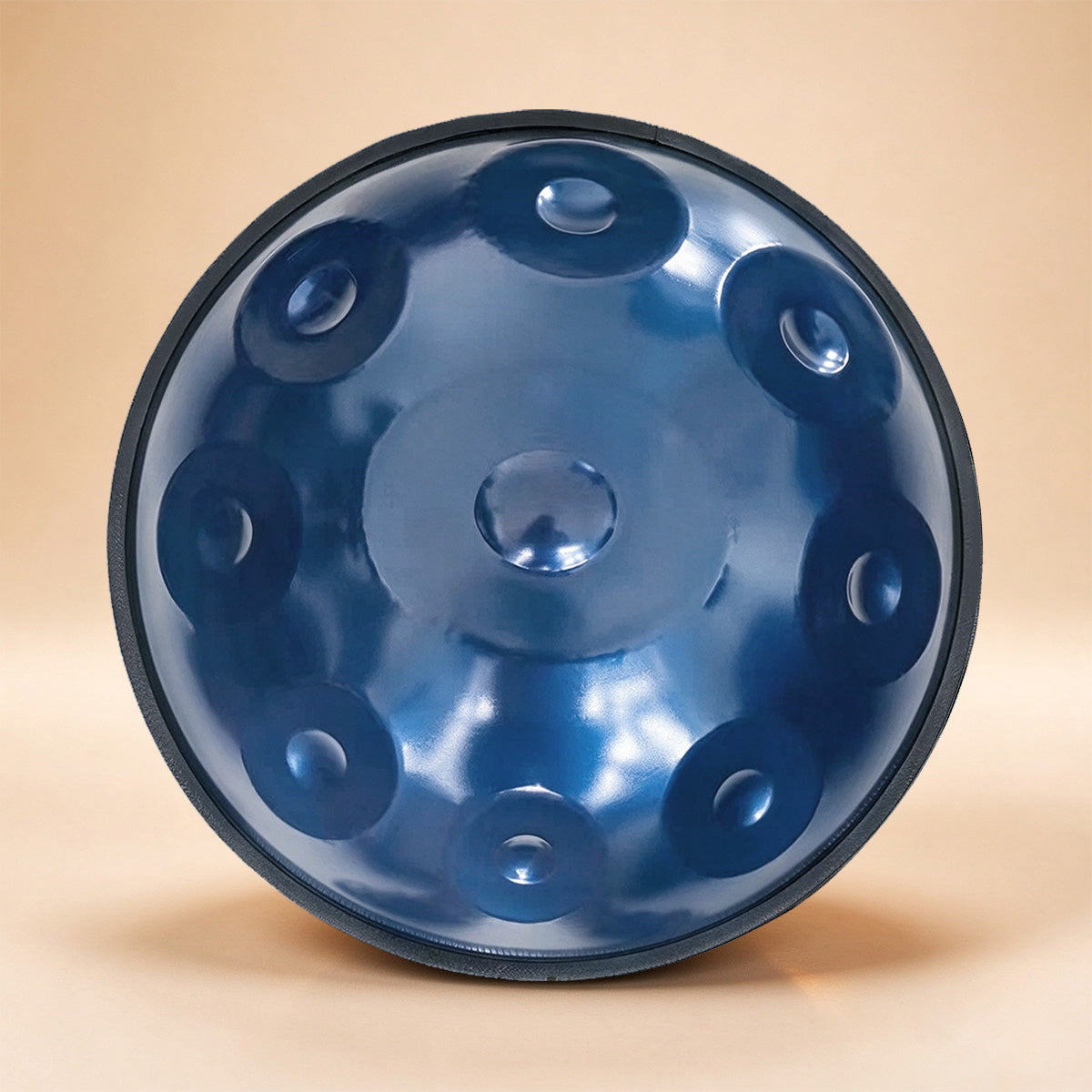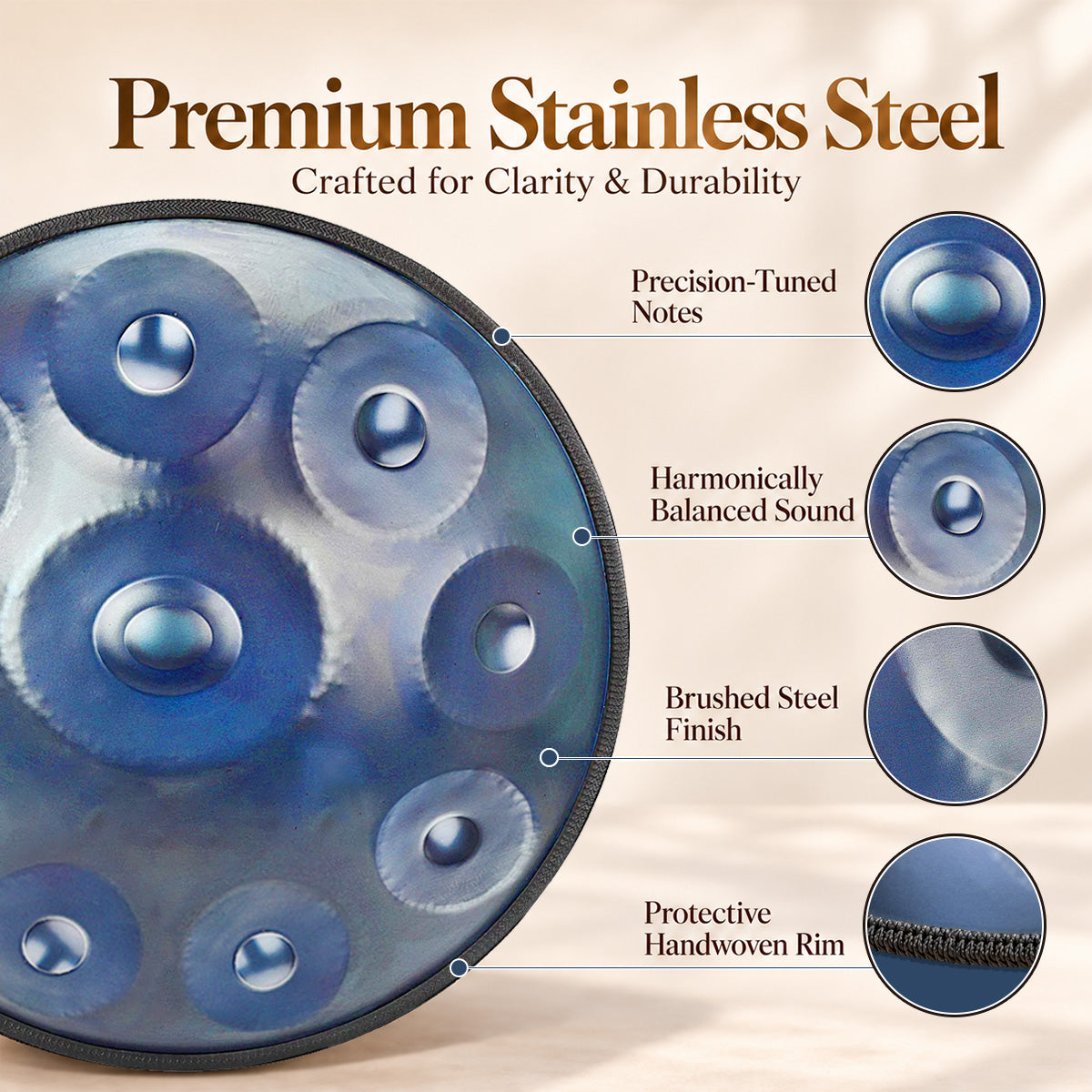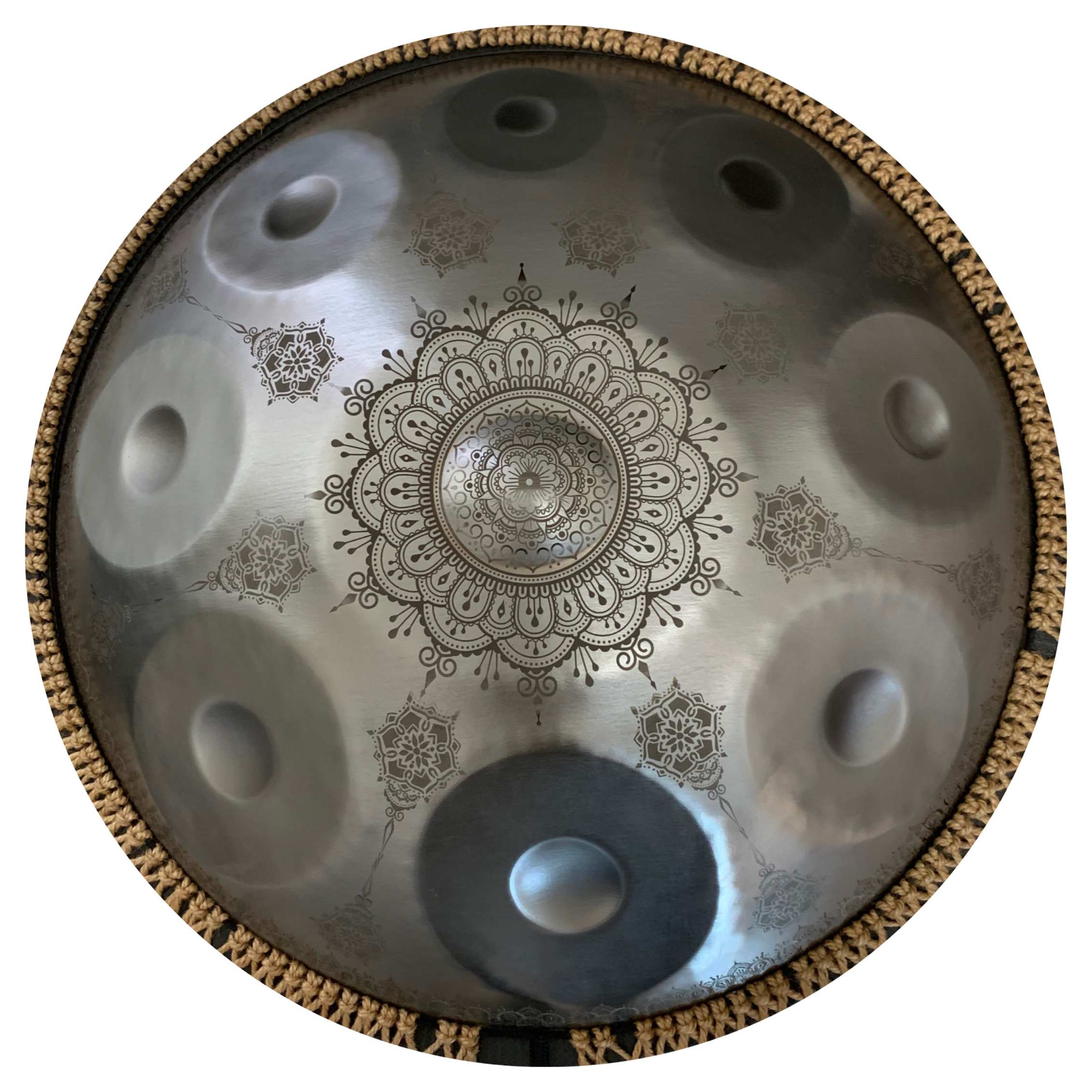
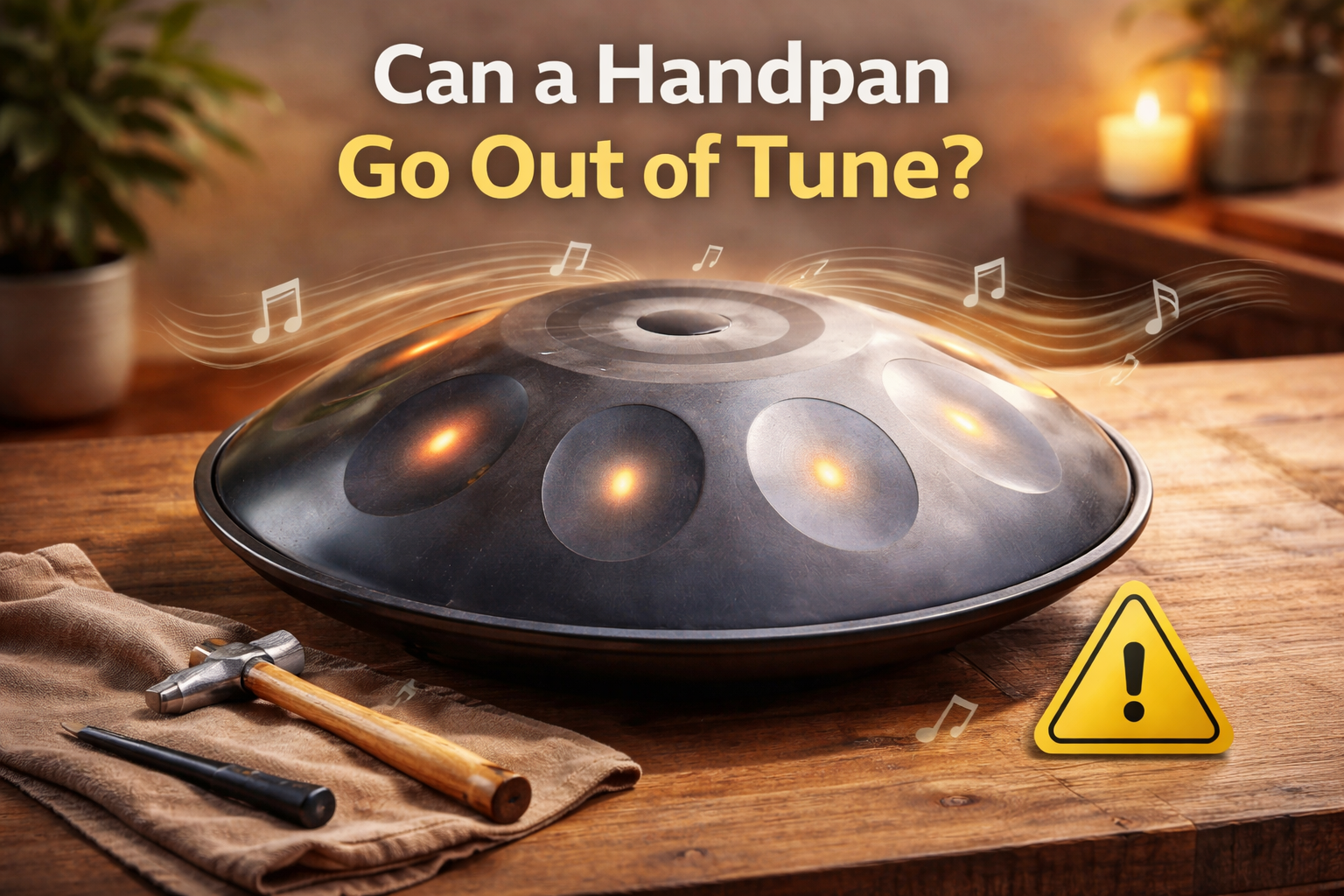
As you embark on your musical journey into the ethereal world of acoustic steel instruments, one of the most critical questions you will inevitably ask is: Can a handpan go out of tune? It is a highly valid concern. These mesmerizing, UFO-shaped sculptures represent a significant investment of both passion and finances, and understanding their long-term acoustic stability is essential for any modern player.

At Cosmos Handpan, we are a leading brand committed to creating high-quality handpans for professional and beginner musicians. From our experience deeply immersed in the metallurgy and acoustics of these instruments, we can definitively state that the answer to Can a handpan go out of tune is yes. Like any physical acoustic instrument that relies on tension—from the grand piano to the acoustic guitar—the molecular structure of the steel is subject to the laws of physics. However, with expert craftsmanship and proper preventative care, this natural detuning process can be managed and significantly delayed.
Every instrument we produce undergoes rigorous inspection to guarantee superior sound and playability. Our 2026 lineup offers a perfect balance of affordability and artisanal quality, ensuring that the decent handpan cost remains accessible without compromising on the cosmic resonance the brand is known for. In this comprehensive, professional guide, we will explore the science behind why instruments drift from their original pitch, how to identify when it happens, and the specific steps we recommend to maintain your instrument's perfect harmony for years to come.
Table of Contents
- 1. Summary Table: Detuning Factors and Solutions
- 2. The Science of Steel: Can a handpan go out of tune?
- 3. 5 Primary Reasons Your Instrument Loses Its Tuning
- 4. How to Check if Your Instrument Needs Retuning
- 5. Choosing the Right Instrument to Minimize Detuning
- 6. Preventative Care: How to Maintain Tuning Stability
- 7. Frequently Asked Questions (FAQs)
- 8. Industry References
1. Summary Table: Detuning Factors and Solutions
To provide you with an immediate overview of what affects your instrument's pitch, we have compiled a quick-reference summary table outlining the primary factors that answer why Can a handpan go out of tune, alongside actionable preventative measures.
| Detuning Factor | Impact on the Instrument | Recommended Preventative Action |
|---|---|---|
| Extreme Temperatures | Causes the metal to expand or contract, temporarily or permanently altering pitch. | Never leave the instrument in a hot car or play in direct, intense sunlight. |
| Heavy-Handed Playing | Physically warps the architecture of the tone fields over time. | Use a light, bouncy fingertip technique; avoid mallets or palm strikes. |
| Physical Impact | Accidental drops create micro-dents that instantly ruin the harmonic alignment. | Store in a hard-shell case during transport; play sitting down or on a secure stand. |
| Moisture and Rust | Oxidation eats away the steel, thinning the metal and shifting the frequency. | Wipe down after every use with a microfiber cloth and apply specialized oil monthly. |
| Natural Aging | The metal's molecular lattice slowly relaxes, causing a natural pitch drift over 3-5 years. | Invest in a high-quality brand that stress-tests their steel; seek professional retuning every few years. |
2. The Science of Steel: Can a handpan go out of tune?
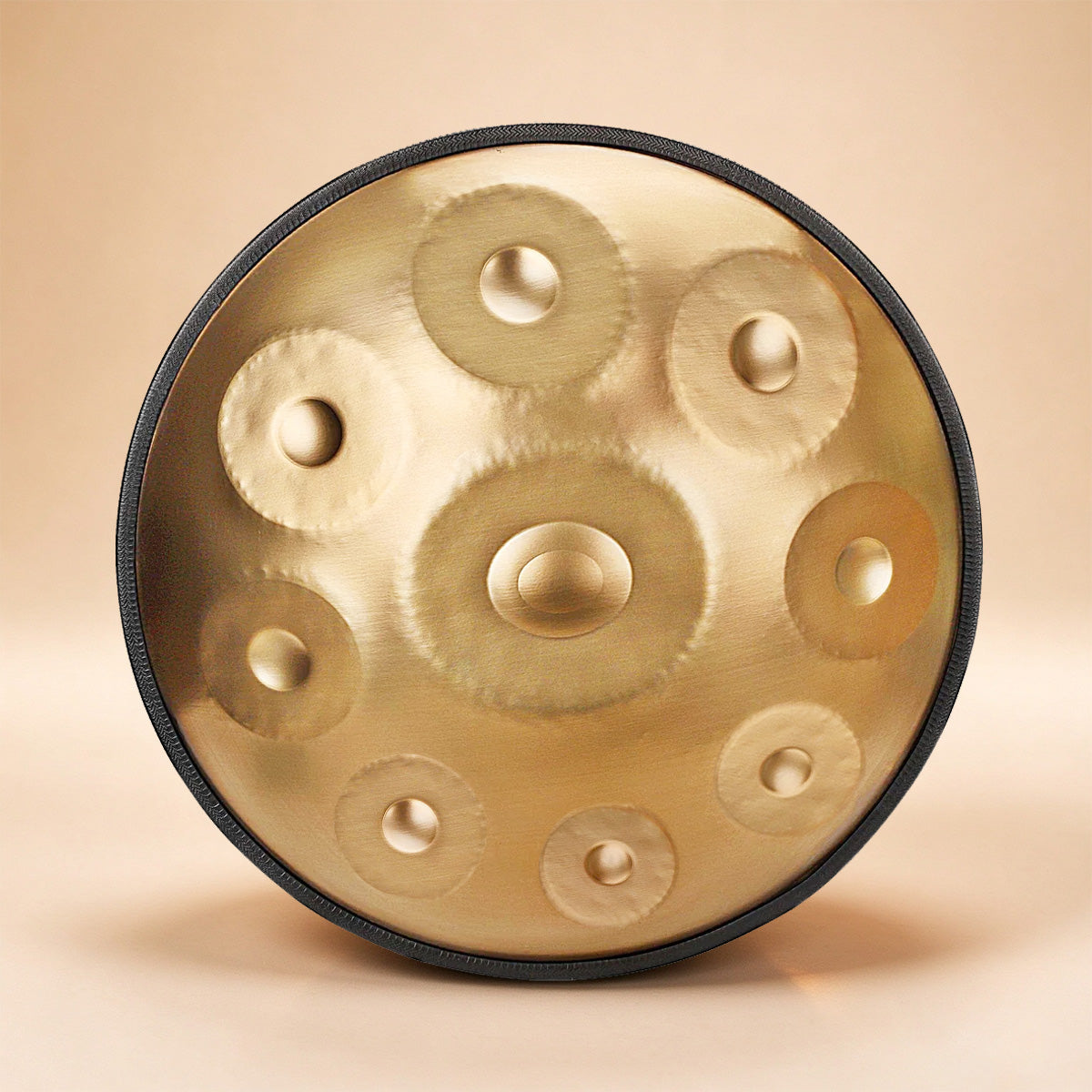
To truly understand the question, Can a handpan go out of tune, we must look at the microscopic architecture of the steel. A single note field on this instrument is not just a flat piece of metal; it is a meticulously sculpted, oval-shaped dome that holds immense mechanical stress. When a master tuner builds an instrument, they strike the steel with a hammer thousands of times, stretching and compressing the molecular lattice to align three distinct frequencies within one dimple: the fundamental tone, the octave, and the compound fifth.
This precise alignment is held together entirely by the internal tension of the steel. Can a handpan go out of tune simply by existing? Yes. Over a long period, metal naturally seeks to relax and release this built-up tension. As the molecules shift to a more relaxed state, the frequencies begin to drift, causing the note to sound dull, metallic, or dissonant. High-quality makers combat this by putting the shells through multiple cycles of intense heat treatment (annealing) during the building process to relieve unwanted stress before the final tuning. This is why premium instruments maintain their pitch significantly longer than mass-produced replicas.
3. 5 Primary Reasons Your Instrument Loses Its Tuning
While natural aging plays a role, human interaction and environmental factors are usually the primary culprits. When customers ask us, Can a handpan go out of tune quickly, we point to these five specific triggers.
Extreme Temperature Fluctuations
Metal naturally expands when heated and contracts when cooled. If you leave your instrument in the trunk of a car on a hot summer day, the steel will reach temperatures that cause the note fields to expand. While the pitch often returns to normal once the instrument cools down, repeated exposure to extreme heat will permanently warp the metal, leading to a flat pitch. We recommend always keeping your instrument at a stable room temperature.
Aggressive Playing Style
Many beginners transition from playing the djembe or congas and bring a heavy-handed technique with them. The instrument is designed to be played with a light, bouncy touch from the fingertips. Striking the notes with excessive force physically pushes the metal out of its tensioned state. Can a handpan go out of tune from hitting it too hard? Absolutely. The central Ding, which often takes the brunt of the kinetic energy, is usually the first to drift if played too aggressively.
Physical Impact and Accidents
This is the most immediate cause of detuning. A drop from even a few inches onto a hard surface can create a micro-dent. Because the entire shell relies on a delicate balance of tension, a dent anywhere on the surface can disrupt the harmonic alignment of the surrounding notes. Always handle the instrument with extreme care.
Natural Settling of the Metal
Even if you treat your instrument flawlessly, you might still wonder, Can a handpan go out of tune over time? The answer is yes. Over a period of three to five years, the metal will naturally settle into its most relaxed state. This unavoidable natural detuning simply means the instrument is ready for a professional touch-up, often referred to as a "sweetening."
Rust and Corrosion
Rust is not merely an aesthetic issue; it is a structural one. Oxidation chemically eats away at the thickness of the steel. Because the specific pitch of a note is strictly determined by the thickness and tension of the metal, a rusted note field will slowly lose its clarity and drift in frequency. Maintaining a strict cleaning routine is vital.
4. How to Check if Your Instrument Needs Retuning
If you suspect your instrument is no longer singing as sweetly as it once did, there are professional ways to confirm your suspicions without relying solely on a trained musical ear.
First, we recommend using a high-accuracy strobe tuner application, such as Linotune, on your smartphone. Strike a single note gently and observe the display. The measurement unit for pitch accuracy is "cents." Generally, an instrument is considered in tune if it is within a 5 to 10 cent tolerance of the target frequency. If the reading hovers 20 or 30 cents sharp or flat, it requires professional maintenance.
Secondly, perform the interference test, commonly known as the "wobble" test. When a note is perfectly tuned, the fundamental, octave, and fifth ring together to create a smooth, clear sustain. If the note is drifting, these overtones fall out of phase with one another, creating a rhythmic pulsing, beating, or "wah-wah" sound. If you hear this distinct wobble, the answer to Can a handpan go out of tune is playing right in your ears.
5. Choosing the Right Instrument to Minimize Detuning

The manufacturing quality directly dictates how long the tuning holds. At Cosmos Handpan, our 2026 lineup is engineered with proprietary heat treatments and premium steel alloys designed specifically to resist detuning. When you wonder Can a handpan go out of tune, investing in the right model is your first line of defense.
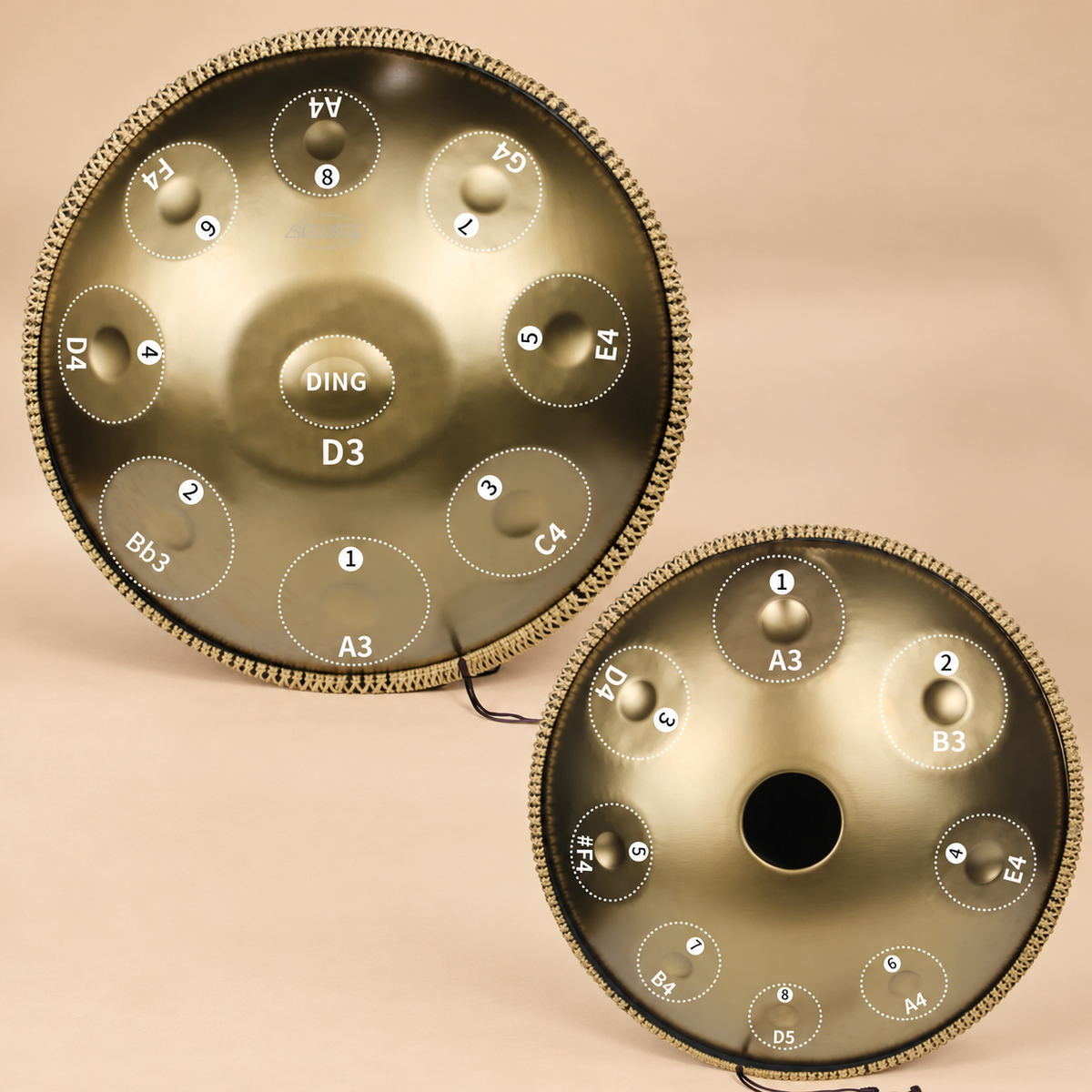
For those just beginning their journey, we highly recommend our Handpan for Beginners, which is specially tuned for ease of play, rapid learning, and exceptional durability. If you prefer a traditional scale, the 9 Notes Handpan is perfect for focused, melodic exploration and beginner-friendly performance. As your skills advance, the 10 Notes Handpan offers a balanced standard for modern players seeking a versatile instrument, while the 12 Notes Handpan provides an expanded range for complex compositions and intermediate musicians.
For elite composers pushing the boundaries of acoustic performance, the 17 Notes Handpan is the ultimate professional instrument with an extended scale for advanced compositions. No matter your genre, our comprehensive Handpan Drum Instrument collection provides general-purpose, high-quality options for various music styles, ensuring that the cosmic resonance remains stable for years to come.
6. Preventative Care: How to Maintain Tuning Stability
From our experience, the best way to delay the inevitable need for a retune is through diligent preventative care. Treat your instrument with the reverence it deserves. After every single playing session, use a clean microfiber cloth to wipe down both the top and bottom shells. Human sweat contains salts and acids that immediately begin the oxidation process if left on the steel.
We recommend applying a specialized protective oil (such as Phoenix Oil or Froglube) once a month. This creates a microscopic barrier that prevents humidity from reaching the bare metal. Furthermore, never store your instrument inside its padded soft bag for extended periods. Soft bags trap ambient moisture, acting like a greenhouse that accelerates rusting. Instead, store it outside the bag in a dry, room-temperature environment, preferably resting safely on a dedicated wooden stand.