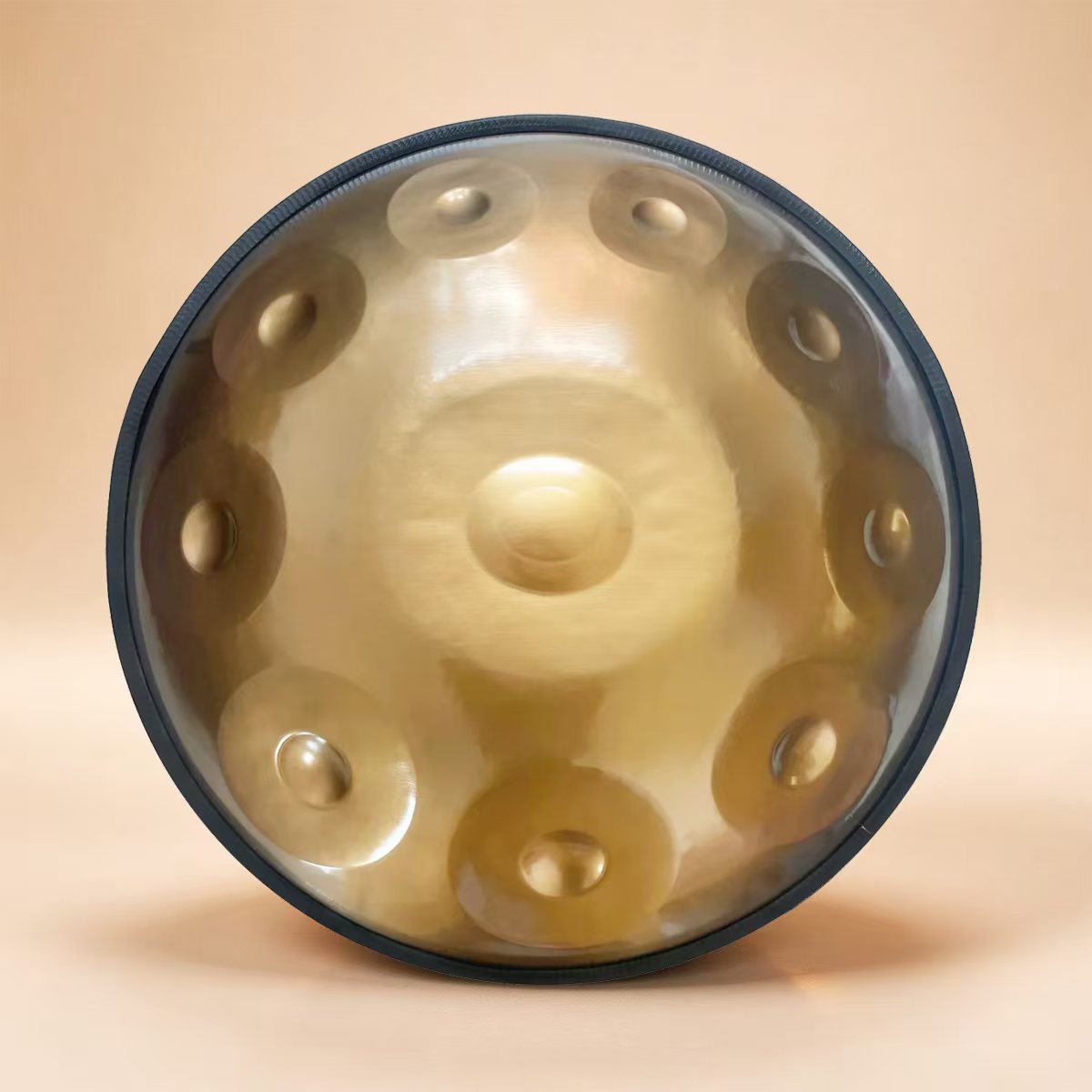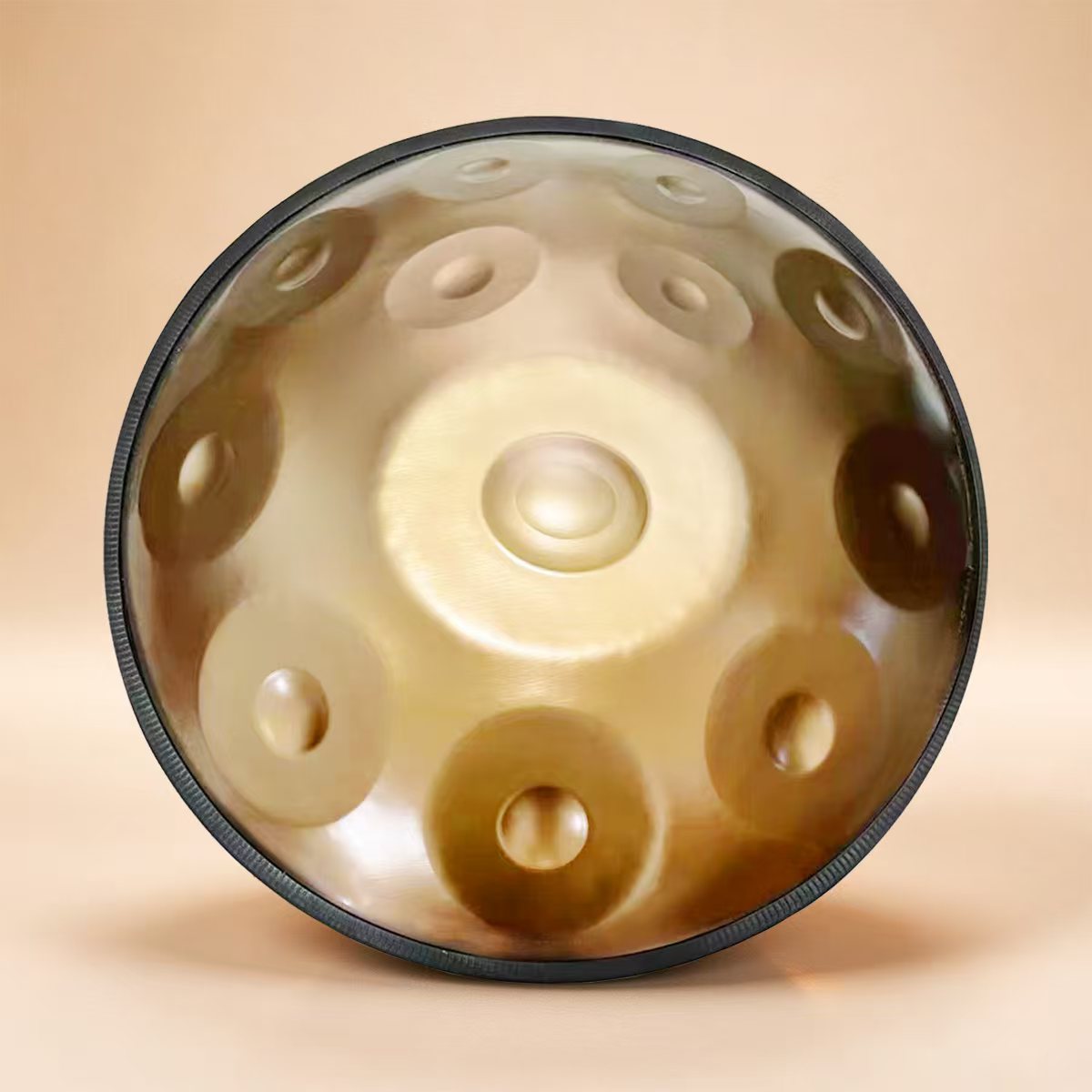

As senior acousticians and master tuners at Cosmos Handpan, we field countless inquiries from enthusiasts, ethnomusicologists, and professional percussionists regarding the genesis of our beloved instrument. To truly appreciate the cosmic resonance and meticulous craftsmanship of modern handpans, one must thoroughly understand the Hang instrument origin. The story of this mesmerizing sonic sculpture is a fascinating intersection of Caribbean steelpan traditions, European metallurgical engineering, and an intuitive quest for acoustic perfection.

The Hang instrument origin is not merely a historical footnote; it is the absolute foundation upon which the entire contemporary handpan industry is built. From our experience, players who understand the acoustic lineage of their instruments develop a far deeper, more expressive connection to the metal. In this authoritative industry guide, we will trace the definitive Hang instrument origin, explore its evolution into the modern handpan, and demonstrate how Cosmos Handpan continues this legacy of rigorous inspection and high-quality acoustic art.
Table of Contents
- Summary Table: Timeline of the Hang Instrument Origin
- Tracing the Roots: The True Hang Instrument Origin
- The Acoustic Science Behind the Hang Instrument Origin
- The Evolution from Hang to Modern Handpans
- Cosmos Handpan: Continuing the Legacy in 2026
- Expert Tips: What We Recommend for Modern Players
- Frequently Asked Questions (FAQs)
- Industry References
Summary Table: Timeline of the Hang Instrument Origin
To provide a clear historical context, we have compiled an expert summary detailing the critical milestones associated with the Hang instrument origin and its subsequent evolution into the modern global handpan movement.
| Year | Milestone in the Hang Instrument Origin | Industry Impact |
|---|---|---|
| 2000 | Creation of the first prototype by Felix Rohner and Sabina Schärer in Bern, Switzerland. | The absolute beginning of the Hang instrument origin; birth of the convex steel instrument. |
| 2001 | Official unveiling at the Musikmesse Frankfurt. | Global introduction of the sound; immediate high demand from percussionists. |
| 2007 | Transition to the Integral Hang design. | Acoustic refinement; shift away from highly customizable scales to a standardized tuning paradigm. |
| 2013 | Original creators cease production of the Hang to focus on new instruments (Gubal). | Catalyzed the independent handpan maker movement to meet unmet global demand. |
| 2026 | Advanced metallurgical engineering by brands like Cosmos Handpan. | Unprecedented stability, extended scales, and rigorous inspection processes accessible to all. |
Tracing the Roots: The True Hang Instrument Origin
When examining the Hang instrument origin, we must look to the turn of the millennium in Bern, Switzerland. In the year 2000, two visionary steelpan makers, Felix Rohner and Sabina Schärer of the company PANArt, were presented with a unique challenge. A Swiss percussionist named Reto Weber visited their workshop with a Ghatam, a traditional South Indian clay pot drum. He asked if it was possible to combine the resonant, metallic tone of a Trinidadian steelpan with the hand-played, percussive ergonomics of the Ghatam. This specific request was the precise catalyst for the Hang instrument origin.
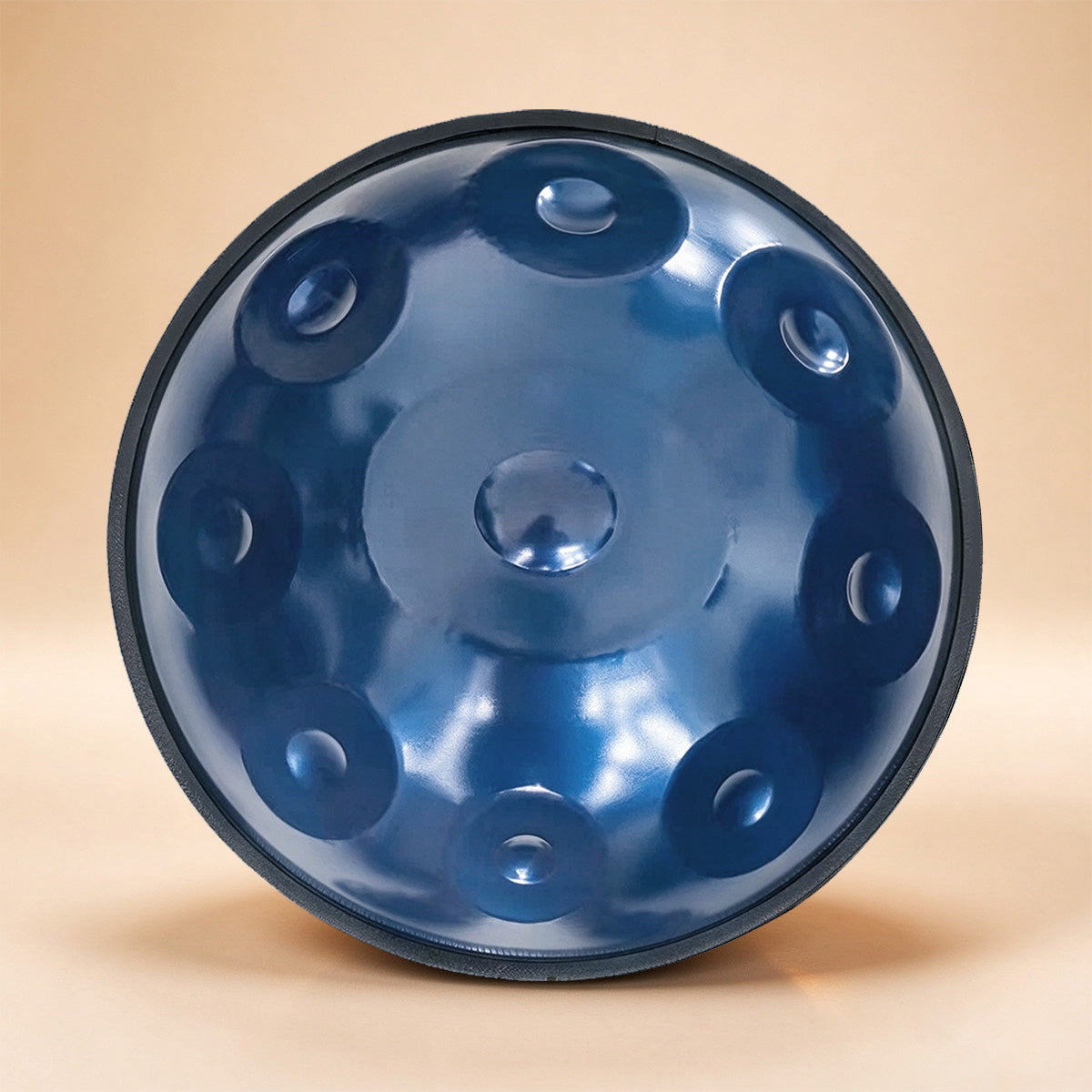
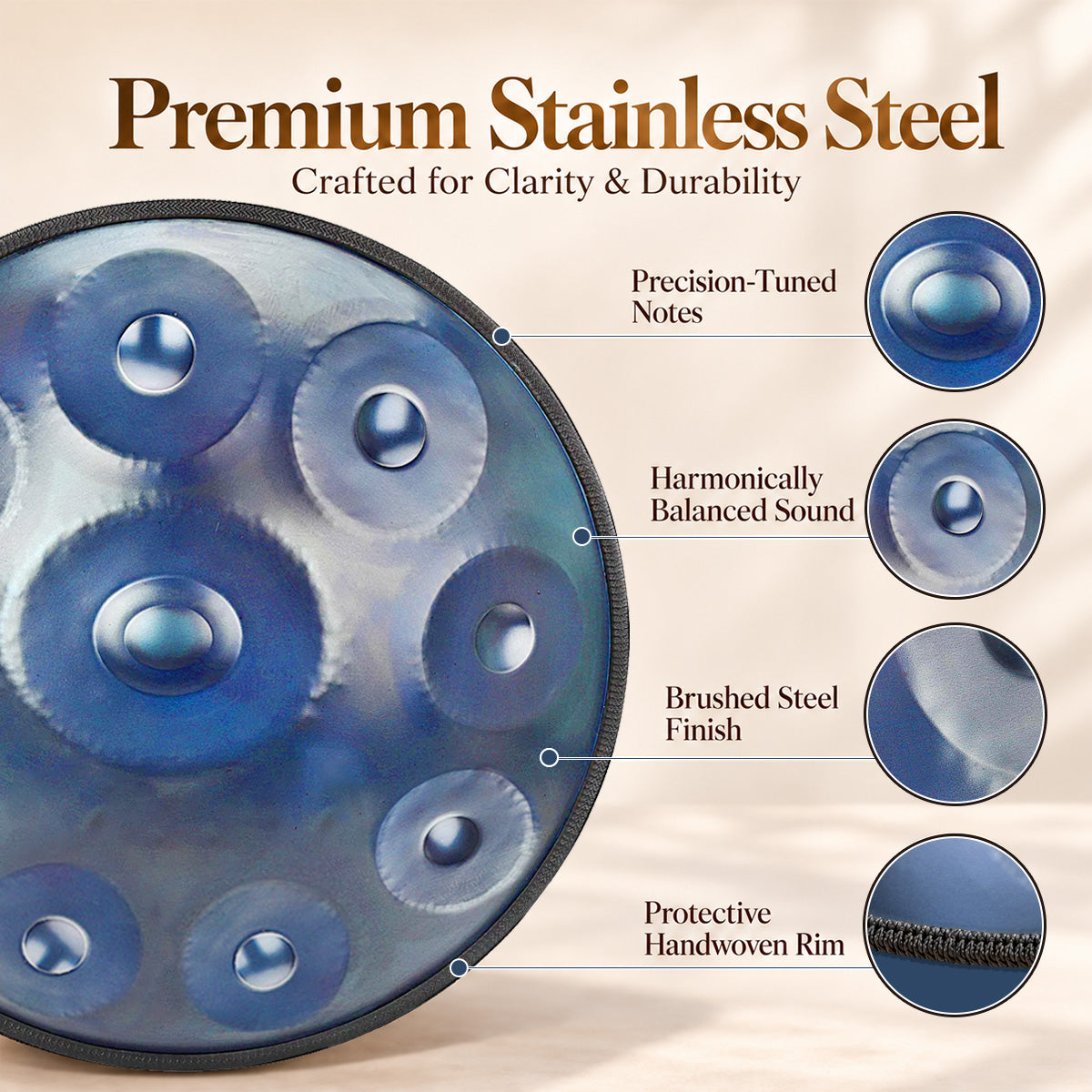
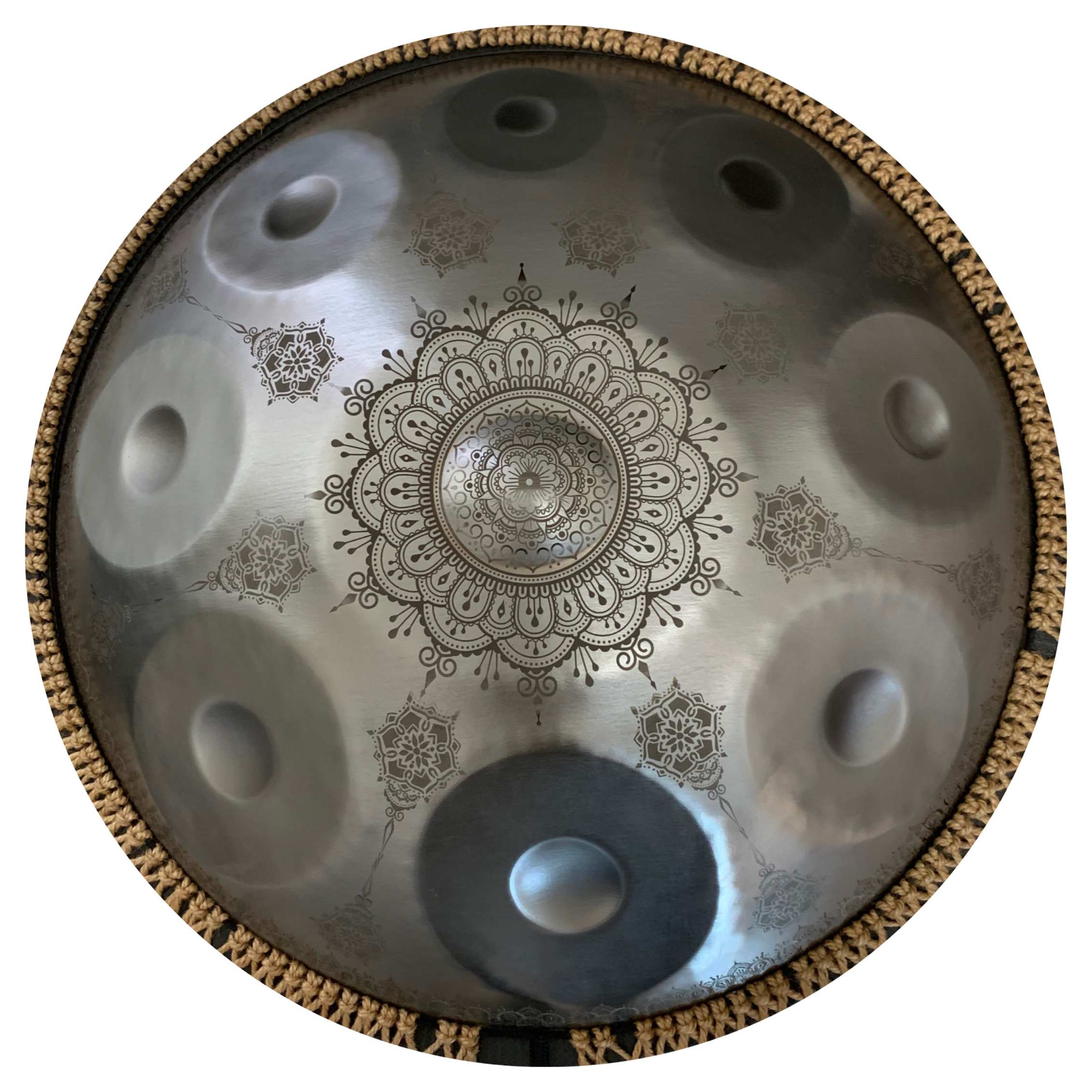
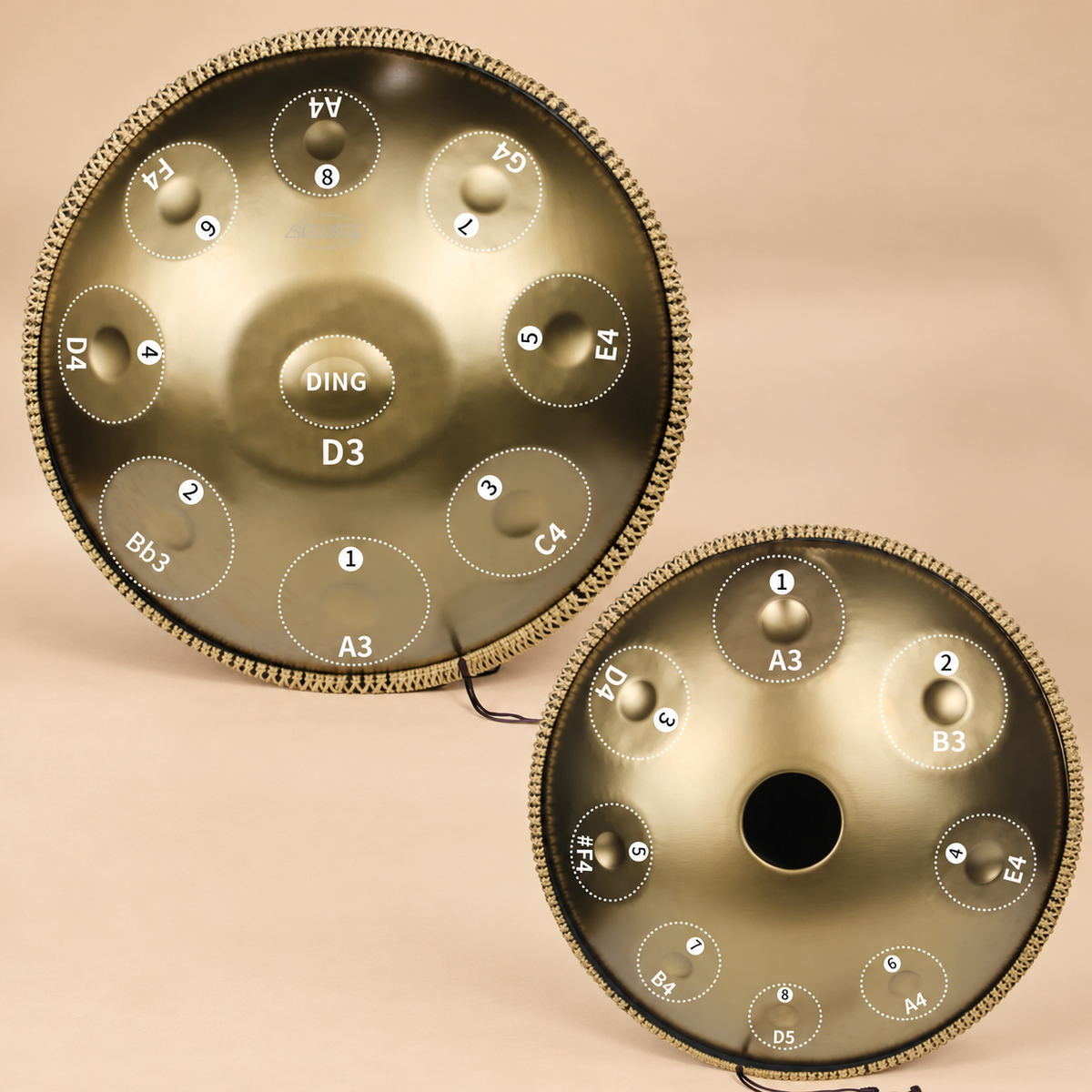
Rohner and Schärer utilized two deep-drawn, nitrided steel half-shells, bonding them together at the rim to form a lenticular, UFO-like shape. The top hemisphere, known as the Ding side, featured a central dome surrounded by a circle of tone fields. The bottom hemisphere, called the Gu side, contained a tuned central opening that operated on the principle of Helmholtz resonance. They named their creation the Hang, a word meaning hand in the Bernese German dialect. Thus, the Hang instrument origin was firmly established not as a drum to be struck with mallets, but as a sensitive acoustic entity to be activated by the human hand.
The Acoustic Science Behind the Hang Instrument Origin

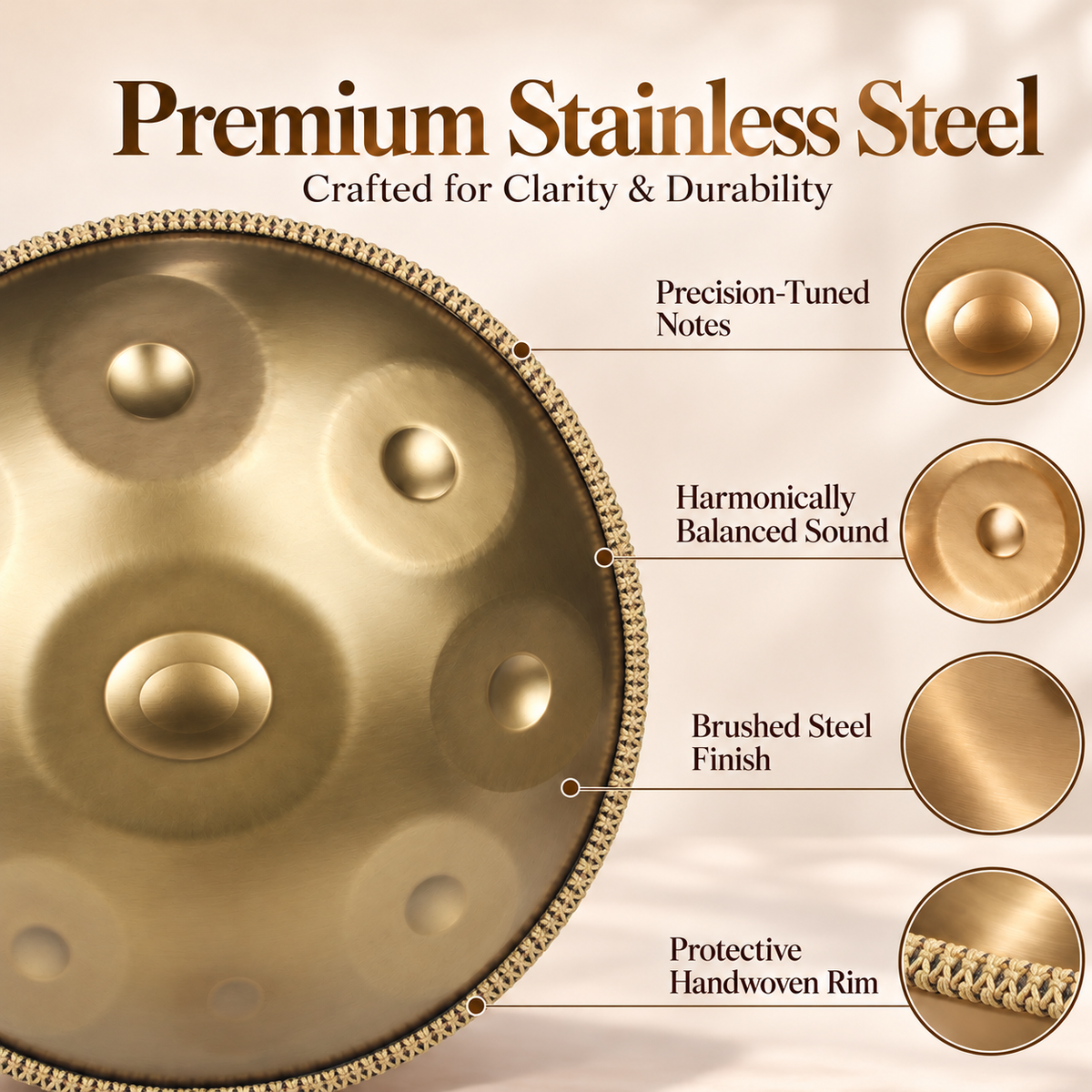
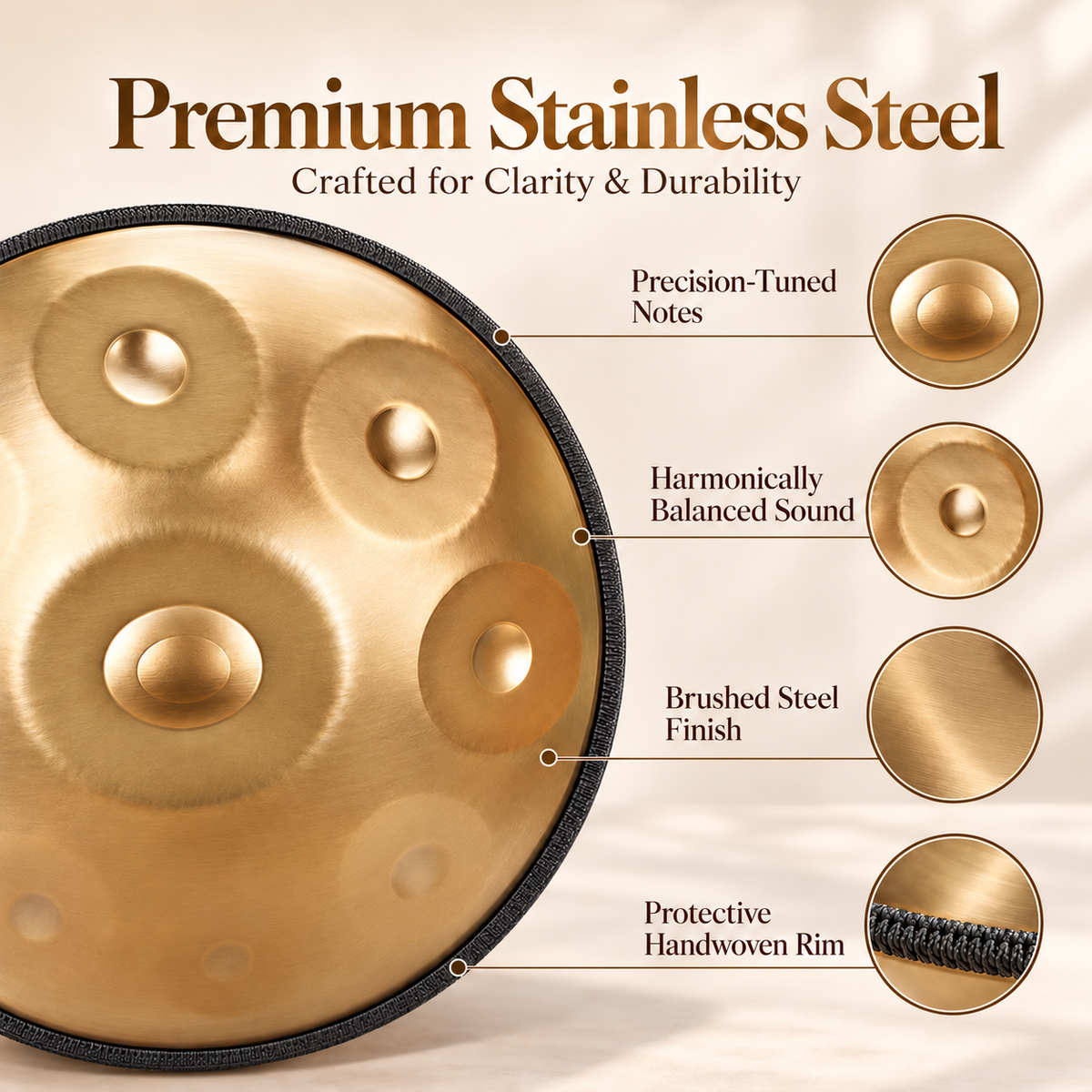
The ingenuity of the Hang instrument origin lies deeply in its metallurgy and acoustic architecture. The creators developed a proprietary gas-nitriding process, resulting in a material they called Pang. This nitrided steel was structurally stiffer than standard steel, which allowed the instrument to hold tuning exceptionally well while providing a warm, ceramic-like timbre. From our experience as manufacturers, this specific metallurgical choice during the early days of the Hang instrument origin forever changed how acoustic steel instruments are forged.
Every tone field on the instrument was hammered meticulously to contain three distinct frequencies: a fundamental tone, an octave overtone, and a compound fifth overtone. This triad of frequencies vibrating simultaneously is what gives the instrument its signature ethereal, chorus-like resonance. Understanding the acoustic physics of the Hang instrument origin is vital for modern builders; without this foundation of harmonic alignment, a steel shell is nothing more than a dissonant piece of metal.
The Evolution from Hang to Modern Handpans
Because the term Hang is a registered trademark of PANArt, the broader family of instruments that evolved from the Hang instrument origin became known collectively as handpans. Around 2013, the original creators ceased production of the Hang, choosing instead to focus on new acoustic concepts. This created a massive void in the market, as the global demand for these healing sounds had reached a fever pitch.
This period marks the second phase of the Hang instrument origin story: the proliferation of global artisans. Independent tuners and acoustic engineers began reverse-engineering the concepts born from the Hang instrument origin. Today, the modern handpan has transcended its initial blueprint. While early models were limited in notes and scale variations, modern engineering has unlocked incredible expanded capabilities.
Cosmos Handpan: Continuing the Legacy in 2026
At Cosmos Handpan, we honor the Hang instrument origin by pushing the boundaries of acoustic possibility. We are a leading brand committed to creating high-quality handpans for professional and beginner musicians. We understand that the original instruments were notoriously difficult and expensive to acquire. Our mission in 2026 is to ensure that a decent handpan cost remains accessible without compromising on the cosmic resonance the brand is known for.
Every instrument we forge undergoes rigorous inspection to guarantee superior sound and playability, reflecting the exact standards set during the early days of the Hang instrument origin. Our lineup is carefully structured to accommodate every stage of a musician's journey.
Selecting the Right Handpan Drum Instrument Today
By studying the Hang instrument origin, we recognized the need for diverse scale layouts. Our 2026 collection represents a perfect balance of affordability and artisanal quality.
| Cosmos Handpan Model | Acoustic Profile & Ideal Player |
|---|---|
| Handpan for Beginners | Specially tuned for ease of play and rapid learning. This eliminates dissonant notes, allowing new players to build confidence immediately. |
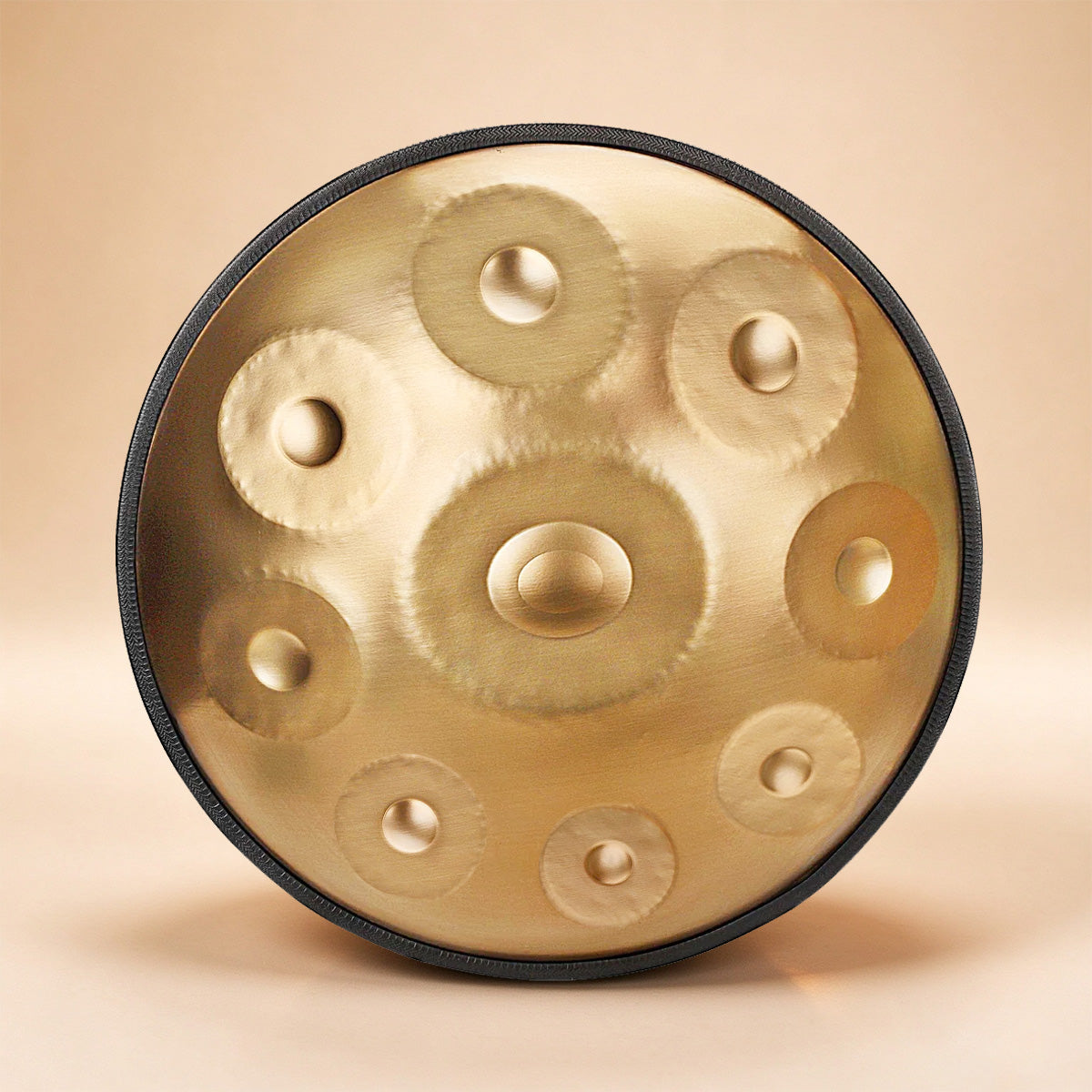
| 9 Notes Handpan | Perfect for focused, melodic exploration and beginner-friendly performance. This layout closely mirrors the classic simplicity of the Hang instrument origin. |
| 10 Notes Handpan | The balanced standard for modern players seeking a versatile instrument, offering a slightly wider emotional vocabulary without overwhelming the player. |
| 12 Notes Handpan | Offers an expanded range for complex compositions and intermediate musicians. Includes bottom notes for deep bass resonance. |
| 17 Notes Handpan | The ultimate professional instrument with an extended scale for advanced compositions. Represents the absolute pinnacle of modern tuning technology. |
| Handpan Drum Instrument | Our robust, general-purpose high-quality options tailored for various music styles, from meditative sound baths to upbeat busking. |
Expert Tips: What We Recommend for Modern Players

Based on decades of collective acoustic analysis regarding the Hang instrument origin and modern manufacturing, we offer the following expert recommendations to our clients:
- We recommend that absolute novices start with the 9 Notes Handpan or our dedicated Handpan for Beginners. The limited scale prevents acoustic clutter and allows the player to focus on developing the crucial finger-strike technique that was born from the Hang instrument origin.
- From our experience, players should not jump immediately to a 17 Notes Handpan unless they have a strong foundation in percussion. While magnificent, the proximity of the tone fields on extended-range instruments requires exceptional strike precision.
- Always prioritize instruments that explicitly advertise a rigorous inspection process. A visually beautiful shell means nothing if the central fundamental notes drift out of tune within months.
- Understand that a decent handpan cost reflects the intensive manual labor of tuning steel. Avoid ultra-cheap, mass-produced stamped replicas that disrespect the acoustic lineage of the Hang instrument origin, as they lack the harmonic overtones entirely.
Frequently Asked Questions (FAQs)
Industry References and Acoustic Literature
- Acoustical Society of America: The Physics of the Hang and Handpan Tone Fields.
- Cosmos Handpan Internal Metallurgical R&D Documentation, 2026 Edition.
- Ethnomusicology Journal: From Steelpan to Handpan - The Evolution of Convex Acoustic Sculptures.
- Global Percussion Standards: Maintaining Harmonic Integrity in Nitrided Steel Instruments.