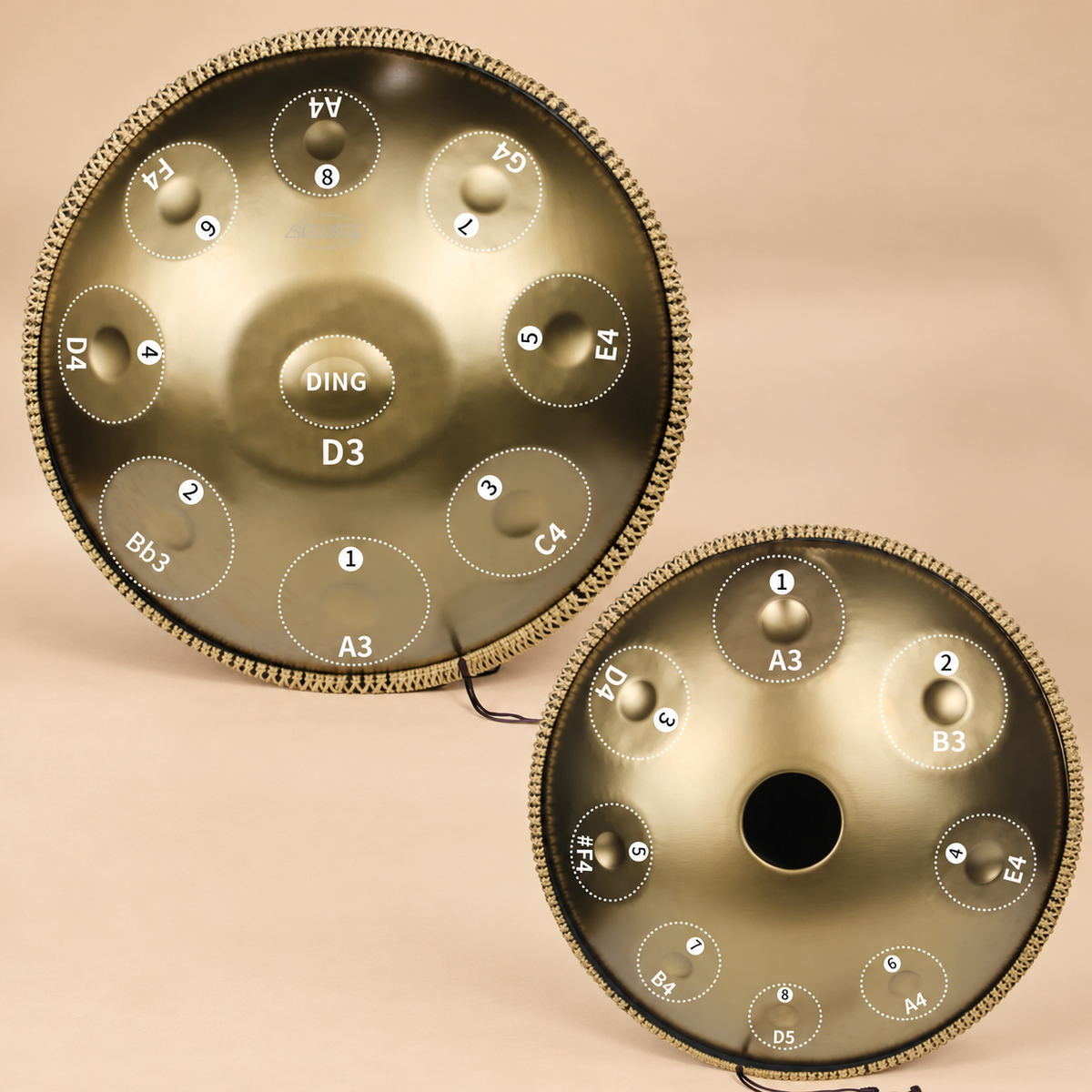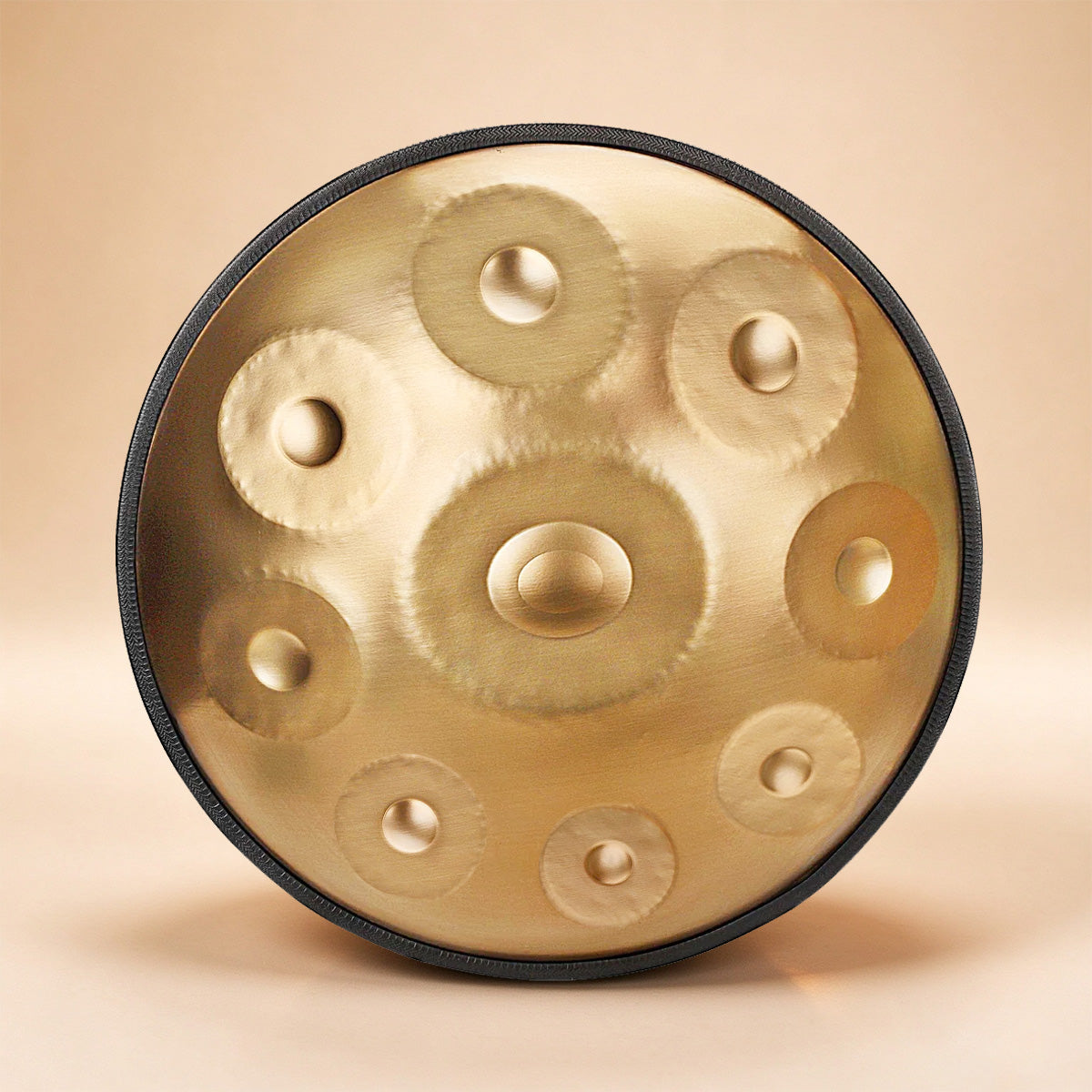
In the heart of Colorado, USA, Cosmos Handpan shines as a guiding light of musical innovation and soulful resonance. With more than a decade of expertise in creating handpans and tongue drums, our passion, precision, and unwavering pursuit of musical excellence steep our musical journey. We know firsthand that acquiring one of these ethereal instruments can be a significant financial investment. For many aspiring musicians, deciding to buy handpan second hand is the most logical gateway into this beautiful art form.
However, the secondary market for steel percussion instruments is fraught with risks. A handpan is not a guitar; you cannot simply replace a string if it goes out of tune. It is a highly sensitive, hammered steel sculpture. If you buy handpan second hand from an unverified source, you risk inheriting someone else's rust damage, detuned notes, or worse, falling victim to an outright scam. In this comprehensive guide, we will break down the exact strategies, platforms, and testing methodologies you need to safely navigate the used handpan market.

Quick Answer: How to Safely Buy a Used Handpan
If you want to buy handpan second hand securely, the absolute best method is purchasing a refurbished instrument directly from a reputable maker. If you must use a peer-to-peer marketplace, we recommend dedicated Facebook Handpan swap groups that utilize verified escrow services. Always demand a high-quality, current video of the seller playing the exact instrument (with a custom phrase spoken in the video to prove ownership) to verify that the notes are perfectly in tune before transferring any funds.
Table of Contents
Direct Answer: The State of the Used Market
From our experience, the 2026 secondary market for handpans is highly polarized. On one hand, you have incredibly well-maintained instruments from master builders holding their value impeccably well. On the other hand, the market is flooded with cheap, mass-produced knockoffs that lose their tuning within months. To buy handpan second hand successfully, you must approach the transaction with commercial and practical judgment.
You are not just buying a piece of steel; you are buying the previous owner's care routine. If the previous owner played the instrument in direct sunlight, left it inside a humid case, or struck it with excessive force, the structural integrity of the tone fields may be compromised. Therefore, understanding exactly where and how to source these instruments is critical to protecting your investment.
What It Is and How It Works

When you buy handpan second hand, you are purchasing an instrument that has already been broken in. Steel has a memory. Over time, the internal stresses of the metal settle. A high-quality handpan actually matures, often developing a warmer resonance after a few years of gentle playing.
How the secondary market works relies heavily on community trust. Unlike buying a used car with a standardized Kelly Blue Book value, a handpan price guide for used instruments is dictated entirely by the maker's reputation, the rarity of the scale, and the current tuning stability. The transaction usually involves a buyer requesting a "scale video," negotiating the price, arranging secure shipping (often in an armored Evatek case), and using buyer-protection payment methods.
| Market Aspect | What You Need to Know |
|---|---|
| Average Depreciation | High-end makers: 10% to 20% depreciation. Mass-produced: 50% to 70% depreciation. |
| Primary Risk | Detuned notes that require expensive professional retuning, or hidden rust inside the central Gu hole. |
| Best Value Scales | D Minor or C# Minor. Highly popular, easier to resell if you decide to upgrade later. |
| Shipping Requirements | Must be shipped in a hard-shell case (e.g., Evatek) with structural reinforcement. Standard cardboard is unacceptable. |
The 6 Ways to Buy Handpan Second Hand

In our testing and market monitoring, we have identified six distinct avenues to procure a pre-owned instrument. Each comes with unique advantages and hazards.
1. Dedicated Facebook Handpan Communities
Platforms like "Handpan Instruments for Sale" on Facebook are the most active hubs for the secondary market. Because these groups are heavily moderated by community veterans, scammers are frequently called out. When you buy handpan second hand here, you can often view the seller's profile history to ensure they are a legitimate musician. However, you must still insist on using PayPal Goods & Services for buyer protection.
2. Direct from Makers (Refurbished/B-Stock)
This is the gold standard. Many reputable makers, including Cosmos Handpans, occasionally offer refurbished instruments or trade-ins. When you purchase a used pan directly from a builder, it goes through a complete retuning and rust-treatment process before being shipped to you. You essentially get a brand-new instrument at a secondary market price, often backed by a limited warranty.
3. Local Classifieds (Craigslist, Gumtree, OfferUp)
Finding a handpan locally is rare, but if you do, it is a tremendous opportunity. Buying in person allows you to physically inspect the instrument. You can run your hands over the steel to check for hidden rust, and more importantly, play the instrument to ensure you resonate with the scale. If you are learning about understanding handpan notes, hearing them in person is invaluable.
4. Dedicated Forums (e.g., Handpan.org)
The old guard of the handpan world still resides on dedicated web forums. While traffic has slowed compared to social media, the listings here are generally from serious, long-term players. Instruments sold on these forums are almost always high-tier, well-cared-for, and accurately described.
5. General Online Marketplaces (Reverb, eBay)
We approach these with extreme caution. While Reverb offers excellent buyer protection, sellers often inflate prices to cover the platform's high seller fees. eBay, frankly, is a minefield for handpans. It is flooded with drop-shipped, out-of-tune metal bowls masquerading as professional instruments. If you choose to buy handpan second hand on these broad platforms, only buy from sellers with a 100% positive rating who explicitly name the maker of the instrument.
6. Handpan Festivals and Gatherings
Attending a handpan festival is a magical experience. Musicians frequently bring their older instruments to trade or sell. In most professional situations, this is the preferred method for veteran players to acquire new scales. You get to meet the seller, play the instrument in a jam session, and walk away with no shipping risks.
Benefits and Limitations
Deciding whether to buy a new instrument or seek out a used one requires weighing your immediate budget against long-term maintenance costs.
| Benefits (Pros) | Limitations (Cons) |
|---|---|
| Cost Savings: You can save 20% to 40% off the retail price of a high-end instrument. | No Warranty: If a note goes out of tune a week after purchase, you are responsible for the retuning costs. |
| Zero Wait Time: Custom orders from master builders can take 6 to 12 months. Used instruments ship immediately. | Hidden Damage: Micro-fractures in the steel from heavy playing may not be visible in photos but will destroy tuning stability over time. |
| Matured Sound: Older, well-cared-for steel often settles into a warmer, more stable resonance. | Scale Limitations: You cannot customize the notes. You must settle for whatever scales are currently available on the market. |
Who Should Use It and Who Does Not Need It
For beginners: If you are completely new to the instrument, we strongly advise reading our guide on the best handpan for beginners before hitting the used market. Beginners are excellent candidates for used instruments because it lowers the barrier to entry. However, beginners also lack the ear training to detect a slightly flat note, making them vulnerable to buying detuned pans. You must rely on digital tuners when reviewing scale videos.
For professional musicians recording commercially: You do not need to buy handpan second hand from random peers. The risk of a micro-detuned harmonic ruining a studio recording is too high. Professionals should commission new instruments directly from makers to guarantee pristine A=440hz or A=432hz concert pitch tuning.
For heavy-duty gigging environments: If you are a busker playing outdoors daily, a slightly cosmetically flawed used handpan is a brilliant investment. You will not feel heartbroken when it inevitably gets its first scratch on the street.
Common Mistakes Buyers Make
In our testing and community outreach, we see buyers repeat the same devastating mistakes year after year.
- Failing to request a current, timestamped video: Never buy a handpan based on static photos. You must hear it. Ask the seller to play the scale up and down slowly, and ask them to state your name and the current date in the video to prove they actually possess the instrument.
- Ignoring the bottom shell (Gu side): Buyers obsess over the top notes but forget to ask for photos of the bottom shell. Sweat and moisture often pool around the Gu hole (the bottom opening), leading to severe, structural rust.
- Misunderstanding standard sizes: A buyer might purchase a massive 22-inch diameter pan only to realize it doesn't fit on their lap comfortably. Always check the standard handpan size specifications before committing.
- Using unsafe payment methods: Never use "Friends and Family" options on PayPal, Zelle, or bank wire transfers for strangers. If the deal goes wrong, you have zero recourse. According to FTC Consumer Advice on Online Scams, using unprotected wire transfers is the leading cause of unrecoverable online fraud.
Crucial Buying Considerations
When you are ready to pull the trigger and buy handpan second hand, use this practical checklist to guide your commercial judgment.
| Evaluation Criteria | What to Look For | Red Flags |
|---|---|---|
| Tuning Stability | Clean, isolated strikes on each tone field with a digital tuner visible in the video. | Wobbly, oscillating sounds (interference between notes) or dead, muffled tones. |
| Rust and Pitting | Smooth surface, minor cosmetic scratches are okay. Even patina. | Deep orange/brown pitting, especially around the dimples or the rim (ding). |
| Maker Identity | Engraved signature, serial number, or original certificate of authenticity. | "Unbranded" or "Custom made by a friend." These have zero resale value. |
| Scale Compatibility | Does this scale match other instruments you play? (e.g., D Kurd). | Buying a strange, highly exotic scale just because it is cheap. You will outgrow it quickly. |
You must also factor in the cost of future maintenance. Find out who built the handpan. Can you easily ship it back to them for retuning? If the maker is on another continent, shipping alone could cost hundreds of dollars. If you are confused by the differences in instrument types before buying, take a moment to review the differences between a hang drum vs handpan to ensure you are purchasing the right acoustic profile.
Expert Recommendation
We recommend a highly conservative approach to the secondary market. If you have the budget, investing in a new, custom-built instrument from Cosmos Handpans guarantees perfection, lifelong support, and an instrument tailored precisely to your touch.
However, if you are determined to buy handpan second hand, we recommend sourcing exclusively from the original makers' refurbished inventory, or utilizing strictly moderated Facebook Handpan communities where the seller has a long, verifiable post history. Never compromise on receiving a high-quality, timestamped scale video. A handpan is an extension of your musical soul; ensure the vessel you purchase is healthy, resonant, and ready to sing for years to come.
Frequently Asked Questions (FAQ)
In most professional situations, we strongly advise against buying used handpans on broad retail sites like eBay. These platforms are notorious for unbranded, mass-produced instruments made from inferior steel that cannot hold a tune. Stick to dedicated maker websites or vetted community forums.
Prices vary wildly based on the maker. A used, high-quality nitrided steel handpan from a reputable builder will typically cost between $1,200 and $2,500. If you see a handpan listed for $300, it is almost certainly a scam or a severely damaged instrument.
If you did not use a buyer-protected payment method, you are liable for the repair. You will need to locate a professional handpan tuner (often requiring you to ship the instrument), which can cost anywhere from $100 to $300, plus round-trip shipping fees.
Light surface rust can be cleaned with specialized oils and non-abrasive pads, affecting only the cosmetics. However, deep pitting or structural rust will thin the metal, permanently destroying the tuning and the structural integrity of the tone fields.