
Understanding Handpans: A Beginner's Introduction
The handpan, sometimes called a "hang drum," is a relatively new instrument that has taken the world by storm since its invention in 2000. This beautiful steel instrument produces ethereal, meditative tones that seem to resonate directly with the human spirit. For beginners, learning how to choose a handpan for beginners can be overwhelming, but understanding the instrument's basics is the first step toward making an informed decision.

Table of Contents
- Understanding Handpans: A Beginner's Introduction
- Key Factors to Consider When Choosing a Handpan
- Choosing the Right Number of Notes
- Scale Selection for Beginners
- Material and Construction Quality
- Size, Weight, and Portability
- Budget Guide: What to Expect
- Top Recommendations for Beginners
- Maintenance and Care Tips
- Frequently Asked Questions
- Spotlight: Cosmos Handpan Excellence
Quick Tip: Learning how to choose a handpan for beginners starts with understanding your musical goals, budget, and the type of sound that resonates with your soul. This guide will walk you through every step of the selection process.
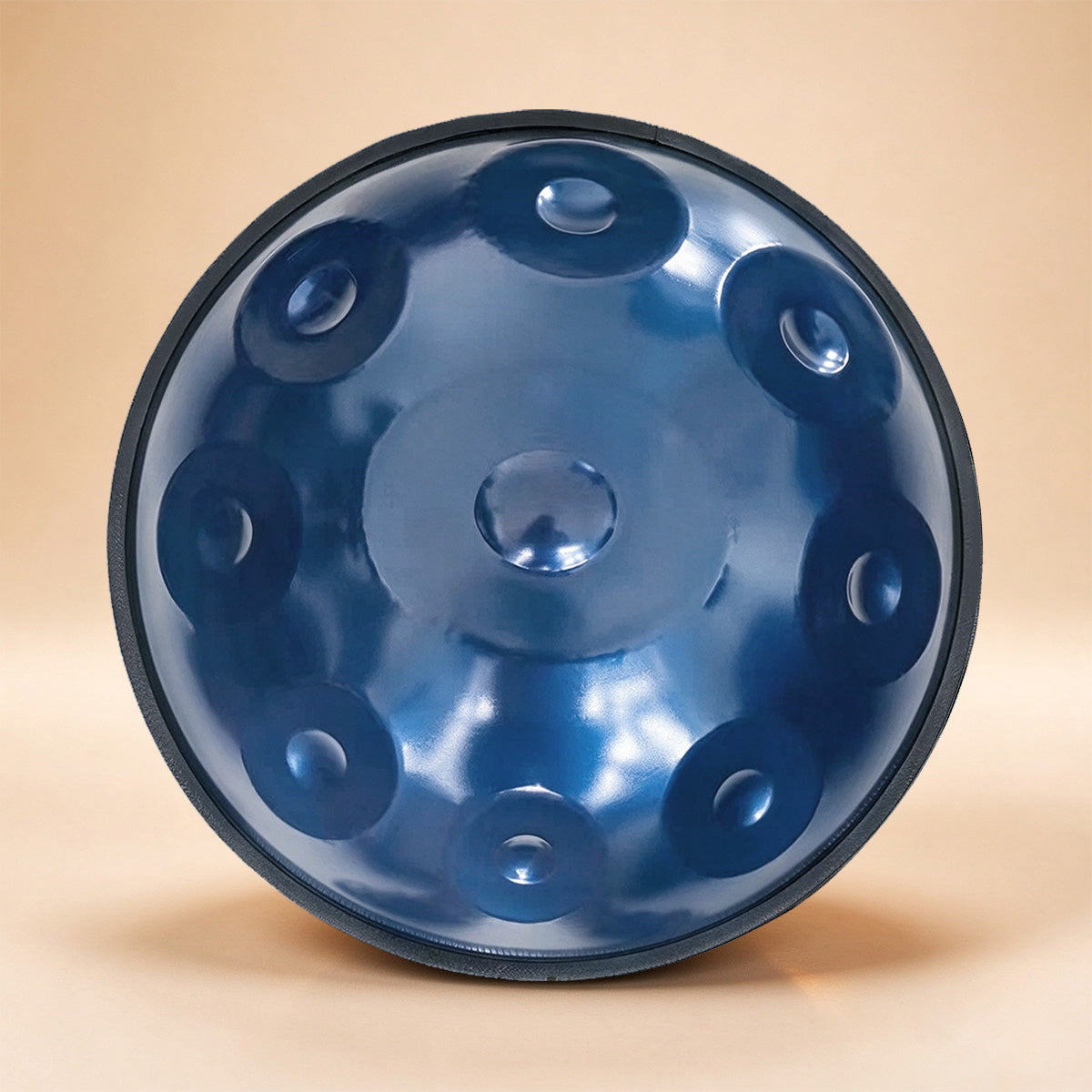
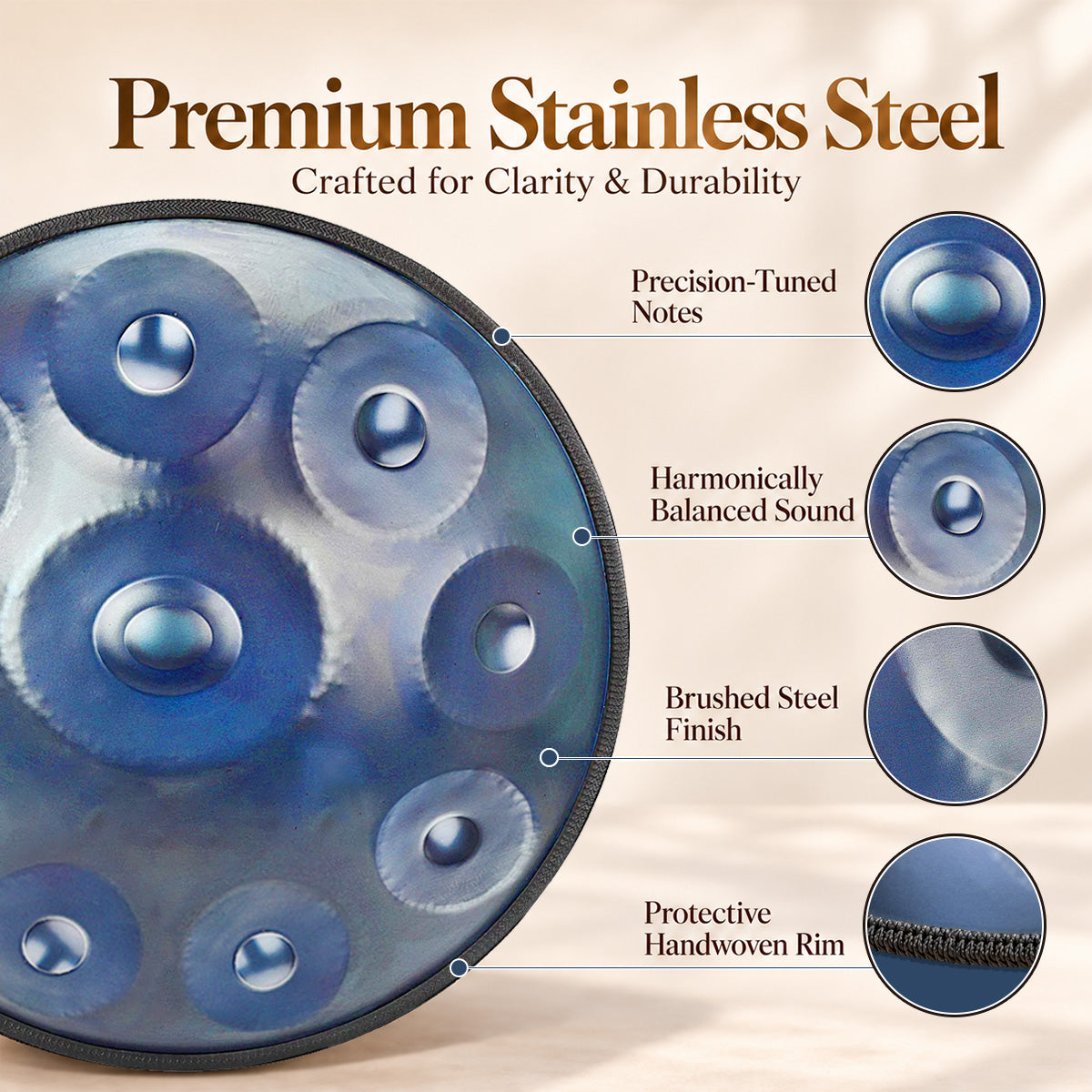
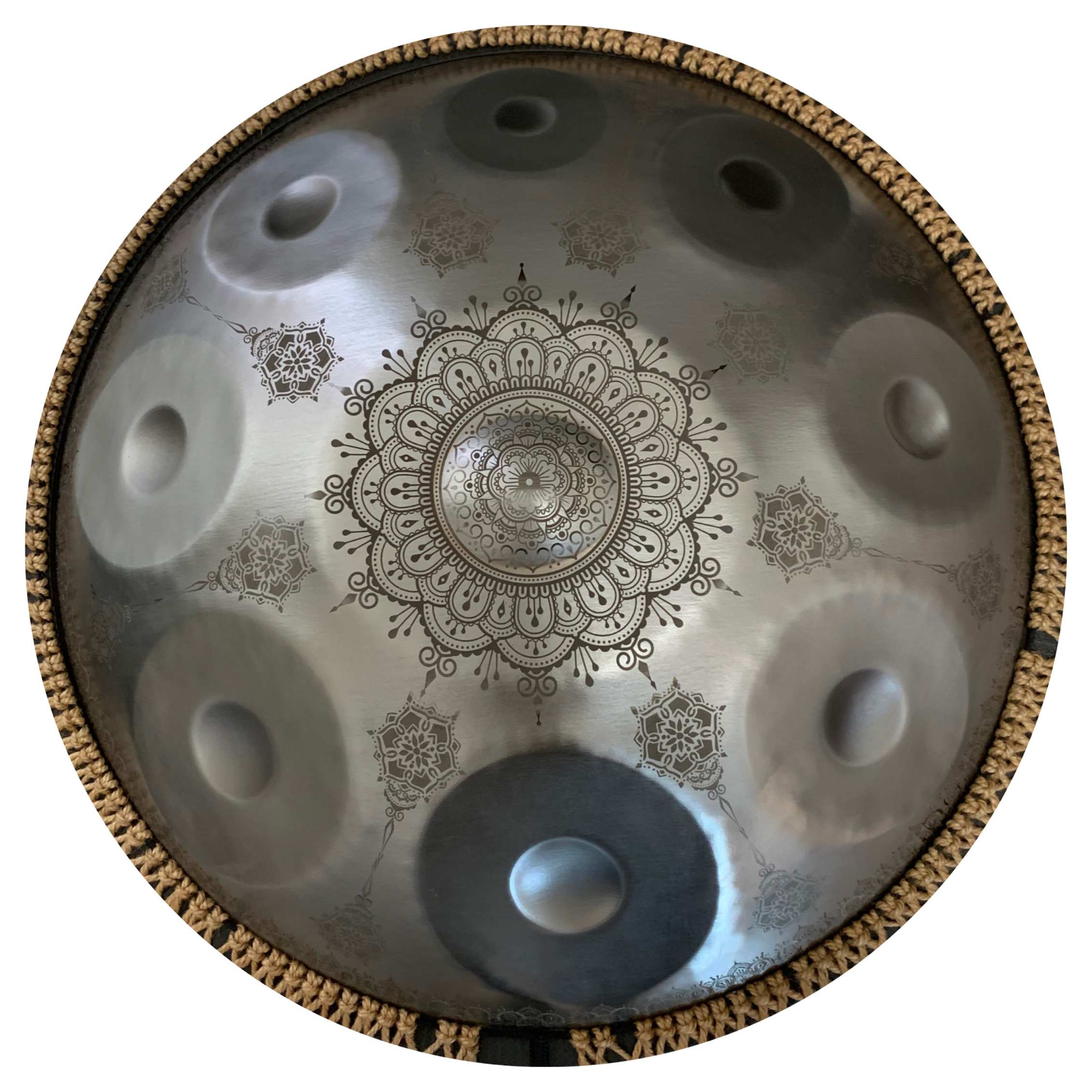
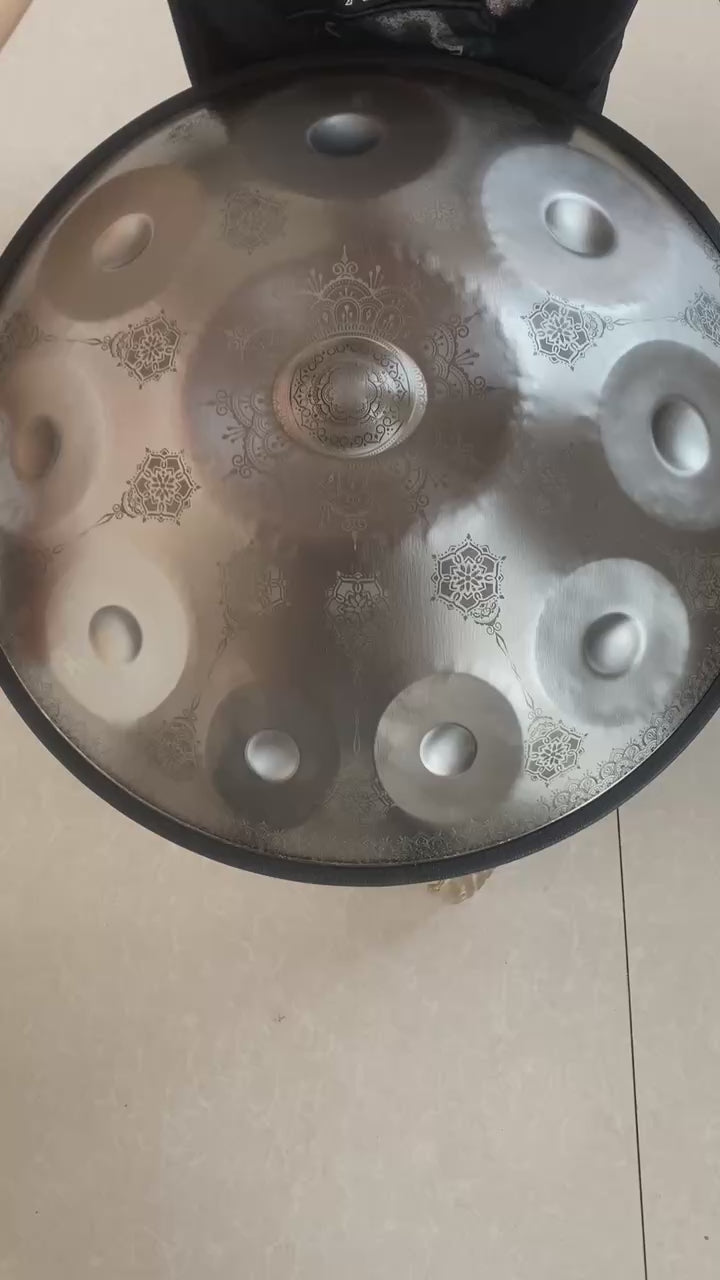
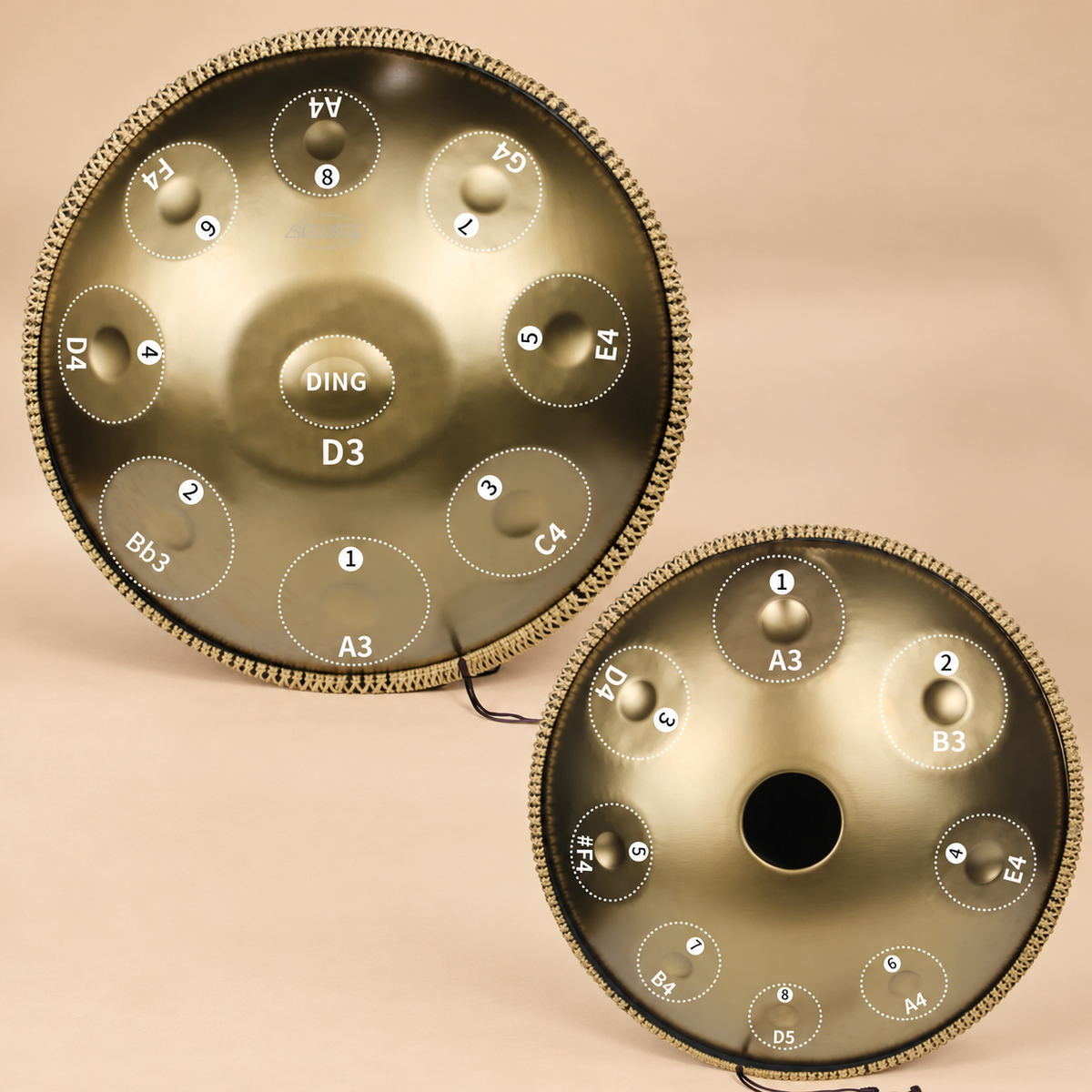
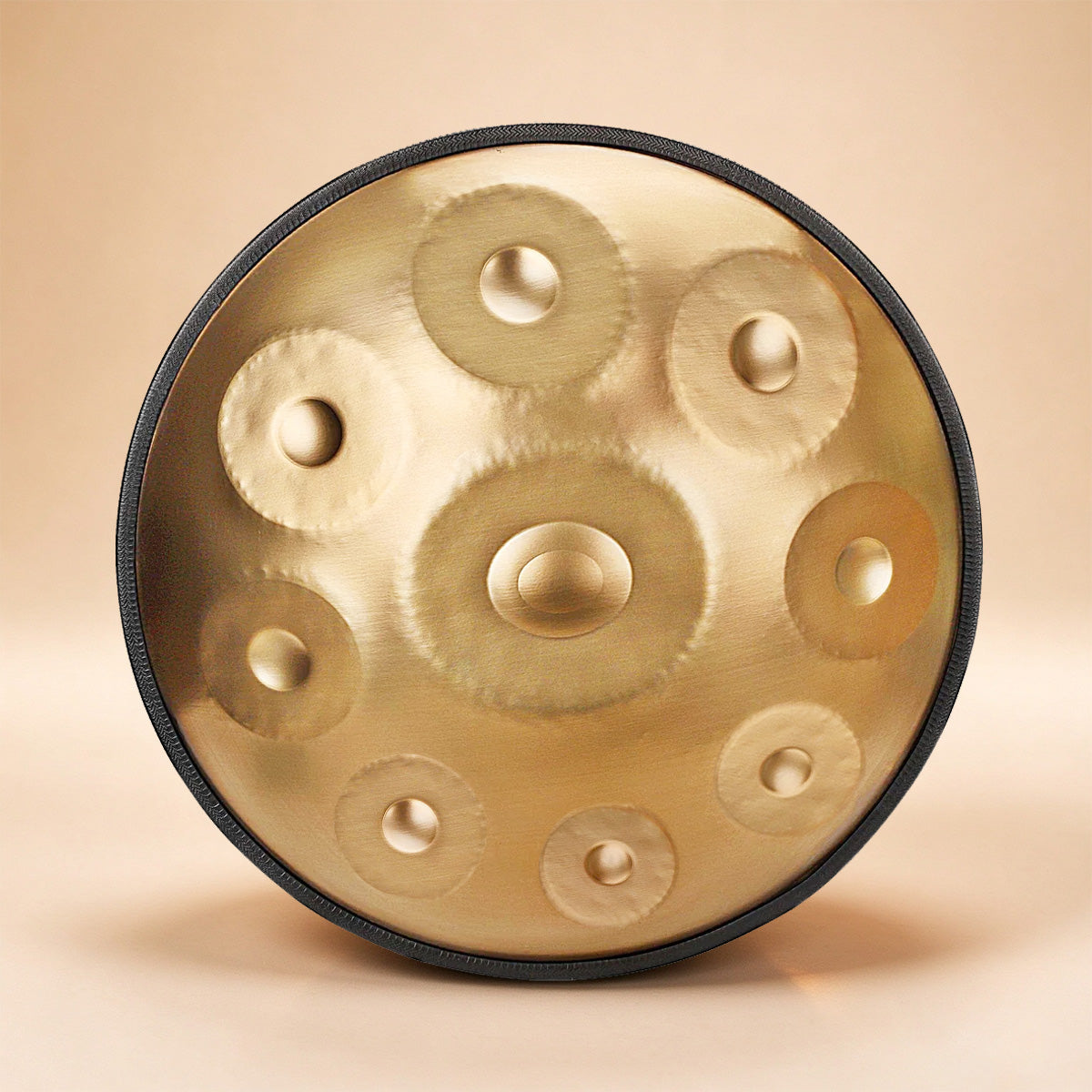
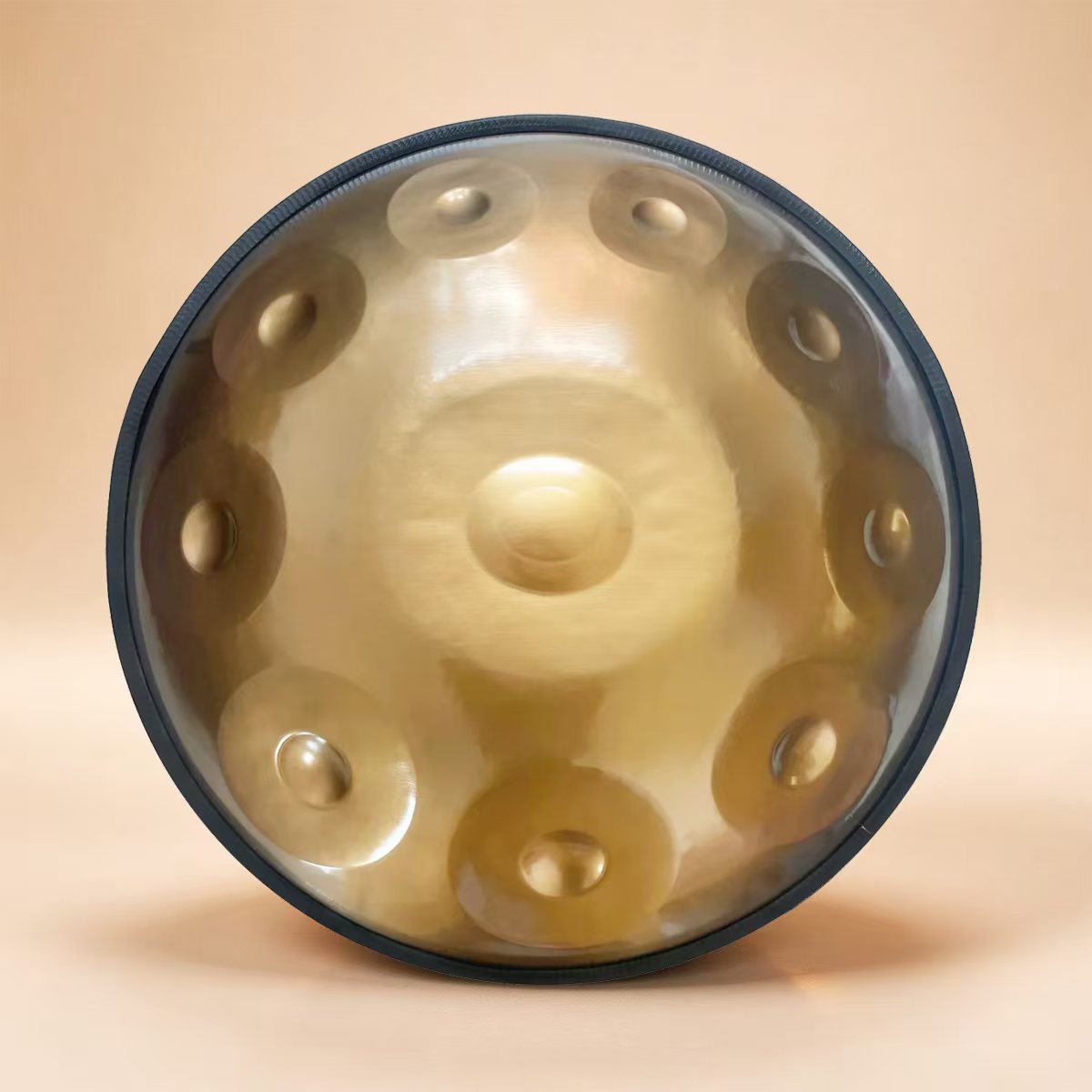
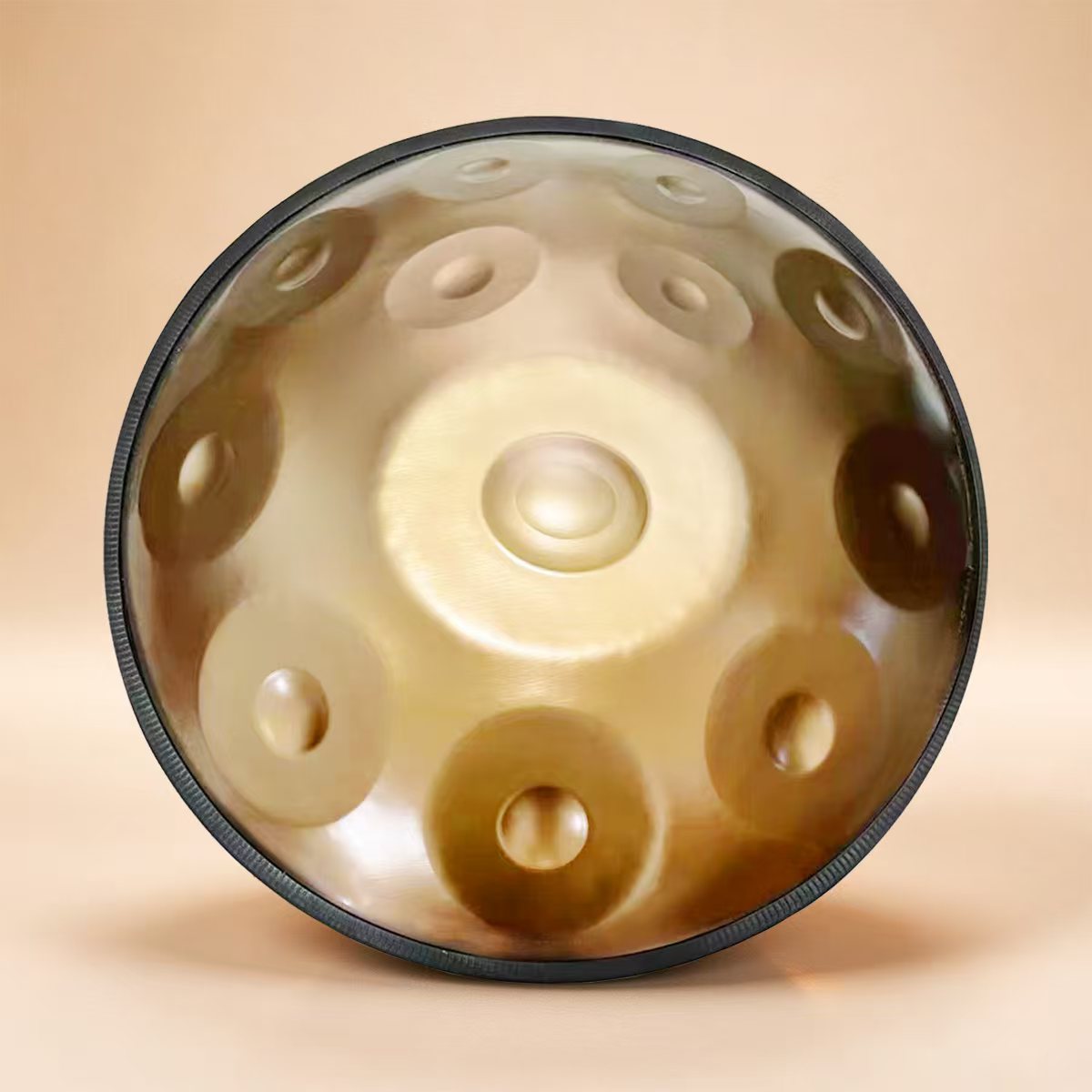
A handpan consists of two hemispherical shells of steel glued together with a hollow interior. The top shell (Ding side) contains a central note (the Ding) surrounded by tone fields (notes arranged in a circular pattern), while the bottom shell (Gu) has an opening that acts as a Helmholtz resonator. When you strike these notes with your hands, they produce hauntingly beautiful tones that can be both melodic and harmonic.
Why Handpans are Perfect for Beginners
- Intuitive Playing: No prior musical knowledge required to create beautiful sounds
- Therapeutic Benefits: Known for reducing stress and promoting mindfulness
- Portable: Easy to carry and play anywhere
- Community: Growing global community of handpan players
- Versatile: Suitable for meditation, performance, or personal enjoyment
Key Factors to Consider When Choosing a Handpan
When you begin your journey to choose a handpan for beginners, several critical factors will influence your decision. Each element contributes to the instrument's playability, sound quality, and your overall satisfaction.
1. Craftsmanship and Build Quality
The quality of craftsmanship directly affects the sound, durability, and tuning stability of your handpan. Look for instruments made by reputable manufacturers with proven track records. Quality indicators include:
| Quality Aspect | What to Look For | Why It Matters |
|---|---|---|
| Steel Quality | Nitrided or stainless steel | Affects durability and sound richness |
| Tuning Precision | Consistent pitch across all notes | Ensures harmonious sound relationships |
| Note Layout | Comfortable spacing between notes | Affects playability and technique development |
| Surface Finish | Smooth, even coating or patina | Protects against rust and enhances aesthetics |
2. Sound Character and Tonal Quality
Every handpan has a unique voice. When learning how to choose a handpan for beginners, listen to audio samples of different instruments. Pay attention to:
Sustain Length
How long notes resonate. Longer sustain creates ambient soundscapes, while shorter sustain allows for faster playing.
Harmonic Content
The richness of overtones. More harmonics create a fuller, more complex sound.
Attack Character
How the note begins when struck. A soft attack is gentle, while a sharp attack provides more definition.
Choosing the Right Number of Notes
One of the most important decisions when you choose a handpan for beginners is selecting the appropriate number of notes. This affects complexity, price, and learning curve.
Best for: Advanced beginners with budget
Maximum versatility, professional-level instrument
Beginner Recommendation: For most people learning how to choose a handpan for beginners, a 9 or 10-note instrument offers the perfect balance between affordability, playability, and musical potential.
Scale Selection for Beginners
The scale determines the musical mood and emotional quality of your handpan. Different scales create different atmospheres, making this one of the most personal choices when you choose a handpan for beginners.
| Scale Type | Musical Character | Best For |
|---|---|---|
| D Minor | Melancholic, emotional, versatile | Most beginners - widely available and taught |
| C Major | Bright, happy, traditional | Those familiar with Western music theory |
| Amara | Mystical, celestial, soothing | Meditation and healing applications |
| Integral | Complex, rich, sophisticated | Beginners planning long-term commitment |
Important: Listen to audio samples of different scales before deciding. The scale should resonate with you emotionally, as you'll be spending hundreds of hours with this sound.
Material and Construction Quality
The materials used in handpan construction significantly impact sound quality, durability, and maintenance requirements. Understanding these differences is crucial when you choose a handpan for beginners.
Nitrided Steel
Durable, bright sound, resistant to rust. Most common choice for quality handpans.
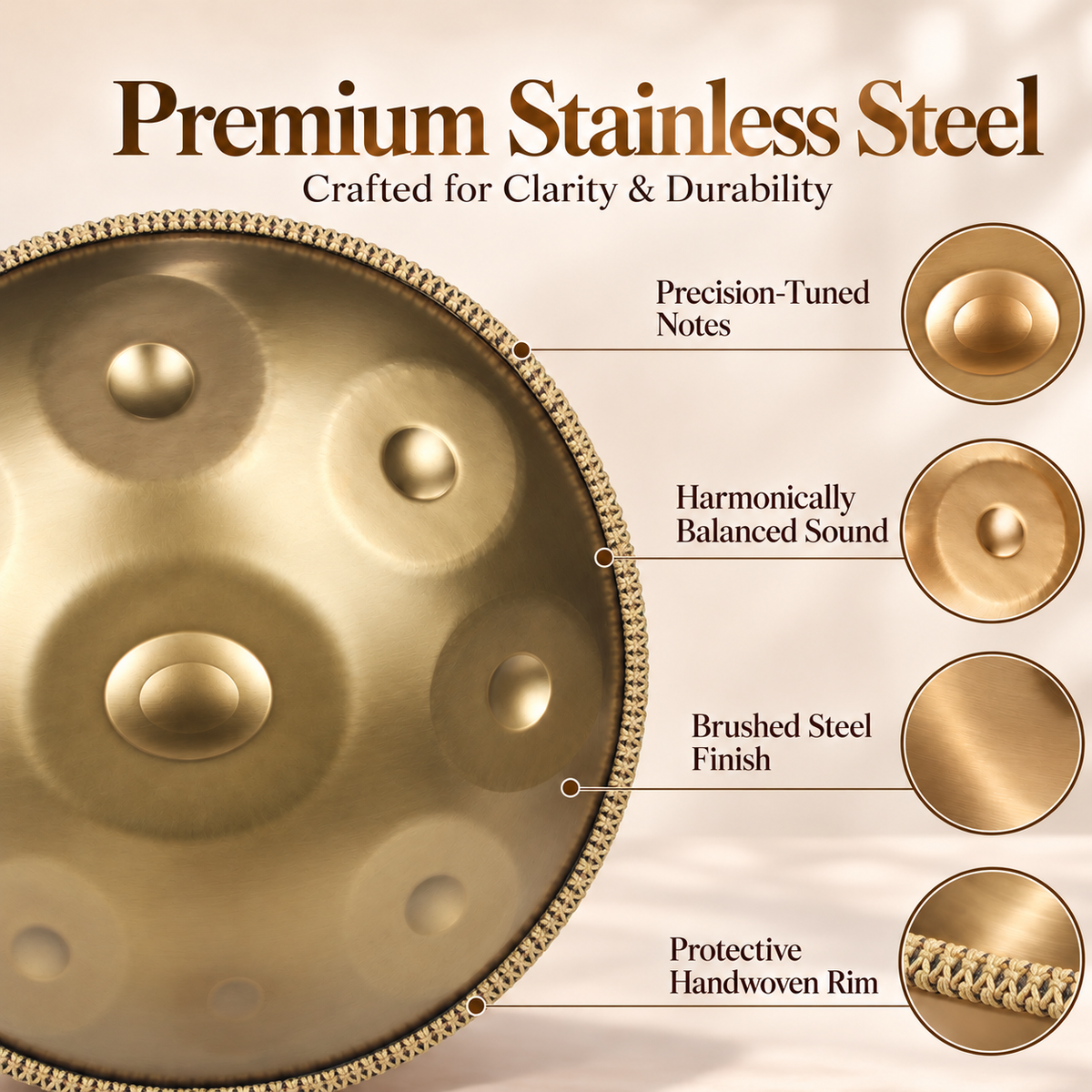
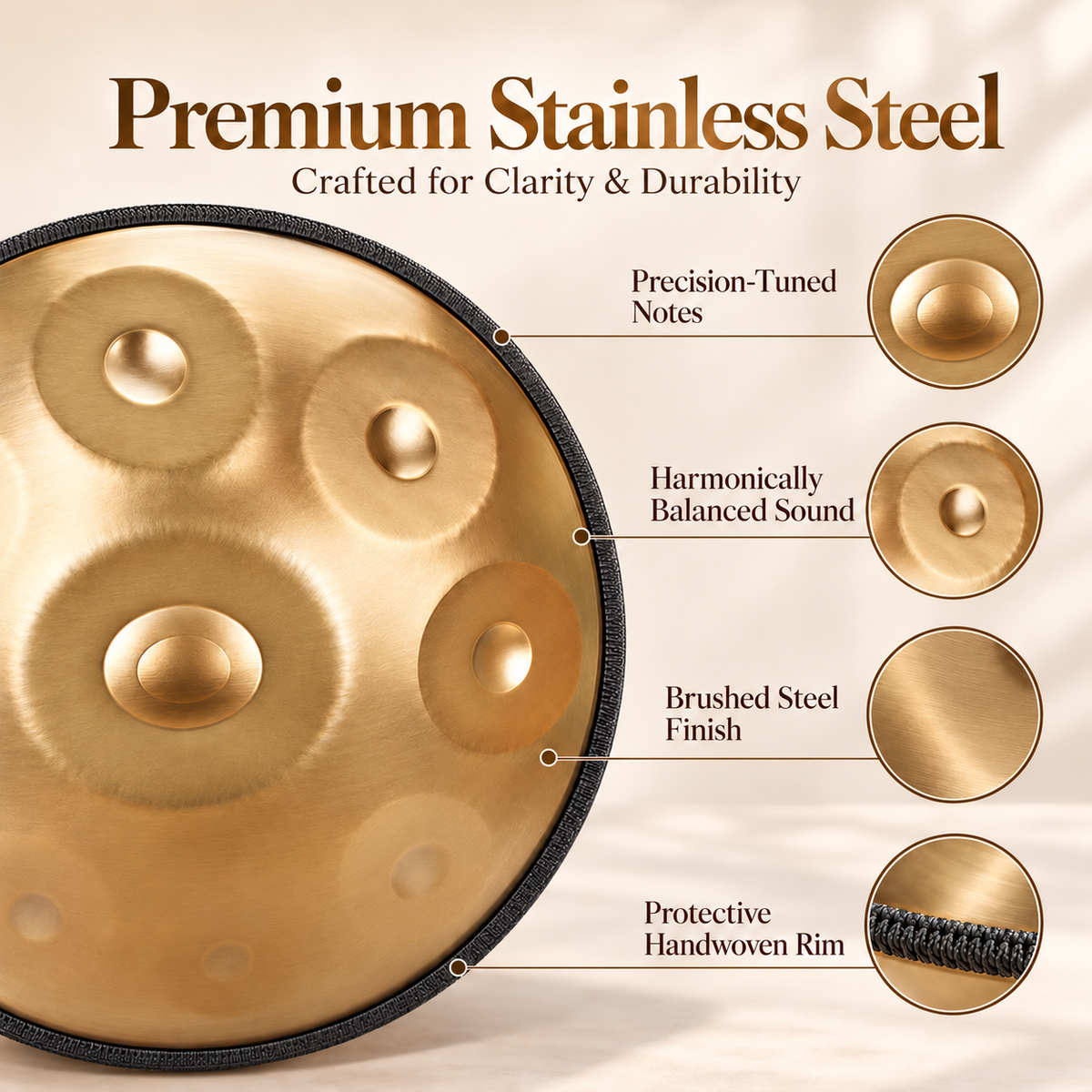
Stainless Steel
Excellent corrosion resistance, slightly different tonal character than nitrided steel.
Shell Construction
Look for seamless construction with proper glue joints for optimal resonance.
Surface Treatment
Powder coating or natural patina affects both aesthetics and protection.
Size, Weight, and Portability
Handpans come in various diameters, typically ranging from 20-24 inches. Consider how you plan to use your instrument:
| Diameter | Weight | Portability | Best For |
|---|---|---|---|
| 20" (50cm) | 3-4 kg | Highly portable | Travel, smaller players |
| 22" (56cm) | 4-5 kg | Standard portability | Most beginners |
| 24" (61cm) | 5-6 kg | Less portable | Home use, larger sound |
Budget Guide: What to Expect
Understanding pricing is essential when you choose a handpan for beginners. Handpans range from budget-friendly to professional-grade investments.
Entry Level ($800-$1,500)
Factory-made instruments, good for absolute beginners testing the waters. May have limitations in tuning stability and sound quality.
Mid-Range ($1,500-$3,000)
Handcrafted by smaller workshops. Excellent balance of quality and price for serious beginners.
Professional ($3,000-$5,000+)
Master-crafted instruments with exceptional sound quality and tuning stability. For committed players.
Budget Advice: Consider starting in the mid-range category. The jump in quality from entry-level to mid-range is significant, while the jump from mid-range to professional yields diminishing returns for beginners.
Top Recommendations for Beginners
Based on years of experience helping people choose a handpan for beginners, here are our top recommendations across different categories:
| Category | Recommended Specification | Reasoning |
|---|---|---|
| First-Time Player | 9-10 notes, D Minor scale, 22" diameter | Balanced learning curve, widely taught, versatile |
| Budget Conscious | 9 notes, C Major, quality entry-level brand | Lower cost while maintaining playability |
| Long-Term Commitment | 12 notes, Integral scale, mid-range craftsmanship | Room to grow, sophisticated sound, durable |
| Meditation Focus | 10 notes, Amara scale, warm tone character | Soothing sound ideal for relaxation practices |
Maintenance and Care Tips
Proper care extends your handpan's life and maintains its sound quality. Essential maintenance practices include:
- Regular Cleaning: Wipe with soft, dry cloth after playing
- Proper Storage: Keep in case with silica gel packets
- Temperature Control: Avoid extreme temperatures
- Handling Care: Never place objects on the instrument
- Tuning Checks: Annual professional tuning recommended
Frequently Asked Questions
How much should a beginner spend on their first handpan?
We recommend budgeting $1,500-$2,500 for a quality beginner handpan. This price range typically gets you a handcrafted instrument with good tuning stability and sound quality that will support your learning journey for years.
Can I teach myself to play handpan?
Yes! Many players are self-taught. Online tutorials, courses, and community resources make self-teaching feasible. However, occasional lessons can dramatically accelerate progress and prevent bad habits.
How long does it take to learn basic handpan techniques?
Most beginners can play simple melodies within hours. Basic techniques take weeks to months to master, while advanced techniques require years of practice. The instrument is uniquely accessible while offering depth for lifelong exploration.
Should I buy new or used for my first handpan?
For beginners, we generally recommend new instruments from reputable makers. Used handpans can be excellent values but require knowledge to assess condition and tuning stability. If buying used, have it inspected by an expert.
What's the difference between handpan and tongue drum?
Handpans have two glued steel shells with tuned notes on top, while tongue drums are typically single-shell instruments with cut tongues. Handpans generally offer more nuanced sound and playing techniques but are more expensive.
How do I know if a handpan is in tune?
Use a chromatic tuner app or ask the seller for tuning reports. Notes should be perfectly tuned to their designated frequencies with harmonious intervals between them. Minor seasonal variations are normal.
Spotlight: Cosmos Handpan Excellence
The Cosmos Handpan Story

The story of Cosmos Handpan began with a shared dream among passionate music lovers—to create an instrument capable of inspiring people around the world. Their journey took them through years of experimentation with shapes, materials, and acoustic engineering until they discovered the perfect formula for producing the signature Cosmos sound.
The Cosmos team consists of highly skilled craftsmen dedicated to precision, tonal purity, and artistic excellence. Every handpan is made with care, combining artistic beauty with acoustic perfection.
Why Cosmos Handpans are Ideal for Beginners
- Consistent Quality: Every instrument meets rigorous quality standards
- Beginner-Friendly Designs: Thoughtfully crafted for new players
- Excellent Support: Comprehensive resources for learning
- Value Pricing: Professional quality at accessible prices
- Community Access: Connect with other Cosmos players worldwide
Popular Cosmos Handpan Products
Cosmos Beginner-Friendly Options
Handpan for Beginners Package
Includes instrument, case, mallets, and beginner course. Everything needed to start playing immediately.
Tongue Drum Alternatives
10”, 12”, and 14” tongue drums offer accessible entry points at lower price points while maintaining musicality.
Handpan Drum Instrument
Specifically designed for rhythmic playing and percussive techniques alongside melodic play.
Cosmos Recommendation for Beginners: Start with the Cosmos 10 Notes Handpan in D Minor scale. This combination offers the perfect balance of affordability, playability, and musical potential for those learning how to choose a handpan for beginners.
Cosmos Handpan instruments represent an exceptional choice for beginners due to their consistent quality, thoughtful design for new players, and excellent value. Whether you choose their entry-level models or invest in their professional series, you're getting an instrument crafted with passion and acoustic expertise.