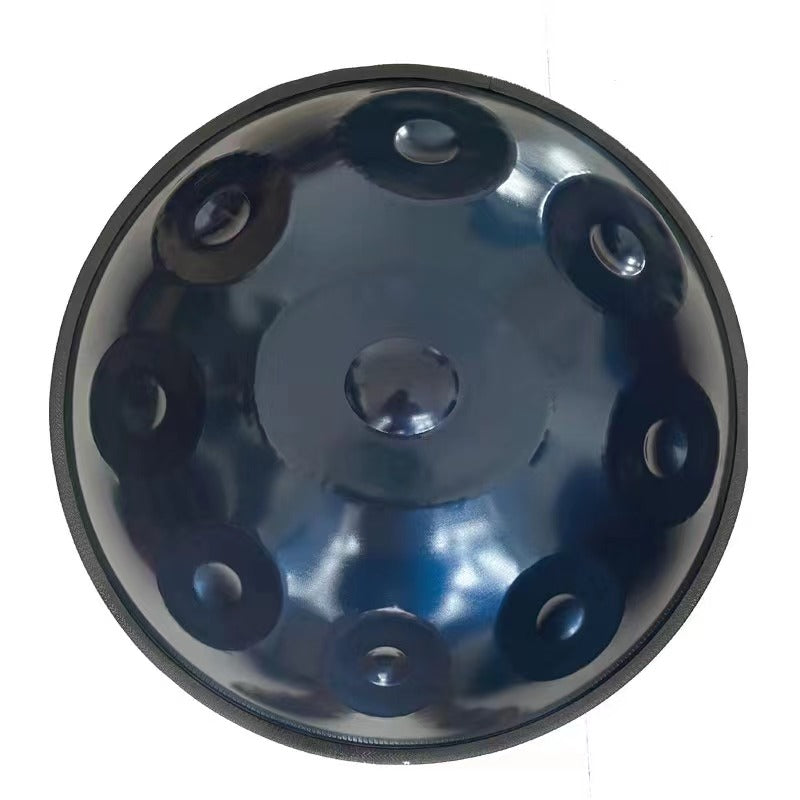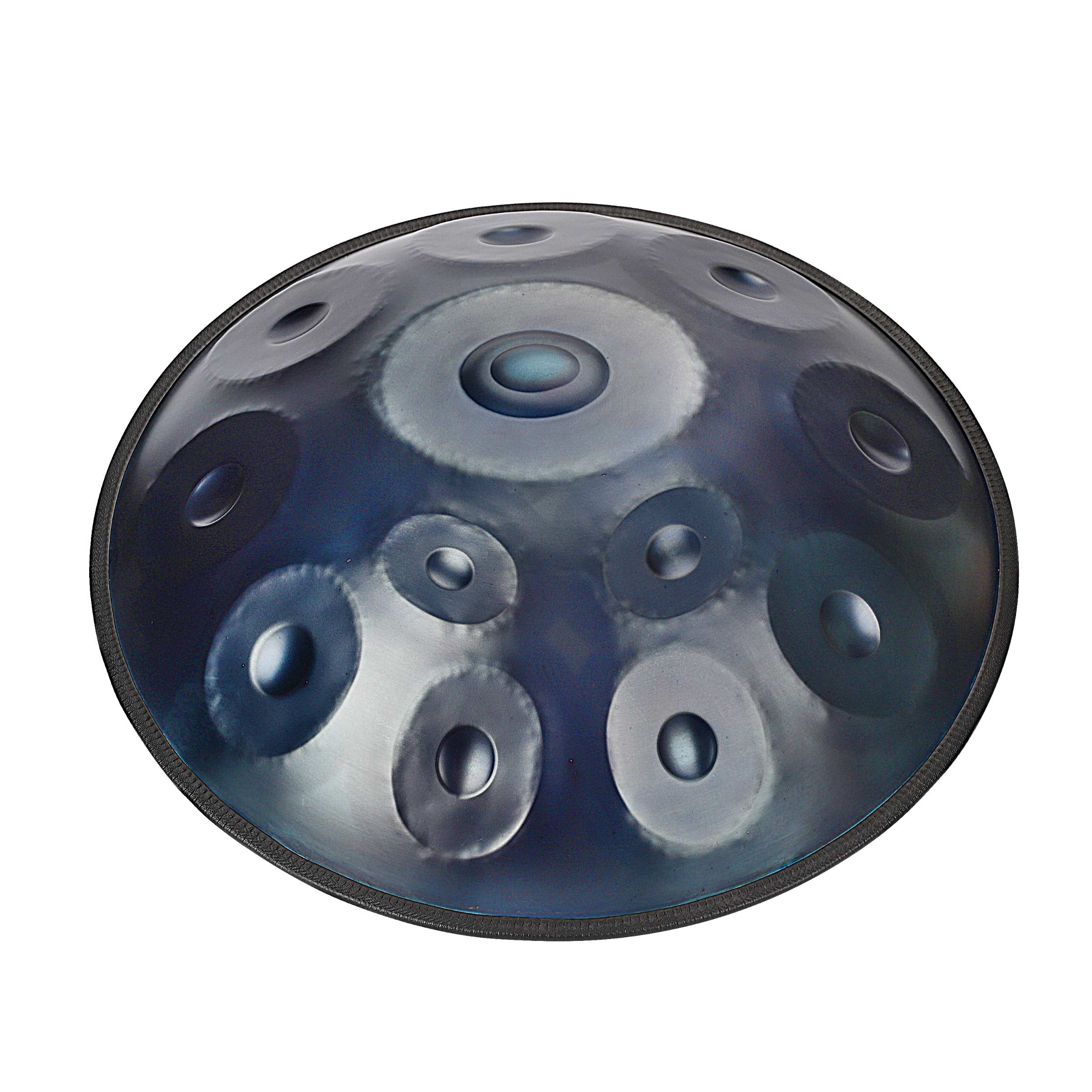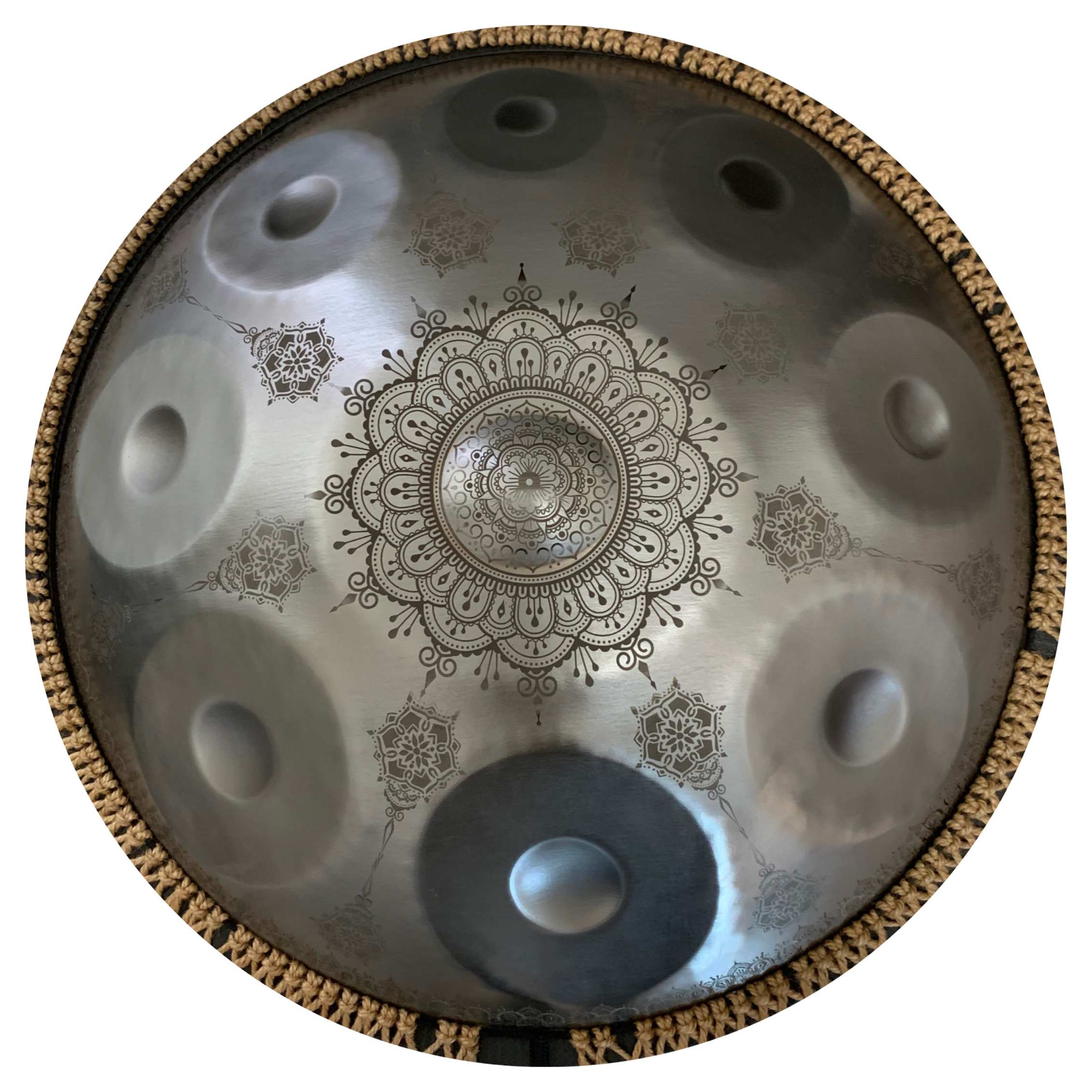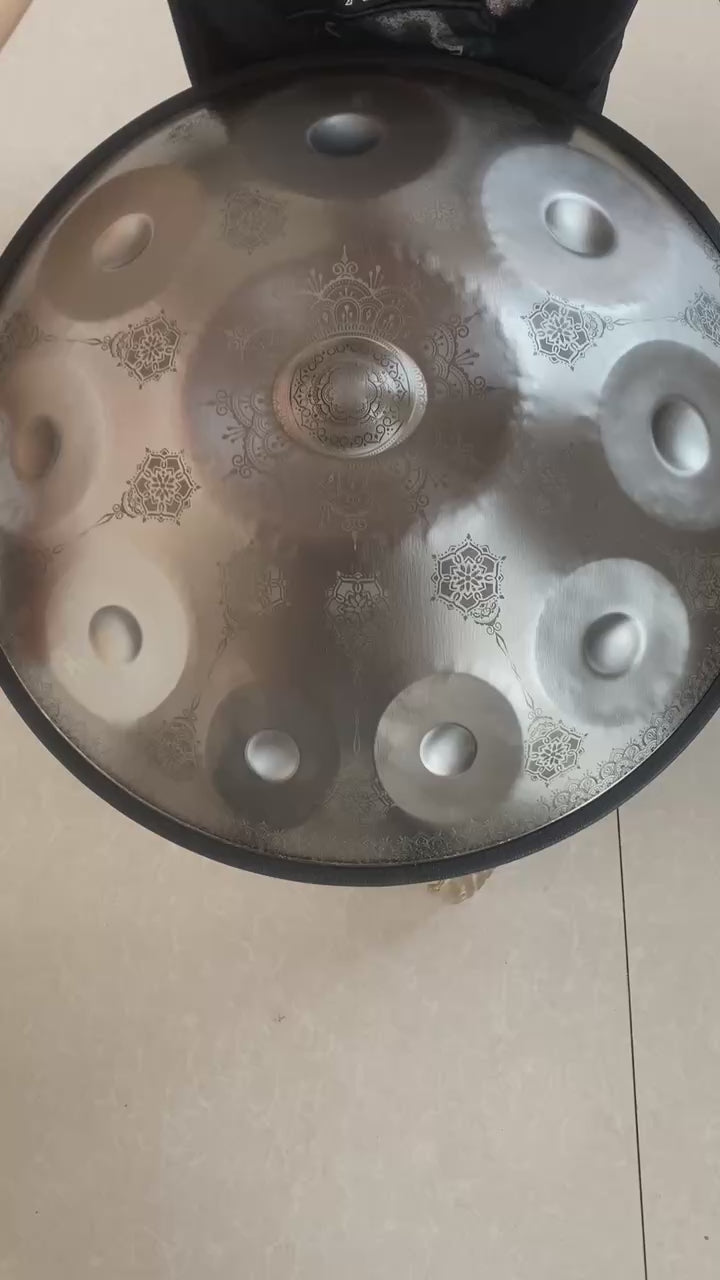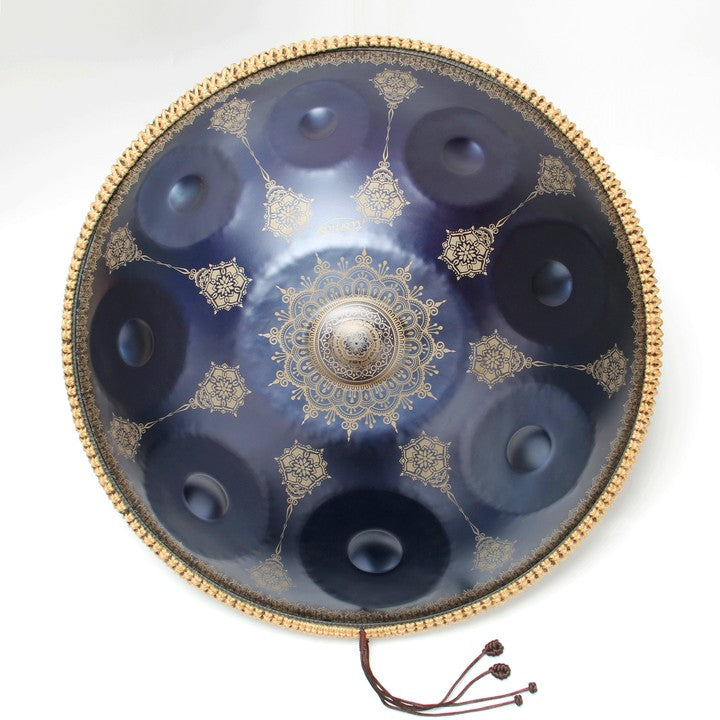

A handpan is not a mass-produced consumer good; it is an acoustic sculpture born from thousands of precise hammer strikes. When you invest in one of these instruments, you are purchasing a highly sensitive matrix of tuned steel. However, steel has two fundamental enemies: oxidation (rust) and thermal expansion (heat). If you do not properly care for and maintain a handpan, the pristine overtones will choke, the sustain will die, and the structural integrity of the metal will degrade. We routinely see players ruin beautiful instruments within a single summer because they treated their handpan like a durable drum kit rather than a delicate stringed instrument.

From our experience as builders and purveyors at Cosmos Handpan, the longevity of your instrument is entirely dependent on your chemical and environmental discipline. You cannot simply wipe it with a wet towel and throw it in a closet. In most professional situations, a strict protocol of hydrophobic oiling, ambient storage, and mindful playing technique is mandatory. Whether you are researching best handpan for beginners or upgrading to a master-crafted instrument, this guide will provide the commercial and practical judgment required to protect your investment for a lifetime.
Quick Answer: Core Handpan Maintenance
To successfully care for and maintain a handpan, you must adhere to a strict trinity of environmental protection, chemical lubrication, and physical care:
- Wipe After Every Play: Human sweat contains corrosive salt and acidic oils. Wipe the instrument down with a dry microfiber cloth immediately after every single session.
- Apply Protective Oil Routinely: Apply a specialized handpan oil (like Phoenix Oil or Froglube) every 2-4 weeks for nitrided steel, or every 1-2 months for stainless steel, to create a hydrophobic barrier against rust.
- Avoid Direct Sunlight and Heat: Heat causes metal to expand. Leaving a handpan in a hot car or playing in direct midday sun will temporarily, and sometimes permanently, detune the instrument.
- Never Store in a Bag: Soft bags are for transportation only. Storing a handpan in a closed bag traps ambient moisture, guaranteeing the formation of rust. Store it in open air.
We recommend establishing a cleaning habit from day one. An instrument that is kept clean, lubricated, and at room temperature will hold its tuning for years.
Table of Contents
- What It Is: The Metallurgy of Your Handpan
- How It Works: The Mechanics of Rust and Detuning
- Benefits of Strict Maintenance
- Limitations of DIY Care
- Who Needs Aggressive Maintenance
- Who Does Not Need Daily Oiling
- Common Mistakes That Destroy Handpans
- Buying Considerations for Care Products
- Comparison: Nitrided vs. Stainless Steel Care
- Pros and Cons: Oil vs. Wax Treatments
- Expert Recommendation & Product Spotlight
- Frequently Asked Questions
What It Is: The Metallurgy of Your Handpan
Before you can apply chemical treatments, you must understand what you are treating. The way you care for and maintain a handpan is dictated entirely by its base alloy. Today, the market consists almost exclusively of two materials: Nitrided Steel and Stainless Steel.
Nitrided steel is raw carbon steel that has been baked in a nitrogen-rich oven. This process hardens the surface and provides a baseline resistance to rust, producing a ceramic-like, percussive tone. However, it is highly porous at a microscopic level and remains exceptionally vulnerable to humidity. Stainless steel (or Ember Steel) contains chromium, which naturally forms a passive layer of chromium oxide that inherently repels rust. Stainless steel provides a longer sustain and is the standard for modern, ambient playing. However, while stainless is "stain-less," it is not "stain-proof." Both require intervention, but at different intervals.
How It Works: The Mechanics of Rust and Detuning
Understanding how rust works is vital. When iron in the steel reacts with oxygen and water (accelerated by the sodium chloride in your sweat), iron oxide forms. This rust acts like an acoustic dampener. It thickens the metal irregularly, disrupting the vibration of the tone fields. Once rust pits the steel deeply, the original architecture of the note is compromised.
Detuning works through thermal and mechanical stress. The notes on a handpan notes chart are created by shaping specific geometric domes under immense tension. When a handpan is exposed to high heat (such as direct sunlight or the trunk of a car), the steel expands. The internal tension relaxes. When it cools, it rarely returns to its exact original tension. Furthermore, playing with excessive force or using hard mallets will physically bend the metal, stretching the notes flat. This is why we tell buyers researching how much does a handpan cost that the upfront price is only part of the investment; preserving the tuning is where the real value lies.
Benefits of Strict Maintenance
The primary benefit of learning to care for and maintain a handpan is preserving its acoustic resonance. A properly oiled instrument retains the clear, bell-like overtones and isolating sustain that defines a premium build. Furthermore, cosmetic perfection dictates resale value. If you decide to upgrade your instrument later, a handpan free of rust spots and oxidation blemishes will retain up to 85% of its original retail value on the secondary market. A neglected, rusted pan is virtually worthless to serious players.
Limitations of DIY Care
We must use commercial and practical judgment here: maintenance is preventative, not restorative. Wiping your instrument down will stop rust, but it will not fix a note that has gone out of tune. You cannot retune a handpan yourself with a hammer in your garage. Tuning requires specialized strobe tuners and years of acoustic metalworking experience. If your instrument loses its pitch, you must send it back to the original maker or a professional tuner. If you want to understand the extreme complexity of this process, review our guide on how to tune a handpan.
Who Needs Aggressive Maintenance
For commercial users and coastal players: If you live near the ocean, in highly humid tropical climates, or if you busk outdoors for hours a day, your maintenance routine must be aggressive. Salt air is highly corrosive. For heavy-duty applications outdoors, you must wipe the instrument down immediately after playing and apply a protective oil every single week, regardless of the steel type.
Who Does Not Need Daily Oiling
If you live in an arid desert climate (like Arizona or Nevada) and play exclusively indoors on a stainless steel instrument, you do not need to oil your handpan daily. In fact, over-oiling a stainless instrument in a dry climate will just create a sticky residue that traps dust and deadens the sustain. For these players, wiping with a dry microfiber cloth is usually sufficient, with a light oil application every two months.
Common Mistakes That Destroy Handpans
In our testing and customer service history, the most devastating mistake beginners make is storing the handpan zipped up in its travel bag. Soft EVA foam and nylon bags trap ambient moisture against the steel. A micro-climate forms inside the bag, and within 48 hours, a pristine instrument can bloom with surface rust. Bags are for transit only. Store your handpan on a wooden stand or a wall mount in a climate-controlled room.
Another catastrophic error is playing with jewelry. Rings, bracelets, and metal watches will physically scratch the protective nitrided layer or the stainless polish, leaving micro-abrasions where rust will rapidly form. Always remove all hand jewelry before touching the instrument. Additionally, never use household lubricants like WD-40, olive oil, or coconut oil to care for and maintain a handpan. WD-40 is a solvent that will strip the factory finish, and organic cooking oils will go rancid, leaving a foul-smelling, gummy residue on the steel.
Buying Considerations for Care Products
When assembling your maintenance kit, precision matters. You need a dedicated, lint-free microfiber cloth that is never used for any other household cleaning. For lubricants, purchase a dedicated acoustic steel oil. Phoenix Handpan Oil, Froglube, or pure unrefined Camellia oil are the industry standards. These products are formulated to penetrate the microscopic pores of the steel, creating a hydrophobic shield without leaving a sticky film that chokes the resonance. If you are reading a handpan buying guide, ensure you budget an extra $30 for proper maintenance fluids.
Comparison Table: Nitrided vs. Stainless Steel Care
| Maintenance Factor | Nitrided Steel (Carbon) | Stainless Steel / Ember Steel |
|---|---|---|
| Rust Susceptibility | High. Requires constant vigilance. | Low. Highly resistant, but not immune. |
| Oiling Frequency | Every 2 to 3 weeks (or after heavy use). | Every 6 to 8 weeks. |
| After-Play Care | Must wipe off sweat immediately. | Must wipe off sweat and fingerprints. |
| Sound Profile | Shorter sustain, percussive, ceramic sound. | Long sustain, ambient, bright overtones. |
Pros and Cons: Liquid Oils vs. Hard Waxes
| Protection Type | Pros | Cons |
|---|---|---|
| Liquid Handpan Oils (e.g., Phoenix Oil) | Easy to apply, penetrates metal pores deeply, restores deep color and shine to the instrument. | Must be reapplied frequently. Can leave hands slightly greasy if over-applied. |
| Hard Carnauba/Beeswax | Provides a thick, durable, long-lasting barrier. Excellent for long-term storage or highly humid coastal areas. | Difficult to buff out. If applied too thickly, the heavy wax layer will actually dampen the acoustics and shorten the sustain. |
Expert Recommendation & Product Spotlight
From our experience, the anxiety of maintenance deters many beginners from enjoying their instrument. We recommend choosing a high-quality stainless steel handpan that inherently resists rust, paired with a complete care kit from day one. You should not have to scour the internet for the right microfiber cloths or stands.

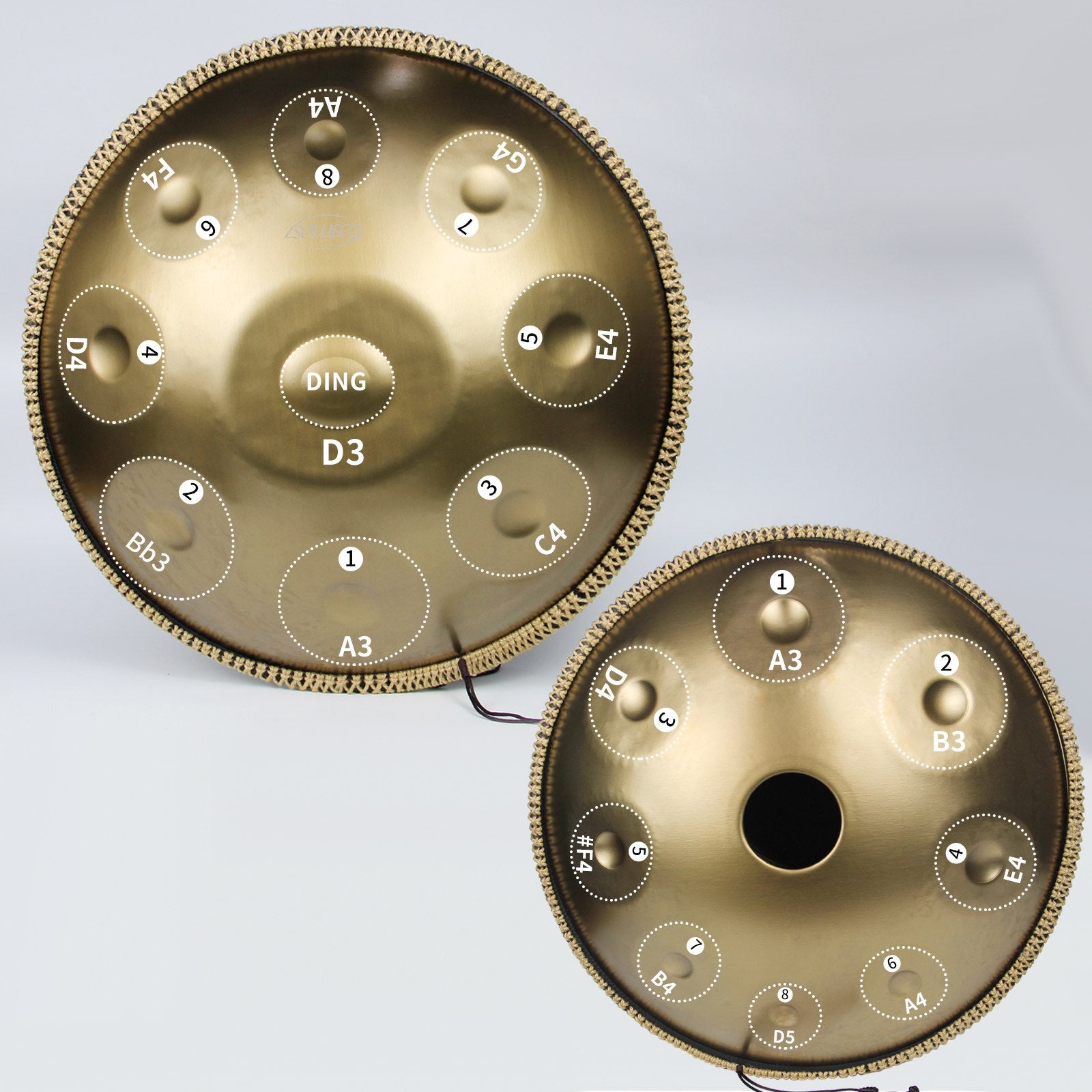
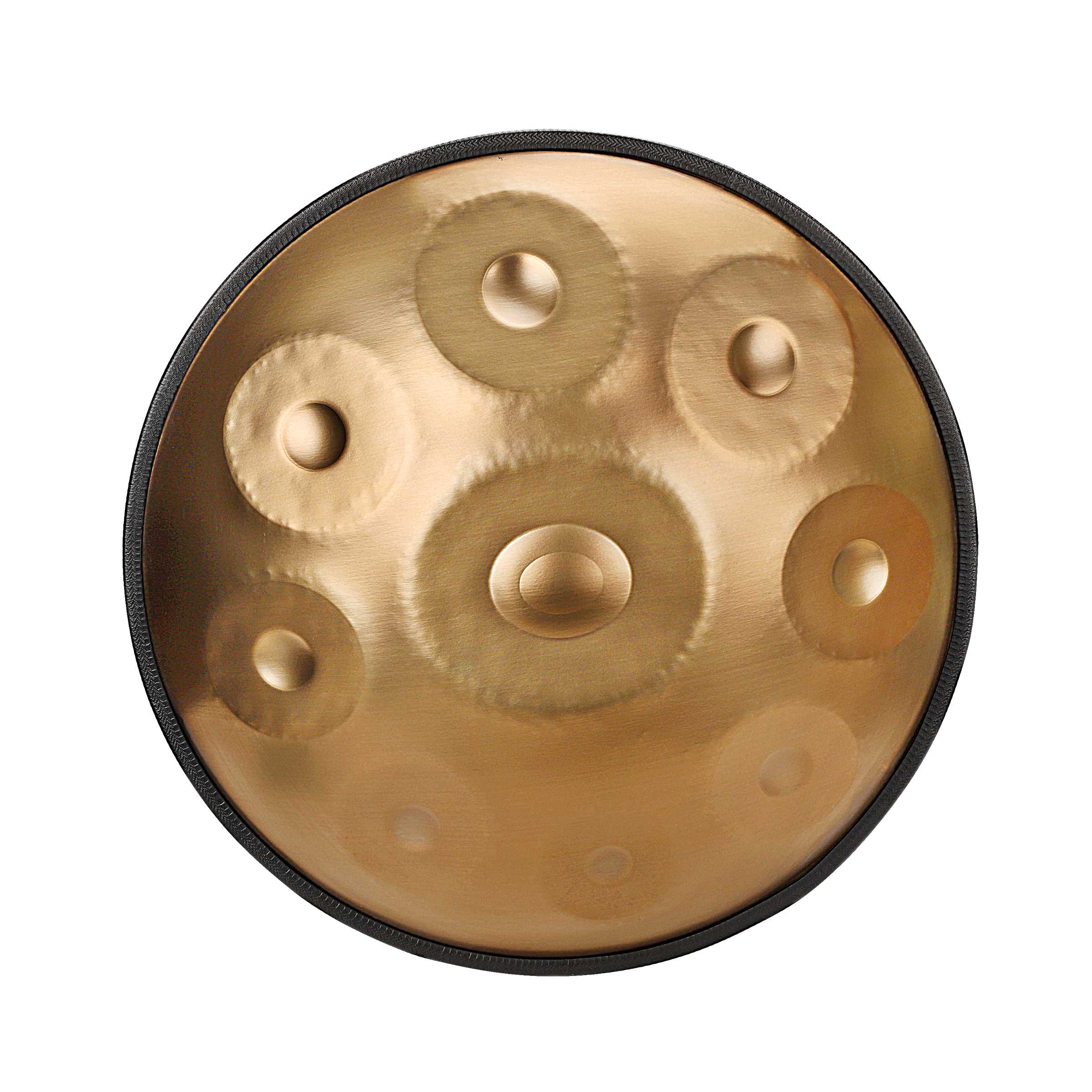
Cosmos Handpan Golden Elegance - 9 Notes D Minor Gift Set
The Golden Elegance 9-note handpan is a beginner-friendly instrument with a warm visual finish and a D Minor scale that is easy to improvise on from the first session. Because it is crafted with premium materials, it offers high structural stability and a long, ambient sustain.
- Scale: D Minor 9-note layout (Highly intuitive).
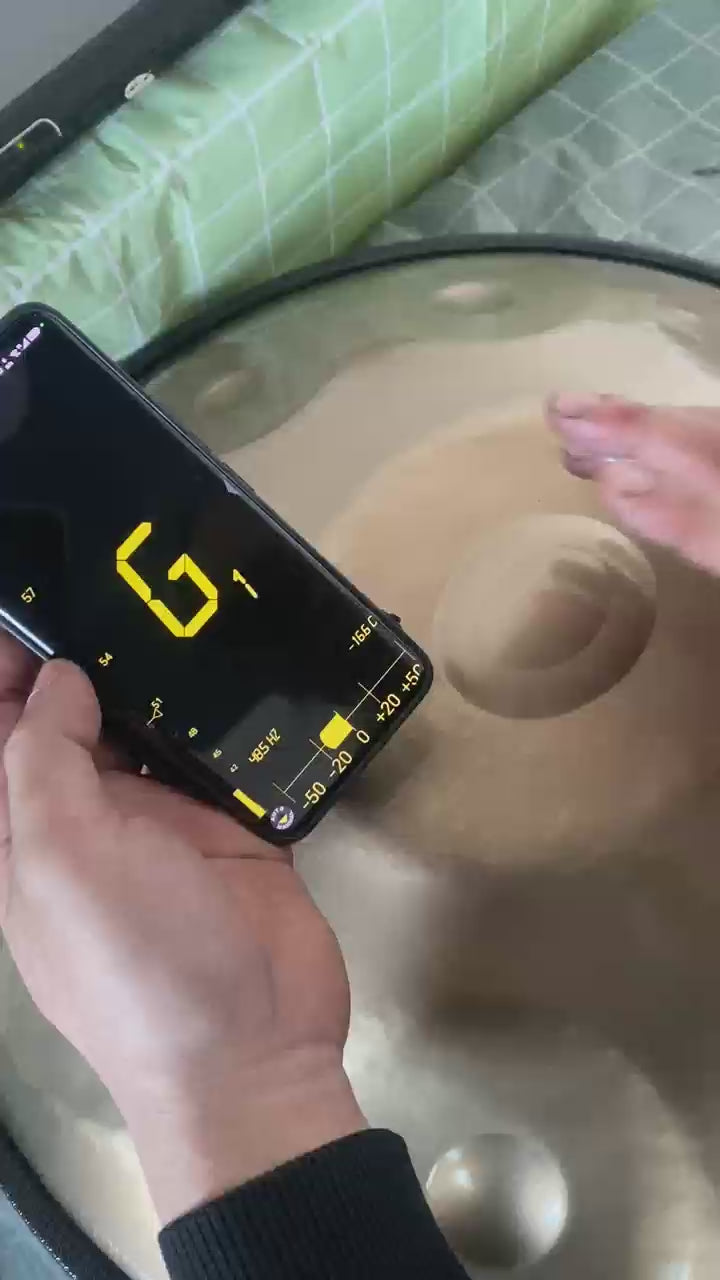
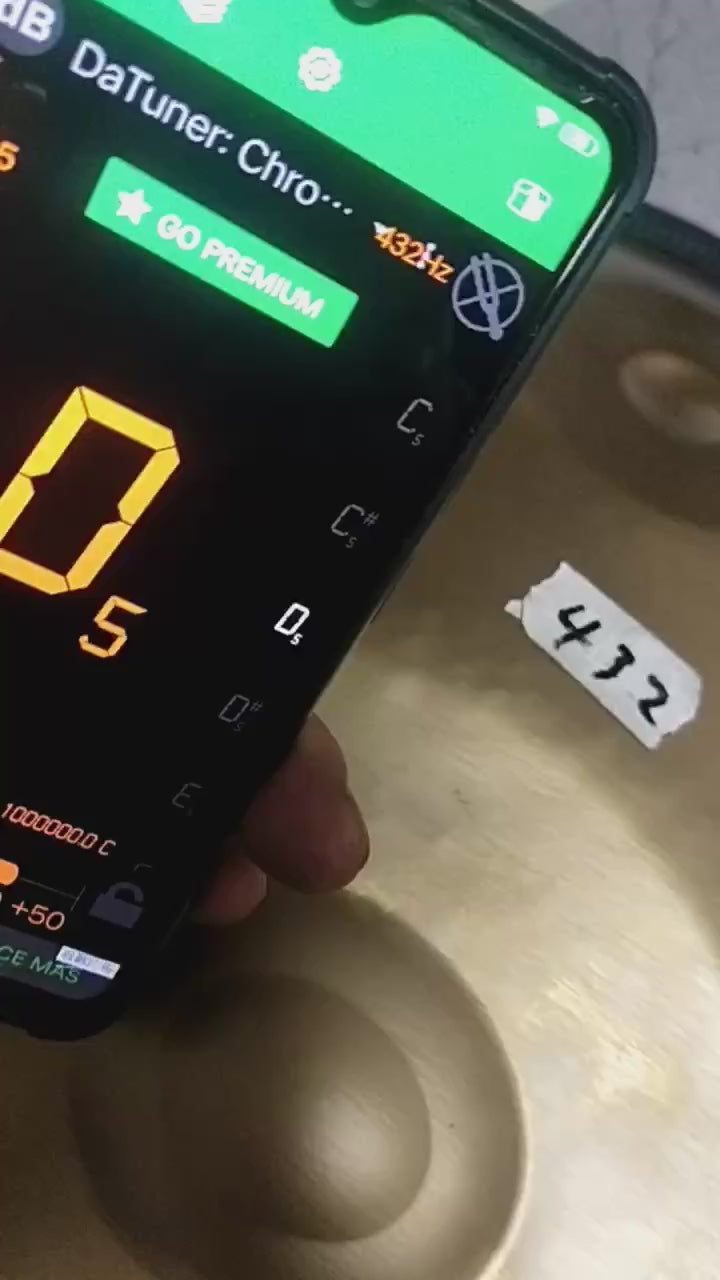
- Tuning Options: Available in 432Hz or standard 440Hz tuning.
- Sound Profile: Clear sustain with a smooth, calming tone.
- Included Maintenance Kit: Arrives with a protective carry bag, handpan stand, and the essential Cleaning Cloth required to maintain your instrument.
If you are looking for an accessible entry point that includes all the necessary accessories, this set removes the guesswork. For players interested in the specific frequencies mentioned, explore our guide on the 1111 hz handpan meaning to understand alternative tuning theories.
Frequently Asked Questions
How often should a handpan be retuned?
In most professional situations, a high-quality handpan played with normal hand technique should hold its tuning for 2 to 3 years. If you strike it with mallets, drop it, or leave it in extreme heat, it may require tuning within 6 months. Always send it to a professional; do not attempt to hammer it yourself.
What should I do if my handpan starts to rust?
If you notice light surface rust (often looking like a dusty orange bloom), act immediately. Apply a few drops of Miracle-Cloth or a specialized rust remover like Froglube paste, and gently rub the affected area with a soft sponge. Never use harsh abrasives like steel wool or sandpaper, as this will destroy the protective nitride layer and permanently alter the tuning.
Can I fly with my handpan as carry-on luggage?
It depends entirely on the airline, but standard handpans (21-22 inches in diameter) generally exceed standard carry-on dimensions. If you must check the instrument, a soft bag is a death sentence. You must invest in a rigid fiberglass or carbon fiber flight case (like an Evatek) to protect the tone fields from crushing pressure.
Why does my handpan sound muffled or dead?
A muffled sound is usually caused by two factors: either you have over-oiled the instrument, leaving a thick, sticky residue that dampens the vibration, or you are resting the instrument on a soft surface (like a bed or thick carpet) which chokes the Helmholtz resonance. Always play on your lap or a dedicated metal/wood handpan stand.
Industry References & Authoritative Science
To ensure our maintenance guidelines are rooted in metallurgical science rather than internet mythology, we base our protocols on standards from the following authorities:
- Acoustical Society of America (ASA): Peer-reviewed research detailing the complex non-linear acoustics of steel pan instruments, explaining how mass additions (like heavy rust or thick wax) choke harmonic overtones. Review ASA Acoustic Research
- Association for Materials Protection and Performance (AMPP): The global authority on corrosion science, providing the chemical parameters for preventing iron oxide formation on high-carbon and nitrided steels. Review AMPP Corrosion Standards
- ASTM International: Global standards regarding the thermal expansion coefficients of stainless steel alloys, validating the danger of exposing tuned acoustic steel to direct solar radiation. Review ASTM Metallurgical Standards