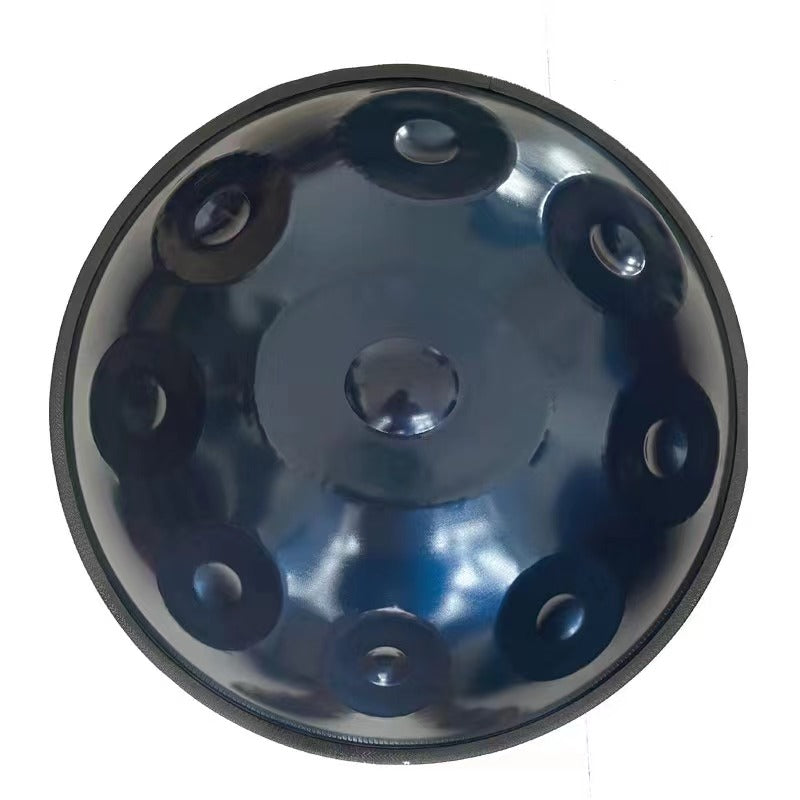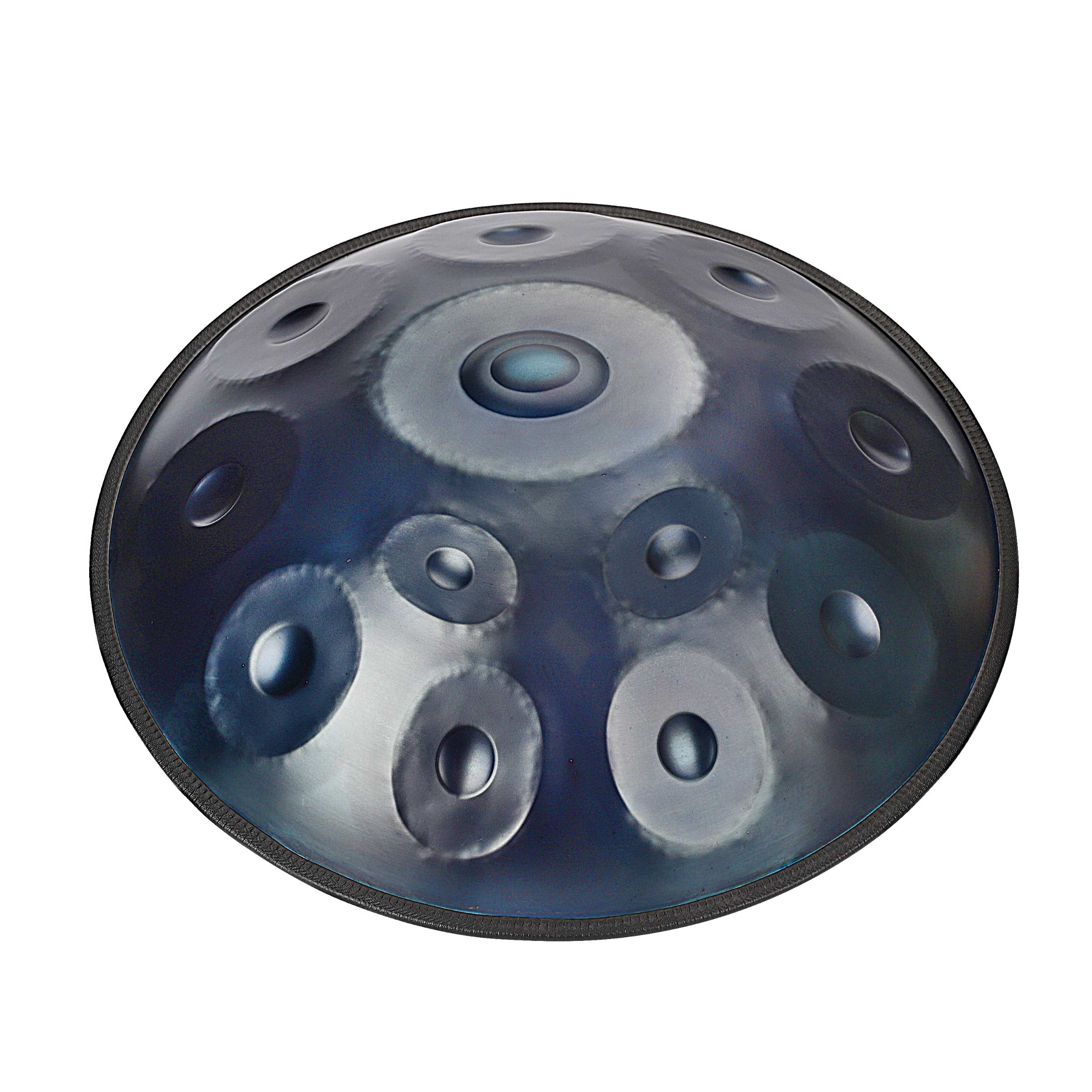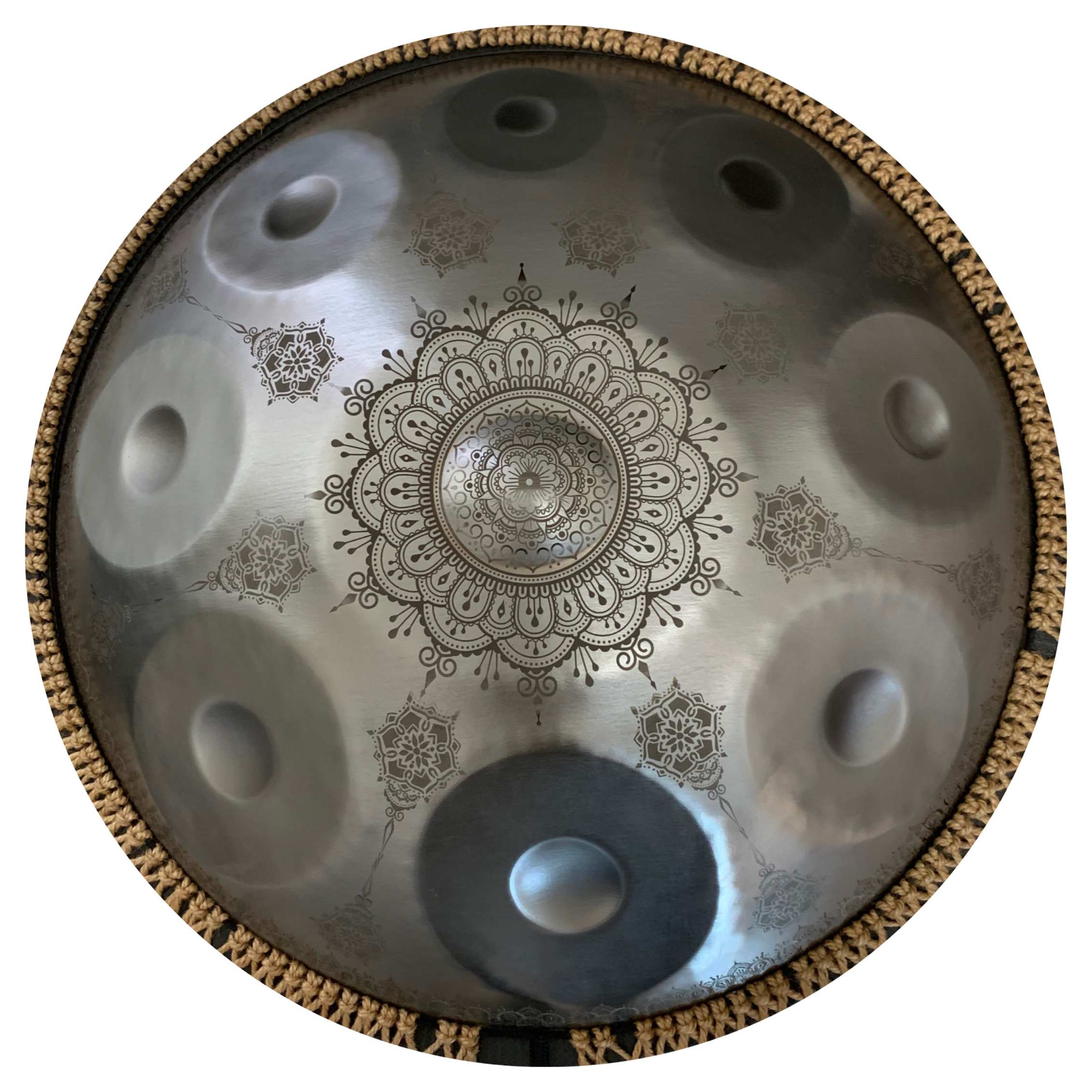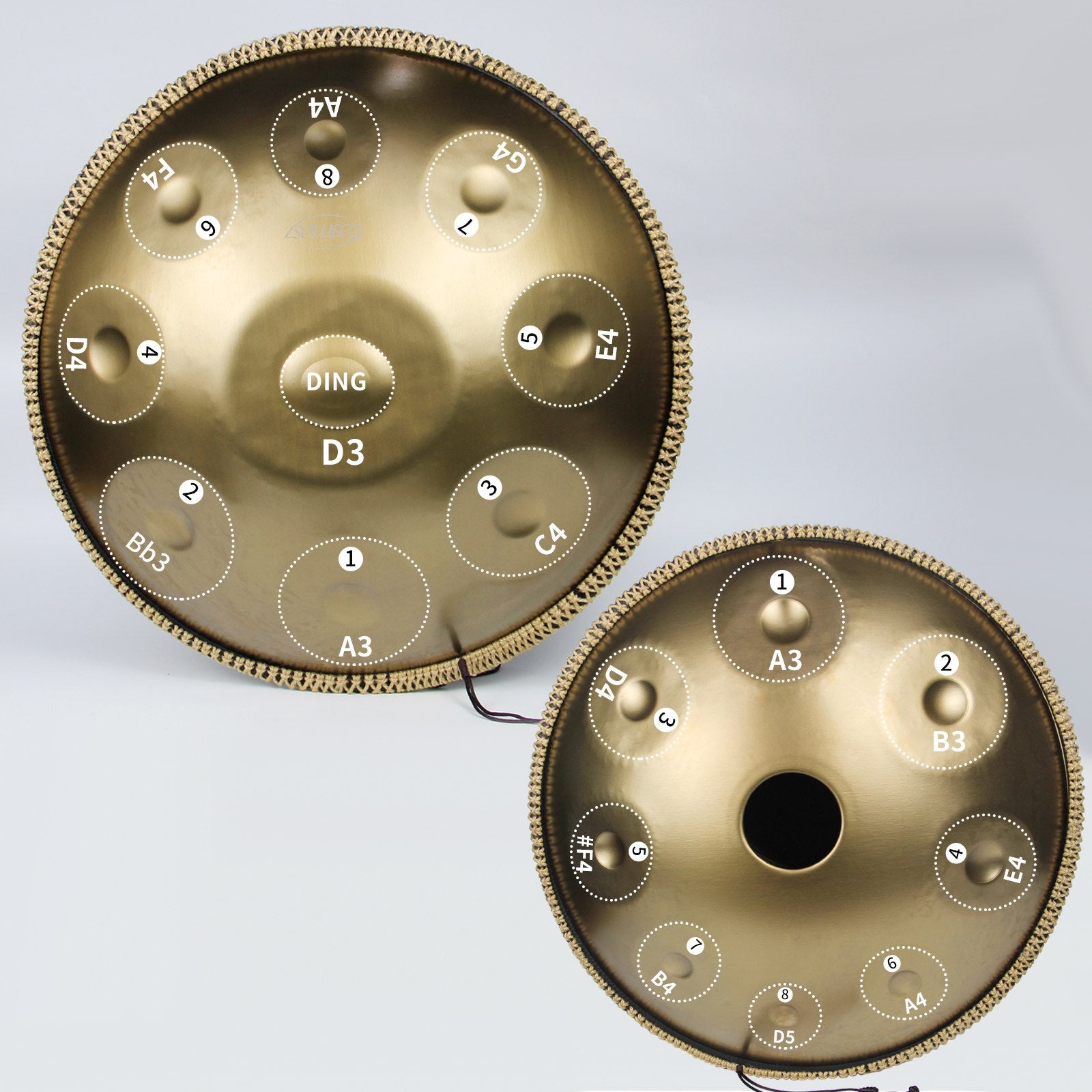
For an instrument that produces such ancient, ethereal, and universally resonant tones, many musicians are completely shocked to discover just how modern its origins truly are. When people hear the captivating resonance of this instrument for the first time, the most frequently asked question we receive is: exactly when was the handpan invented? The assumption is usually that these instruments have existed for centuries, originating in ancient Eastern temples or tribal ceremonies. In reality, the history of how the handpan invented a completely new category of melodic percussion is a distinctly modern tale of acoustic physics and metallurgical engineering.

From our experience crafting these instruments over the last decade, understanding the exact timeline and acoustic lineage of when the handpan invented its way into the global music scene is vital for any serious player. The story is one of innovation, legal trademark disputes, and a global community of artisans who pushed the boundaries of what steel could sound like. In this comprehensive expert guide, we will detail exactly when the handpan invented a new musical paradigm, explore its acoustic ancestors, and outline how modern crafters like Cosmos Handpans are carrying this legacy forward into the future.
Table of Contents
- 1. The Origin: Exactly When Was the Handpan Invented?
- 2. Acoustic Ancestors and the Physics of Sound
- 3. From Hang to Handpan: The Evolution of a Name
- 4. The Cosmos Handpans Journey in Colorado
- 5. Understanding Frequencies and Tuning Mechanics
- 6. Modern Materials: How Crafting Has Evolved
- 7. The Future of the Instrument and Learning Accessibility
- 8. Summary Table: Handpan Historical Milestones
- 9. Frequently Asked Questions (FAQs)
- 10. Industry References
1. The Origin: Exactly When Was the Handpan Invented?
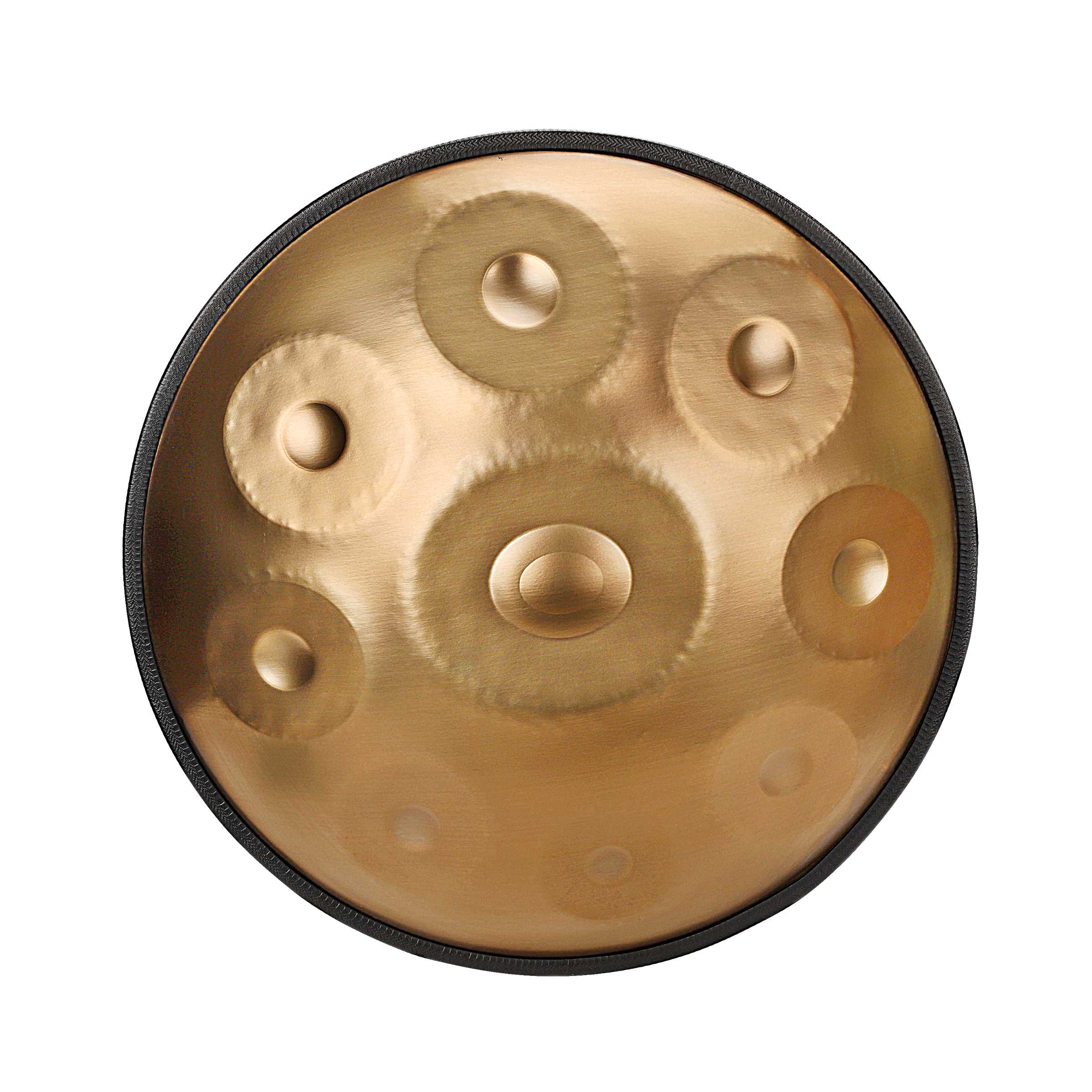
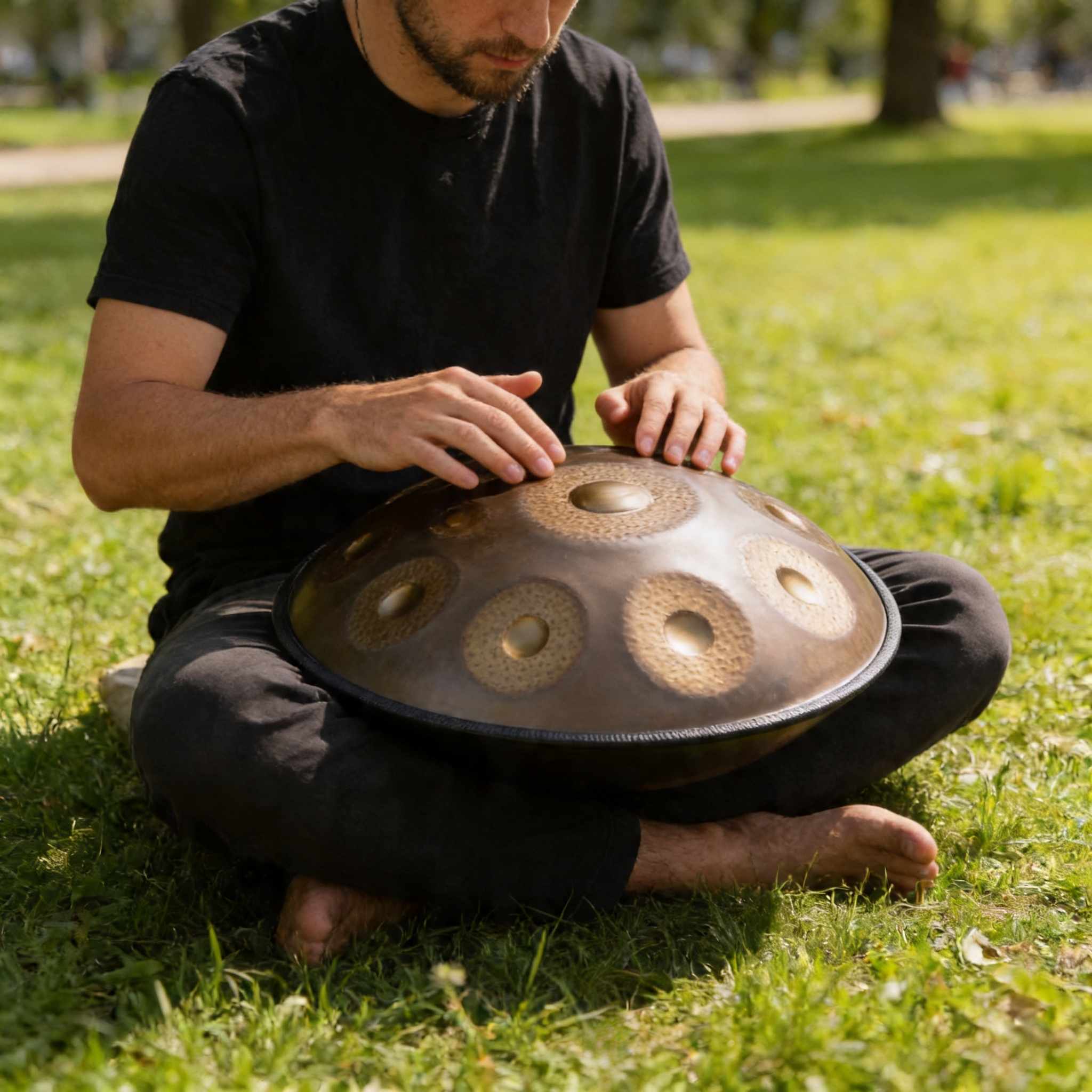
To accurately answer when the handpan invented its unique footprint in the music world, we must travel to Bern, Switzerland, at the very dawn of the 21st century. The instrument was officially invented in the year 2000. Two visionary steelpan builders, Felix Rohner and Sabina Schärer of the company PANArt, successfully created the first prototype of what they called the "Hang" (pronounced "hah-ng").
The instrument made its first official public debut in 2001 at the Musikmesse Frankfurt, one of the world's largest music trade fairs. The moment the PANArt Hang was unveiled, the acoustic landscape was forever changed. Because the handpan invented an entirely new way of interacting with tuned steel—played with the hands rather than mallets—it generated immediate, overwhelming demand. This specific timeline proves that the instrument is barely two decades old, making it one of the youngest acoustic instruments in the world to achieve such rapid global popularity.
2. Acoustic Ancestors and the Physics of Sound
While the year 2000 marks when the handpan invented its specific convex shape, the acoustic principles behind it are deeply rooted in earlier instruments. Felix and Sabina spent decades studying the Caribbean steelpan, which is traditionally struck with mallets. A Swiss percussionist named Reto Weber approached them with a request: he wanted a steelpan that could be played with the hands, similar to an Indian Ghatam.
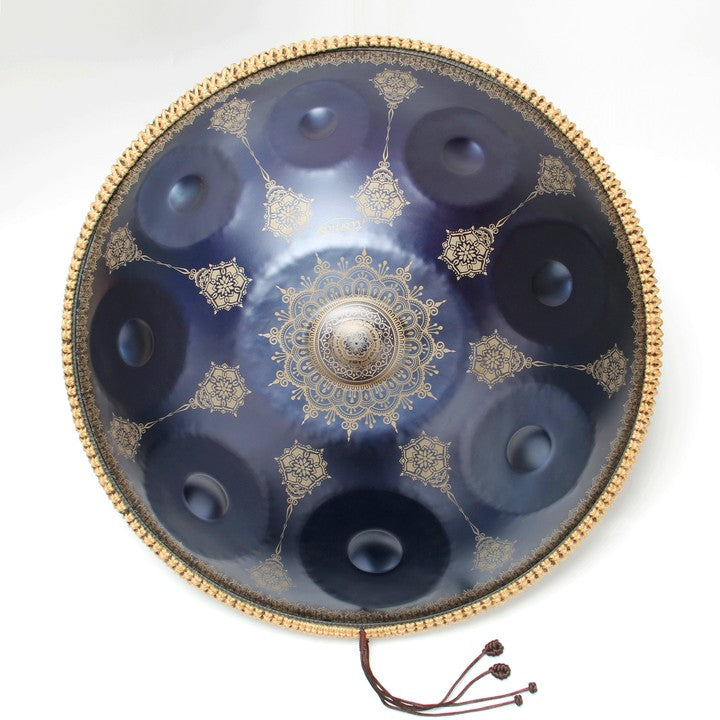
To achieve this, PANArt flipped the traditional concave steelpan upside down, creating a convex shape. They attached a resonant bottom shell featuring a central opening (the Gu), transforming the instrument into a Helmholtz resonator. This acoustic phenomenon—similar to the deep bass tone produced when blowing over the top of an empty glass bottle—is what gives the instrument its signature haunting sustain. The precise way the handpan invented a marriage between Trinidadian steelpan tuning and Helmholtz resonance is recognized as a masterclass in modern acoustic physics.
3. From Hang to Handpan: The Evolution of a Name
You might wonder why we call it a handpan today if the original inventors named it the Hang. The shift in terminology is a fascinating piece of industry history. PANArt legally trademarked the name "Hang." As the instrument gained explosive popularity throughout the early 2000s, PANArt could not—and strategically chose not to—keep up with the massive global demand. They implemented strict purchasing rules, requiring buyers to write physical letters explaining their musical intentions.
In response to this extreme scarcity, other talented steel tuners around the world began attempting to build their own versions of the instrument. Because PANArt fiercely protected their trademark, these new makers needed a generic term for the instrument. In 2007, Kyle Cox of Pantheon Steel coined the term "handpan." From that moment on, the term "handpan" was widely adopted by the global community to describe any convex steel drum played with the hands. This semantic shift is just as important as the year the handpan invented its original shape, as it opened the door for global makers to collaborate, innovate, and expand the art form.
4. The Cosmos Handpans Journey in Colorado

As the generic term gained traction, a new wave of artisans began pushing the boundaries of what these instruments could achieve. This is where the Cosmos Handpans story begins. In the heart of Colorado, USA, we have spent more than a decade mastering the intricate metallurgy and acoustic tuning required to build world-class instruments.
From our experience, building a handpan is not merely a manufacturing process; it is a profound acoustic dialogue between the hammer and the steel. We recommend that players carefully consider the dimensions of the instrument they choose to play. Over the years, the industry has standardized certain dimensions to optimize the Helmholtz resonance. To explore the exact dimensions that yield the best acoustic response, we highly advise reading our comprehensive guide on the standard handpan size.
5. Understanding Frequencies and Tuning Mechanics
When the handpan invented a new category of sound healing, it brought specific tuning frequencies into the mainstream spotlight. Unlike a piano, where you strike a single note, striking a tone field on a handpan activates the fundamental note, the octave, and the compound fifth simultaneously. This 1:2:3 frequency ratio is what creates the ethereal, choir-like sound.
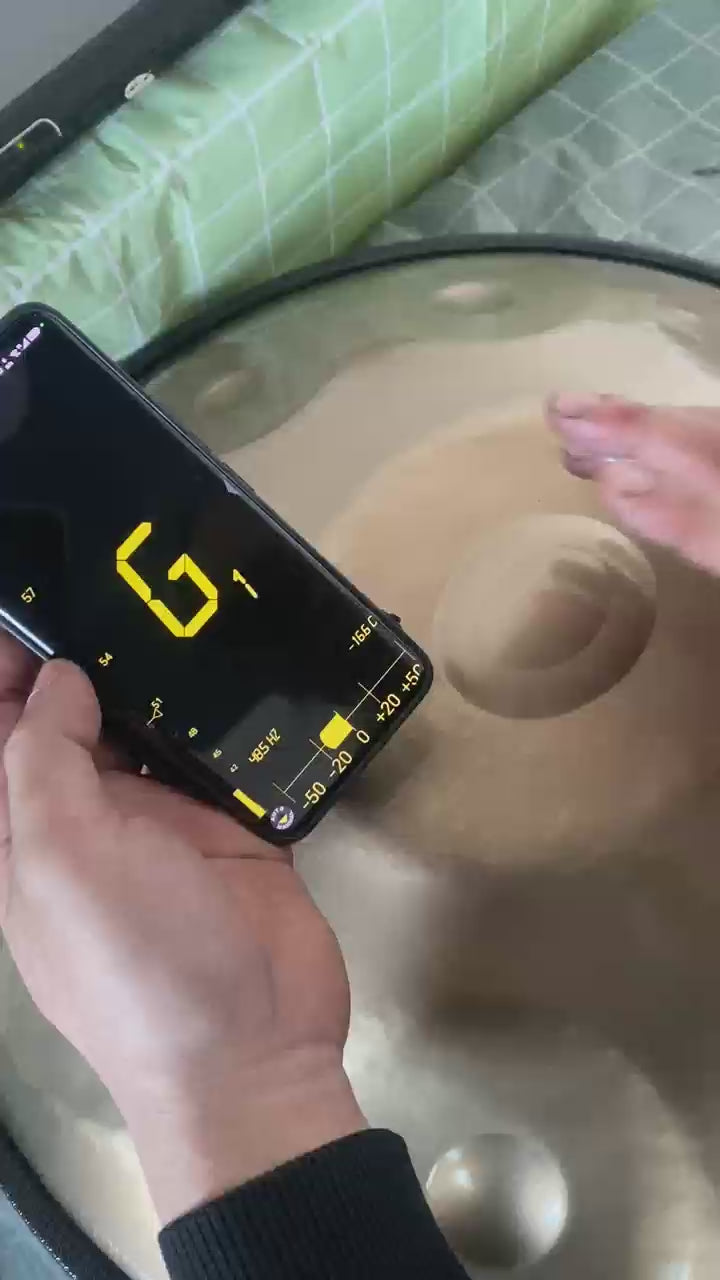
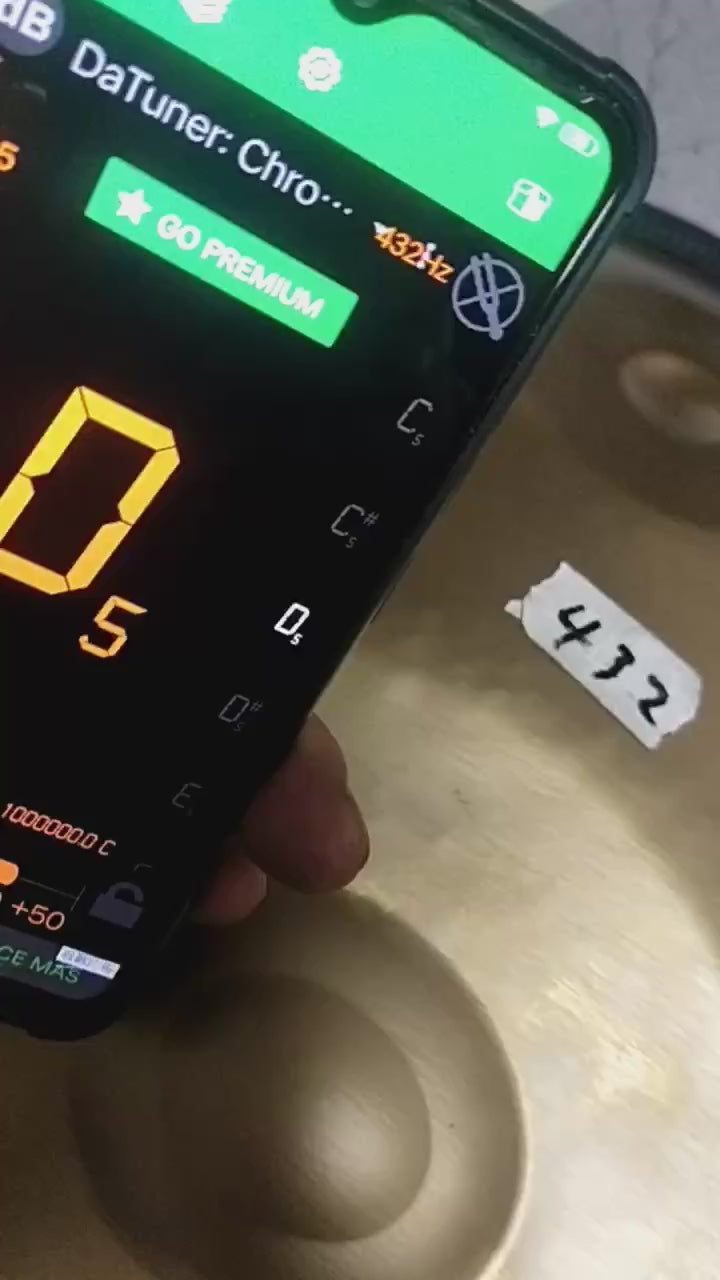
At Cosmos Handpans, our artisans infuse each instrument with ethereal melodies that stir the senses. Many of our clients request specific frequency tunings tailored for sound therapy and meditation. For instance, instruments tuned to 432 Hz are widely celebrated for their deep, grounding properties. We recommend reading our 432 hz handpan guide to understand the mathematical harmony behind this pitch. Furthermore, we also specialize in highly esoteric tunings; you can explore the profound spiritual significance in our article regarding the 1111 hz handpan meaning.
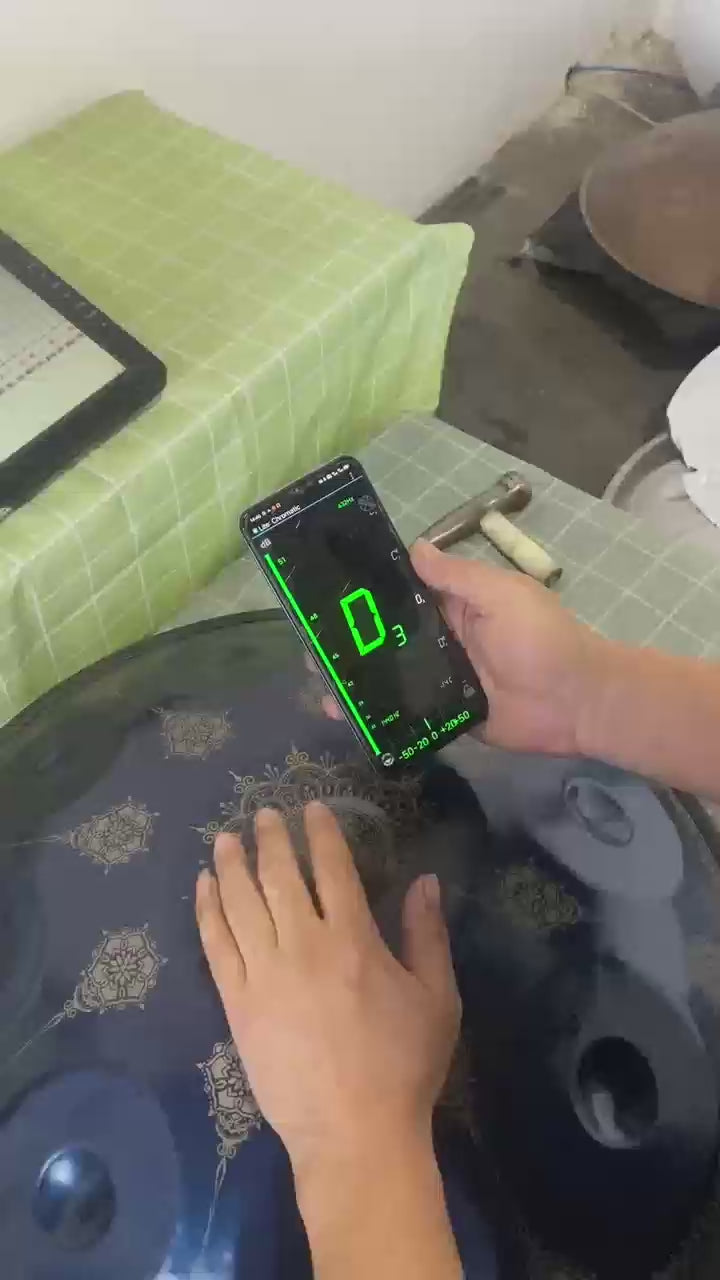
Maintaining these precise frequencies requires deep technical knowledge. If you are a dedicated player looking to understand the mechanics of how these tone fields are shaped and maintained, we invite you to review our technical breakdown on how to tune a handpan.
6. Modern Materials: How Crafting Has Evolved
Since the year 2000, when the handpan invented its original nitrided steel construction, metallurgical sciences have advanced significantly. Early instruments were highly susceptible to rust and required constant oiling. Today, we have evolved the crafting process to utilize highly specialized alloys.
At Cosmos Handpans, we work extensively with nitrided deep-drawn steel, stainless steel, and ember steel. Stainless steel handpans offer a significantly longer sustain and are highly resistant to corrosion, making them perfect for humid environments or outdoor busking. Nitrided steel, on the other hand, offers a warmer, more ceramic sound with a shorter sustain, which is ideal for fast, percussive playing styles. Our unwavering pursuit of musical excellence dictates that we select the exact right alloy to match the player's intended style.
7. The Future of the Instrument and Learning Accessibility
Because the handpan invented a highly intuitive way to create music, it does not require years of classical music theory to enjoy. The notes are pre-arranged in a specific scale, meaning there are no "wrong" notes to hit. This makes it one of the most accessible instruments for adult beginners.
If you are inspired to begin your musical journey, we highly recommend reading our detailed handpan for beginners guide. Additionally, the digital age has made mastering the instrument easier than ever. You can accelerate your learning curve by utilizing modern technology; discover the top resources in our review of handpan learning apps.
8. Summary Table: Handpan Historical Milestones
| Year | Historical Milestone | Significance to the Industry |
|---|---|---|
| 2000 | Invention of the Hang | Felix Rohner and Sabina Schärer build the first prototype in Bern, Switzerland. |
| 2001 | Musikmesse Frankfurt Debut | The instrument is introduced to the global public, sparking massive worldwide demand. |
| 2007 | The term "Handpan" is coined | Kyle Cox of Pantheon Steel creates the generic term to bypass PANArt's trademark, birthing a global maker community. |
| 2010s | Rise of Independent Makers | Crafters globally, including Cosmos Handpans in Colorado, begin innovating with new scales, stainless steel, and larger bottom notes. |
| Present | Mainstream Acoustic Therapy | The instrument becomes a staple in sound healing, yoga, and global percussive performances. |
9. Frequently Asked Questions (FAQs)
Why did the original inventors stop calling it a Hang?
The inventors never stopped calling it a Hang; PANArt still holds the trademark for that specific name. The rest of the world adopted the term "handpan" to describe similar instruments made by other manufacturers to avoid legal trademark infringement.
How does a handpan differ from a steel drum?
While both share Caribbean roots, a traditional steel drum is concave (bowl-shaped) and played with rubber-tipped mallets. The handpan invented a convex (dome) shape that is played exclusively with the fingertips and thumbs, relying on a sealed internal air cavity for its unique resonance.
What makes Cosmos Handpans instruments unique?
From our experience spanning over a decade in Colorado, we pour passion and precision into every instrument. We meticulously tune the fundamental, octave, and fifth harmonics of every tone field, ensuring that our instruments transcend simple sound and resonate deeply with the spirit of the musician.
10. Industry References
To further explore the acoustic physics, metallurgical history, and the exact timeline of when the handpan invented a new era of melodic percussion, we recommend consulting the following authoritative sources:
- The Acoustical Society of America (ASA) - Features extensive peer-reviewed studies on the non-linear acoustics and Helmholtz resonance of shell-based percussion instruments.
- The Smithsonian Institution - Offers historical archives detailing the evolution of the Caribbean steelpan and its direct influence on modern European handpan development.