When you strike the resonant steel of a handpan for the first time, it feels like an ancient, mystical instrument passed down through millennia of acoustic tradition. However, the reality is far more modern and industrially fascinating. The question of who invented the handpan is not just a matter of historical trivia; it is a critical piece of knowledge that separates serious acoustic practitioners from casual consumers. Understanding the origins of this instrument will fundamentally change how you evaluate, purchase, and play your own.

From our experience crafting and tuning steel instruments, the market has become flooded with mass-produced, low-quality replicas. Many sellers obscure the true history to market cheap stamped metal as "authentic." In this comprehensive guide, we are going to set the record straight. We will detail exactly who invented the handpan, how the original mechanics of sound were engineered, and provide commercial and practical judgment on whether you should chase a vintage original or invest in modern craftsmanship.
Quick Answer: Who Invented the Handpan?
The handpan was invented in the year 2000 by two Swiss tuners, Felix Rohner and Sabina Schärer, operating under their company name, PANArt, in Bern, Switzerland. They originally named their creation the "Hang" (pronounced "hung").
Because PANArt trademarked the name "Hang," other makers who eventually learned to build similar instruments could not legally use the term. In 2007, an American steelpan maker named Kyle Cox (Pantheon Steel) coined the term "handpan" to describe the growing family of these convex, hand-played steel instruments. Therefore, while PANArt invented the instrument itself, they did not invent the word "handpan."
Table of Contents
- What is the Handpan and its True Origin?
- How the Original Invention Works
- Benefits of Modern Evolution
- Limitations of Vintage Original Hanghang
- Who Should Use a Handpan
- Who Does Not Need a Premium Instrument
- Common Mistakes When Buying
- Crucial Buying Considerations
- Expert Recommendation from Cosmos Handpans
- Pros and Cons Table: Vintage vs. Modern
- Comparison Table: PANArt Hang vs. Modern Handpan
- Frequently Asked Questions (FAQ)
- Authoritative References
What is the Handpan and its True Origin?
To understand who invented the handpan, you must look at the evolution of the Trinidadian steelpan. In the late 20th century, Felix Rohner was a highly respected tuner of traditional concave steelpans in Switzerland. In late 1999, an ethnomusicologist and percussionist named Reto Weber visited PANArt's workshop. Weber played the Ghatam (a clay pot drum from India) and asked Rohner and Schärer if they could create an instrument that combined the rich, metallic tone of a steelpan with the hand-played, resonant acoustics of the Ghatam.
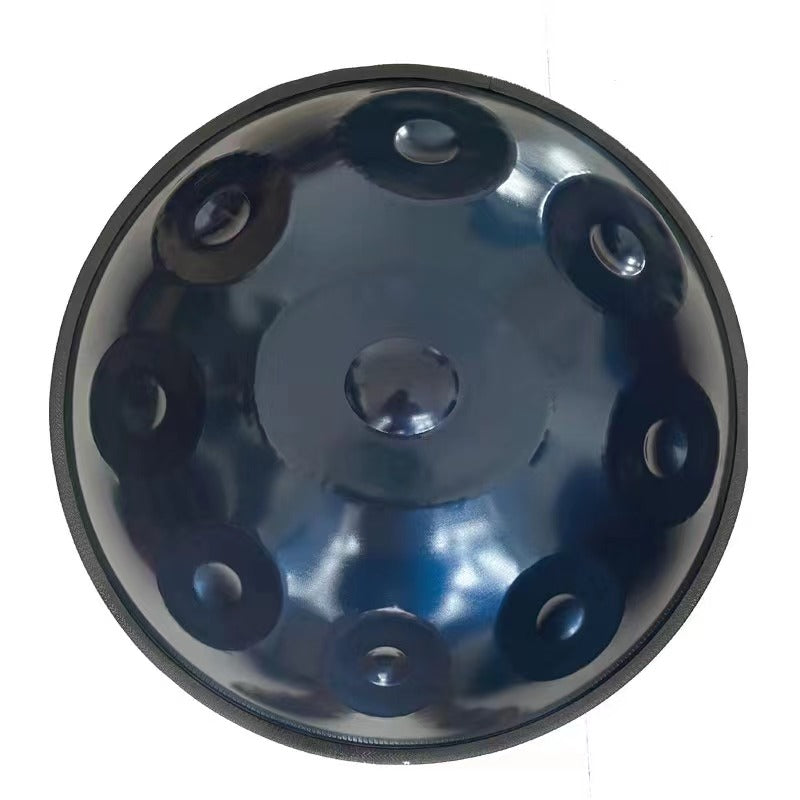
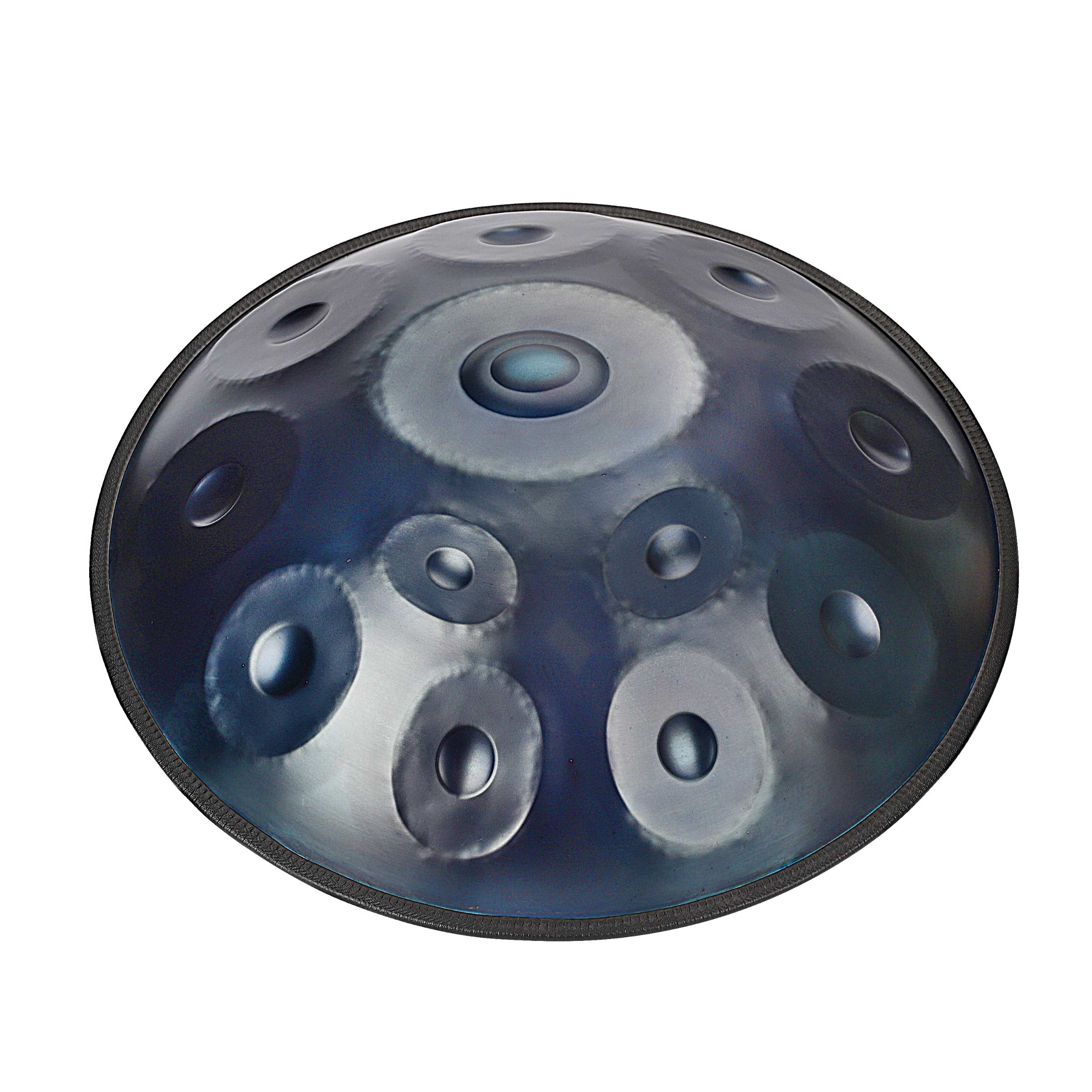
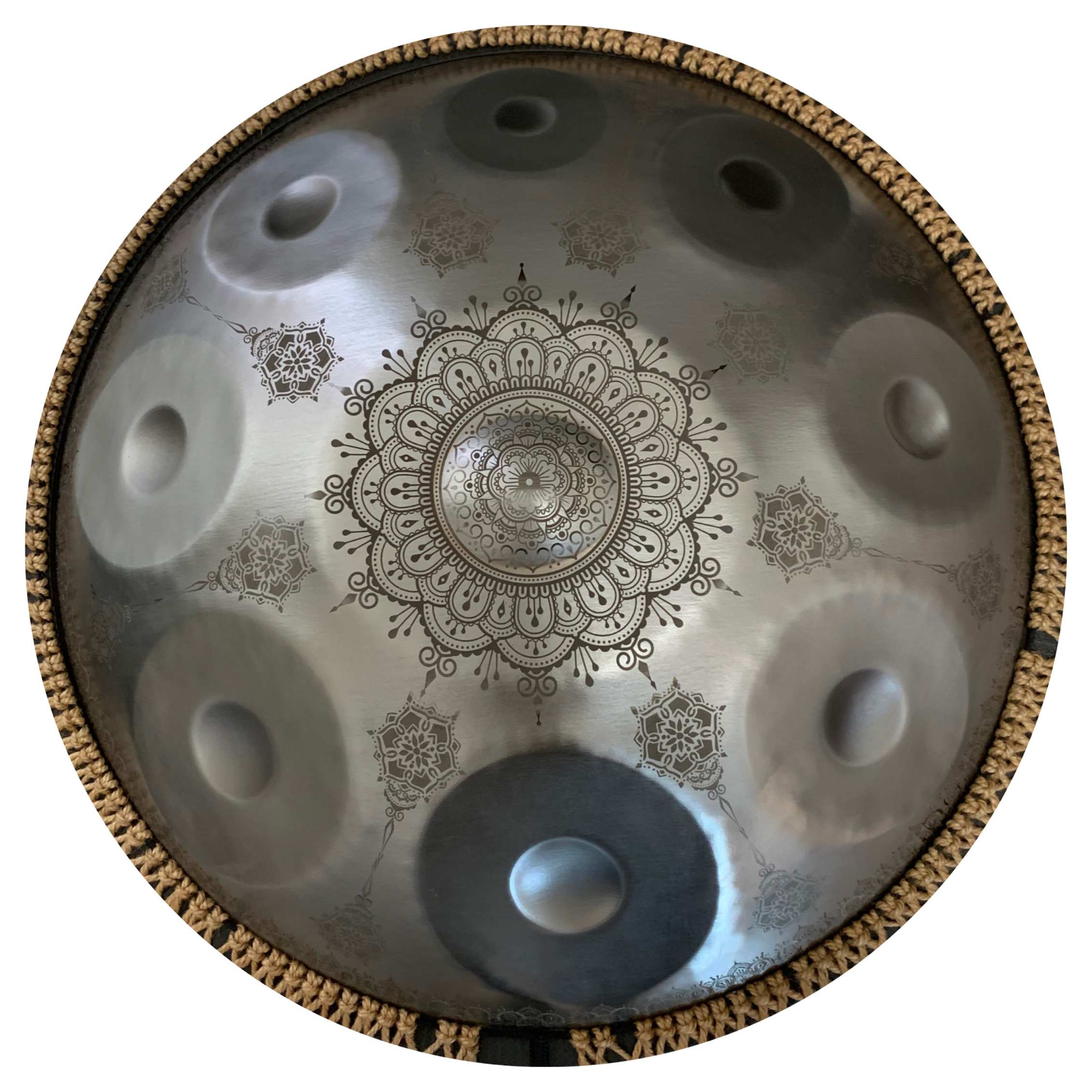
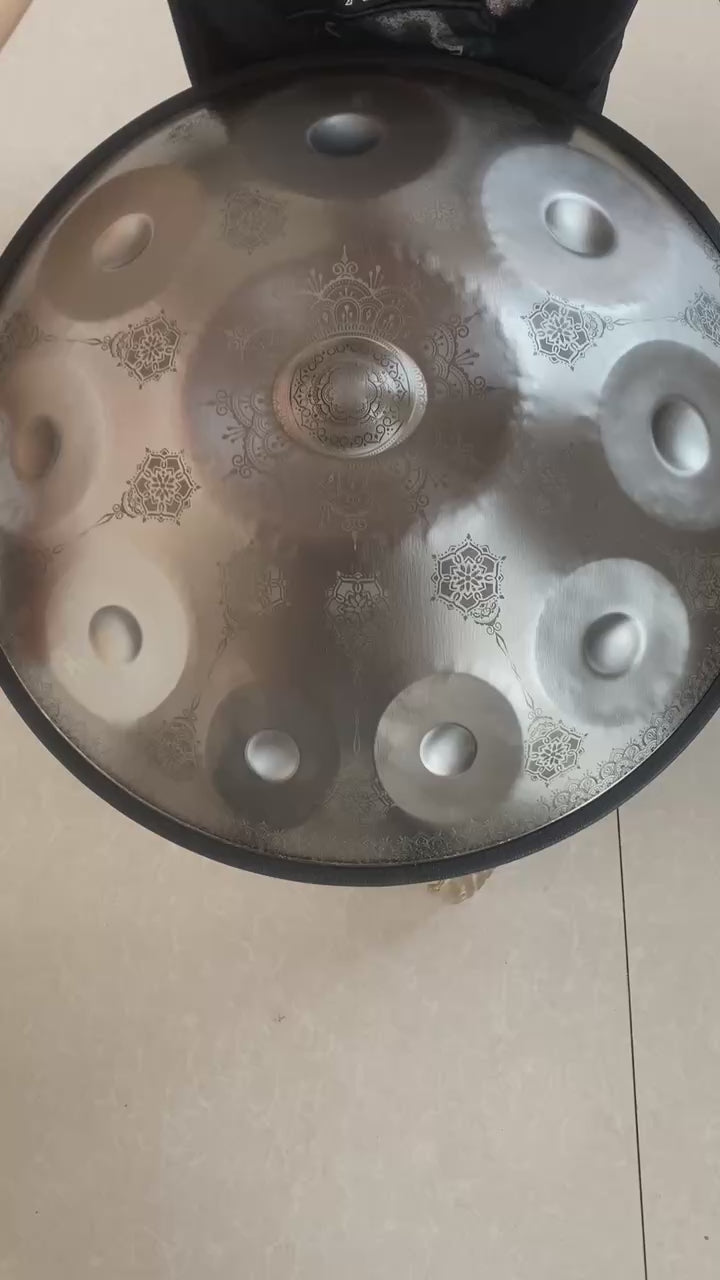
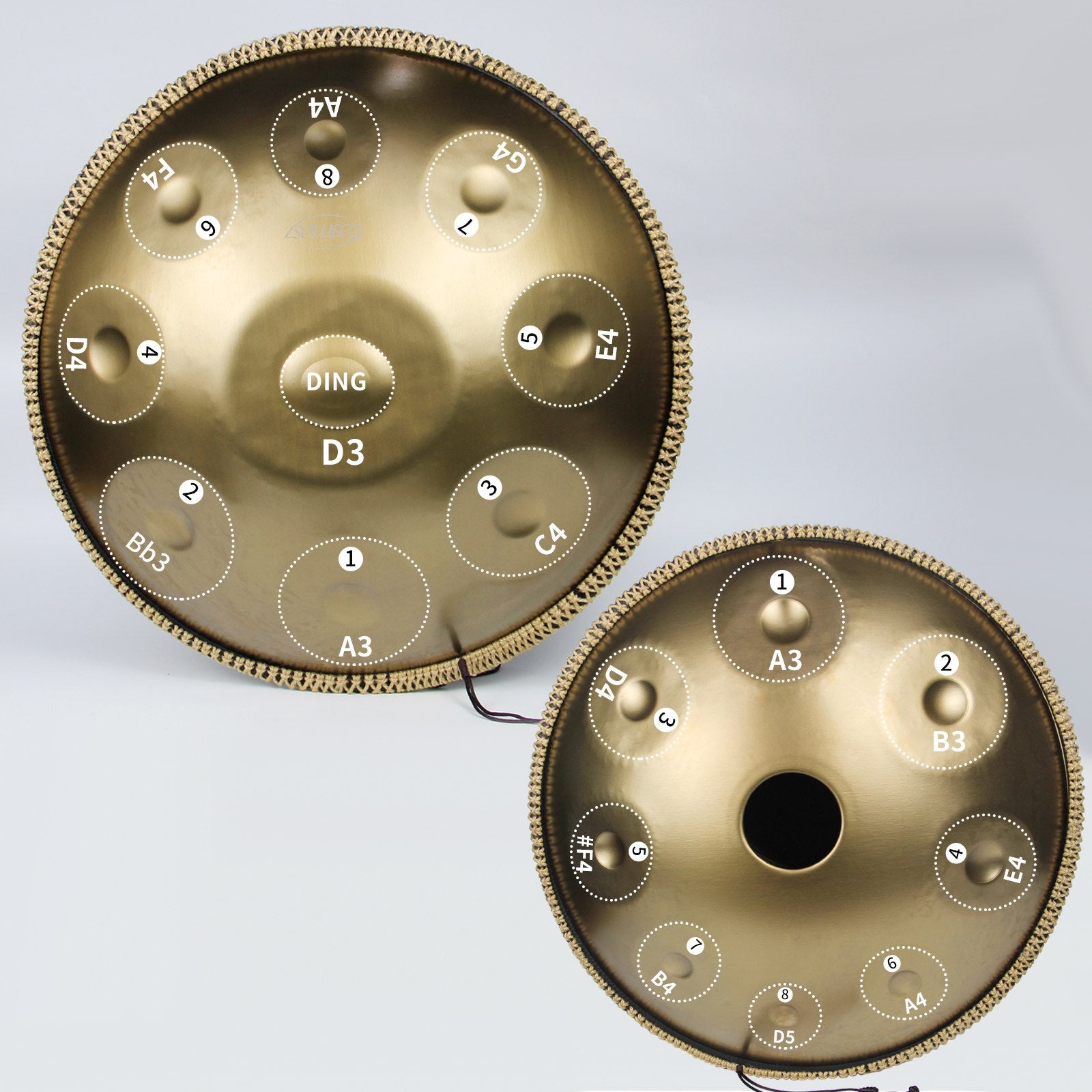
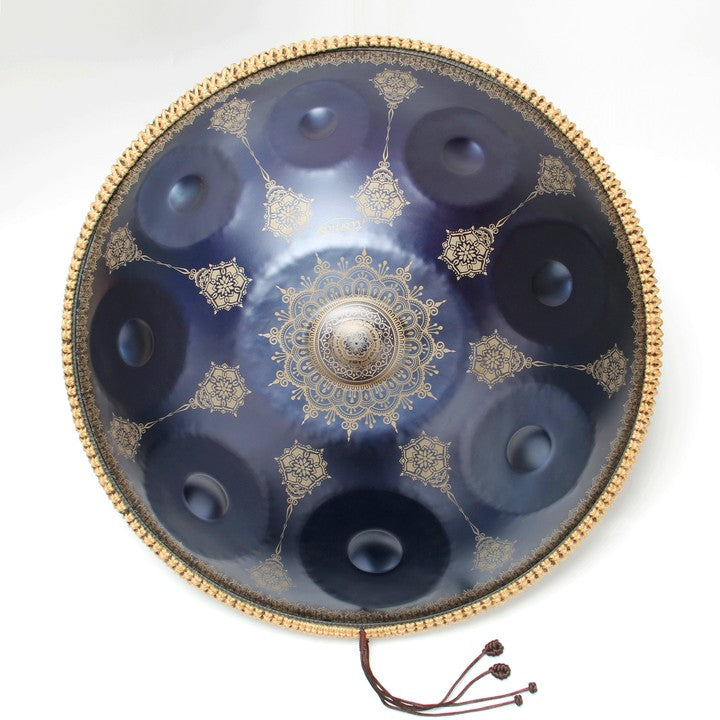
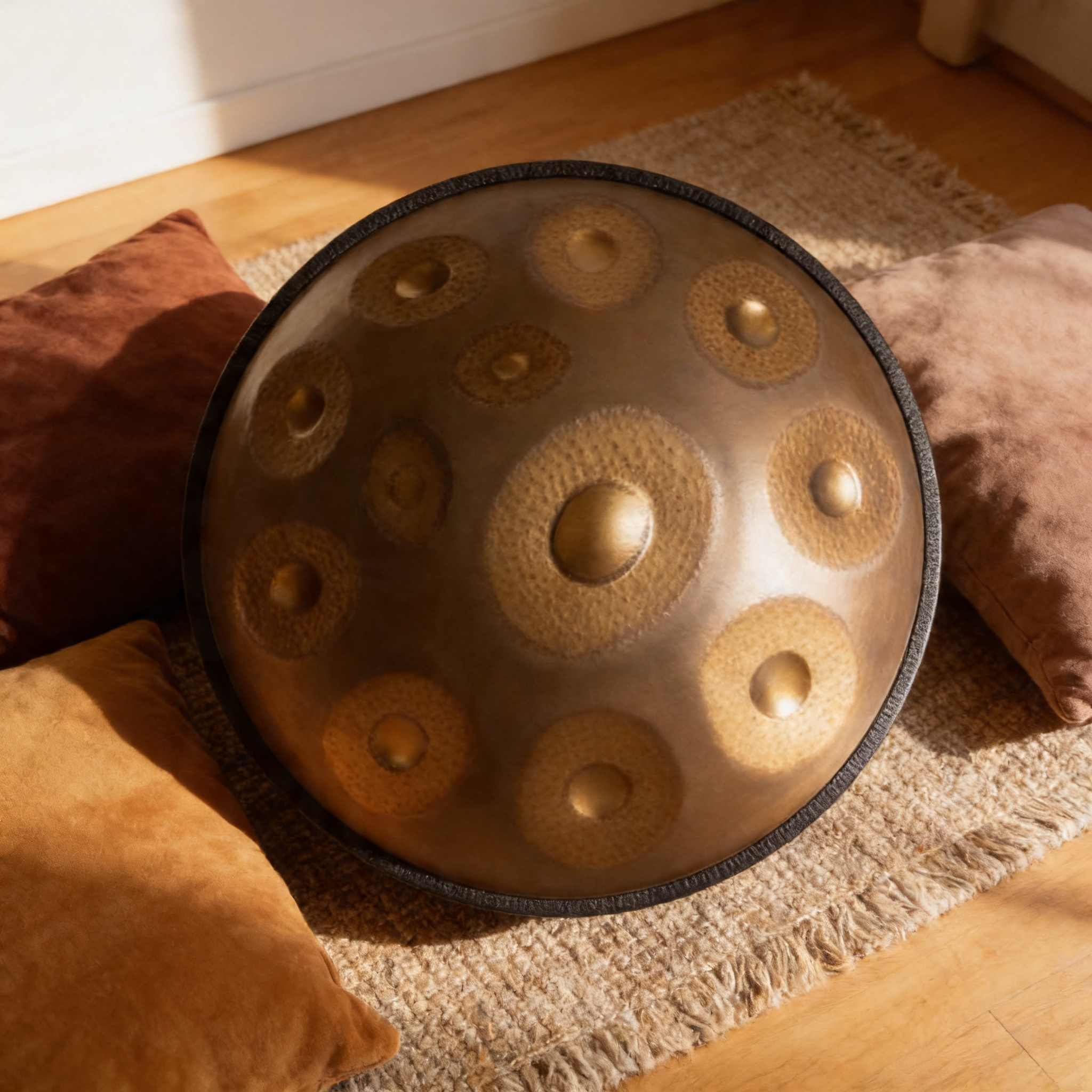
Rohner and Schärer took two deep-drawn, nitrided steel shells (a proprietary material they called Pang) and glued them together at the rim, creating a convex UFO-like shape. They hammered a central note (the "Ding") and surrounded it with a circle of tone fields. On the bottom shell, they cut a resonant hole (the "Gu") to allow the air to escape, creating a Helmholtz resonator. In the year 2000, they unveiled the Hang. This was the exact moment they invented the handpan format that we know today.
How the Original Invention Works
The genius of those who invented the handpan lies in acoustic physics. When you strike a tone field on a high-quality handpan, you are not just hearing one note; you are hearing a fundamental tone, an octave overtone, and a compound fifth overtone, all tuned into a single dimple.
In most professional situations, the instrument relies on the Helmholtz resonance. As your finger strikes the steel and releases immediately, the vibration excites the air mass inside the hollow chamber. The air pulses in and out of the bottom port (the Gu), creating a deep, bass-heavy throb that underpins the melody. Understanding this complex tuning architecture is vital; it is the reason you cannot simply look for cheap handpan options mass-produced in a stamping press and expect them to sound like a true instrument.
Benefits of Modern Handpan Evolution

While we owe immense gratitude to PANArt for having invented the handpan, the industry has evolved significantly over the last two decades. The modern handpan offers profound benefits over the early 2000s prototypes.
Today, the best handpan brands utilize advanced metallurgy, including stainless steel and ember steel, which drastically improve sustain, rust resistance, and tuning stability. Modern builders have also expanded the handpan notes chart. While the original Hang was limited to 7 or 8 notes, today's instruments frequently feature bottom notes (mutants) allowing for 15 to 20 notes on a single instrument, expanding the compositional possibilities for professional musicians.
Limitations of Vintage Original Hanghang
There is a massive misconception in the market that you must acquire an original PANArt Hang to get the "best" sound. In our testing, this is objectively false. The original instruments are now over 15 to 20 years old. Steel shifts over time, and many original Hanghang (plural for Hang) have fallen out of tune.
Furthermore, because PANArt stopped producing the original Hang in 2013 to focus on other instruments (like the Gubal), the secondary market prices for a vintage Hang are astronomically inflated—often exceeding $10,000. For anyone reading a modern handpan price guide, spending five figures on an un-tunable antique is a terrible commercial decision.
Who Should Use a Modern Handpan
For beginners, the handpan is arguably the most intuitive instrument on the planet. Because the notes are pre-selected in a specific scale (like D Minor or C# Kurd), there are no "wrong" notes. You do not need to read sheet music to create beautiful, flowing melodies.
For commercial users—such as sound healers, yoga instructors, and studio recording engineers—investing in a premium handpan is a business asset. The soothing, ethereal frequencies (often debated in circles discussing 1111 hz handpan meaning and 432Hz tunings) induce rapid states of relaxation in clients, elevating the commercial value of a therapy session.
Who Does Not Need a Premium Instrument
If you are looking for a toy for a toddler to bang on with wooden mallets, you absolutely do not need a handpan. Handpans are played strictly with the fingertips. Striking them with sticks or heavy mallets will permanently detune the instrument. If you want a mallet instrument, buy a steel tongue drum instead.
Common Mistakes When Buying
The most devastating mistake we see buyers make is falling for dropshipping scams that use videos of professional players, but ship un-tuned, stamped metal woks. When asking how much does a handpan cost, you must understand that true hand-hammered tuning requires weeks of labor. A $200 instrument on a generic marketplace will sound like a trash can. You must buy directly from reputable makers who show their tuning process.
Another common mistake is choosing a complex, mutated scale as your first instrument. We highly recommend consulting a best handpan for beginners guide and starting with a standard 9-note D Minor (Kurd or Celtic) scale. It is versatile, easy to learn, and pairs beautifully with other instruments.
Crucial Buying Considerations
When selecting your instrument, apply strict practical judgment based on how you intend to use it.
- Material Selection: For heavy-duty applications (like busking outdoors or living in humid, coastal climates), we strongly recommend Stainless Steel. It is highly resistant to rust and requires far less maintenance than Nitrided steel.
- Size and Ergonomics: Pay attention to the standard handpan size. A 53cm (21-inch) diameter is standard and fits comfortably in the lap of most adults. Larger 56cm pans offer deeper bass but can be cumbersome for smaller players.
- Note Count: Deciding how many notes should a handpan have comes down to skill level. 9 or 10 notes are perfect for learning. 15+ notes (with bottom notes) are strictly for advanced players who need extended melodic range.
Expert Recommendation
The Cosmos Handpan Perspective
In the heart of Colorado, USA, Cosmos Handpan shines as a guiding light of musical innovation and soulful resonance. We have more than a decade of expertise in creating handpans and tongue drums. While we deeply respect the Swiss pioneers who invented the handpan, our passion is pushing the boundaries of what this instrument can achieve today.
Our crafters pour their heart into each handpan with intricate workmanship, ensuring perfect intonation, brilliant sustain, and rugged durability. If you are looking to purchase an instrument, we recommend avoiding the inflated secondary market for vintage pans. Instead, invest in a modern Cosmos Handpan forged from premium stainless steel or nitrided alloys. You will receive superior resonance, guaranteed tuning stability, and a lifetime of musical exploration without the collector's markup.
Pros and Cons Table: Vintage Original vs. Modern Handpan
| Vintage PANArt Hang (Original) | Modern Handpan (e.g., Cosmos Handpan) |
|---|---|
| Pro: Historical value and collector's prestige. | Pro: Superior sustain, richer harmonics, and modern rust-resistant alloys. |
| Pro: The exact instrument that defined the sound. | Pro: Available with bottom notes, expanding the scale up to 20 notes. |
| Con: Astronomically expensive ($5,000 - $15,000+). | Con: Lacks the specific "bragging rights" of an antique original. |
| Con: Very difficult to find a tuner willing/able to retune a 20-year-old Hang. | Pro: Backed by active warranties and dedicated customer support teams. |
Comparison Table: Material Choices for Buyers
| Material Type | Acoustic Profile | Maintenance Level | Best Use Case |
|---|---|---|---|
| Nitrided Steel | Warm, ceramic, controlled sustain, percussive. | High (Requires regular oiling to prevent rust). | Fast, percussive playing; studio recording. |
| Stainless Steel | Bright, ethereal, massive sustain, blooming overtones. | Low (Highly rust-resistant). | Slow, meditative playing; outdoor busking; humid climates. |
| Ember Steel | Balanced blend of ceramic warmth and stainless sustain. | Medium (Requires occasional oiling). | Versatile players seeking a dynamic range of expression. |
Frequently Asked Questions (FAQ)
No, the handpan itself is not patented. While PANArt did hold patents on their specific deep-drawing process and the Pang material, the actual shape and concept of a convex steel drum could not be universally patented. However, they heavily trademarked the name "Hang," which is why other builders must use terms like "handpan" or "pantam."
Felix Rohner and Sabina Schärer viewed themselves as researchers and artists, not commercial factory owners. Overwhelmed by the global demand and the commercialization of their invention, they ceased production of the Hang in 2013 to pursue new acoustic explorations, such as the Gubal, Hang Bal, and other Pang instruments.
You can use a chromatic digital tuner app (like Linotune) to check the fundamental note, the octave, and the fifth overtone of each dimple. For those serious about maintaining their instrument, reviewing understanding handpan notes is crucial to identifying when your instrument needs professional retuning.
You cannot buy a new Hang directly from PANArt, as they no longer manufacture them. You can only purchase them on the secondary, used market (such as forums or specialized Facebook groups), but you should expect to pay a massive premium for the vintage status.
Authoritative References
To ensure historical accuracy and provide further academic reading on the mechanics of the handpan, we recommend consulting the following authoritative sources:
- Acoustical Society of America (ASA): Research papers by Dr. Thomas Rossing detailing the non-linear acoustics and modal analysis of the Hang and steelpan instruments. Visit ASA
- NPR (National Public Radio): Archival coverage and interviews discussing the global phenomenon of the PANArt Hang and its transition into the public domain of "handpans." Visit NPR
- Swiss Federal Institute of Intellectual Property (IPI): Official trademark and patent registry records concerning the proprietary claims of PANArt and the legal distinctions of the term "Hang." Visit IPI