Acoustic resonance forms the foundational bedrock of global musical traditions. For composers, producers, and performing artists, selecting the correct instrumentation dictates the harmonic texture and emotional resonance of a composition. As experts in acoustic metallurgy and sound design at Cosmos Handpan, we frequently consult with musicians looking to build dynamic, full-spectrum ensembles. A recurring request we receive is for a definitive 10 string instruments list with pictures, detailing not only the physical characteristics of these chordophones but also their specific frequency responses and ensemble applications.

From our experience, string instruments produce brilliant overtones and sharp transient attacks, but they often require the grounding sustain of melodic percussion to achieve a truly immersive soundscape. In this professional guide, we will provide a rigorous 10 string instruments list with pictures, exploring the anatomy, tuning, and sonic profile of each instrument. Furthermore, we will demonstrate how integrating these classic stringed devices with modern melodic percussion, such as the handpan, elevates acoustic arrangements to unprecedented heights.
Table of Contents
1. The Anatomy of Acoustic Resonance
Before reviewing our 10 string instruments list with pictures, it is essential to understand how chordophones generate sound. When a string is plucked, bowed, or struck, it vibrates at a fundamental frequency. This vibration is transferred through the bridge to the soundboard, which amplifies the sound waves. The volume, sustain, and timbre are dictated by the tension of the string, the density of the tonewood, and the internal volume of the resonant chamber.
We recommend that composers view string instruments not as isolated voices, but as components of a frequency spectrum. High-tension steel strings (like those on a mandolin) cut through a mix with aggressive high-mid frequencies, while thick gut or synthetic core strings (like those on a double bass) provide the sub-harmonic foundation. When assembling a band, referencing a detailed 10 string instruments list with pictures allows you to visually and sonically map out your frequency bands, ensuring that your final arrangement does not suffer from acoustic masking.
2. The Definitive 10 String Instruments List with Pictures
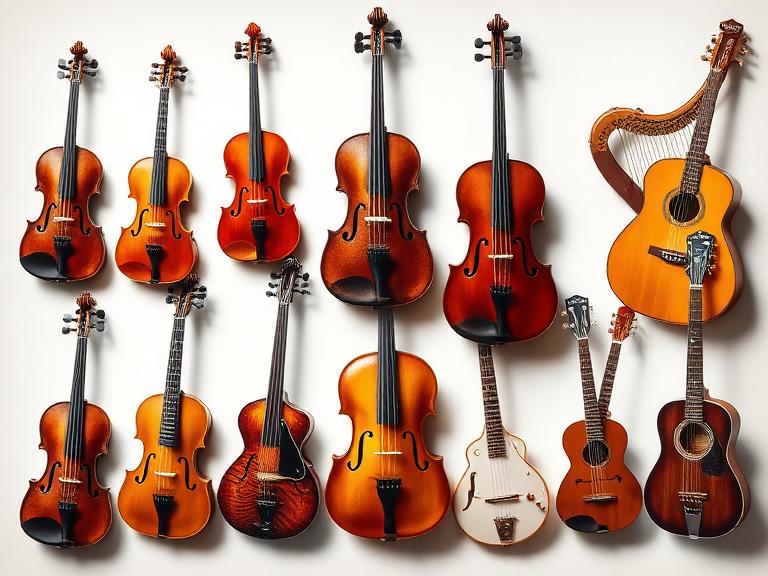
Below is our expertly curated 10 string instruments list with pictures, detailing the most essential chordophones utilized in modern and classical acoustic arrangements.
2.1 The Acoustic Guitar

The acoustic guitar is the undisputed anchor of contemporary acoustic music. Utilizing six strings tuned to E-A-D-G-B-E, it provides a massive frequency range that can handle both rhythmic chordal accompaniment and intricate fingerstyle melodies. The dreadnought body shape offers profound low-end projection, while smaller parlor guitars emphasize mid-range articulation.
2.2 The Violin (Fiddle)

Operating in the soprano register, the violin is unmatched in its ability to sustain a melody. When bowed, the friction creates a continuous, soaring tone. In folk traditions, played as a fiddle, it utilizes rapid double-stops to create driving rhythms. From our experience, the violin requires a strong rhythmic counterpoint to keep the high frequencies from overwhelming an ensemble.
2.3 The Violoncello (Cello)

The cello occupies the tenor and baritone registers. Tuned in fifths (C-G-D-A), its rich, warm timbre closely mimics the human voice. It is highly versatile, capable of performing rapid ostinatos, sweeping legatos, and aggressive staccato chops. We highly recommend the cello for cinematic scoring due to its emotional depth.
2.4 The Double Bass

No 10 string instruments list with pictures is complete without the foundational low-end of the double bass. Tuned in fourths (E-A-D-G), this massive instrument provides the sub-harmonic frequency floor for orchestras, jazz trios, and bluegrass bands. Whether bowed (arco) or plucked (pizzicato), it establishes the harmonic root and the rhythmic pulse of the composition.
2.5 The Mandolin

The mandolin features eight strings arranged in four courses of two, tuned identically to a violin (G-D-A-E). Because it is plucked with a plectrum, it produces a sharp, percussive attack with rapid decay. The mandolin is famous for its rhythmic chop, acting almost like a snare drum in acoustic string bands.
2.6 The Banjo

The banjo is unique in this 10 string instruments list with pictures because its soundboard is not wood, but a stretched animal skin or synthetic membrane. This creates a highly resonant, bright, and twangy tone with almost zero sustain. The five-string variant utilizes a short drone string, making it the premier instrument for rapid, syncopated arpeggios in folk and bluegrass music.
2.7 The Concert Harp
The concert harp is an architectural marvel. With up to 47 strings and a complex pedal system to alter pitch, it provides angelic glissandos and rich chordal beds. Due to its sheer size and the massive tension across its soundboard, the harp delivers a sweeping, cascading sonic profile that fills the entire frequency spectrum.
2.8 The Ukulele
Often utilized for its portability and bright, cheerful tone, the ukulele utilizes four nylon strings. It is primarily a rhythm instrument, providing light, percussive strumming that sits comfortably in the upper-mid frequencies without masking heavier instruments.
2.9 The Sitar
The sitar introduces sympathetic resonance to our 10 string instruments list with pictures. While the player plucks the main melody strings, a series of sympathetic strings running beneath the frets vibrate independently, creating a distinct, lush, and echoing drone. This instrument requires masterful microtonal bending to achieve its signature sound.
2.10 The Renaissance Lute
Concluding our 10 string instruments list with pictures is the lute. With its deep, bowl-shaped back crafted from strips of wood, the lute produces a delicate, warm, and intimate tone. It is the historical ancestor of the modern guitar and is essential for authentic performances of early European music.
3. Bridging Melody and Rhythm: The Cosmos Handpan
While compiling a 10 string instruments list with pictures is essential for understanding chordophones, an acoustic ensemble is often incomplete without percussive grounding. String instruments provide sharp attacks and sweeping sustains, but they lack the resonant, earthy thump of pure steel. At Cosmos Handpan, we believe that the ultimate companion to any stringed instrument is melodic percussion.
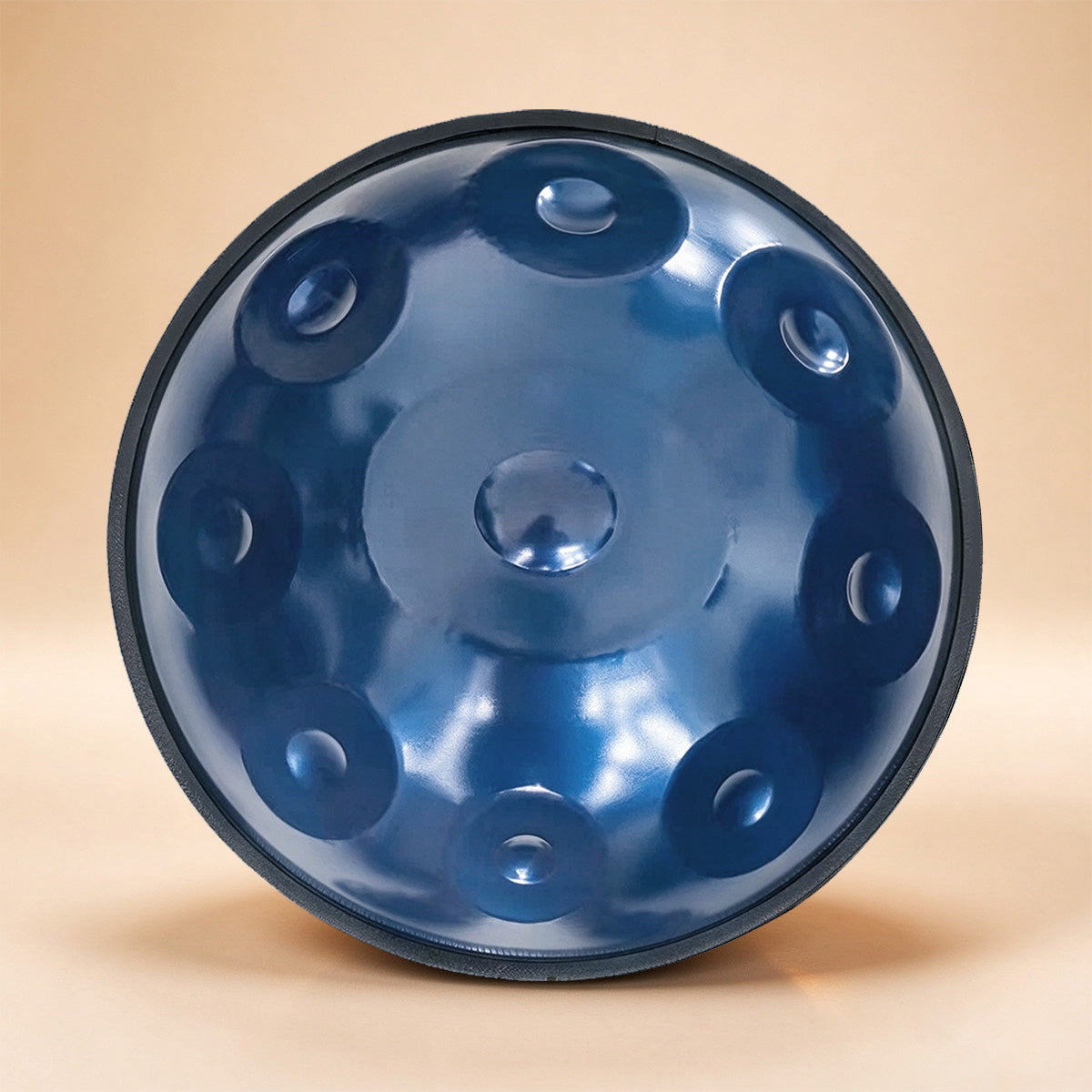
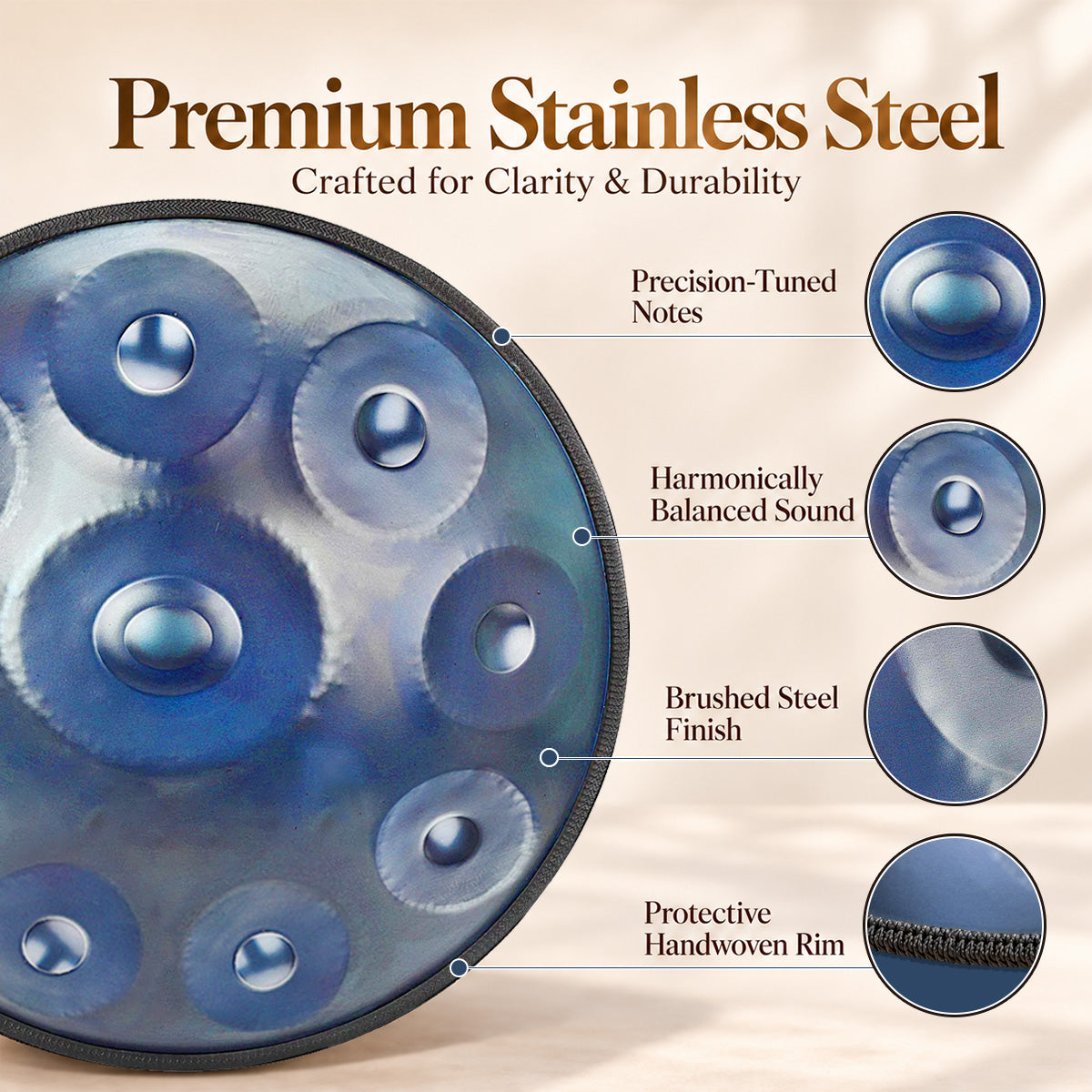
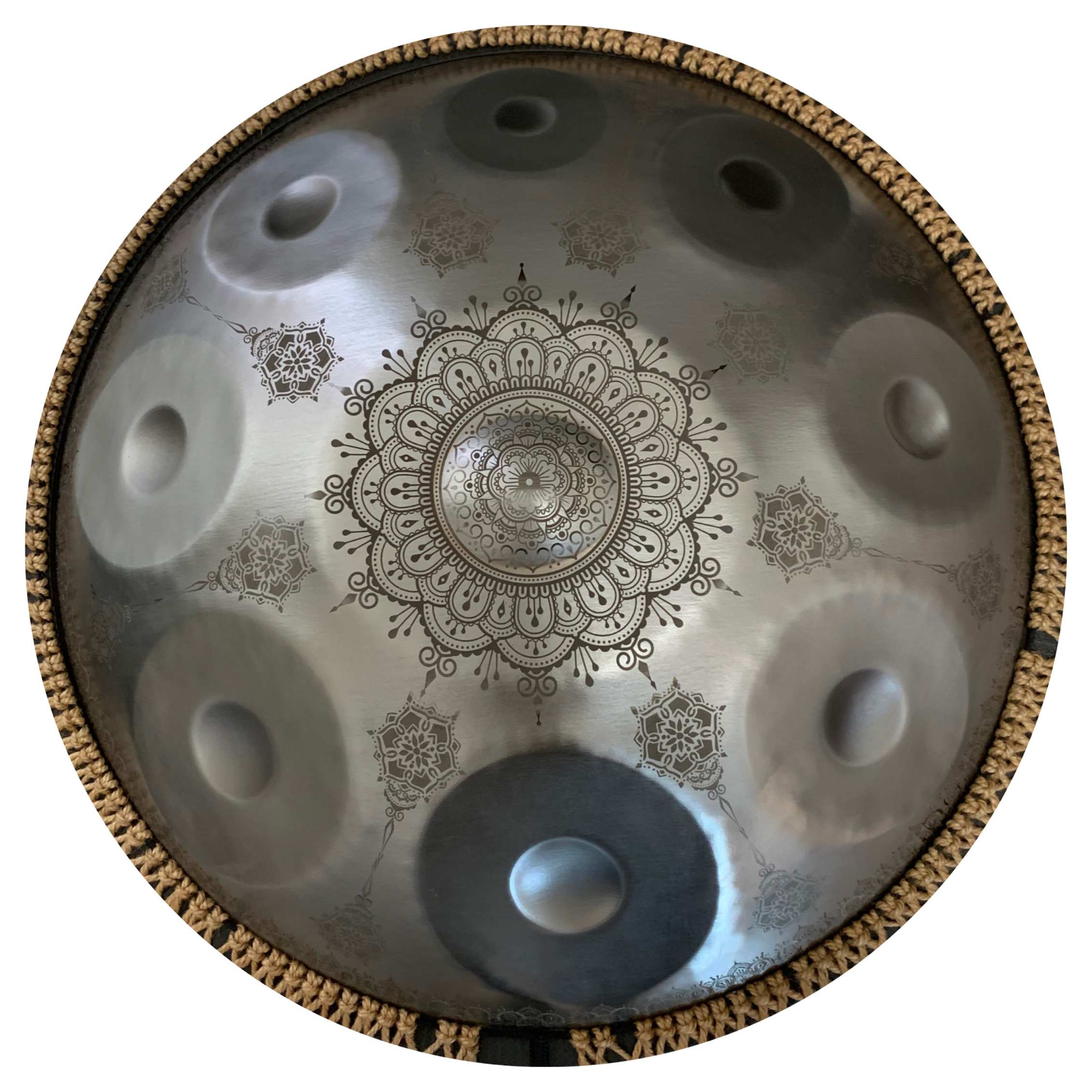
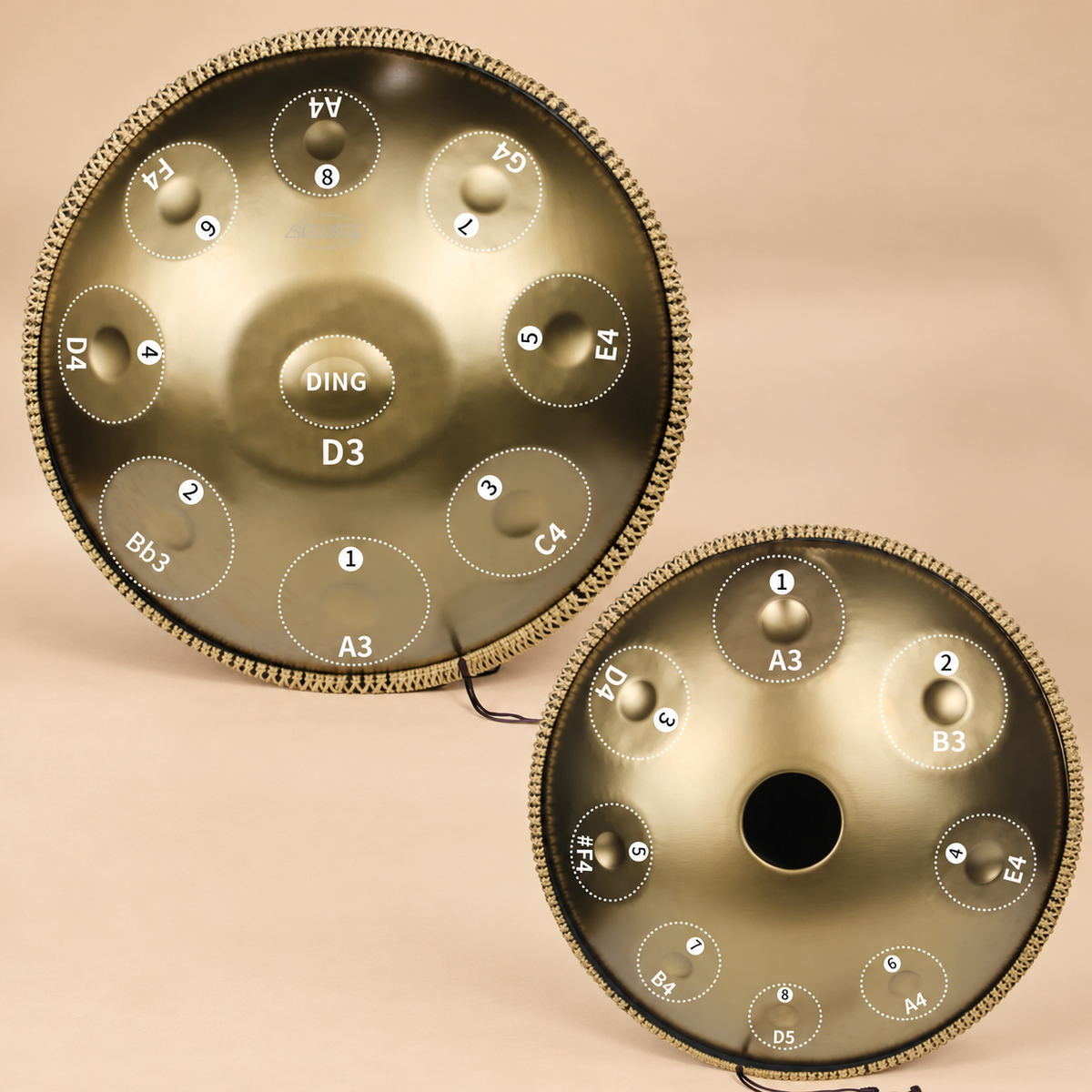
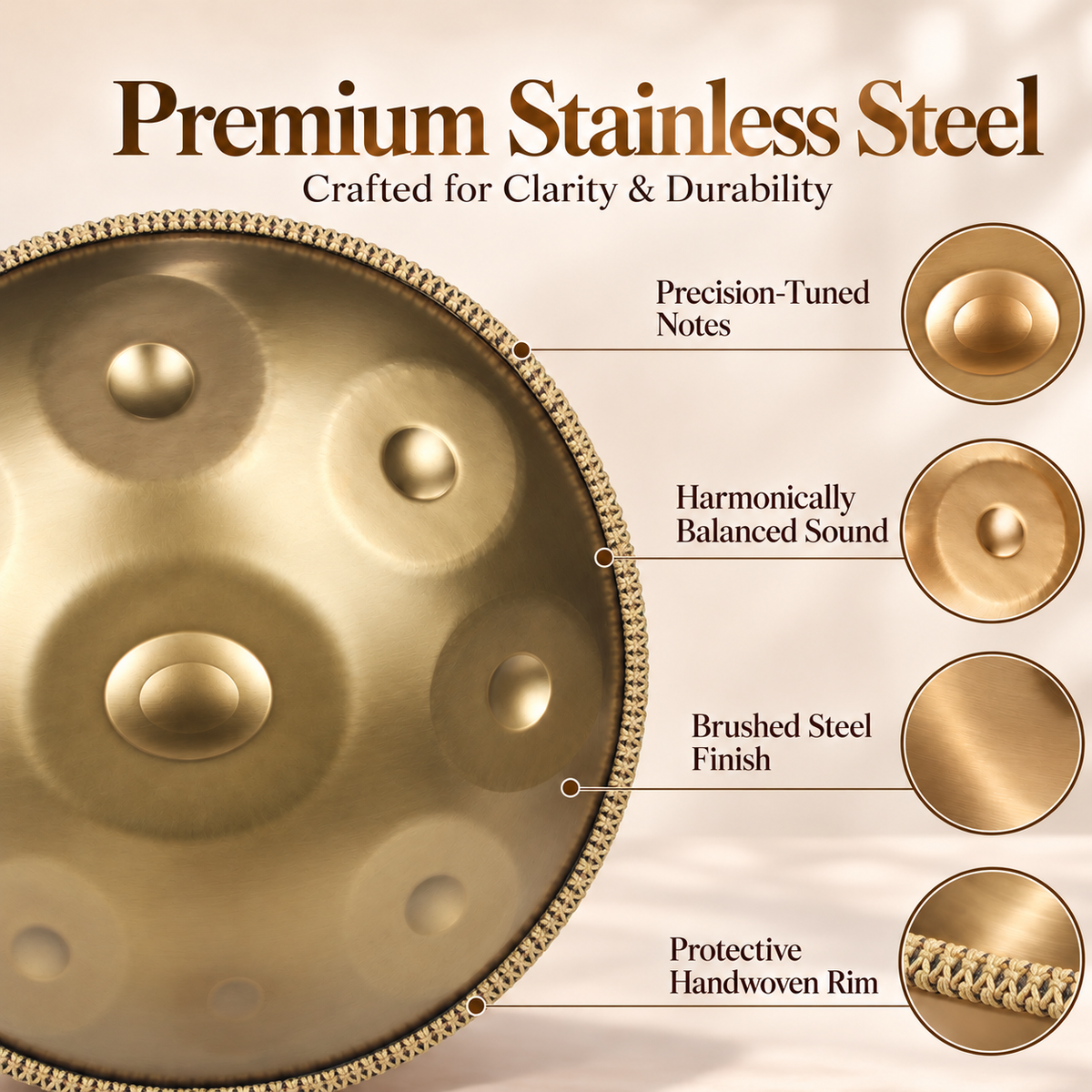
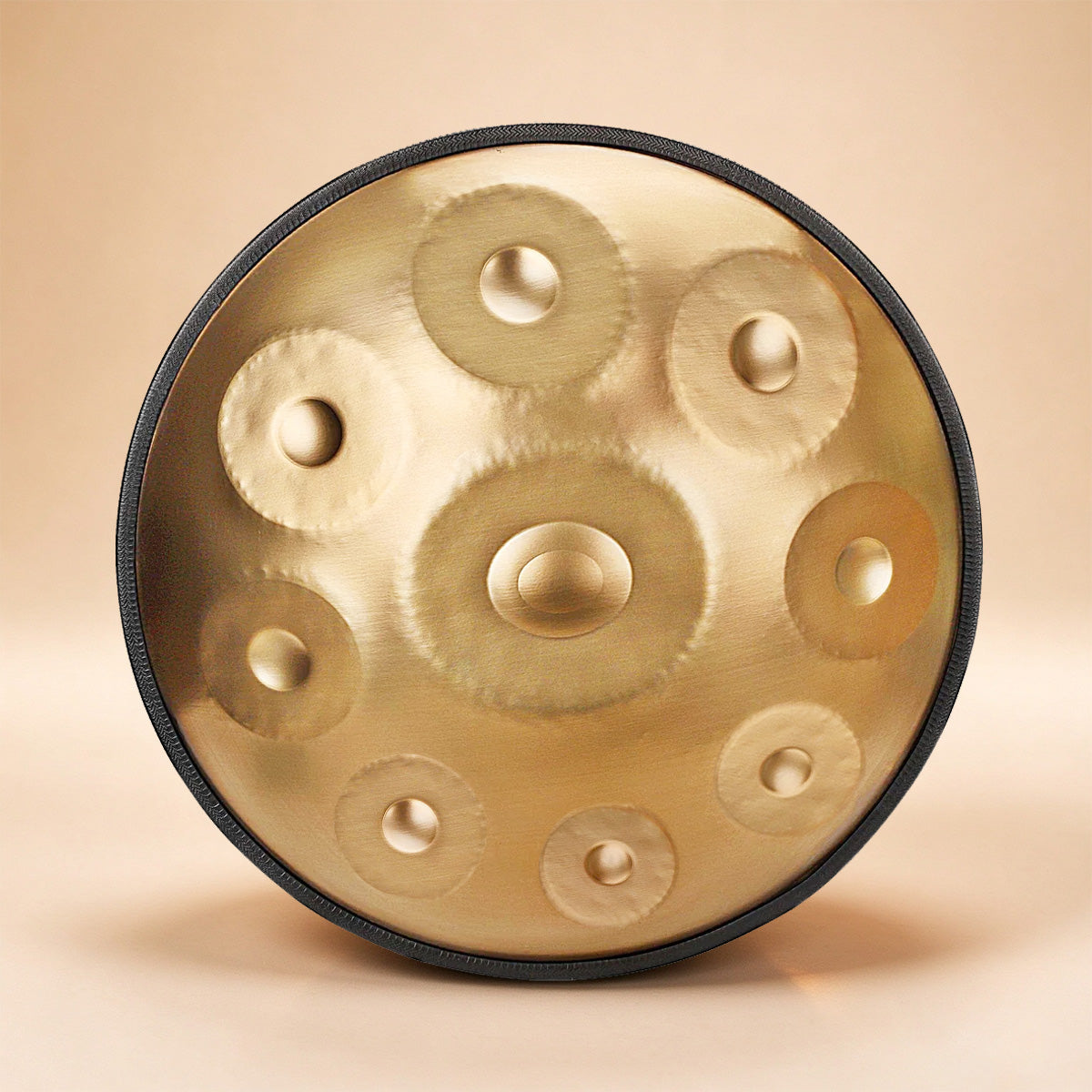
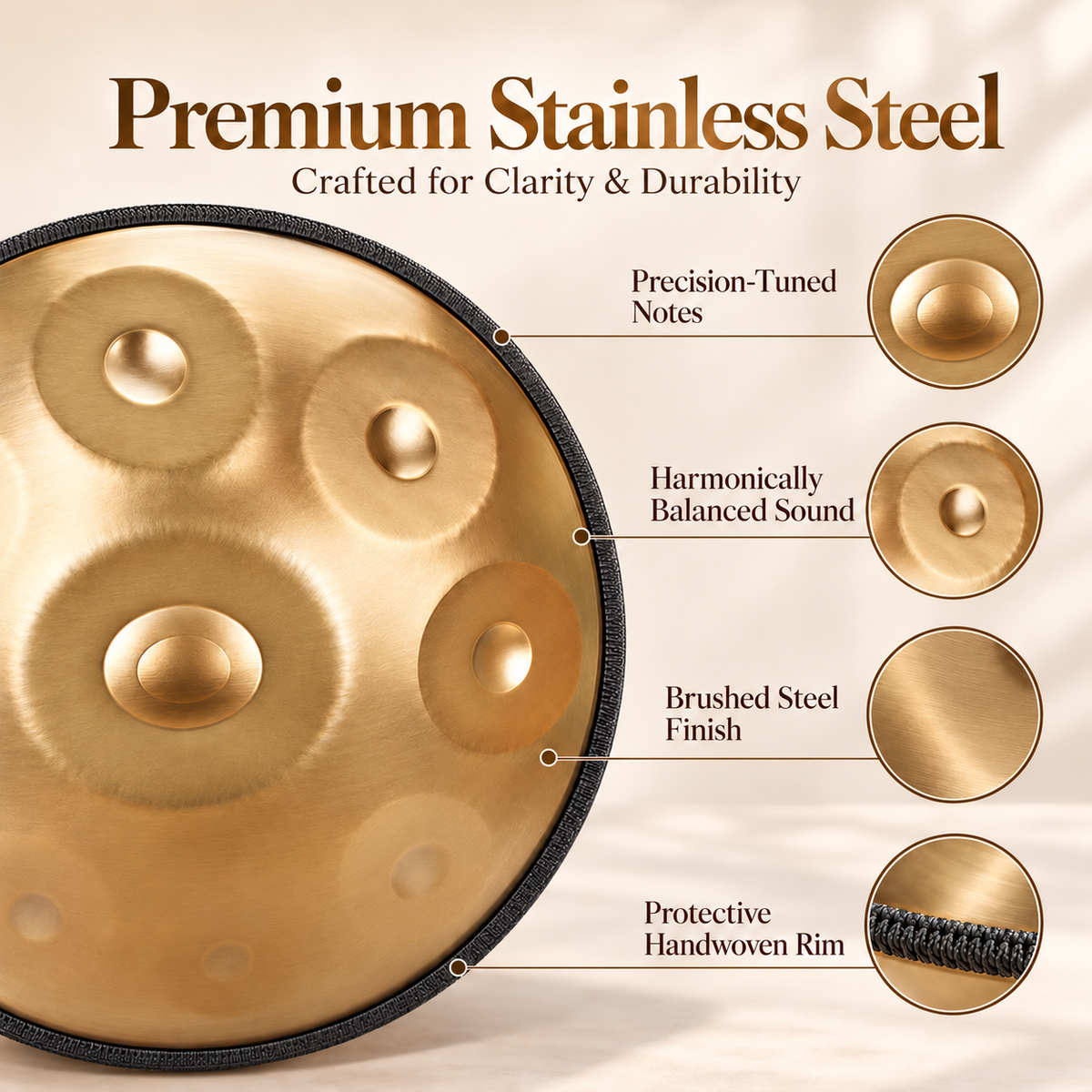
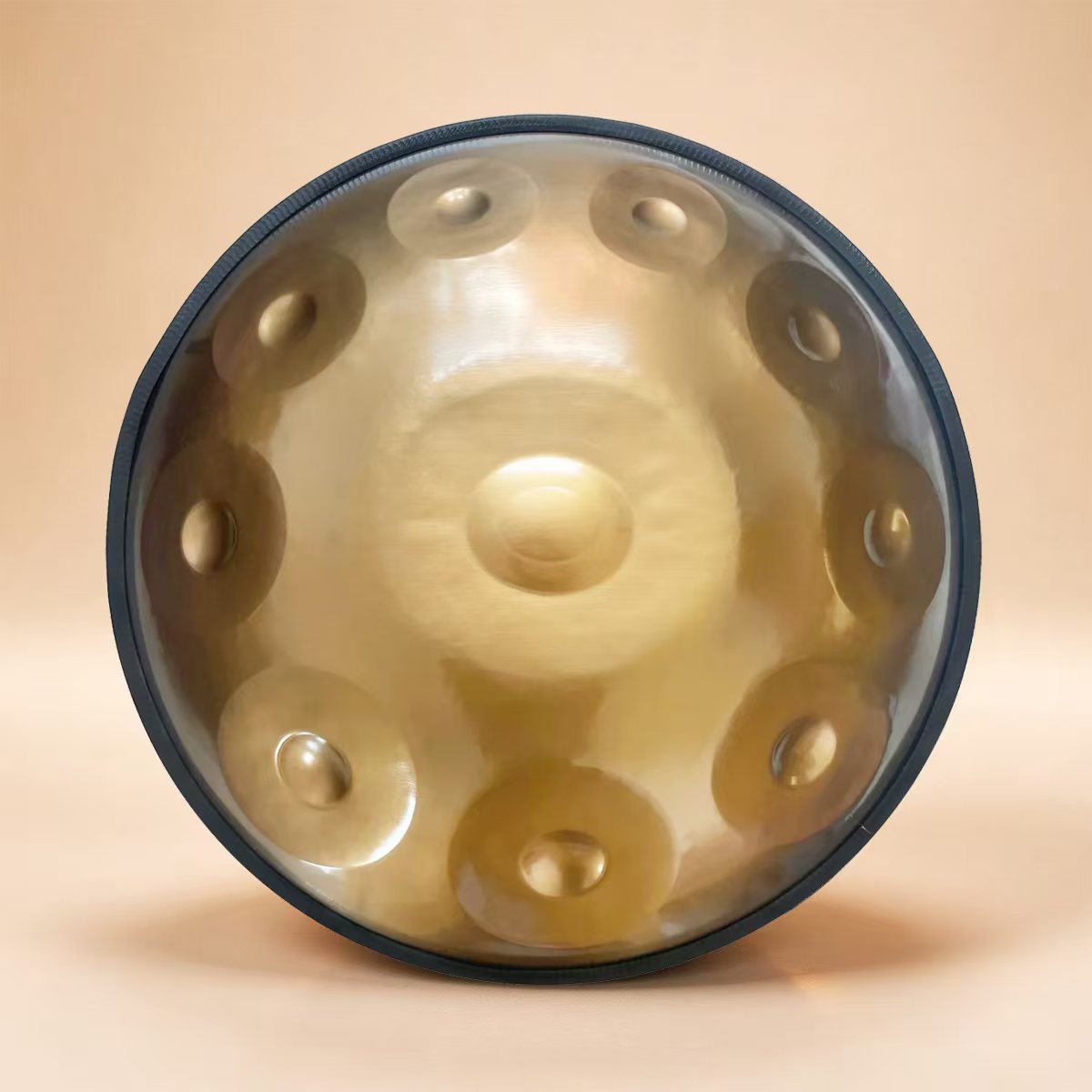
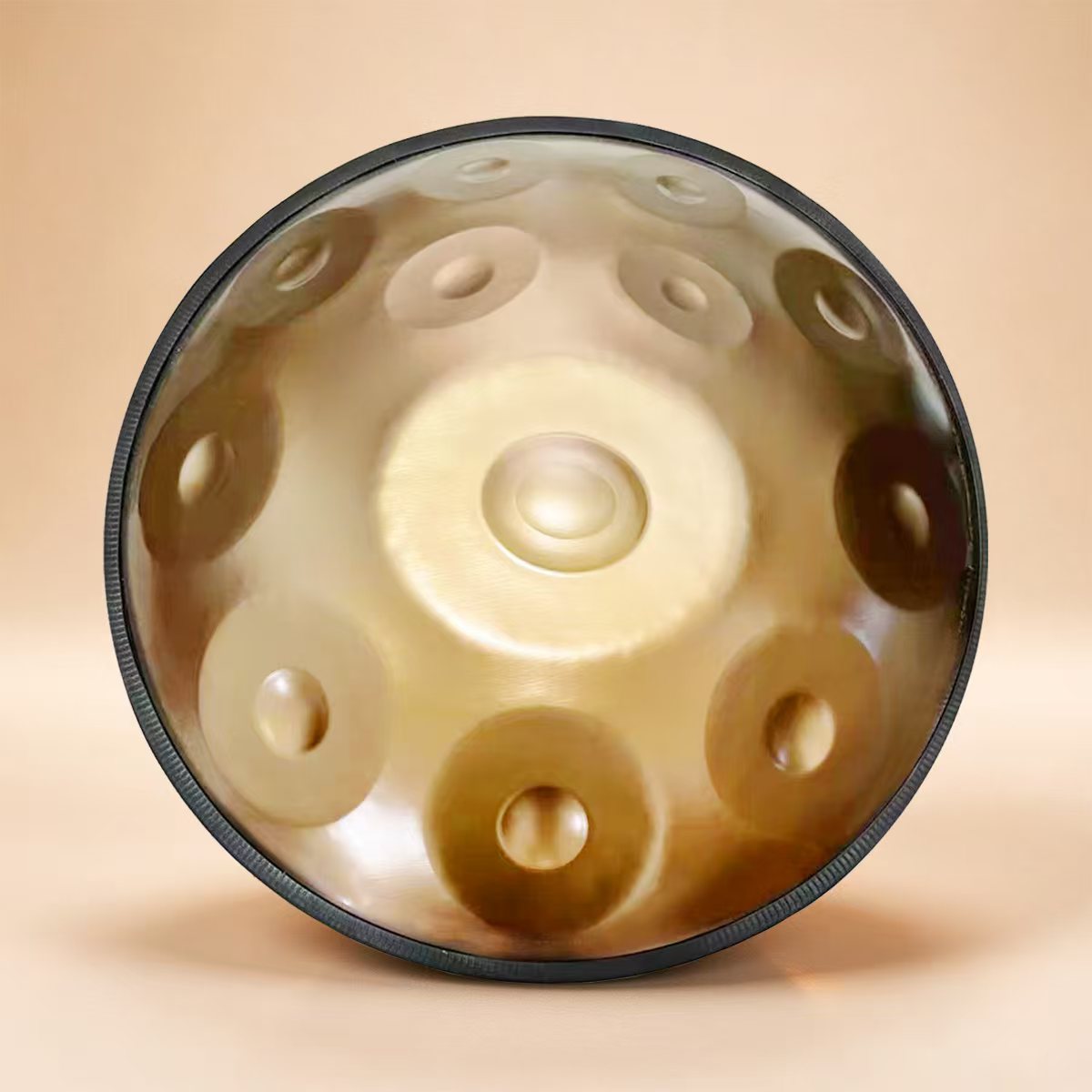
At the absolute forefront of our percussion instruments list is the handpan. Unlike a standard drum, a handpan is a melodic percussive instrument. It provides a haunting, ethereal sustain that can mimic the drone of a fiddle while simultaneously offering a rhythmic tap that complements the mandolin's chop. Constructed from deep-drawn, nitrided or stainless steel, the handpan represents the pinnacle of modern acoustic metallurgy. When you pair a handpan with the instruments found in our 10 string instruments list with pictures, the sonic synergy is unparalleled.
To match the specific needs of different musicians, we recommend the following from our Cosmos Handpan catalog:
- 9 Notes Handpan: Perfect for focused, melodic exploration and beginner-friendly performance.
- 10 Notes Handpan: Balanced standard for modern players seeking a versatile instrument.
- 12 Notes Handpan: Expanded range for complex compositions and intermediate musicians.
- 17 Notes Handpan: Ultimate professional instrument with an extended scale for advanced compositions.
- Handpan for Beginners: Specially tuned for ease of play and rapid learning.
-
Handpan Drum Instrument: General-purpose high-quality options for various music styles.
4. Summary Table: String Instruments and Percussion Pairings
To assist composers in utilizing this 10 string instruments list with pictures, we have compiled a summary matrix detailing optimal pairings between classical string instruments and our melodic handpans.
| String Instrument | Frequency Role | Recommended Cosmos Handpan | Sonic Synergy Result |
|---|---|---|---|
| Acoustic Guitar | Full Spectrum Rhythm | 10 Notes Handpan | Balanced folk/world music foundation. |
| Cello | Tenor / Baritone Melody | 12 Notes Handpan | Deep, cinematic resonance and emotional sustain. |
| Mandolin | Soprano Percussive Chop | 9 Notes Handpan | Sharp acoustic attack grounded by ethereal steel drone. |
| Harp | Wide Spectrum Arpeggiation | 17 Notes Handpan | Complex, multi-layered harmonic soundscapes. |
| Ukulele | High-Mid Rhythm | Handpan for Beginners | Accessible, bright, and highly rhythmic accompaniment. |
5. Frequently Asked Questions (FAQs)
Why include pictures in a string instruments list?
From our experience, visual identification is critical for audio engineers and composers. A comprehensive 10 string instruments list with pictures allows musicians to identify the specific body shapes, bridge designs, and string configurations that dictate the acoustic properties and microphone placement required for live performances.
How does a handpan complement string instruments?
String instruments rely on wood resonance and string tension, whereas the Cosmos Handpan relies on the manipulation of tuned steel membranes. The handpan fills the sonic gaps, providing a resonant, metallic warmth that acts as both a bass/rhythm section and a melodic counterpoint to instruments like the violin or acoustic guitar.
Which handpan is best for playing with a folk band?
We recommend the 10 Notes Handpan or the 12 Notes Handpan for ensemble playing. These models provide enough notes to modulate between standard folk chord progressions, allowing the percussionist to match the harmonic structure laid down by the double bass and guitar.
Can I learn to play the handpan if I only know string instruments?
Absolutely. String players already possess strong rhythmic timing and melodic phrasing. We highly recommend the Handpan for Beginners or the Handpan Drum Instrument. Because the notes are laid out intuitively in a specific scale, string players can easily transition their understanding of scales to the physical strikes of the handpan.
6. Industry References
To further expand your understanding of acoustic instrument anatomy, orchestration, and the physics of sound, we recommend consulting the following authoritative resources: