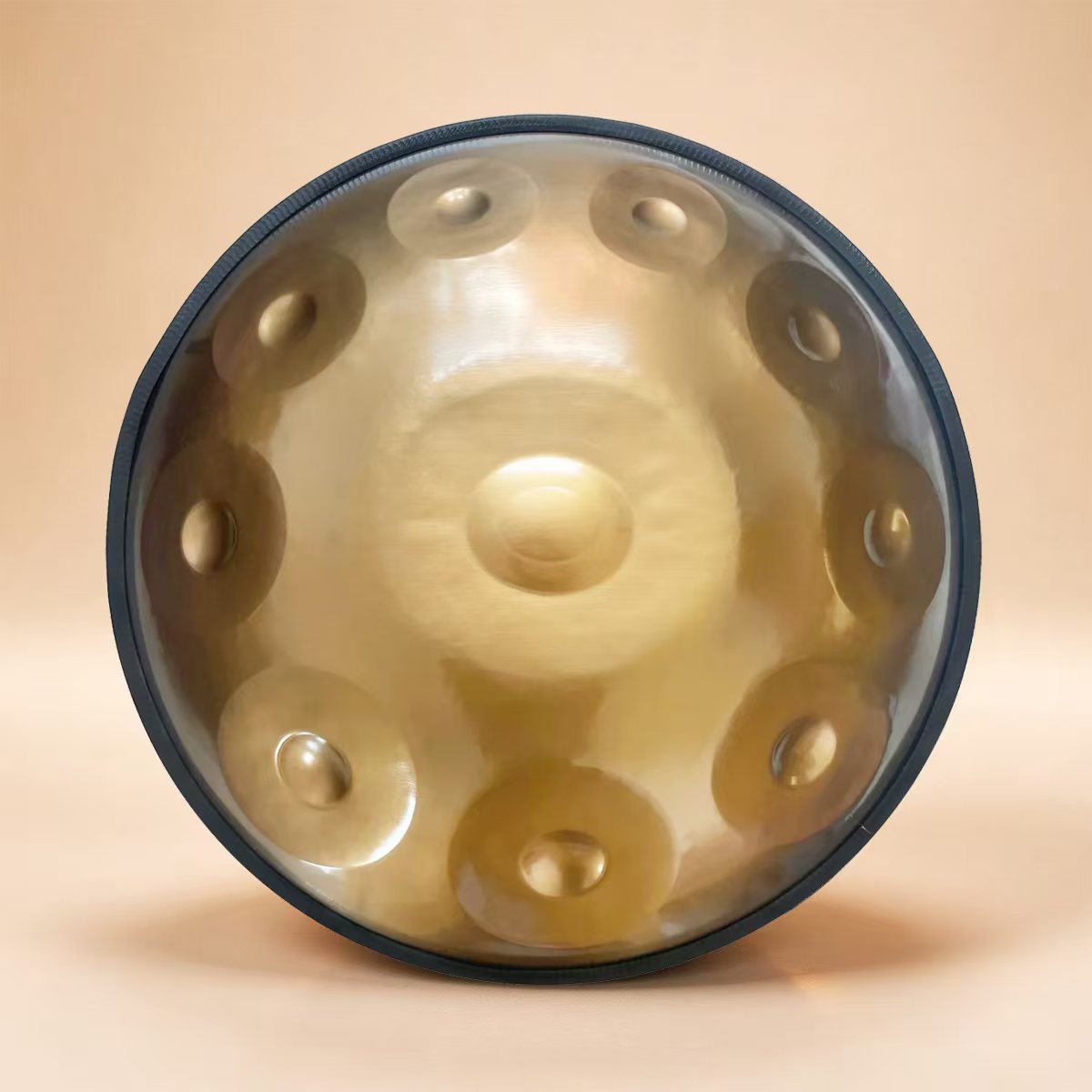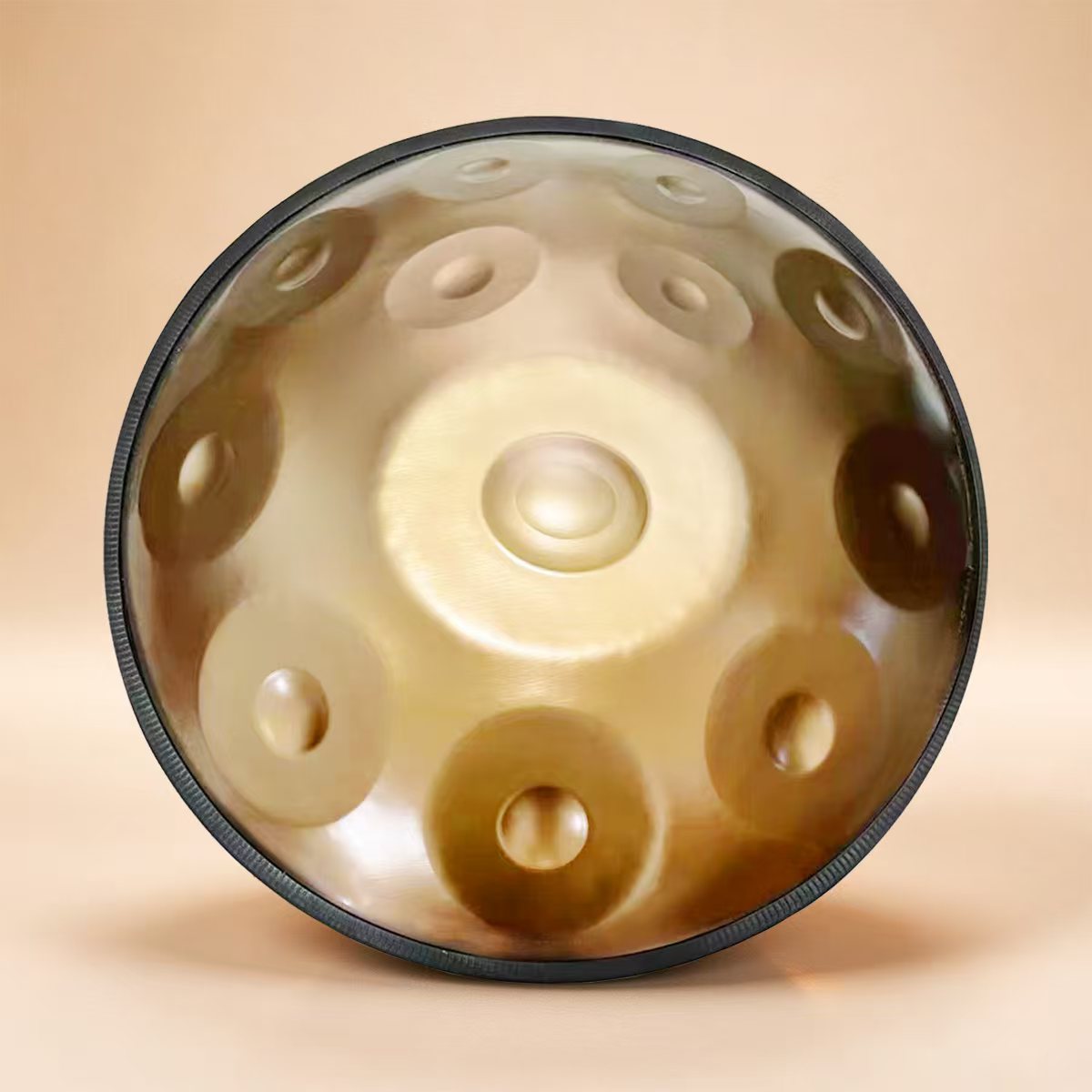
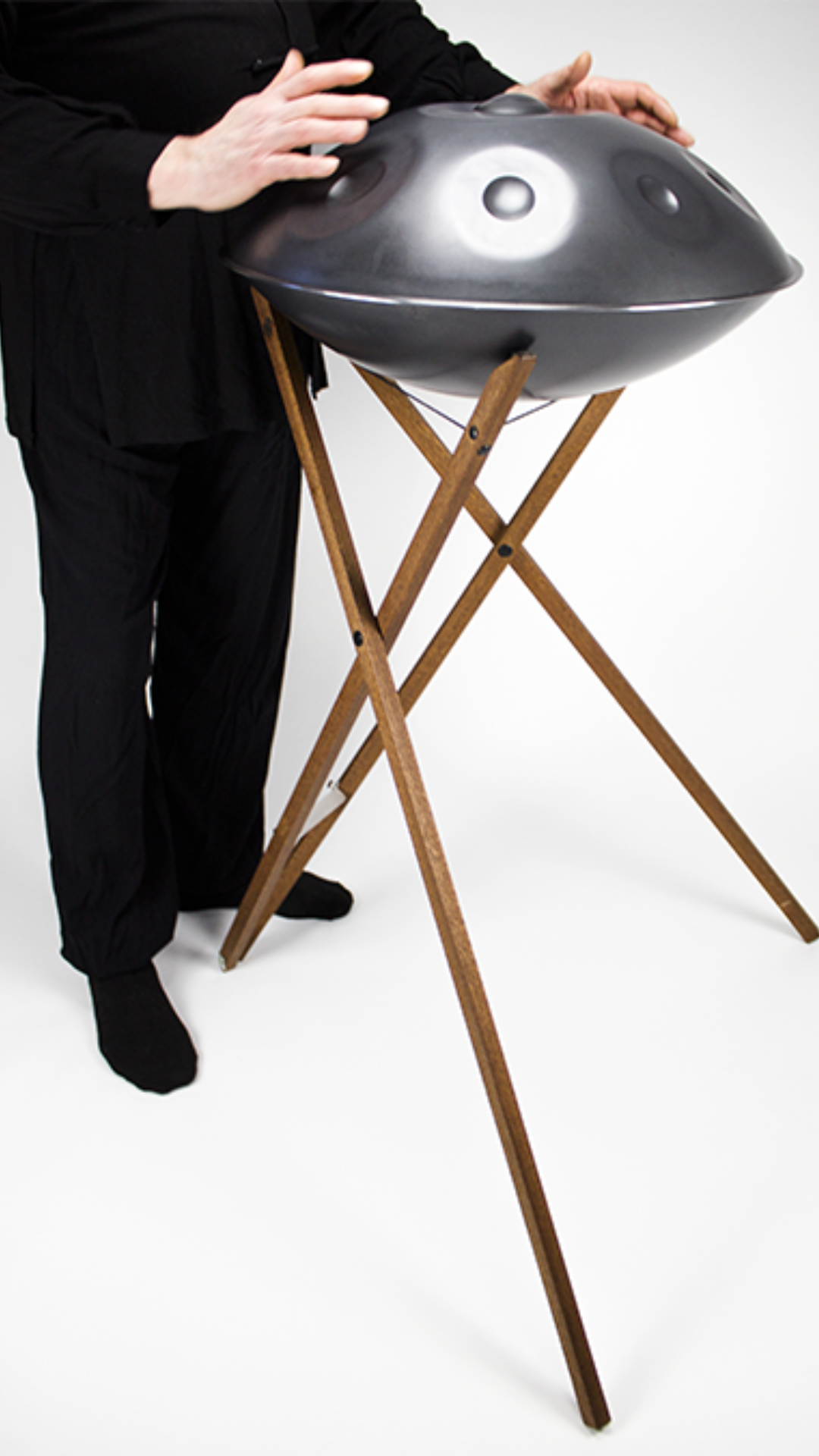
In the world of acoustic percussion, the connection between the musician and the instrument is profoundly physical. Traditionally, the handpan is played resting directly on the lap, allowing the player to feel the deep, resonant vibrations of the bottom shell. However, as any dedicated musician knows, hunching over a steel drum for hours on end will inevitably lead to severe lower back fatigue. Furthermore, playing outdoors on uneven terrain or performing on stage requires a level of acoustic projection that human legs simply cannot provide. This is where investing in the right hardware becomes critical.

From our experience engineering and playing these delicate instruments at CosmosHandpan, we can confidently state that placing a premium instrument on a cheap, unverified stand is a catastrophic mistake. A poorly designed stand will not only mute your bottom notes and choke your Helmholtz resonance, but it also risks dropping your instrument on concrete—a disaster that requires expensive retuning. When evaluating handpan stands for playing, you must apply strict commercial and practical judgment. In this comprehensive guide, we will break down the top 5 handpan stands for playing, explain the acoustics of mounting, and help you make a definitive buying decision.
Quick Answer: The Best Handpan Stands for Playing
If you are looking for the absolute best handpan stands for playing, your choice hinges on your performance posture. For standing performances and busking, the Heavy-Duty Adjustable Tripod Stand is the undisputed champion due to its stability and open-bottom acoustic design. For seated studio sessions or sound baths, the Interlocking Low-Profile Wooden Stand provides the most aesthetic and resonant solution. We explicitly advise against using repurposed X-frame keyboard stands, as they choke the instrument's resonance and provide inadequate lateral security.
Table of Contents
- What It Is: The Anatomy of a Handpan Stand
- How It Works: Acoustics and Ergonomics
- The 5 Best Handpan Stands for Playing
- Benefits of Using a Dedicated Stand
- Limitations and Mechanical Realities
- Who Should Use It & Who Does Not Need It
- Comparison Table: Sitting vs Standing
- Common Mistakes to Avoid
- Buying Considerations
- Expert Recommendation from CosmosHandpan
- Frequently Asked Questions (FAQ)
What It Is: The Anatomy of a Handpan Stand
A handpan stand is a specialized piece of mechanical hardware designed to elevate and secure your instrument without interfering with its acoustic properties. Because you need to know what is the standard size of the handpan (typically 21 to 22 inches in diameter), the stand must feature arms that extend exactly to the rim (the flange) of the instrument.
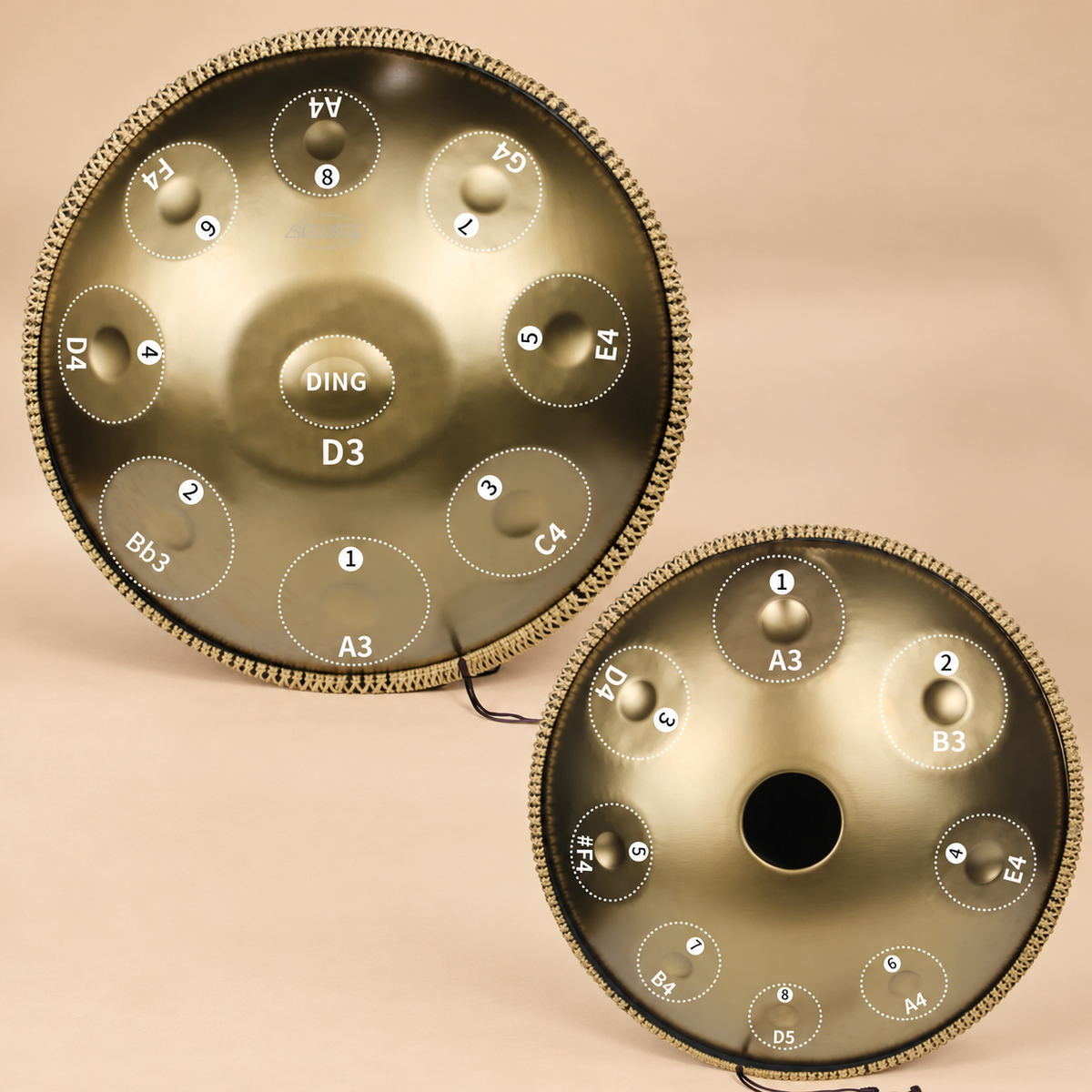
Unlike standard percussion stands, handpan stands for playing must feature high-density rubber or foam contact points. The instrument consists of two glued or welded steel hemispheres. If hard metal or plastic touches the resonant tone fields on the top shell, or blocks the Gu (the central hole on the bottom shell), the sound wave is immediately dampened. A true handpan stand cradles the dead zone of the flange, allowing the instrument to sing freely.
How It Works: Acoustics and Ergonomics
When you place a handpan on your lap, your jeans and body tissue absorb a significant portion of the lower frequencies. This is fine for intimate practice, but terrible for live projection. Handpan stands for playing work by isolating the instrument from soft, sound-absorbing materials. The open-air design beneath the stand allows the bass frequency generated by the Helmholtz resonance to escape unobstructed.
Ergonomically, a stand shifts the mechanical stress of playing from your lumbar spine to your arms and shoulders. By elevating the instrument to waist height (whether seated or standing), you can maintain a straight spinal posture. This is a critical factor for professional musicians engaging in long sessions or exploring using handpans in therapy.
The 5 Best Handpan Stands for Playing
1. The Heavy-Duty Adjustable Snare Stand (Modified)
Originally designed for marching band snare drums, modified snare stands feature three adjustable, rubber-coated basket arms. In our testing, this is the most secure option for heavy-duty applications. The double-braced metal legs ensure zero wobble, even during aggressive percussive slapping. Ensure you purchase a model specifically extended for handpans, as standard snare stands are too narrow.
2. The Lightweight Aluminum Tripod Stand
For commercial users, street performers, and buskers, portability is everything. The aluminum tripod stand collapses down to the size of a camera tripod and weighs less than 4 lbs. It utilizes a central column with folding arms. We recommend this for traveling musicians who frequently play standing up, though it is slightly more susceptible to tipping in high winds than the heavy-duty snare stand.
3. The Interlocking Wooden Floor Stand
This is the aesthetic darling of the handpan world. Constructed from two pieces of CNC-routed plywood that interlock in an "X" or "Y" shape, this low-profile stand is perfect for seated playing. It is incredibly stable, utilizes foam edge guards to protect the flange, and looks stunning in a yoga studio or meditation room. However, it offers zero height adjustability.
4. The Specialized Suspension Ring Stand
For absolute acoustic purists, the suspension ring stand features a large metal hoop lined with thick, soft rubber. The handpan rests inside the hoop, completely suspending the bottom shell in mid-air. This design offers the maximum possible resonance and sustain. It is bulky and expensive, making it best suited for permanent studio installations and professional recording environments.
5. The Telescoping Basket Stand
A hybrid between the snare stand and the tripod, the telescoping basket stand offers the best of both worlds. It features a wide base and a crank-adjustable central column, allowing you to transition from sitting to standing height in seconds. This is an excellent choice for a beginner exploring a handpan for beginners guide who hasn't yet committed to a single playing posture.
Benefits of Using a Dedicated Stand
Using proper handpan stands for playing yields immediate and undeniable benefits:
- Acoustic Projection: Unblocking the bottom Gu port increases your overall volume by up to 20%, making your instrument sound brighter and louder.
- Spinal Health: Prevents the notorious "handpan hunch." Maintaining proper ergonomics extends your playing stamina by hours.
- Instrument Protection: Playing on uneven grass, rocky dirt, or concrete scratches the nitrided or stainless steel surface, leading to rust. A stand protects your investment.
Limitations and Mechanical Realities
We believe in commercial and practical judgment: stands are not flawless. A tall, standing handpan stand shifts the center of gravity drastically. If someone bumps into a tripod stand holding a 10 lb steel instrument, it will fall. A drop from 3 feet is guaranteed to knock your handpan severely out of tune, requiring you to learn how to tune a handpan (which typically requires mailing it to a professional tuner). Furthermore, dragging a heavy metal stand around diminishes the spontaneous, grab-and-go nature of the instrument.
Who Should Use It & Who Does Not Need It
For commercial users and performers: If you are busking, recording in a studio, or performing on a stage, a stand is non-negotiable. It projects your sound and looks highly professional.
Who does not need it: If you are a casual player who uses the instrument strictly for personal meditation on your living room floor, or if you prefer the tactile feedback of feeling the vibrations in your chest and lap, a stand is an unnecessary expense. The intimate connection of lap-playing is a core part of the handpan experience.
| Feature | Sitting Handpan Stands | Standing Handpan Stands |
|---|---|---|
| Ergonomics | Requires a chair or floor cushion; can cause neck strain over time. | Allows for straight spine and full-body movement while playing. |
| Stability | Extremely high (low center of gravity). | Moderate (vulnerable to tipping if bumped). |
| Portability | Wooden models pack flat; highly portable. | Metal tripods fold up, but can be heavy and bulky. |
| Best Use Case | Sound baths, meditation, intimate acoustic gigs. | Street busking, main stage performances, lively jams. |
Common Mistakes to Avoid
In most professional situations, the biggest mistake we see is musicians trying to save $50 by using a standard keyboard X-stand or a cheap snare drum stand. An X-stand has straight metal bars that lay directly across the bottom shell of your handpan. This entirely mutes the fundamental bass note and scratches the metal.
Another common mistake is failing to secure the instrument on a standing tripod. The arms of the stand must snugly grip the rubber protective edging (the rim). If the arms are too loose, aggressive playing on the outer tone fields will cause the pan to slide off the basket.
Buying Considerations: What to Look For
When searching for the best handpan stands for playing, base your purchasing decision on these technical specifications:
- Contact Points: Ensure the stand uses thick, non-marking rubber or EVA foam at every point that touches the steel.
- Arm Span: The basket arms must expand to at least 23 inches to accommodate standard 22-inch instruments safely.
- Bracing: For standing tripods, demand double-braced legs. Single-braced legs flex and bounce, absorbing the kinetic energy of your strikes and weakening your attack.
| Pros | Cons |
|---|---|
| Unlocks the full acoustic volume and sustain of the bottom Gu. | Adds extra weight and bulk to your travel gear. |
| Allows for pain-free, ergonomic standing performances. | High-quality, heavy-duty stands can be expensive. |
| Protects the instrument from dirt, moisture, and ground scratches. | Creates a tipping hazard if bumped on a busy stage. |
Expert Recommendation from CosmosHandpan
From our experience, your hardware is only as good as the instrument it holds. Once you have selected the perfect handpan stand for playing, you need a high-fidelity instrument worthy of being placed on it. Understanding how much does a handpan cost and investing wisely is your next step.
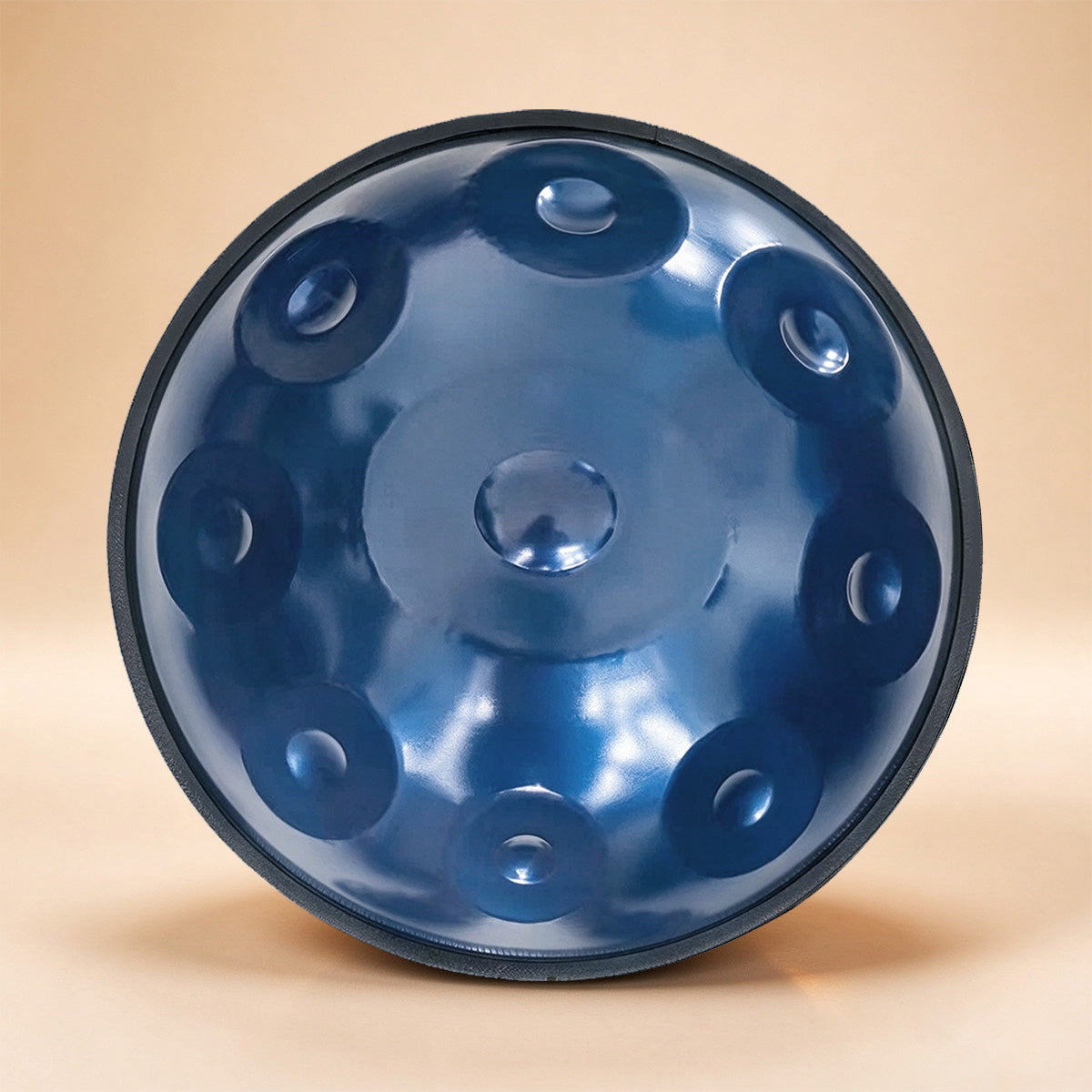
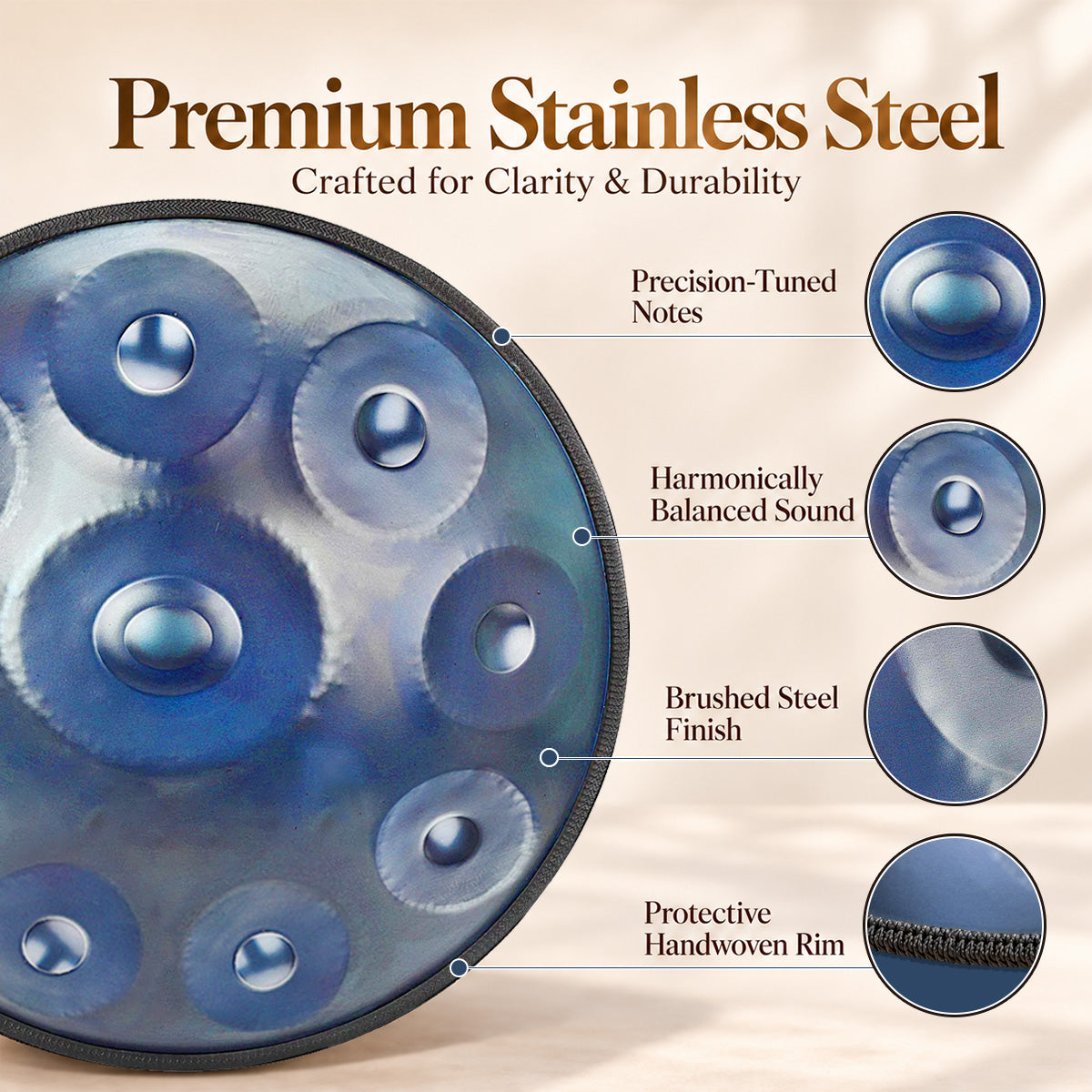
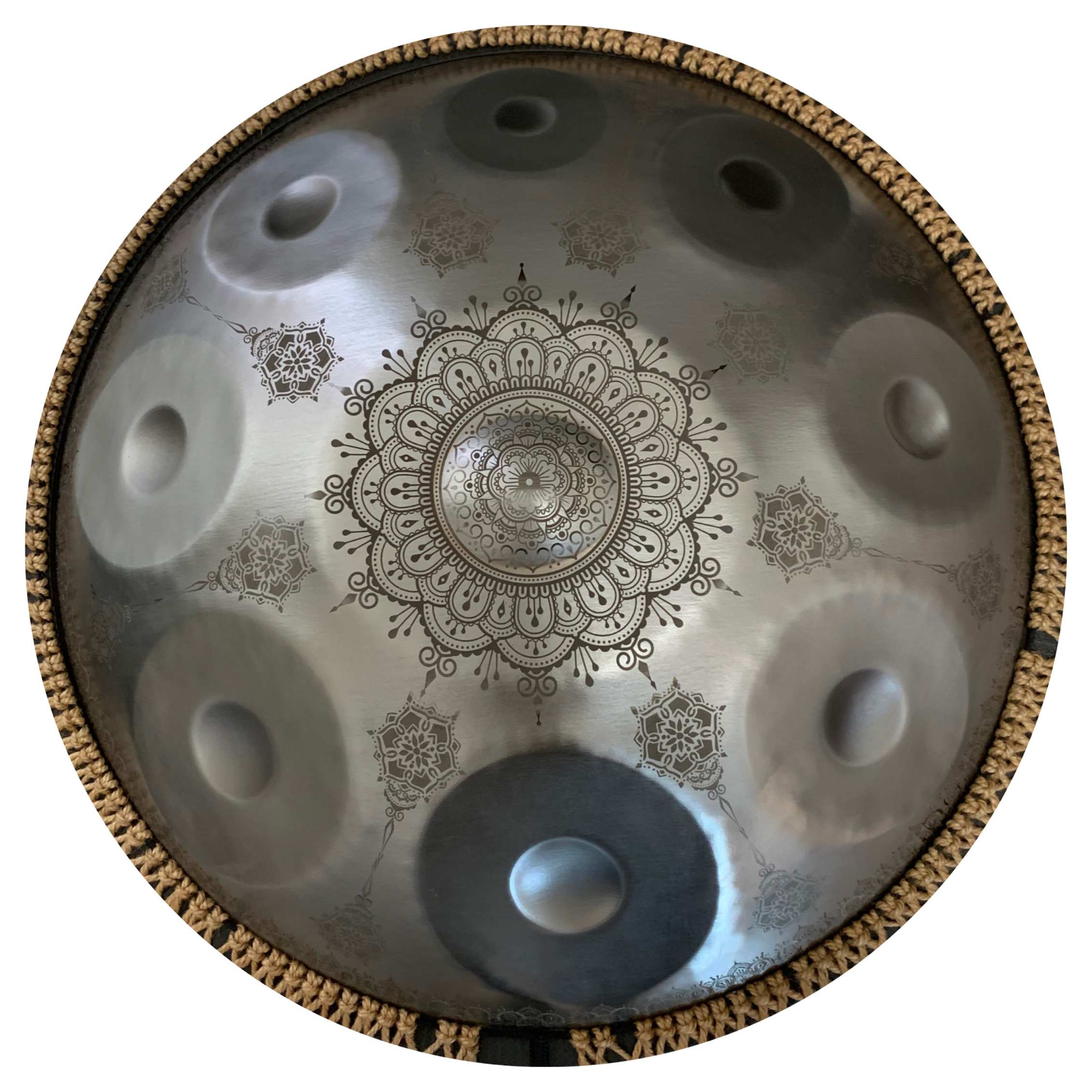
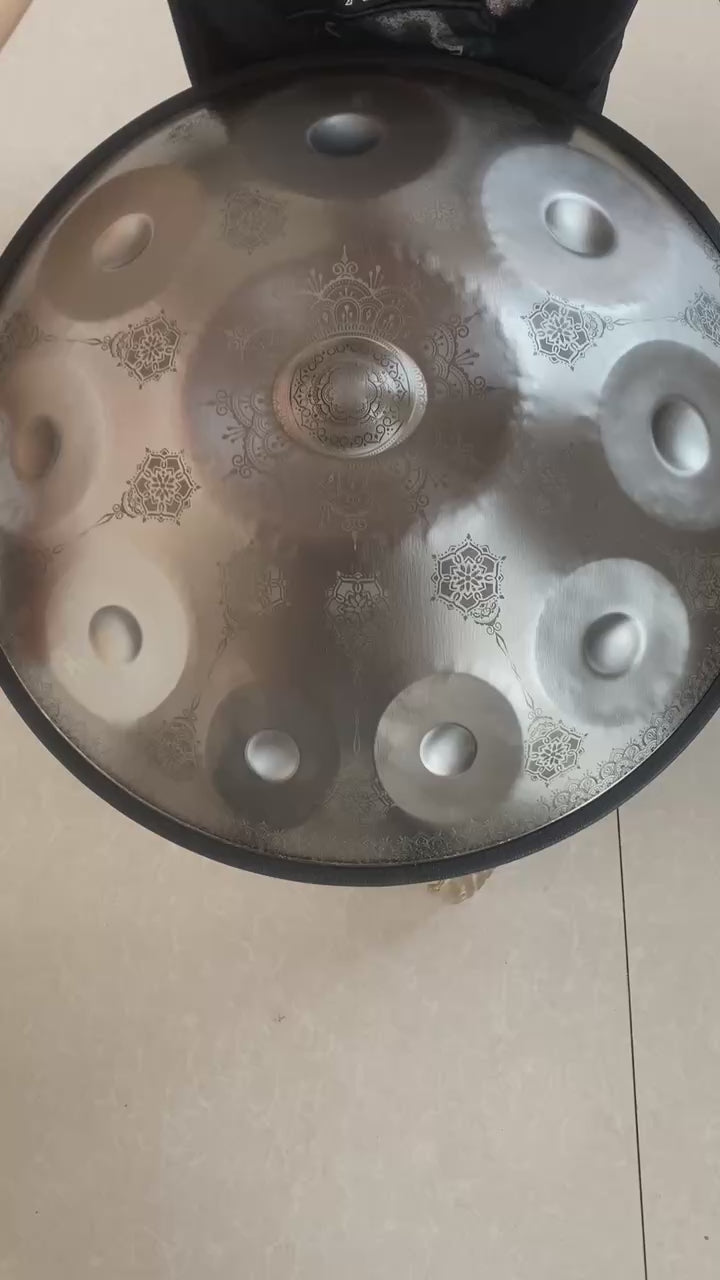
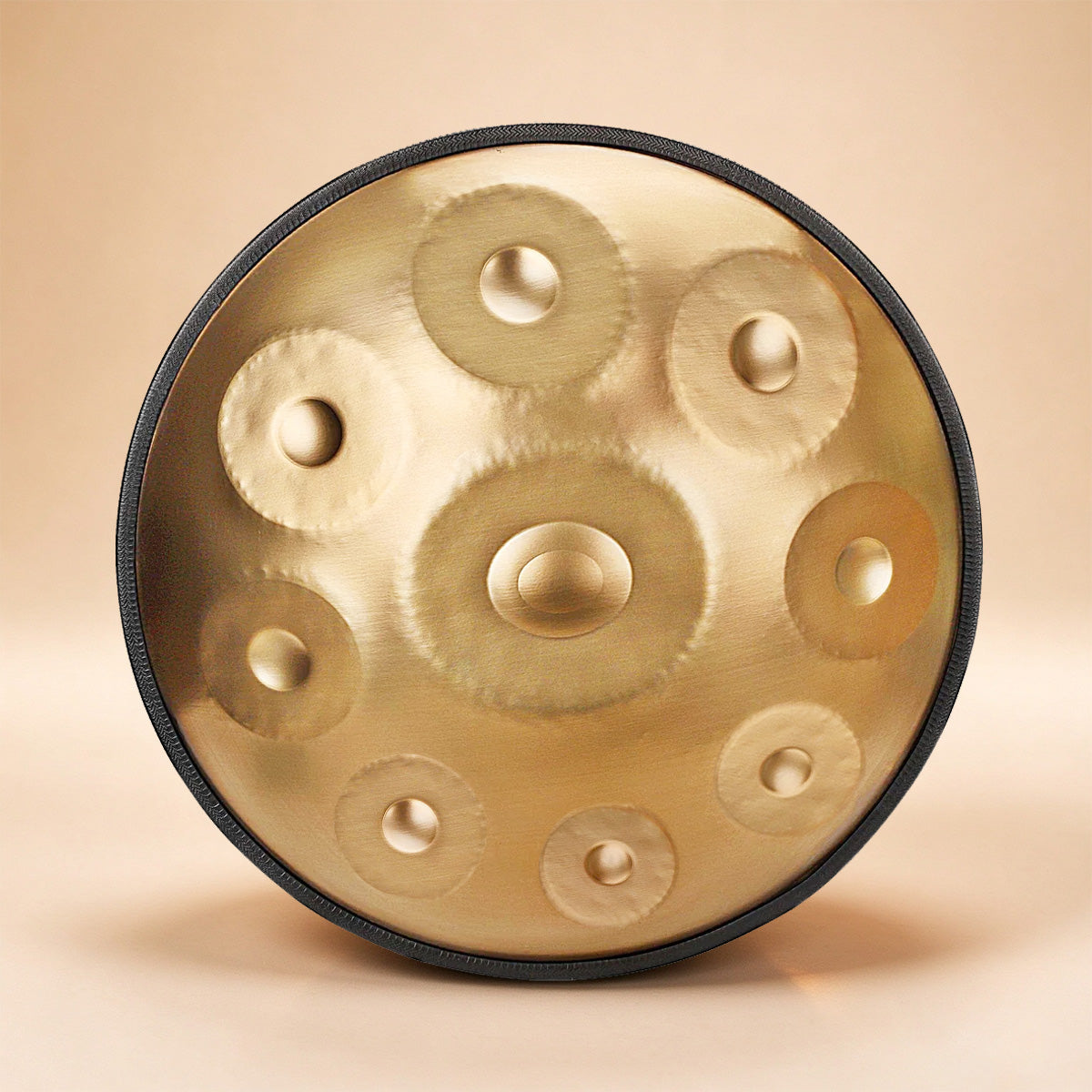
We strongly recommend pairing your new stand with a premium instrument from our collection. For those seeking perfect resonance and a layout that supports intuitive improvisation, look no further than our Tantra Tibetan Series.
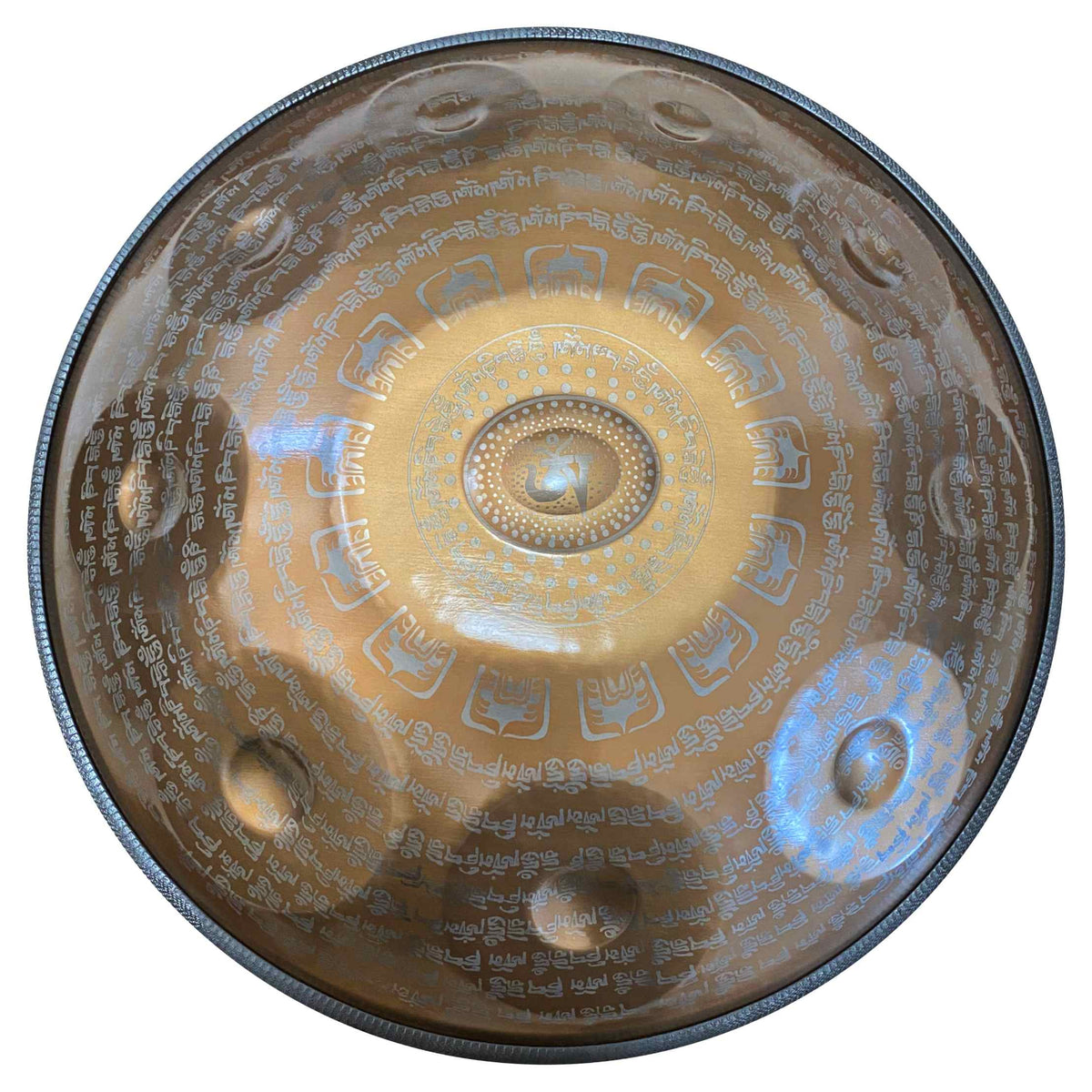
Cosmos Tantra Tibetan Handpan - 9/10/12 Notes Gift Set
Price: $799.00 USD
The Cosmos Tantra Tibetan Handpan is explicitly designed for melodic practice, meditation, and live performance. The pristine note layout provides a beautifully balanced playing experience that thrives on a professional stand.
- Scale: D Minor (Perfect for emotive, resonant playing)
- Note Options: Choose 9, 10, or 12 notes to match your melodic range.
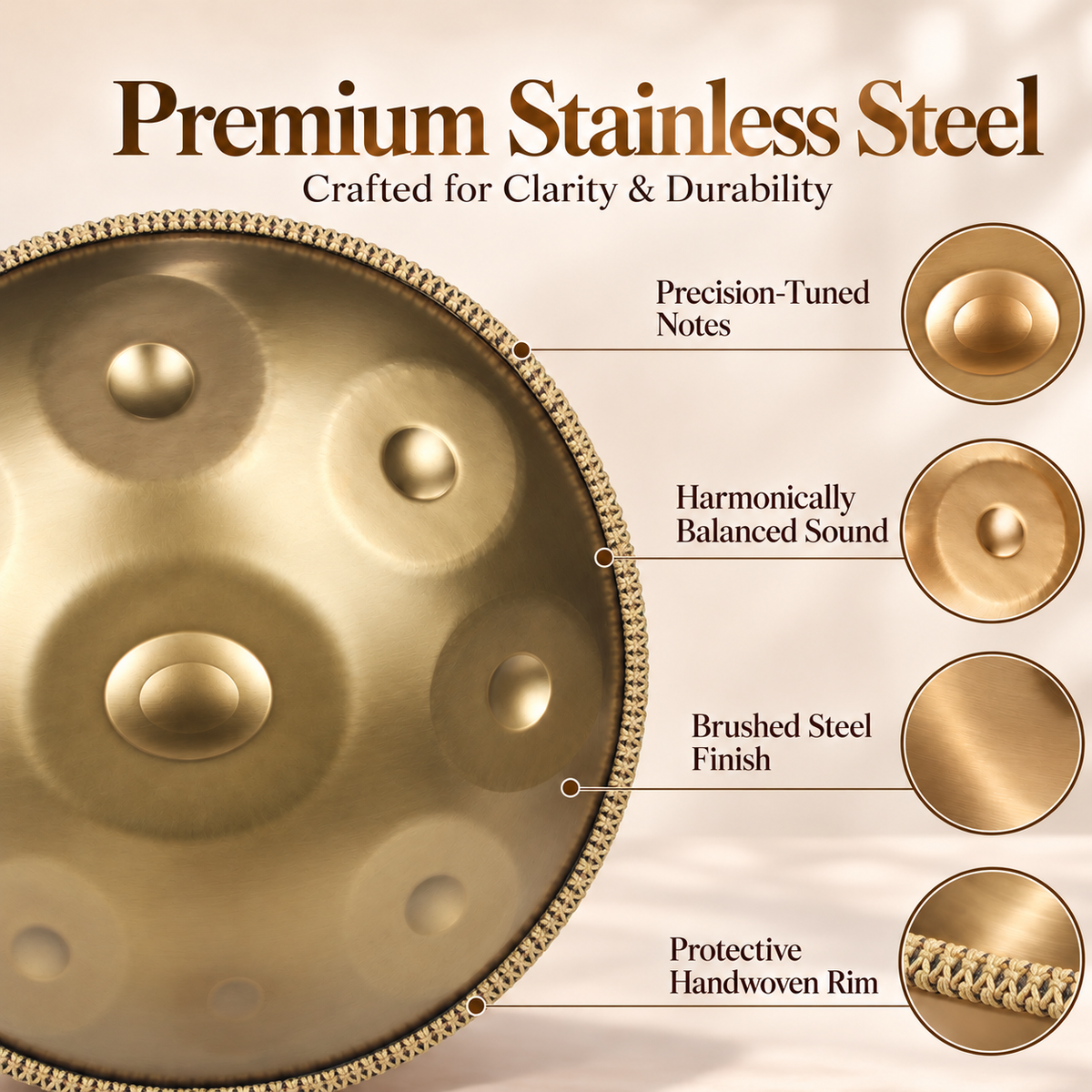
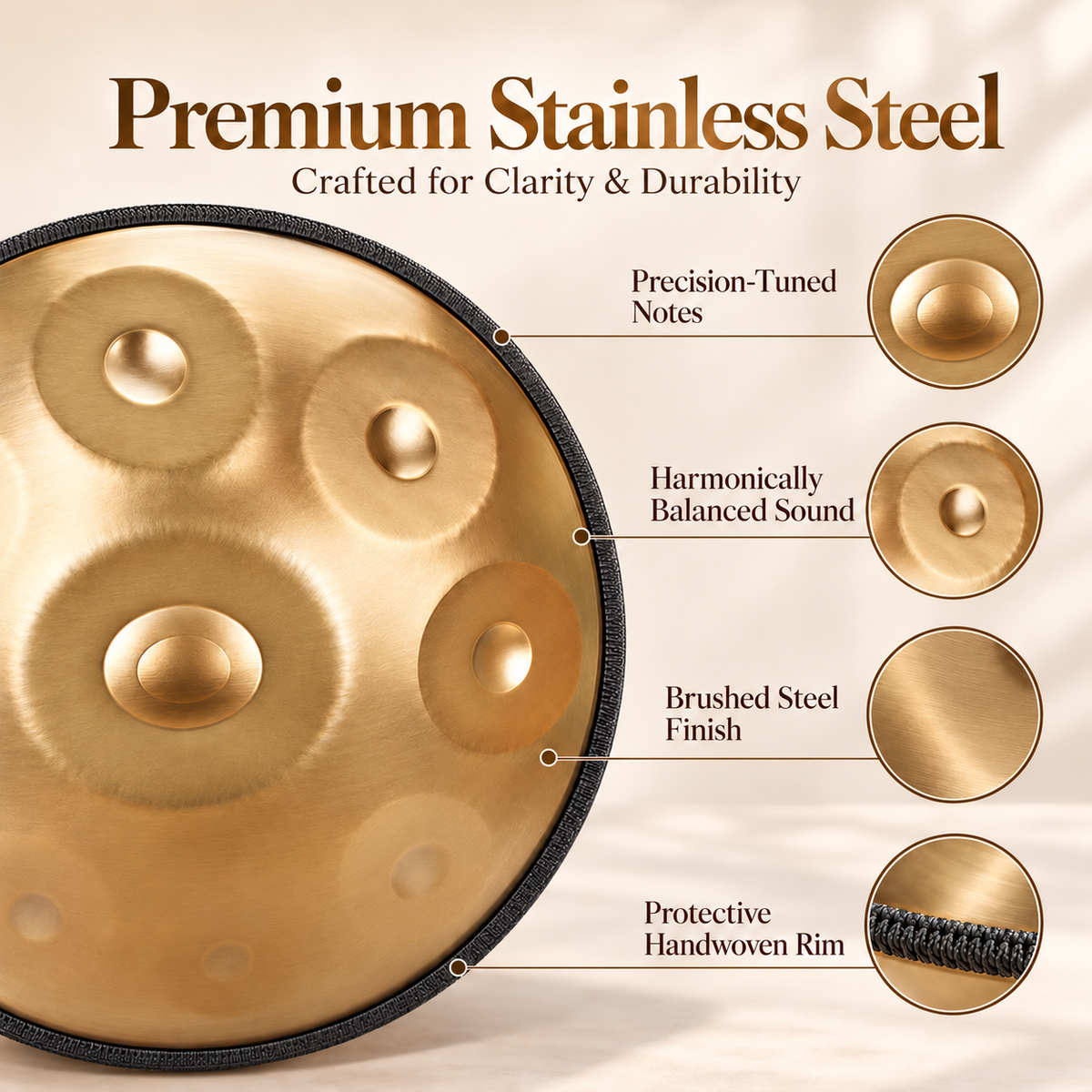
- Material: High-hardness stainless steel (1.07 mm) for superior weather resistance and sustain.
- Dimensions: Diameter: 22 in | Height: 10.2 in (Fits perfectly on standard commercial stands).
Whether you are a beginner looking for the best handpan for beginners or exploring the therapeutic properties of a 1111 hz handpan, placing your CosmosHandpan on a dedicated stand will fundamentally elevate your musical journey.
Frequently Asked Questions (FAQ)
1. NAMM (National Association of Music Merchants) - Industry standards for musical instrument hardware, stands, and acoustic gear durability.
2. OSHA (Occupational Safety and Health Administration) - Guidelines on ergonomics and repetitive strain injury prevention, highly relevant to instrumental posture.
3. Acoustical Society of America - Research and standards regarding Helmholtz resonance and acoustic projection in metallic percussion instruments.