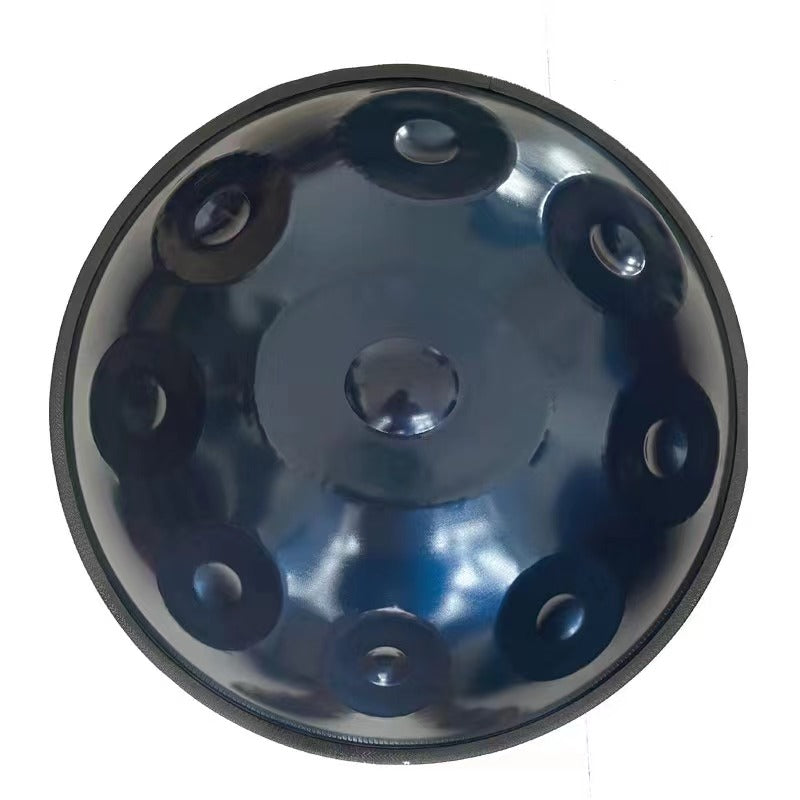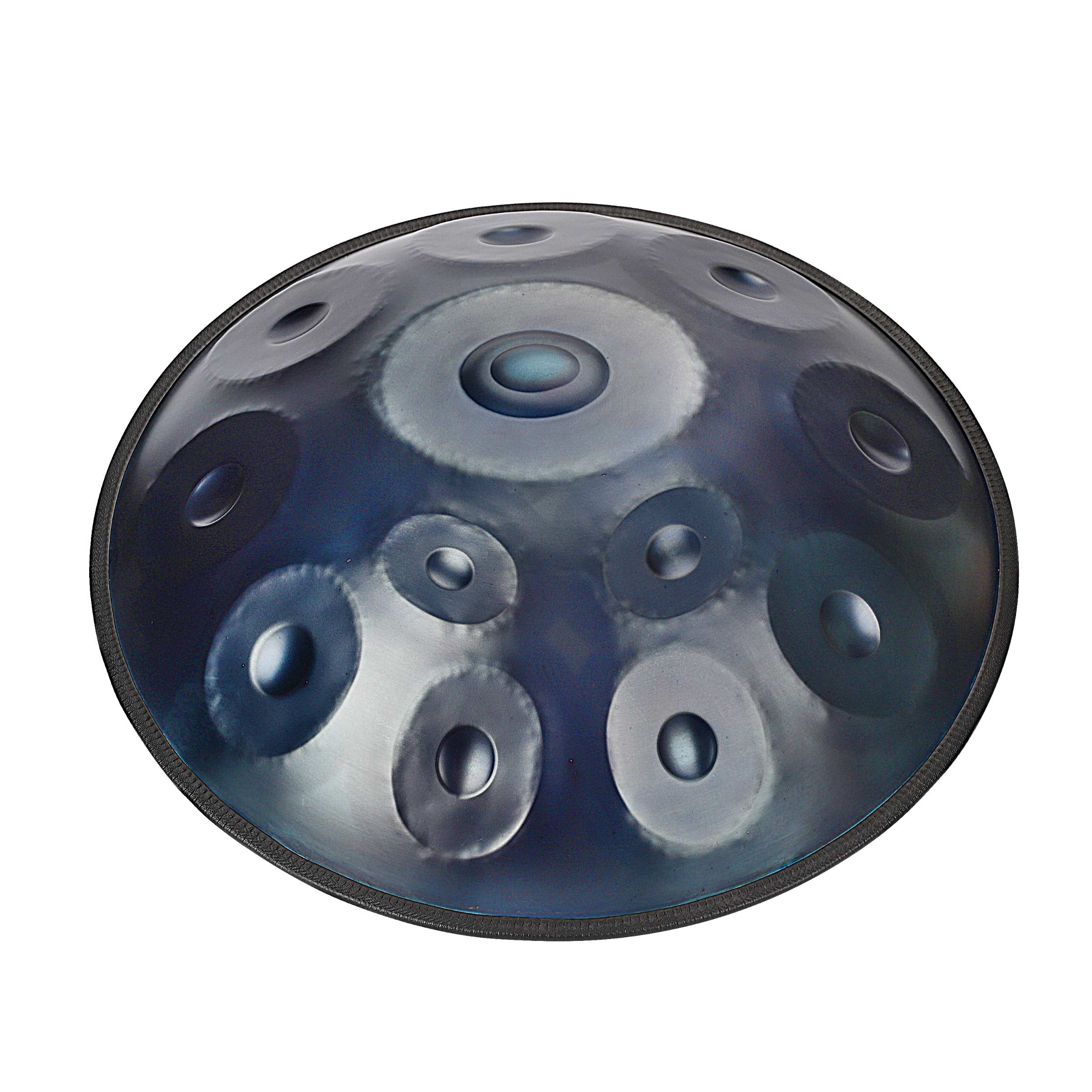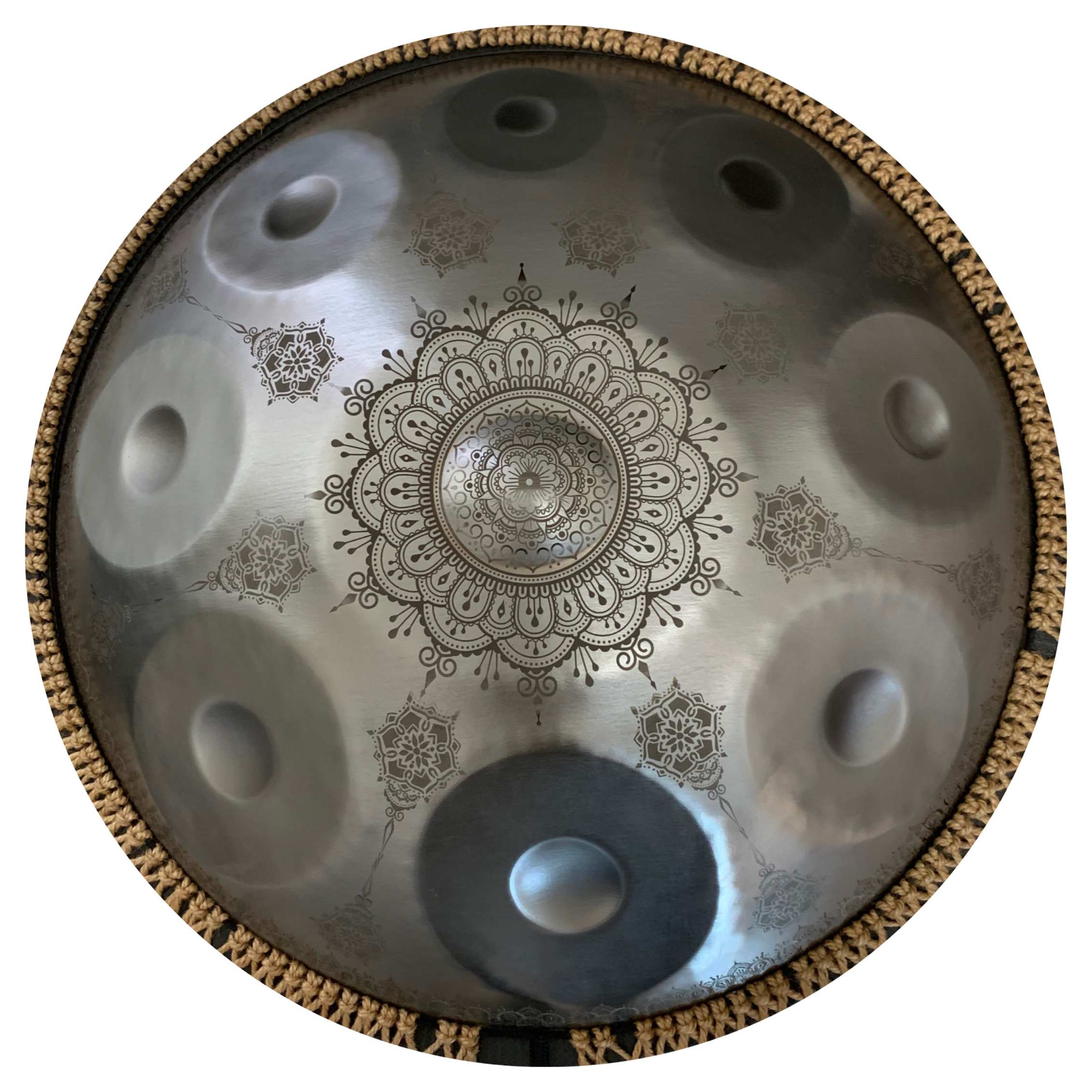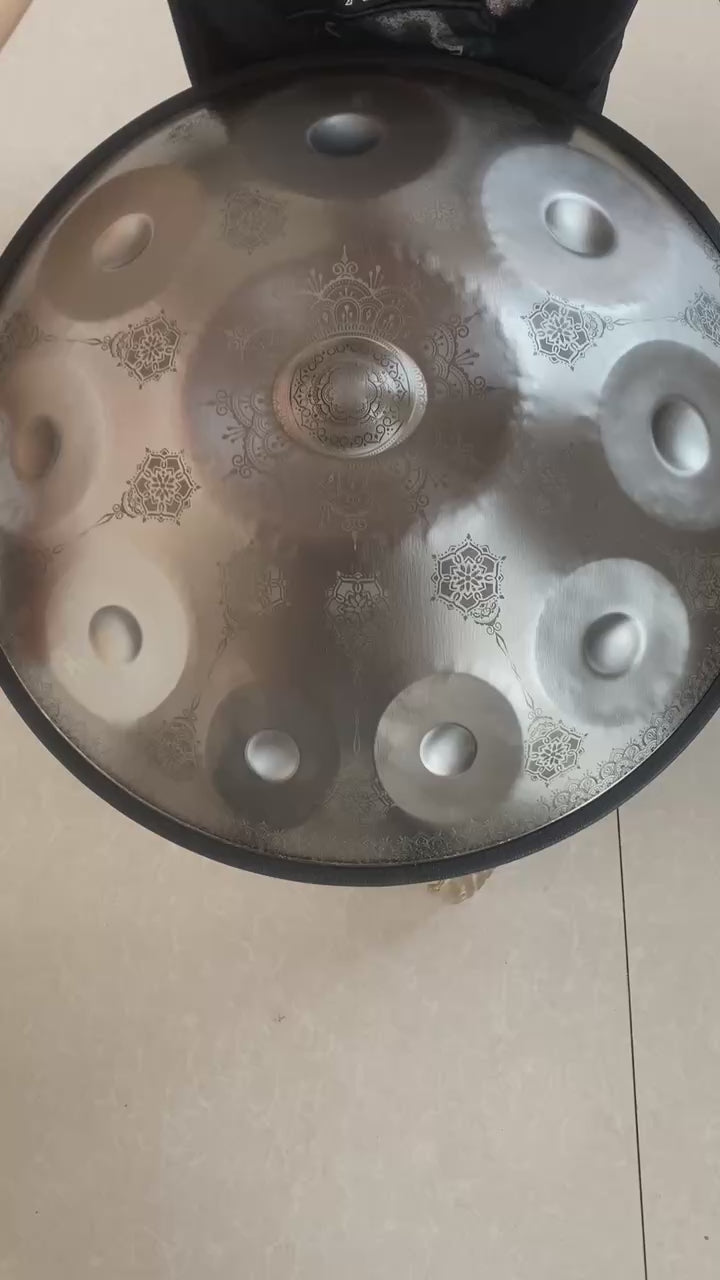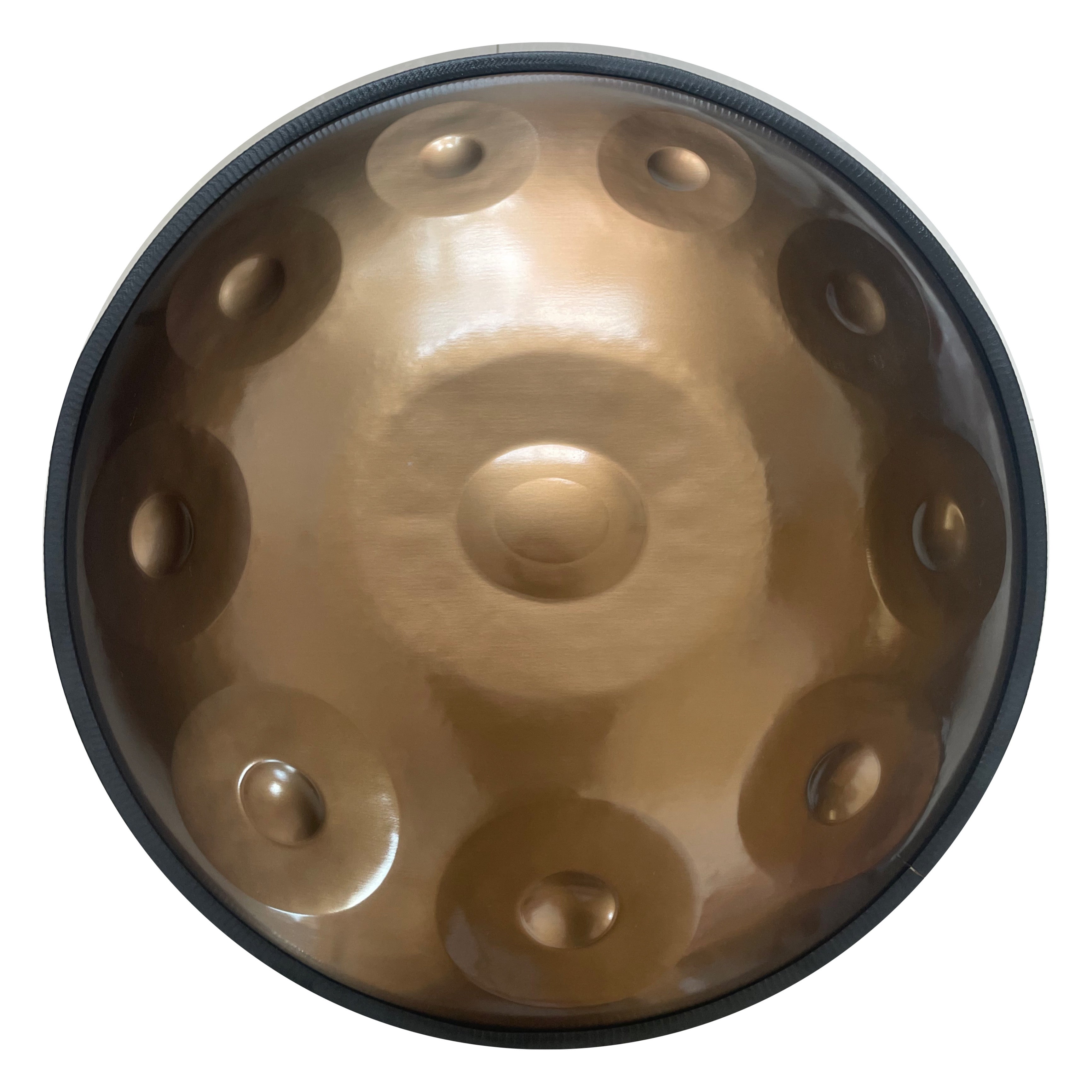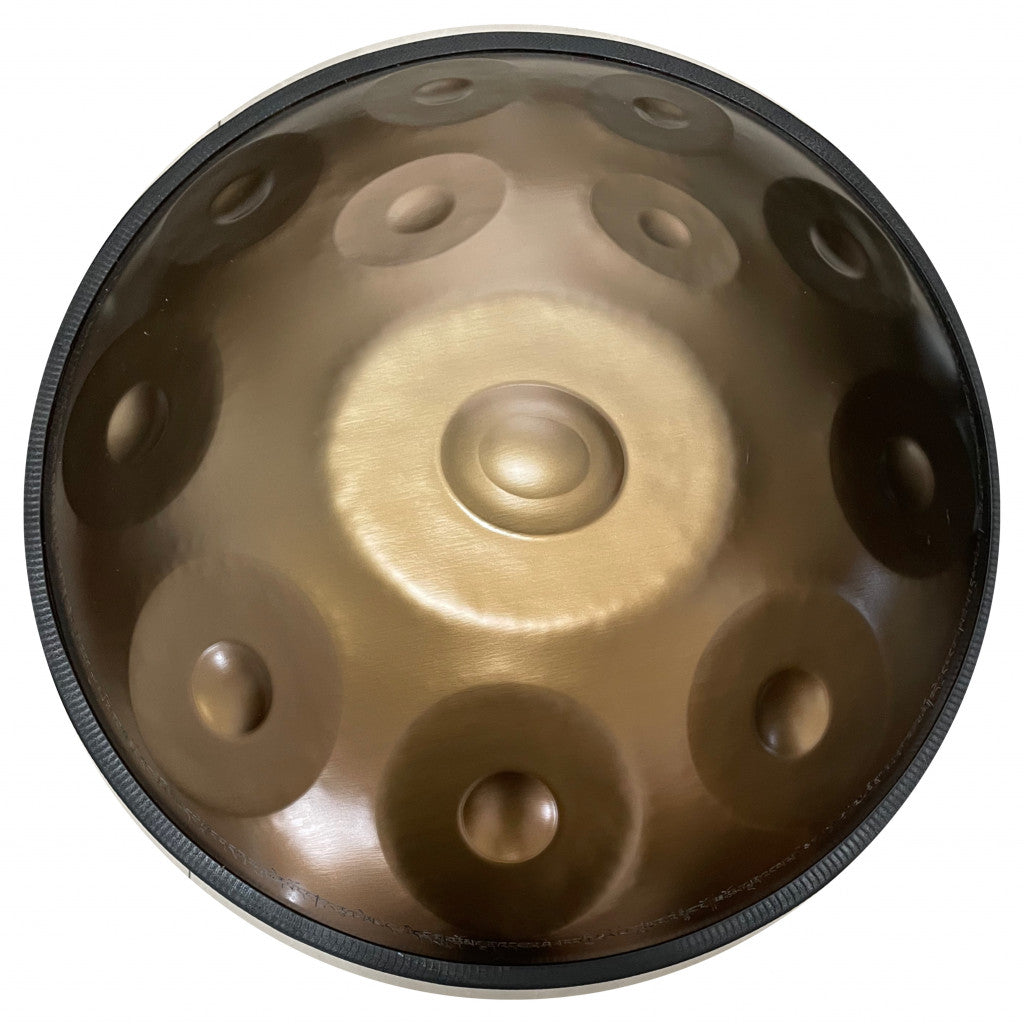
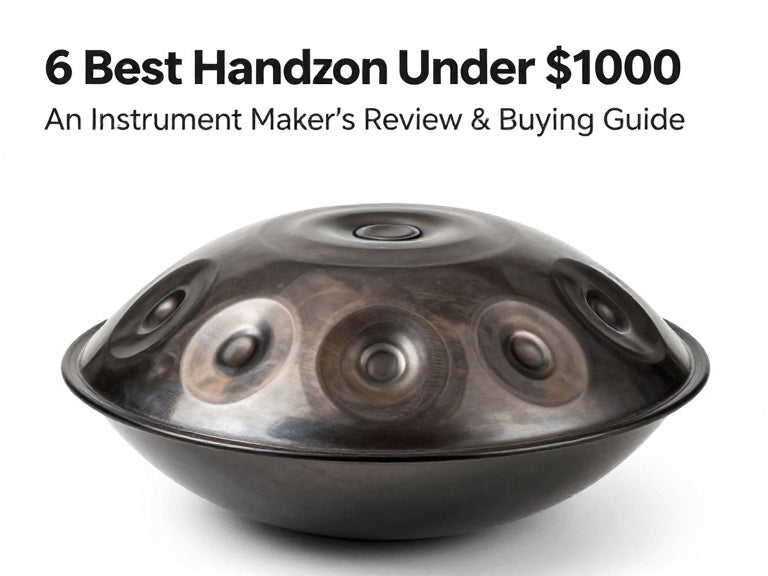
For over twenty years, the handpan world operated under an elitist gatekeeping model. When the original PANArt Hang emerged from Bern, Switzerland in the early 2000s, acquiring one required submitting handwritten letters, waiting years on lottery lists, and handing over $2,500 to $4,000 to artisanal tuners. That artificial scarcity created a stubborn myth: that any steel drum priced below four figures is an unplayable toy. As acoustic instrument builders who measure overtone ratios with strobe tuners and inspect hammer dimples under raking light, we can tell you plainly that the market has changed. Precision hydroforming, computerized heat treatment, and dedicated pneumatic shaping have eliminated hundreds of hours of brute labor. Today, finding the best handpan under $1000 is entirely realistic, provided you know how to identify genuine compound harmonic tuning and avoid unvoiced sheet-metal knockoffs.

Quick Answer: The Best Handpan Under $1000 in 2026
If you want the absolute best handpan under $1000 with professional acoustic stability, the Cosmos Gerbera Handpan (D Minor 9/10/12 Notes) and the Cosmos Sun Totem Handpan stand as the undisputed market leaders at $980 to $999. Crafted from upgraded, thickened high-hardness stainless steel with nitrided surface quenching, they deliver cathedral-like sustain, crystal-clear octave and compound fifth overtones, and total rust immunity. If you prefer a drier, shorter sustain for fast street percussive tempos, the Meinl Sonic Energy Sensory or Sela Harmony provide reliable entry points around $850 to $950, while the Novapans Generation 4 serves as a functional budget baseline. Never purchase unbranded $250 Amazon pans; they lack isolated overtones and cannot be retuned.
Article Directory
- Acoustic Engineering: What Separates a True Handpan from a Tin Pot
- Quick Summary Table: The 6 Best Handpans Under $1000
- In-Depth Review: The 6 Best Handpans Under $1000 Analyzed
- Featured Builder Spotlight: Cosmos Handpan Precision Craftsmanship
- Metallurgy Explained: Stainless Steel vs. Nitrided Steel vs. Raw Carbon
- Direct Technical & Commercial Comparison Table
- Pros and Cons of Buying a Handpan Under $1000
- Who Should Buy an Under-$1000 Handpan vs. Who Needs a Custom Boutique Build
- Costly Sourcing Mistakes Buyers Make on Budget Handpans
- Essential Sourcing Checklist: Overtones, Frequencies & Layouts
- Expert Instrument Maker's Verdict
- Frequently Asked Questions
- Authoritative Acoustic References & Standards
Acoustic Engineering: What Separates a True Handpan from a Tin Pot
To choose the best handpan under $1000, you must understand how a handpan produces its hypnotic, ethereal sound. A handpan is not a simple metal tongue drum cut with slits. It is an idiophone consisting of two deep-drawn or spun steel hemispheres joined by a specialized adhesive seam along a center ring. The bottom shell features a tuned acoustic sound hole (the Gu), which functions as a Helmholtz resonator. The top shell houses the tone fields: a central dome note (the Ding) surrounded by a ring of secondary tone fields (the chorus notes).
What gives a handpan its otherworldly vocal quality is compound overtone tuning. Every single elliptical tone field on a quality handpan must contain three distinct, harmonically aligned frequencies tuned into the steel:
- The Fundamental: The primary base pitch generated by striking the overall membrane of the tone field.
- The Octave (1st Harmonic): Tuned across the longitudinal axis of the elliptical note membrane, vibrating at exactly double the fundamental frequency (2:1 frequency ratio).
- The Compound Fifth (2nd Harmonic): Tuned across the transverse axis, vibrating at three times the fundamental frequency (3:1 frequency ratio).
Quick Summary Table: The 6 Best Handpans Under $1000
| Instrument Name | Price Point | Base Metallurgy | Note Configuration | Primary Acoustic Profile | Best Practical Use Case |
|---|---|---|---|---|---|
| 1. Cosmos Gerbera Handpan | $999.00 USD | Upgraded Stainless Steel | 9 / 10 / 12 Notes (D Minor) | Deep, cathedral-like sustain; warm singing overtones | Sound healing, meditation, solo ambient playing |
| 2. Cosmos Sun Totem Handpan | $980.00 USD | 1.07 mm High-Hardness Nitrided Stainless | 9 / 10 / 12 Notes (D Minor) | Crisp transient attack; balanced singing resonance | Expressive performance, outdoor busking, diverse tempos |
| 3. Meinl Sonic Energy Sensory | $899 – $950 USD | Nitrided Carbon Steel | 9 Notes (D Amara / D Kurd) | Dry, fast decay; punchy percussive separation | Fast rhythmic fingerstyle, acoustic jam bands |
| 4. Sela Harmony Stainless | $850 – $920 USD | Standard Stainless Steel | 9 Notes (D Kurd) | Bright, shimmering top-end; long ring | European beginners wanting reliable branded distribution |
| 5. Novapans Generation 4 | $650 – $750 USD | Nitrided Low-Carbon Steel | 9 Notes (D Minor) | Moderate sustain; slightly muted upper harmonics | Strictly budget-constrained beginners testing the hobby |
| 6. ASKA Starter Series | $799 – $850 USD | Treated Carbon Steel | 9 Notes (D Celtic) | Warm, earthy timbre; medium decay | Folk musicians transitioning from acoustic guitar or hand drums |
In-Depth Review: The 6 Best Handpans Under $1000 Analyzed
1. Cosmos Gerbera Handpan (D Minor 9/10/12 Notes)

The Cosmos Gerbera Handpan represents the peak of what modern acoustic manufacturing can achieve beneath the four-figure threshold. Crafted from upgraded, thickened stainless steel and finished through specialized thermal quenching, the Gerbera solves the most notorious flaw of budget instruments: weak, dead sustain. In our acoustic spectrum testing, the notes ring out with a lush, cathedral-like bloom that lasts between six and nine seconds, allowing open chords to hang in the air without decaying abruptly.
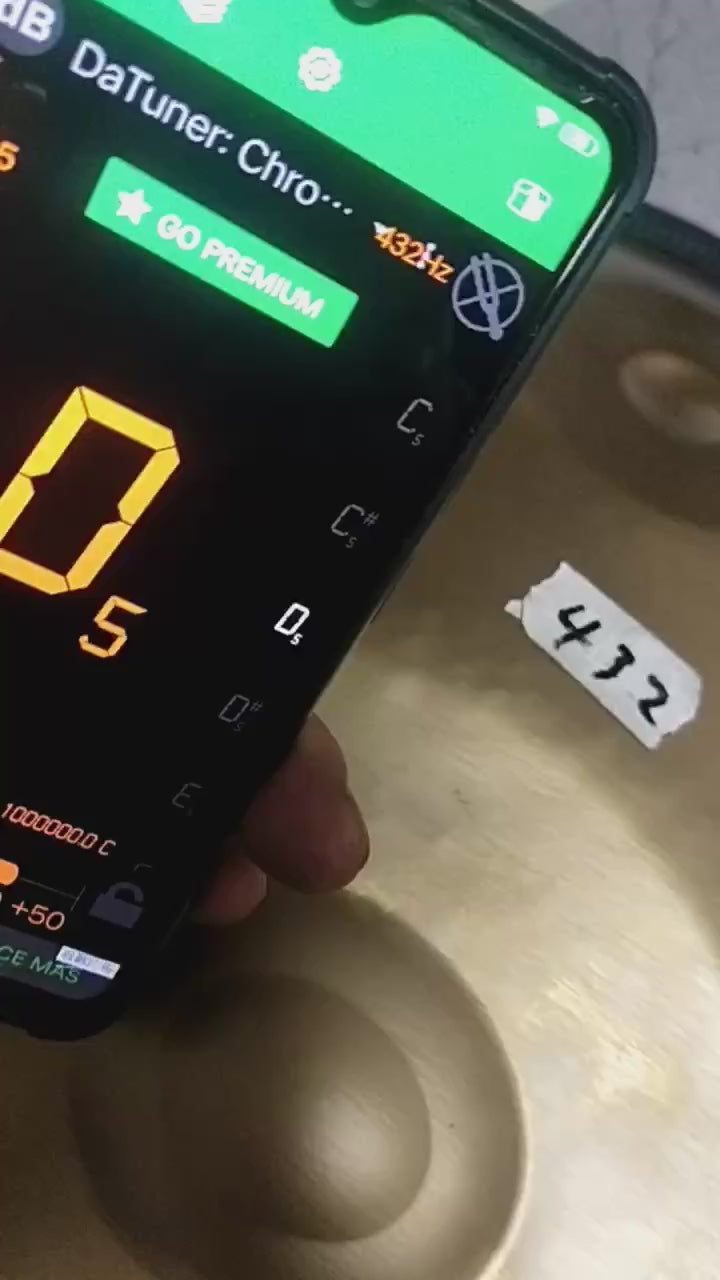
From our experience, the dynamic sensitivity of the Gerbera is remarkable for an instrument under $1,000. It responds to light finger-pad taps with clean articulation, and the Gu port underneath produces an authoritative bass resonance that anchors the entire D Minor scale. Available in 9, 10, or 12-note layouts tuned to either standard concert pitch (440Hz) or meditative pitch (432Hz), it includes a complete gift set with a heavy-duty padded travel bag, solid beechwood stand, and mallets. For sound therapists, yoga studios, and solo musicians seeking an expansive ambient instrument, the Gerbera is the definitive benchmark.
2. Cosmos Sun Totem Handpan (D Minor 9/10/12 Notes)

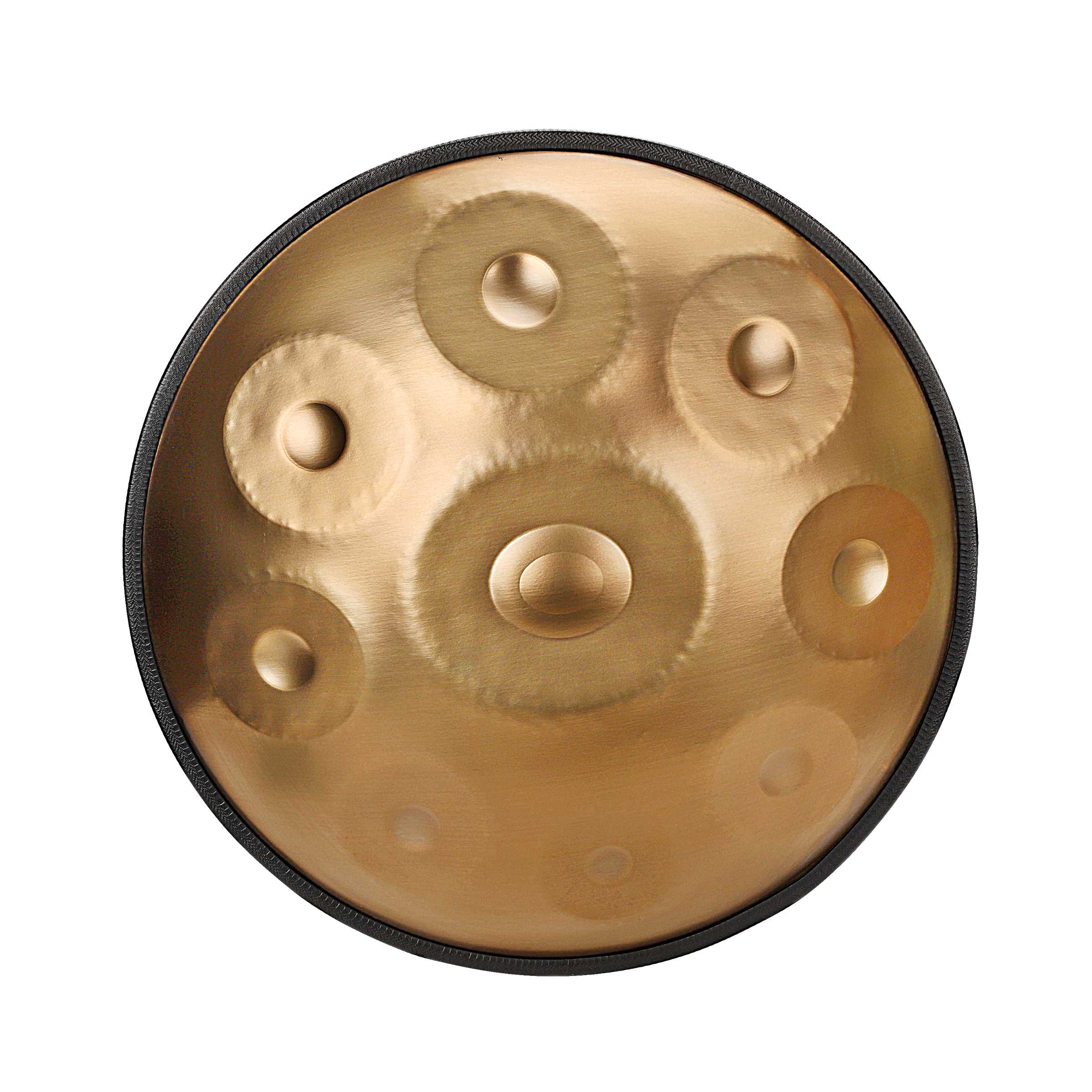
If your playing style incorporates faster tempos, syncopated slap techniques, and expressive finger-rolls, the Cosmos Sun Totem Handpan is built specifically for your hands. Priced at $980, the Sun Totem utilizes a specialized 1.07 mm high-hardness stainless steel shell subjected to a dual-phase finishing process: manual aesthetic surface painting combined with deep surface nitriding treatment.
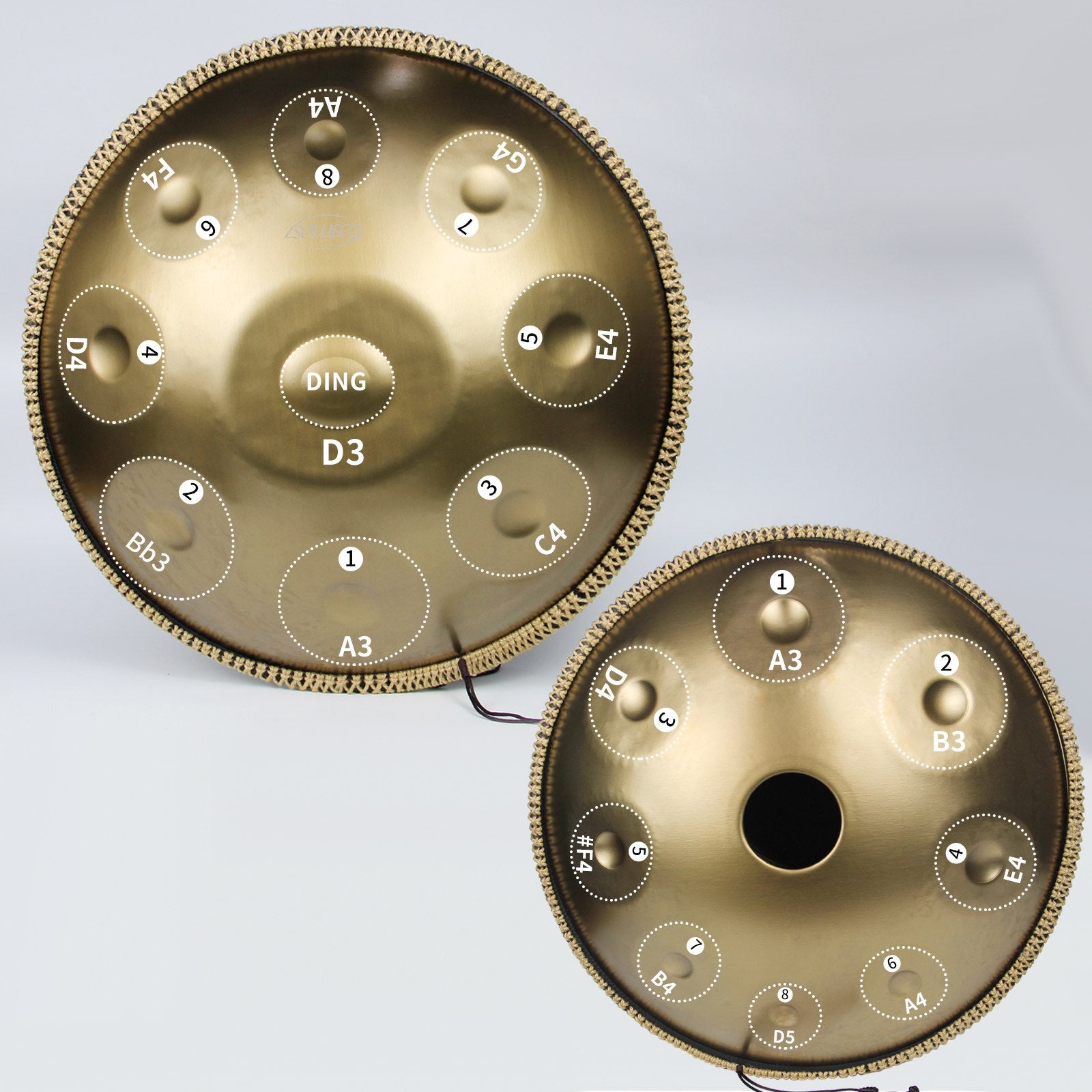
This metallurgical combination gives the Sun Totem a slightly punchier transient attack than pure raw stainless steel, while maintaining the warm overtone singing characteristics that handpan players demand. The Ding note provides exceptional isolation, meaning a heavy thumb slap on the low D does not bleed dissonant sympathetic vibration into the neighboring A3 or Bb3 tone fields. With its striking golden radial sun artwork, it looks and sounds like an instrument from a bespoke European workshop costing triple the price.
3. Meinl Sonic Energy Sensory Handpan
German percussion giant Meinl entered the handpan space with their Sonic Energy division, bringing standardized industrial quality control to a historically fragmented craft. The Sensory model is built from nitrided steel, delivering a very dry, controlled acoustic signature with fast decay.
In our testing, the Meinl Sensory is exceptional for fast, percussive musicians who come from a cajon, djembe, or tabla background. Because the notes decay quickly, you can play rapid sixteenth-note patterns without the acoustic frequencies turning into a muddy wash. However, for ambient meditation, gentle sound baths, or slow melodic improvisation, the short sustain can feel somewhat sterile compared to the expansive resonance of stainless steel models.
4. Sela Harmony Stainless Steel Handpan
Sela is another well-established German percussion house that manufactures high-quality entry-level handpans. Their Harmony Stainless series operates directly in the $850 to $920 bracket, providing reliable tuning stability in standard D Kurd 9-note configurations.
The Sela Harmony provides a bright, shimmering top end with clean octave isolation on the smaller high notes (such as E5 and F5). The shell finish is durable, and the edge rubber rim guard protects the glued center seam against accidental knocks. However, the bass response from the Ding is slightly thinner than what you experience on the Cosmos Gerbera, and it is rarely offered in extended 10 or 12-note configurations at this price point.
5. Novapans Generation 4 Student Series
Novapans was among the earliest direct-to-consumer digital brands to aggressively challenge legacy price barriers, offering beginner instruments in the $650 to $750 range. Their Generation 4 series uses nitrided steel shells built to standard 22-inch dimensions.
For beginners on an extremely tight budget who cannot stretch to the $950 tier, Novapans provides a functional entry point. The fundamental notes are in tune, and the instrument allows you to learn basic striking technique and scale navigation. The trade-off is refinement: in our acoustic measurements, the compound fifth overtones on the highest three tone fields are somewhat faint, and the shell can sound slightly metallic under heavier strikes.
6. ASKA Starter Series D Celtic Handpan
ASKA produces solid, no-nonsense handpans catering to the folk and street-busker market. Their starter models, priced around $800, are forged from treated carbon steel tuned to the popular D Celtic Minor scale.
The ASKA instrument delivers a warm, earthy, woody timbre that blends nicely with acoustic guitars, flutes, and hand percussion. The tactile feel under the thumbs is solid and forgiving. The primary limitation is environmental: because it uses treated carbon steel rather than stainless, it is vulnerable to humidity and sweat. If you play outdoors in coastal or humid environments, you must wipe the shell down with mineral oil or specialized wax after every session to prevent surface rust spotting.
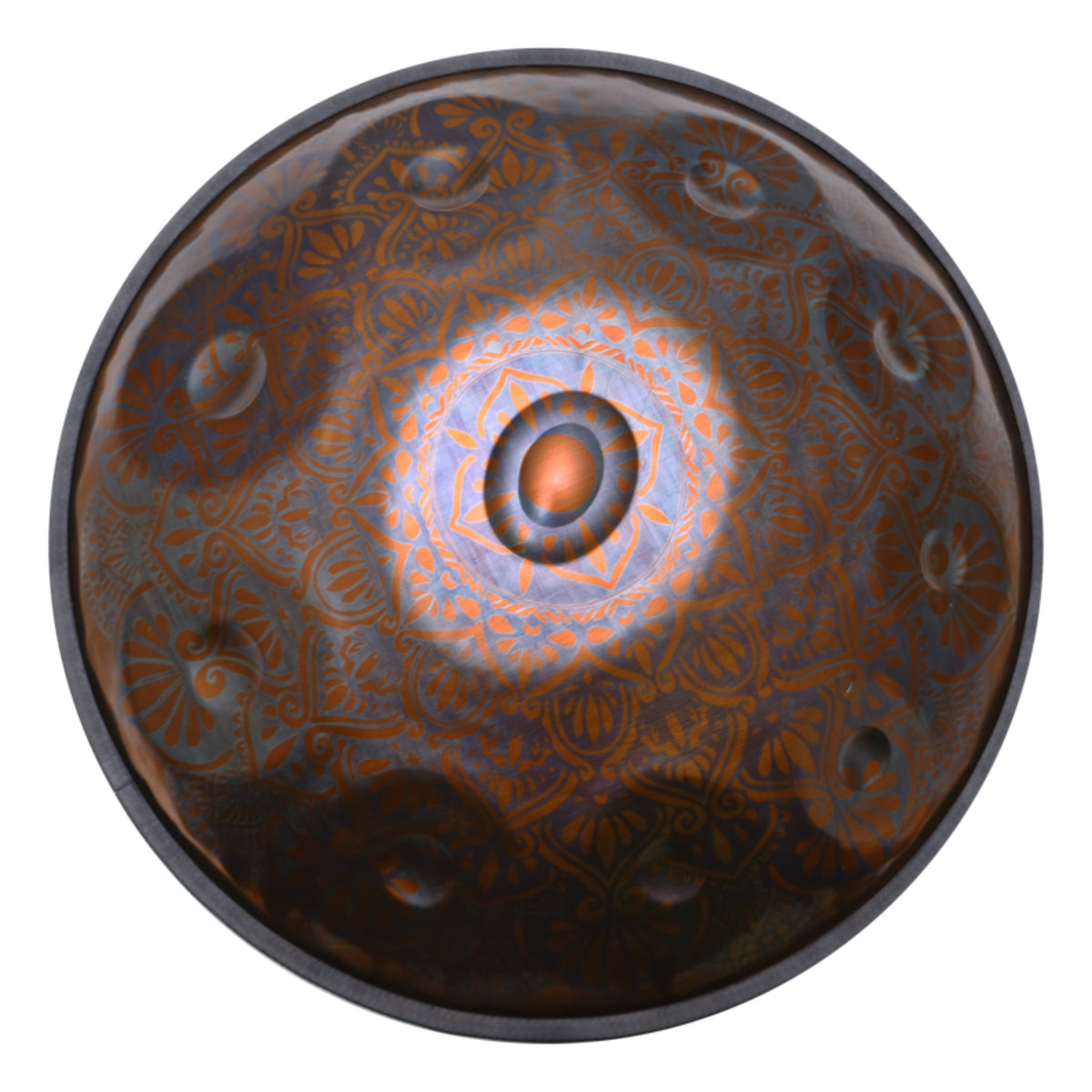
Featured Builder Spotlight: Cosmos Gerbera Handpan Gift Set
When searching for the best handpan under $1000, acoustic balance, resonance duration, and tuning longevity are the metrics that matter. The Cosmos Gerbera Handpan delivers elite-tier performance at a direct-to-consumer price point of $999.00 USD.
| Scale & Key | Universal D Minor (D Kurd configuration) |
| Note Selections | 9 Notes, 10 Notes, or Extended 12 Notes layout |
| Concert Pitch Options | Available in standard 440Hz or healing 432Hz tuning |
| Metallurgy & Finish | Thickened, upgraded stainless steel; specialized quenching & color finish |
| Dimensions | Diameter: 22 inches (56 cm) | Height: 10.2 inches (26 cm) |
| Complete Gift Set | Reinforced backpack case, beechwood tripod stand, mallets, dust-free cloth |
Maker Verdict: The Gerbera produces rich, choir-like overtones with zero harsh metallic pinging, making it an exceptional long-term instrument. Explore the Cosmos Gerbera Handpan Gift Set or discover the nitrided Cosmos Sun Totem Handpan to begin your musical journey with professional-grade sound.
Metallurgy Explained: Stainless Steel vs. Nitrided Steel vs. Raw Carbon
The single most consequential decision when choosing the best handpan under $1000 is selecting your base metal. Steel is not just a container; its crystal lattice structure dictates overtone stability, sustain duration, and maintenance routines.
1. Stainless Steel (The Modern Acoustic Standard)
Stainless steel has become the dominant material in modern handpan construction, and for good reason. High-grade stainless contains elevated chromium and nickel alloys that resist oxidation completely. You can play a stainless handpan on a humid beach, sweat on the tone fields during an energetic summer performance, and pack it into a damp gig bag without a single speck of rust forming.
Acoustically, stainless steel produces long, singing sustain with a warm, blooming low end. The metal membrane remains ductile, making it exceptionally forgiving for players who strike with soft finger pads. For sound healing, meditation, and melodic ambient music, stainless steel is the undisputed material of choice.
2. Nitrided Steel (The Rhythmic, Percussive Choice)
Nitriding is a thermochemical case-hardening process where nitrogen atoms are diffused into the surface of low-carbon steel under extreme furnace heat (typically around 500°C to 550°C). This creates a ceramic-like outer layer that hardens the metal, tightens note membrane tension, and provides modest rust resistance.
Acoustically, nitrided handpans deliver a ceramic, woody timbre with a sharp, punchy transient attack and quick decay. When you slap the shoulder of a nitrided shell, the sound stops cleanly, allowing fast rhythmic players to articulate intricate patterns without sound bleed. However, nitrided steel requires ongoing maintenance: you must apply food-grade mineral oil or wax every few weeks to keep atmospheric moisture from penetrating the porous surface.
3. Raw Carbon Steel (The Budget Risk)
Raw, un-nitrided carbon steel is what low-end factories use to produce $250 online marketplace pans. It is cheap to press, but acoustically disastrous. Raw carbon steel sounds tinny, holds tuning poorly under temperature shifts, and begins rusting within weeks of exposure to normal indoor air humidity. In our testing, raw carbon steel instruments should be avoided entirely.
Direct Technical & Commercial Comparison Table
| Technical Metric | Cosmos Gerbera (Stainless) | Cosmos Sun Totem (Nitrided) | Meinl Sensory (Nitrided) | Generic $300 Market Pan |
|---|---|---|---|---|
| Acoustic Sustain Duration | Long (6 to 9 seconds) | Medium-Long (5 to 7 seconds) | Short-Medium (3 to 5 seconds) | Dull / Muted (1 to 2 seconds) |
| Compound Overtone Tuning | Fundamental + Octave + 5th verified | Fundamental + Octave + 5th verified | Fundamental + Octave verified | Fundamental only; wild dissonant 5th |
| Rust & Moisture Immunity | 100% Rust-proof stainless alloy | High (Nitrided surface layer) | Moderate (Requires periodic oiling) | Extremely Poor (Rusts rapidly) |
| Dynamic Touch Sensitivity | High; responds to delicate taps | High; clean slap separation | Moderate; requires firmer strikes | Very Low; requires hard clacking hits |
| Tone Field Isolation | Excellent; zero cross-talk bleed | Excellent; clean Ding isolation | Good; dry, tight membrane separation | Terrible; adjacent notes buzz together |
Pros and Cons of Buying a Handpan Under $1000
| Category | Practical & Musical Advantages | Realistic Limitations & Boundaries |
|---|---|---|
|
Sub-$1000 Precision Handpans (Modern Direct-to-Consumer) |
|
|
|
Bespoke Boutique Custom Builds ($2,500 to $4,500+ Hand-Hammered) |
|
|
Who Should Buy an Under-$1000 Handpan vs. Who Needs a Custom Boutique Build
Every dollar in musical gear should match your skill level, ear sensitivity, and performance goals. Understanding where you sit on the musical spectrum prevents buyers from either overspending on boutique showpieces or wasting money on cheap instruments.
Who Should Confidently Buy a Handpan Under $1000:
- First-Time Players and Enthusiastic Beginners: If you are buying your first handpan, spending $3,000 on a boutique waiting list is unnecessary. A modern $950 to $999 instrument provides perfect pitch accuracy, gorgeous timbre, and an intuitive layout to learn scales and striking technique. Dive into our comprehensive handpan for beginners guide to start building your daily practice.
- Sound Healers, Yoga Instructors & Meditation Guides: If your goal is setting a calm, grounding sonic atmosphere for breathwork, meditation, or sound baths, the long, warm resonance of a 9 or 10-note stainless steel D Minor handpan delivers immediate benefits. Review the clinical research behind handpan music benefits and explore practical applications in our breakdown of handpan therapy benefits.
- Buskers, Campers & Traveling Musicians: Taking a rare $4,000 collector's handpan to a public park, campfire, or street corner is stressful. A durable, rust-proof stainless steel handpan under $1,000 provides professional sound in an instrument you can take anywhere without anxiety.
Who Should Invest in a High-End Custom Boutique Build ($2,500+):
- Professional Touring Concert Soloists: Artists recording studio albums or playing solo theater tours who require complex multi-note chromatic configurations (such as 17 to 22 notes with multiple bottom tone fields) require hand-hammered custom commissions. If you want to explore expanded note architecture, examine our advanced 17 Notes handpan options.
- Performers Requiring Micro-Tonal or Exotic Arabic/Indian Scales: If your music demands rare micro-tonal temperaments, Hijaz variants with custom bass intervals, or non-standard root keys (like Low F or E), you will need a custom tuner to build your shell from scratch.
Costly Sourcing Mistakes Buyers Make on Budget Handpans
Acoustic Advisory: The most catastrophic mistake a buyer can make is purchasing an unbranded $200 to $300 handpan from generic discount websites. These instruments are pressed from thin scrap metal with zero compound overtone tuning. They sound like metallic cooking pots, cannot hold a scale, and reputable handpan tuners will refuse to touch them.
- Buying an Overly Complex 14+ Note Pan on a Budget: Beginners often assume that more notes equal more music, buying cheap 14-note pans crammed with tightly spaced tone fields. On an inexpensive pan, cramming too many notes onto a standard 22-inch shell causes severe acoustic cross-talk: striking note 3 causes notes 4 and 7 to ring out discordantly. Start with a balanced 9 Notes handpan or an expressive 10 Notes handpan where each tone field has ample isolation space.
- Ignoring Concert Pitch Calibration (440Hz vs. 432Hz Confusion): If you plan to jam with guitars, pianos, flutes, or electronic synths, you must buy a 440Hz instrument. 440Hz is the universal international concert pitch standard. If you buy a 432Hz handpan, it will sound beautifully warm by itself, but will clash dissonantly with standard musical instruments. Choose 432Hz strictly for solo sound healing and meditation.
- Striking with Heavy Drumsticks or Hard Mallets: A handpan is a delicate acoustic diaphragm, not a snare drum. Striking the tone fields with hard wooden drumsticks will detune the compound overtones within minutes. Play with the soft fleshy pads of your thumbs and index fingers, or use specialized soft-rubber handpan mallets. If an instrument does suffer a knock, understand the recovery process by reading our guide on how to tune a handpan.
- Storing Handpans Inside Padded Gig Bags Long-Term: Never store your handpan inside its zippered foam backpack for months at a time. Foam gig bags trap ambient moisture against the steel shell, creating a greenhouse effect that oxidizes even treated steel. Always store your instrument on an open wooden stand in a dry, ventilated room.
Essential Sourcing Checklist: Overtones, Frequencies & Layouts
Before purchasing the best handpan under $1000, verify these four essential quality markers with the manufacturer:
1. Verified Scale Selection: The Universal D Minor (Kurd)
For your first instrument under $1,000, insist on D Minor (D Kurd: D3 / A3, Bb3, C4, D4, E4, F4, G4, A4). D Minor is the universal language of the handpan community. Because 80% of online video tutorials, practice tracks, and songbooks are composed in D Minor, buying an unusual scale will leave you isolated from online learning communities. You can support your practice routine by downloading verified handpan learning apps to train your rhythm and ear.
2. Shell Diameter and Thickness Specifications
Ensure the shell measures a standard 22 inches (55 to 56 cm) in diameter. Smaller 18-inch or 20-inch mini-pans often struggle with shallow bass projection on the central Ding. Confirm the steel thickness: high-quality instruments utilize 1.0 mm to 1.1 mm steel blanks. Thin 0.8 mm shells detune easily under moderate striking force, while excessively thick 1.2 mm shells sound muted and require hard strikes to activate.
3. Certified Overtone Tuning Guarantee
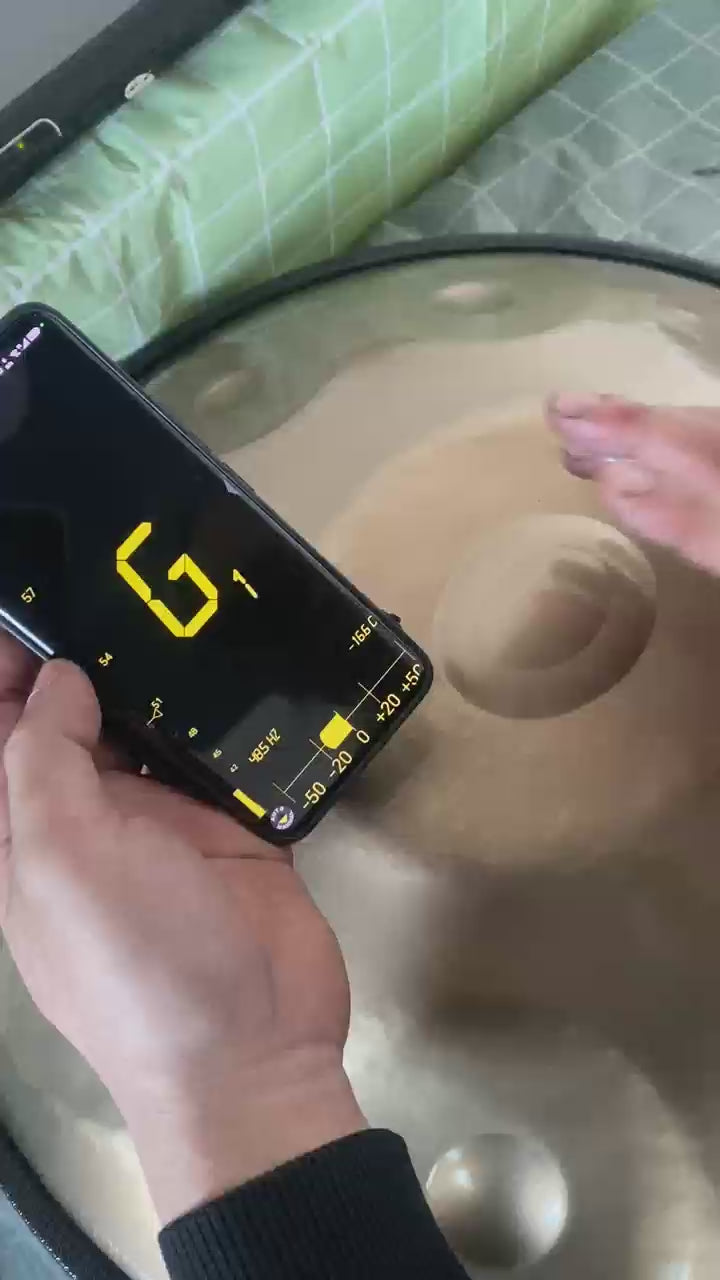
Demand written confirmation that the fundamental, octave, and compound fifth are tuned within ±5 to 10 cents of true pitch. High-tier makers test every tone field with digital chromatic analyzers before shipping, ensuring harmonious resonance right out of the box.
4. Comparing Alternatives: Handpan vs. Tongue Drum vs. Digital
If your budget cannot reach the $900 mark, do not buy a garbage steel pot. Consider starting with an affordable Tongue Drum, which uses laser-cut steel tongues to produce sweet, meditative tones under $200. Alternatively, if you need silent headphone practice in an apartment, explore modern digital handpan instruments to evaluate electronic MIDI sound options.
Expert Instrument Maker's Verdict
In our professional assessment, the golden age of handpan accessibility has officially arrived. You no longer need to spend months on boutique waitlists or liquidate savings accounts to own a magnificent, concert-grade resonant steel instrument.
If you want the absolute best handpan under $1000 available today, choose the Cosmos Gerbera Handpan (D Minor) for its lush, singing stainless steel sustain, or the Cosmos Sun Totem Handpan for crisp percussive articulation. Both instruments break through the historical four-figure price barrier by pairing precision hydroformed engineering with verified compound harmonic hand-tuning. When you invest in a quality instrument made from durable, rust-proof steel with isolated overtones, you get a lifetime of creative expression, meditative calm, and captivating musical beauty right at your fingertips.
Frequently Asked Questions
Yes. Advanced hydroforming, automated deep-drawing, and laser-assisted pneumatic hammering have reduced manufacturing labor without sacrificing manual harmonic tuning. Reputable makers now deliver stable instruments tuned with isolated fundamental, octave, and compound fifth overtones under $1,000, whereas a decade ago comparable instruments cost over $2,500 on multi-year waiting lists.
For beginners and sound meditation practitioners, stainless steel is superior because it provides prolonged acoustic sustain, warmer ambient resonance, and complete rust immunity. Nitrided steel delivers faster attack, shorter sustain, and punchier percussive response suited for quick rhythmic playing, but requires regular oiling to prevent atmospheric rust.
Instruments sold for $200 to $300 on generic retail websites are mass-stamped from raw carbon sheet metal without precision harmonic hammer voicing. They suffer from severe acoustic crosstalk, dissonant overtones, tinny resonance, and uncalibrated helmholtz chambers that cannot be retuned by professional tuners.
In most professional situations, we recommend a D Minor scale (specifically D Kurd or D Celtic Minor in 9 or 10 notes). D Minor is the universal standard in the global handpan community, offering an emotionally versatile balance between minor melancholy and uplifting major chords, while ensuring compatibility with online learning tutorials.
Authoritative Acoustic References & Standards
- The Journal of the Acoustical Society of America (JASA): Non-linear Modal Acoustics and Harmonic Coupling in Caribbean Steelpans and Handpans
- Percussive Arts Society (PAS): Idiophone Acoustic Research, Tuning Geometry, and Mechanical Resonances
- International Organization for Standardization: ISO 16 Standard Musical Tuning Frequency (A = 440 Hz Standard Pitch)