The handpan is an acoustic marvel. Unlike a piano with strings or a guitar with tuning pegs, a handpan relies entirely on the precise tension of cold-rolled steel to generate its ethereal, highly resonant overtones. Because the instrument lacks a mechanical method to tighten or loosen its pitch on the fly, a common misconception circulates among novice musicians: that a handpan, once tuned by the maker, remains in tune forever.
From our experience engineering and shaping steel acoustics at Cosmos Handpan, we must dismantle this myth immediately. Any instrument that relies on molecular tension will inevitably experience fatigue. If you are asking whether a handpan can go out of tune, you must shift your perspective from "if" to "when." In most professional situations, understanding the physics behind structural detuning is the only way to protect your investment and preserve the harmonic integrity of your instrument. In this comprehensive guide, we will analyze the exact mechanisms that cause note drift, explain how to identify a detuned note field, and provide practical judgment on extending the lifespan of your tuning.

Quick Answer: Does a Handpan Go Out of Tune?
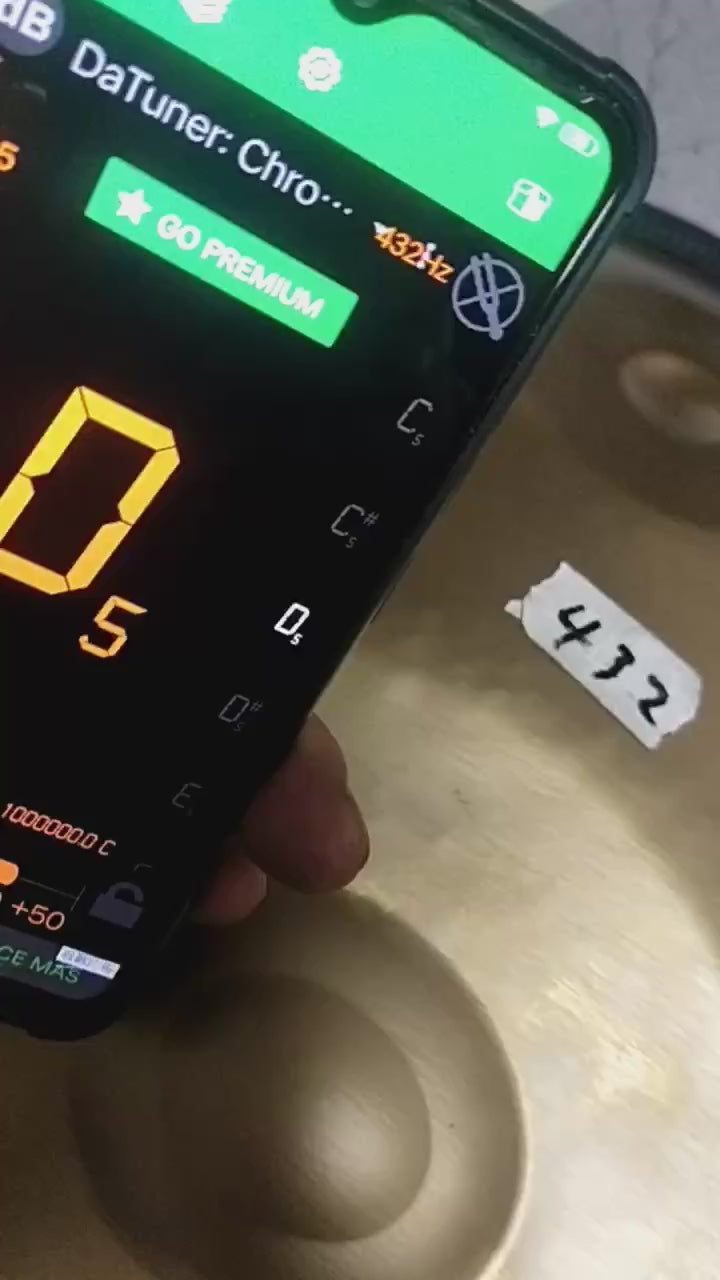
Yes, a handpan absolutely can—and eventually will—go out of tune. The notes are created by hammer-induced tension in the steel. Over time, natural settling of the metal, extreme temperature fluctuations, aggressive playing styles, and physical impacts or drops will cause the molecular structure to relax or deform, pulling the notes sharp or flat. We recommend that most players seek a professional "touch-up" tune every 2 to 4 years to maintain perfect 440Hz or 432Hz alignment. Attempting to tune the instrument yourself without specialized training will almost certainly destroy the complex overtones.
Table of Contents
- What It Is: The Physics of Detuning
- How It Works: Tension and Overtones
- The Benefits of Professional Maintenance
- Limitations of Steel Instruments
- Who Should Tune It & Who Should Not
- Common Mistakes That Destroy Tuning
- Critical Buying Considerations
- Essential Comparison Tables
- Expert Recommendation from Cosmos Handpan
- The Bottom Line
- Frequently Asked Questions (FAQ)
- References
What It Is: The Physics of Detuning
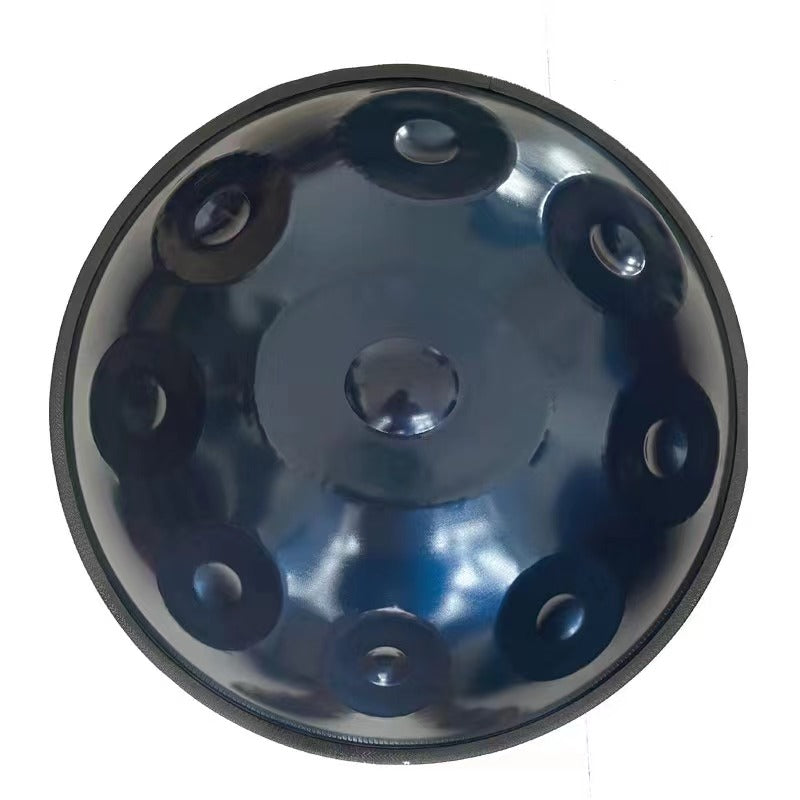
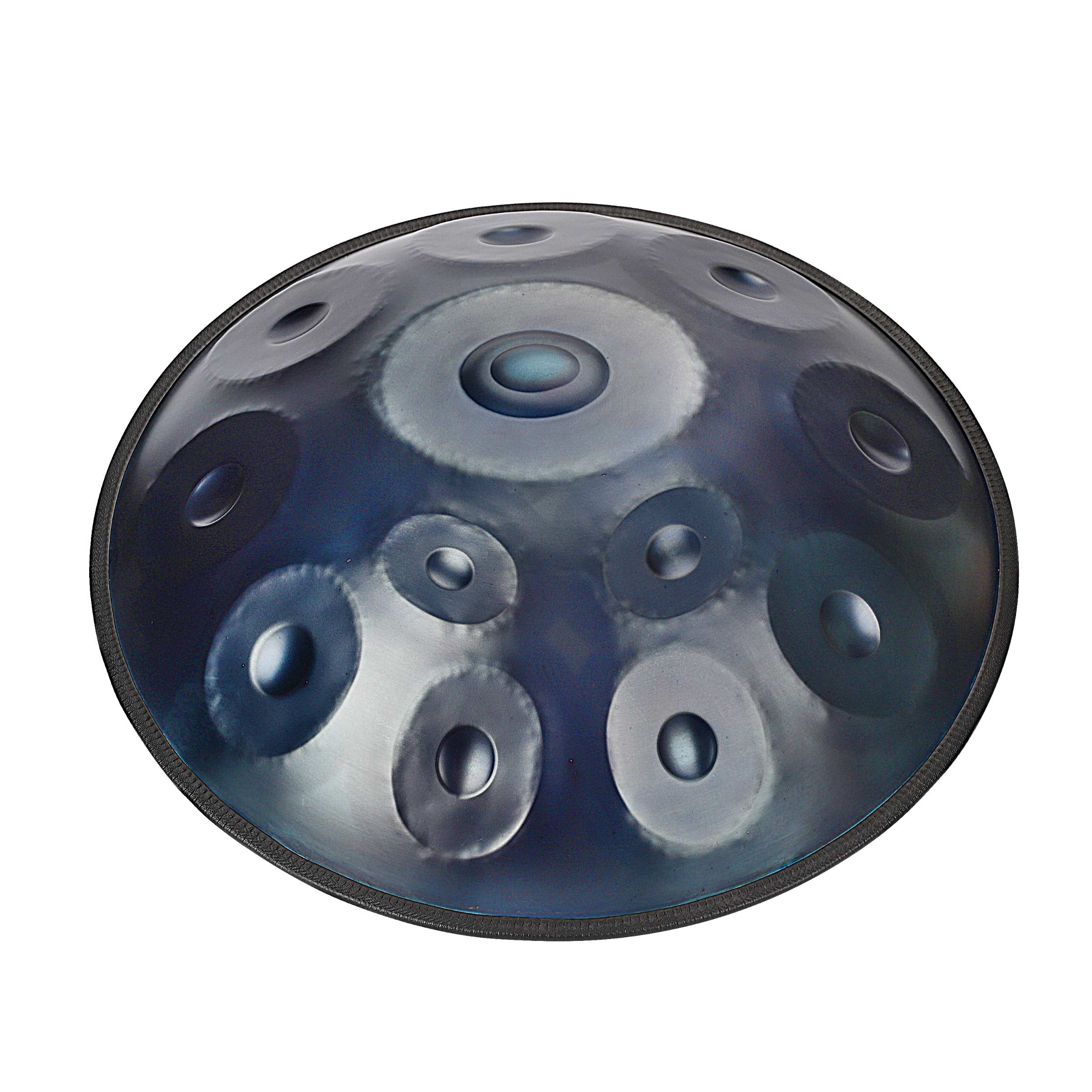
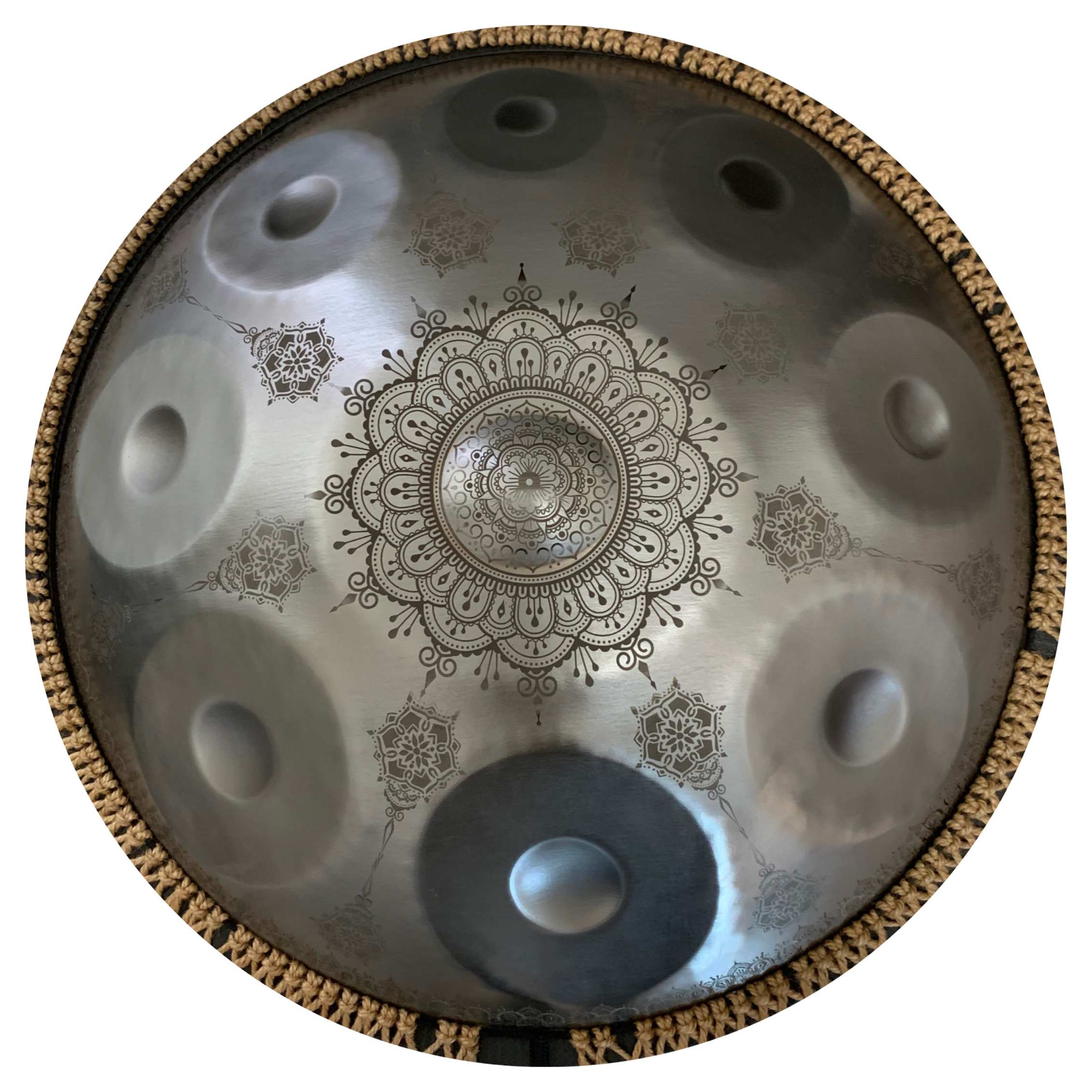
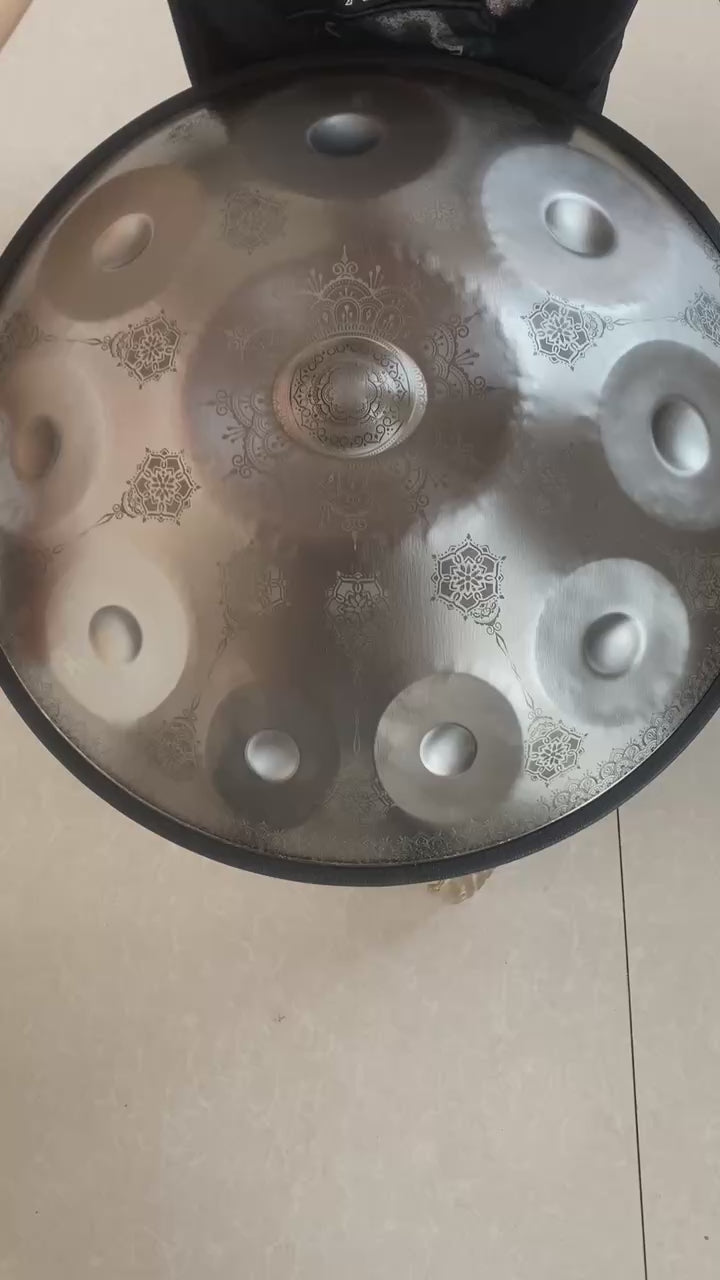
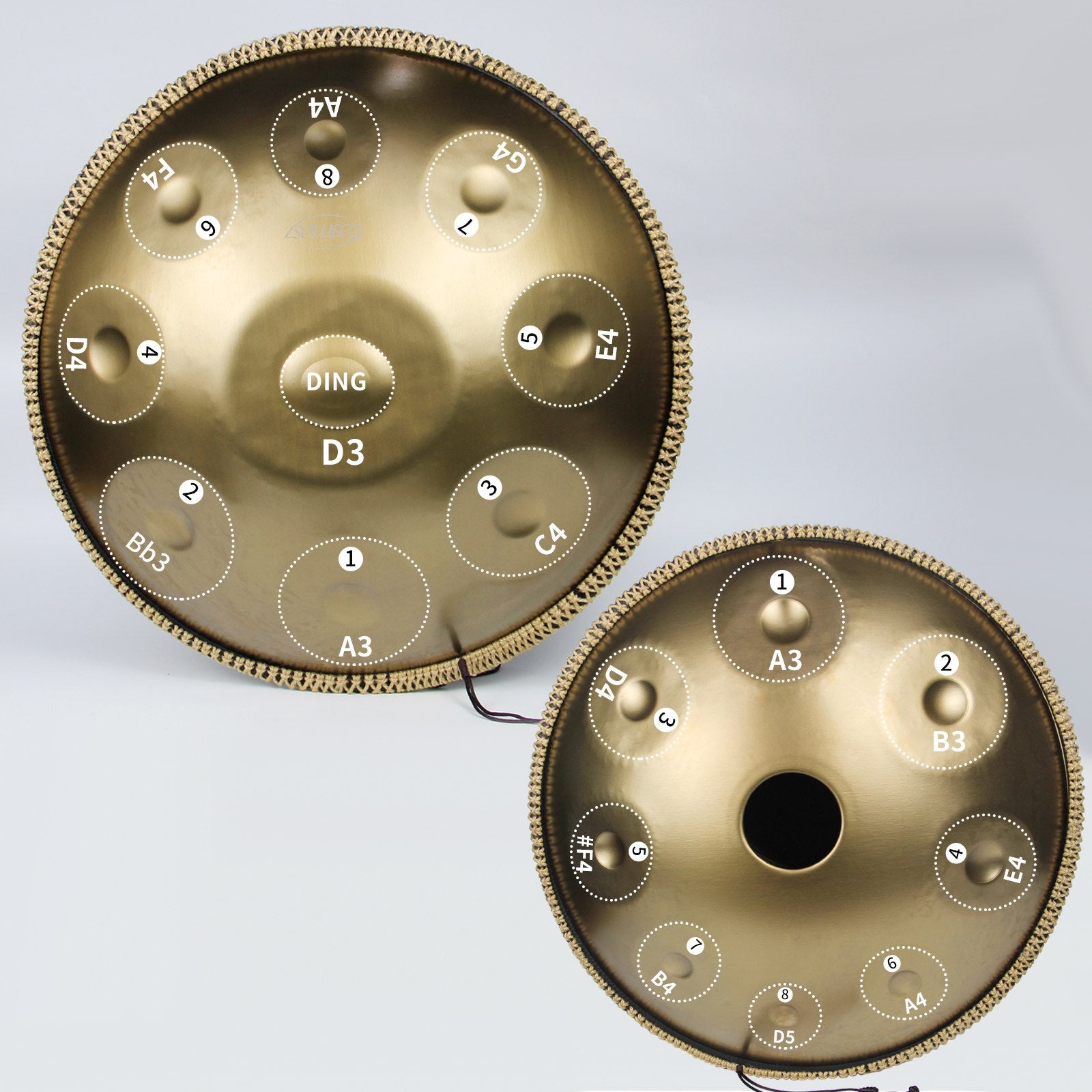
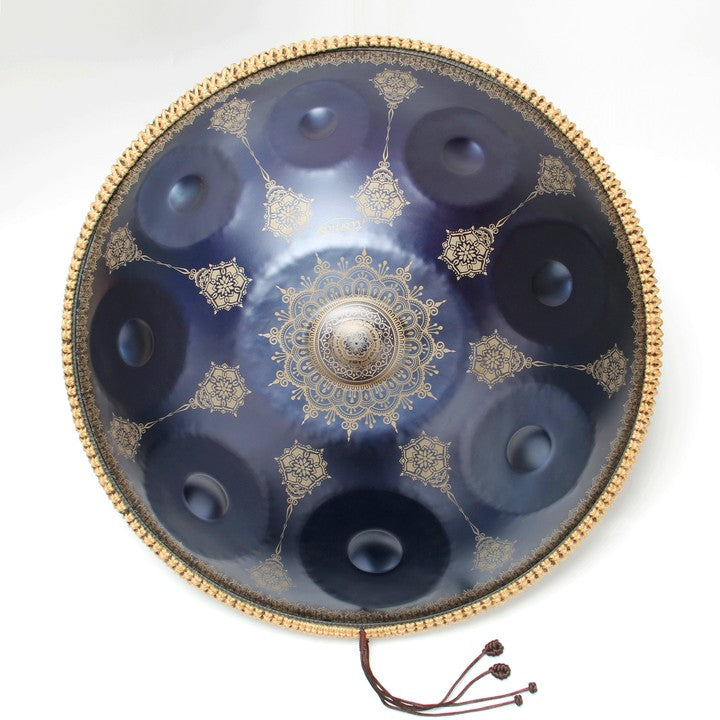
To understand what it means for a handpan to go out of tune, you must look at a single note field (the oval indentations around the center Ding). Each note field is not just producing one sound; it is producing three distinct frequencies simultaneously: the fundamental pitch, the octave harmonic (along the long axis), and the fifth harmonic (along the short axis).
Detuning occurs when the physical architecture of the steel changes by even a fraction of a millimeter. When this happens, these three frequencies stop vibrating in phase. Instead of a clean, sustained ring, you will hear a dissonant "wobble" or a pulsing "wah-wah" effect. This is acoustic interference. A note does not need to drop an entire semitone to be out of tune; a drift of just 15 to 20 cents (hundredths of a semitone) is enough to cause harmonic clashes that will ruin the therapeutic resonance of the instrument.
How It Works: Tension and Overtones
How does the metal actually lose its shape? The primary driver is mechanical stress. A handpan shell is typically only 1.0mm to 1.2mm thick. When a tuner builds the instrument, they forcefully hammer the steel to stretch it, creating a delicate equilibrium of compressive and tensile forces.
Every time you strike the handpan, you are introducing kinetic energy into a highly stressed membrane. While gentle playing with the fleshy part of the fingertips falls well within the metal's elastic limit, aggressive strikes push the metal past its threshold, causing microscopic deformations. Furthermore, thermal expansion plays a massive role. When steel heats up in the sun, it expands. When it cools, it contracts. If the metal expands too far, it may not contract back to its precise original geometry, leaving the note permanently flat.
The Benefits of Professional Maintenance
Acknowledging that your instrument will drift allows you to implement a proactive maintenance strategy. The benefits of keeping your handpan in perfect tune are significant:
- Acoustic Synergy: If you are exploring handpan music tracks or recording in a studio, a perfectly tuned instrument is non-negotiable for mixing with pianos, guitars, and digital synthesizers.
- Neurological Impact: The profound handpan music benefits and trance states rely on pure harmonic ratios. Dissonance creates neurological stress rather than relaxation.
- Structural Longevity: If one note goes severely out of tune, the sympathetic vibrations can begin to pull adjacent notes out of alignment. A touch-up tune prevents a cascading structural failure.
Limitations of Steel Instruments

We believe in commercial reality: you cannot prevent natural settling entirely. Even if you place your handpan in a climate-controlled vault and never touch it, the latent stress induced during the hammering process will slowly relax over 3 to 5 years, causing a subtle pitch drift. This is a fundamental limitation of the metallurgical properties of cold-rolled steel. For musicians seeking absolute, permanent pitch stability without maintenance, acoustic steel is the wrong medium; you would be better served exploring digital handpan instruments that trigger electronic samples.
Who Should Tune It & Who Should Not
Who should tune it: Only professional handpan makers or dedicated tuners who possess thousands of hours of hammering experience and high-resolution strobe tuners. Tuning requires understanding how a hammer strike on the x-axis will affect the frequency on the y-axis.
Who does not need it (and shouldn't try): Do not attempt to tune the instrument yourself. If you watch a video on how to tune a handpan and think you can fix a flat note with a rubber mallet in your garage, you are gravely mistaken. In our testing, 99% of DIY tuning attempts result in a completely dead note that loses all resonance and requires expensive professional rescue.
Common Mistakes That Destroy Tuning
The vast majority of severe detuning is caused by user error. Avoid these catastrophic mistakes to maximize the lifespan of your tuning:
- Direct Sunlight Exposure: Playing your handpan on the beach in direct midday sun can raise the surface temperature of the steel above 140°F (60°C). This heat will drastically flatten the pitch. While it often recovers upon cooling, repeated thermal shock permanently warps the notes.
- Using Mallets or Drumsticks: A handpan is not a snare drum. The thin steel cannot withstand the concentrated impact of wooden or hard rubber mallets. Using them will physically dent the tone fields.
- Playing with Jewelry: Rings, bracelets, and watches will scratch the protective nitride or stainless coating and can dent the delicate interstitial areas between notes.
- Heavy-Handed Technique: Beginners often strike the instrument aggressively to extract volume. A proper review of a handpan for beginners guide will teach you to rely on velocity and the "bounce" of the finger rather than sheer force.
Critical Buying Considerations
If you are in the market for a new instrument, the material you choose directly impacts tuning stability. You must exercise practical judgment when selecting between Nitrided Steel and Stainless Steel.
Nitrided steel undergoes a thermochemical heat treatment that hardens the surface, making it exceptionally stable against heavy strikes, though it requires strict oiling to prevent rust. Stainless steel, while highly resonant and rust-resistant, is inherently softer. Stainless instruments are more susceptible to pitch drift from aggressive playing and heat expansion. If you are a heavy-handed player or intend to busk outdoors frequently, Nitrided steel is the superior choice for maintaining tune.
Essential Reference Tables
Quick Summary Table: Signs Your Handpan is Out of Tune
| Symptom | Diagnosis | Required Action |
|---|---|---|
| Dissonant "Wobble" or pulsing sound. | Harmonics (octave/fifth) are out of phase with fundamental. | Professional retuning needed. |
| Note sounds dead or "choked" (no sustain). | Severe structural deformation or cracked steel. | Immediate professional repair. |
| Note is reading 15-20 cents flat/sharp on a strobe tuner app. | Natural settling or thermal drift. | Schedule routine maintenance. |
| Note drops significantly in pitch while playing outdoors. | Thermal expansion from heat/sunlight. | Move to shade; allow steel to cool and contract. |
Comparison Table: DIY Tuning vs. Professional Tuning
| Metric | DIY Tuning Attempt | Professional Maker/Tuner |
|---|---|---|
| Tools Used | Generic hammers, phone apps. | Custom tuning hammers, precision strobe software (Linotune). |
| Risk of Damage | Extremely High (Likely to permanently kill resonance). | Zero. |
| Cost | "Free" upfront; high cost to replace broken instrument. | $100 - $300+ (depending on severity). |
| Outcome | Loss of overtones, distorted pitch. | Restored factory resonance and balanced harmonics. |
Pros and Cons Table: Stainless Steel vs. Nitrided Steel (Tuning Stability)
| Material Type | Pros for Tuning | Cons for Tuning |
|---|---|---|
| Nitrided Steel | Hardened surface resists heavy strikes; excellent tuning stability. | Requires diligent oiling; rust can degrade the metal thickness, altering pitch over decades. |
| Stainless Steel | Immune to rust-based detuning; massive sustain for slow playing. | Softer metal; highly sensitive to direct sunlight and aggressive strikes causing pitch drift. |
Expert Recommendation from Cosmos Handpan

In the heart of Colorado, USA, Cosmos Handpan shines as a guiding light of musical innovation and soulful resonance. We have more than a decade of expertise in creating handpans and tongue drums. Passion, precision, and an unwavering pursuit of musical excellence steep our musical journey.
In most professional situations, we recommend treating your handpan like a living entity. Do not subject it to extreme thermal shock, and refine your touch. When the inevitable day arrives that your instrument drifts out of harmonic alignment, do not panic, and do not reach for a hammer. Send it back to the original maker or a verified professional tuner. Our crafters pour their heart into each handpan with intricate workmanship, and restoring that ethereal melody requires the same dedicated, expert hand that built it. If you use your instrument in clinical settings to maximize handpan therapy benefits, budgeting for a professional retune every few years is simply the cost of doing business.
The Bottom Line
Can a handpan go out of tune? Emphatically, yes. The handpan is a delicate acoustic sculpture held together by localized stress in thin sheet metal. While natural settling will cause a slow drift over many years, you have direct control over catastrophic detuning. By avoiding direct sunlight, playing with a light, bouncing touch, and transporting your instrument in a hard case, you can significantly extend the lifespan of your tuning. Respect the physics of the steel, accept the necessity of professional maintenance, and your handpan will reward you with decades of pristine resonance.
Frequently Asked Questions
How often should a handpan be tuned?
For a casual player, a handpan typically requires a professional tuning touch-up every 2 to 5 years to correct natural metal settling. However, heavy-hitting buskers or professionals who travel frequently with their instrument may require tuning every 12 to 18 months to maintain strict recording standards.
Does heat ruin a handpan's tuning?
Heat temporarily causes the steel to expand, which makes the notes sound flat and dissonant. If the handpan is moved back to a cool environment, the metal usually contracts and the pitch returns to normal. However, repeated or extreme thermal shock (like leaving it in a hot car) will permanently warp the metal, requiring a professional retune.
Can I use a guitar tuner to check my handpan?
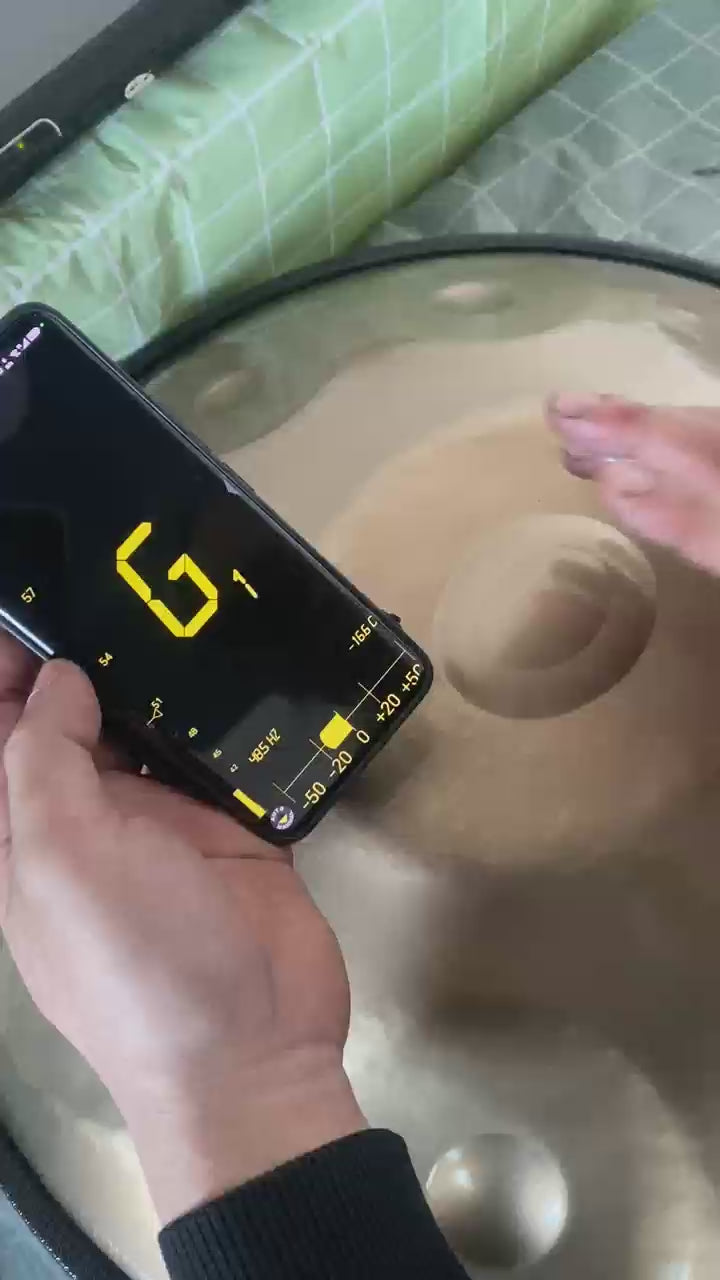
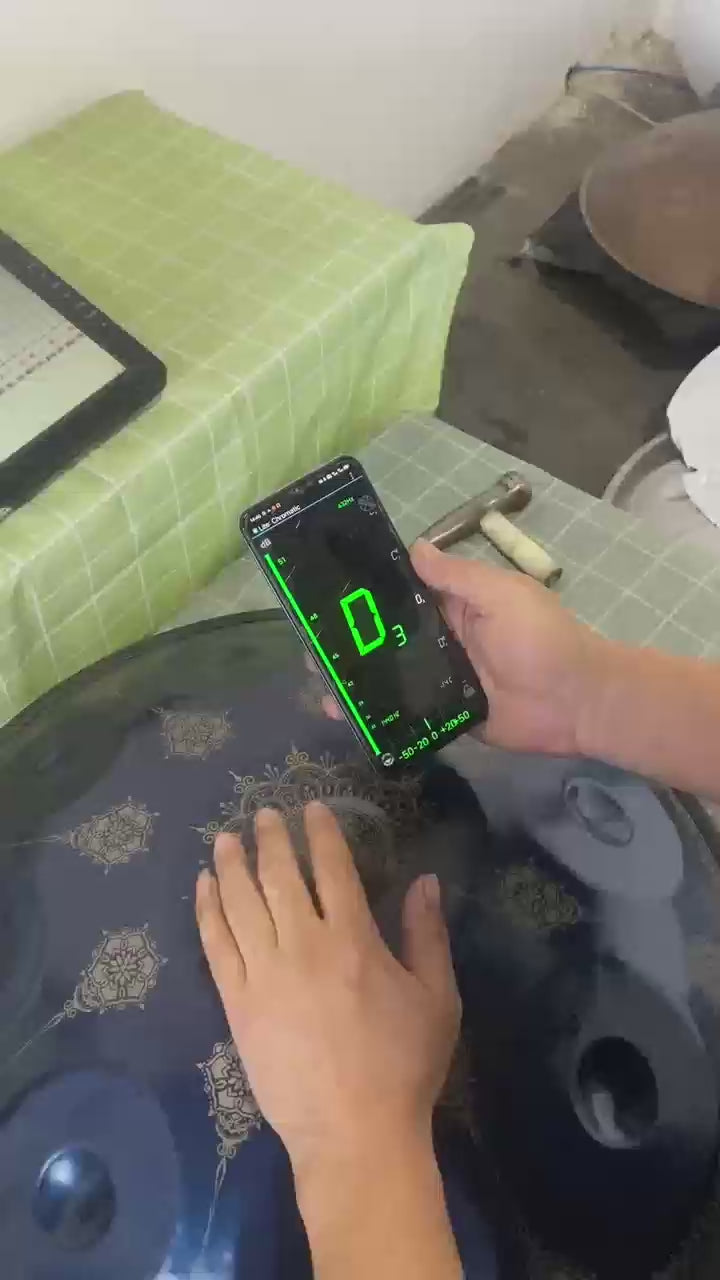
Standard guitar tuners are generally ineffective for handpans because they get confused by the multiple prominent overtones (the octave and the fifth) vibrating simultaneously. To accurately check your tuning, you must use a high-resolution strobe tuner app, such as Linotune, which can isolate and display the fundamental frequency and the individual harmonics in cents. You can also utilize specific handpan learning apps equipped with pitch detection to train your ear.
References & Authoritative Sourcing
To ensure our acoustic and metallurgical advice aligns with industry standards, we reference data established by the following authorities:
- International Organization for Standardization (ISO) - ISO 16:1975 Standard Tuning Frequency (Standard Musical Pitch)
- Acoustical Society of America (ASA) - Research on the Non-Linear Acoustics and Vibrations of Thin Shell Metal Instruments
- ASM International - Materials Science Data on Cold-Rolled Steel Fatigue and Thermal Expansion