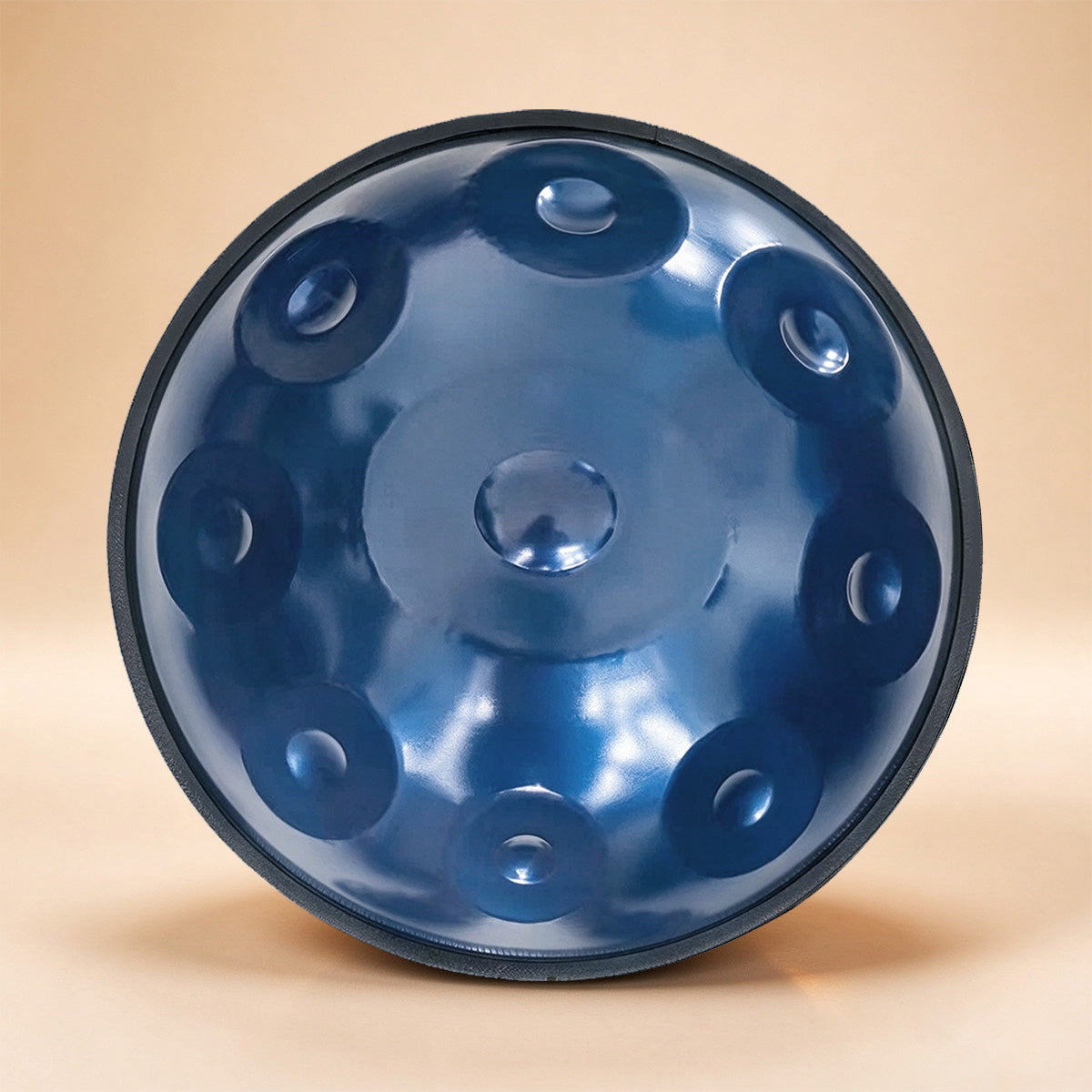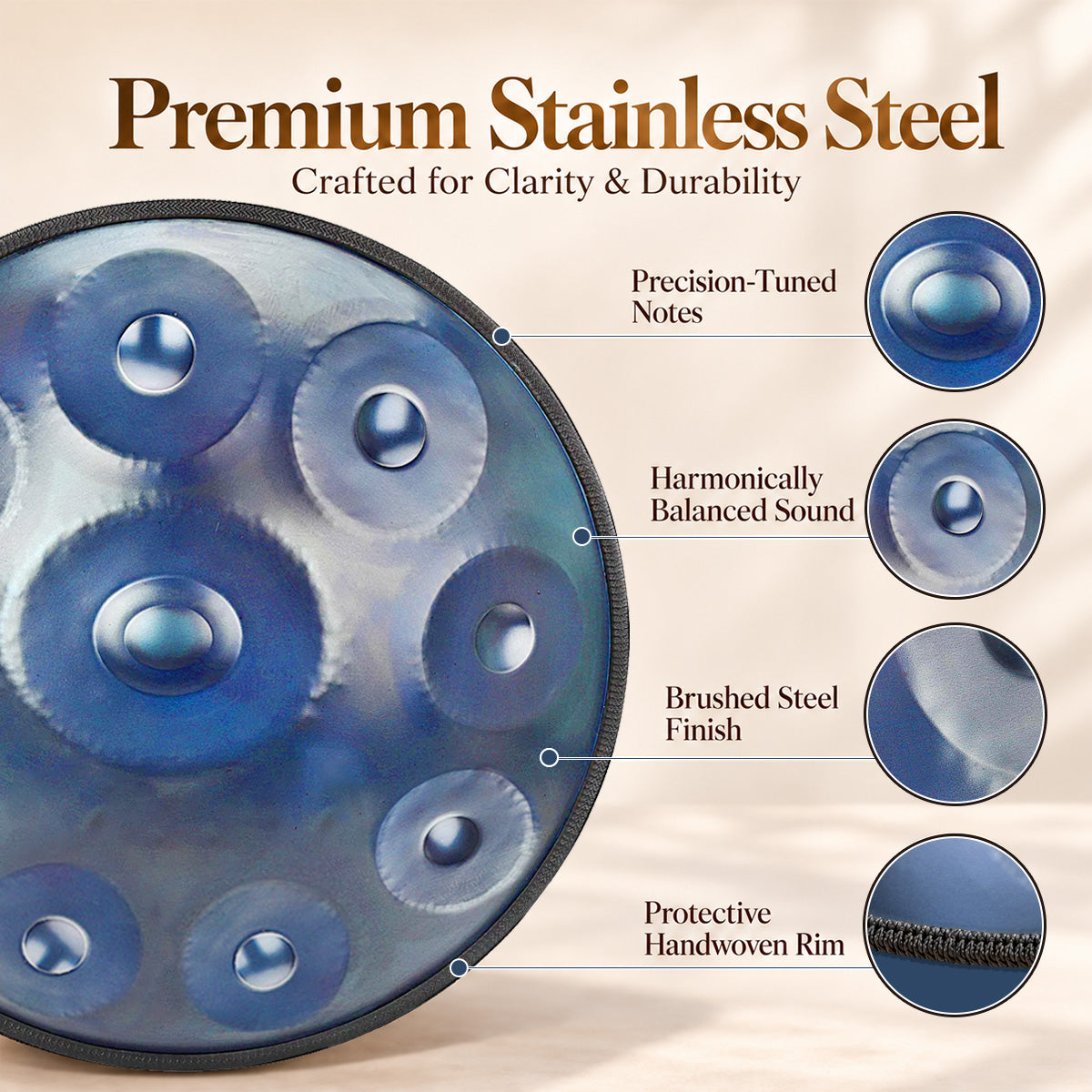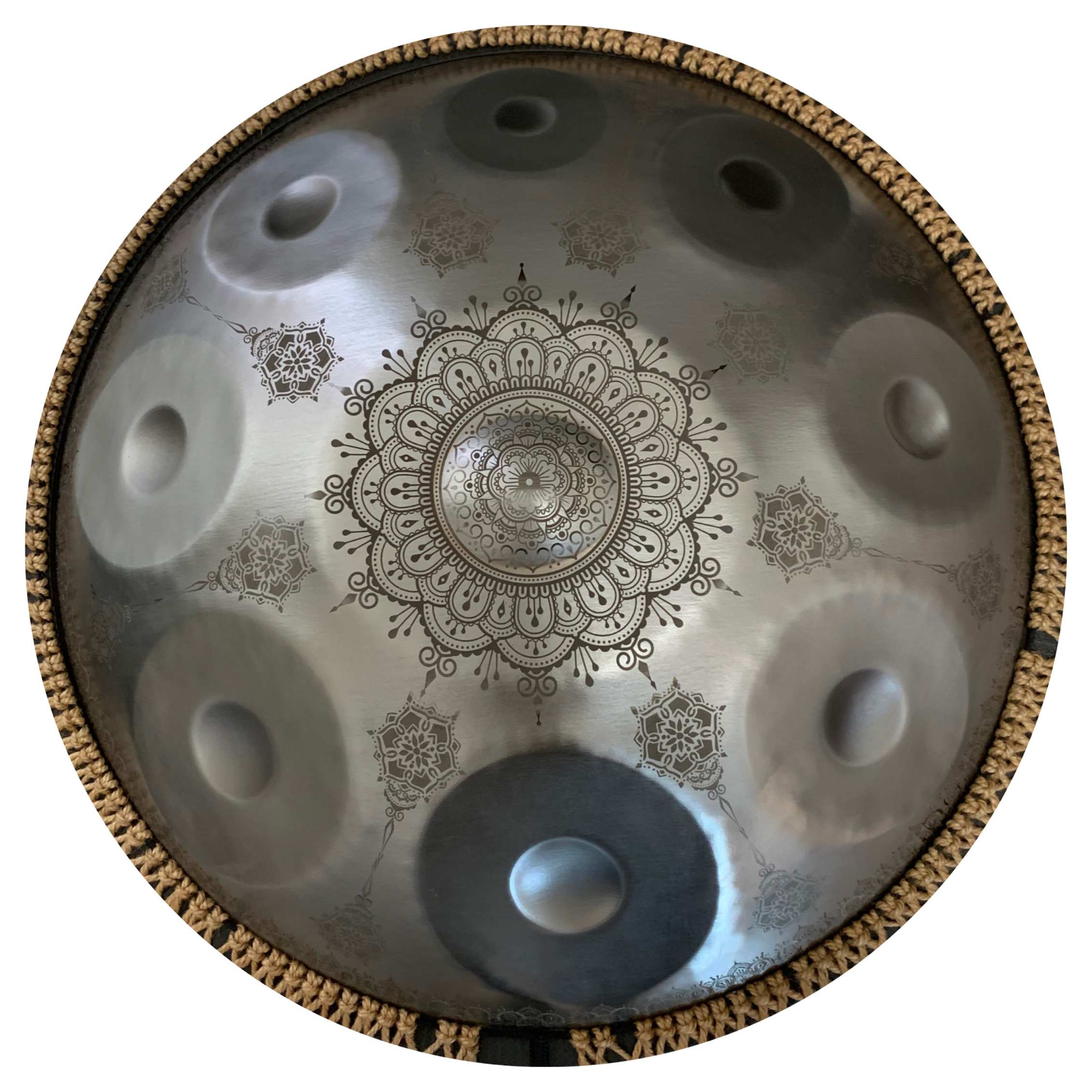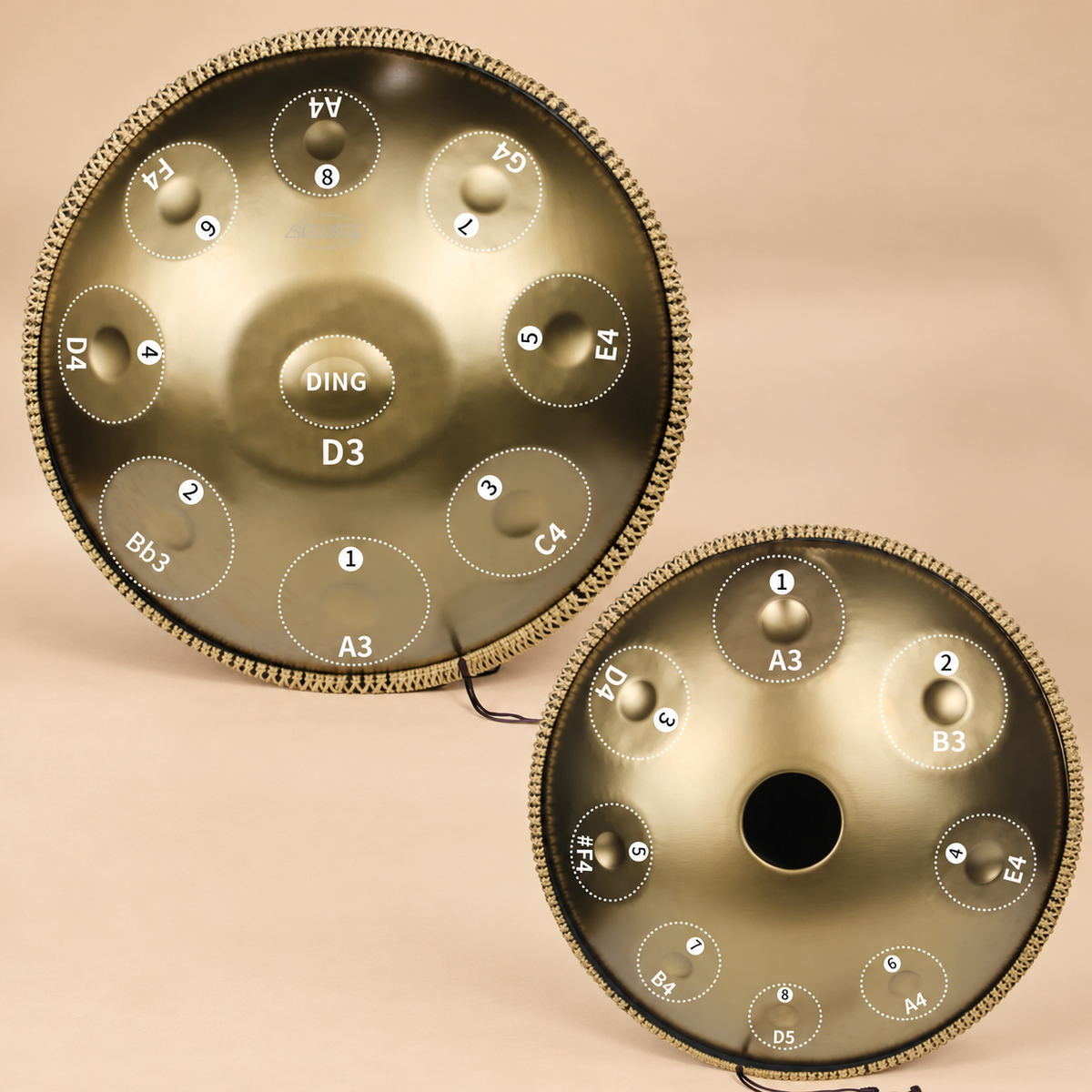
Introduction: The Healing Power of Handpan Music
When the resonant, ethereal tones of a handpan first reach your ears, something remarkable happens neurologically. Unlike many musical experiences that remain primarily auditory, handpan music seems to penetrate directly into consciousness, creating immediate sensations of calm, presence, and wonder. This phenomenon raises a fascinating scientific question: How does handpan music affect the brain?

Table of Contents
- Introduction: The Healing Power of Handpan Music
- Brainwave Entrainment: The Science of Frequency Following
- Emotional Impact on the Limbic System
- Stress Reduction and Cortisol Regulation
- Cognitive Benefits and Neural Plasticity
- Playing vs. Listening: Different Brain Benefits
- Therapeutic Applications in Music Therapy
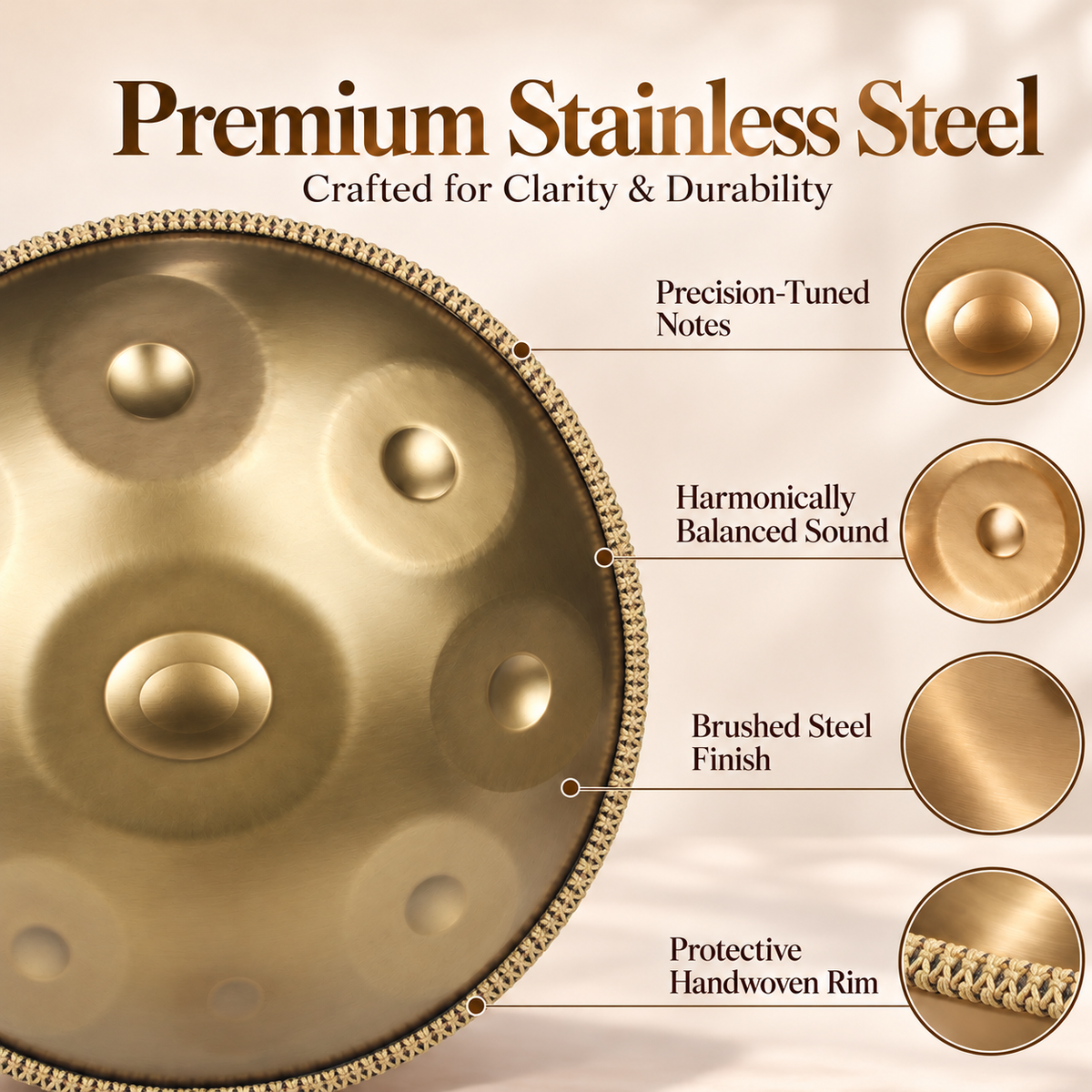
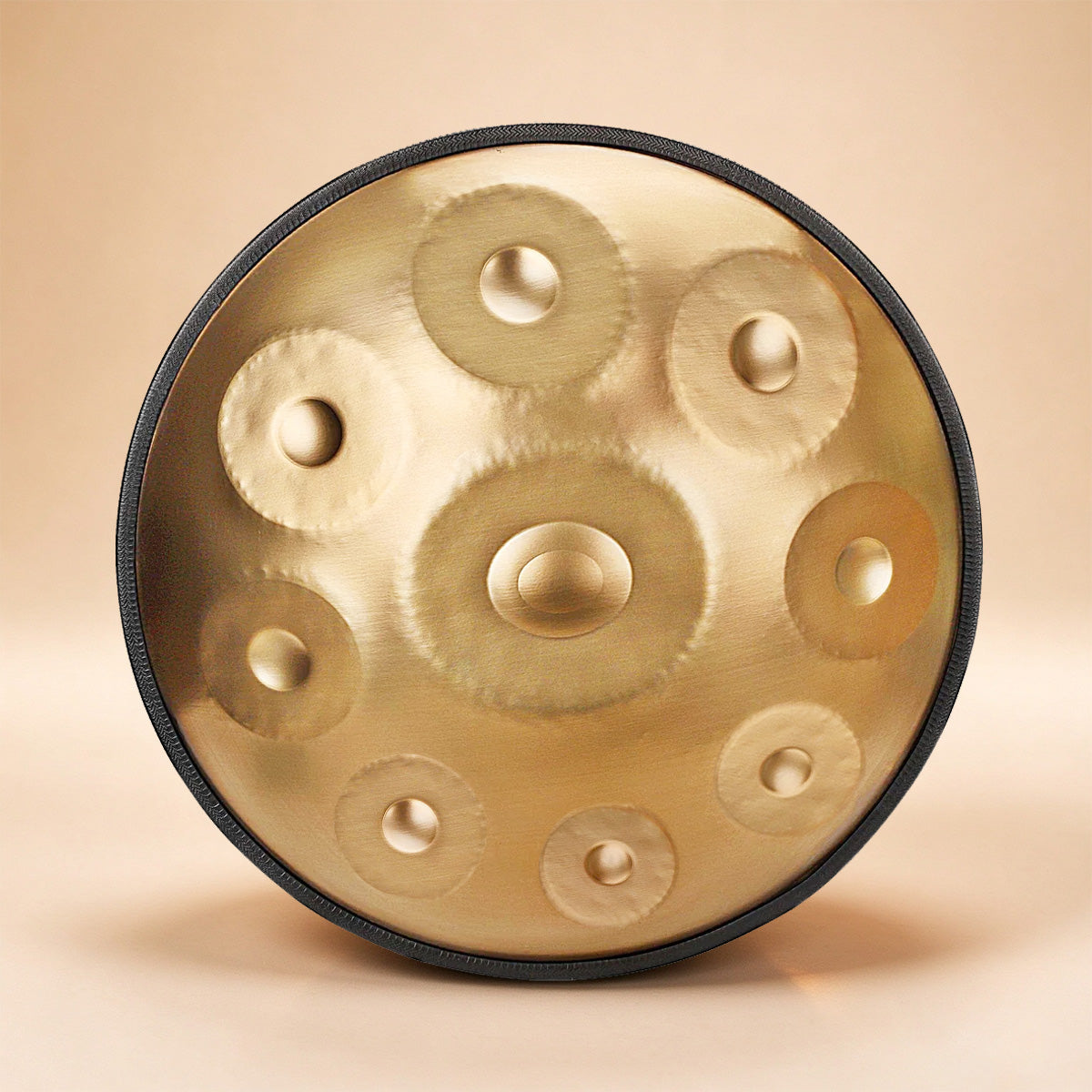
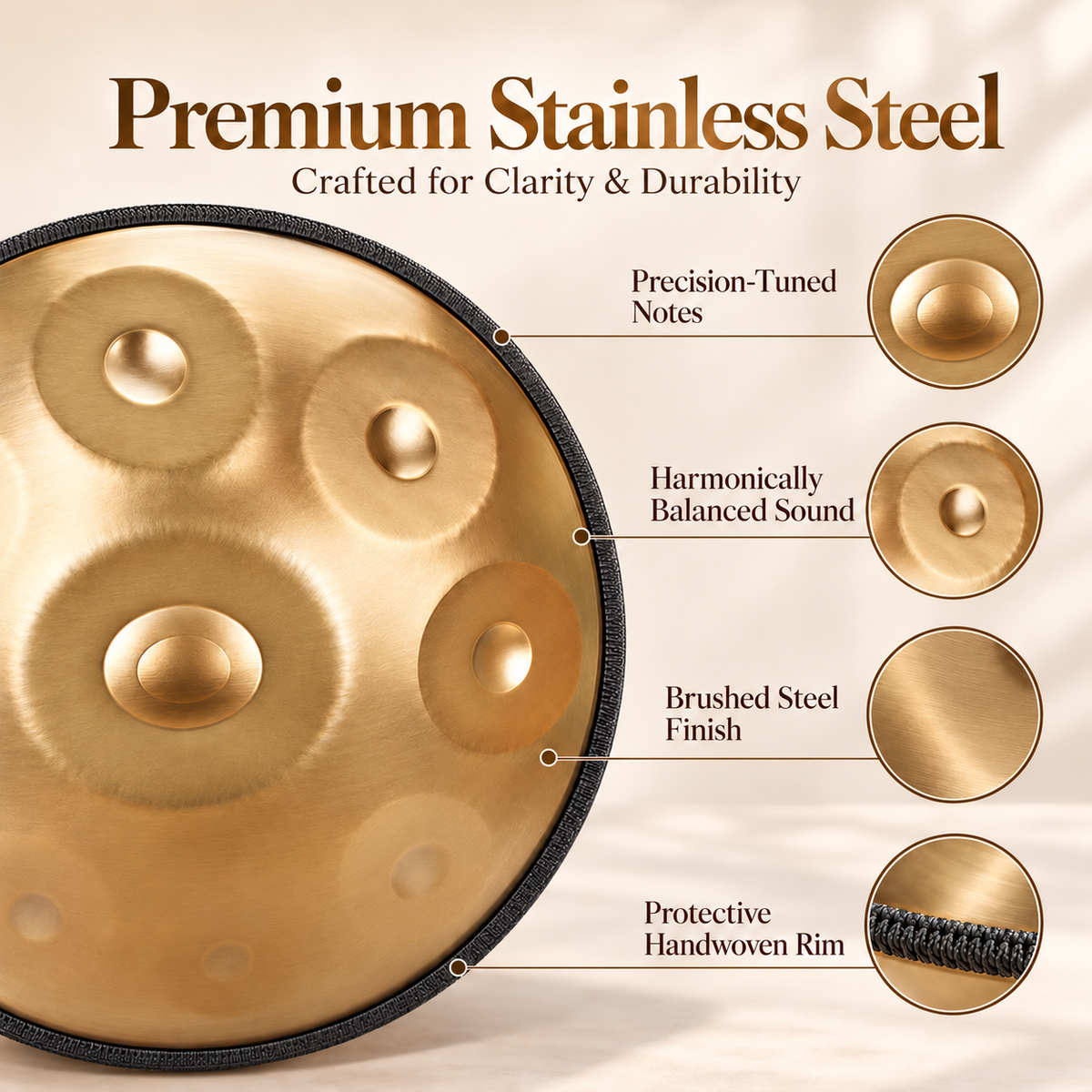
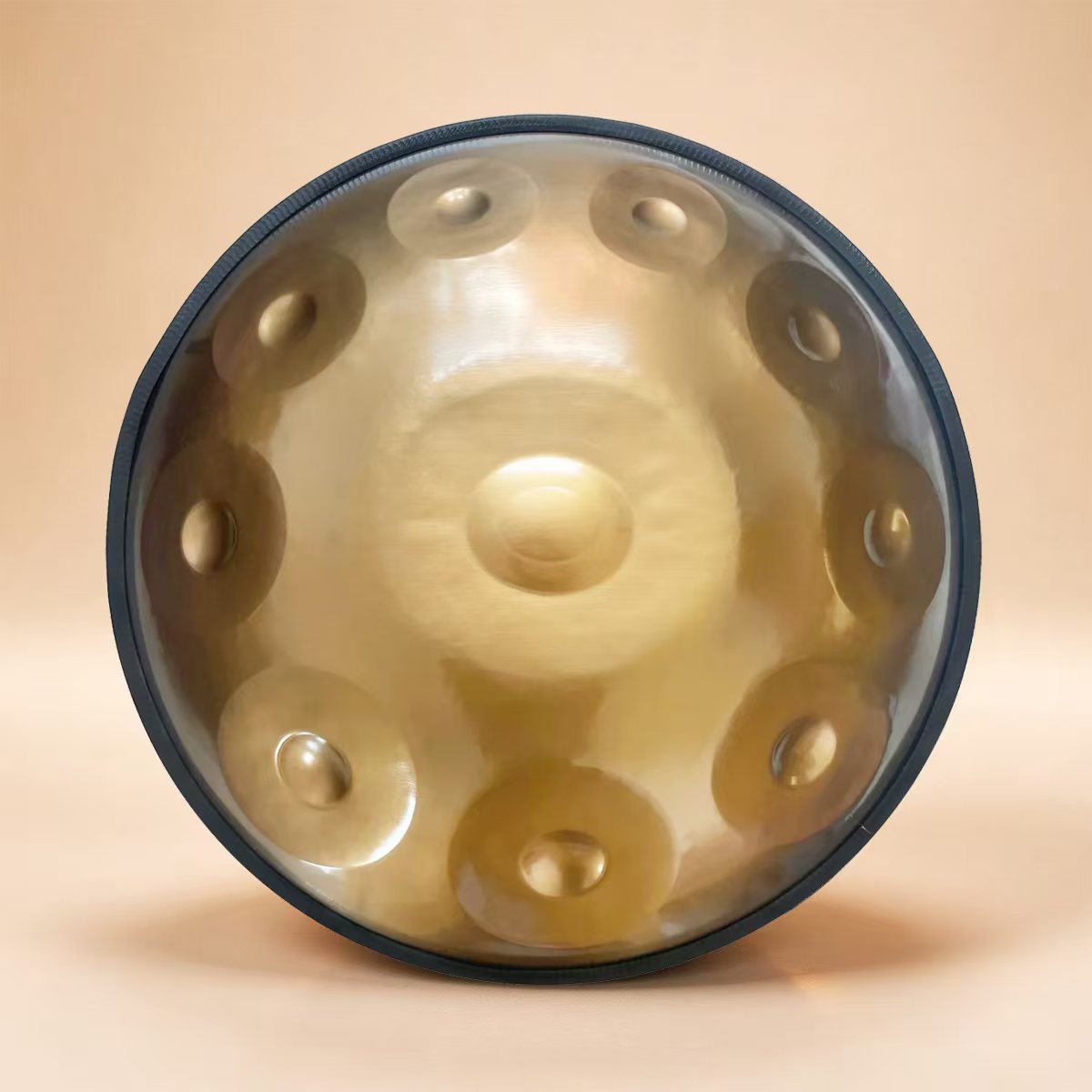
- Spotlight: Cosmos Handpan – Instruments for Healing
- Frequently Asked Questions (FAQs)
- Conclusion: Integrating Handpan Music for Brain Health
Emerging research from neuroscience, music therapy, and psychology reveals that the unique acoustic properties of handpan music—with its harmonic-rich tones, soothing frequencies, and meditative quality—engage our neurology in powerful, measurable ways. From altering brainwave patterns to regulating stress hormones and activating emotional processing centers, handpan music offers a natural pathway to mental well-being that combines ancient sound healing principles with modern scientific understanding.
Key Insight: Handpan music affects the brain through multiple synchronized mechanisms—brainwave entrainment, emotional regulation, stress reduction, and cognitive stimulation—making it a uniquely powerful tool for mental health and well-being.
Brainwave Entrainment: The Science of Frequency Following
One of the most significant ways handpan music affects the brain is through a well-documented phenomenon called brainwave entrainment or "frequency following response." Our brains naturally produce electrical oscillations at different frequencies that correspond to various states of consciousness.
Brainwave States and Handpan Frequencies:
The fundamental frequencies and harmonic overtones produced by a handpan typically fall within the Alpha and Theta ranges (approximately 4-13 Hz). When you listen to or play handpan music, your brainwaves naturally begin to synchronize with these soothing, rhythmic frequencies. This is why many people report feeling calmer, more centered, and less anxious within minutes of engaging with handpan sounds—their brain is literally being guided from active Beta states into more relaxed, meditative Alpha and Theta states.
This entrainment effect is particularly powerful because handpan scales (like the popular D Kurd) are specifically designed to be harmonically rich and consonant. The overlapping harmonics create a complex yet harmonious sound environment that provides multiple "frequency anchors" for the brain to lock onto, facilitating a smoother, more profound state shift than simpler sounds might achieve.
Emotional Impact on the Limbic System

Beyond brainwave patterns, how handpan music affects the brain extends deeply into our emotional processing centers. The limbic system—particularly the amygdala and hippocampus—serves as the brain's emotional control center, regulating feelings, memories, and stress responses.
The Amygdala: Calming the Brain's Alarm System
Functional MRI (fMRI) studies have shown that consonant, harmonious music—exactly what handpans produce—can decrease activity in the amygdala, the brain's primary "fear center" that triggers stress and anxiety responses. The handpan's consistently pleasing intervals (with no naturally dissonant notes in its scale) provide a predictable, non-threatening auditory environment that signals safety to the amygdala.
Dopamine Release: The Pleasure Response
Simultaneously, pleasant musical experiences stimulate the release of dopamine in the brain's reward pathways, particularly in the nucleus accumbens. This neurotransmitter creates feelings of pleasure, satisfaction, and motivation. The unique vibrational quality of handpan music, felt physically as well as heard, may amplify this dopamine response through multisensory stimulation.
Hippocampal Engagement: Memory and Emotion Integration
The hippocampus, crucial for memory formation and emotional regulation, also responds to musical stimulation. The meditative, repetitive nature of much handpan music may support hippocampal function, potentially explaining why many people report enhanced emotional clarity and memory recall during and after handpan listening sessions.
Stress Reduction and Cortisol Regulation
The combined effects of brainwave entrainment and limbic system modulation create powerful stress-reduction benefits when considering how handpan music affects the brain physiologically.
Cortisol Reduction
Multiple studies have demonstrated that listening to relaxing music significantly reduces levels of cortisol, the body's primary stress hormone. A 2017 study in Brain Sciences specifically found that music with slow tempos and simple harmonic structures—characteristic of handpan music—produced the most pronounced cortisol-lowering effects.
Heart Rate Variability and Parasympathetic Activation
Handpan music has been shown to improve heart rate variability (HRV), a key indicator of autonomic nervous system balance and resilience to stress. The slow, resonant decay of handpan notes (often 8-15 seconds of sustain) provides a natural breathing rhythm that encourages slower, deeper breathing—activating the parasympathetic "rest and digest" nervous system while calming the sympathetic "fight or flight" response.
Vibroacoustic Effects
When playing a handpan, the vibrations are transmitted through the player's body, creating vibroacoustic stimulation. Research in vibroacoustic therapy shows that low-frequency vibrations (like those produced by handpans) can reduce muscle tension, lower blood pressure, and promote overall relaxation through direct physiological mechanisms.
Cognitive Benefits and Neural Plasticity
The impact of how handpan music affects the brain extends to cognitive function and brain structure through several mechanisms:
Default Mode Network Quieting
The Default Mode Network (DMN) is a brain network active during mind-wandering, self-referential thought, and worrying about past or future events. Overactivity in the DMN is associated with anxiety, depression, and stress. Immersive musical engagement—particularly with an instrument like the handpan that requires focused attention—quiets the DMN, providing a mental break from cyclical or anxious thoughts.
Enhanced Focus and Attention
The act of listening to or playing handpan music trains attentional networks in the brain. The slow evolution of handpan compositions (without abrupt changes) allows sustained attention without cognitive overload. This gentle focus training can improve overall attention span and concentration abilities.
Neural Plasticity and Bilateral Integration
Learning to play handpan music creates new neural connections through neuroplasticity. The instrument requires bilateral coordination (using both hands independently), fine motor control, and auditory-motor integration—activities that strengthen connections between brain hemispheres and build cognitive reserve.
Playing vs. Listening: Different Brain Benefits
| Aspect | Playing Handpan | Listening to Handpan |
|---|---|---|
| Brain Engagement | Motor cortex, sensory cortex, auditory cortex, prefrontal cortex (planning) | Primarily auditory cortex with secondary limbic system engagement |
| Cognitive Load | Active learning, pattern recognition, motor planning | Passive reception, emotional processing |
| Motor Benefits | Fine motor skill development, bilateral coordination | Minimal motor involvement |
| Stress Reduction | Active stress management through creative expression | Passive relaxation through auditory stimulation |
| Therapeutic Depth | Deeper emotional processing through self-expression | Surface-level relaxation and mood enhancement |
| Accessibility | Requires instrument and basic skill development | Immediately accessible to anyone |
Therapeutic Applications in Music Therapy
The documented effects of how handpan music affects the brain have led to its increasing adoption in therapeutic settings:
Clinical Music Therapy
Certified music therapists incorporate handpans to facilitate non-verbal communication, emotional expression, and social connection—particularly effective for individuals with trauma, autism spectrum disorders, anxiety, depression, and communication challenges.
Sound Healing and Sound Baths
Handpans have become central instruments in sound healing practices, where their vibrations are used for deep relaxation, energetic alignment, and meditative states in group and individual sessions.
Meditation and Mindfulness Practices
For those who find silent meditation challenging, handpan music provides an auditory anchor for attention, making mindfulness practices more accessible and sustainable.
Pain Management
Emerging research suggests that engaging with handpan music can elevate pain thresholds and reduce pain perception through distraction, relaxation, and endorphin release.
Spotlight: Cosmos Handpan – Instruments for Healing
The Cosmos Handpan Story

The journey of Cosmos Handpan began with a shared vision among passionate musicians and healers—to create an instrument capable of inspiring transformation worldwide. Through years of dedicated experimentation with shapes, materials, and acoustic engineering, they discovered the precise formula for producing the signature Cosmos sound: harmonically rich, emotionally resonant, and acoustically balanced.
The Cosmos team comprises master craftsmen committed to precision, tonal purity, and artistic excellence. Each handpan is meticulously created, blending aesthetic beauty with acoustic perfection to ensure every instrument serves as both a musical tool and a healing companion.
Why Cosmos Handpans Are Ideal for Therapeutic Use:
- Consistent Quality: Every instrument meets rigorous standards for tuning stability and tonal beauty
- Beginner-Friendly Design: Thoughtfully crafted for accessibility without sacrificing professional quality
- Comprehensive Support: Learning resources that address both musical technique and therapeutic application
- Value Accessibility: Professional instruments at price points that support widespread therapeutic use
- Community Connection: Access to a global network of players and healers for shared learning and support
Popular Cosmos Handpan Models for Different Needs:
9 Notes Handpan
Perfect For: Absolute beginners and therapeutic settings requiring simplicity.
Simple, affordable entry into handpan music with a complete, accessible scale.
10 Notes Handpan
Perfect For: Most beginners and regular therapeutic practice.
Balanced versatility and playability for diverse musical and healing applications.
12 Notes Handpan
Perfect For: Committed learners and therapeutic professionals.
Extended range for deeper musical exploration and more complex therapeutic work.
17 Notes Handpan
Perfect For: Serious practitioners and professional sound healers.
Maximum musical possibilities for comprehensive therapeutic sessions and performances.
Choosing a Cosmos Handpan means selecting an instrument designed with intention—to facilitate the very neurological and psychological benefits explored throughout this article. From stress reduction and emotional processing to cognitive enhancement and meditative states, these instruments are crafted to optimize how handpan music affects the brain for therapeutic benefit.
Frequently Asked Questions (FAQs)
How long do I need to listen to handpan music to experience brain benefits?
Many people report noticeable effects within 5-10 minutes of focused listening. For sustained therapeutic benefits, regular sessions of 20-30 minutes are recommended. Research suggests that consistent daily or weekly engagement produces cumulative benefits for stress management and emotional regulation.
Can handpan music help with specific conditions like anxiety or insomnia?
Yes, handpan music shows particular promise for anxiety disorders and sleep difficulties. For anxiety, the brainwave entrainment effects help shift from high-frequency Beta states to calmer Alpha states. For insomnia, listening to slow handpan music before bed can facilitate the transition into Theta and Delta states conducive to sleep. However, it should complement rather than replace professional treatment for clinical conditions.
Is playing handpan more beneficial than just listening?
Playing engages significantly more brain regions—motor cortex, sensory cortex, prefrontal planning areas—creating stronger neuroplastic changes. The tactile vibration, creative agency, and bilateral coordination involved in playing amplify the cognitive and emotional benefits. That said, listening provides substantial benefits and serves as an important gateway to playing.
Are some handpan scales more therapeutic than others?
Different scales evoke different emotional qualities. Minor scales (like D Kurd) are often described as introspective and calming, while major scales feel more uplifting. Pentatonic scales (found on many handpans) are particularly accessible and harmonically "safe," making them ideal for therapeutic applications. The most therapeutic scale depends on individual needs and responses.
Can children and older adults benefit from handpan music?
Absolutely. Children often respond intuitively to handpan sounds, which can support emotional regulation and focus. For older adults, handpan music may support cognitive function, provide meaningful engagement, and offer non-pharmacological support for age-related anxiety or sleep changes. The instrument's accessibility makes it suitable across the lifespan.
How does handpan music compare to other sound therapy instruments?
Handpans offer unique advantages: they produce both fundamental tones and rich harmonic overtones, are fully melodic (unlike most singing bowls), are portable, and are intuitively playable without formal training. This combination of accessibility, harmonic complexity, and melodic capability makes them particularly versatile for therapeutic applications.
Conclusion: Integrating Handpan Music for Brain Health
The question "How does handpan music affect the brain?" reveals a compelling convergence of art, science, and healing. Through multiple synchronized mechanisms—brainwave entrainment, limbic system regulation, stress hormone reduction, and cognitive stimulation—the resonant sound of the handpan offers a powerful, accessible tool for modern mental well-being.
The scientific evidence, while still emerging, strongly supports what practitioners and enthusiasts have experienced intuitively: that handpan music can calm an overactive mind, process unresolved emotions, enhance present-moment awareness, and create states of deep relaxation that support overall brain health. Whether used for personal mindfulness, clinical therapy, or community healing, handpans provide a unique sonic pathway to neurological balance.
For those inspired to explore these benefits personally, beginning with a quality instrument from dedicated makers like Cosmos Handpan ensures an optimal experience. Their commitment to craftsmanship, accessibility, and therapeutic efficacy makes the profound benefits of handpan music available to beginners and professionals alike.
As research continues to illuminate how handpan music affects the brain, one thing remains clear: in our increasingly stressful world, these remarkable instruments offer a natural, beautiful, and scientifically-supported approach to nurturing mental health, fostering resilience, and rediscovering the healing power of sound.