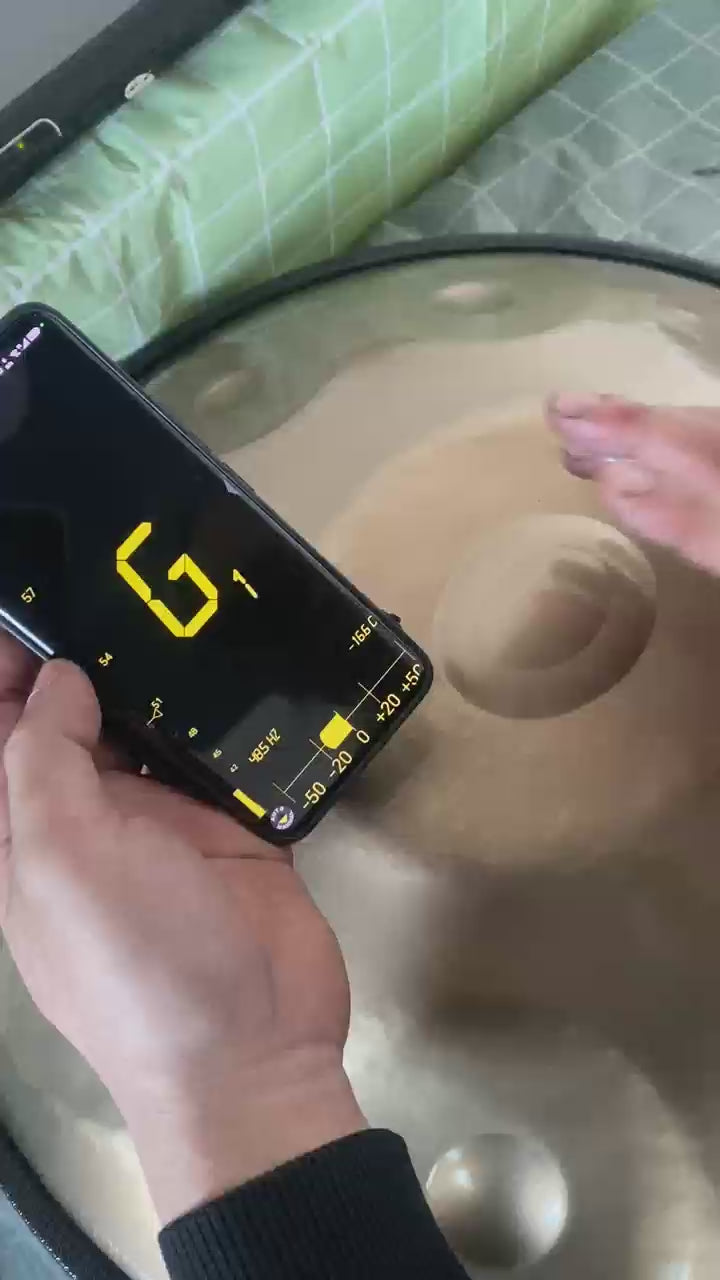

A frequent inquiry we receive from aspiring percussionists, professional composers, and sound therapy practitioners is whether a handpan the same as a steel drum. Given that both instruments fall under the idiophone family and are constructed from formed steel, the visual similarities often lead to this common misconception. However, examining their metallurgical properties, acoustic architecture, playing techniques, and historical origins reveals that they are vastly different musical tools designed for entirely different sonic applications.

To definitively answer the question of is a handpan the same as a steel drum, one must look beyond the metal exterior. The Trinidadian steel drum is an instrument of festive, bright, and percussive projection, built to cut through the dense soundscapes of calypso and street ensembles. In contrast, the handpan is an instrument of intimate, sustained harmonic resonance, specifically engineered for solo performance, deep acoustic layering, and acoustic therapy. In this comprehensive guide, we will dissect the structural and acoustic disparities between these two remarkable instruments, providing you with the expert knowledge required to select the right idiophone for your musical objectives.
Table of Contents
- 1. Historical Evolution: Roots and Origins
- 2. Structural Architecture and Metallurgy
- 3. Is a Handpan the Same as a Steel Drum in Acoustics?
- 4. Playing Techniques: Mallets vs. Hands
- 5. Selecting the Right Cosmos Handpan for Your Needs
- 6. Therapeutic and Compositional Applications
- 7. Summary Table: Handpan vs. Steel Drum
- 8. Frequently Asked Questions (FAQs)
- 9. Academic and Industry References
1. Historical Evolution: Roots and Origins
To understand why many wonder is a handpan the same as a steel drum, we must trace their respective lineages. The steel drum, or steelpan, originated in the island nation of Trinidad and Tobago during the late 1930s. Driven by a lack of traditional instruments, local musicians began forming discarded 55-gallon oil barrels into concave acoustic bowls. By hammering different sized dents into the metal, they created distinct pitch areas. The steel drum is widely celebrated as one of the most significant acoustic instrument inventions of the 20th century, becoming the national instrument of Trinidad and the sonic backbone of Caribbean music.
The handpan, conversely, is a much more recent invention. It traces its direct lineage to Switzerland in the year 2000, when Felix Rohner and Sabina Schärer of PANArt created the Hang. The creators were deeply inspired by the Trinidadian steelpan but sought to engineer an instrument that could be played with bare hands, combining the harmonic properties of the steelpan with the percussive resonance of the Indian Ghatam. Therefore, while it is incorrect to call a handpan the same as a steel drum, the handpan certainly owes its metallurgical foundation to the pioneering work of Trinidadian steelpan makers.
2. Structural Architecture and Metallurgy
From an engineering perspective, analyzing whether a handpan the same as a steel drum reveals profound structural differences. A traditional steel drum features a concave architecture—it is shaped like a bowl facing upward. The tone fields are stretched downward into the bowl, and the entire instrument is traditionally played while mounted on a specialized stand.
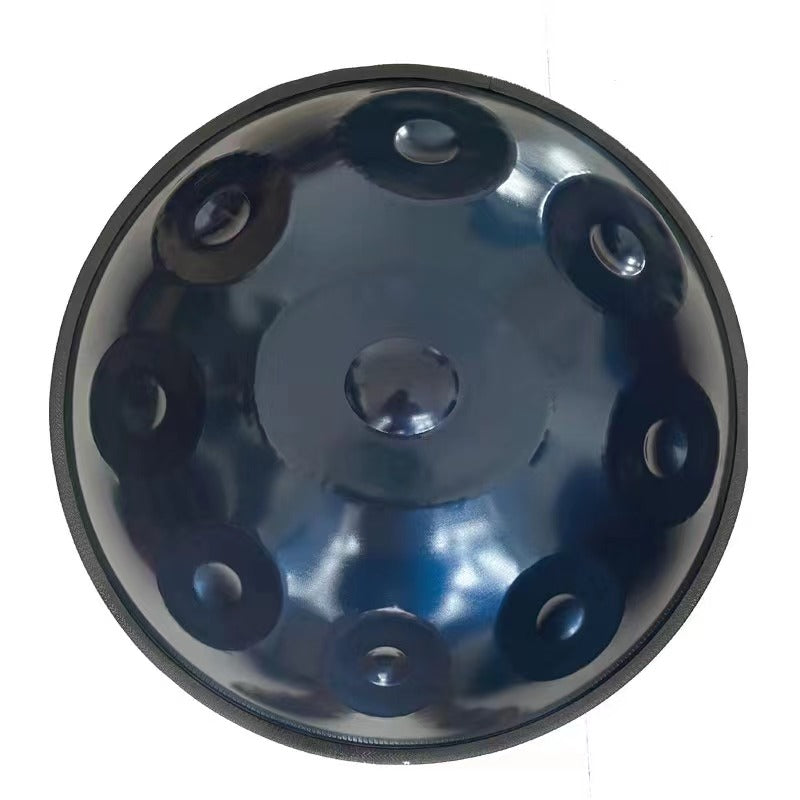
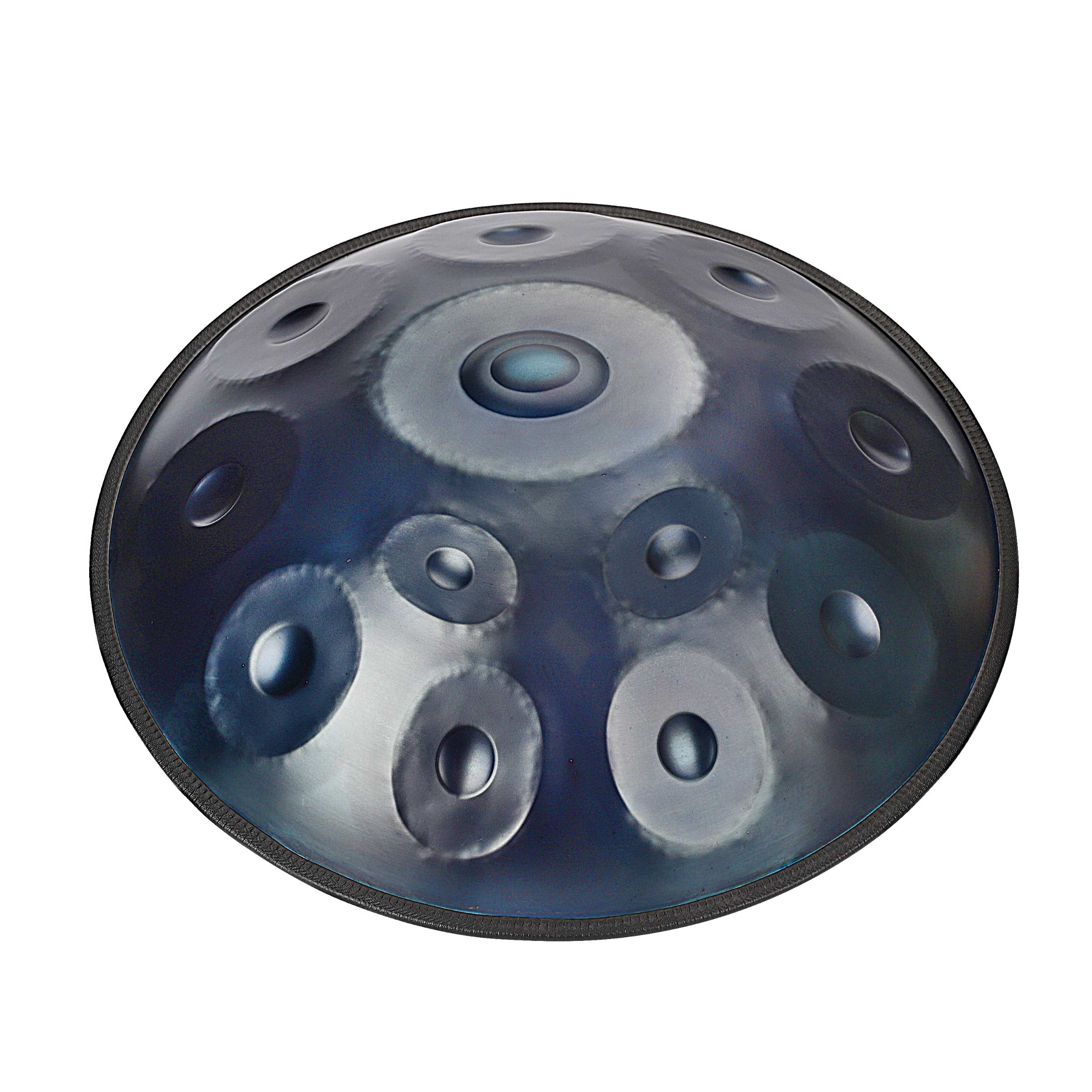
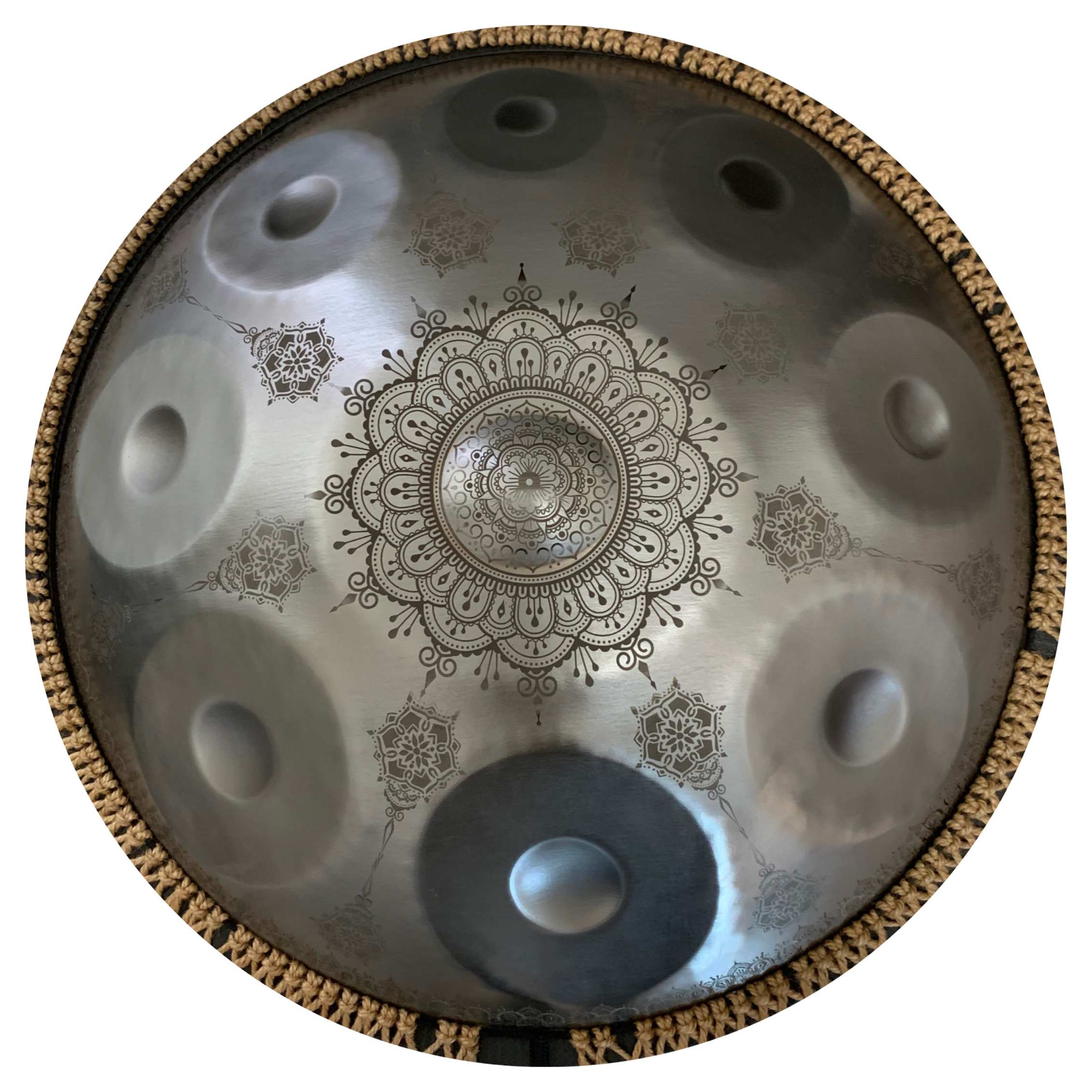
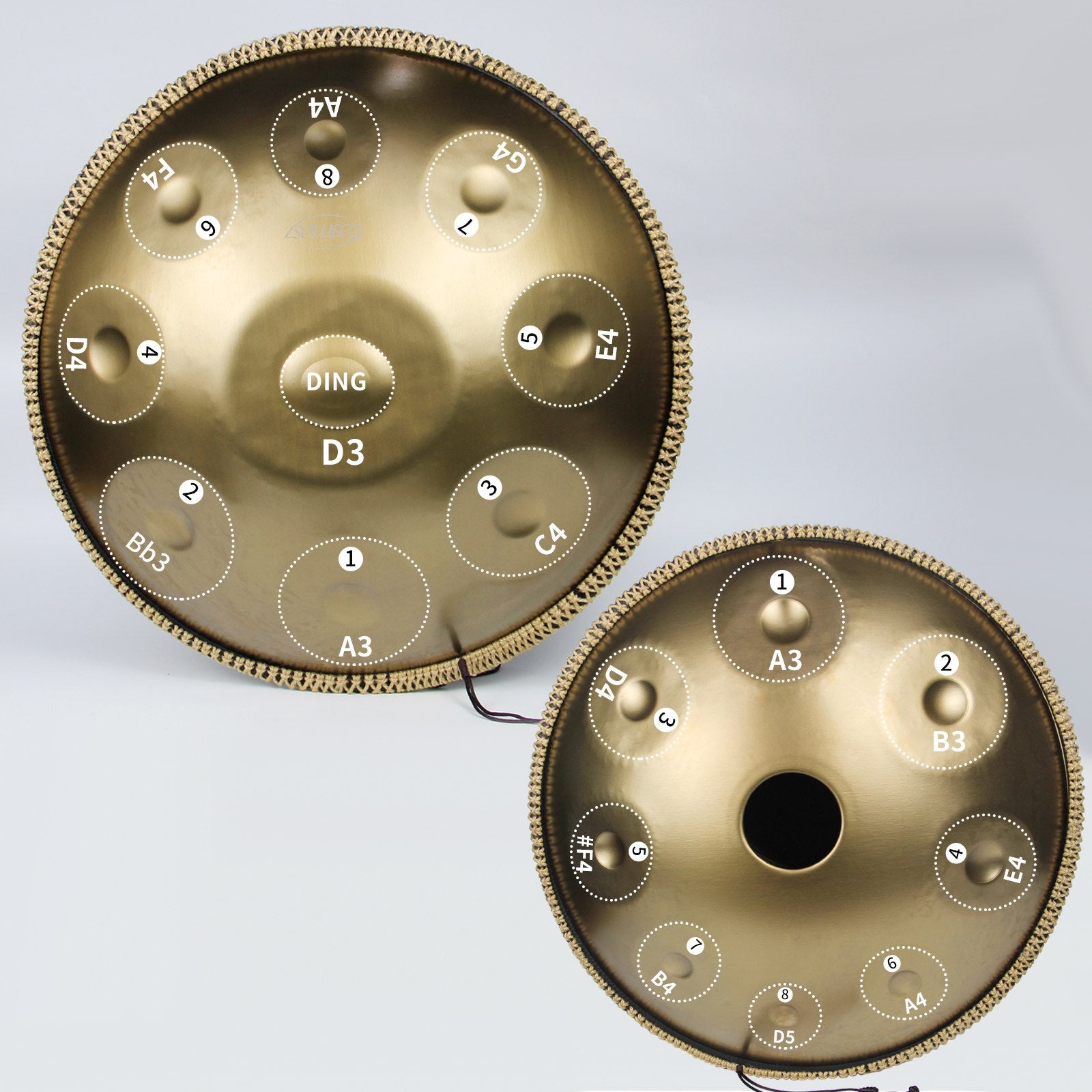
A handpan features a convex, dome-like architecture, resembling a flying saucer. It consists of two deep-drawn steel shells joined together at the rim. The top shell (the Ding side) contains a central note surrounded by a circle of tone fields. The bottom shell (the Gu side) features a tuned port in the center. This enclosed structure creates a Helmholtz resonator, similar to the acoustic principles governing a guitar or violin body. This internal resonance chamber is the primary reason a handpan produces such a long, haunting sustain compared to the sharp, immediate decay of a steel drum.
At Cosmos Handpan, our manufacturing process highlights these differences. We utilize deep-drawn sheet steel subjected to rigorous nitriding. Nitriding is a heat-treatment process that diffuses nitrogen into the surface of the metal, creating a hardened, rust-resistant exterior that perfectly holds its tuning over time. This metallurgical refinement ensures that the overtones remain stable and clear, preventing the unwanted clashing of frequencies.
3. Is a Handpan the Same as a Steel Drum in Acoustics?
Acoustically, the way these instruments generate sound paths is entirely distinct. When you strike a note on a steel drum, you excite the fundamental frequency of that specific dent. The surrounding metal helps project the sound outward and upward, creating a bright, loud, and highly percussive volume capable of leading a 50-piece orchestra.
When clients ask us is a handpan the same as a steel drum regarding sound, we emphasize the concept of harmonic coupling. In a high-quality handpan, each tone field is hammered to contain not just the fundamental note, but also the octave and the compound fifth. When you strike a single note on a handpan, you are actually activating a complex triad of frequencies. Furthermore, because the instrument is a sealed resonator, striking one note often causes sympathetic resonance in adjacent notes that share harmonic relationships. This creates a mesmerizing, cascading wash of sound that is inherently deeply relaxing and meditative.
4. Playing Techniques: Mallets vs. Hands
The operational mechanics heavily dictate the physical interaction with the instrument. A steel drum is played using specialized mallets (pan sticks) wrapped in rubber. Striking a steel drum with your bare hands will not produce a sufficient tone due to the thickness and tension of the concave metal fields. The use of mallets allows for rapid tremolos, sharp staccato strikes, and immense volume control.
If you observe a musician and wonder is a handpan the same as a steel drum, look at their hands. A handpan is strictly designed to be played with the fingers, thumbs, and palms. The instrument rests comfortably on the player's lap. The notes are highly sensitive to kinetic energy; a gentle tap with the pad of the thumb excites the harmonics beautifully. Using mallets on a handpan is strongly discouraged by manufacturers, as the concentrated force of a mallet can permanently detune the delicate tone fields and ruin the instrument's harmonic structure. If you are learning the proper touch techniques, we highly recommend reading our handpan for beginners guide to ensure you protect your investment.
5. Selecting the Right Cosmos Handpan for Your Needs
Now that we have established that it is a technical error to consider a handpan the same as a steel drum, you can focus on selecting the precise instrument configuration for your musical goals. At Cosmos Handpan, we engineer specific layouts to cater to various skill levels and compositional requirements. We recommend the following configurations:
- 9 Notes Handpan: Perfect for focused, melodic exploration and beginner-friendly performance.
- 10 Notes Handpan: Balanced standard for modern players seeking a versatile instrument.
- 12 Notes Handpan: Expanded range for complex compositions and intermediate musicians.
- 17 Notes Handpan: Ultimate professional instrument with an extended scale for advanced compositions.
For those just starting, our dedicated Handpan for Beginners line is specially tuned for ease of play and rapid learning, ensuring you build muscle memory correctly. Additionally, our broader category of the Handpan Drum Instrument provides general-purpose, high-quality options for various music styles and ensemble playing.
6. Therapeutic and Compositional Applications
The acoustic divergence between the two instruments heavily influences their application in modern settings. While steel drums are celebratory and energetic, the handpan has been widely adopted in the fields of sound healing, yoga, and clinical music therapy. The long sustain and harmonic richness of the handpan induce a state of parasympathetic relaxation.
For professionals investigating these physiological effects, our detailed breakdown on the handpan therapy benefits provides comprehensive case studies. Additionally, understanding the neurological impact of these specific frequencies is covered extensively in our research on handpan music benefits.
To maintain this therapeutic resonance, proper maintenance is crucial. A handpan requires climate control, rust prevention, and periodic professional tuning. We strongly recommend that all players familiarize themselves with the mechanical realities of the instrument by reviewing how to tune a handpan. Furthermore, to accelerate your learning curve outside of physical practice, incorporating handpan learning apps and exploring modern digital handpan instruments can immensely broaden your compositional vocabulary.
7. Summary Table: Handpan vs. Steel Drum
| Characteristic | Cosmos Handpan | Traditional Steel Drum |
|---|---|---|
| Shape & Architecture | Convex (Dome-like) with an enclosed resonance chamber (Helmholtz resonator). | Concave (Bowl-like) open architecture. |
| Playing Technique | Played gently with bare hands, fingers, and thumbs. | Played using specialized rubber-tipped mallets. |
| Acoustic Timbre | Ethereal, highly resonant, sustained, with distinct harmonic overtones. | Bright, percussive, loud, with a rapid sound decay. |
| Primary Application | Solo performance, acoustic therapy, meditation, ambient layering. | Ensemble bands, calypso, street festivals, orchestral projection. |
| Origin | Switzerland (Year 2000). | Trinidad and Tobago (1930s). |
8. Frequently Asked Questions (FAQs)
9. Academic and Industry References
To further explore the metallurgical and acoustical science behind idiophone instruments, we highly recommend consulting the following authoritative sources:
- The Acoustical Society of America (ASA) - Research on non-linear acoustics and the physics of tuned steel instruments.
- Percussive Arts Society (PAS) - Historical documentation regarding the evolution of the Trinidadian steelpan and modern idiophones.
- Society for Ethnomusicology - Peer-reviewed studies on the cultural impact of Caribbean instruments and the modern adoption of therapeutic sound tools globally.