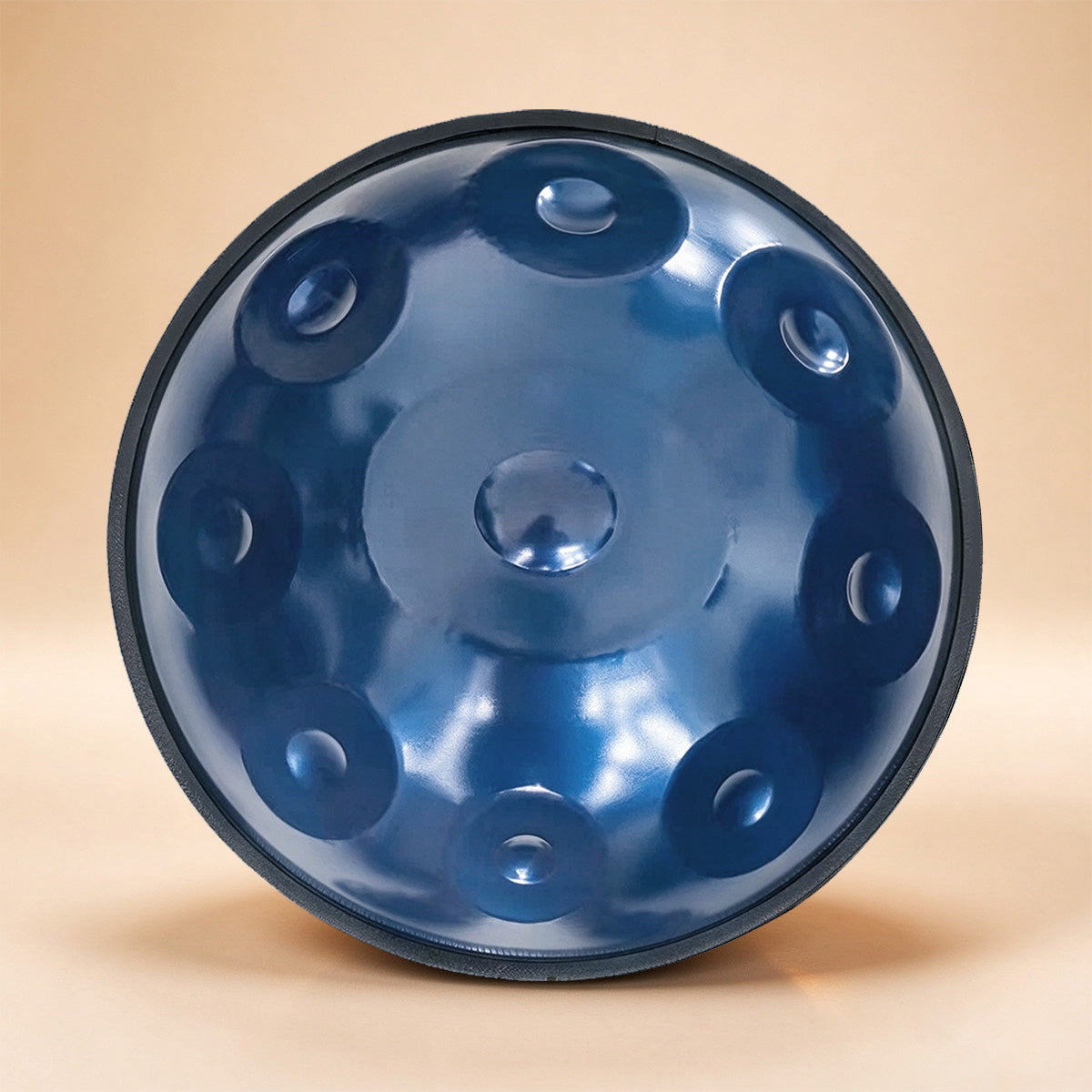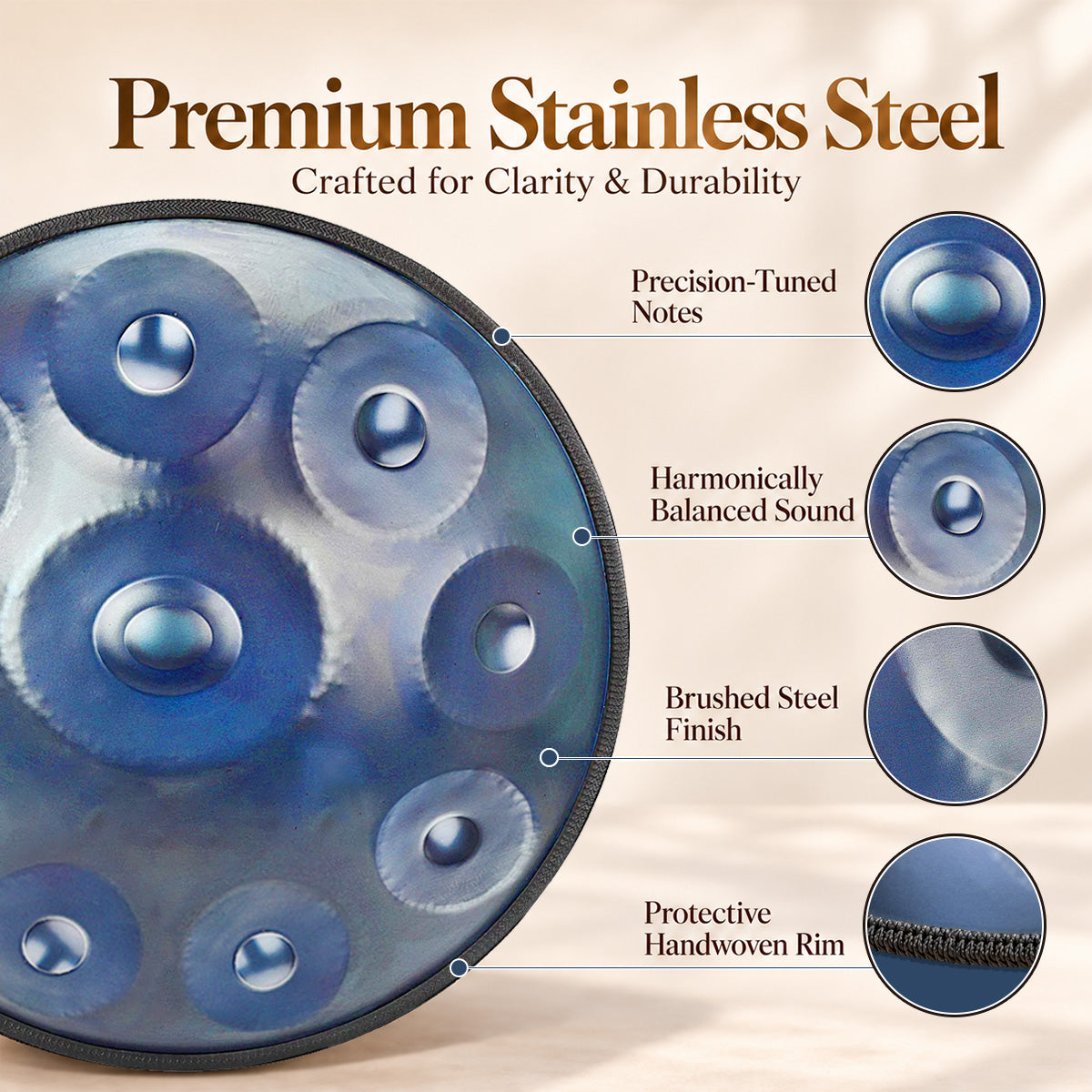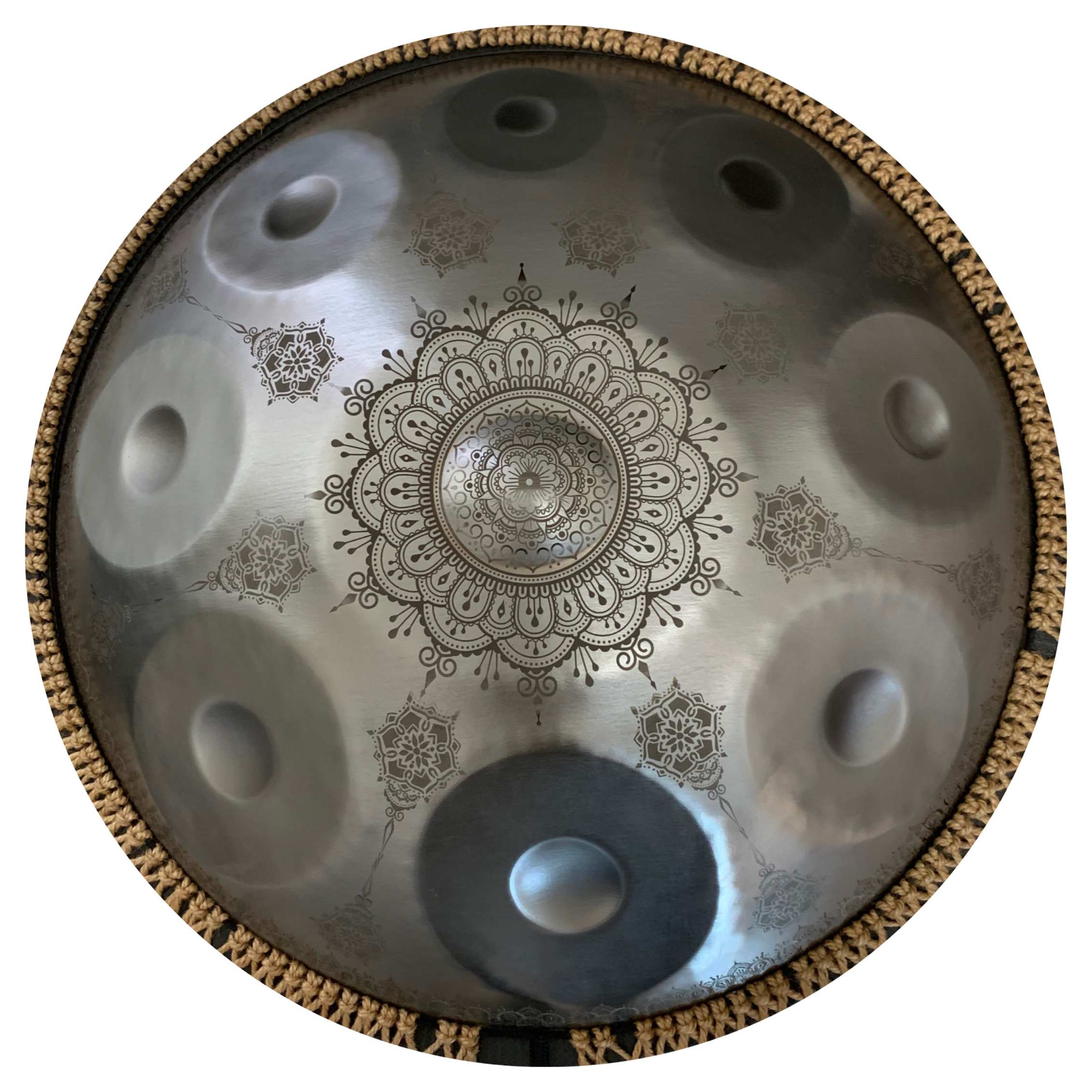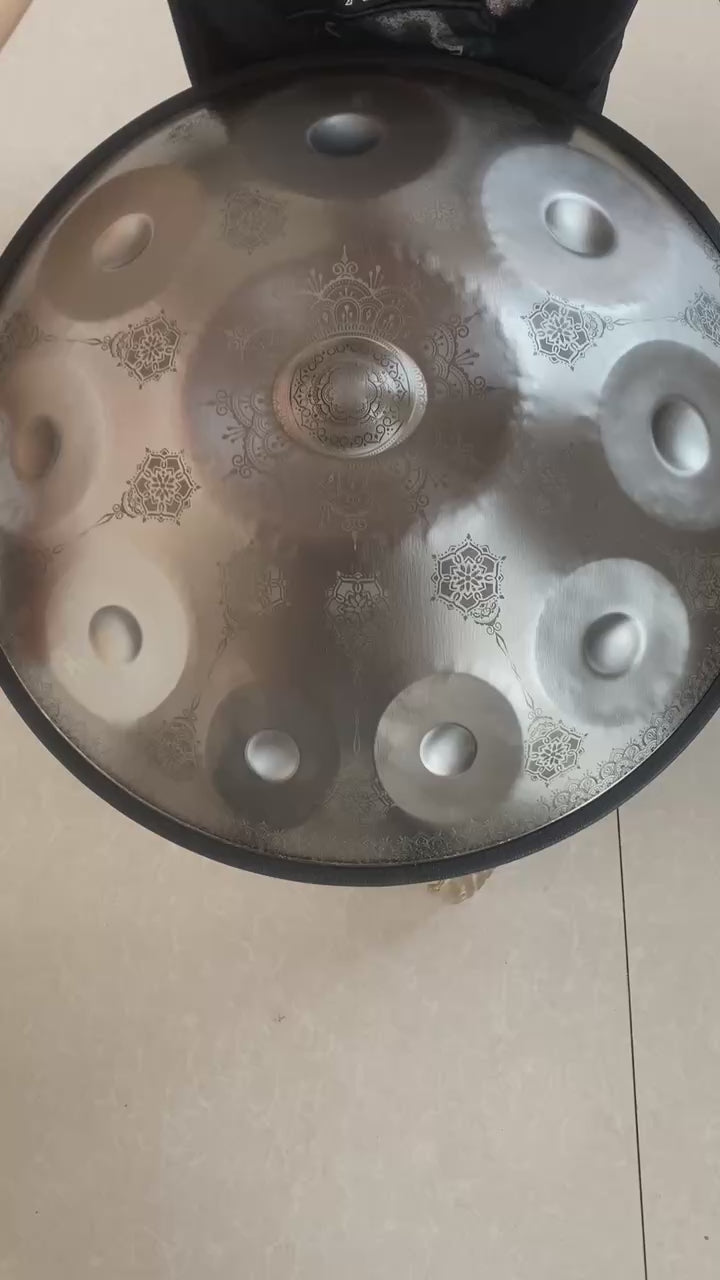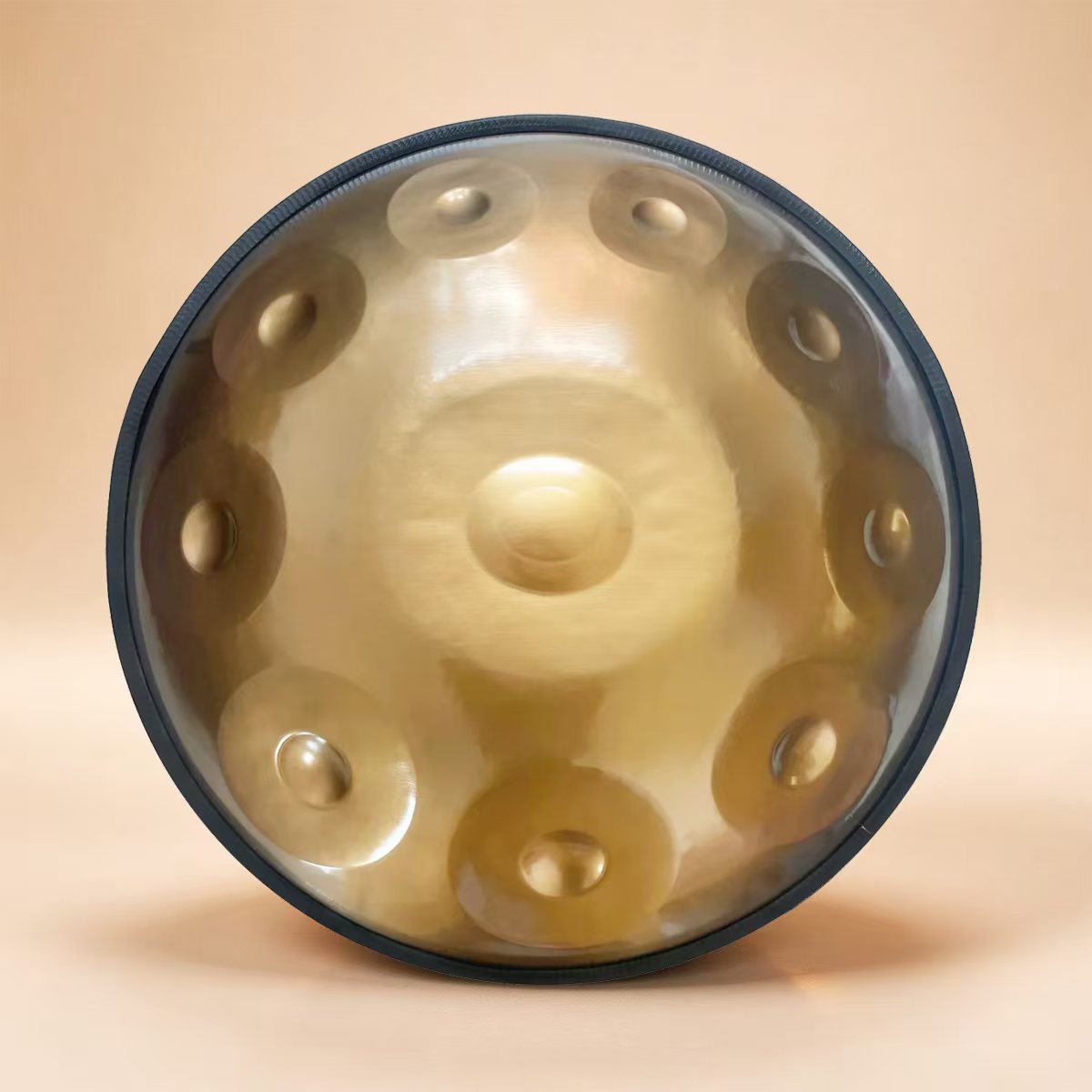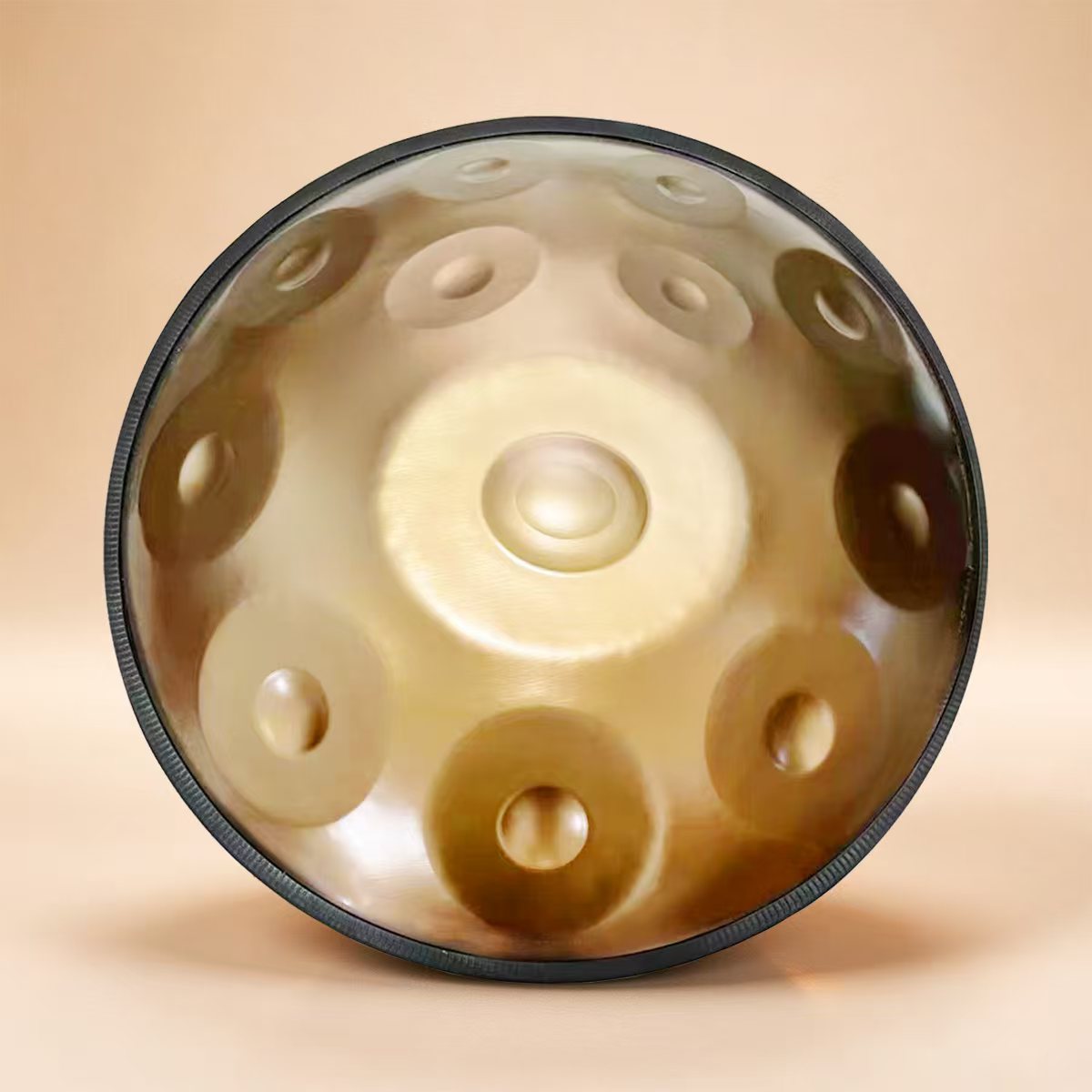
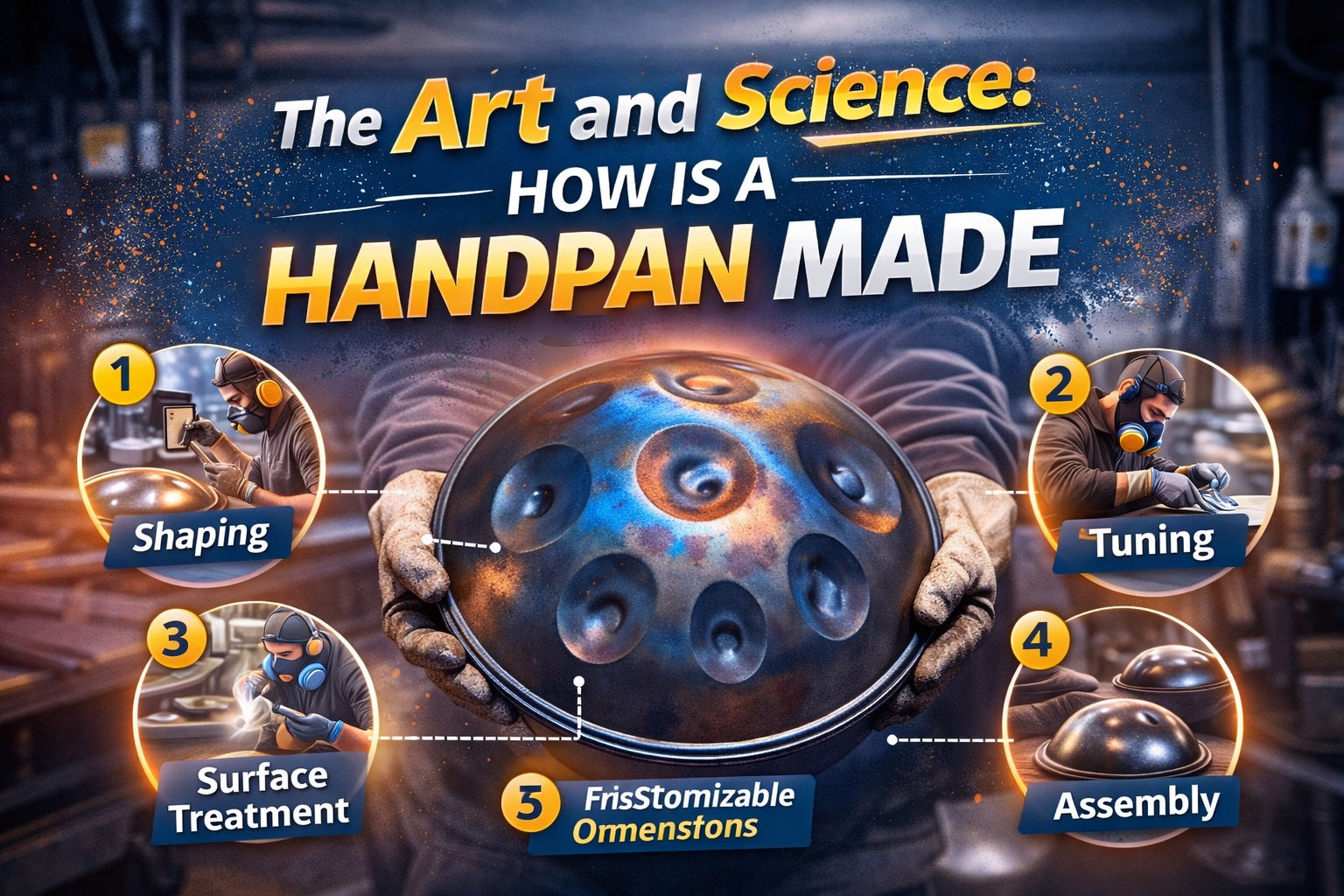
At Cosmos Handpan, we often receive inquiries from fascinated musicians and enthusiasts who are captivated by the ethereal, resonant sounds of our instruments. The most common question we encounter is, quite simply, how is a handpan made? The creation of this unique acoustic instrument is an intricate dance between brute force, metallurgical science, and highly sensitive acoustic tuning. It is not merely a manufacturing process; it is an artisanal journey that transforms flat sheets of industrial steel into a singing vessel of cosmic resonance.

Understanding how is a handpan made is crucial for appreciating the value, the tone, and the decent handpan cost that reputable makers establish. From our experience, when players understand the thousands of hammer strikes and the rigorous thermal treatments required to build a Cosmos Handpan, their connection to the instrument deepens profoundly. In this comprehensive guide, we will detail every step of how is a handpan made, providing you with our expert professional insights into the craftsmanship that defines our 2026 lineup.
Table of Contents
- 1. Selecting the Raw Materials
- 2. Deep Drawing and Sinking the Shells
- 3. Shaping the Notes and Dimples
- 4. Thermal Treatment and Stress Relief
- 5. The Tuning Process: The Soul of the Instrument
- 6. Gluing and Final Assembly
- 7. The Cosmos Handpan Lineup
- 8. Summary Table: Stages of Crafting
- 9. Frequently Asked Questions (FAQs)
- 10. References
1. Selecting the Raw Materials
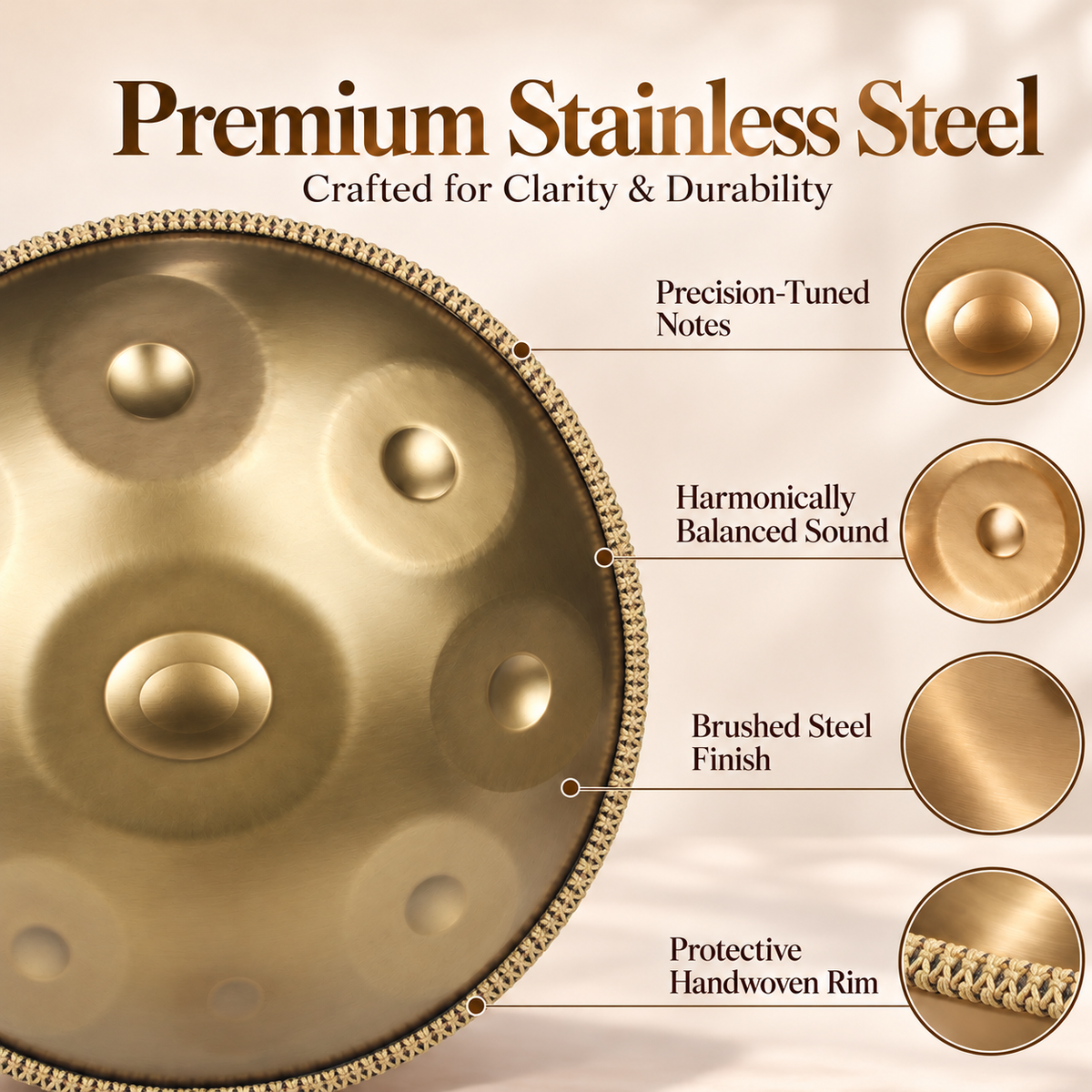
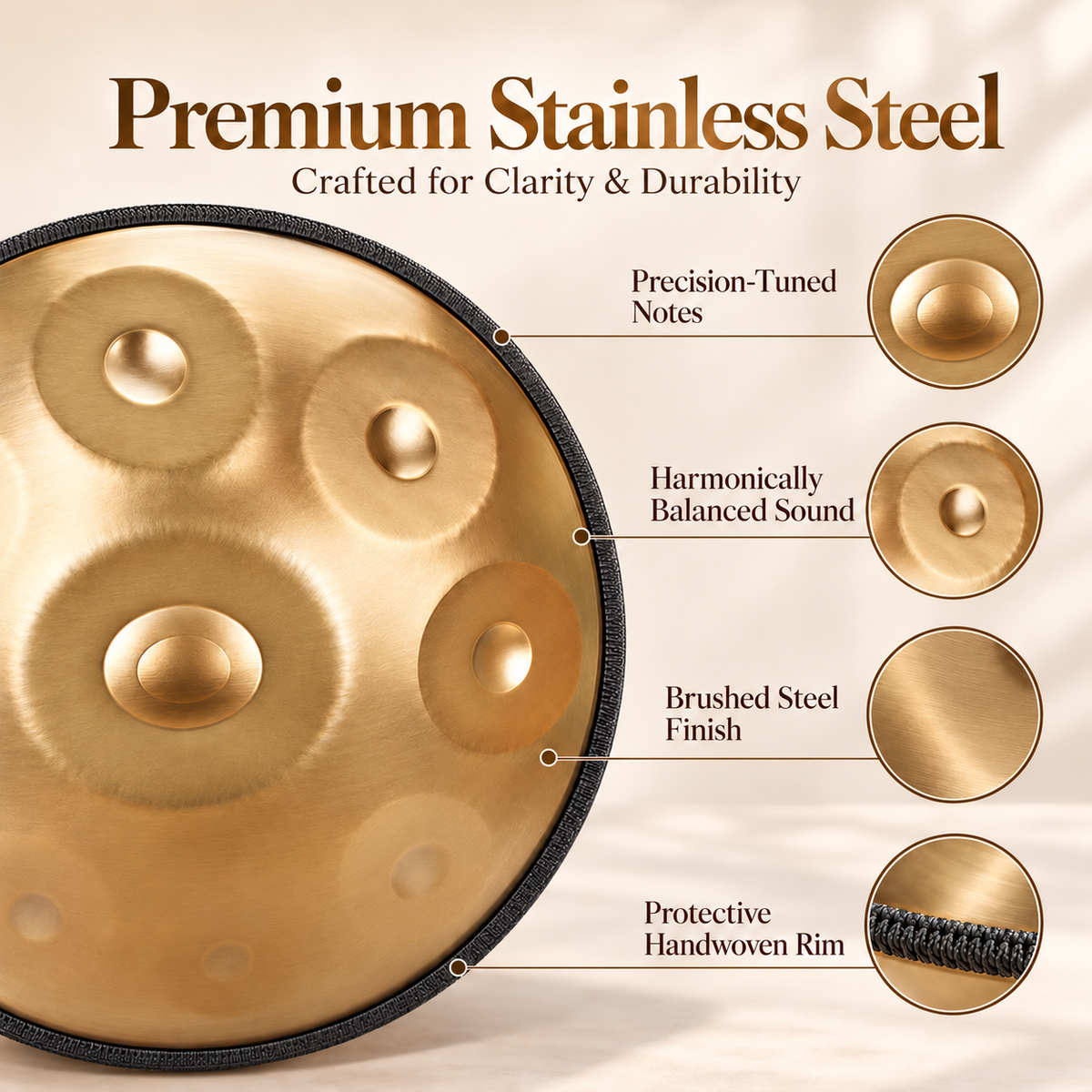
When investigating how is a handpan made, the journey invariably begins with the selection of raw materials. The acoustic properties of the final instrument are entirely dependent on the quality of the steel used. Traditionally, makers utilize either nitrided steel or stainless steel. Each material offers a distinctly different sustain, timbre, and rust resistance profile.
From our experience at Cosmos Handpan, we meticulously source premium-grade steel that provides the optimal balance of workability and acoustic brilliance. Nitrided steel tends to offer a warmer, more grounded, and percussive tone with a shorter sustain, which is highly sought after by fast, rhythmic players. Conversely, stainless steel provides a long, singing sustain with bright overtones, ideal for slow, melodic, and meditative playing. Choosing the right alloy is the foundational step in answering how is a handpan made, setting the trajectory for the entire build process.
2. Deep Drawing and Sinking the Shells
The physical transformation of flat steel into a recognizable instrument begins with forming two hemispherical shells. If you ask a seasoned builder how is a handpan made, they will likely emphasize the physical toll of this stage. The steel must be stretched and shaped into a bowl. This is achieved through either deep drawing, hydroforming, or pneumatic hammering.
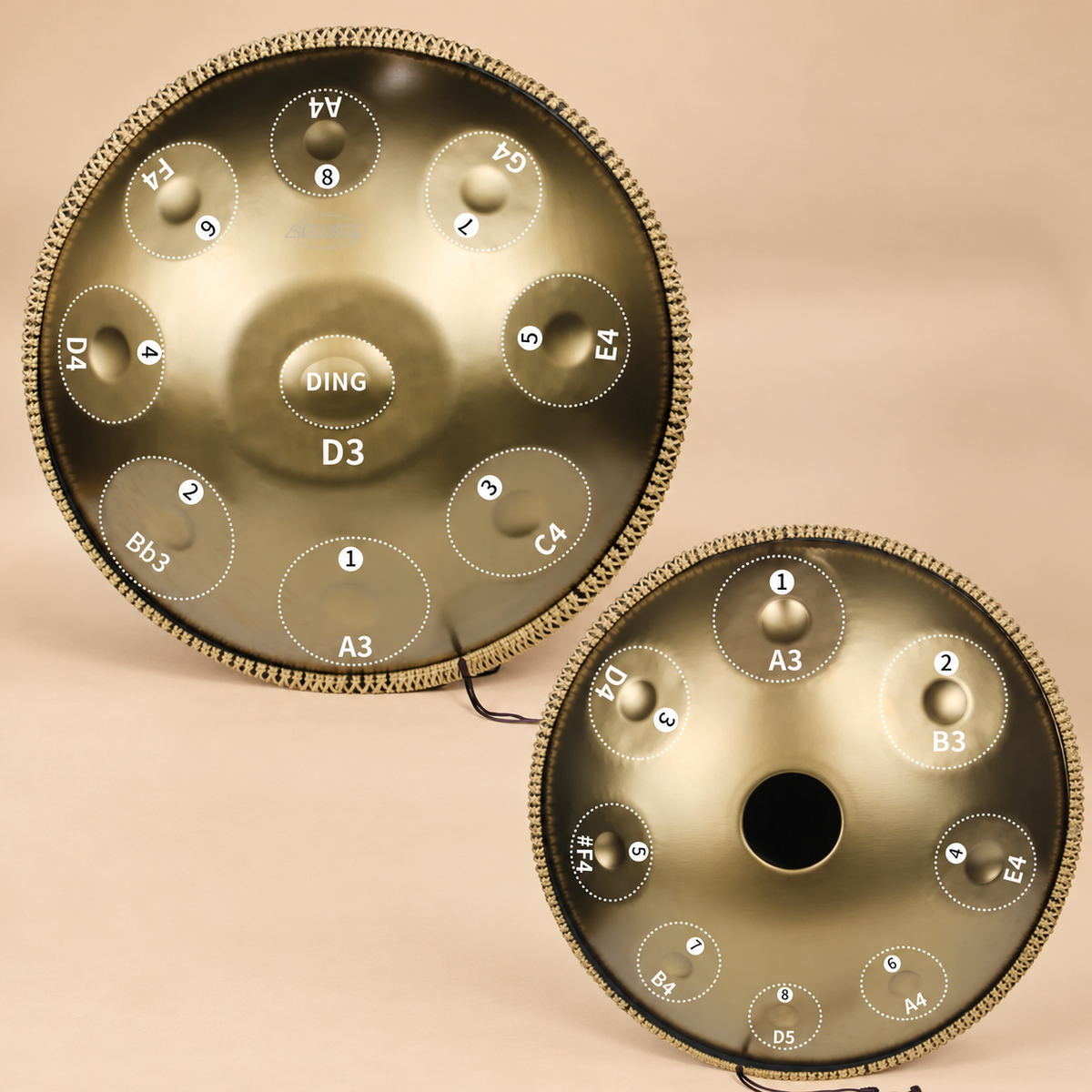
Hydroforming uses high-pressure water to push the steel into a mold, ensuring an even thickness across the shell. Hand sinking, using a pneumatic hammer or purely manual hammering, requires immense skill to avoid thinning the metal too much in critical areas. We recommend processes that maintain the structural integrity of the steel, as uneven thickness will create chaotic frequencies that are impossible to tune out later. Once the top and bottom shells of the Handpan Drum Instrument are formed, the top shell receives a central dome pressed inwards, known as the Ding, while the bottom shell receives a circular opening known as the Gu, which serves as a bass port and Helmholtz resonator.
3. Shaping the Notes and Dimples
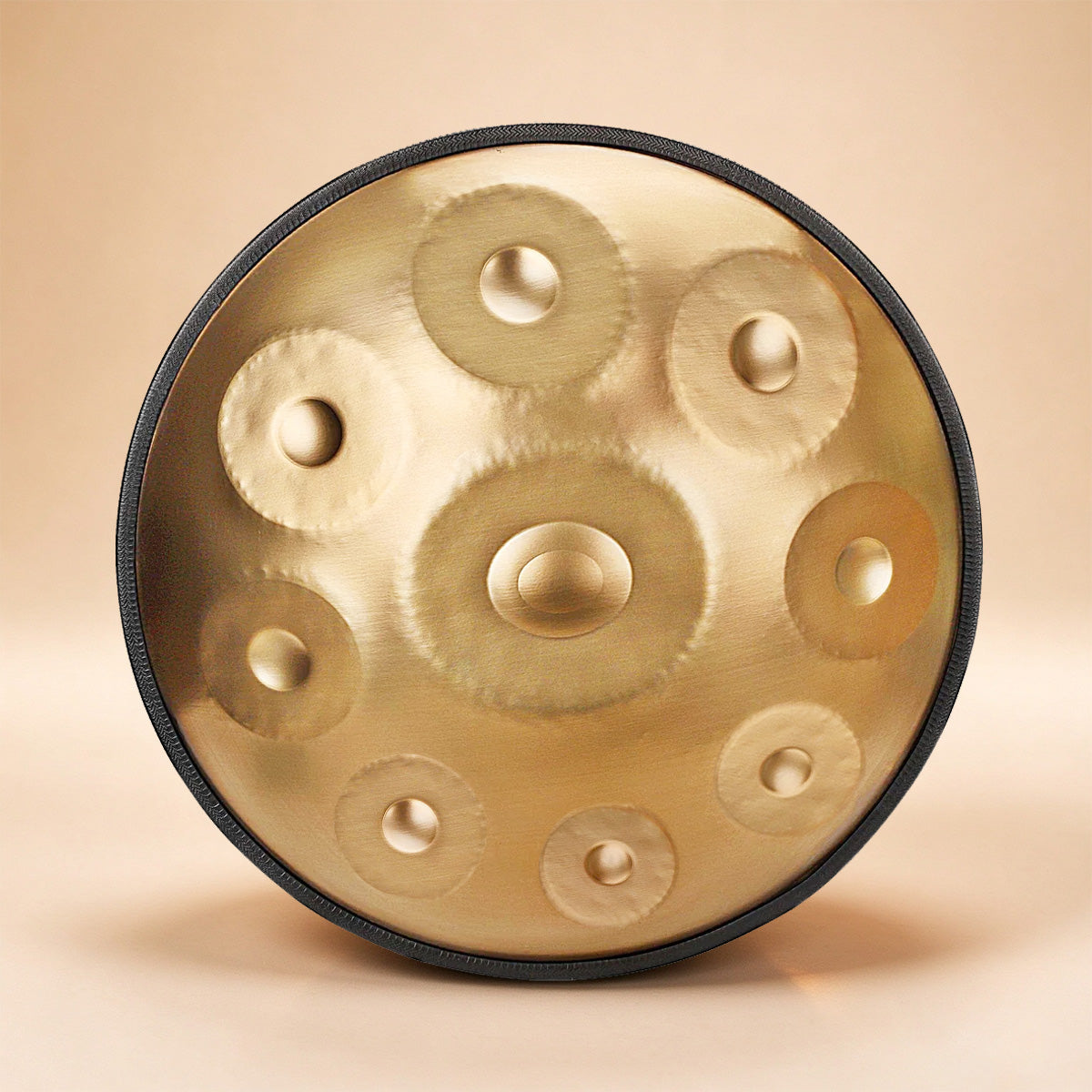
The next critical phase in understanding how is a handpan made is the architectural layout of the tone fields. The maker uses a geometric template to draw the precise locations of the notes surrounding the central Ding. The size and shape of each tone field directly correspond to its pitch; larger fields produce lower notes, while smaller fields produce higher notes.

Once drawn, the center of each tone field is hammered inward to create a dimple. This dimple stiffens the center of the note, separating the vibrational zones and allowing the fundamental frequency to be controlled independently of its overtones. Whether we are crafting a 9 Notes Handpan for a focused melodic scale or an expansive 17 Notes Handpan for advanced compositions, the precision of these dimples dictates the clarity of the instrument. The borders of the tone fields are then meticulously hammered to isolate the vibrations, ensuring that striking one note does not excessively activate its neighbors.
4. Thermal Treatment and Stress Relief
Metal remembers trauma. The thousands of hammer strikes used to sink the shell and shape the notes create massive internal tensions within the steel structure. If you try to tune a shell at this stage, the notes will continuously drift out of tune. Therefore, a crucial part of how is a handpan made is the thermal treatment process.
The shells are placed into high-temperature kilns to anneal the steel. This heat treatment relieves the internal mechanical stress, rearranging the crystalline structure of the metal. Furthermore, if the instrument is made of carbon steel, this is the stage where gas nitriding occurs. Nitriding diffuses nitrogen into the surface of the steel, significantly hardening it and providing a protective, rust-resistant layer. We recommend multiple cycles of heating and hammering, as this iterative process locks in the shape and prepares the metal to hold its tuning permanently.
5. The Tuning Process: The Soul of the Instrument
The most mysterious and complex aspect of how is a handpan made is undoubtedly the tuning process. It is here that a mere piece of shaped metal becomes a musical instrument. Tuning a handpan is not like tuning a guitar string, which only has one primary pitch. A handpan tone field is a three-dimensional membrane that must be tuned to at least three specific frequencies simultaneously: the fundamental tone, the octave overtone (the long axis of the oval), and the compound fifth overtone (the short axis of the oval).
From our experience, achieving this harmonic alignment requires an artisan with an incredibly refined ear and absolute control over their hammer. The tuner uses a strobe tuner and their auditory intuition to strike microscopic areas of the tone field, stretching or compressing the metal to raise or lower specific frequencies. This is done over several rounds: gross tuning, fine tuning, and resting. The metal must rest between tuning sessions because the kinetic energy of hammering heats the steel, temporarily altering its pitch.
At Cosmos Handpan, every instrument undergoes rigorous inspection during this phase. Whether it is a 10 Notes Handpan serving as a balanced standard for modern players, or a 12 Notes Handpan designed for complex compositions, our tuners ensure that the fundamental, octave, and fifth are perfectly aligned to guarantee superior sound, playability, and our signature cosmic resonance.
6. Gluing and Final Assembly
The final step in the physical construction of how is a handpan made is marrying the tuned top shell to the bottom shell. Because welding would introduce extreme, localized heat that would instantly destroy the delicate tuning, the two halves are bonded together using highly specialized, industrial-grade polyurethane adhesives.
The glue is applied to the rims of both shells, which are then clamped tightly together. This glue not only holds the instrument together but also acts as an acoustic dampener, preventing unwanted high-frequency metallic ringing from traveling between the shells. After a curing period of several days, the rim is often covered with a protective rubber or brass binding. A final touch-up tuning is then performed to account for any slight frequency shifts caused by the clamping and gluing process.
7. The Cosmos Handpan Lineup

Cosmos Handpan is a leading brand committed to creating high-quality handpans for professional and beginner musicians alike. By mastering every step of how is a handpan made, our 2026 lineup offers a perfect balance of affordability and artisanal quality, ensuring that the decent handpan cost remains accessible. We invite you to explore our professionally crafted instruments:
- 9 Notes Handpan: Perfect for focused, melodic exploration and beginner-friendly performance.
- 10 Notes Handpan: Balanced standard for modern players seeking a versatile instrument.
- 12 Notes Handpan: Expanded range for complex compositions and intermediate musicians.
- 17 Notes Handpan: Ultimate professional instrument with an extended scale for advanced compositions.
- Handpan for Beginners: Specially tuned for ease of play and rapid learning.
-
Handpan Drum Instrument: General-purpose high-quality options for various music styles.
8. Summary Table: Stages of Crafting
To concisely summarize how is a handpan made, we have provided this quick-reference table outlining the critical manufacturing stages.
| Manufacturing Stage | Process Description | Acoustic Purpose |
|---|---|---|
| Material Selection | Choosing Nitrided or Stainless Steel alloys. | Determines sustain, timbre, and overall tonal character. |
| Shell Sinking | Hydroforming or hammering flat steel into hemispheres. | Creates the acoustic resonance chamber (Helmholtz resonator). |
| Tone Field Shaping | Pressing dimples and hammering note borders. | Isolates frequencies and establishes the architecture of the scale. |
| Thermal Treatment | Baking shells in a high-temperature kiln. | Relieves mechanical stress and hardens the steel for tuning stability. |
| Harmonic Tuning | Aligning the fundamental, octave, and fifth frequencies. | Brings the instrument into precise musical pitch with cosmic resonance. |
| Assembly and Curing | Bonding the top and bottom shells with industrial adhesive. | Seals the acoustic chamber and dampens unwanted rim frequencies. |
9. Frequently Asked Questions (FAQs)
Understanding how is a handpan made reveals the sheer volume of highly skilled manual labor required. A single instrument requires tens of thousands of hammer strikes and multiple rounds of complex harmonic tuning. The decent handpan cost directly reflects the weeks of artisanal labor, the specialized thermal equipment, and the premium steel materials utilized by brands like Cosmos Handpan.
While some modern makers use hydroforming machines or pneumatic presses to create the initial bowl shape, the most critical steps of how is a handpan made—specifically the shaping of the dimples and the multi-axis acoustic tuning—must be done entirely by hand by a master tuner. It is fundamentally a handmade acoustic instrument.
From the initial sinking of the steel shell to the final glue curing and touch-up tuning, the process of how is a handpan made typically spans several weeks. The metal requires significant resting periods between tuning rounds and heat treatments to ensure the notes remain stable over the lifetime of the instrument.
10. References
1. The Physics of the Pan: Harmonic Tuning and Overtone Alignment in Hemispherical Steel Instruments. Journal of Acoustical Craftsmanship.
2. Modern Handpan Construction: Stress Relief and Thermal Treatment Protocols for Longevity and Tuning Stability.