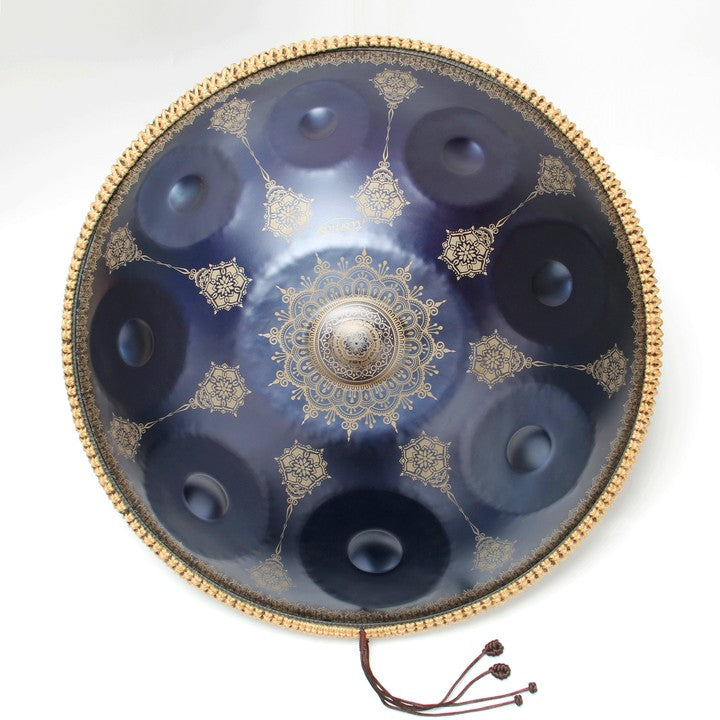
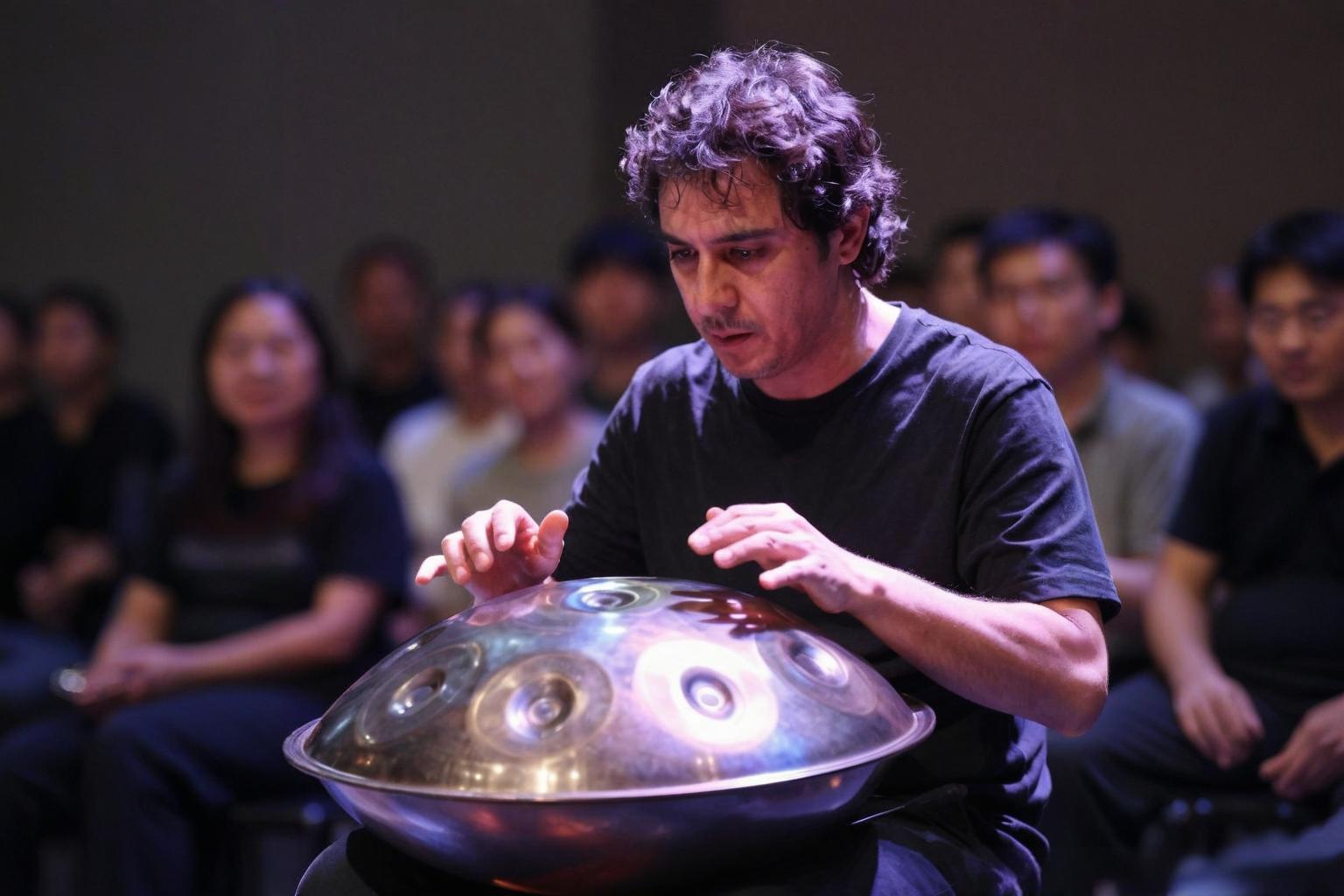
Introduction to the World of Handpan Music
The handpan is a relatively young instrument, having emerged at the turn of the 21st century from the workshops of PANArt in Switzerland. Originally called the Hang, this saucer-shaped steel instrument has captured the global imagination with its ethereal, hauntingly beautiful tones. However, an instrument is only as powerful as the hands that play it. To truly understand the potential of this metallic marvel, one must look toward the Best popular handpan players who have defined its voice over the last two decades.

Table of Contents
- Introduction to the World of Handpan Music
- 1. Manu Delago: The Virtuoso Percussionist
- 2. Hang Massive: The Viral Pioneers of Global Sound
- 3. Daniel Waples: The Soulful Street Performer
- 4. Kabeção: The Innovator of Percussive Mastery
- 5. Malte Marten: The Modern Influencer of Zen Melodies
- 6. Yuki Koshimoto: The Melodic Etherealist
- 7. David Charrier: The Educational Visionary
- The Story of Cosmos Handpans
- Choosing Your Instrument: Notes and Scales
- Summary Table: Best Popular Handpan Players Comparison
- Frequently Asked Questions (FAQ)
- References and Further Exploration
In 2025, the handpan community has matured from a niche subculture into a global phenomenon. The Best popular handpan players of today are not just musicians; they are storytellers, teachers, and pioneers who have pushed the boundaries of what a single piece of nitrided or stainless steel can do. From busking on the streets of London to performing in grand concert halls with full orchestras, these artists have showcased the versatility of the handpan. Whether you are a seasoned player or a curious beginner looking for inspiration, studying these seven masters will provide a deep appreciation for the art of handpan playing.
1. Manu Delago: The Virtuoso Percussionist

When discussing the Best popular handpan players, the name Manu Delago often tops the list. An Austrian-born percussionist and composer, Delago is widely considered the most technically proficient handpan player in existence. His background as a classically trained drummer and composer allowed him to approach the handpan with a level of complexity and rhythmic precision that was previously unheard of.
Delago’s claim to fame was solidified when he began collaborating with the legendary Icelandic singer Björk. His ability to integrate the handpan into avant-garde pop and electronic music proved that the instrument was more than a meditative tool—it was a professional orchestral instrument. His solo albums, such as Silver Kobalt and Circadian, explore intricate polyrhythms and melodic layers that challenge the listener's perception of the handpan’s capabilities. For many, Manu Delago represents the pinnacle of handpan virtuosity, blending raw emotion with academic precision.
2. Hang Massive: The Viral Pioneers of Global Sound
If Manu Delago represents the technical peak, Hang Massive represents the cultural bridge. Comprised of Danny Cudd and Markus Offbeat, this duo is responsible for bringing handpan music to the masses through the power of the internet. Their breakout hit, Once Again, remains one of the most-watched handpan videos on YouTube, with millions of views that inspired an entire generation of new players.
The duo’s style is characterized by a "flow" state—a seamless, trance-like exchange of melodies that feels both ancient and futuristic. Hang Massive has successfully toured the world, performing high-energy shows that often blend live handpan playing with electronic beats and ambient soundscapes. As some of the Best popular handpan players, their contribution lies in their ability to make the handpan accessible and relatable, proving that you don't need a symphony orchestra to move an audience.
3. Daniel Waples: The Soulful Street Performer
Daniel Waples is perhaps the most recognizable figure in the handpan community for those who frequent the streets of major European cities or follow the "Hang in Balance" project. Waples is a pioneer of the busking culture, using his incredibly expressive playing style to stop thousands of pedestrians in their tracks. His philosophy is rooted in the belief that music should be a tool for healing and balance.
What makes Waples one of the Best popular handpan players is his undeniable stage presence and the emotional weight of his compositions. He often plays in D Minor (the Kurd or Integral scale), which has become a standard for the industry. His performances are characterized by a deep connection between the player and the instrument, often involving a physical movement that mirrors the oscillation of the notes. Waples has traveled to over 50 countries, spreading the gospel of the handpan to every corner of the globe.
4. Kabeção: The Innovator of Percussive Mastery
Rodrigo Viterbo, known professionally as Kabeção, is a Portuguese multi-instrumentalist who has redefined the percussive side of handpan playing. While early handpan music focused largely on sustained melodies and slow tempos, Kabeção introduced a "one-man-band" approach. He often plays multiple handpans simultaneously while using his feet for additional percussion or incorporating a cajon.
As one of the Best popular handpan players, Kabeção is a master of "mutes" and "slaps," techniques that allow him to create sharp, rhythmic textures that mimic a full drum kit. His music is energetic, complex, and deeply rooted in jazz and world music influences. For players who want to explore the rhythmic possibilities of the handpan, Kabeção is the ultimate source of inspiration, demonstrating that the instrument can be as percussive as it is melodic.
5. Malte Marten: The Modern Influencer of Zen Melodies
In the age of social media, Malte Marten has emerged as a titan of the handpan world. Based in Germany, Marten has used platforms like TikTok and Instagram to share short, incredibly high-quality clips of meditative handpan music. His brand is built on "Yatao," a project focused on the therapeutic and calming aspects of sound. He is frequently cited as one of the Best popular handpan players by the younger generation of musicians.
Marten’s playing style is delicate, bright, and often accompanied by breathtaking natural scenery. He focuses on the "spirit" of the music, aiming to induce a state of relaxation and presence in his listeners. His success highlights a shift in the handpan world toward sound healing and mindfulness. By combining beautiful visuals with serene melodies, Marten has made the handpan synonymous with mental wellness and modern spirituality.
The Story of Cosmos Handpans

In the heart of Colorado, USA, Cosmos Handpan shines as a guiding light of musical innovation and soulful resonance. We have more than a decade of expertise in creating handpans and tongue drums. Passion, precision, and an unwavering pursuit of musical excellence steep our musical journey.
Cosmos’ story begins with a shared love for music and a profound desire to create instruments that transcend sound. Our instruments and melody resonate deeply with the spirit of every musician. Our crafters pour their heart into each handpan and tongue drum with intricate workmanship and dedication. Our artisans infuse each instrument with ethereal melodies that stir the senses and uplift the spirit.
Cosmos Handpan commitment to excellence enriches your musical journey. We partner with well-known creators worldwide and ensure that every Cosmos Handpan and tongue drum creation speaks of its unparalleled quality and sonic brilliance. Before shipping, we inspect and test each instrument to guarantee an unmatched playing experience that inspires, captivates, and transports you to a realm of cosmic harmony.
Explore Our Professional Range:
Buy handpans and tongue drums for your expertise level – 9 to 17 notes for Handpans and 10 to 14 inches for tongue drums – enjoy your instrument and create a symphony that transcends worlds.
6. Yuki Koshimoto: The Melodic Etherealist
Yuki Koshimoto is a Japanese handpan artist whose style is often described as "spatial" and "celestial." In a field often dominated by Western performers, Koshimoto brings a unique Eastern aesthetic to the instrument. Her compositions are often minimalist, allowing the natural sustain of the steel to speak for itself. She is widely regarded as one of the Best popular handpan players for those who appreciate the delicate balance between sound and silence.
Koshimoto’s ability to weave haunting melodies through different scales has made her a favorite among ambient music enthusiasts. She often performs in scenic, open-air environments, emphasizing the connection between the handpan and the natural world. Her work serves as a reminder that the handpan is as much about the space between the notes as it is about the notes themselves. Her technical control over the "dimples" (the note fields) allows for a purity of tone that few can replicate.
7. David Charrier: The Educational Visionary
While many of the Best popular handpan players focus on performance, David Charrier has revolutionized the way the instrument is taught. As the founder of Master the Handpan, the world’s leading online educational platform for the instrument, Charrier has personally taught thousands of students through his structured, high-energy video lessons. He is a multi-instrumentalist who understands the mechanics of rhythm and melody better than almost anyone in the industry.
Charrier’s personal playing style is joyful and highly rhythmic. His album Ephemeral showcased a modern, clean sound that steered away from the "new age" tropes of the early 2000s, favoring catchy, upbeat compositions. As an educator, he has demystified the instrument, making it possible for anyone—regardless of musical background—to pick up a 10 Notes Handpan and start creating. His influence on the growth of the handpan community is immeasurable.
Choosing Your Instrument: Notes and Scales
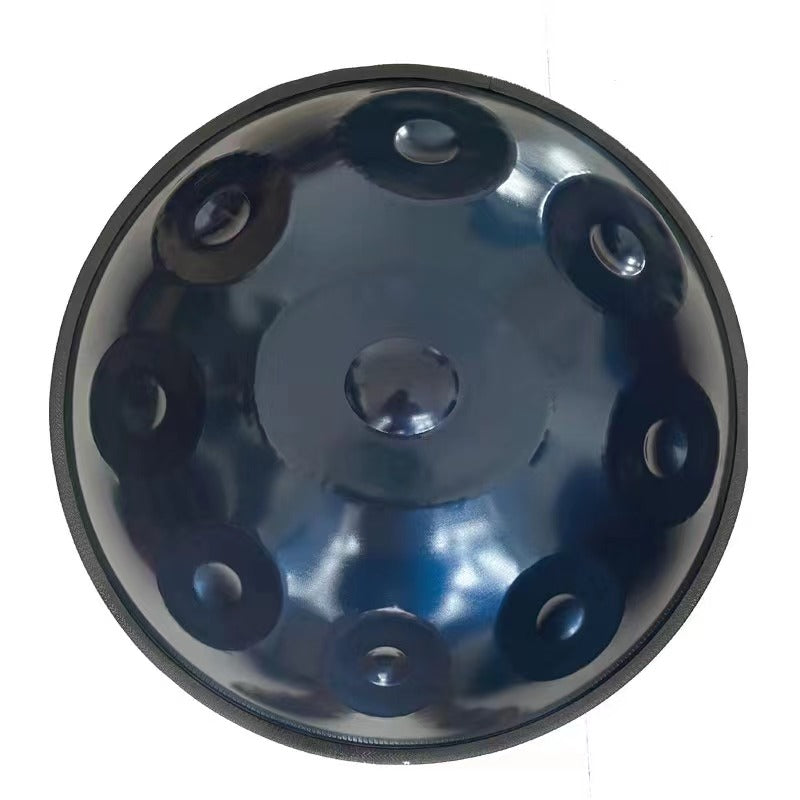
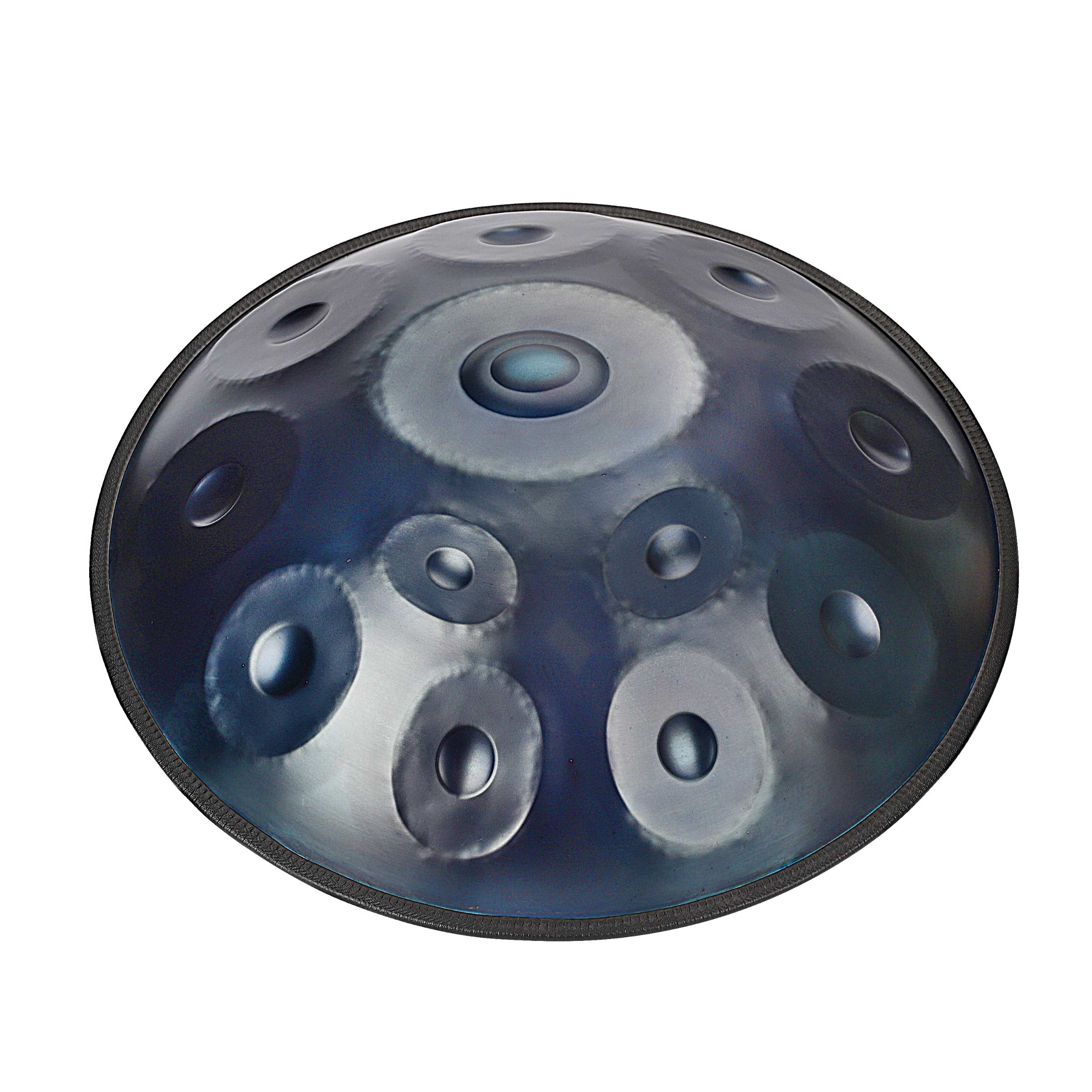
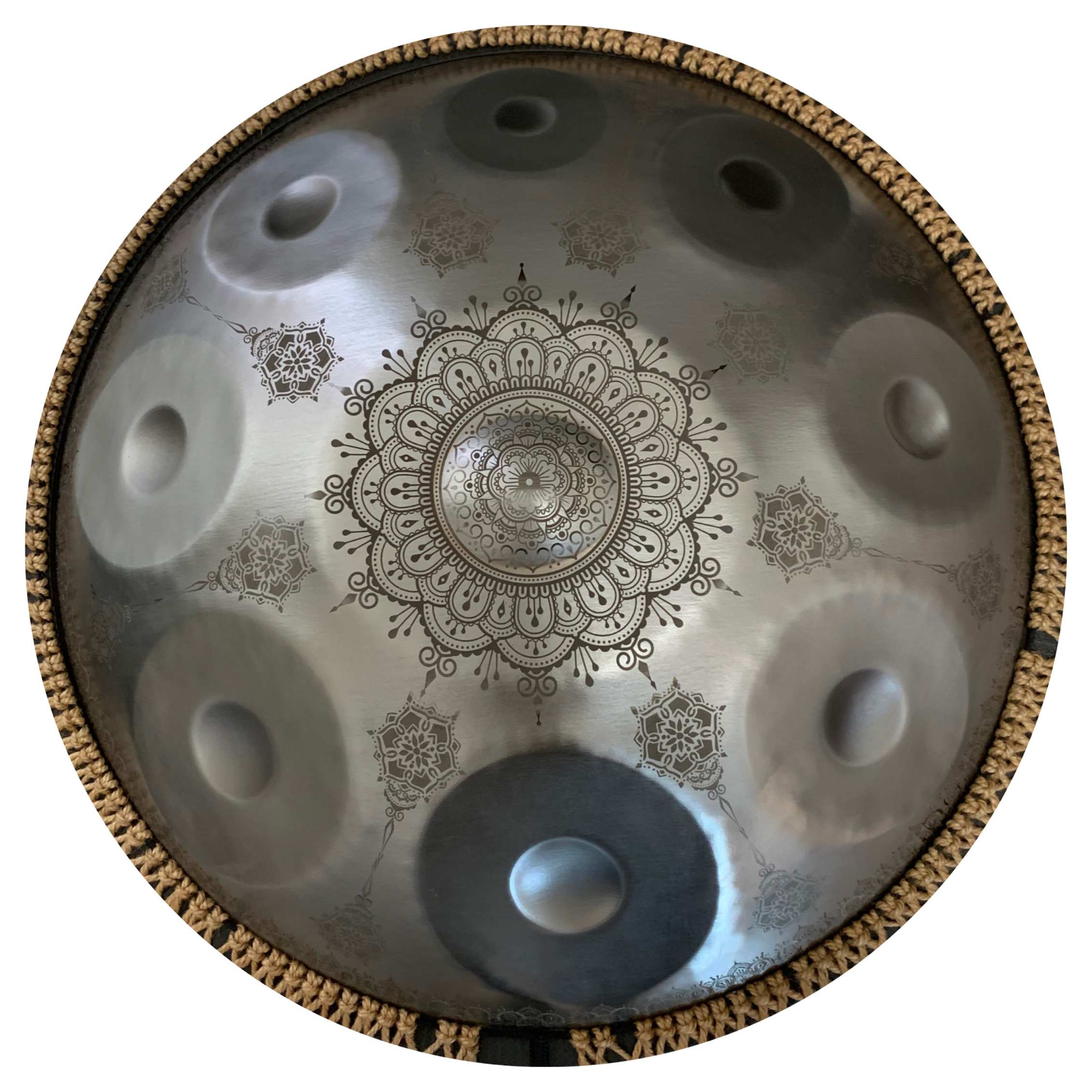
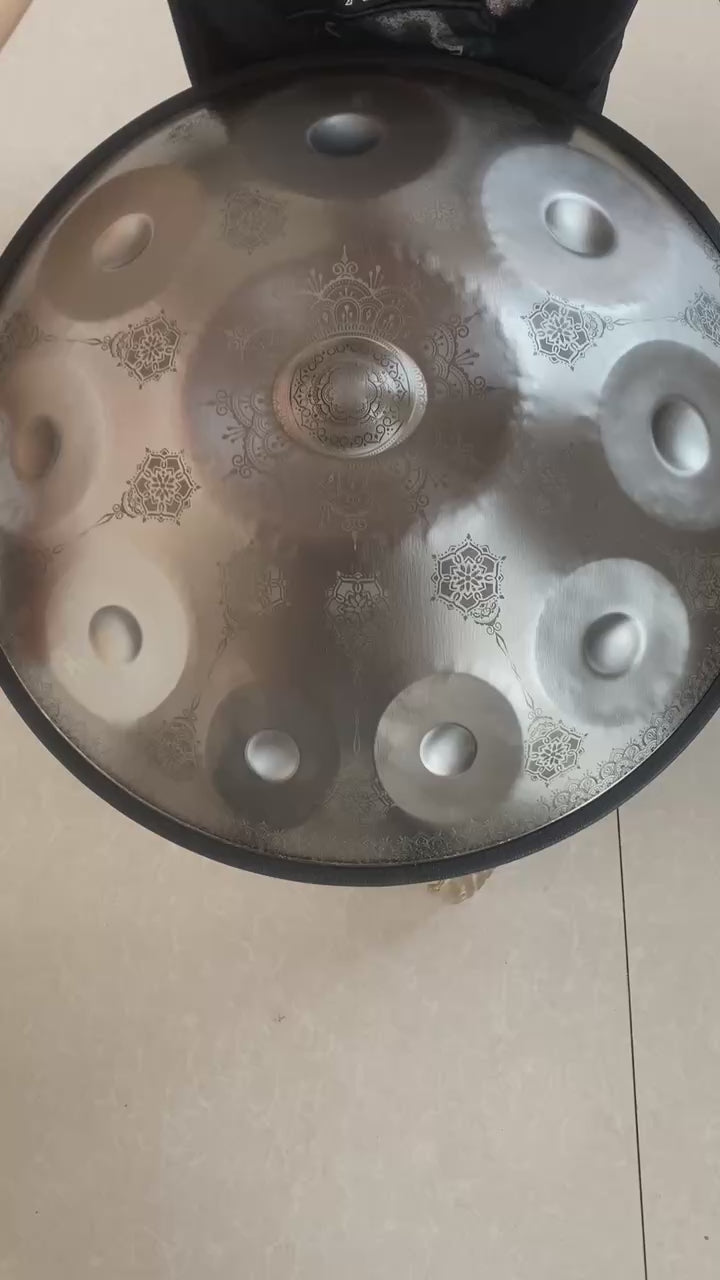
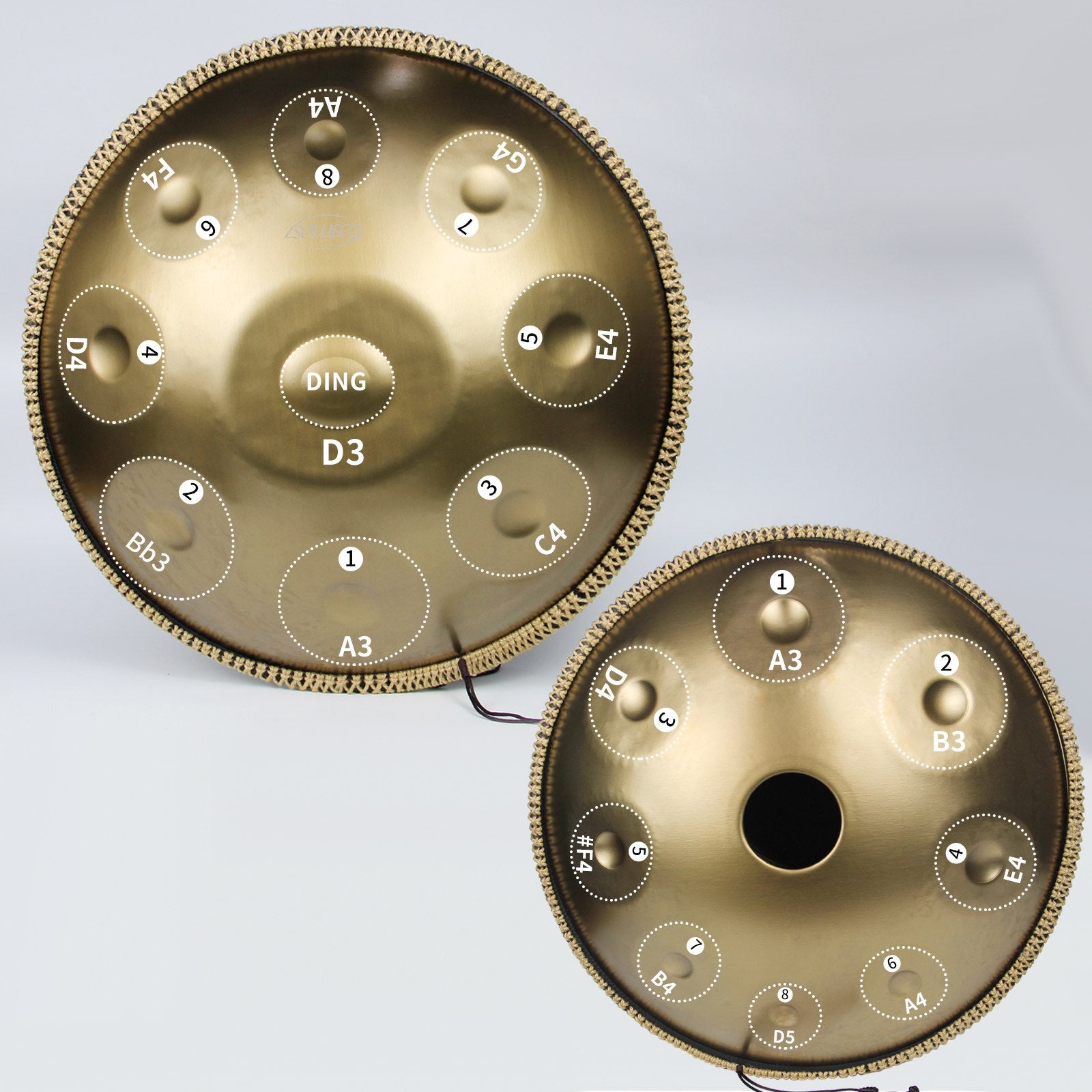
After being inspired by the Best popular handpan players, many are eager to start their own journey. One of the first decisions a beginner must make is the number of notes. A 9 Notes Handpan is the traditional starting point, offering a complete hexatonic or heptatonic scale including the central "Ding" note. However, as your skills grow, you might find yourself drawn to a 12 Notes Handpan or even a 17 Notes Handpan, which includes "bottom notes" to expand your melodic range.
The scale of the instrument also dictates the "mood" of your music. The D Minor Kurd scale is incredibly popular among professional players because of its versatility and emotional depth. Alternatively, the Celtic Minor or the Hijaz scale can offer more traditional or Middle Eastern flavors. At Cosmos Handpan, we ensure that every instrument is tuned to perfection, allowing you to reach that same "cosmic harmony" achieved by the masters listed above.
Summary Table: Best Popular Handpan Players Comparison
| Artist | Core Style | Key Contribution | Recommended Listen |
|---|---|---|---|
| Manu Delago | Virtuoso / Orchestral | Introduced handpan to high-level classical/pop | Silver Kobalt |
| Hang Massive | Flow / Electronic Duo | Brought handpan music to viral global status | Once Again |
| Daniel Waples | Street / Soulful | Global busking pioneer and healer | Hang in Balance |
| Kabeção | Percussive / Jazz | Innovated multi-pan and foot-percussion techniques | Freedom Expressions |
| Malte Marten | Meditative / Zen | Popuralized handpan for sound healing on social media | Yatao Sessions |
| Yuki Koshimoto | Ethereal / Spatial | Brought Japanese aesthetic and melodic purity | New Moon |
| David Charrier | Educational / Upbeat | Created the world's leading handpan school | Ephemeral |
Frequently Asked Questions (FAQ)
While subjective, Hang Massive is likely the most famous due to their massive YouTube presence, while Manu Delago is often cited by musicians as the most technically influential.
Most experts recommend a 9 Notes Handpan in D Minor. It is intuitive, has a wealth of online tutorials available, and fits most musical genres. Brands like Cosmos Handpan offer specialized handpans for beginners to ensure a high-quality start.
The number of notes determines the range of melodies you can play. A 9 or 10 notes handpan is great for focusing on a specific scale, while 12 to 17 notes allow for more complex compositions and "accidental" notes outside the primary scale.
Unlike the violin or piano, the handpan is very intuitive. Because it is tuned to a specific scale, there are no "wrong" notes. However, mastering the touch and rhythm—as shown by the Best popular handpan players—takes years of practice.