The human hand is arguably the oldest and most expressive tool for creating rhythm and melody. When you remove synthetic mallets, bows, and picks from the equation, music becomes an entirely visceral and intimate experience. Exploring the various types of musical instruments played by hand reveals a rich tapestry of percussive resonance, melodic steel, and ancient rhythmic traditions that continue to shape modern compositions in 2026.

From our experience at Cosmos Handpan, understanding the acoustic architecture of these instruments is absolutely crucial for both aspiring musicians and seasoned composers. The types of musical instruments played by hand are not merely simple rhythm-keeping devices; they encompass complex melodic architectures capable of immense emotional depth and therapeutic frequency generation. In this comprehensive, expert-led guide, we will deeply analyze the seven premier types of musical instruments played by hand, exploring their historical origins, unique acoustic properties, and the technical requirements necessary to master them.
Table of Contents
- Summary Table: Comparing the Types of Musical Instruments Played by Hand
- 1. Handpans and Steel Melodic Instruments
- 2. The Djembe: The Heartbeat of West Africa
- 3. The Cajon: The Acoustic Drum Kit
- 4. The Tabla: The Complex Rhythmic Master
- 5. Congas and Bongos: The Afro-Cuban Pulse
- 6. Frame Drums: The Ancient Resonators
- 7. The Udu Drum: The Clay Bass Marvel
- Expert Buying Guide: Navigating the Market
- Frequently Asked Questions (FAQs)
- Industry and Academic References
Summary Table: Comparing the Types of Musical Instruments Played by Hand
To provide a clear, high-level overview, we have compiled a summary of the most prominent types of musical instruments played by hand. We highly recommend using this table to cross-reference acoustic profiles before delving into our detailed architectural analyses below.
| Instrument Type | Primary Material | Acoustic Profile & Tonal Qualities | Required Skill Level |
|---|---|---|---|
| Handpan | Nitrided, Ember, or Stainless Steel | Melodic, highly resonant, ethereal overtone sequences | Beginner to Advanced |
| Djembe | Hardwood shell and animal skin head | High-energy, sharp slaps, booming deep bass tones | Beginner |
| Cajon | Plywood tapa and solid hardwoods | Dry, snare-like snaps and highly localized bass | Beginner |
| Tabla | Wood, metal, animal hide, syahi tuning paste | Highly articulate, pitch-bending, complex micro-rhythms | Advanced |
| Congas/Bongos | Wood or fiberglass shells with thick rawhide | Warm, open tones with piercing percussive slaps | Intermediate |
| Frame Drum | Shallow wood hoop and synthetic or natural skin | Wide atmospheric resonance, subtle finger articulation | Intermediate |
| Udu Drum | Clay or specialized ceramic | Subtle, aquatic bass shifts and sharp ceramic clicks | Intermediate |
1. Handpans and Steel Melodic Instruments

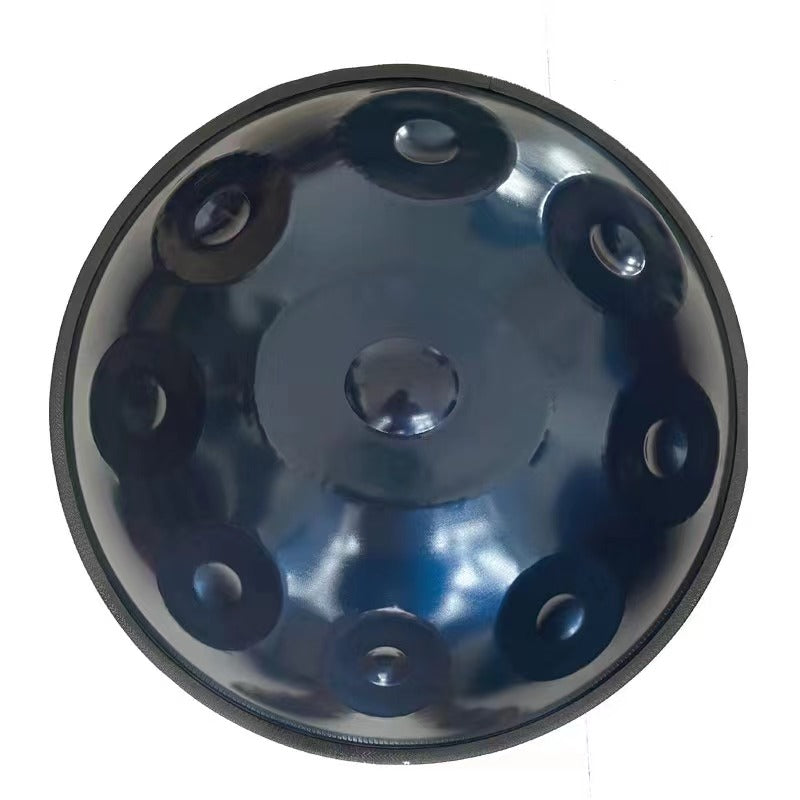
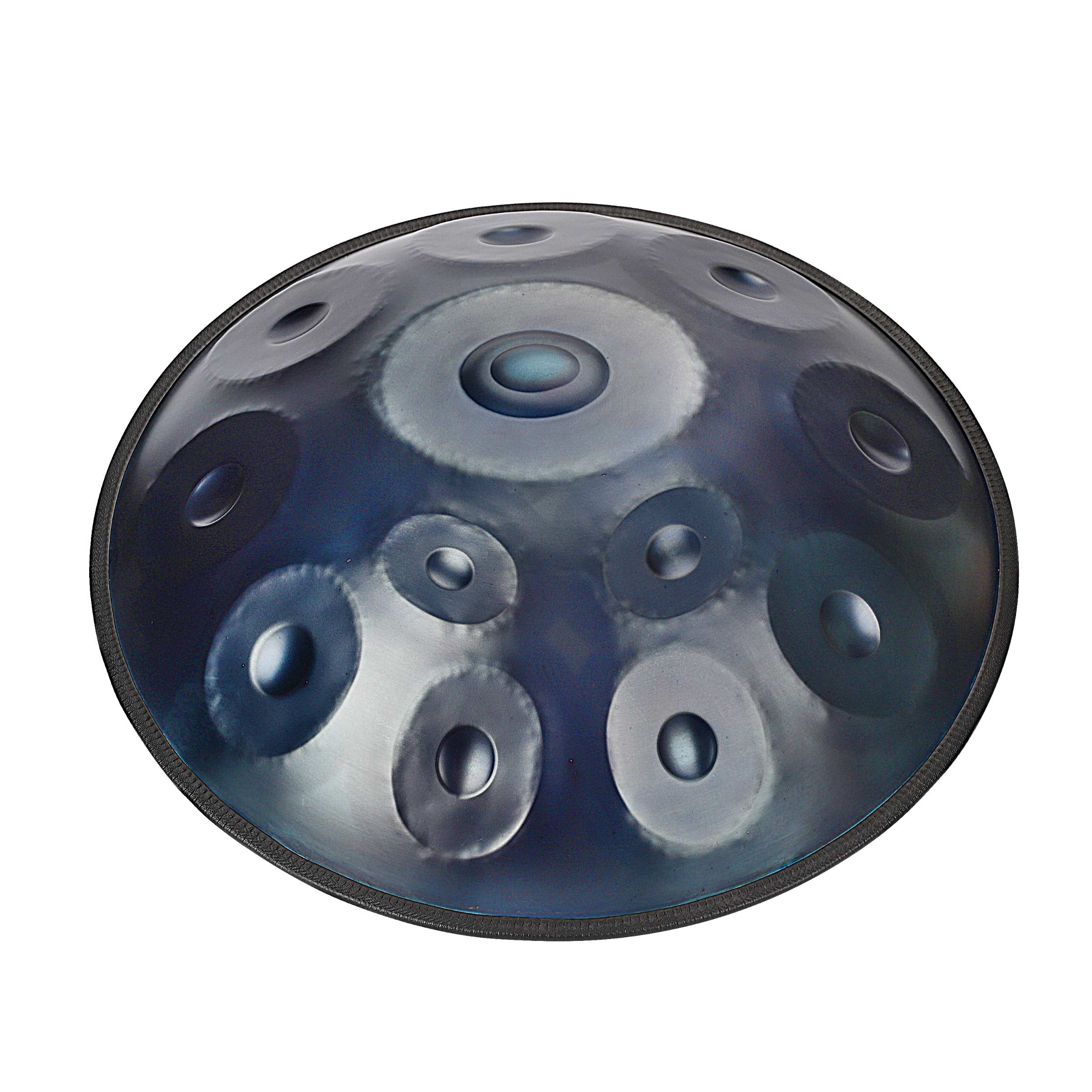
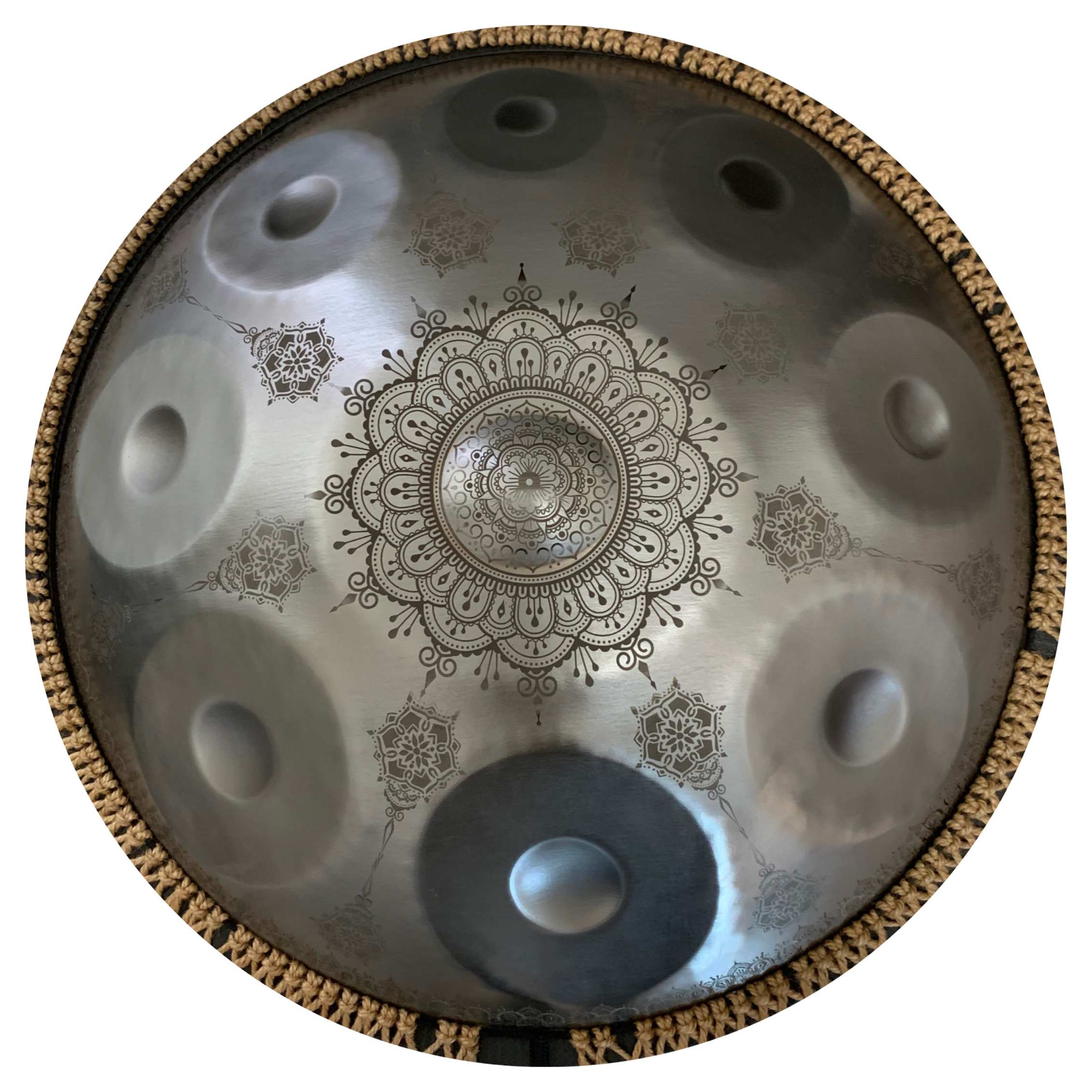
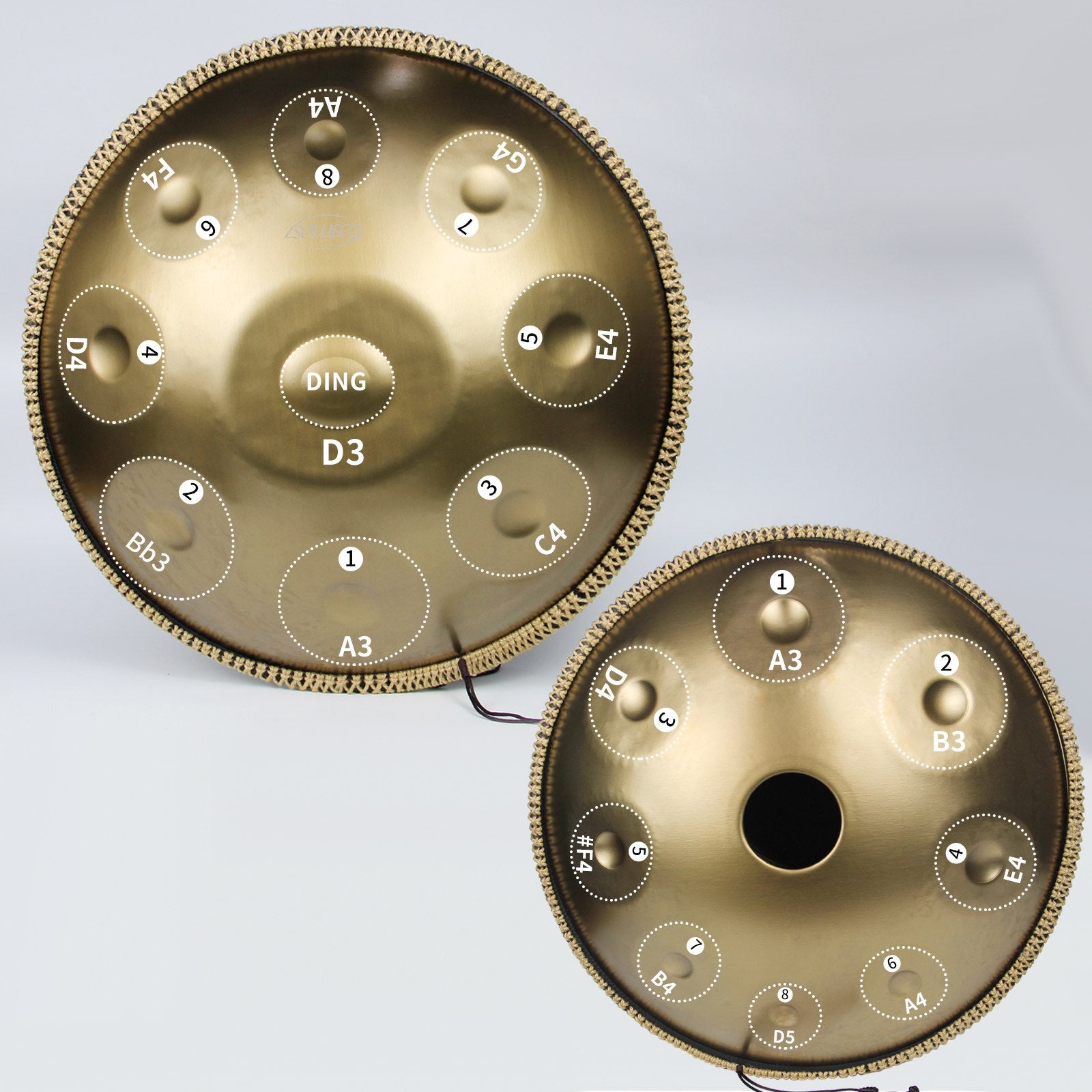
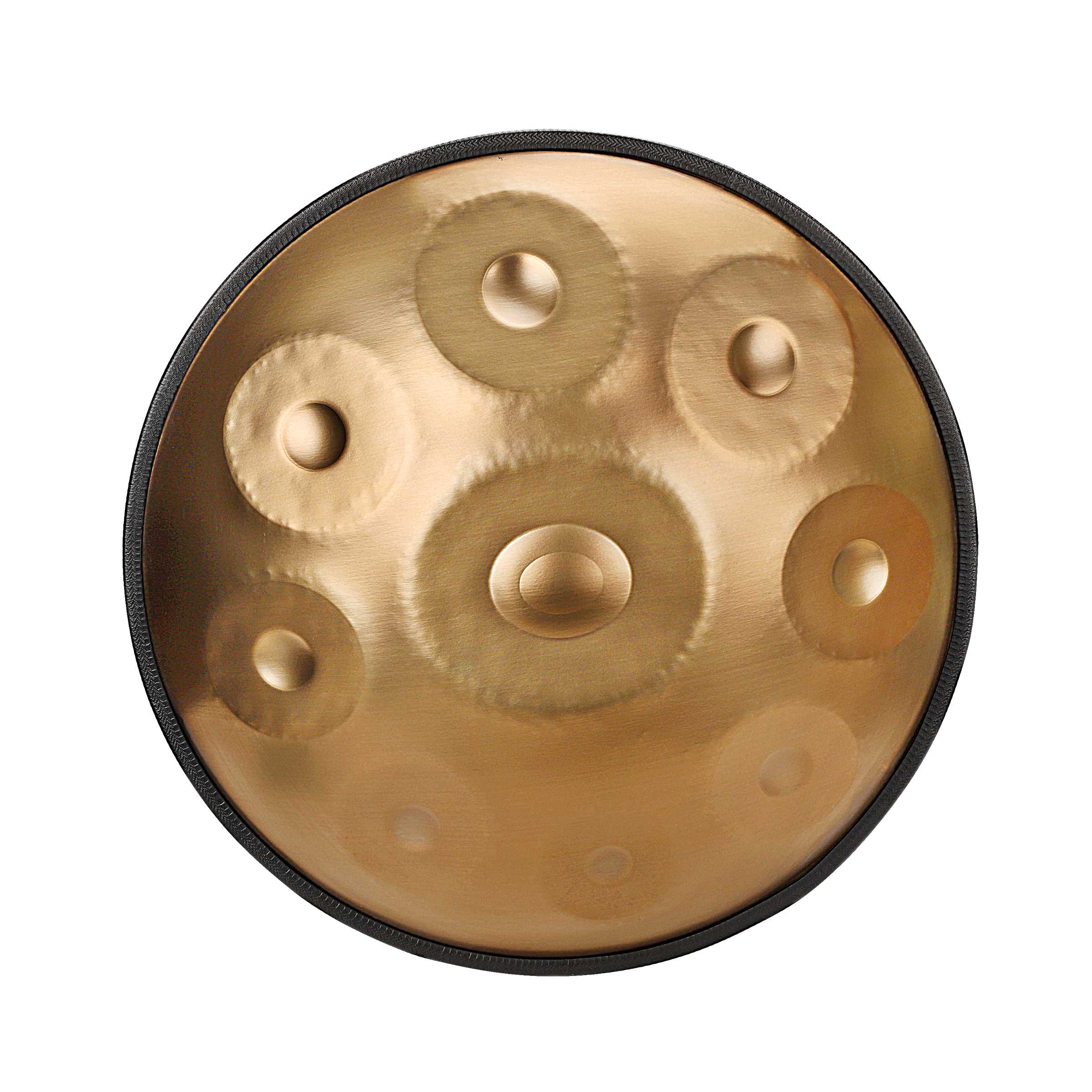
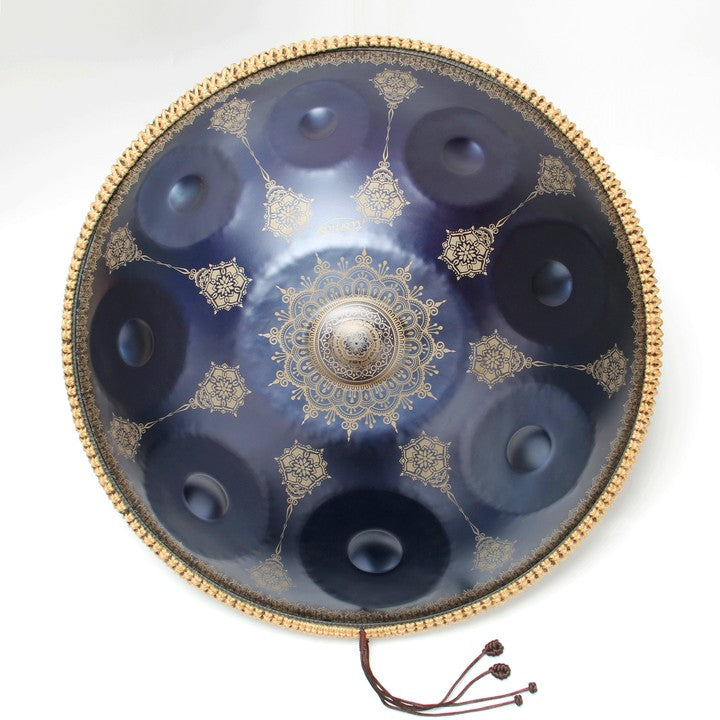
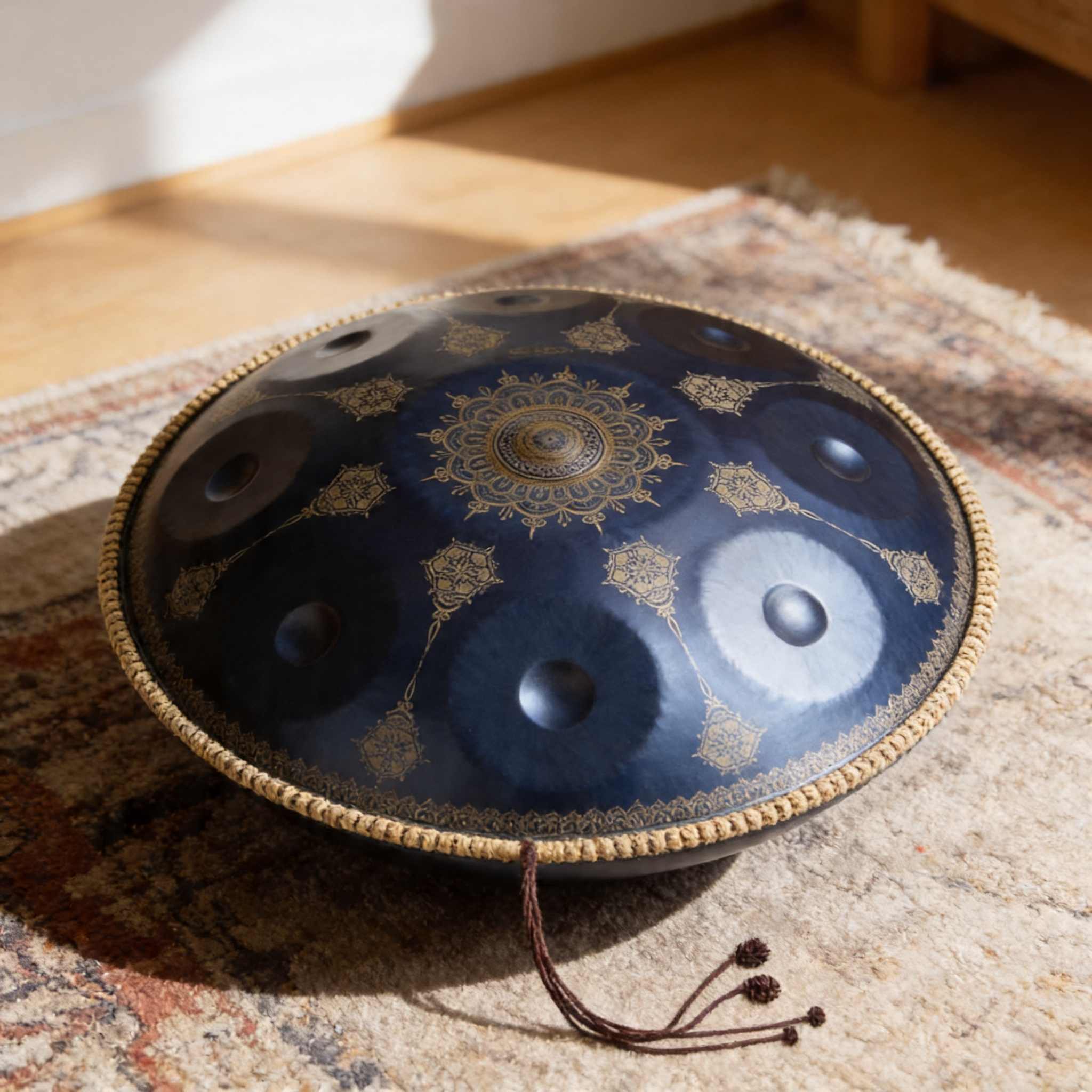
When discussing the most mesmerizing and technologically advanced types of musical instruments played by hand, the handpan stands completely unrivaled at the forefront. Evolving from the traditional Caribbean steel pan and the Swiss Hang, the modern handpan utilizes a central apex note (the "Ding") surrounded by a circular chorus of tone fields. Each of these fields is carefully hammered by a master tuner to produce a fundamental note, an octave harmonic, and a compound fifth harmonic simultaneously. This creates a multi-layered acoustic phenomenon known as sympathetic resonance.
At the Cosmos Handpan store, we recognize that the structural integrity of the steel heavily dictates the purity of the sound. Whether crafted from nitrided steel for a dry, ceramic-like, percussive response or stainless steel for a prolonged, watery resonance, the handpan offers unparalleled melodic expression. We recommend selecting an instrument that aligns with your current technical proficiency and long-term compositional goals. The specific model you choose will also influence How much time does it take to learn handpan. A larger array of notes provides more musical freedom but presents a steeper learning curve for absolute beginners.
For those prepared to enter this beautiful musical realm, we invite you to explore our curated handpan for sale. If you are just starting your acoustic journey, browsing our dedicated handpan for beginners section will provide instruments tuned to accessible, emotionally intuitive scales like D Kurd or C# Amara. Furthermore, to truly understand the broader market landscape and quality metrics, we strongly suggest reviewing our expert breakdown of the best handpan brands to ensure you are investing in genuine craftsmanship rather than factory-produced replicas.
2. The Djembe: The Heartbeat of West Africa
Originating from the Mandingue people of West Africa, the djembe is one of the most culturally significant types of musical instruments played by hand. Traditionally carved from a single solid piece of dense African hardwood (such as Lenke or Khaya) and topped with a goat skin head, its distinctive goblet shape creates a powerful internal Helmholtz resonance. This physics principle allows the drum to produce a booming, room-filling bass tone when struck in the center.
From our experience, mastering the djembe requires the precise development of three primary strokes: the bass (struck with the full palm in the center), the tone (struck with closed fingers near the edge), and the slap (a whipping motion with open fingertips at the rim). Unlike the melodic steel of a handpan, the djembe relies entirely on hand positioning, velocity, and skin tension—maintained through a complex system of woven Mali weave ropes—to dictate the acoustic output.
3. The Cajon: The Acoustic Drum Kit
The cajon has rapidly become a ubiquitous staple in acoustic ensembles, coffeehouse gigs, and street performances worldwide. Originating in Peru among enslaved communities who used shipping crates as makeshift drums, this box-shaped percussion instrument is played by sitting directly on top of it and striking the front face, known as the tapa. It represents one of the most mechanically accessible types of musical instruments played by hand.
Modern cajons are sophisticated instruments featuring internal snare wires or adjustable guitar strings pressed firmly against the back of the tapa. Striking the upper corners yields a sharp, high-frequency crack that mimics a snare drum, while striking the lower center produces a dry, thumping bass kick. We recommend the cajon for vocalists or acoustic guitarists who need a portable, hand-played rhythmic foundation that can easily substitute for a massive drum kit.
4. The Tabla: The Complex Rhythmic Master

Representing the absolute pinnacle of rhythmic complexity among the types of musical instruments played by hand, the tabla is a pair of highly specialized hand drums native to the Indian subcontinent. The smaller, higher-pitched drum (the dayan) is typically made of teak or rosewood, while the larger, deeper drum (the bayan) is crafted from heavy copper or brass.
The true acoustic marvel of the tabla lies in the syahi, a heavy black paste made of iron oxide, charcoal, and starch, applied in precise concentric circles to the center of the drumheads. This application forces the drum to produce distinct, bell-like harmonic overtones rather than the purely inharmonic sounds of Western drums. The tabla requires immense finger dexterity, independent hand coordination, and years of dedicated practice to master the intricate rhythmic cycles (talas) and the characteristic pitch-bending technique achieved by applying varying wrist pressure to the bayan.
5. Congas and Bongos: The Afro-Cuban Pulse
The driving force behind Afro-Cuban music, Latin jazz, and modern salsa is propelled by the resonant, fleshy beats of congas and bongos. These are quintessential types of musical instruments played by hand that require physical stamina and precise hand techniques. Congas are tall, staved, single-headed drums, usually played in sets of two, three, or four (ranging in size from the requinto and quinto to the conga and tumba). Bongos consist of two smaller attached drums (the high-pitched macho and the lower hembra) held firmly between the seated player's knees.
The technique involves striking the extremely thick rawhide heads with the flat of the palm, the heel of the hand, and the fingers. From our experience, achieving the perfect open tone on a conga requires a relaxed wrist and a rapid withdrawal of the hand to allow the thick wooden or fiberglass shell to resonate fully without muffling the soundwave.
6. Frame Drums: The Ancient Resonators
Frame drums are historically among the oldest types of musical instruments played by hand, characterized by a drumhead whose diameter is far greater than the depth of its shell. Examples span the globe and include the Irish bodhran (which is often modified for complex hand play when not using a tipper), the Middle Eastern tar, the North African bendir, and the ubiquitous tambourine.
Despite their deceptively simple construction, frame drums offer a highly sophisticated acoustic range. Advanced players utilize complex, independent finger strokes, sharp snaps, and rapid palm rolls to create continuous, flowing rhythmic textures. When metal jingles (zills) are added into the wooden frame, as seen in the Arabic riq or the standard tambourine, the instrument provides a brilliant, high-frequency metallic wash that cuts perfectly through dense musical arrangements.
7. The Udu Drum: The Clay Bass Marvel
The Udu is a totally unique instrument that functions as both a plosive aerophone and an idiophone, originating from the Igbo women of Nigeria. Crafted entirely from fired clay or specialized ceramics, it resembles a traditional water jug with an additional, strategically placed hole cut into the side. It is one of the most distinctive types of musical instruments played by hand due to its completely unique air-displacement acoustic mechanism.
The player strikes the side hole with a flat, cupped palm, sharply compressing the air inside the hollow chamber to produce a deep, subterranean, almost electronic-sounding bass note. Simultaneously, the fingers can strike the ceramic body to create sharp, melodic clicks and taps. The Udu requires an incredibly delicate touch; striking it with the heavy force of a djembe player will quickly shatter the clay. It remains a recording studio favorite for producing organic, watery, and hypnotic textural sounds.
Expert Buying Guide: Navigating the Market
When investing in the types of musical instruments played by hand, evaluating the build quality, material sourcing, and acoustic integrity is paramount. Unlike mass-produced synthetic keyboards, hand-played acoustic devices rely entirely on the purity of their physical materials. For those drawn to the deep, therapeutic, and melodic nature of steel instruments, understanding the current market landscape is absolutely vital to avoid costly mistakes.
We highly recommend starting your research with our comprehensive handpan buying guide. It meticulously details the nuances between different scales, steel variations, and builder reputations. Furthermore, if you are attempting to balance exceptional quality with strict budget constraints, reviewing our rigorous testing of cheap handpan options will help you avoid the out-of-tune, factory-stamped replicas that currently flood online marketplaces.
A very common inquiry we receive as industry leaders is regarding the required financial investment for true high-grade steel instruments. To completely demystify this pricing structure, we advise reading our in-depth handpan price guide, or you can dive directly into the specific cost breakdowns in our article explaining how much does a handpan cost. Finally, to ensure your very first purchase guarantees a smooth, inspiring learning curve rather than frustration, consult our meticulously curated list detailing the best handpan for beginners.
Frequently Asked Questions (FAQs)
Industry and Academic References
To ensure the highest standard of authority and factual acoustic accuracy regarding the types of musical instruments played by hand, we proudly consulted the following academic, historical, and institutional resources: