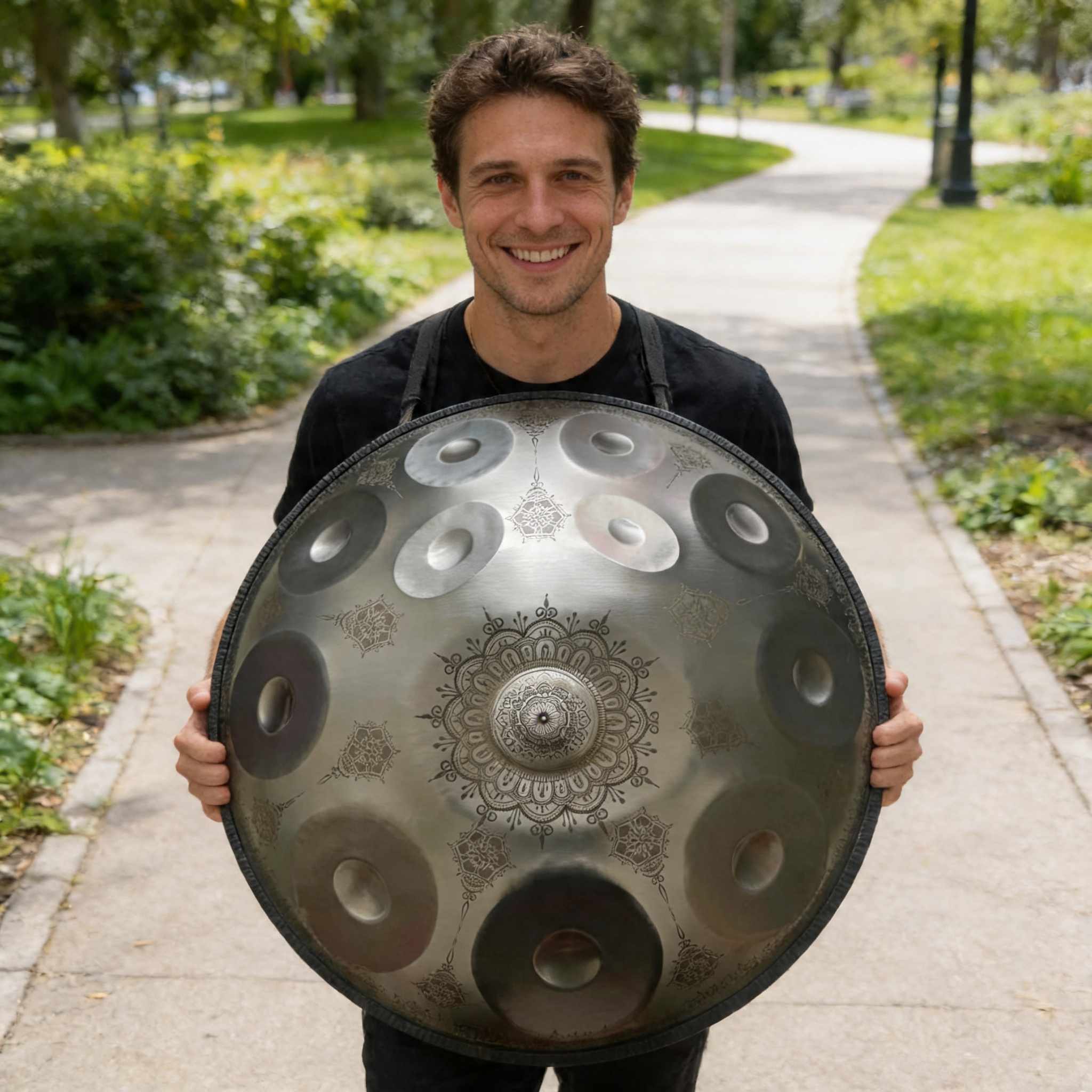
Exploring the rich tapestry of Eastern musical heritage requires a deep understanding of acoustic engineering and historical craftsmanship. The structural resonance, harmonic scales, and material science behind traditional Asian acoustics have deeply influenced modern instrument fabrication. When compiling a comprehensive catalog of the top 10 Chinese instrument names and pictures, we must look beyond mere aesthetics and analyze the acoustic properties that have allowed these tools to endure for millennia.

From our experience as acoustic instrument craftsmen at Cosmos Handpan, we recognize a profound connection between the resonant frequencies of ancient Eastern instruments and the meditative overtones of modern handpans. Both traditions prioritize the physical connection between the musician and the material, utilizing natural acoustics to induce a state of flow. By studying the Chinese instrument names and pictures detailed in this guide, contemporary musicians can broaden their understanding of harmonic progression, pentatonic scales, and the physics of sound production. In this authoritative technical review, we will dissect the construction, historical significance, and acoustic mechanisms of the ten most influential instruments in the Chinese orchestral tradition.
Table of Contents
- 1. Plucked String Instruments (Zithers and Lutes)
- 2. Bowed String Instruments
- 3. Woodwinds and Aerophones
- 4. Percussion and Struck Strings
- 5. Bridging Tradition with Modern Resonance: The Cosmos Handpan
- 6. Summary Table: Top 10 Chinese Instrument Names and Pictures
- 7. Frequently Asked Questions (FAQs)
- 8. Academic and Cultural References
1. Plucked String Instruments (Zithers and Lutes)
The foundation of Chinese classical music relies heavily on the complex harmonic structures generated by plucked string instruments. The physical dimensions of the soundboards dictate the rich, lingering sustain that characterizes this genre.
1.1 Guzheng

The Guzheng is a prominent Chinese plucked zither, typically featuring 21 strings stretched over movable bridges across a large, resonant wooden soundboard. When analyzing Chinese instrument names and pictures, the Guzheng stands out due to its substantial length (often exceeding 1.6 meters). The acoustic mechanics rely on the right hand plucking the strings while the left hand applies variable pressure on the opposite side of the bridge to create pitch bends and vibrato. This mechanical manipulation of string tension produces a cascading, fluid sound profile that demands high technical dexterity.
1.2 Guqin
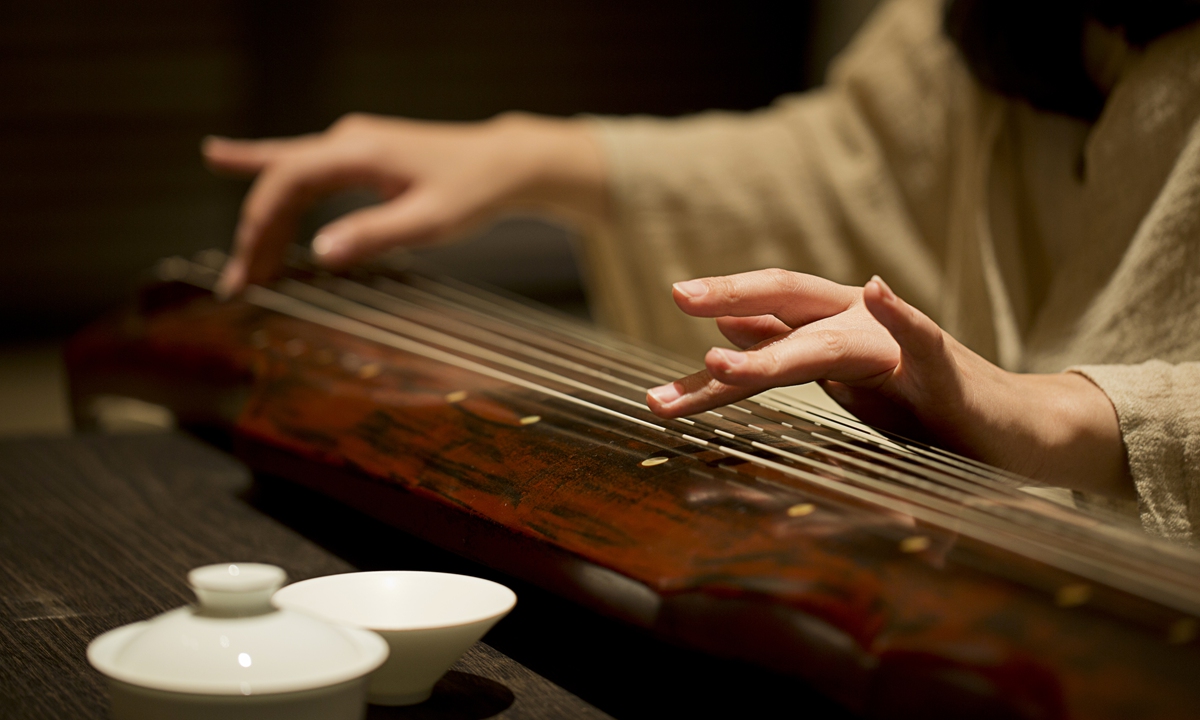
Often confused with the Guzheng, the Guqin is a much older, seven-stringed fretless zither. It holds the highest prestige in Chinese classical culture, historically favored by scholars and philosophers. The Guqin lacks movable bridges; instead, the strings are strung directly across the entire length of the lacquered soundboard. The instrument produces a deeply resonant, bass-heavy tone with exceptionally long sustain. Playing the Guqin requires a mastery of sliding harmonics (fanyin), demanding absolute precision from the musician's fingertips to locate the exact nodes of the string's frequency.
1.3 Pipa

The Pipa is a four-stringed traditional Chinese lute featuring a pear-shaped wooden body. Searching for Chinese instrument names and pictures will invariably reveal this highly expressive instrument. The Pipa features a short, bent neck and utilizes anywhere from 12 to 26 frets. The acoustic delivery is uniquely percussive and bright. Virtuoso Pipa players employ a rapid outward plucking technique utilizing all five fingers, creating a continuous, rolling tremolo effect known as "lunzhi." We recommend studying Pipa compositions for anyone looking to understand high-velocity rhythmic plucking.
2. Bowed String Instruments
Unlike Western orchestral strings that utilize a fingerboard to terminate string length, traditional Chinese bowed instruments suspend the strings in the air, requiring a highly developed sense of intonation.
2.1 Erhu

The Erhu is arguably the most recognized bowed instrument in the Chinese repertoire. It consists of a long vertical neck and a small hexagonal or octagonal resonator body, traditionally covered with python skin to provide a unique acoustic membrane. The Erhu features only two strings. Fascinatingly, the horsehair bow is permanently trapped between the two strings. The musician must apply inward or outward pressure on the bow to engage the desired string, while the left hand presses the strings in the air without a fingerboard. The resulting sound is highly vocal, capable of mimicking the melancholic wailing of the human voice.
3. Woodwinds and Aerophones
The manipulation of airflow through organic materials like bamboo and gourds constitutes the oldest form of melodic generation in Eastern music. These instruments are celebrated for their sharp, piercing timbres and microtonal capabilities.
3.1 Dizi

The Dizi is a transverse bamboo flute and a fundamental component of any list featuring Chinese instrument names and pictures. What sets the Dizi apart from Western flutes is the inclusion of a "mokong"—an additional hole located between the embouchure and the finger holes. This hole is covered by a fragile, vibrating membrane made from bamboo inner skin (dimo). When the instrument is played, the membrane resonates, adding a distinctive buzzing, reedy harmonic to the primary tone. This membrane manipulation dictates the instrument's bright and penetrating acoustic signature.
3.2 Suona
The Suona is a double-reed horn featuring a conical wooden body and a flared, detachable copper or brass bell. The acoustic output of the Suona is extraordinarily loud and piercing, making it the primary instrument for outdoor festivals, weddings, and military processions. Because the double reed is fully enclosed in the player's mouth, the Suona requires mastery of circular breathing to maintain a continuous, uninterrupted stream of sound.
3.3 Sheng
The Sheng is an ancient mouth-blown free reed instrument consisting of multiple vertical bamboo pipes mounted into a central wind chamber. When reviewing Chinese instrument names and pictures, the Sheng is visually striking, resembling a cluster of wings. It is one of the few traditional Chinese instruments capable of playing polyphonic chords. The acoustic generation relies on free-swinging brass reeds located at the base of each pipe; sound is produced both when the player exhales and inhales, allowing for continuous harmonic progression.
3.4 Hulusi
The Hulusi, or gourd flute, originates from the ethnic minority regions of Yunnan province. It consists of three bamboo pipes passing through a dried gourd wind chest. The central pipe contains the finger holes for the melody, while the two outer pipes function as continuous drone notes. The acoustic profile is incredibly smooth, mellow, and clarinet-like, making it an excellent instrument for conveying lyrical, pastoral melodies.
4. Percussion and Struck Strings
The rhythmic foundation of Chinese opera and folk ensembles relies on the precision of struck instruments, combining melodic hammering with raw percussive impact.
4.1 Yangqin
The Yangqin is a trapezoidal hammered dulcimer. The instrument features dozens of steel and bronze strings stretched over multiple bridges. The musician strikes the strings using two lightweight bamboo beaters capped with rubber. The Yangqin serves as the harmonic and rhythmic anchor in a traditional Chinese orchestra. Its acoustic property is highly percussive, yet it possesses a shimmering, metallic resonance that blends seamlessly with both wind and bowed string sections.
4.2 Bo and Luo
No catalog of Chinese instrument names and pictures is complete without acknowledging the Bo (cymbals) and Luo (gongs). These idiophones are central to the dramatic pacing of Peking Opera. The Luo, in particular, exhibits a unique acoustic phenomenon: upon being struck, the pitch of the gong will bend sharply upwards or downwards depending on its metallurgical profile. The precise crafting of these brass and bronze alloys dictates their specific sonic decay.
5. Bridging Tradition with Modern Resonance: The Cosmos Handpan

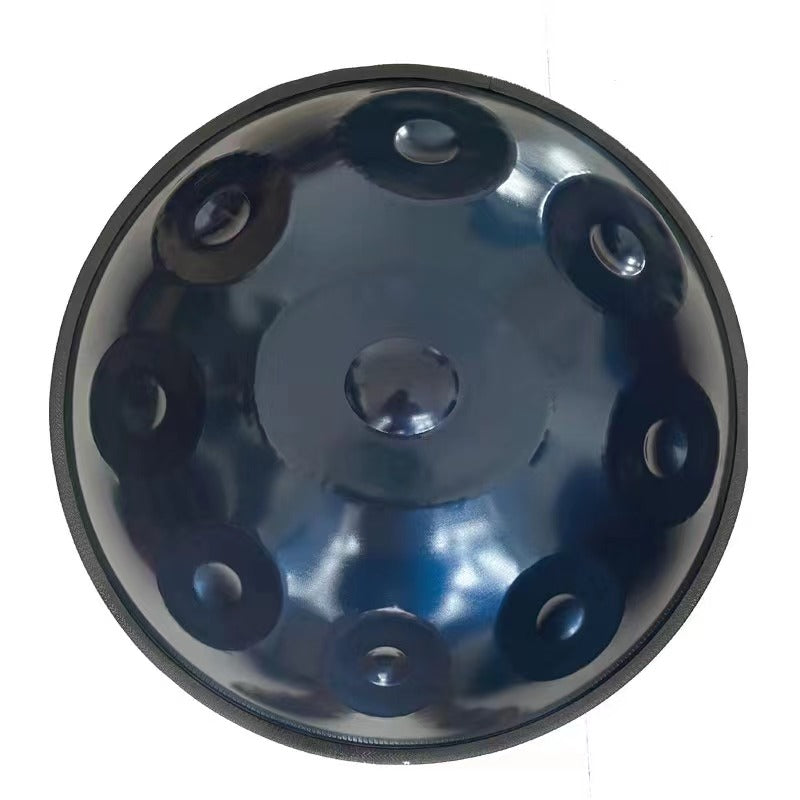
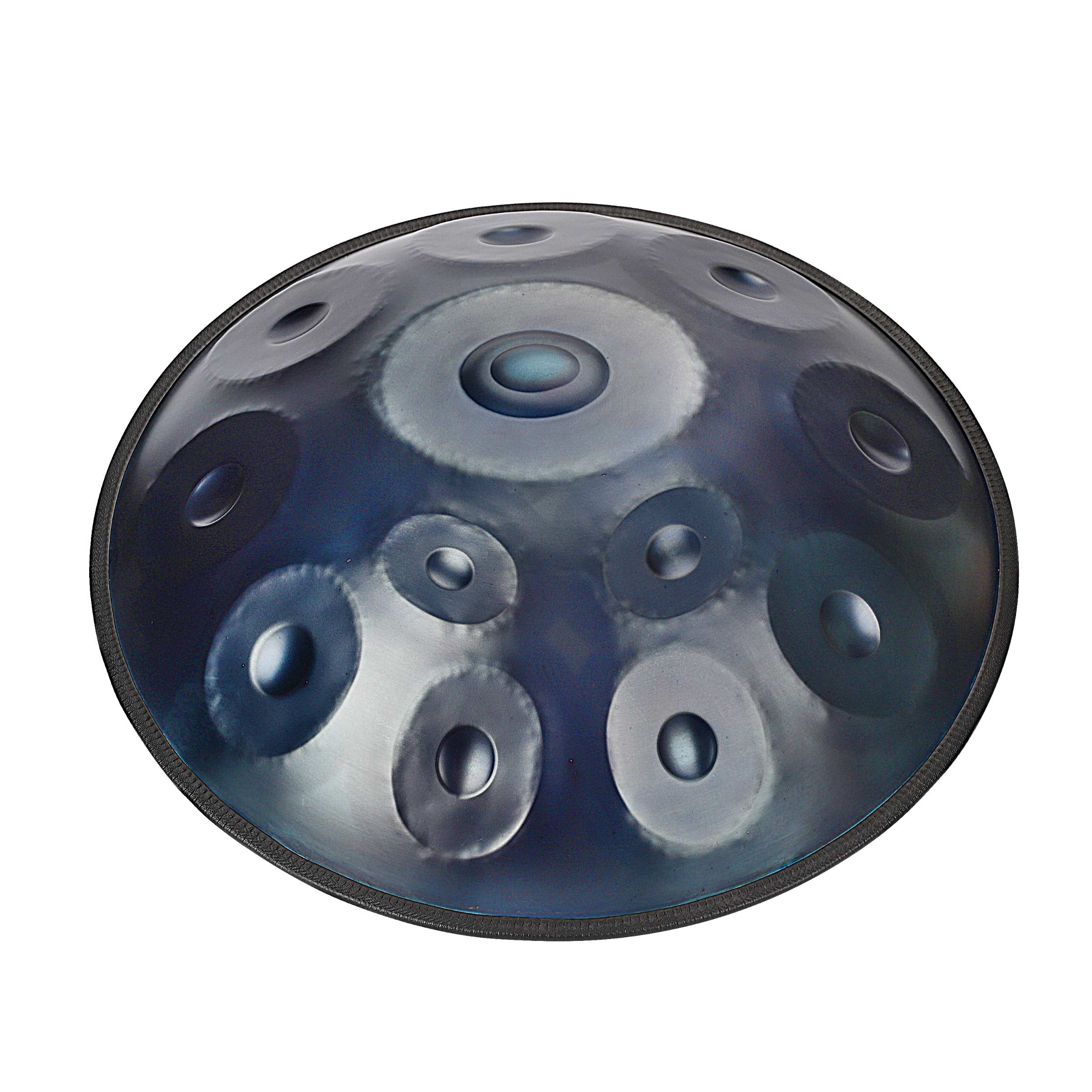
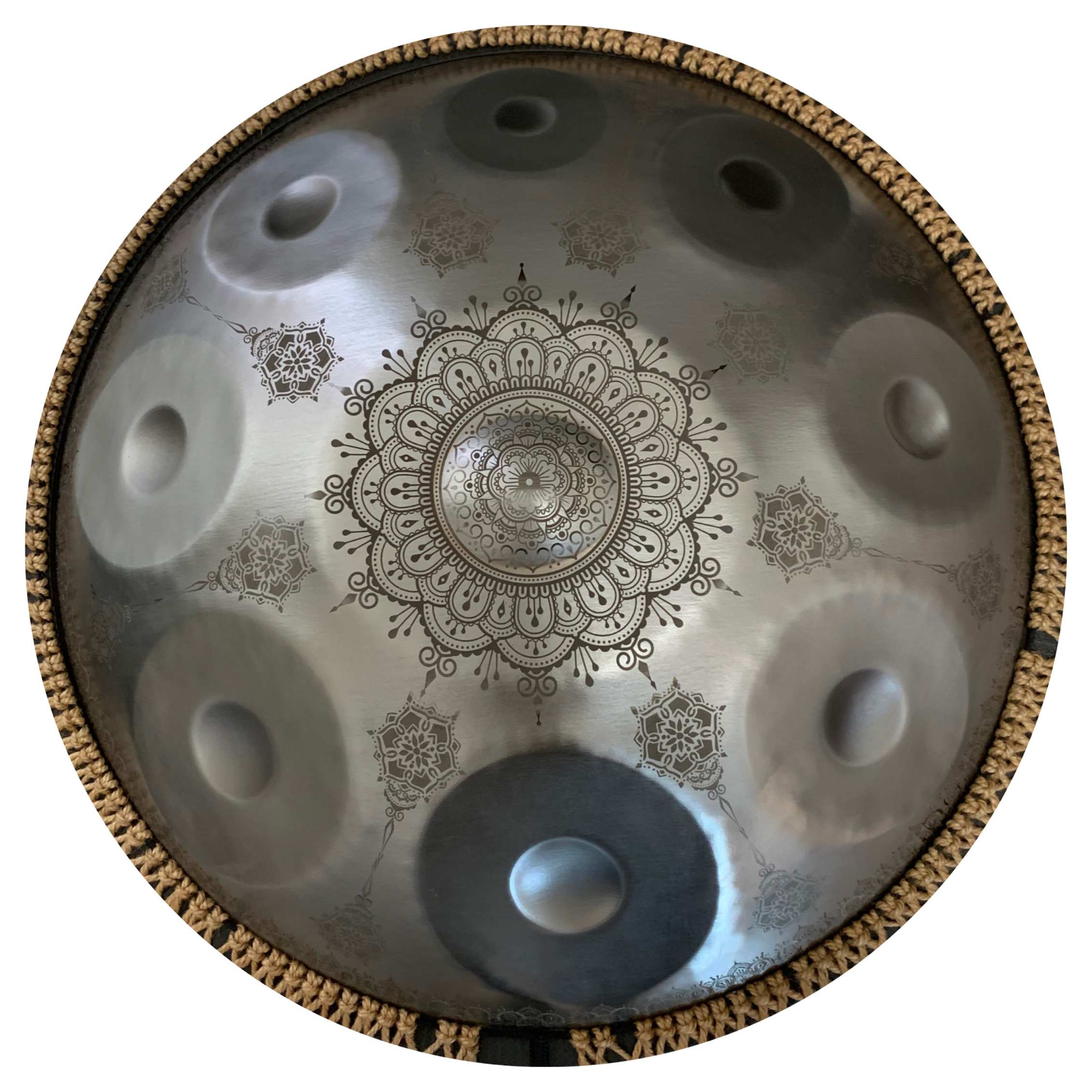
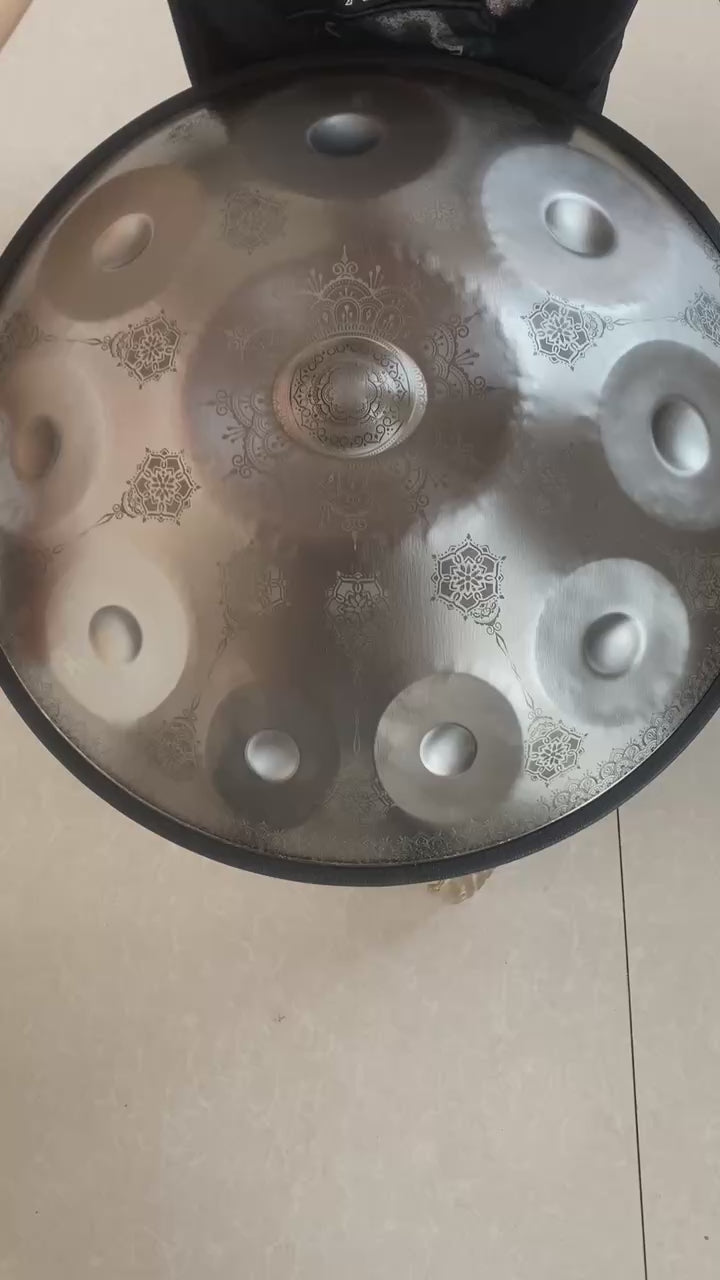
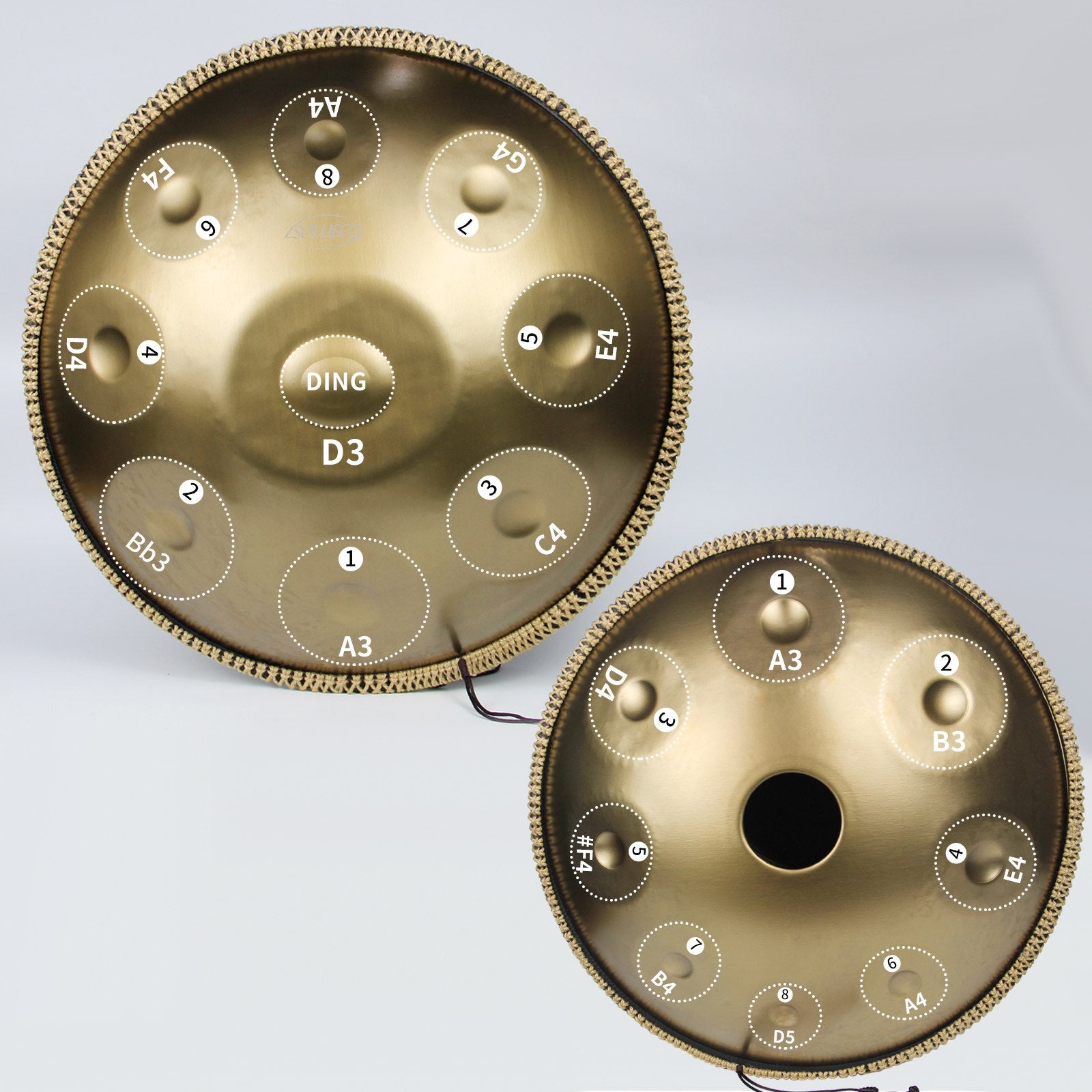
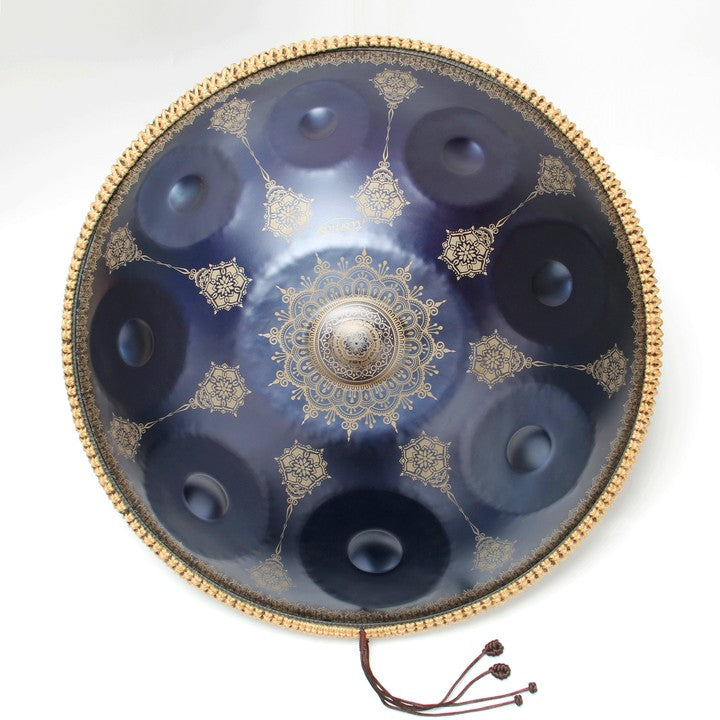
As we analyze the acoustic architecture of these traditional instruments—specifically the percussive resonance of the Yangqin and the deep sustain of the Guqin—we see a direct philosophical and physical correlation to modern idiophones. At Cosmos Handpan, we apply the same metallurgical rigor and acoustic tuning principles found in ancient Eastern craftsmanship to our contemporary steel instruments.
We recommend selecting an instrument that aligns with your current technical proficiency and long-term compositional goals. The specific model you choose will also influence How much time does it take to learn handpan. A larger array of notes provides more musical freedom but presents a steeper learning curve for absolute beginners. We recommend the following from our elite Cosmos Handpan catalog to achieve the best results for your specific musical journey:
- For absolute novices prioritizing immediate, intuitive playability: The Handpan for Beginners and the standard 9 Notes Handpan offer a streamlined, highly accessible scale that prevents harmonic dissonance.
- For developing percussionists seeking extended melodic range: The 10 Notes Handpan provides the perfect bridge, adding crucial accidental notes for emotional depth.
- For professional composers and studio musicians: The expanded architecture of the 12 Notes Handpan and the elite 17 Notes Handpan offer maximum chromatic capability.
- For those exploring the broader category of resonant steel acoustics: Review our complete Handpan Drum Instrument collection to find the exact frequency and scale that resonates with your artistic vision.
6. Summary Table: Top 10 Chinese Instrument Names and Pictures Overview
| Instrument Name | Classification | Primary Acoustic Mechanism | Distinctive Feature |
|---|---|---|---|
| Guzheng | Plucked Zither | Finger plucking with left-hand pitch bending | 21 strings with movable bridges |
| Guqin | Plucked Zither | Fretless harmonic sliding | 7 strings with no bridges; highly philosophical history |
| Pipa | Plucked Lute | Rapid five-finger tremolo (lunzhi) | Pear-shaped body with bent neck |
| Erhu | Bowed String | Friction on strings suspended in mid-air | Two strings with the bow trapped between them |
| Dizi | Transverse Flute | Airflow manipulation | Vibrating dimo membrane for a buzzing timbre |
| Suona | Double Reed Horn | High-pressure airflow via double reed | Piercing volume with a flared brass bell |
| Sheng | Mouth Organ | Free-swinging brass reeds | Capable of playing polyphonic chords |
| Hulusi | Gourd Flute | Airflow through central and drone pipes | Dried gourd wind chest; smooth, mellow tone |
| Yangqin | Hammered Dulcimer | Striking strings with bamboo beaters | Trapezoidal shape; acts as the orchestra's rhythmic core |
| Bo & Luo | Idiophones | Direct kinetic impact | Pitch-bending gongs used in dramatic opera pacing |
7. Frequently Asked Questions (FAQs)
Why is searching for Chinese instrument names and pictures confusing for beginners?
From our experience, confusion often stems from regional dialect differences and the visual similarities between instruments like the Guzheng and the Guqin. Furthermore, Western categorizations often fail to accurately describe the unique acoustic mechanisms, such as the trapped bow of the Erhu or the vibrating membrane of the Dizi. Relying on an authoritative acoustic guide resolves these discrepancies.
What is the easiest traditional Chinese instrument to learn?
The Hulusi (gourd flute) is widely considered one of the most accessible instruments for beginners. Its enclosed reed system requires less embouchure control than the Dizi, and its fingering system is highly intuitive. Much like our beginner-friendly handpans, it allows the user to produce beautiful, resonant tones with minimal initial training.
How are modern handpans related to traditional Eastern percussion?
While the handpan is a 21st-century invention, it relies heavily on the physical principles of idiophones—instruments that create sound primarily by the vibration of the instrument itself, without the use of strings or membranes. This places the handpan in the same acoustic lineage as the Luo (gongs) and Bianzhong (ancient bronze bells), emphasizing harmonic tuning and sustained metallic resonance.
8. Academic and Cultural References
To further explore the metallurgical history, acoustic engineering, and cultural significance of Eastern instrumentation, we recommend reviewing the literature published by the following authoritative organizations: