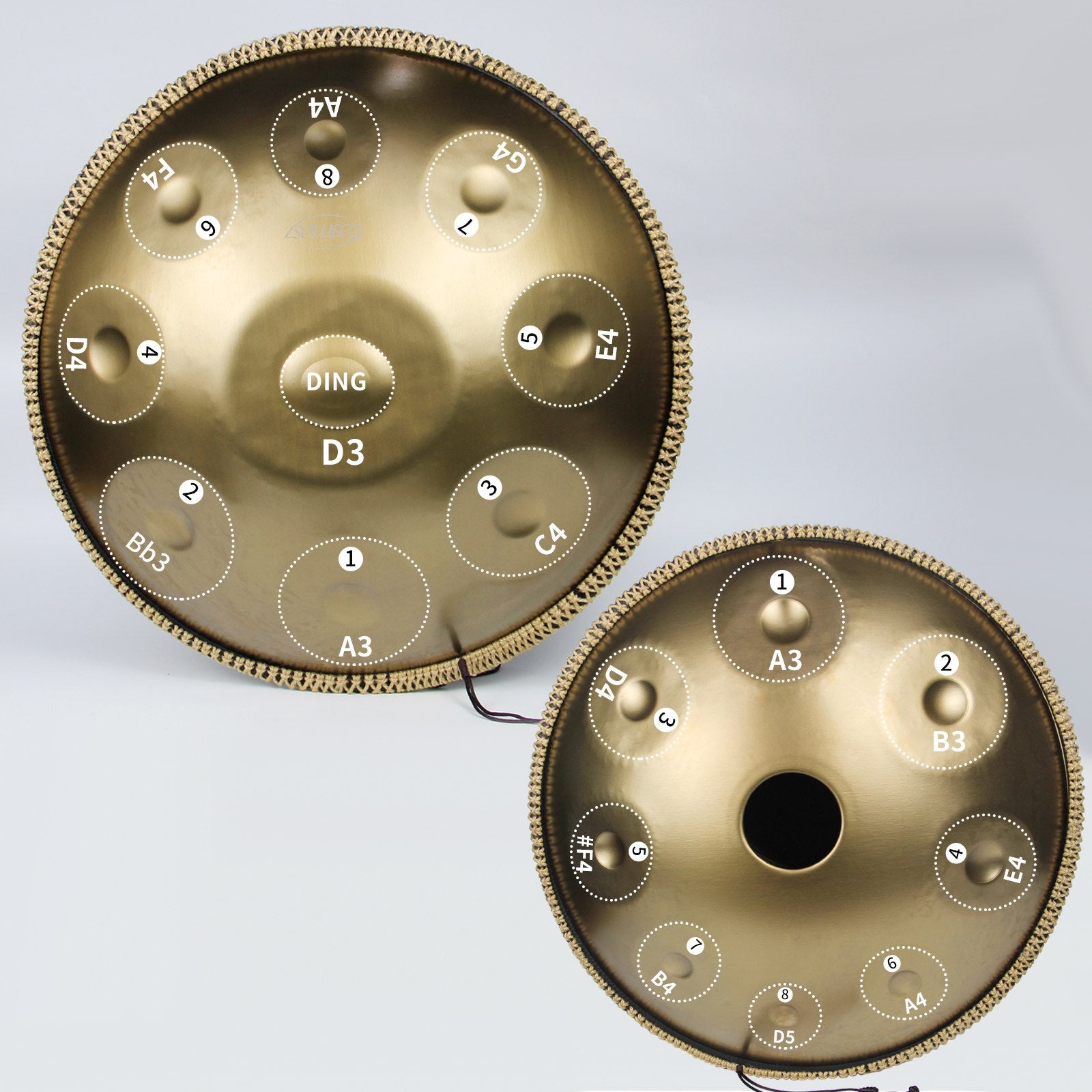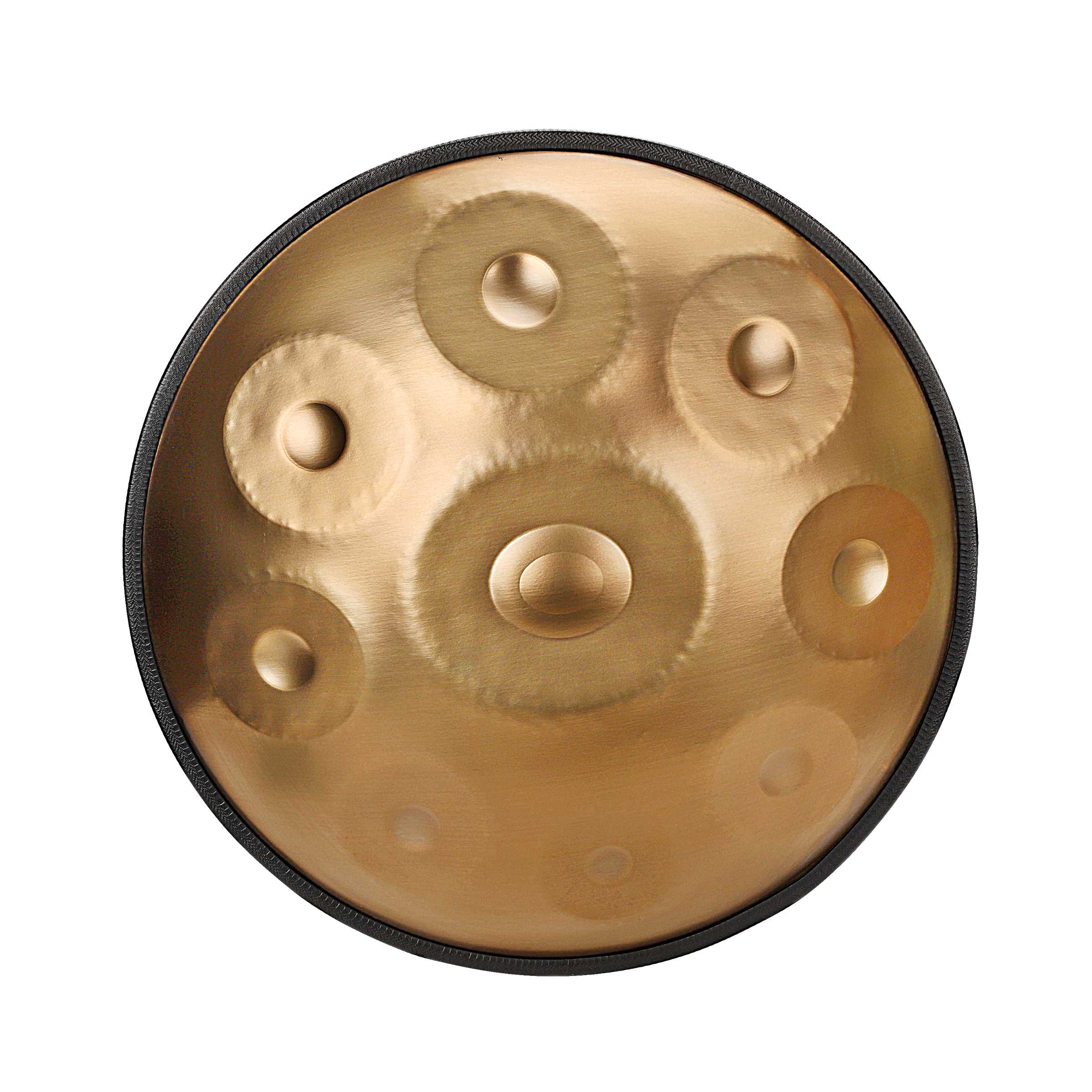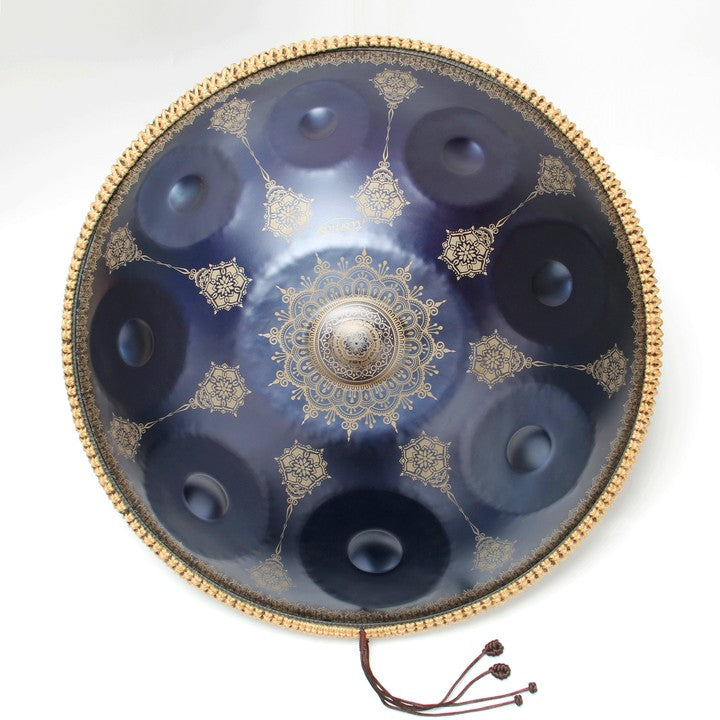

When exploring the world of melodic percussion, many people find themselves captivated by the ethereal, bell-like chimes of metallic instruments and ask: Are steel tongue drums good? In 2026, these instruments have evolved from niche meditation tools into versatile musical staples. Whether you are a professional musician looking for new textures or a beginner seeking a stress-relief outlet, the steel tongue drum offers a rare combination of accessibility and profound sonic beauty. This comprehensive guide examines the quality, therapeutic benefits, and technical nuances of steel tongue drums to help you decide if they are the right addition to your musical journey.

In This Article
Understanding the Steel Tongue Drum
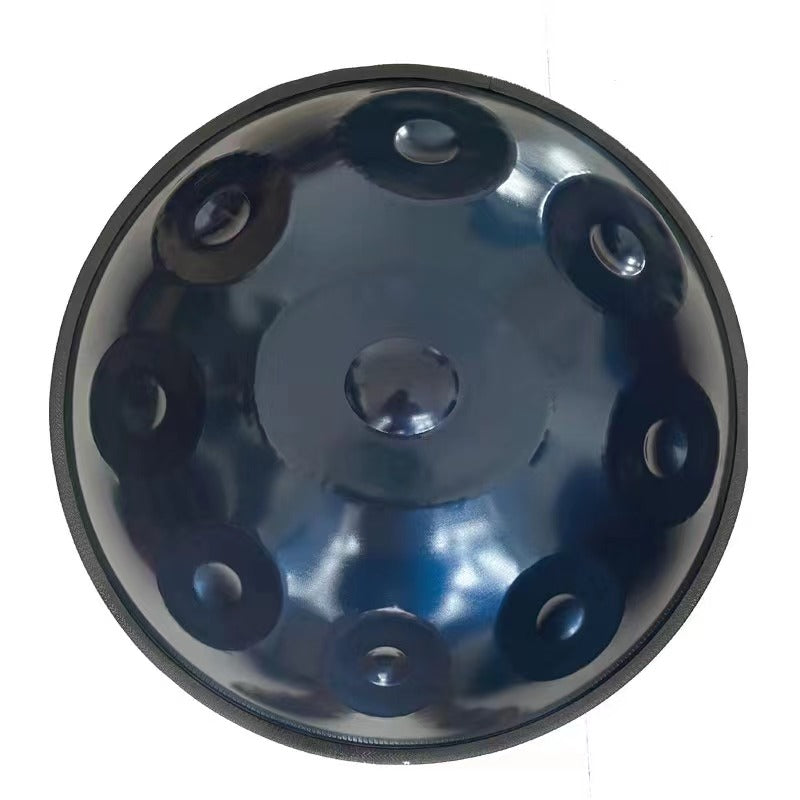
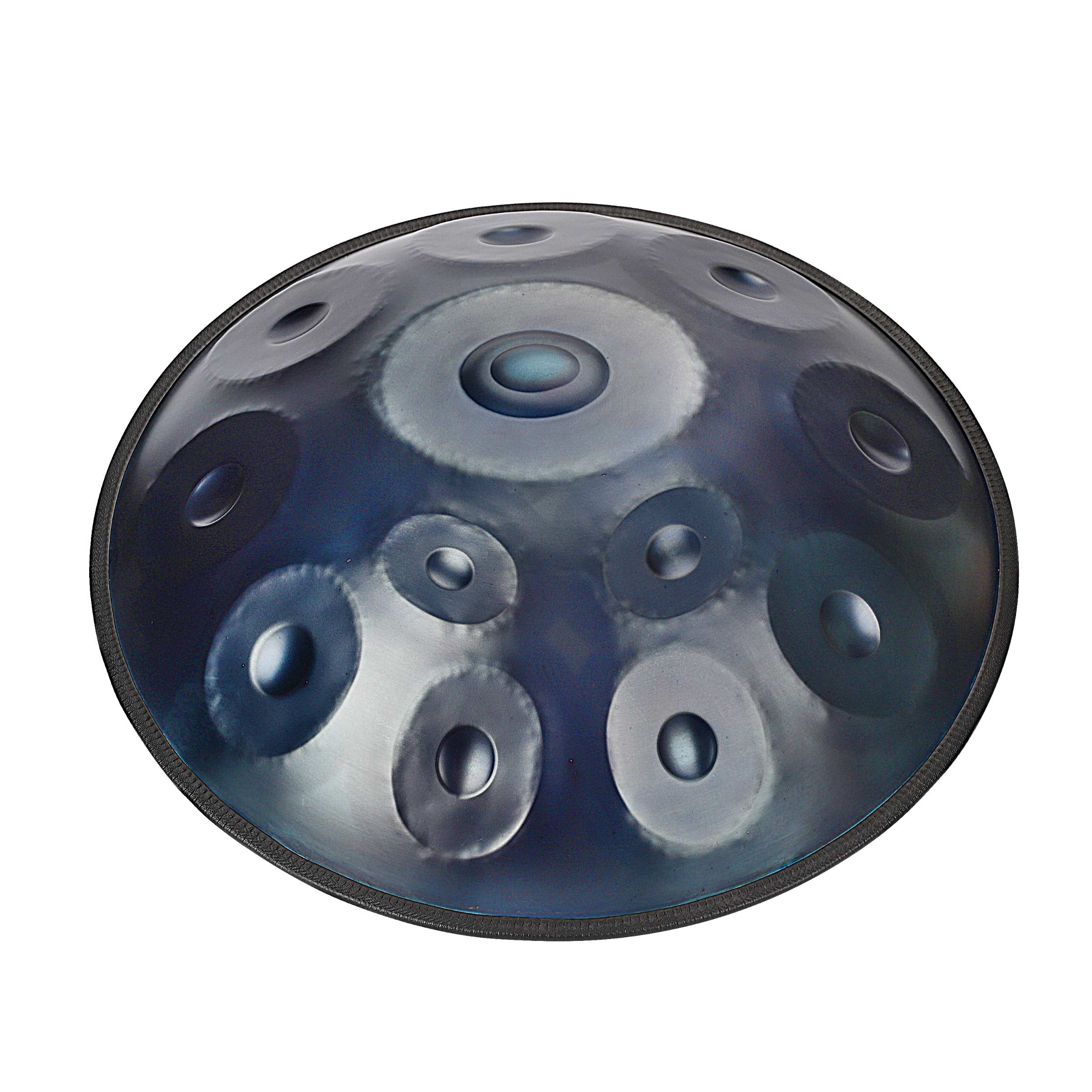
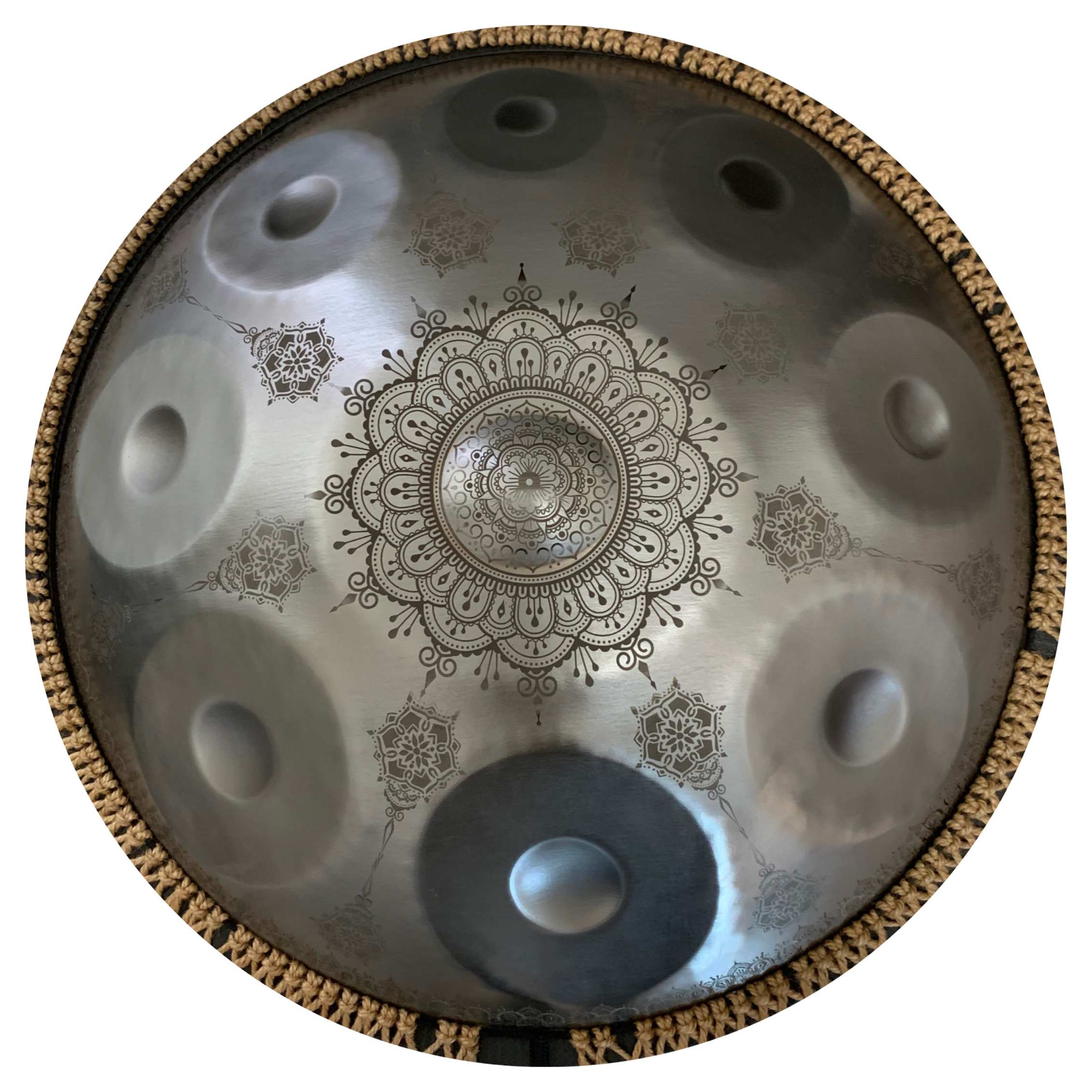
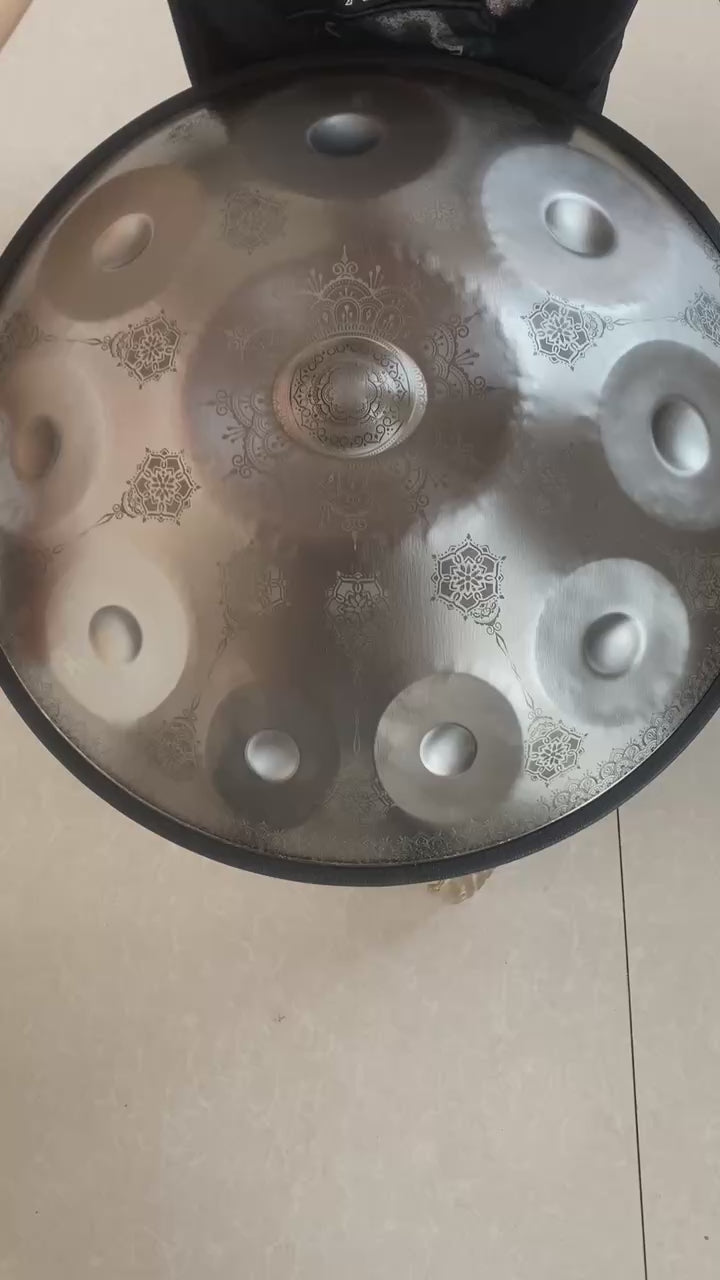
The steel tongue drum is a member of the idiophone family, meaning the instrument itself vibrates to create sound. Unlike a traditional drum that uses a stretched membrane, these drums utilize precision-cut tongues of steel. When struck with a mallet or finger, each tongue resonates within the hollow chamber of the drum, producing a pure, long-lasting note.
The beauty of steel tongue drums lies in their tuning. Most are tuned to a specific scale—often pentatonic—which means every note on the drum harmonizes with every other note. This makes it impossible to play a "wrong" note, making it an ideal instrument for intuitive play and improvisation.
Therapeutic and Musical Benefits
Are steel tongue drums good for your health? Scientific research into sound healing suggests they are. The frequencies produced by high-quality steel tongue drums are known to encourage a shift in brainwave activity from Beta (alert/anxious) to Alpha and Theta states, which are associated with deep relaxation and meditative flow.
Musically, they provide a unique percussive-melodic hybrid. They are excellent for layering in recording studios, providing a "spacey" or "cosmic" texture that sits perfectly in ambient, folk, and world music genres. For educators, they serve as a low-threshold entry point for students to learn about rhythm and melody without the steep learning curve of a violin or piano.
Cosmos Handpan: Commitment to Excellence

Cosmos Handpan commitment to excellence enriches your musical journey. We partner with well-known creators worldwide and ensure that every Cosmos Handpan and tongue drum creation speaks of its unparalleled quality and sonic brilliance. Before shipping, we inspect and test each instrument to guarantee an unmatched playing experience that inspires, captivates, and transports you to a realm of cosmic harmony.
Available Cosmos Tongue Drums
- 10 inches Tongue Drum: Compact and portable, ideal for travel and quick meditation sessions.
- 12 inches Tongue Drum: The versatile standard, offering a balanced resonance and clear sustain.
- 14 inches Tongue Drum: Larger diameter for deeper, more resonant bass tones and a wider range of notes.
Choosing Your Size: 10, 12, or 14 Inches
When selecting steel tongue drums, size is the most critical factor influencing the "voice" of the instrument. Smaller drums, like the 10-inch models, tend to have a higher pitch and a quicker decay. They are fantastic for melodic leads and are easy to pack for a hike or a trip to the beach.
The 12-inch and 14-inch models offer what many players consider the "signature" tongue drum sound. The larger the surface area, the more air volume there is inside the drum to vibrate. This results in deeper low-end frequencies and a sustain that can last for several seconds after the initial strike. For sound therapy or professional performance, a 14-inch drum provides the most immersive experience.
Handpans vs. Tongue Drums
While often confused, handpans and steel tongue drums are different instruments. Handpans are made by hammering steel into a specific shape and are played exclusively with the hands. They are known for their volume and percussive attack. Steel tongue drums are typically made from thicker steel, making them more durable and less sensitive to temperature changes. They also have a much longer reverberation time and are often played with mallets for maximum clarity.
Cosmos Handpan Selection
For those looking to move into the handpan realm, Cosmos offers a tiered range:
- 9 Notes Handpan: Perfect for focused, melodic exploration.
- 10 Notes Handpan: The balanced standard for modern players.
- 12 Notes Handpan: Expanded range for complex compositions.
- 17 Notes Handpan: The ultimate professional instrument.
- Handpan for beginners: Specially tuned for ease of play.
- Handpan drum instrument: General purpose high-quality options.
Care and Maintenance Tips
Are steel tongue drums good at lasting a lifetime? Yes, provided they are maintained. Most modern drums are powder-coated or treated with a protective finish, but the steel underneath is still susceptible to moisture. It is recommended to wipe your drum down with a microfiber cloth after each use to remove natural oils from your hands. Applying a light layer of specialized handpan oil or a neutral oil every few weeks will prevent rust and keep the finish looking vibrant.
Comparison Table
| Instrument Type | Notes/Size | Primary Use | Skill Level |
|---|---|---|---|
| Tongue Drum | 10 - 12 inches | Meditation / Travel | Beginner |
| Tongue Drum | 14 inches | Sound Healing / Performance | All Levels |
| Handpan | 9 - 10 Notes | Melodic Improvisation | Beginner / Intermediate |
| Handpan | 12 - 17 Notes | Professional Composition | Advanced |
Frequently Asked Questions
Do I need to be a musician to play a steel tongue drum? No. Because most steel tongue drums are tuned to pentatonic scales, any combination of notes you play will sound pleasing. This makes it a popular choice for non-musicians seeking a creative outlet.
Should I play with my hands or mallets? Mallets provide a louder, clearer, and more consistent tone, making them great for beginners. Playing with hands requires more technique but allows for more expressive, percussive control. Most Cosmos instruments include both options.
Does the drum ever go out of tune? Steel tongue drums are incredibly stable. Unlike stringed instruments, they rarely go out of tune unless the steel is subjected to extreme physical trauma or severe temperature fluctuations.