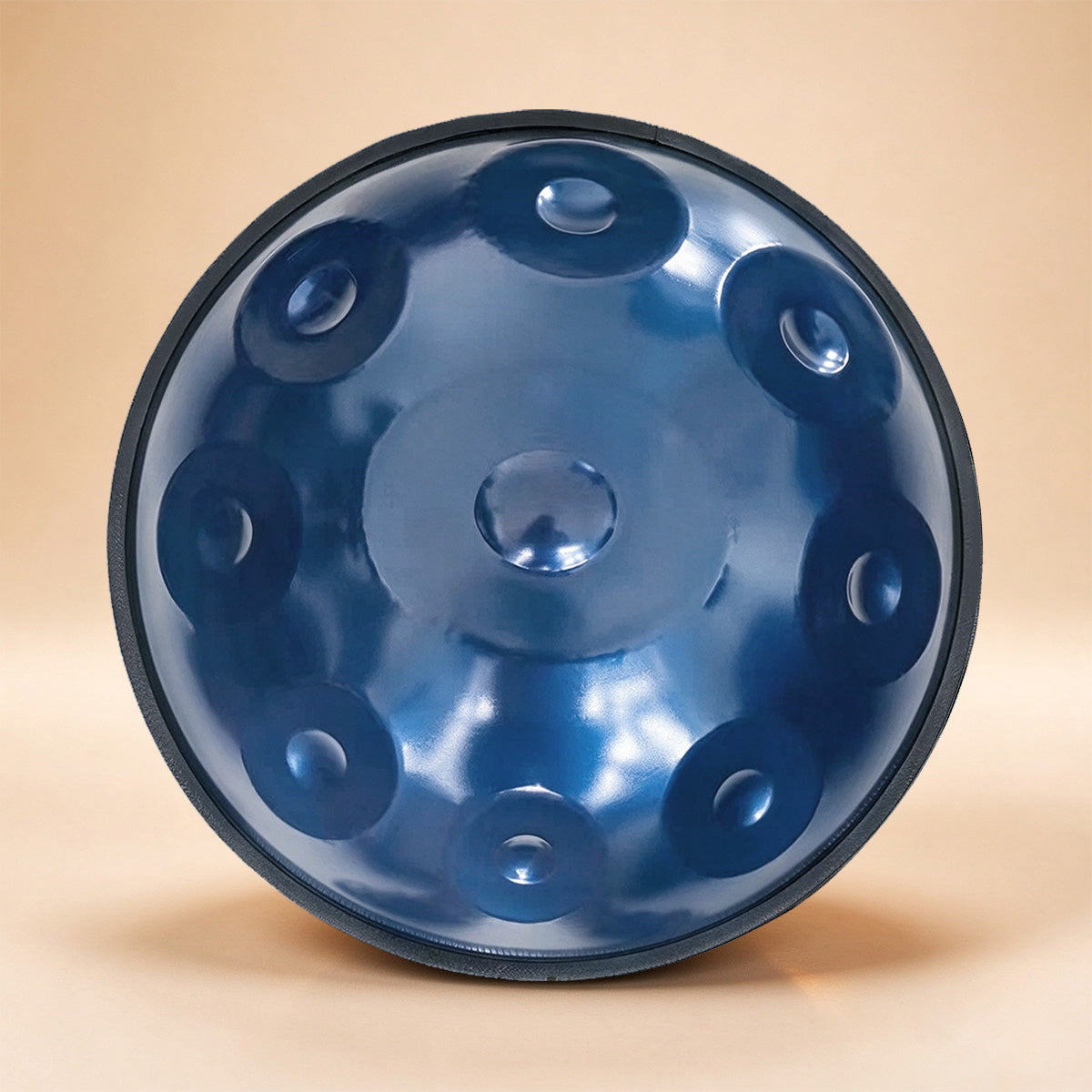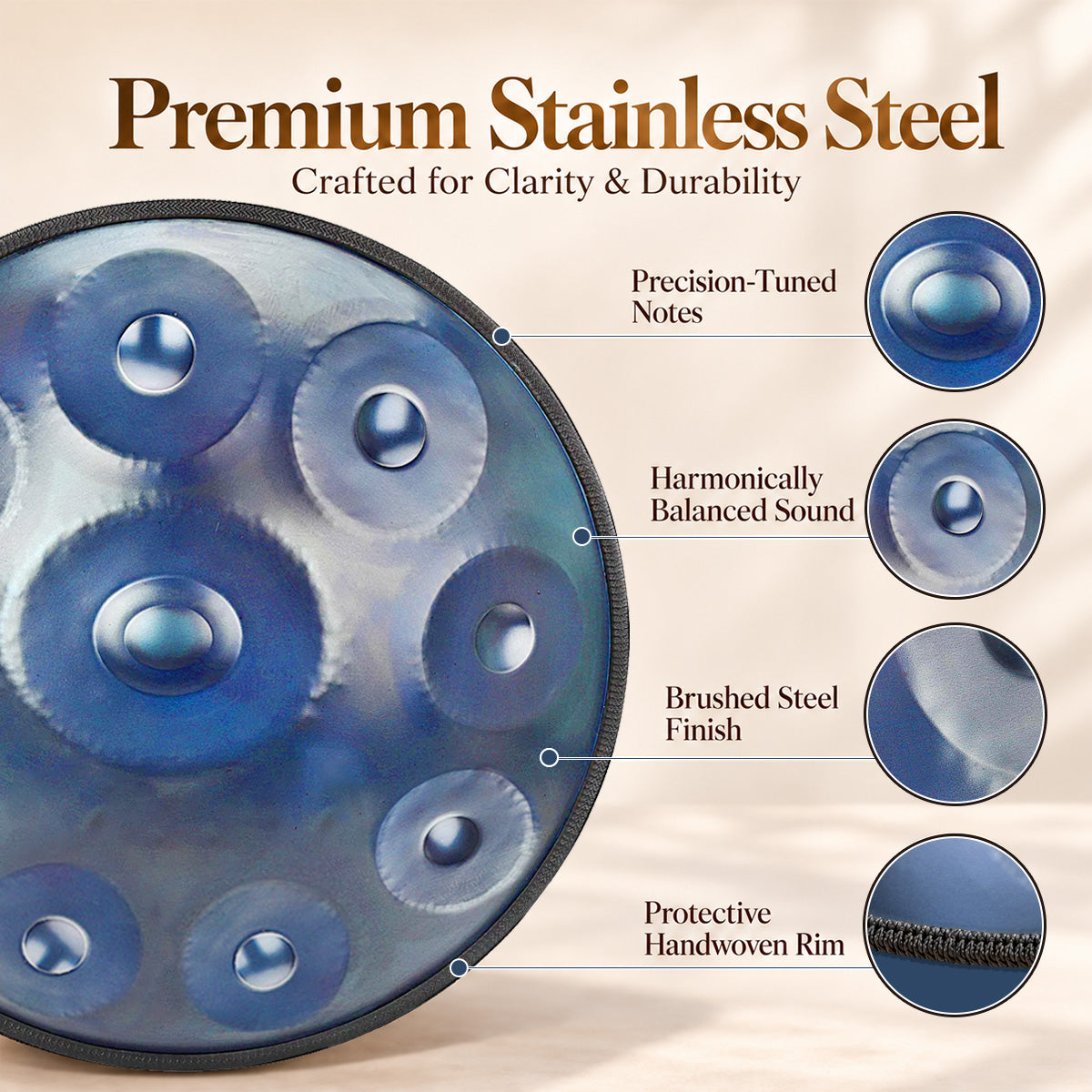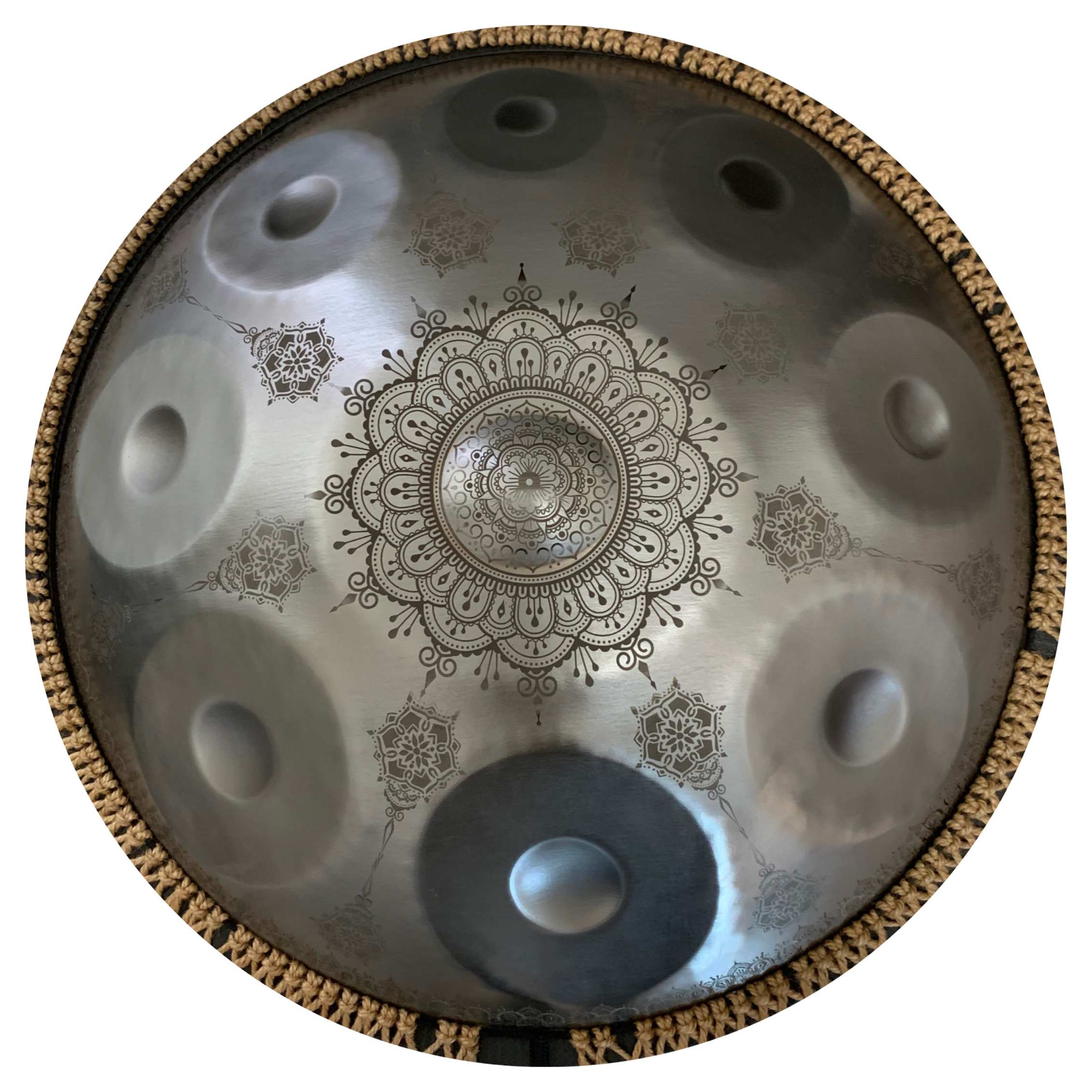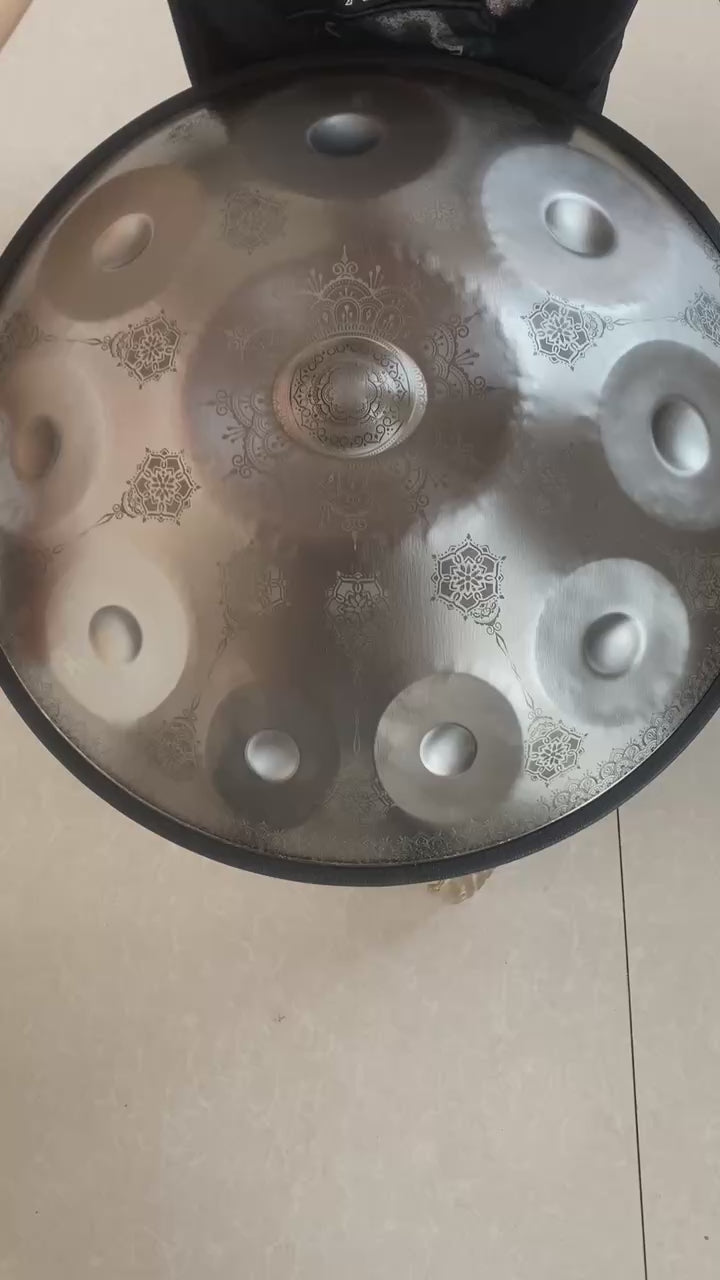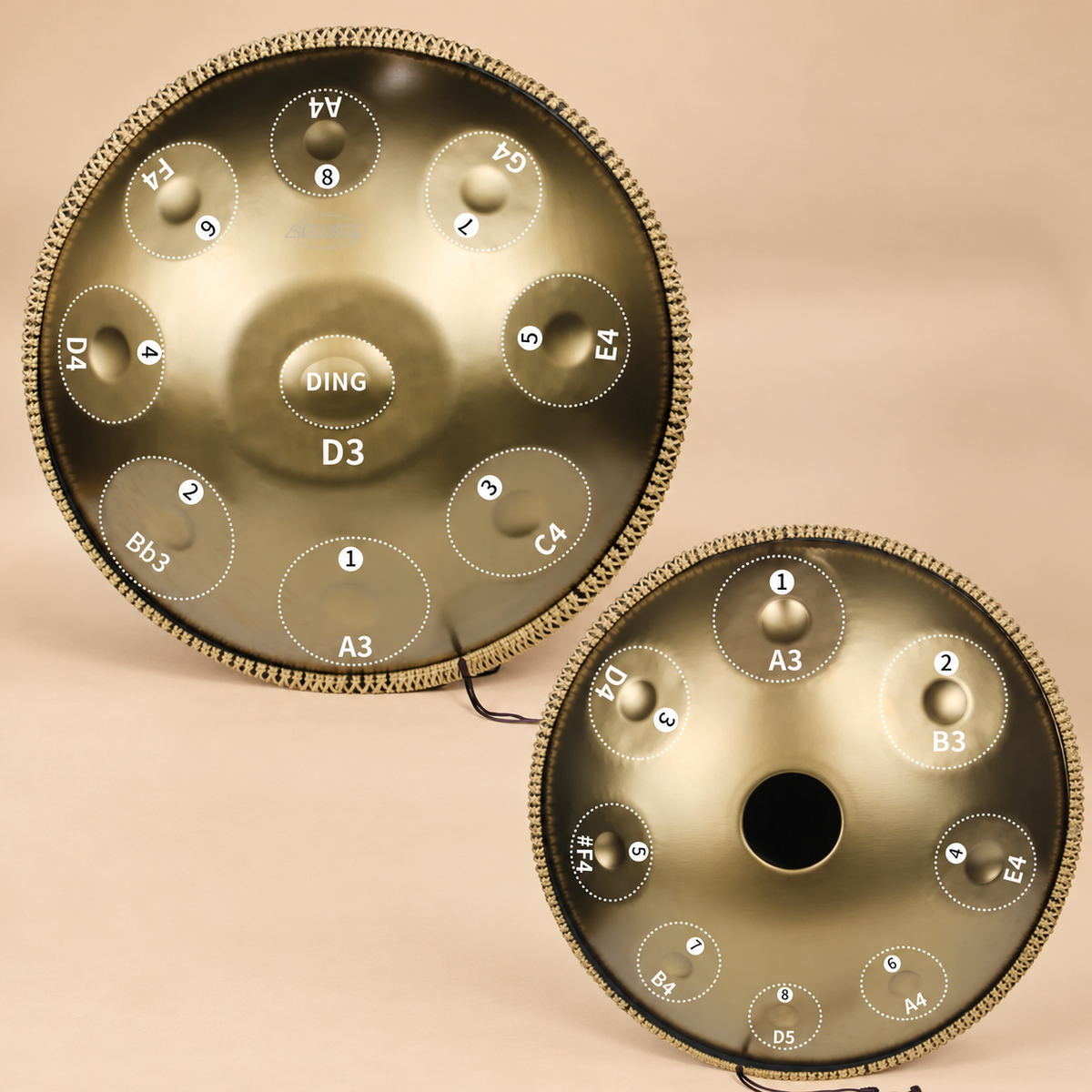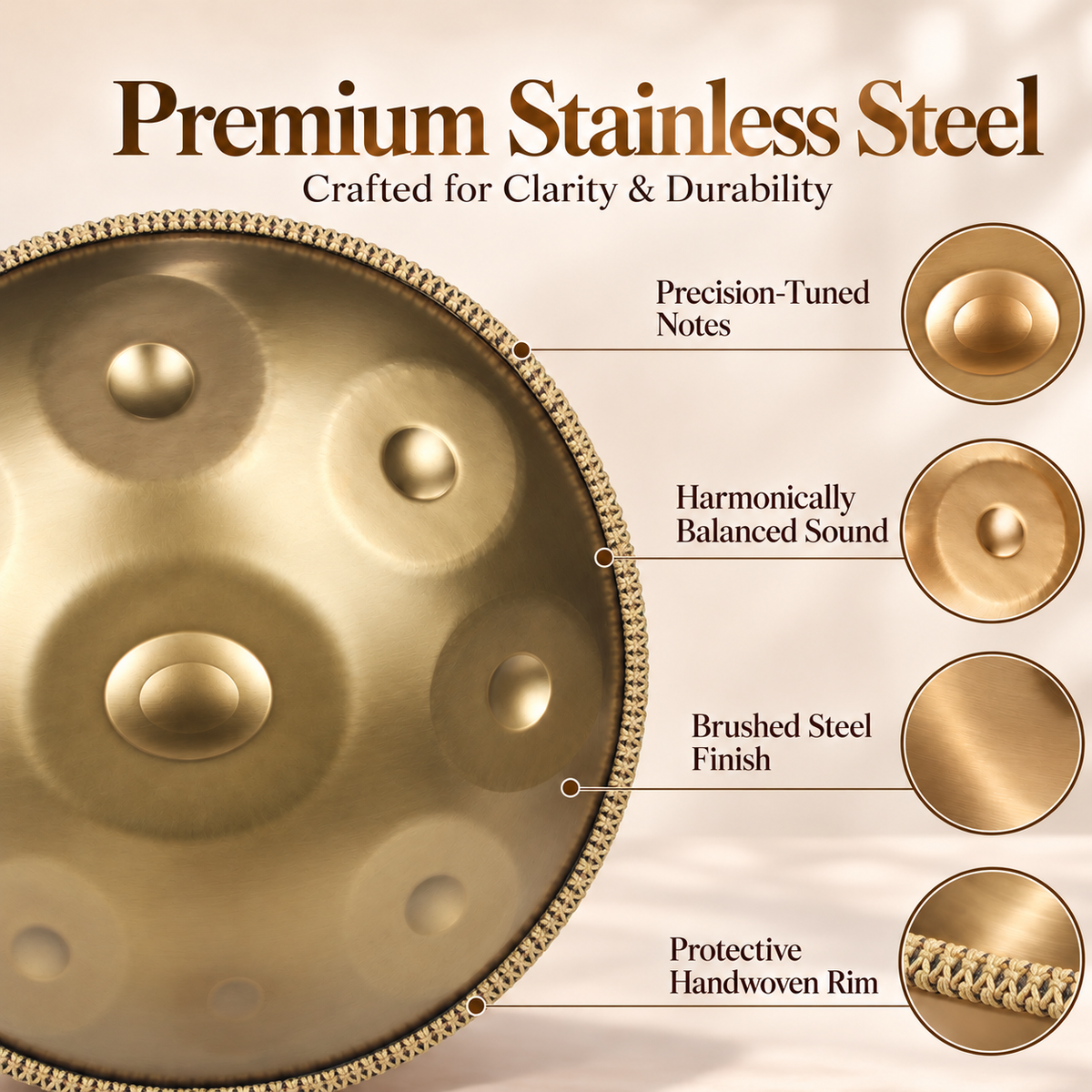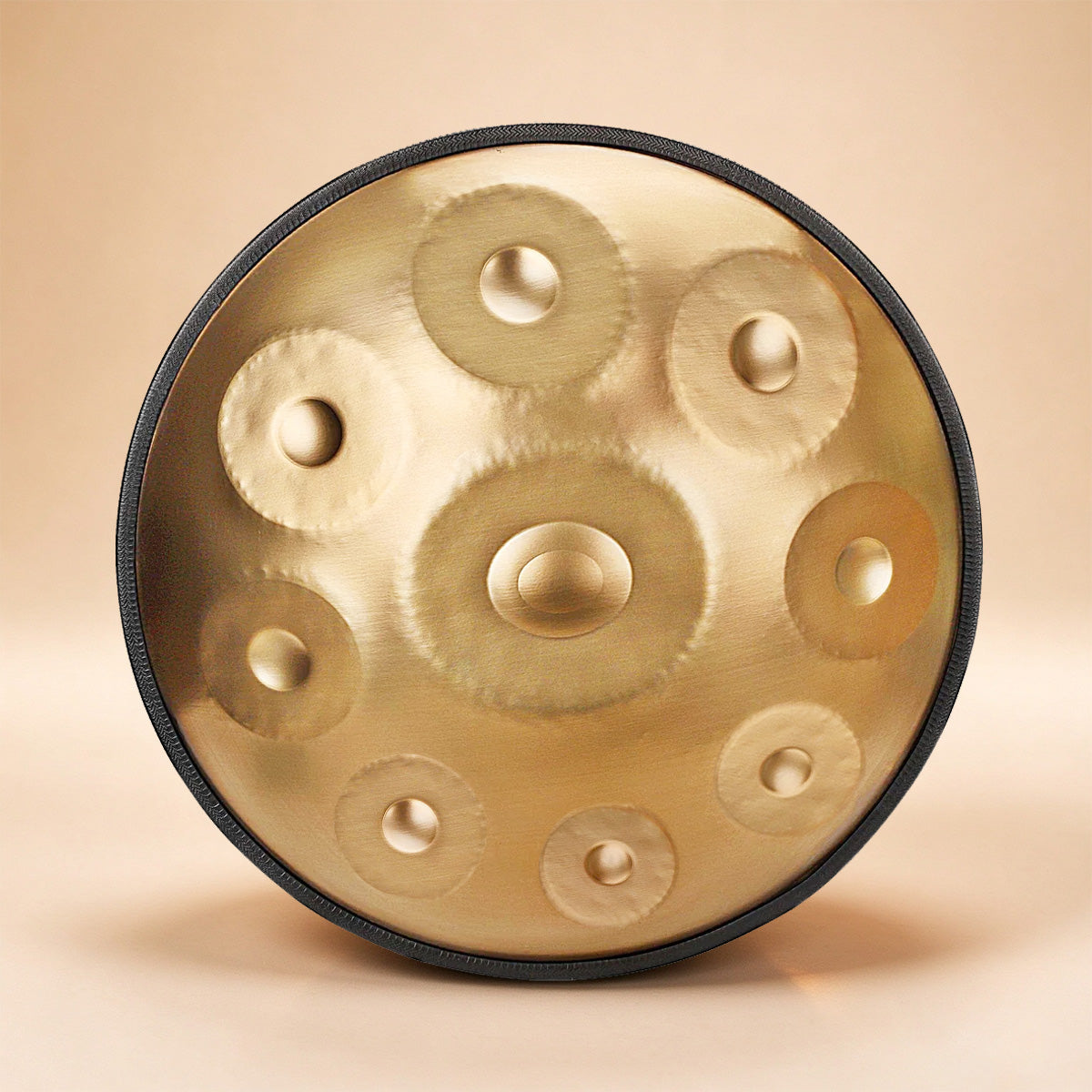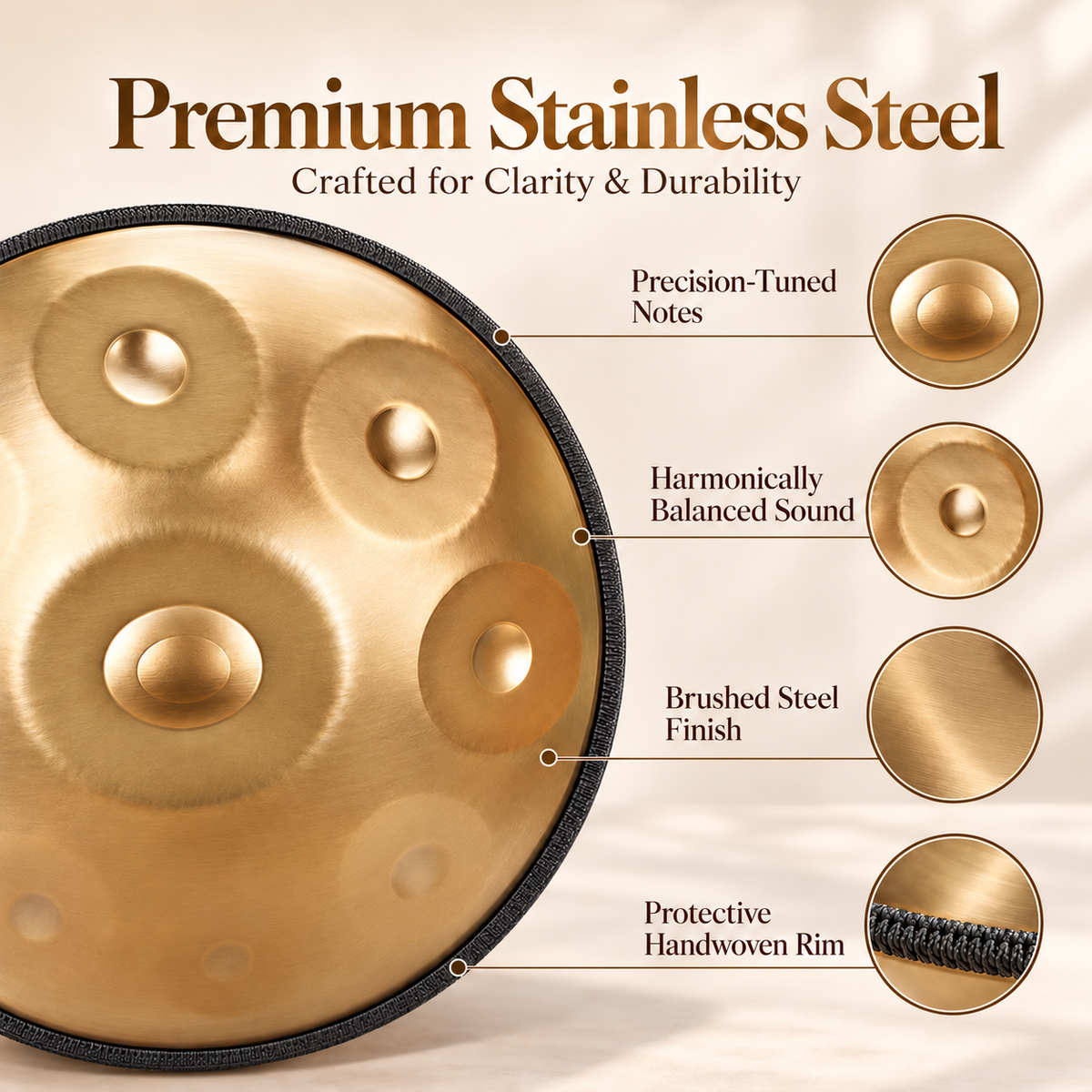
When stepping into the world of ethereal percussion, one of the first and most vital decisions a musician faces is the choice of material. Among the options, the nitrided steel handpan stands out as the traditional gold standard. Known for its earthy, ceramic-like tone and exceptional response to fast, rhythmic playing, nitrided steel has been the foundation of the handpan movement since the instrument's inception. This comprehensive guide dives deep into the science, sound, and soul of nitrided steel handpans, helping you understand why this material remains a favorite for both buskers and professional recording artists alike.

Table of Contents
- 1. Understanding Nitrided Steel Handpans
- 2. The Story of Cosmos Handpans
- 3. The Science of Nitriding: Why It Matters
- 4. The Sonic Signature: Why Musicians Choose Nitride
- 5. Care and Maintenance for Longevity
- 6. Nitrided vs. Stainless Steel Comparison
- 7. Handpan for Beginners: Is Nitride Right for You?
- 8. Frequently Asked Questions (FAQs)
- 9. References and Standards
1. Understanding Nitrided Steel Handpans
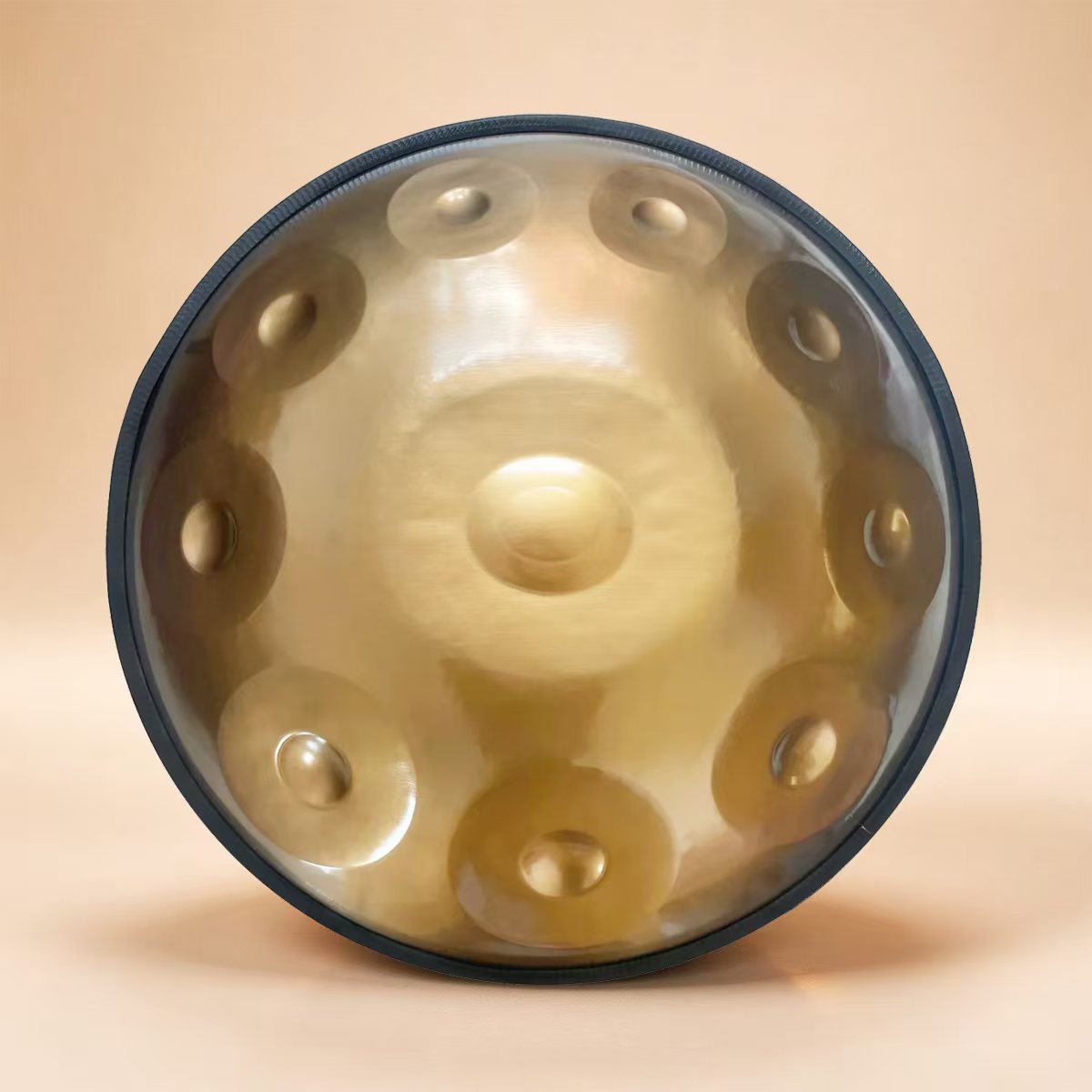
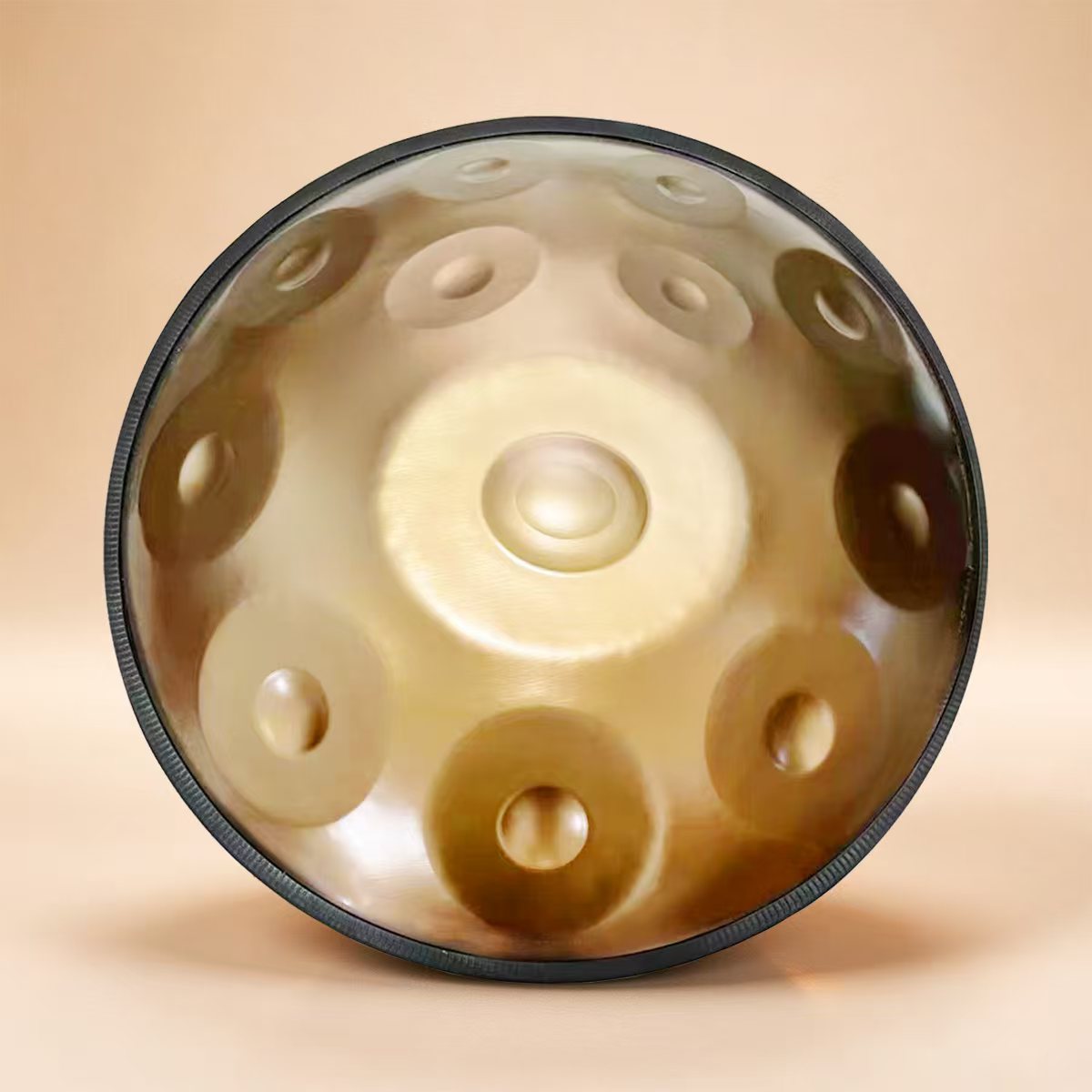
At its core, a nitrided steel handpan is an instrument made from low-carbon steel that has undergone a specialized industrial heat-treatment process known as gas nitriding. This process diffuses nitrogen into the surface of the metal, creating a hardened outer layer. Historically, this was the original material used by PANArt for the creation of the first Hang in 2001.
The result of this treatment is a metal that is physically harder and more resistant to rust than raw steel. For the musician, this translates into an instrument with a "tight" sound—one where the notes have a clear beginning and end, allowing for intricate percussive patterns without the overtones becoming "muddy."
2. The Story of Cosmos Handpans
In the heart of Colorado, USA, Cosmos Handpan shines as a guiding light of musical innovation and soulful resonance. We have more than a decade of expertise in creating handpans and tongue drums. Passion, precision, and an unwavering pursuit of musical excellence steep our musical journey.
Cosmos’ story begins with a shared love for music and a profound desire to create instruments that transcend sound. Our instruments and melody resonate deeply with the spirit of every musician. Our crafters pour their heart into each handpan and tongue drum with intricate workmanship and dedication. Our artisans infuse each instrument with ethereal melodies that stir the senses and uplift the spirit.
Explore Our Professional Range

Cosmos Handpan commitment to excellence enriches your musical journey. We partner with well-known creators worldwide and ensure that every Cosmos Handpan and tongue drum creation speaks of its unparalleled quality and sonic brilliance. Before shipping, we inspect and test each instrument to guarantee an unmatched playing experience that inspires, captivates, and transports you to a realm of cosmic harmony.
- 9 Notes Handpan: Perfect for focused, melodic exploration.
- 10 Notes Handpan: The balanced standard for modern players.
- 12 Notes Handpan: Expanded range for complex compositions.
- 17 Notes Handpan: The ultimate professional instrument.
- Handpan for beginners: Specially tuned for ease of play.
- Handpan drum instrument: General purpose high-quality options.
3. The Science of Nitriding: Why It Matters
Nitriding is not a coating like paint or chrome; it is a thermochemical transformation of the steel's surface. The shells are placed in a nitrogen-rich environment and heated to temperatures between 500°C and 550°C. This allows nitrogen atoms to penetrate the steel, forming a "nitrided case."
Surface Hardness and Tuning Stability
The increased hardness of the nitrided steel handpan surface makes the tone fields more stable. Once tuned, these instruments tend to hold their pitch exceptionally well under varied playing conditions. This stiffness is what gives the nitride its signature "ceramic" tap—a dry, crisp sound when struck with the fingers.
Corrosion Resistance
While not completely rust-proof like stainless steel, a nitrided steel handpan is significantly more durable than raw carbon steel. The nitriding process creates a barrier that slows down oxidation. This makes it an excellent choice for outdoor performance, provided the player follows a regular oiling schedule.
4. The Sonic Signature: Why Musicians Choose Nitride
When discussing the sound of a nitrided steel handpan, the words most frequently used are "clear," "controlled," and "percussive." Unlike stainless steel, which can have a sustain lasting up to 10 seconds, nitride typically has a shorter sustain of 3 to 5 seconds.
This shorter decay is actually a massive benefit for many players. It allows the musician to play fast, rhythmic sequences where each individual note remains distinct. If you are a fan of traditional "world music" styles or like to play at high tempos, the nitrided steel handpan provides the clarity you need. It also produces amplified high frequencies, which help the sound carry across large distances, making it the preferred choice for busking and outdoor festivals.
5. Care and Maintenance for Longevity
Because nitrided steel is still a ferrous (iron-based) material, it requires a bit of love to keep it in peak condition. Every time you play, the salts and oils from your fingers are deposited onto the metal. If left uncleaned, these can eat through the nitrided layer over time.
The Cleaning Routine
After every playing session, wipe the instrument down with a microfiber cloth. Every one to two weeks, use high-percentage isopropyl alcohol to deep-clean the surface, removing any buildup of grease or dirt.
Oiling Your Instrument
Once cleaned, apply a specialized handpan oil. For a nitrided steel handpan, vegetable-based oils like grapeseed or professional mixtures like Phoenix Oil or Froglube work wonders. These oils create a protective patina that seals the metal against moisture. This is especially critical if you live in a humid climate or near the ocean.
6. Nitrided vs. Stainless Steel Comparison
| Feature | Nitrided Steel Handpan | Stainless Steel Handpan |
|---|---|---|
| Sustain | Short to Medium (3-5s) | Long and Dreamy (8-12s) |
| Tone | Earthy, Ceramic, Crisp | Bright, Hypnotic, Warm |
| Best For | Fast, Rhythmic Percussion | Slow, Meditative Chords |
| Rust Resistance | Good (Needs regular oil) | Excellent (Minimal oil) |
| Outdoor Play | Excellent Projection | Sensitive to Direct Sun |
7. Handpan for Beginners: Is Nitride Right for You?
For someone looking for their first handpan for beginners, nitrided steel is often the most recommended starting point. Its stability means it is harder to accidentally "overplay" or detune with a heavy hand. Furthermore, because the notes don't bleed into each other as much as stainless steel, it is easier for a beginner to hear their own mistakes and refine their technique.
When selecting your first nitrided steel handpan, focus on the number of notes. A 9 or 10-note scale (such as D Minor or Celtic Minor) offers plenty of room for exploration without becoming overwhelming. The tactile feedback of the nitrided surface also helps new players develop the "touch" required to make the metal sing.
8. Frequently Asked Questions (FAQs)
Common Questions About Nitrided Handpans
Does nitrided steel sound better than stainless? It is not a matter of "better," but "different." If you want a dry, percussive sound, nitride is superior. If you want a long, ambient sustain, stainless is better.
How often do I need to tune a nitrided steel handpan?
With moderate playing, a high-quality nitrided instrument from a maker like Cosmos Handpan can stay in tune for 2 to 4 years. Heavy or aggressive playing may require a touch-up sooner.
Can I play my nitrided handpan at the beach?
It is possible, but not recommended. The salt air is highly corrosive. If you do play near the ocean, you must clean and oil the instrument immediately afterward.
Why is my handpan changing color?
Nitrided steel often develops a unique patina over time. This is a natural result of the oil reacting with the metal and the air. It does not affect the sound and is often seen as a sign of a well-loved instrument.