The sheer acoustic power of a marching band is a marvel of musical engineering. Combining intricate choreography with booming resonance, these ensembles create an atmosphere that cannot be replicated in a concert hall. Understanding the sonic architecture of these groups requires a deep dive into the most common marching band instruments. As acoustic specialists at Cosmos Handpan, we spend our lives analyzing resonance, overtone structures, and projection. From our experience, the way traditional wind and percussion instruments blend on a football field or parade route shares fundamental acoustic principles with the tuned steel instruments we craft today.

Whether you are a budding musician preparing for band camp, a composer looking to arrange for outdoor ensembles, or simply an enthusiast of the marching arts, knowing the most common marching band instruments is essential. In this comprehensive guide, we will break down the brass, woodwind, and percussion sections, detailing the 10 most common marching band instruments. Furthermore, we will explore how modern front ensembles (the pit) are evolving by integrating unique melodic percussion, including the versatile handpan.
Table of Contents
- 1. The Brass Section: Power and Projection
- 2. The Woodwind Section: Agility and Color
- 3. The Percussion Section: The Heartbeat of the Band
- 4. The Front Ensemble: Melodic Percussion and Innovation
- 5. Summary Table: The Most Common Marching Band Instruments
- 6. Frequently Asked Questions (FAQs)
- 7. References
1. The Brass Section: Power and Projection
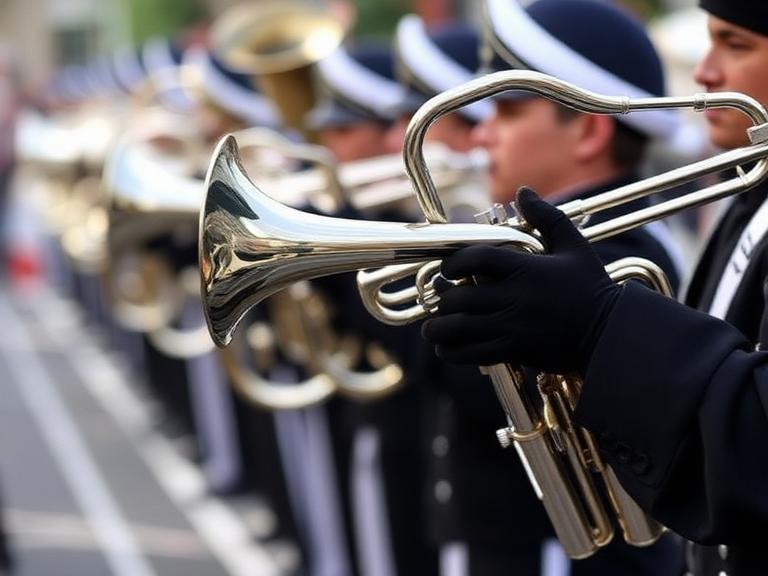
The brass section provides the volume and the dramatic dynamic range required for outdoor performances. Because sound dissipates rapidly in open-air environments, the directional nature of brass bells is crucial. Among the most common marching band instruments, the brass family serves as the primary melodic and harmonic driving force.
1.1 Trumpet

The trumpet is undeniably one of the most common marching band instruments. Occupying the soprano voice of the brass family, trumpets typically carry the main melody and soaring counter-melodies. Their bright, piercing tone cuts through the dense acoustic layers of the rest of the band. From our experience evaluating acoustic projection, the cylindrical bore of the trumpet is what allows its high frequencies to travel so effectively across a football field. It requires immense breath support and embouchure strength to play accurately while marching.
1.2 Trombone
The trombone brings a unique visual and auditory element to the field. Recognized easily by its telescopic slide, the trombone sits in the tenor range. It provides rich harmonic support and aggressive, driving basslines when required. Because of the physical space required to operate the slide, trombone players must maintain exceptional spatial awareness within drill formations. As one of the most common marching band instruments, its ability to perform glissandos (sliding smoothly from one note to another) adds a dramatic flair to musical arrangements.
1.3 Mellophone
While concert bands use French horns, marching bands rely on the mellophone. The mellophone is essentially a forward-facing brass instrument pitched in F or E-flat. A traditional French horn bell faces backward, which is disastrous for outdoor projection. The mellophone solves this issue, projecting the crucial alto voice directly toward the audience. It bridges the sonic gap between the high trumpets and the low brass. We recommend paying close attention to the mellophone section in any performance, as they often handle complex, sweeping counter-melodies.
1.4 Sousaphone
No list of the most common marching band instruments is complete without the sousaphone. Serving as the foundation of the ensemble, this wearable tuba wraps around the musician's body, resting on the left shoulder with its massive bell pointing forward. Invented at the request of John Philip Sousa, the sousaphone delivers deep, resonant bass frequencies that act as the harmonic anchor for the entire group. Much like the fundamental tone of a carefully tuned handpan, the sousaphone provides the acoustic floor upon which all other notes are built.
2. The Woodwind Section: Agility and Color
While brass instruments provide raw volume, woodwinds offer agility, rapid technical runs, and a softening textural color. Though drum and bugle corps traditionally exclude them, woodwinds are a vital component of high school and university ensembles, firmly holding their place among the most common marching band instruments.
2.1 Flute and Piccolo
The flute and its smaller sibling, the piccolo, operate in the highest registers of the band. The piccolo, in particular, is capable of piercing through the loudest brass impacts. These instruments are played horizontally and require a significant amount of air velocity. They are frequently utilized for rapid trills, technical flourishes, and floating lyrical melodies during softer, more exposed musical moments.
2.2 Clarinet
The B-flat clarinet offers a wide range of notes and dynamic control. While a single clarinet might struggle to be heard outdoors, a large section of them creates a thick, reedy texture that enriches the mid-to-high frequency spectrum. Clarinets are known for their technical agility, executing fast arpeggios and scale runs that add kinetic energy to the musical arrangement. They remain one of the most common marching band instruments in traditional parade bands.
2.3 Alto and Tenor Saxophone
Saxophones bridge the gap between woodwinds and brass. Constructed of brass but played with a single-reed mouthpiece, they offer a powerful, slightly edgy tone. The alto saxophone typically handles counter-melodies and doubles the mellophone parts, while the tenor saxophone reinforces the trombone and lower harmony lines. Their versatility and volume potential solidify their status as some of the most common marching band instruments on the field today.
3. The Percussion Section: The Heartbeat of the Band
The battery, or drumline, is the rhythmic engine of the marching band. They dictate the tempo, coordinate the footfalls of the marchers, and provide explosive percussive impacts. The battery consists exclusively of instruments that are worn and played on the field.
3.1 Marching Snare Drum
The marching snare drum is tuned incredibly high, often utilizing Kevlar heads to withstand massive tension. This results in a sharp, dry crack that provides rhythmic clarity across vast distances. The snare line plays the most rhythmically complex parts, featuring intricate rudiments, rolls, and rim shots. It is undisputedly one of the most common marching band instruments and serves as the metronome for the rest of the ensemble.
3.2 Tenor Drums (Quads/Quints)
Tenor drums consist of a set of four, five, or sometimes six interconnected drums of varying sizes, worn by a single player. They bring melodic percussion to the battery. Tenor players must possess incredible physical endurance and lateral agility, sweeping their mallets across the different drums to create fast, tonal rhythmic phrases. They add depth and color to the otherwise non-pitched snare and bass drum sounds.
3.3 Marching Bass Drum
Marching bass drums are unique because they are played in a tonal line. A typical drumline will feature five or more bass drums, each sized and tuned to a different pitch. Instead of all playing at once, the players perform linear, split parts—where a fast rhythmic run travels down the line from the highest drum to the lowest. This creates a cascading melodic effect while also providing the heavy low-end impacts needed to drive the music forward.
4. The Front Ensemble: Melodic Percussion and Innovation
Stationed at the front sideline of the field is the front ensemble, or the pit. Because these instruments are too large or heavy to march with, they remain stationary. The pit traditionally includes marimbas, vibraphones, xylophones, timpani, and synthesizers. However, modern arrangers are constantly searching for new, exotic timbres to elevate their shows.
4.1 Integrating the Cosmos Handpan into the Pit
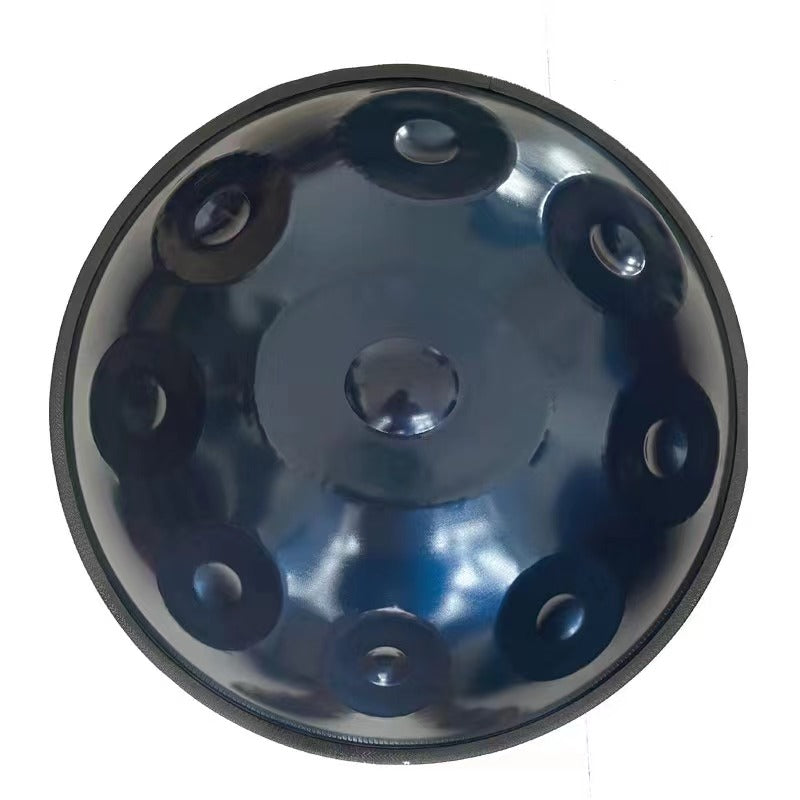
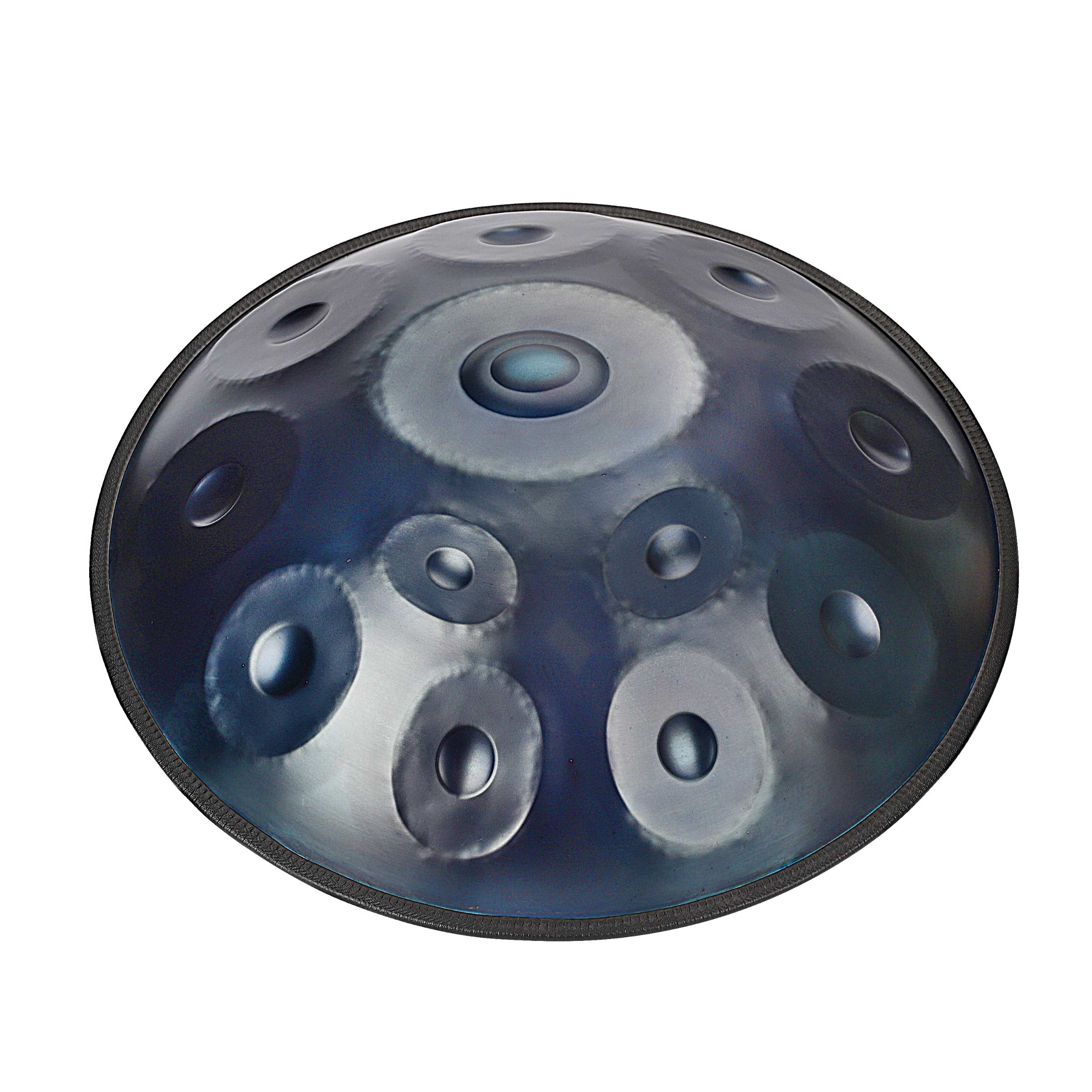
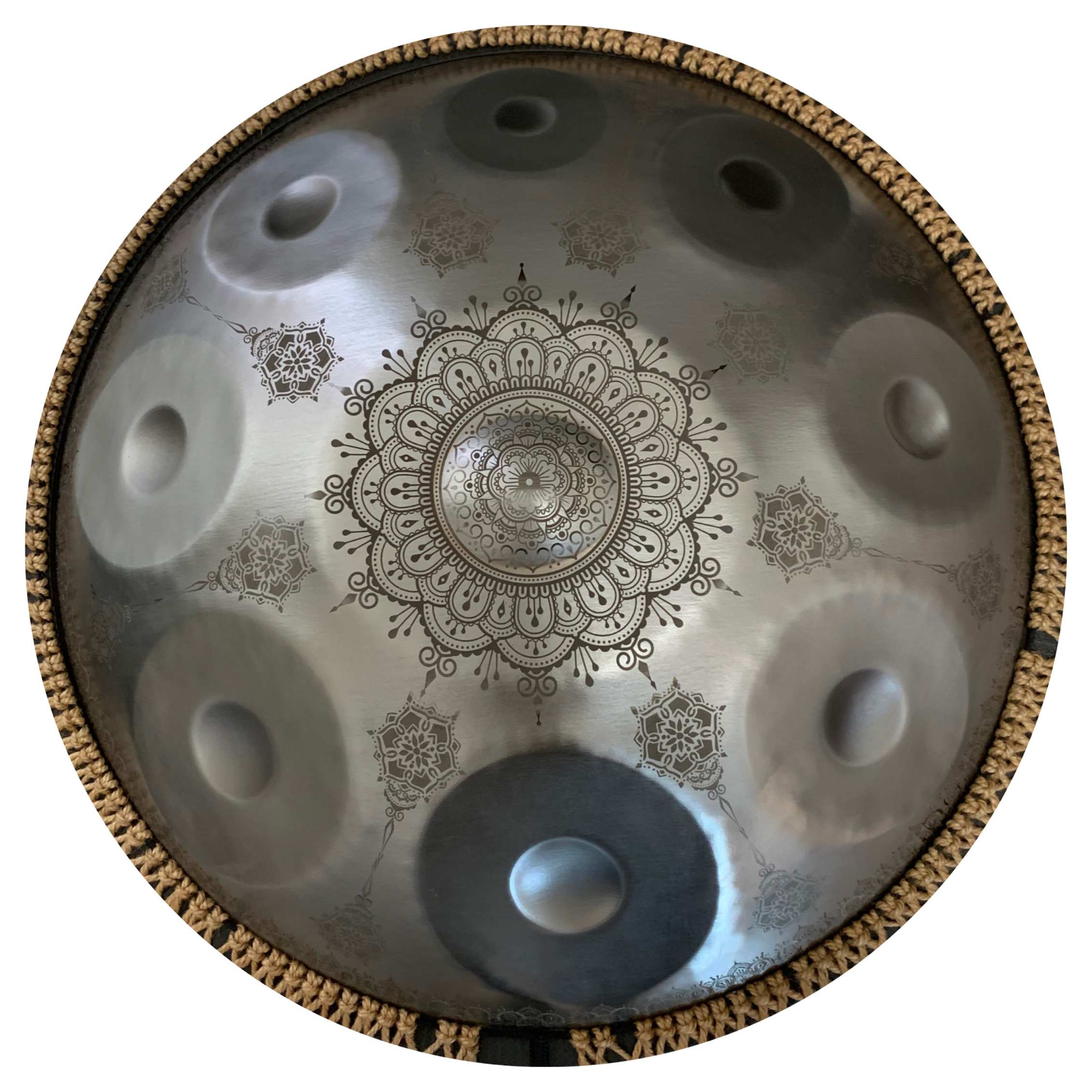
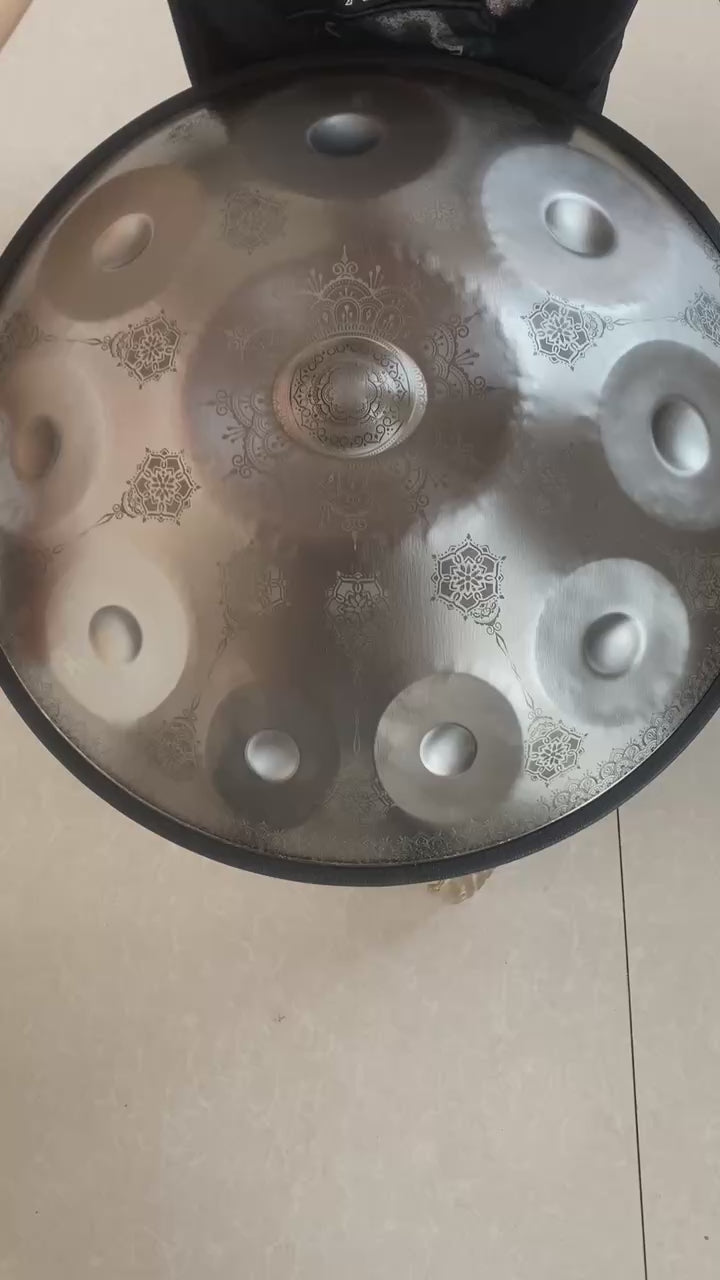
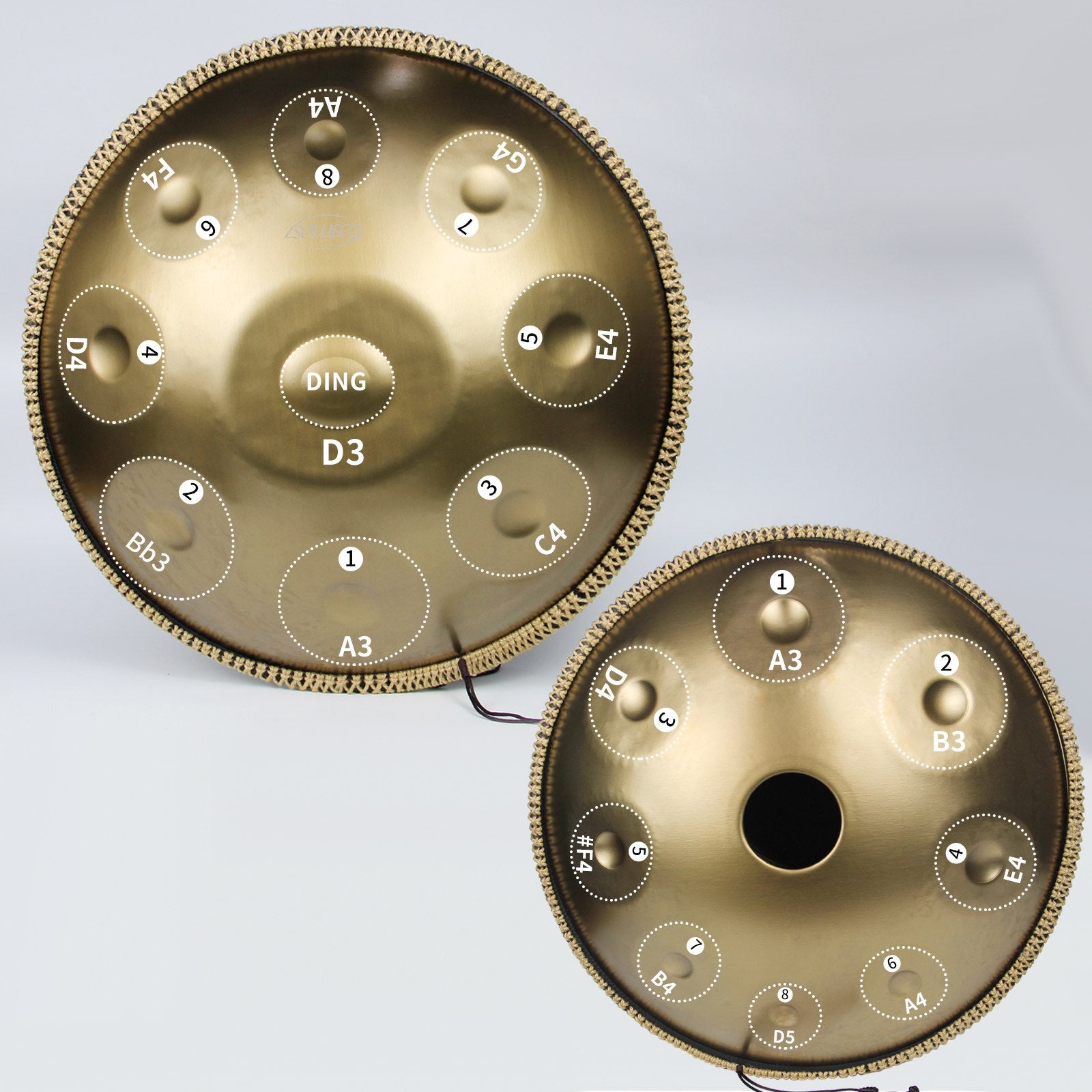
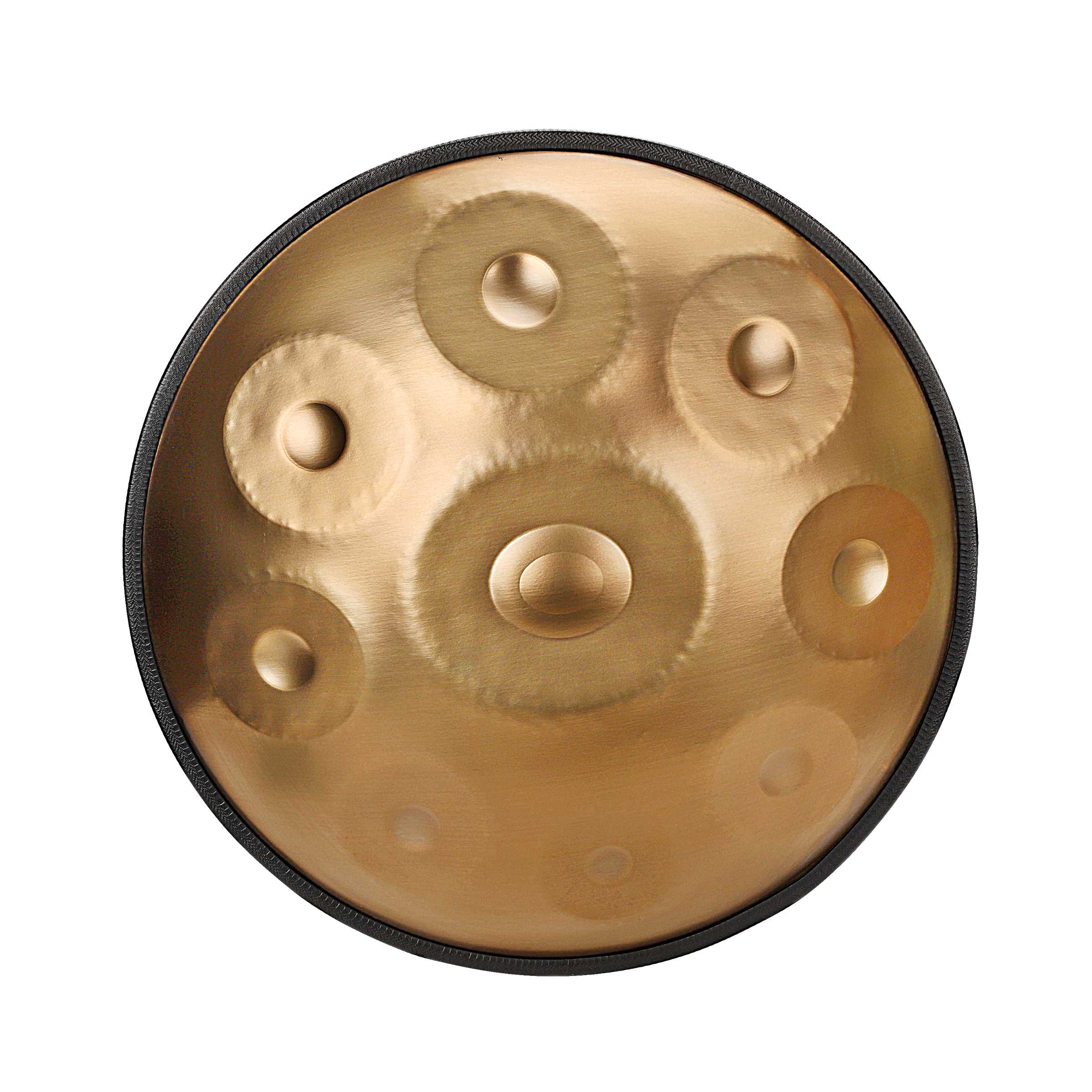
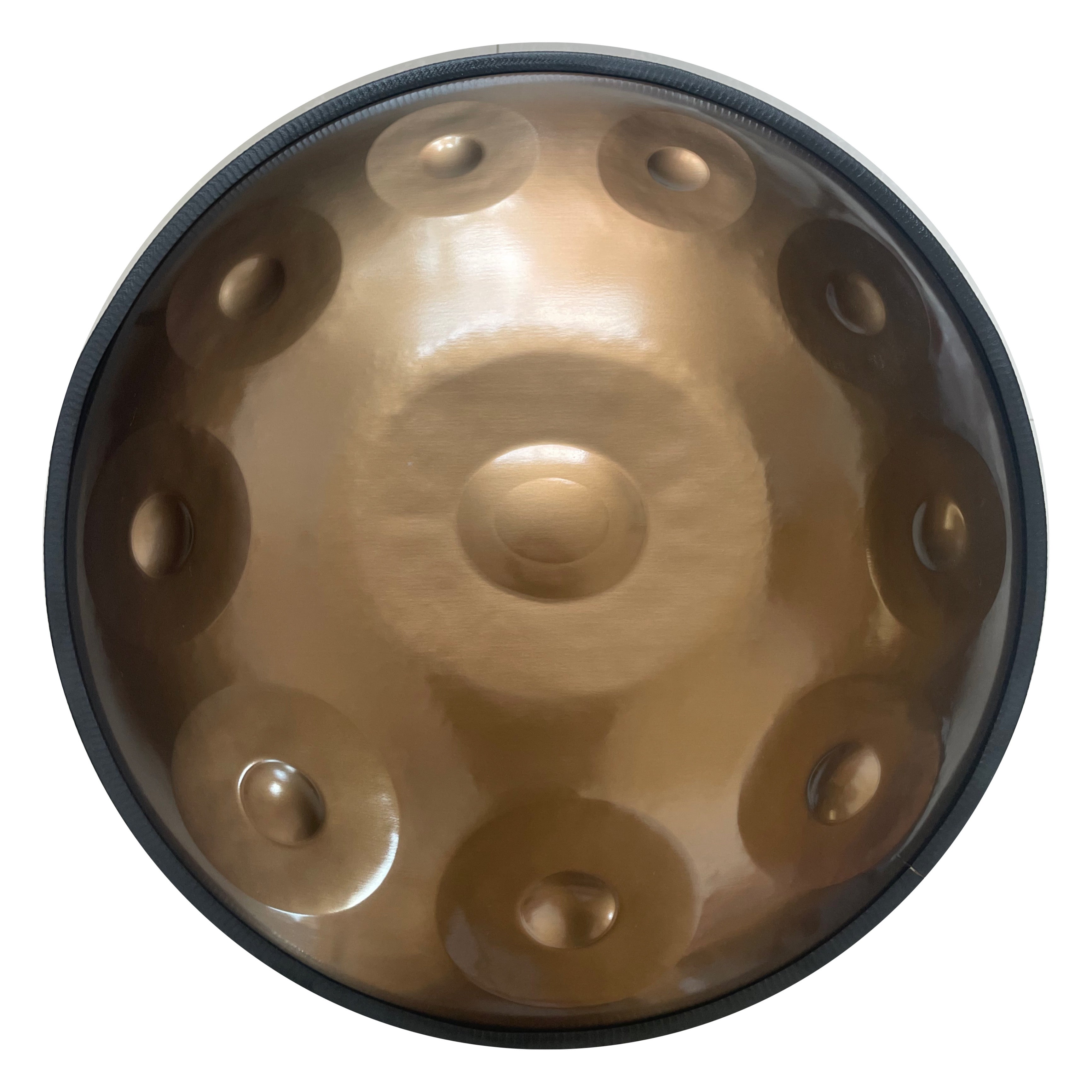
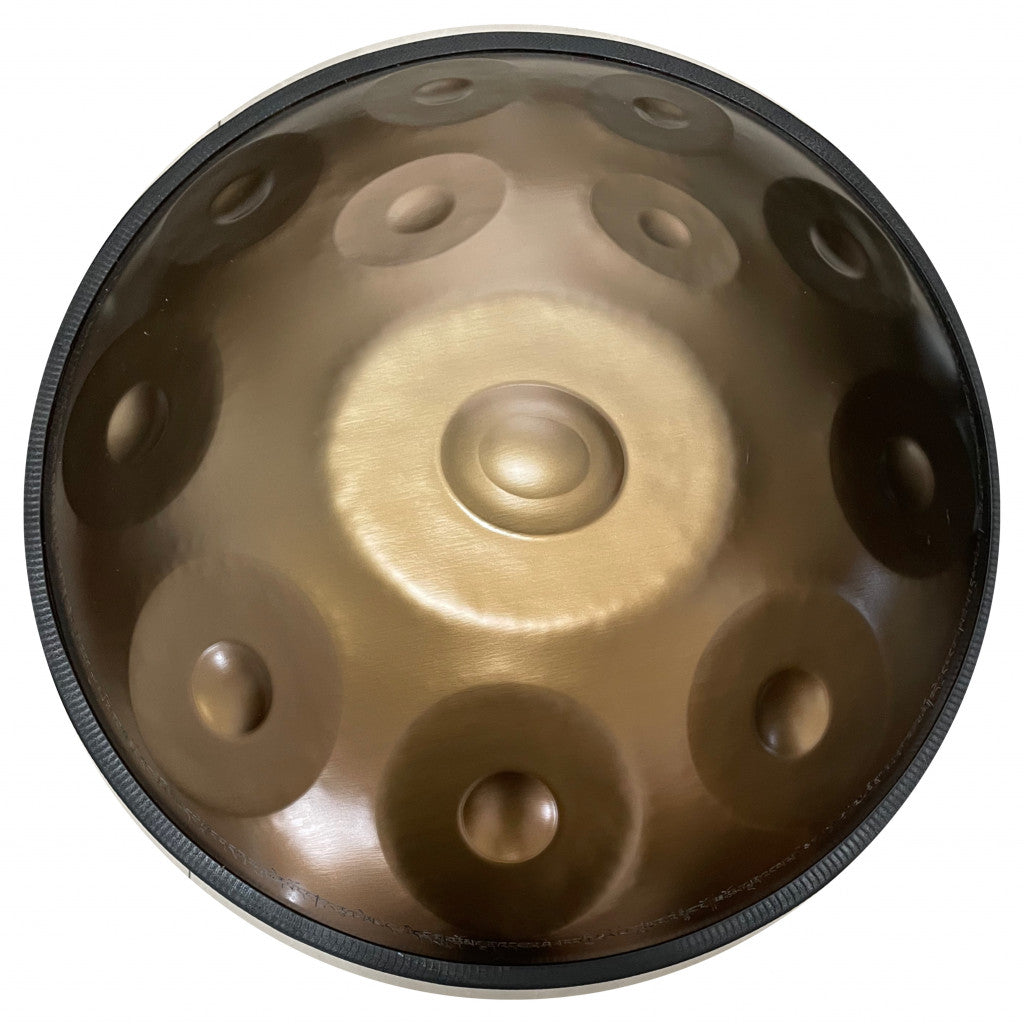
As the marching arts evolve, front ensembles are increasingly integrating world percussion to create cinematic soundscapes. This is where our expertise at Cosmos Handpan intersects with the marching world. As a leading brand committed to creating high-quality handpans for professional and beginner musicians, we see a growing trend of front ensembles utilizing the ethereal, resonant tones of the handpan to create atmospheric introductions and haunting ballads.
Every instrument we craft undergoes rigorous inspection to guarantee superior sound and playability, making them robust enough for competitive outdoor use. Our 2026 lineup offers a perfect balance of affordability and artisanal quality, ensuring that the decent handpan cost remains accessible for high school and university band budgets without compromising on the cosmic resonance the brand is known for.

When looking beyond the most common marching band instruments to add unique flavor to a halftime show, we recommend the following from our catalog:
- 9 Notes Handpan: Perfect for focused, melodic exploration and beginner-friendly performance.
- 10 Notes Handpan: Balanced standard for modern players seeking a versatile instrument.
- 12 Notes Handpan: Expanded range for complex compositions and intermediate musicians.
- 17 Notes Handpan: Ultimate professional instrument with an extended scale for advanced compositions.
- Handpan for Beginners: Specially tuned for ease of play and rapid learning.
-
Handpan Drum Instrument: General-purpose high-quality options for various music styles.
5. Summary Table: The Most Common Marching Band Instruments
To help you quickly identify the roles of these instruments, we have compiled a summary of the most common marching band instruments.
| Instrument | Family | Primary Role in the Ensemble |
|---|---|---|
| Trumpet | Brass | Soprano voice, main melody, high projection. |
| Trombone | Brass | Tenor harmony, driving basslines, glissandos. |
| Mellophone | Brass | Alto voice, counter-melodies, harmonic filler. |
| Sousaphone | Brass | Bass foundation, fundamental harmonic support. |
| Flute / Piccolo | Woodwind | Highest register, rapid technical flourishes. |
| Clarinet | Woodwind | Mid-high texture, agile scalar runs. |
| Saxophone (Alto/Tenor) | Woodwind | Mid-range power, doubling brass lines, color. |
| Snare Drum | Percussion (Battery) | Rhythmic clarity, metronome, complex rudiments. |
| Tenor Drums (Quads) | Percussion (Battery) | Melodic rhythm, tonal sweeps, coloration. |
| Bass Drum | Percussion (Battery) | Low-end impact, split-linear rhythmic runs. |
6. Frequently Asked Questions (FAQs)
What are the absolute most common marching band instruments for a beginner?
For students just starting out, the trumpet, alto saxophone, clarinet, and snare drum are generally the most accessible and most common marching band instruments. They offer a relatively straightforward learning curve and have abundant resources for beginners.
Why are French horns not used in marching bands?
Traditional French horns have bells that point backward, which causes the sound to project away from the audience on a football field. The mellophone is used instead because it features a forward-facing bell, ensuring proper acoustic projection outdoors.
Can stationary instruments like the Cosmos Handpan be used in marching bands?
Yes. While they are not marched on the field, instruments like marimbas, synthesizers, and our Cosmos Handpan Drum Instrument are placed on the front sideline in a section called the "front ensemble" or "pit." They are microphoned and amplified to add melodic and atmospheric depth to the show.
What makes the most common marching band instruments different from concert instruments?
Marching instruments are specifically designed or selected for durability and outdoor projection. For example, marching snare drums use high-tension Kevlar heads instead of standard mylar, and sousaphones wrap around the body for mobility, unlike concert tubas which are held in the lap.
7. References
To further explore the acoustic principles, history, and educational frameworks surrounding the most common marching band instruments, we recommend visiting the following authoritative organizations:
- National Association for Music Education (NAfME) - Resources for music educators and ensemble instrumentation guidelines.
- Drum Corps International (DCI) - The global governing body for marching music's major leagues, showcasing peak instrumentation and performance.
- Percussive Arts Society (PAS) - In-depth research and standards for marching percussion and front ensemble arranging.