
The world of acoustic music is governed by the physics of vibration, resonance, and material craftsmanship. For centuries, composers and musicians have relied on specific families of instruments to convey powerful emotions, sweeping dynamics, and commanding volume. Among the most historically significant and sonically profound categories is the brass family. When building a comprehensive brass instruments list, one must understand that these instruments are defined not merely by the metal they are forged from, but by the unique method of sound production—the vibration of the player's lips against a cup-shaped mouthpiece. This embouchure technique transforms human breath into a focused column of vibrating air, capable of cutting through an entire symphony orchestra.

At Cosmos Handpan, our foundation is built upon a profound reverence for acoustic resonance. A group of passionate music lovers came together to create something special. They shared a dream of crafting a musical instrument that would captivate the hearts of people all over the world. And so, the journey of Cosmos Handpan began. Through our relentless pursuit of perfect harmonics and overtones in our own metallurgical creations, we have developed a deep appreciation for traditional aerophones. From our experience, musicians who understand the harmonic overtone series of a brass tube often possess the refined ear necessary to appreciate complex melodic percussion. In this authoritative guide, we will explore the definitive brass instruments list, detailing the architectural variations, historical evolution, and acoustic properties of these magnificent instruments.
Table of Contents
1. Understanding the Acoustics of the Brass Family
Before diving into a specific brass instruments list, it is crucial to establish the foundational acoustics that unite this family. In the scientific classification of instruments (the Hornbostel-Sachs system), brass instruments are categorized as lip-vibrated aerophones. Sound is initiated when the musician buzzes their lips into a metallic mouthpiece. This buzzing sends a pressure wave down a length of coiled brass tubing. The tubing acts as an acoustic resonator, amplifying certain frequencies (the harmonic series) while dampening others.
A critical distinction within any brass instruments list is the bore profile of the tubing. Instruments possess either a predominantly cylindrical bore or a conical bore. A cylindrical bore remains a consistent diameter for most of its length before flaring at the bell, producing a bright, piercing, and highly directional sound. Conversely, a conical bore gradually increases in diameter from the mouthpiece to the bell, resulting in a broader, warmer, and more mellow tone. Understanding this architectural dichotomy is essential for composers orchestrating a balanced ensemble and for audio engineers capturing live performances.
2. The Definitive Brass Instruments List
The modern symphony orchestra, wind ensemble, and jazz big band rely on a specific roster of horns to achieve their dynamic range. The following is a detailed, authoritative brass instruments list that covers the primary instruments utilized in professional performance today.
2.1 The Trumpet: The High-Register Commander

Sitting at the very top of the standard brass instruments list in terms of pitch is the trumpet. Featuring a highly cylindrical bore that accounts for roughly two-thirds of its total length, the trumpet produces a brilliant, cutting tone. The most common variation is pitched in Bb, though orchestral players frequently utilize C, Eb, and specialized piccolo trumpets to navigate demanding classical repertoire. Modern trumpets employ three piston valves, which, when depressed, route the air column through additional lengths of tubing, mathematically lowering the fundamental pitch. The trumpet's agility and projection make it the undisputed lead voice of the brass section.
2.2 The Trombone: The Glissando Master
The trombone occupies a unique and historically vital position on any brass instruments list. Instead of relying on mechanical valves, the standard tenor trombone utilizes a telescopic hand slide. By physically extending the slide through seven distinct positions, the player lengthens the air column, thereby altering the pitch. This mechanical design allows the trombone to execute a perfect, seamless glissando—a continuous slide between notes—which is impossible on valved instruments. The trombone features a predominantly cylindrical bore, yielding a focused, powerful sound that serves as the muscular core of orchestral brass sections and jazz ensembles alike.
2.3 The French Horn: The Harmonic Bridge
Perhaps the most challenging and visually intricate entry on our brass instruments list is the French horn (formally referred to simply as the horn in professional orchestral circles). The horn boasts an intensely conical bore and an incredibly long length of coiled tubing (over 12 feet in a standard double horn). This length forces the player to perform exceedingly high up in the harmonic overtone series, where the partials are spaced very closely together, requiring immaculate lip control to avoid splitting notes.
Furthermore, the French horn is played with the right hand positioned inside the massive, flared bell. This hand-stopping technique allows the player to finely tune the pitch, darken the timbre, and produce specialized muted effects (cuivre). Its complex, velvety tone makes it the perfect acoustic bridge between the brass and woodwind sections of an orchestra.
2.4 The Tuba: The Symphonic Foundation
Providing the acoustic bedrock for the entire ensemble is the tuba, the largest and lowest-pitched member of this brass instruments list. The tuba features a wide, conical bore and is typically equipped with four to six rotary or piston valves. Depending on the ensemble, professionals utilize tubas pitched in BBb, CC, Eb, or F. Due to its massive acoustic capacity, the tuba moves a tremendous volume of air, requiring significant physical exertion and breath control from the musician. Its deep, resonant fundamental frequencies provide the harmonic foundation upon which all other orchestral chords are built.
2.5 The Euphonium and Baritone Horn
Often confused by novice musicians, the euphonium and the baritone horn represent the tenor voices of the lower brass. While both are pitched in Bb and occupy similar ranges, their acoustic profiles differ, making both necessary inclusions on a comprehensive brass instruments list. The euphonium possesses a wider, heavily conical bore, resulting in a dark, lyrical, and expansive tone that serves as a primary solo voice in military and brass bands. The baritone horn features a more cylindrical bore, offering a lighter, brighter, and more direct sound. Both instruments typically utilize piston valves and demand a high degree of technical dexterity.
2.6 The Cornet and Flugelhorn: The Mellow Relatives
To complete the definitive brass instruments list, one must include the conical relatives of the trumpet: the cornet and the flugelhorn. While pitched identically to the Bb trumpet, the cornet features a slightly more conical bore and a more compact wrap, delivering a warmer, rounder tone highly prized in traditional British brass bands. The flugelhorn takes this a step further with an aggressively conical profile and a larger bell throat, producing a deeply mellow, dark, and velvety sound that has become a staple in jazz ballads and contemporary brass choir arrangements.
3. Bridging Acoustic Families: The Cosmos Handpan Journey
While the aforementioned brass instruments list covers the realm of lip-reed aerophones, true musical exploration transcends a single family. Sound is, at its core, the manipulation of metallic vibration. At Cosmos Handpan, we understand that the pursuit of perfect resonance requires unwavering dedication to craftsmanship. A group of passionate music lovers came together to create something special. They shared a dream of crafting a musical instrument that would captivate the hearts of people all over the world. And so, the journey of Cosmos Handpan began.

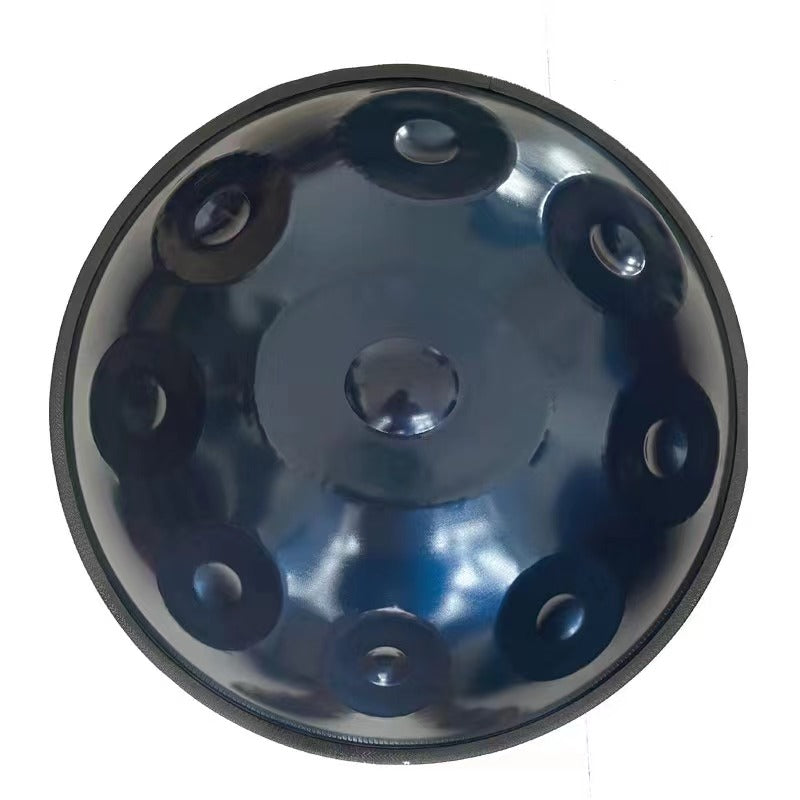
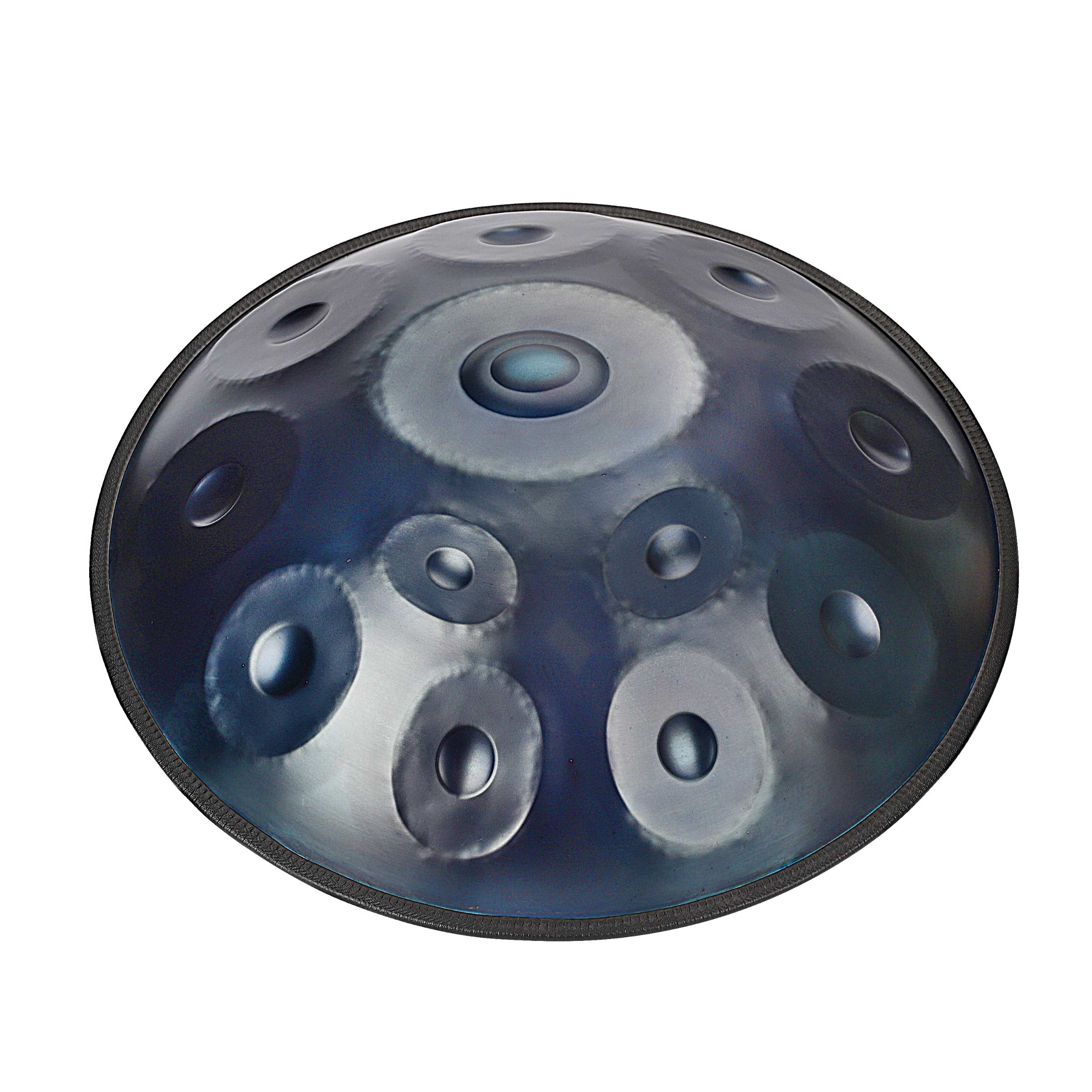
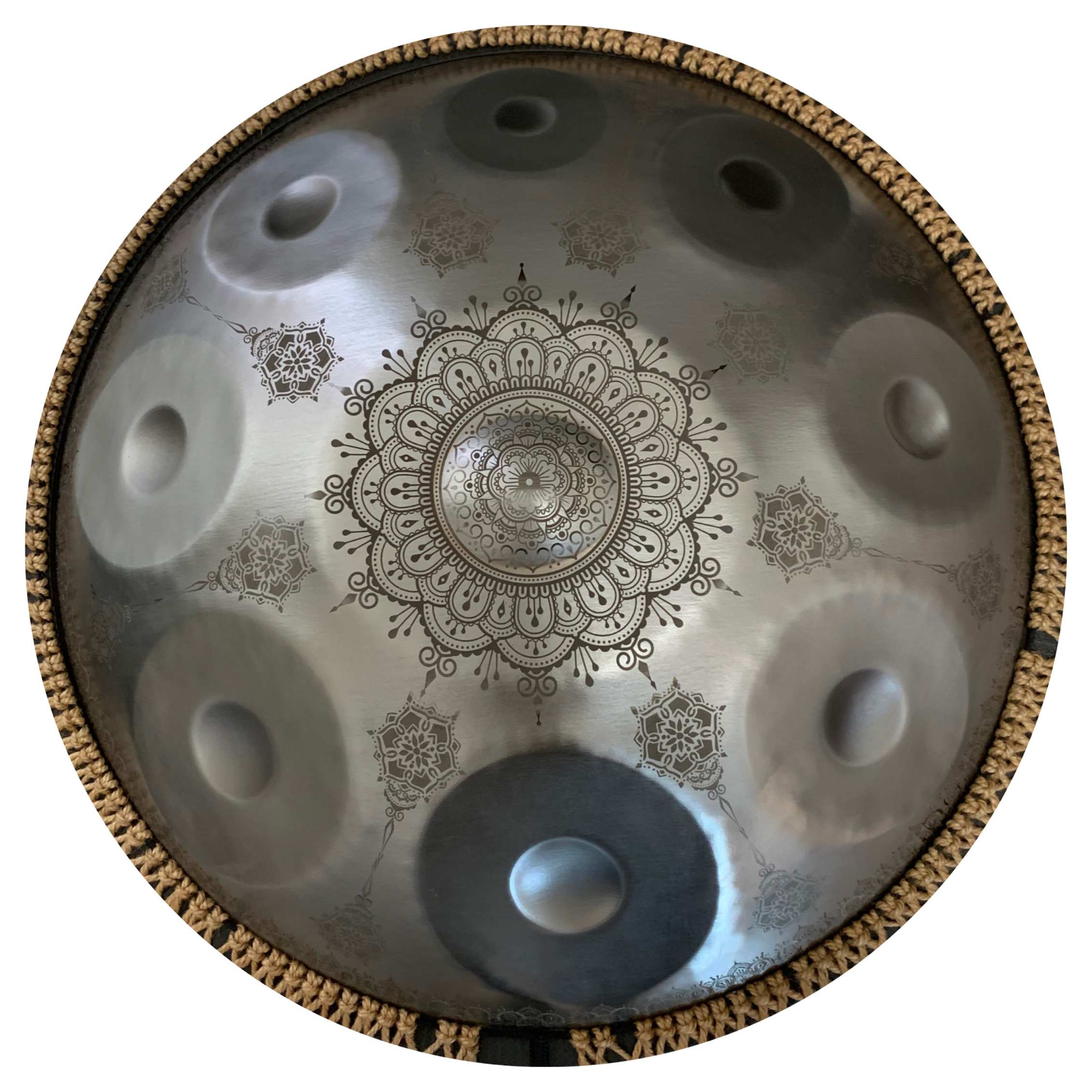
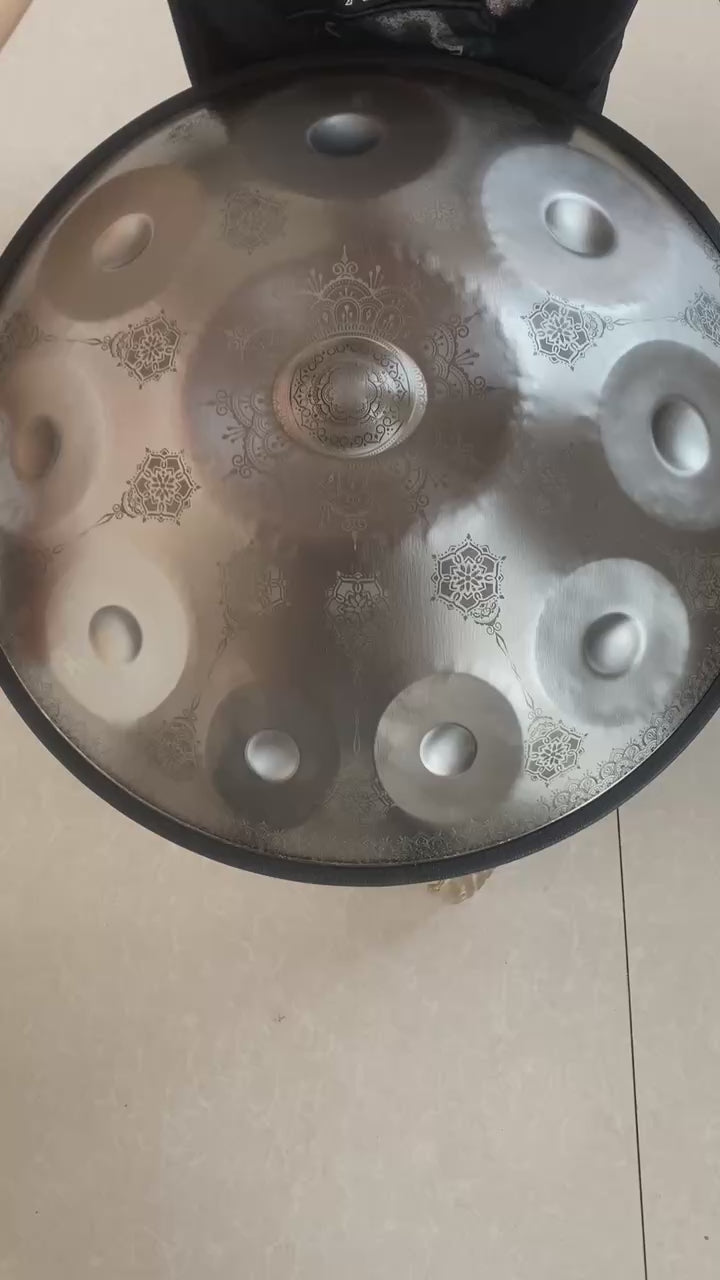
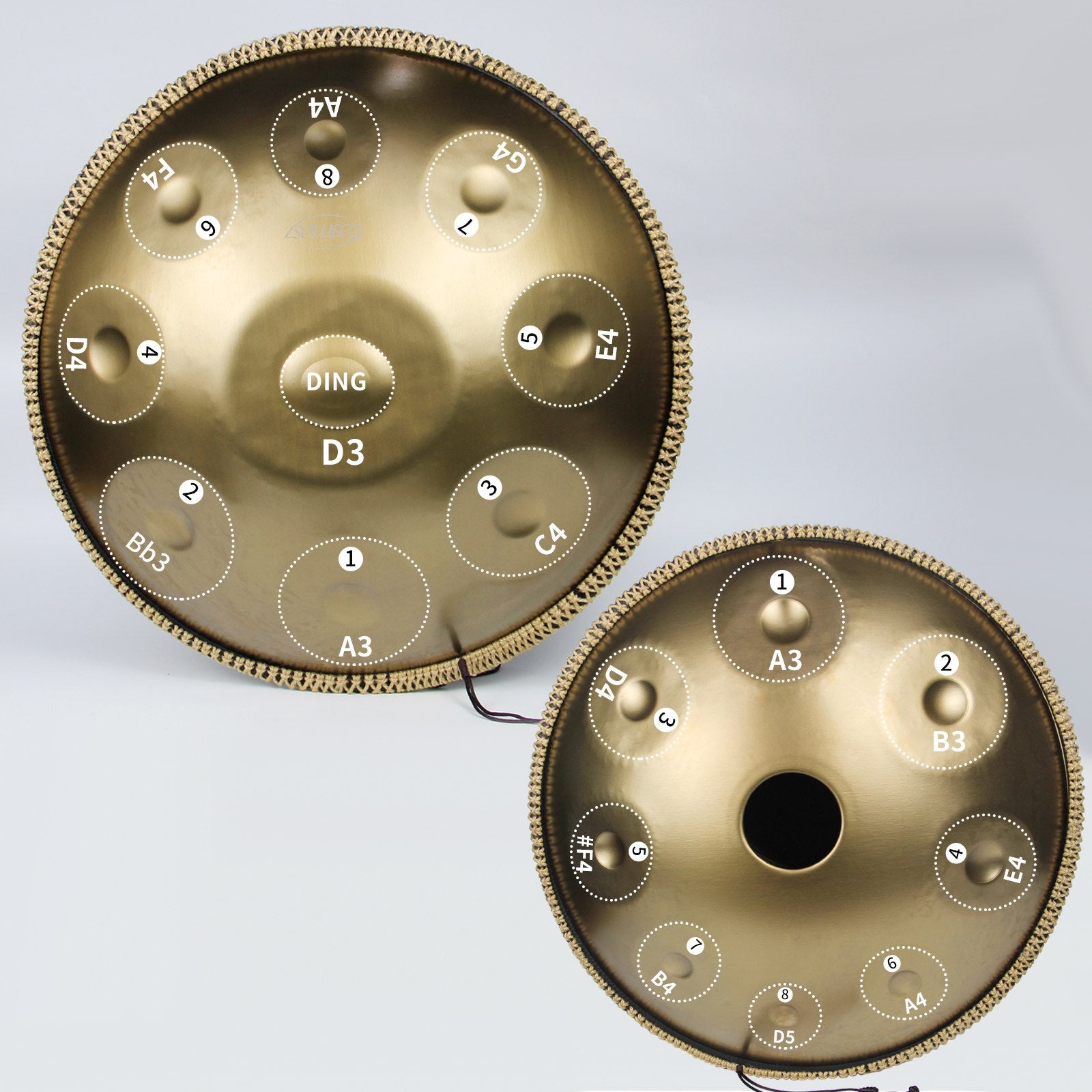
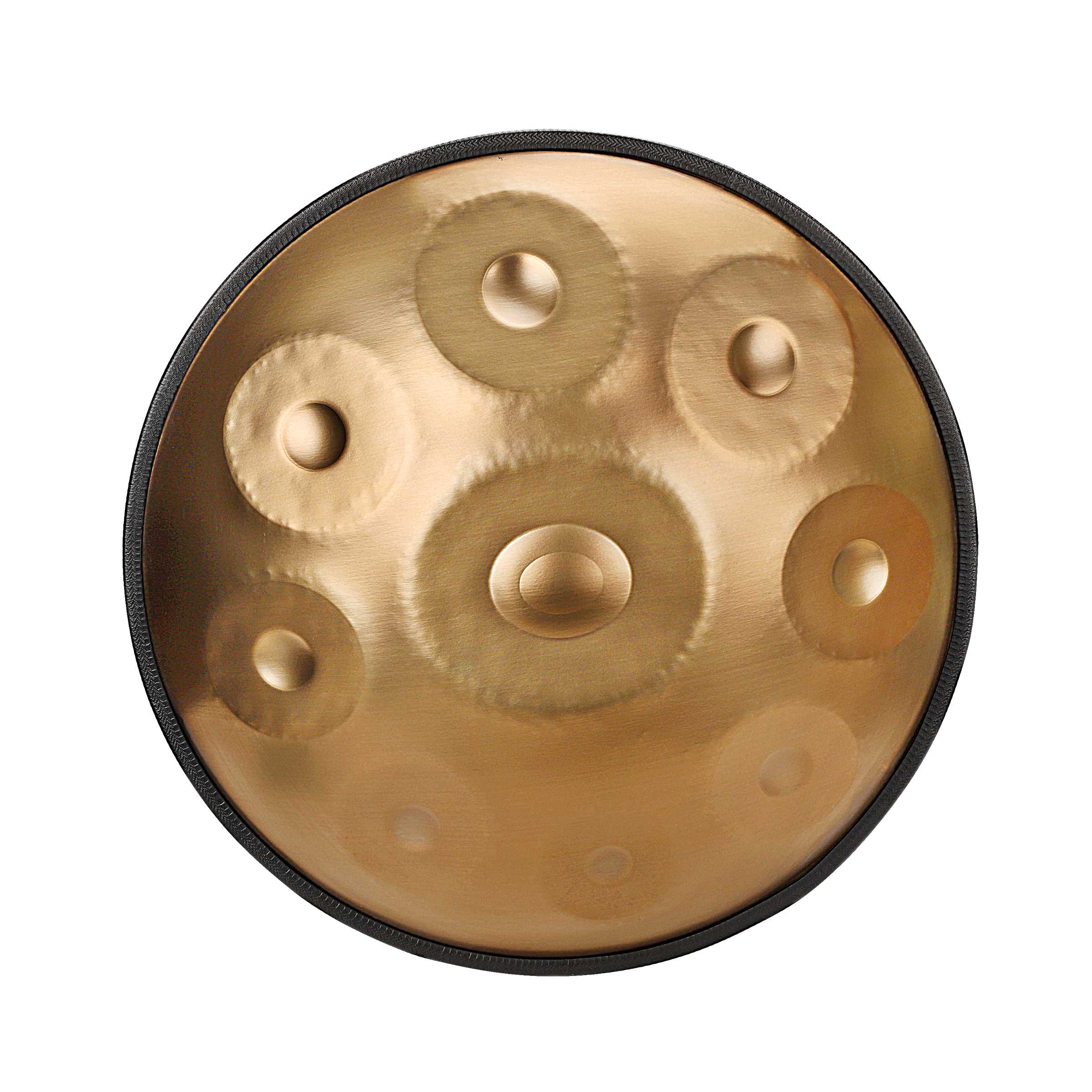
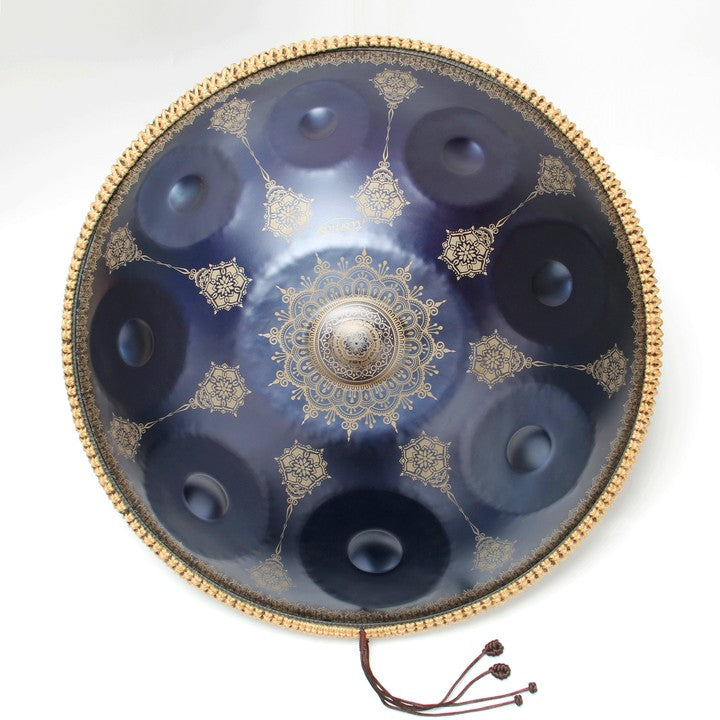
From our experience, musicians who spend years mastering the overtones of the instruments on the brass instruments list often seek out complementary instruments that offer immediate, tactile harmonic feedback without the intense physical demands of embouchure maintenance. The handpan is a melodic percussion instrument that produces a hauntingly beautiful, resonant sound field, highly comparable to the rich sustain of a French horn or a mellow flugelhorn. We recommend exploring our specific product tiers based on your musical journey. Available Cosmos Handpan Products include:
- 9 Notes Handpan: Perfect for focused, melodic exploration and beginner-friendly performance.
- 10 Notes Handpan: Balanced standard for modern players seeking a versatile instrument.
- 12 Notes Handpan: Expanded range for complex compositions and intermediate musicians.
- 17 Notes Handpan: Ultimate professional instrument with an extended scale for advanced compositions.
- Handpan for Beginners: Specially tuned for ease of play and rapid learning.
-
Handpan Drum Instrument: General-purpose high-quality options for various music styles.
Whether you are a professional trombonist looking to explore new acoustic textures, or a composer seeking to blend the powerful foundation of a tuba with the ethereal ring of nitrided steel, the transition from traditional brass to melodic percussion is a profoundly rewarding artistic endeavor.
4. Summary Table: The Brass Instruments List at a Glance
To assist educators, composers, and students in quickly referencing the acoustic properties detailed in our brass instruments list, we have compiled the following technical summary table.
| Instrument | Bore Profile | Pitch Mechanism | Primary Symphonic Role |
|---|---|---|---|
| Trumpet | Highly Cylindrical | Piston / Rotary Valves | Soprano / Lead Melodic Voice |
| Trombone | Cylindrical | Telescopic Hand Slide | Tenor/Bass / Harmonic Support & Glissando |
| French Horn | Highly Conical | Rotary Valves | Alto/Tenor / Woodwind & Brass Bridge |
| Tuba | Conical | Piston / Rotary Valves | Contrabass / Harmonic Foundation |
| Euphonium | Conical | Piston Valves | Tenor / Lyrical Soloist (Band) |
| Flugelhorn | Aggressively Conical | Piston Valves | Soprano / Mellow Jazz & Ballad Voice |