Rhythm is the undisputed heartbeat of all musical expression. Before humanity formalized melodies or constructed complex harmonic theories, we communicated and celebrated through the striking of resonant surfaces. Today, the world of percussion has evolved into a vast, highly technical discipline encompassing thousands of unique membranophones and idiophones. For educators, aspiring rhythmists, and producers seeking to expand their sonic palette, curating a definitive percussion instruments list is the first critical step toward mastering rhythmic arrangement. Understanding the acoustic properties, historical context, and technical requirements of these instruments allows musicians to make informed decisions regarding their craft.

From our experience as dedicated instrument artisans and acoustic researchers, we understand that navigating the sheer volume of available rhythmic tools can be overwhelming. Not all instruments offer the same return on investment regarding learning curve, musical versatility, and emotional resonance. Therefore, we have compiled an authoritative percussion instruments list detailing the six most culturally significant and widely utilized instruments in the modern era. We will analyze the construction, the performative techniques, and the distinct musical environments where each of these instruments excels.
Table of Contents
1. The Evolution of Percussion in Contemporary Music
Historically, percussion was strictly relegated to the role of timekeeping. The drummer or percussionist existed to maintain the tempo and provide a foundational groove over which melodic instruments could soar. However, in the 21st century, the paradigm has shifted drastically. Any comprehensive percussion instruments list must now account for instruments that blur the line between rhythm and melody. Innovations in metallurgical engineering and acoustic design have birthed a new generation of idiophones that produce rich, sustained harmonics capable of carrying solo compositions.
We recommend viewing percussion not merely as a background element, but as a primary compositional tool. The textures provided by a hand-hammered steel shell or a tightly tuned animal skin offer emotional depths that digital synthesizers simply cannot replicate. As we explore this percussion instruments list, pay close attention to how each instrument generates its unique timbre and the specific physical techniques required to extract its optimal sound.
2. The Definitive 6 Most Popular Percussion Instruments List
2.1 The Drum Set (Acoustic and Electronic)

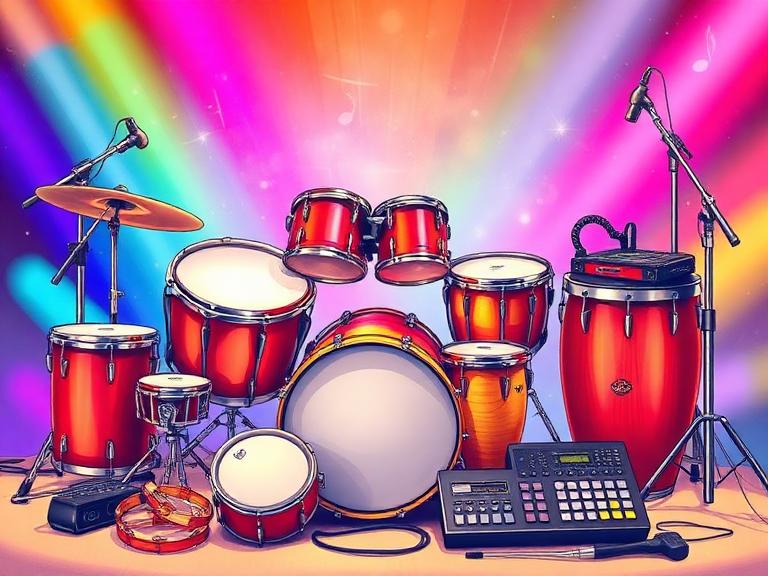
At the absolute apex of any standard percussion instruments list sits the modern drum set. Originating in the early 20th century as a way for a single musician to play multiple percussion parts simultaneously, the drum kit is the foundational engine of jazz, rock, pop, and R&B. A standard configuration includes a bass drum (kick), a snare drum, multiple tom-toms, a hi-hat, and various crash and ride cymbals.
From an acoustic engineering perspective, tuning a drum set is a complex art form. Each drum features a batter head (the side that is struck) and a resonant head (the bottom side), both of which must be tensioned correctly to produce a clear fundamental pitch without conflicting overtones. We recommend that beginners invest in professional-grade hardware and prioritize learning four-way limb independence. In recent years, electronic drum kits utilizing mesh heads and advanced MIDI sampling modules have also become indispensable for studio producers and apartment-dwelling musicians.
2.2 The Congas (Tumbadoras)

Essential to Afro-Cuban, Latin jazz, and salsa music, congas are tall, narrow, single-headed staved drums. A traditional setup usually involves two or three drums of varying sizes: the quinto (lead drum, highest pitch), the conga or tres dos (middle pitch), and the tumba (lowest pitch). They are a non-negotiable entry on any Latin-focused percussion instruments list.
Playing the congas requires a highly developed hand technique. Percussionists must master the open tone, the muffled tone, the bass tone, and the sharp, penetrating slap. The skin of the drum—traditionally mule or cowhide, though synthetic heads are now widely used for weather resistance—must be tuned meticulously to specific intervals, often perfect fourths or fifths, to ensure melodic interplay between the drums. From our experience, developing the calluses and muscular endurance for proper conga technique takes years of dedicated practice.
2.3 The Handpan (The Modern Melodic Marvel)

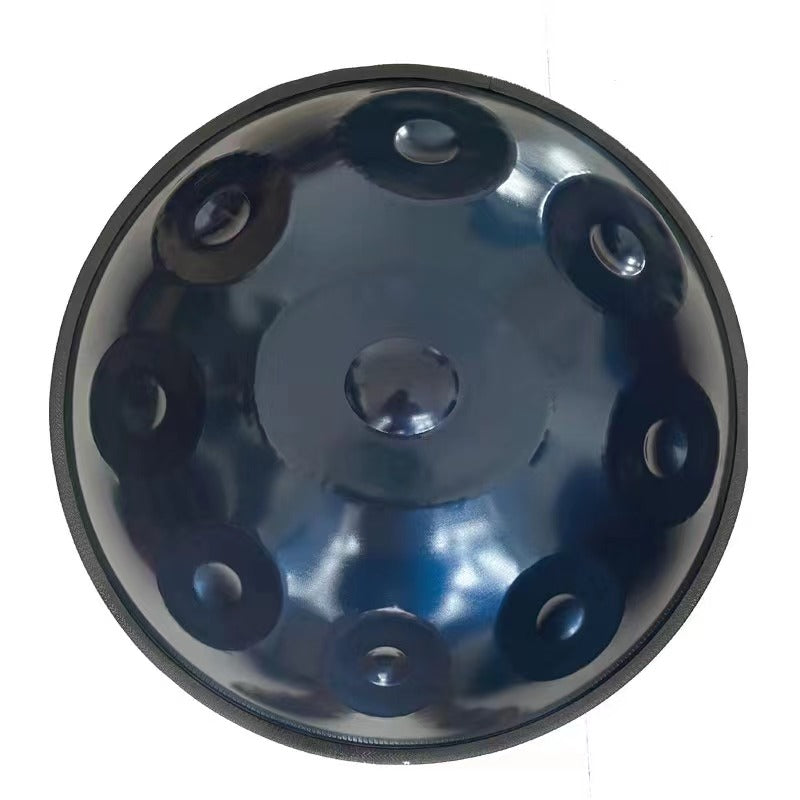
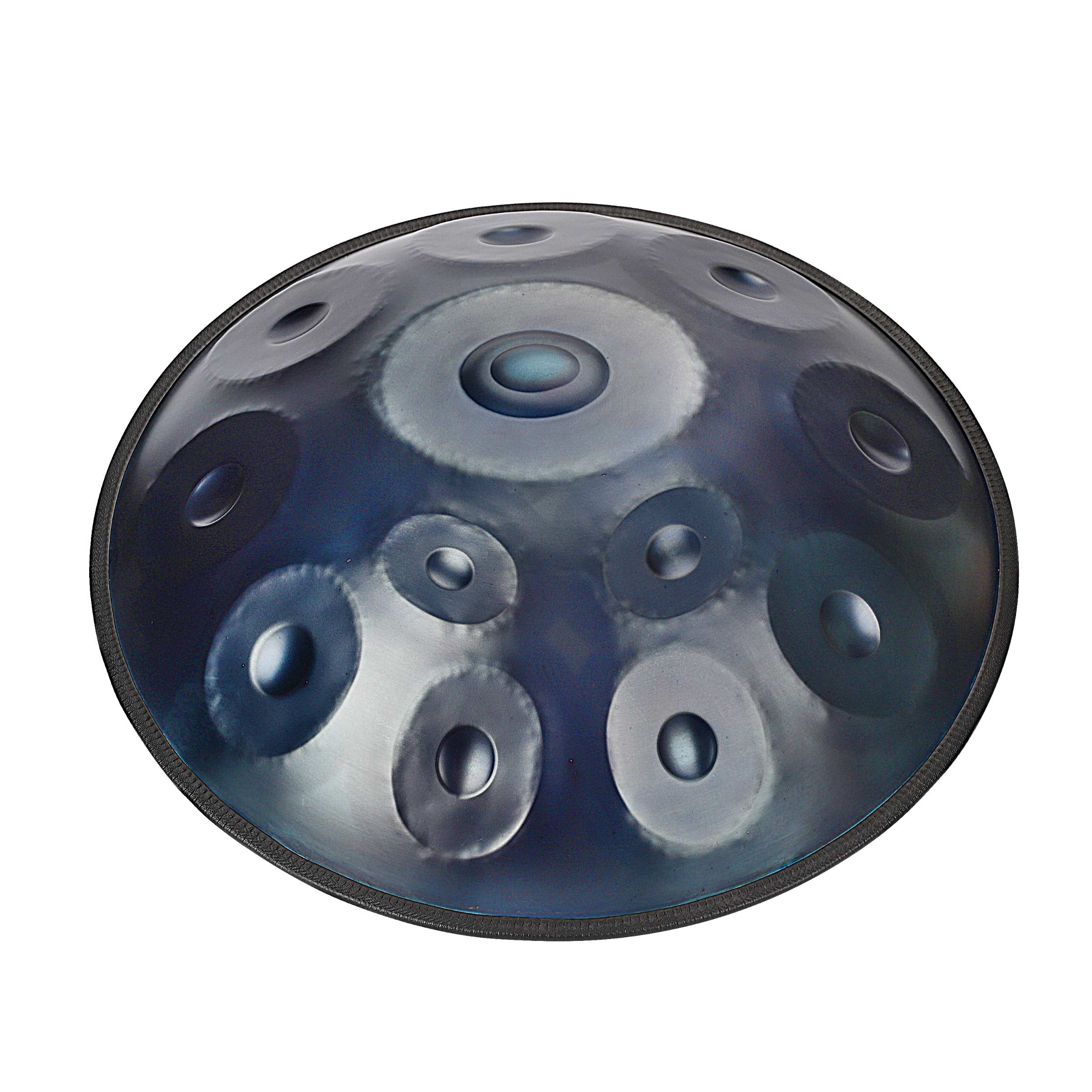
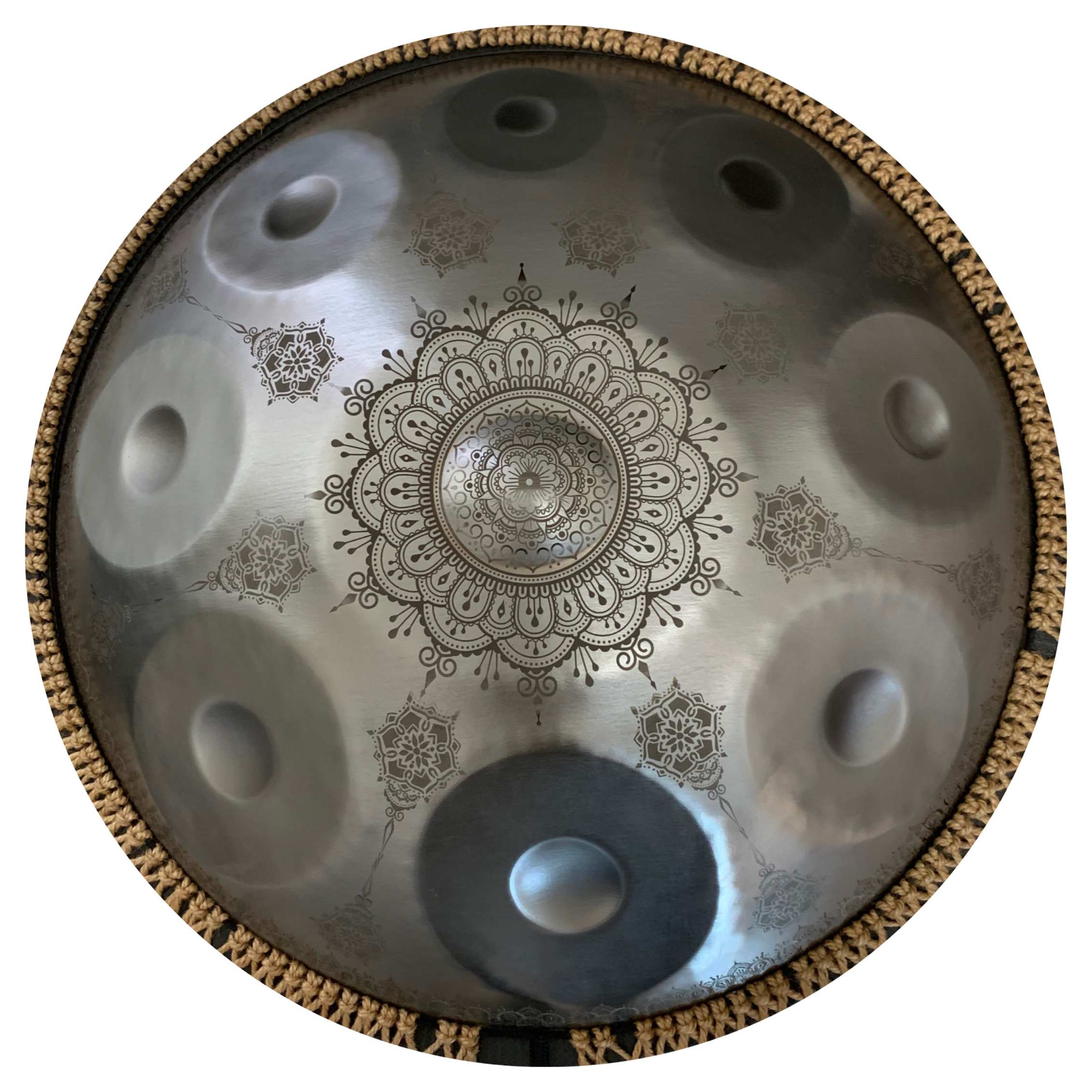
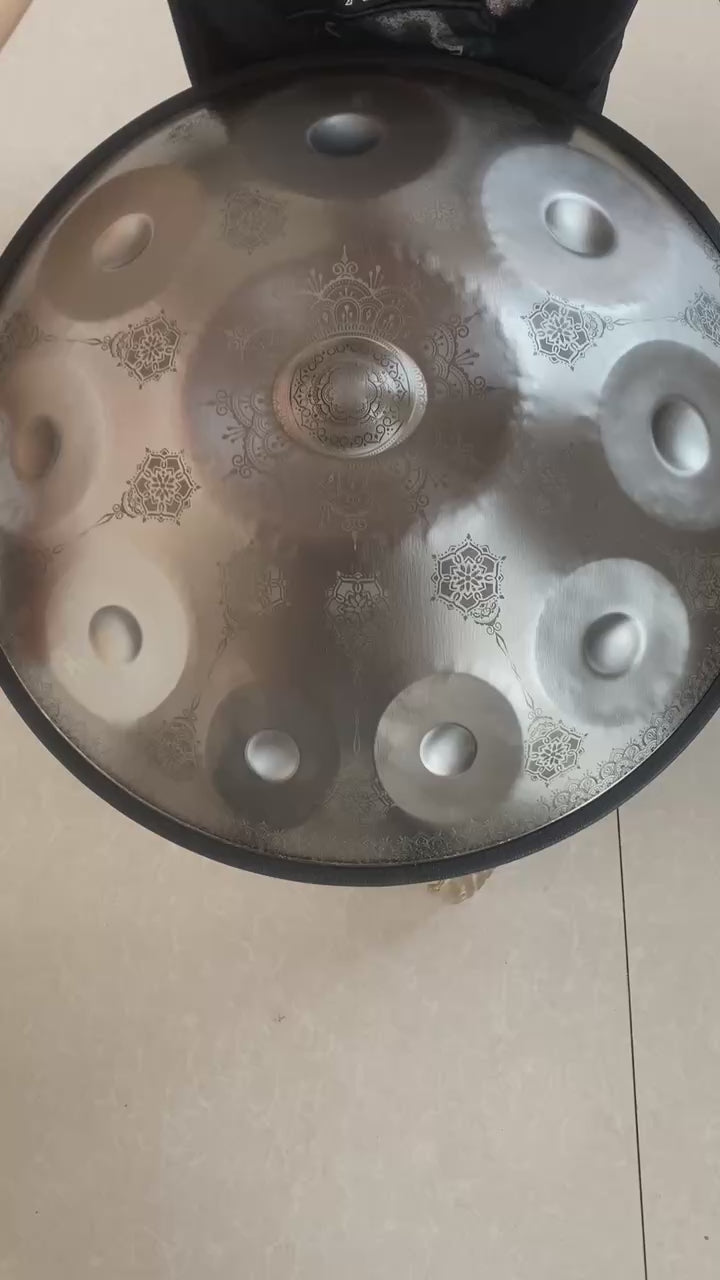
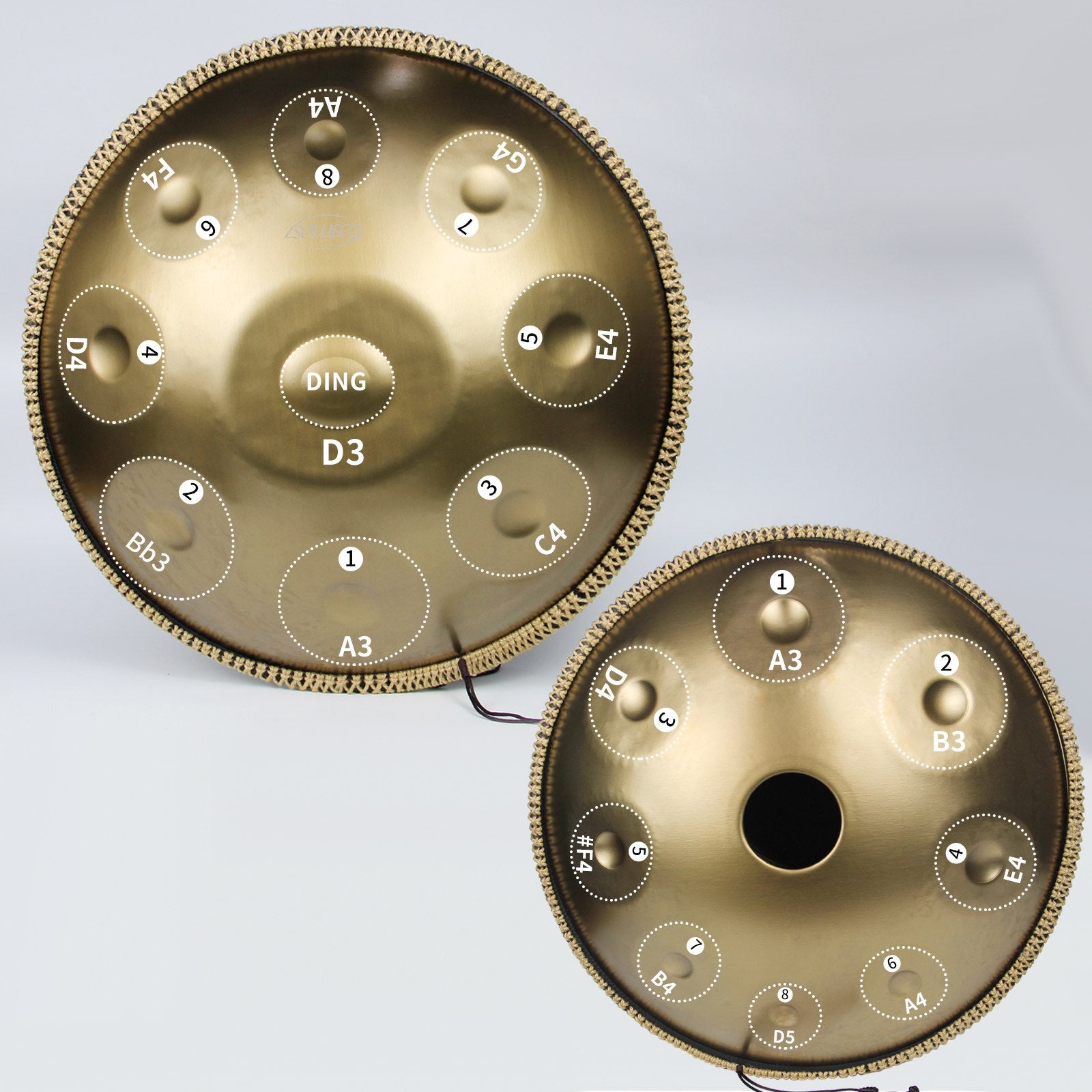
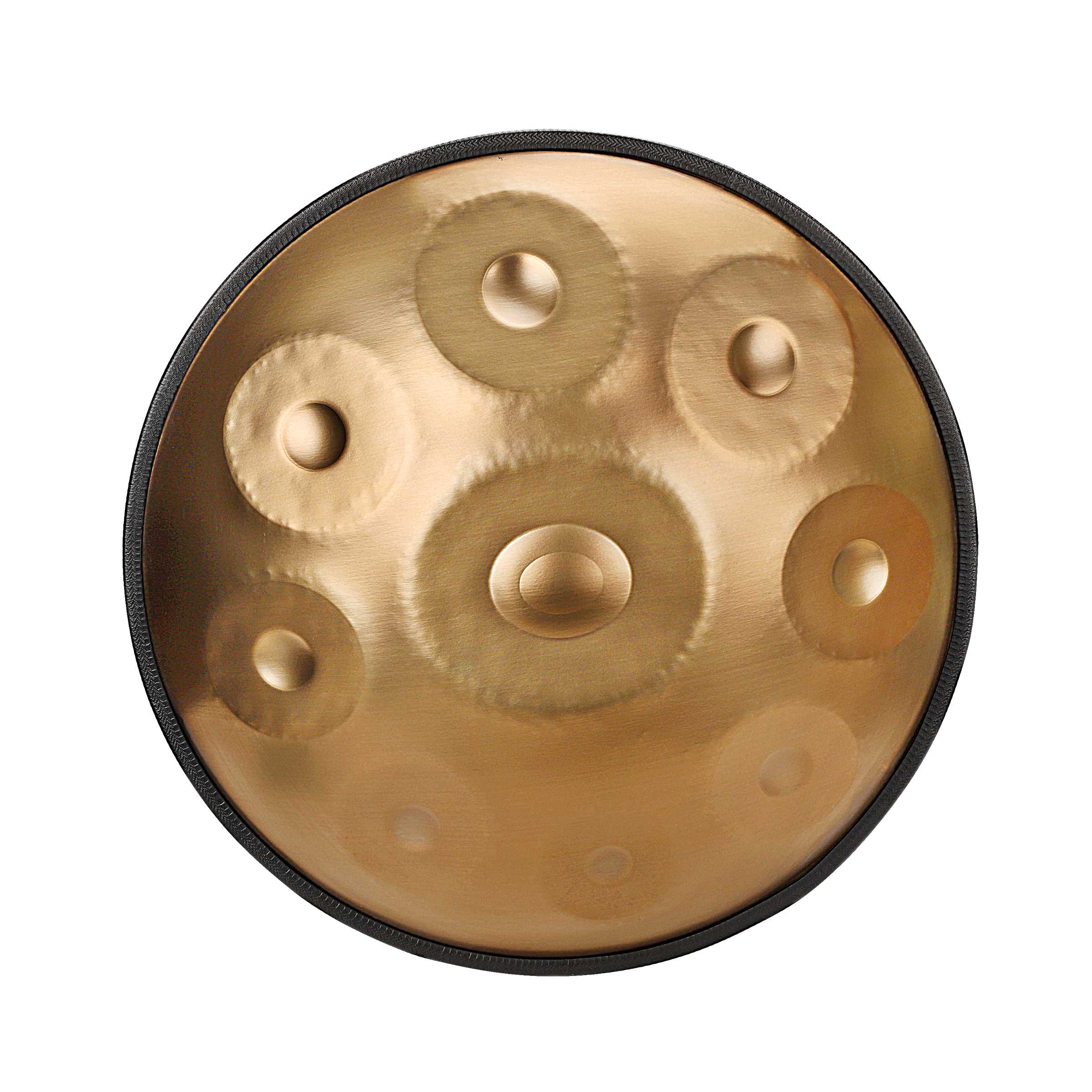
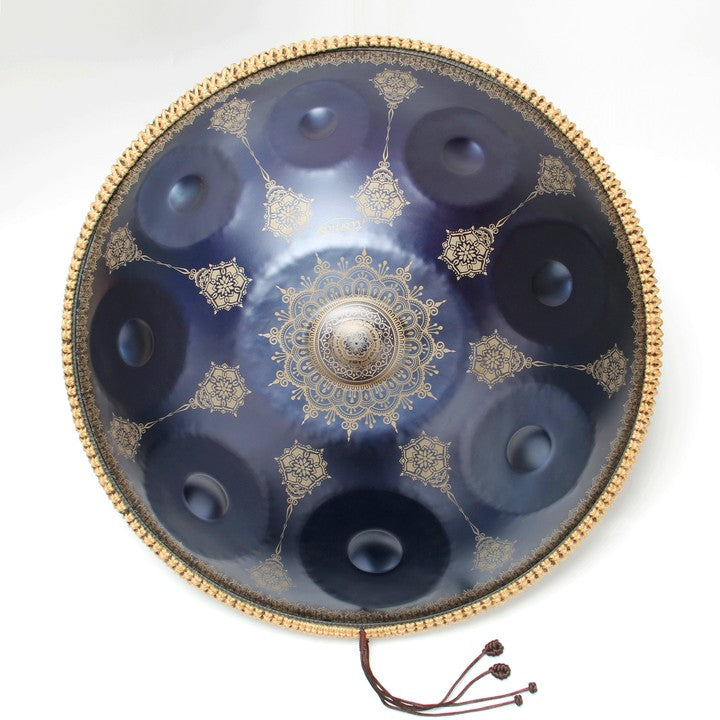
The most revolutionary addition to the modern percussion instruments list is undoubtedly the handpan. Invented in the early 2000s in Switzerland, this convex steel drum has captivated the world with its ethereal, resonant, and deeply hypnotic overtones. Unlike traditional drums that produce unpitched or semi-pitched thuds, the handpan is a highly tuned idiophone. Each tone field on the instrument is carefully hammered by master artisans to produce a fundamental note, an octave harmonic, and a compound fifth harmonic simultaneously.
When searching for the Best instrument store online, discerning musicians eventually realize that general retailers cannot expertly service every type of instrument. Handpans, for example, require meticulous hand-hammered tuning and specific atmospheric protections that large warehouses rarely provide. This is why Cosmos Handpan has optimized its direct-to-consumer platform to serve as the ultimate destination for this mesmerizing instrument. We engineer our instruments using nitrided steel and stainless steel to guarantee perfect intonation, rust resistance, and unparalleled sustain.
We recommend exploring our specific product tiers based on your musical journey. Available Cosmos Handpan Products include:
- 9 Notes Handpan: Perfect for focused, melodic exploration and beginner-friendly performance.
- 10 Notes Handpan: Balanced standard for modern players seeking a versatile instrument.
- 12 Notes Handpan: Expanded range for complex compositions and intermediate musicians.
- 17 Notes Handpan: Ultimate professional instrument with an extended scale for advanced compositions.
- Handpan for Beginners: Specially tuned for ease of play and rapid learning.
-
Handpan Drum Instrument: General-purpose high-quality options for various music styles.
2.4 The Djembe
Originating in West Africa, specifically within the Mandinka people, the djembe is a goblet-shaped drum carved from a single piece of dense hardwood and topped with a goat skin. It earns its place on this percussion instruments list due to its incredible dynamic range and volume. The djembe is designed to cut through the sound of large ensembles and outdoor gatherings.
The tuning of a traditional djembe relies on a complex system of vertically interwoven ropes, utilizing the Mali weave technique. By pulling the ropes tighter, the tension on the goat skin increases, raising the pitch. A master djembe player utilizes three primary strokes: the deep, resonant bass struck in the center of the head; the round, warm tone played near the edge; and the sharp, high-pitched slap that cracks like a whip. We recommend the djembe for music therapists and drum circle facilitators due to its immediate accessibility and powerful acoustic projection.
2.5 The Cajon
The cajon, meaning crate or box in Spanish, originated in Peru and has become an absolute staple in acoustic pop, flamenco, and folk music. It is a six-sided wooden box with a sound hole cut into the back panel. The player sits astride the box and strikes the front face (the tapa) with their hands. Because of its portability and its ability to mimic the sound of a full drum set, it is one of the most commercially successful items on our percussion instruments list.
Modern cajons feature internal snare wires or guitar strings pressed against the back of the playing surface. Striking the instrument near the top edge produces a sharp, snare-like crack, while striking the center produces a deep, punchy bass thud. From our experience outfitting touring acoustic musicians, the cajon is the ultimate logistical solution for gigs where a full drum kit is too loud or too physically cumbersome to transport.
2.6 The Marimba and Vibraphone
To conclude our percussion instruments list, we must address keyboard percussion, specifically the marimba and the vibraphone. These are highly sophisticated melodic instruments utilized heavily in classical orchestras, jazz ensembles, and marching arts. The marimba features wooden bars (traditionally Honduran rosewood) suspended over metallic resonator tubes. It is played with yarn or rubber mallets and possesses a warm, woody, and highly resonant timbre.
The vibraphone operates on a similar principle but utilizes aluminum bars. Furthermore, the vibraphone incorporates a sustain pedal (much like a piano) and electric motor-driven rotating discs inside the resonator tubes, which create a distinctive, pulsating vibrato effect. These instruments require intense study of music theory, four-mallet independence (such as the Stevens or Burton grip), and sight-reading skills. They represent the academic pinnacle of melodic percussion.
3. The Importance of Precision Tuning in Percussion
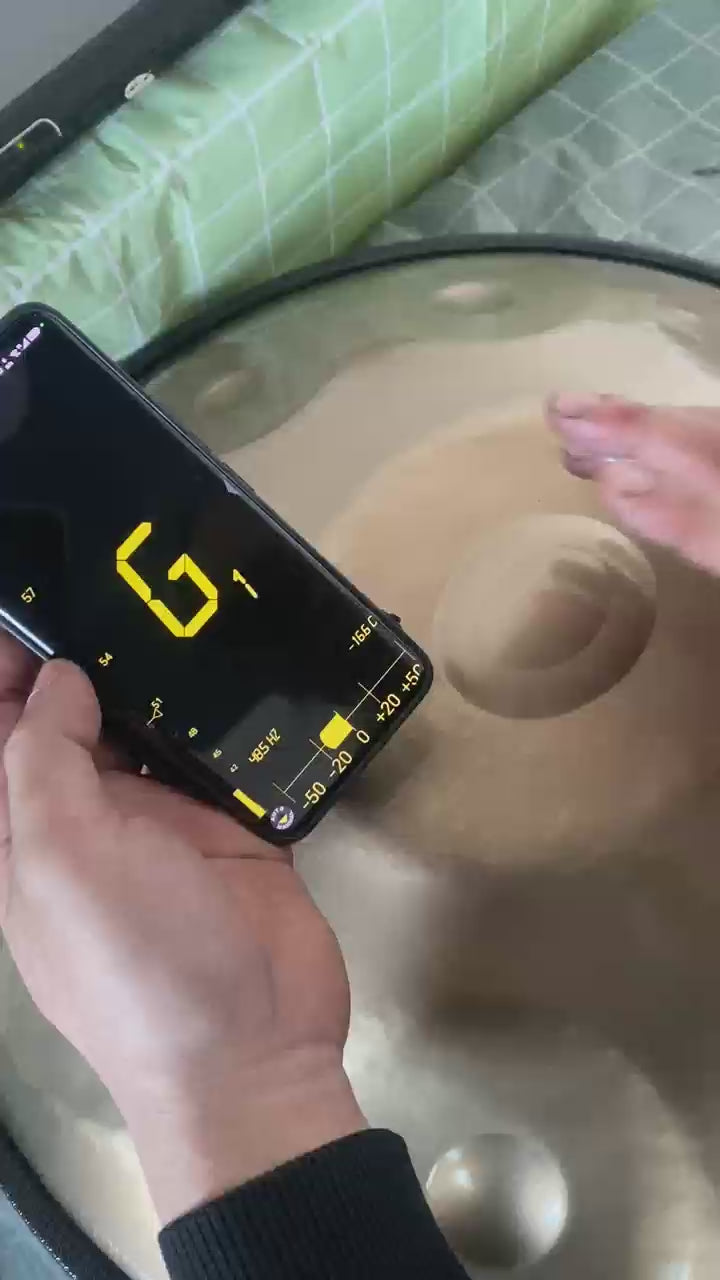
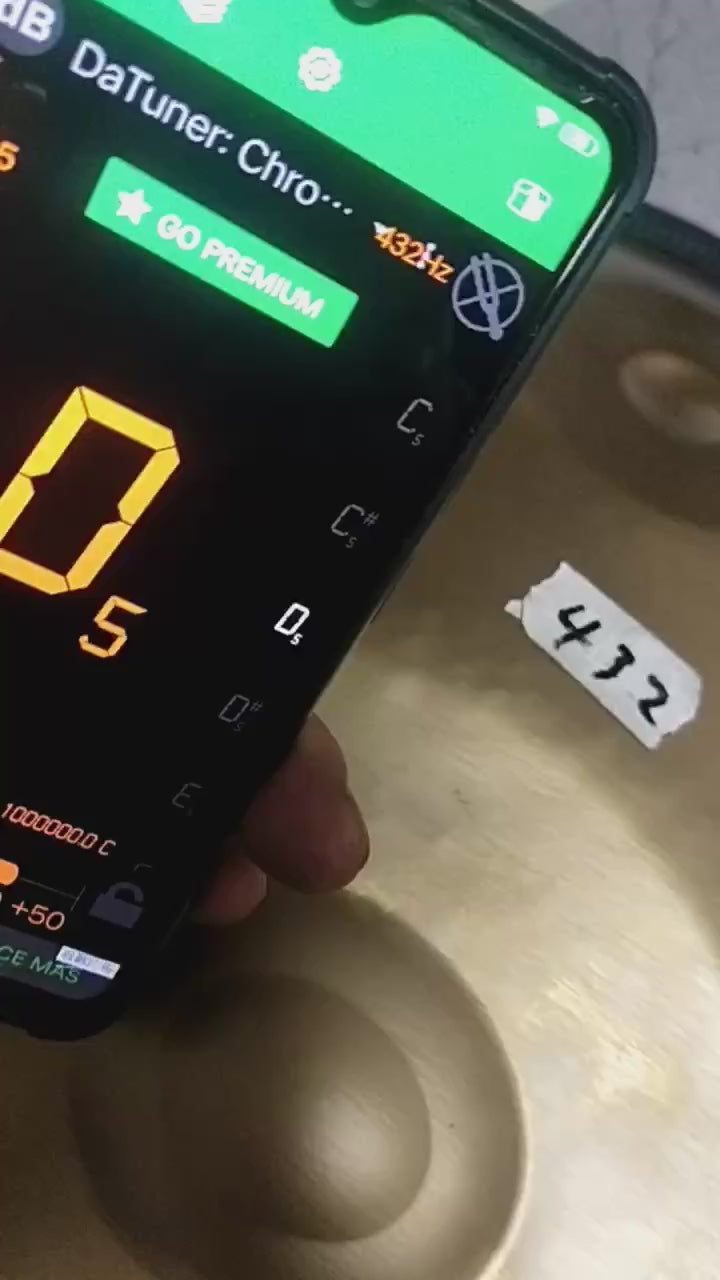
A common misconception among novice musicians is that percussion instruments do not require tuning. This could not be further from the truth. Whether you are tensioning the lugs on a snare drum to a specific frequency to avoid clashing with the bass guitar, or utilizing an electronic strobe tuner to perfectly pitch the center dome of a handpan, tuning is paramount. From our experience at Cosmos Handpan, the difference between a mediocre instrument and a professional-grade tool lies entirely in the microscopic adjustments made during the tuning process.
When reviewing any percussion instruments list for purchase, we strongly advise buyers to prioritize instruments backed by rigorous quality control. A poorly tuned membranophone will sound muddy and lifeless, while a poorly tuned idiophone (like a cheap handpan replica) will produce dissonant, clashing harmonics that make the instrument virtually unplayable in a musical context. Always invest in craftsmanship.
4. Summary Table: Percussion Instruments List Breakdown
To assist you in selecting the perfect instrument for your musical journey, we have consolidated the key characteristics of our top 6 percussion instruments list into the responsive table below.
| Instrument | Classification | Primary Musical Context | Learning Curve | Cosmos Handpan Recommendation |
|---|---|---|---|---|
| Drum Set | Membranophone & Idiophone | Rock, Pop, Jazz, R&B | Steep (Requires 4-way coordination) | Essential for foundational rhythm section work. |
| Congas | Membranophone | Afro-Cuban, Salsa, Latin Jazz | Moderate (Hand technique focused) | Best for complex polyrhythms and ensemble playing. |
| Handpan | Idiophone (Melodic) | Ambient, Solo Performance, Sound Healing | Accessible to Advanced (Highly intuitive) | Start with our 9 Notes Handpan for rapid, beautiful results. |
| Djembe | Membranophone | West African, Drum Circles | Accessible | Ideal for high-volume acoustic outdoor settings. |
| Cajon | Idiophone | Acoustic Singer-Songwriter, Flamenco | Accessible | The perfect portable substitute for a full drum kit. |
| Marimba / Vibes | Idiophone (Keyboard) | Classical, Jazz, Marching Arts | Steep (Requires music theory knowledge) | For serious academic and orchestral students. |