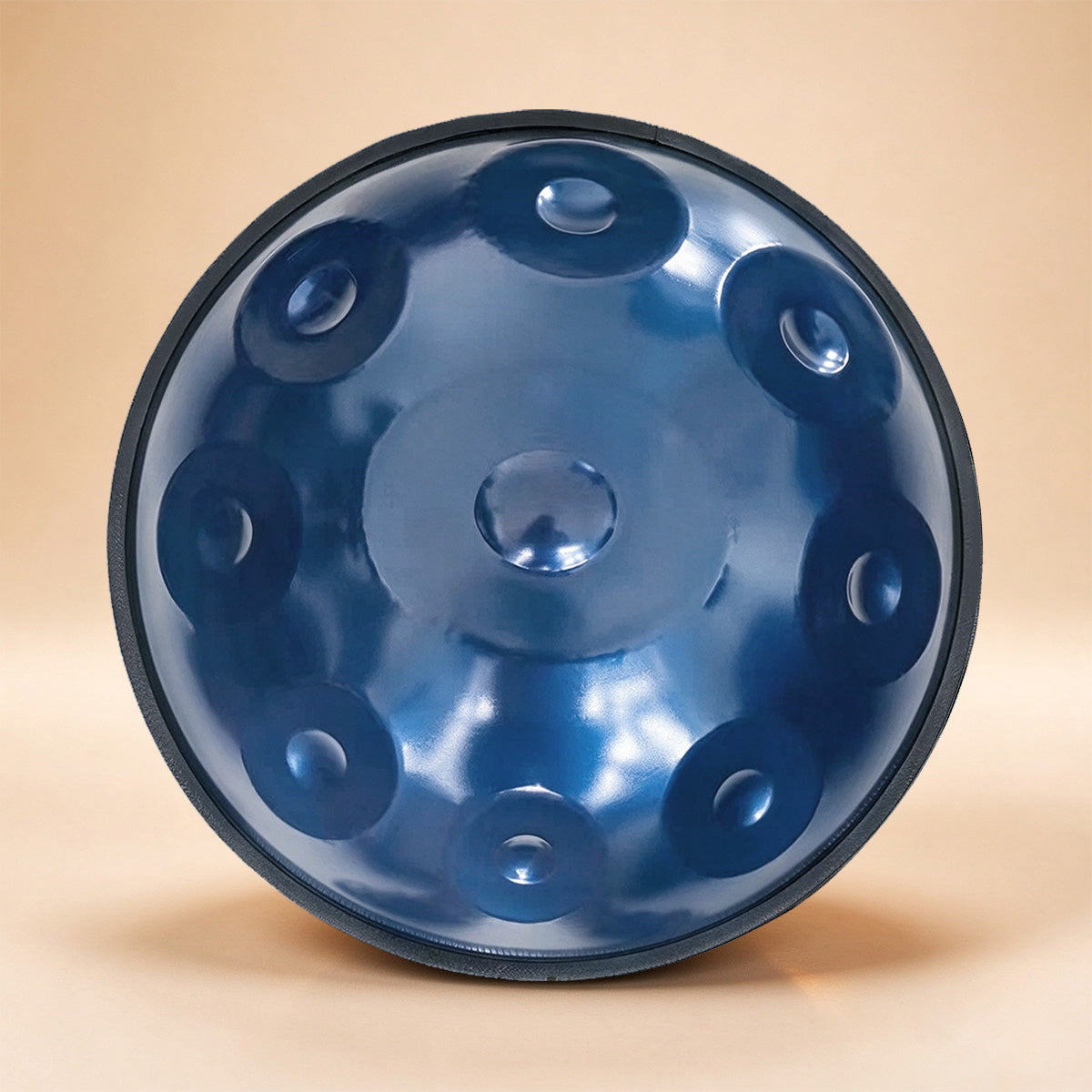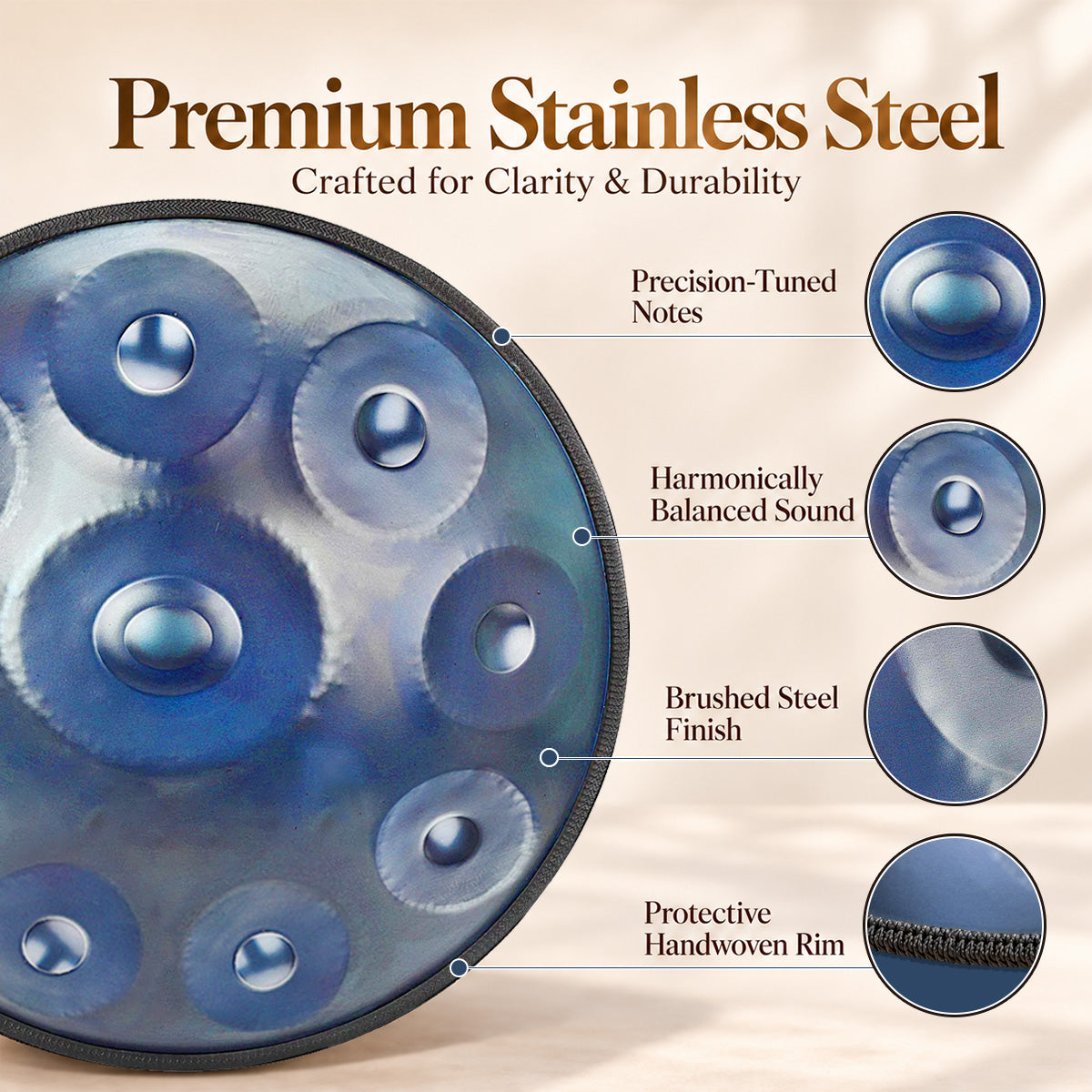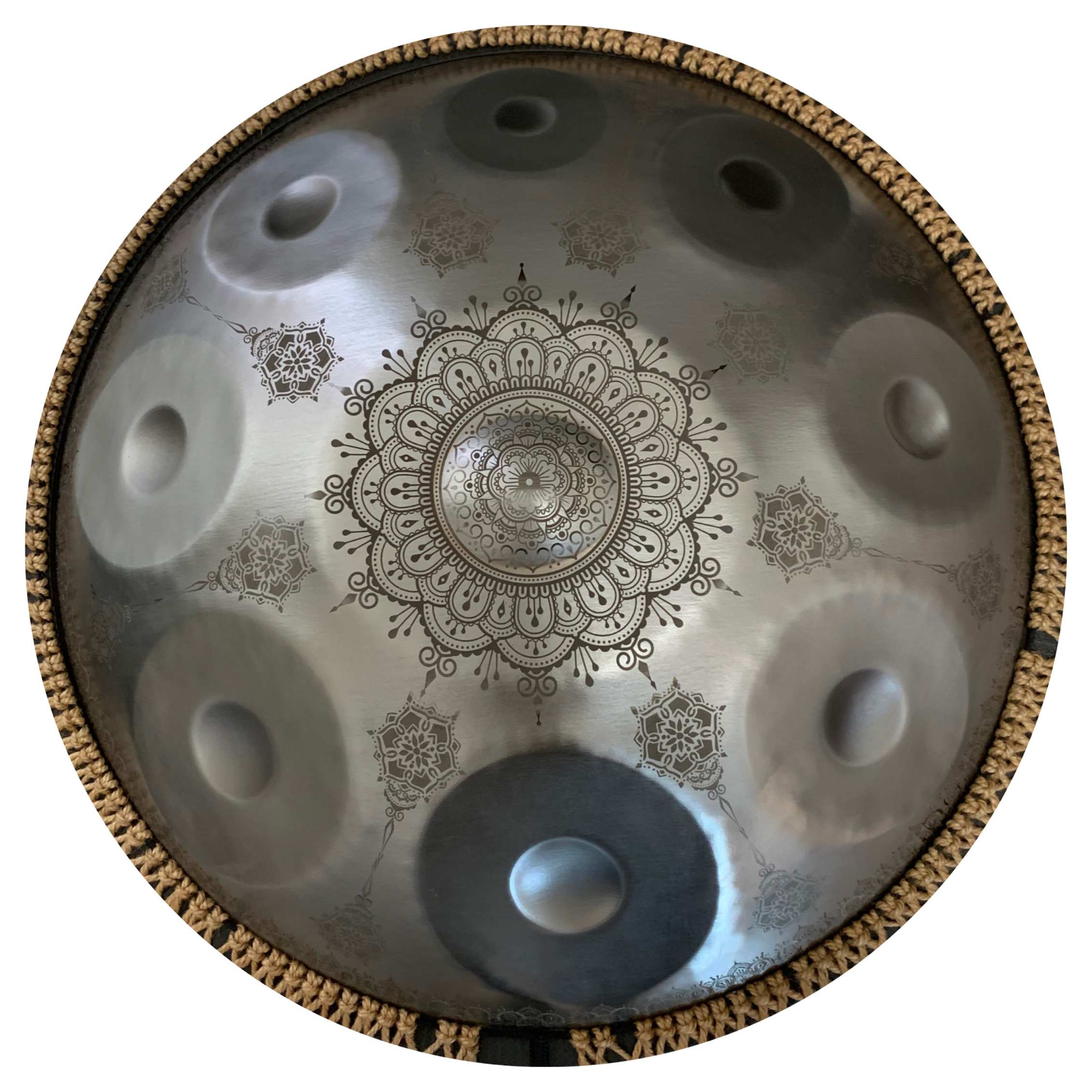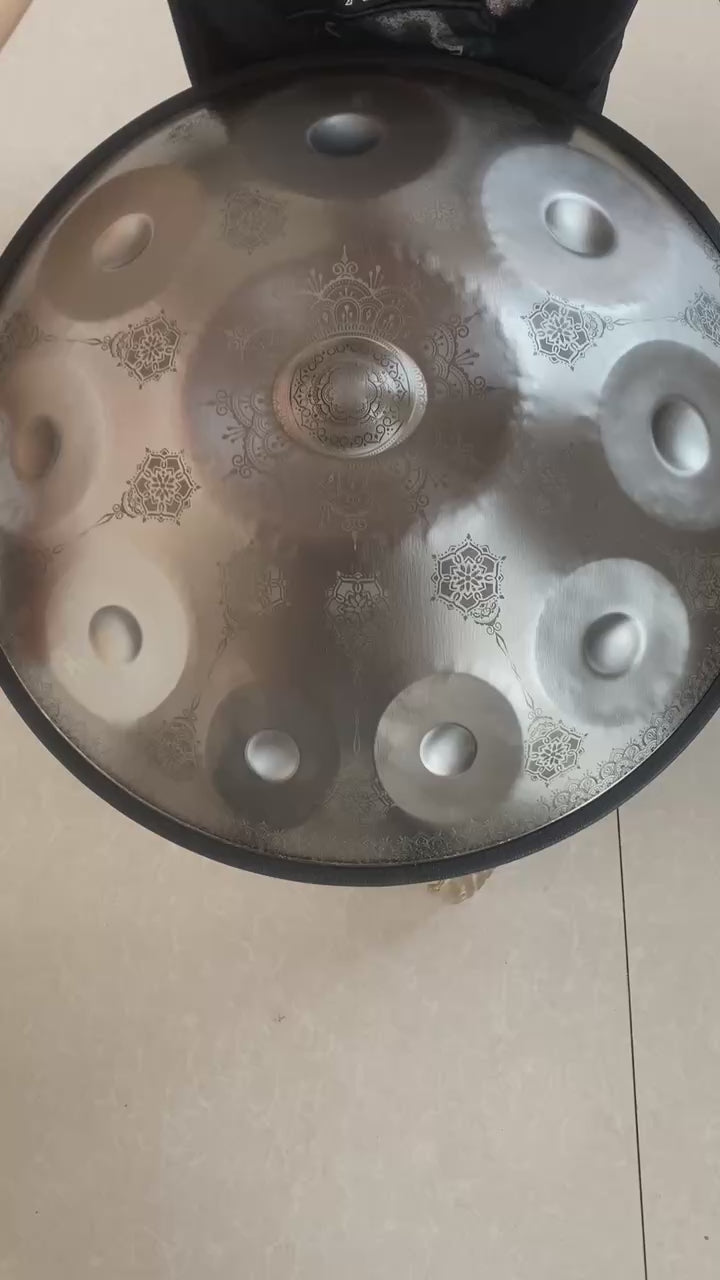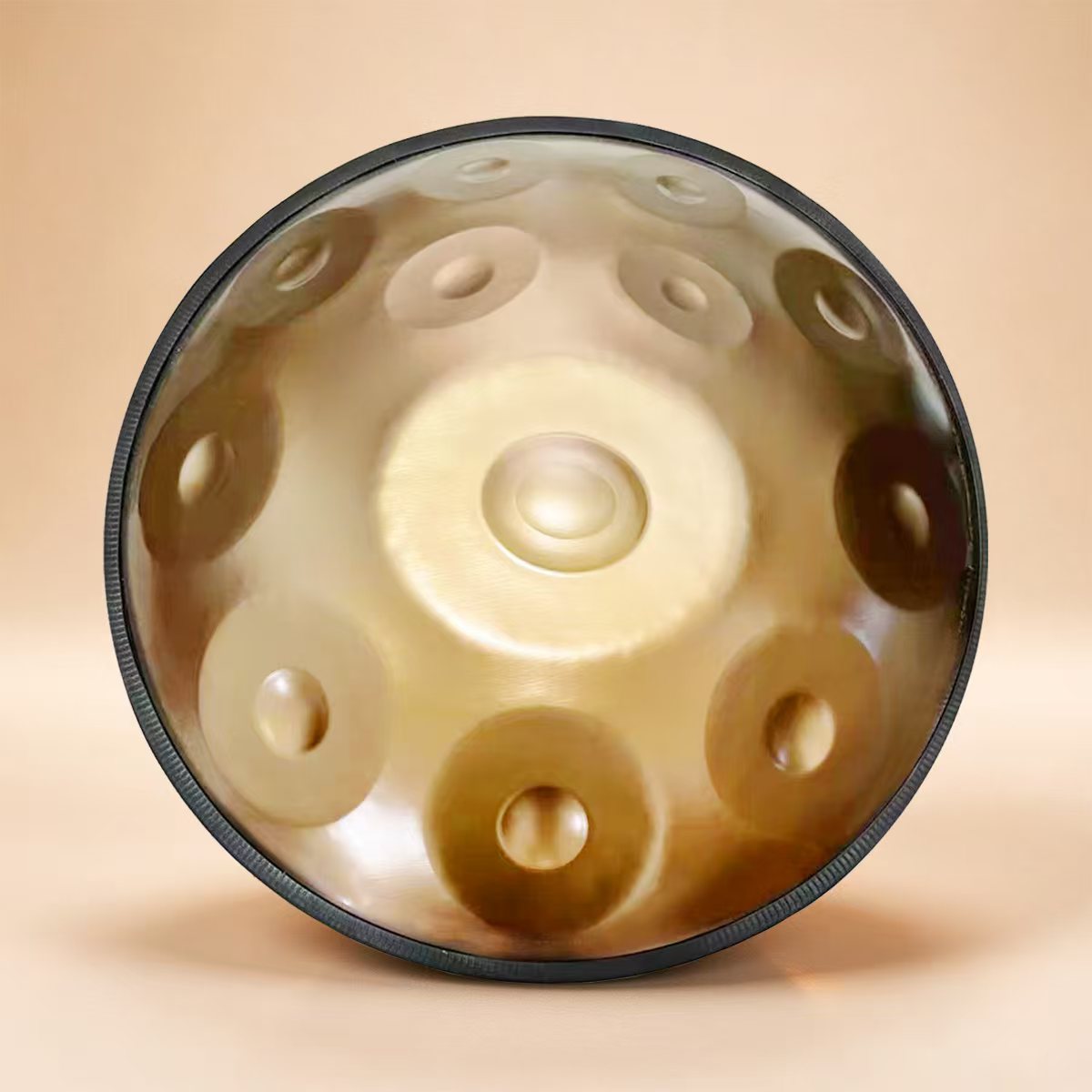

Handpan lesson for beginners are the perfect way to begin a nourishing musical journey. Whether you want to learn for relaxation, therapeutic practice, or to join the thriving handpan community, this guide outlines the seven best handpan lessons for beginners in 2025 and explains how Cosmos Handpan Store supports every step.

Table of Contents
Why Learn the Handpan? Benefits of a Handpan Lesson for Beginners
Learning the handpan through a structured handpan lesson for beginners has many benefits beyond playing beautiful music. The handpan is an instrument that naturally invites contemplation, breath-focused practice, and somatic awareness. Students report reduced stress, improved concentration, and deeper emotional expression. For therapeutic practitioners, the handpan becomes a powerful tool for sound healing and meditation.
With short, regular sessions, a handpan lesson for beginners can cultivate musical confidence, ear training, and rhythm awareness without overwhelming complexity. This accessibility makes the handpan a unique choice for beginners wanting quick musical gratification and long-term growth.
How to Start: Beginner Essentials for a Handpan Lesson for Beginners
1. Understanding the Instrument
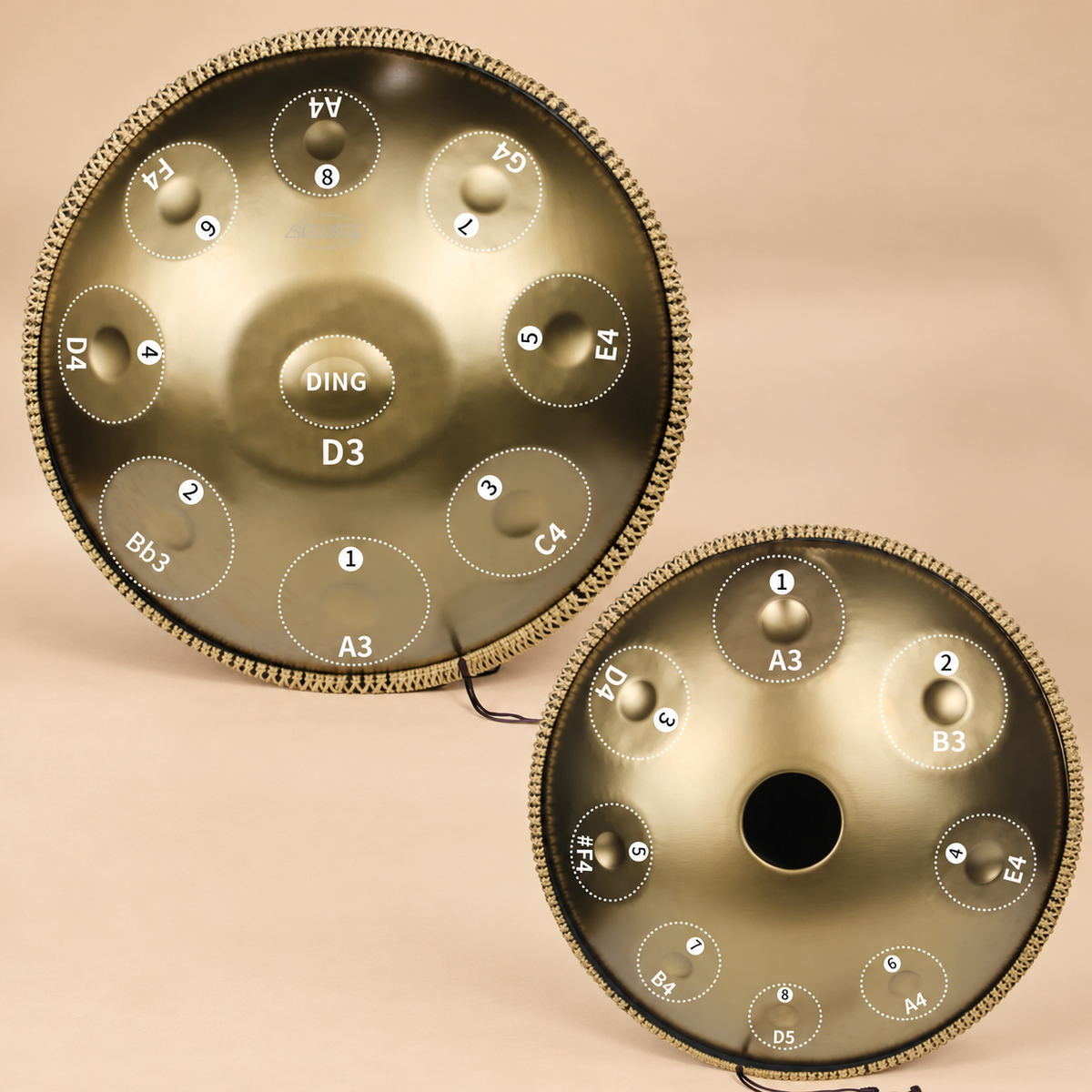
Before you begin any handpan lesson for beginners, take time to get familiar with the instrument: the central ding (tone), inner notes, scale layout, and hand techniques. Most handpans come in fixed scales (9 to 17 notes); choose a scale suited to your musical goals.
2. Proper Posture and Hand Technique
A handpan lesson for beginners should emphasize relaxed hands, curved fingers, and controlled wrist movements. Good technique prevents strain and supports tonal clarity. Beginners are often introduced to basic strikes: the center ding, edge taps, and muted strokes.
3. Listening & Ear Training
Most effective handpan lesson for beginners include ear training: learning to hear intervals, recognize drones, and follow simple melodic patterns. Listening to experienced players is one of the fastest ways to internalize phrasing and cadence.
4. Simple Rhythm & Groove
Begin with simple 3/4 or 4/4 patterns to develop steady timing. A quality handpan lesson for beginners uses looped grooves and metronome-backed exercises that build confidence quickly.
7 Best Handpan Lesson for Beginners (2025)
Below are seven recommended lesson formats and providers optimized for beginners in 2025. Each option suits different learning styles — from self-paced video courses to one-on-one mentorship and community workshops.
1. Structured Online Course — “Foundations of Handpan”
A structured video course focused on fundamental technique, rhythm patterns, and musical phrasing. Ideal for learners who prefer step-by-step progression, a great handpan lesson for beginners will include downloadable play-alongs, slow-motion technique breakdowns, and regular progress checkpoints.
2. Live Virtual Group Classes
Weekly group sessions led by a certified instructor allow for live feedback. These interactive handpan lesson for beginners keep motivation high and encourage peer learning. Group classes are often affordable and foster accountability.
3. Private One-to-One Coaching
Personalized tuition accelerates progress. A private handpan lesson for beginners is tailored to your learning speed, interests, and therapeutic goals. Coaches can correct posture immediately and design targeted practice plans.
4. Intensive Weekend Workshops
Immersive workshops pack fundamentals into a short time frame — perfect for those who want a concentrated introduction. These workshops often combine playtime with theory, improvisation basics, and ensemble playing.
5. Community Meetups & Jam Sessions
Regular jams provide real-world practice and social reinforcement. A community-centered handpan lesson for beginners blends informal learning with shared repertoire building and performance confidence.
6. Therapeutic Handpan Clinics
Designed for healers and therapists, these lessons integrate sound healing principles and somatic exercises. A therapeutic-focused handpan lesson for beginners teaches practitioners how to use simple scales and drones for calming sessions.
7. Self-Guided Play-Along Courses
For independent learners, modular courses with guided play-alongs, loop tracks, and downloadable notation make up an effective handpan lesson for beginners. They are budget-friendly and ideal for flexible schedules.
Cosmos Handpan Store — Spotlight: Instruments for Healing

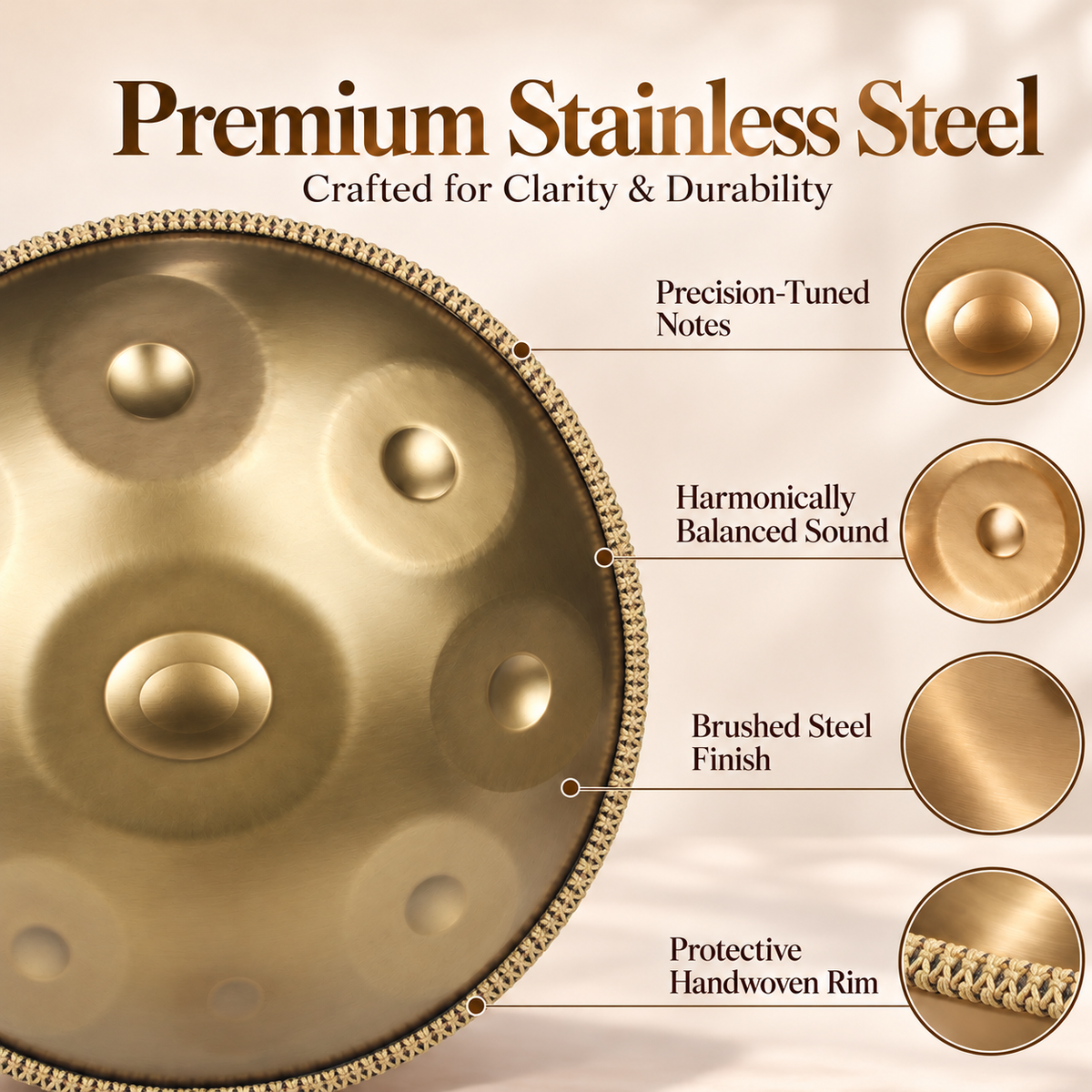
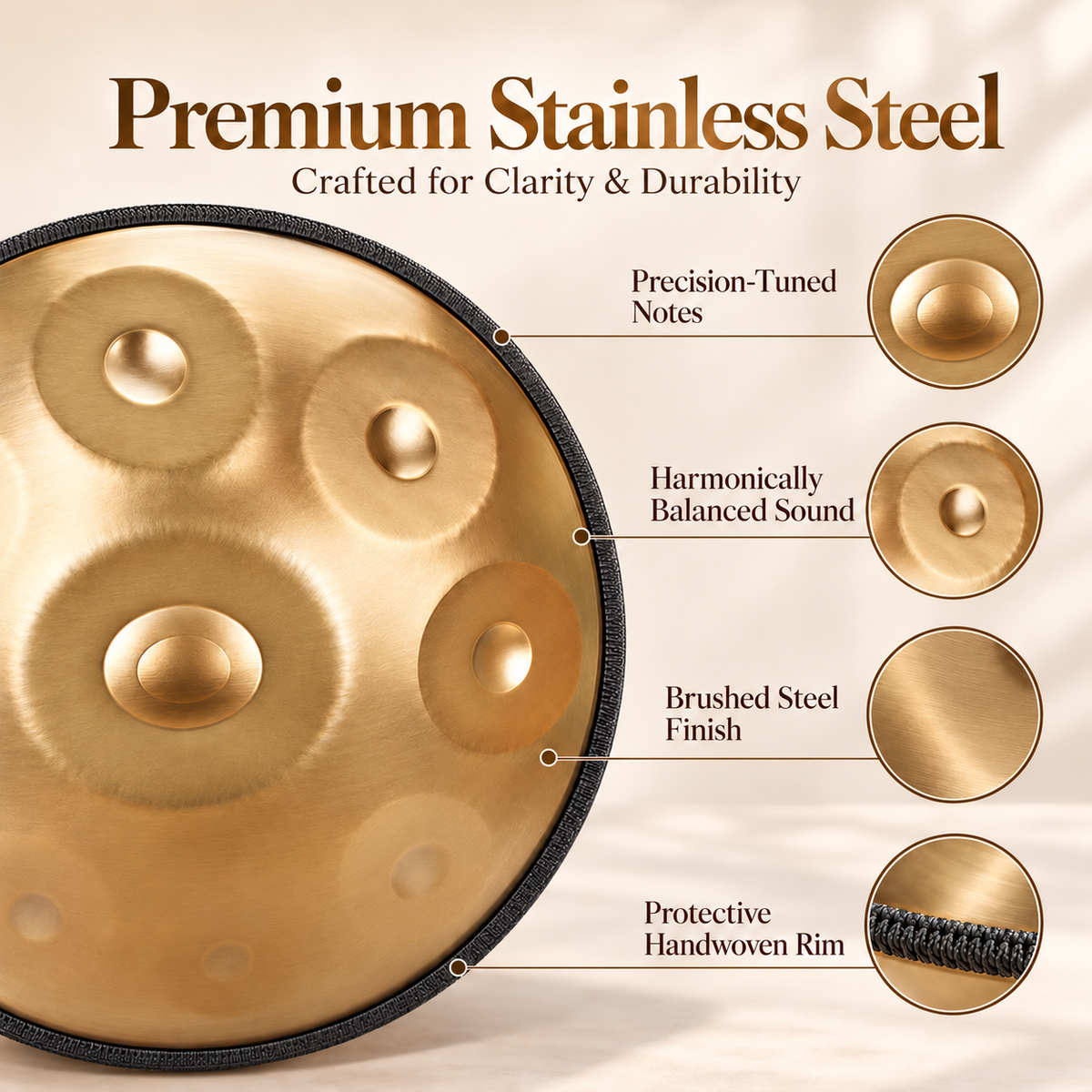
Cosmos Handpan Store began with a shared vision: to create instruments that inspire musical growth and facilitate healing. With meticulous craftsmanship and acoustic engineering, Cosmos handpans are tuned for tonal purity and playability.
Why Cosmos Handpans Are Ideal for Beginners
- Consistent Quality: Each instrument meets rigorous tuning stability standards — essential for beginners learning by ear.
- Beginner-Friendly Design: Scales and note spacing are optimized for accessibility, making your first handpan lesson for beginners more intuitive.
- Comprehensive Support: Cosmos provides learning resources that pair well with any handpan lesson for beginners, including tutorials and community access.
- Value Accessibility: Quality instruments at price points supporting widespread therapeutic use.
- Community Connection: Access to global players and healers, perfect for collaborative lessons and jam sessions.
Popular Cosmos Models & Who They’re For
| Model | Notes | Best For |
|---|---|---|
| 9 Notes Handpan | Simple scale, easy harmony | Absolute beginners, therapeutic settings |
| 10 Notes Handpan | Balanced range | Beginners & regular practice |
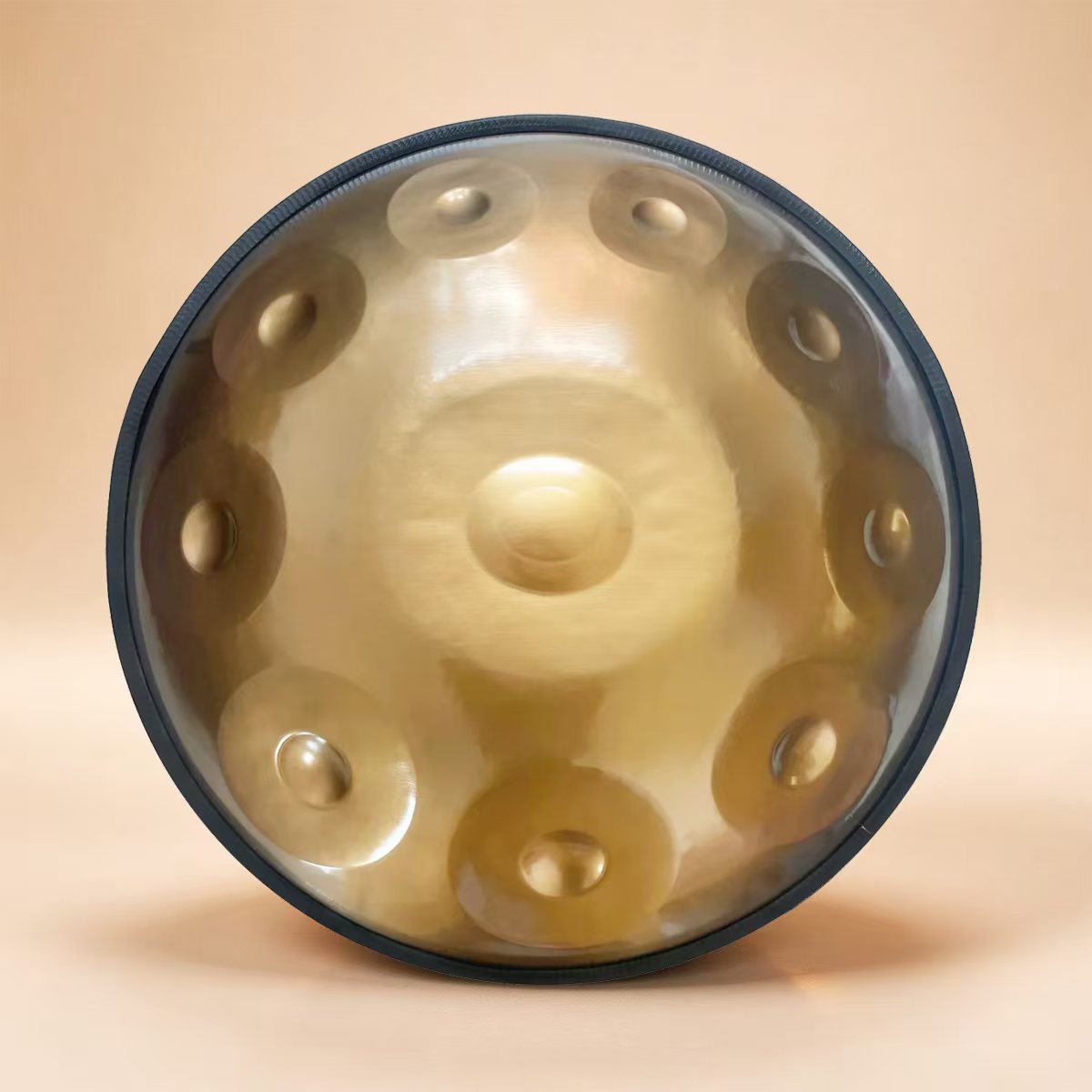
| 12 Notes Handpan | Extended melodic range | Committed learners |
| 17 Notes Handpan | Wide tonal palette | Serious practitioners & professionals |
30-Day Practice Routine: A Handpan Lesson for Beginners You Can Follow
This progressive 30-day routine is designed as a practical handpan lesson for beginners. It focuses on technique, rhythm, listening, and creative exploration. Each session is short (15–30 minutes), consistent with best learning principles.
Week 1 — Foundations (Days 1–7)
- Day 1–2: Instrument introduction, posture, basic strikes (center ding, neighbor notes)
- Day 3–4: Simple 4/4 pulse and single-note grooves
- Day 5–7: Play along with slow backing track — focus on timing and tone
Week 2 — Rhythm & Flow (Days 8–14)
- Introduce syncopation and simple fills
- Practice 3-beat and 4-beat patterns, alternating hands
- Daily ear training: sing and play intervals
Week 3 — Melody & Improvisation (Days 15–21)
- Learn a short melody by ear — repeat until smooth
- Begin improvisation using 3–5 notes
- Record sessions and review for improvement
Week 4 — Performance & Integration (Days 22–30)
- Play a 5-minute piece combining rhythm and melody
- Join a local jam or online meetup for feedback
- Set goals for the next 90 days
Choosing a Handpan & Care Tips
Selecting the Right Scale & Note Count
For most handpan lesson for beginners, a 9 or 10-note handpan in a major or pentatonic scale provides an intuitive playing experience. Pentatonic scales reduce the chance of dissonance, making improvisation more forgiving and enjoyable.
Basic Maintenance & Care
- Keep the handpan dry — avoid direct rain exposure.
- Wipe with a soft cloth after practice to remove oils and sweat.
- Store in a padded bag; avoid extreme temperature changes.
- Regularly check for tuning stability; trusted makers like Cosmos offer tuning services.
Comparison Summary Table: Best Handpan Lesson for Beginners Options
| Lesson Type | Pros | Cons |
|---|---|---|
| Online Structured Course | Flexible, comprehensive | Requires self-discipline |
| Live Group Class | Interactive, affordable | Limited individual attention |
| Private Coaching | Personalized, fast progress | Higher cost |
| Weekend Workshop | Immersive learning | Short-term intensity |
| Community Jam | Social practice | Less structure |
Frequently Asked Questions
1. How long does it take to learn the basics in a handpan lesson for beginners?
Most students learn basic grooves and simple melodies within 4–6 weeks with consistent practice (15–30 minutes daily). The journey to fluency depends on practice quality and lesson type.
2. Do I need musical experience to start a handpan lesson for beginners?
No. The handpan is beginner-friendly; many learners start with zero formal training. A well-structured handpan lesson for beginners will introduce rhythm and ear-training gradually.
3. Which Cosmos model is best for a handpan lesson for beginners?
Cosmos recommends the 9 Notes or 10 Notes Handpan for absolute beginners. These models are balanced, easy to play, and ideal for therapeutic or musical learning.
4. Can handpan lessons be used for therapy?
Yes. Many therapists integrate simple handpan lessons for beginners into sound healing, mindfulness, and trauma-informed practices. The instrument's calming tones support a therapeutic environment.
5. How should I practice between lessons?
Follow short, focused sessions: warm-up (5 minutes), technique (10 minutes), creative play (10 minutes). Use backing tracks and record yourself to monitor progress.